Tag: Local Culture

  • Málaga and UMA Partner to Protect City Heritage

    Málaga and UMA Partner to Protect City Heritage

    As Málaga continues its rapid evolution into a global tech and tourism hub, favored by an enviable climate where even extreme polar air masses spare the Costa del Sol, a pressing question hangs over its cobblestone streets: how do we preserve the city’s authentic soul?

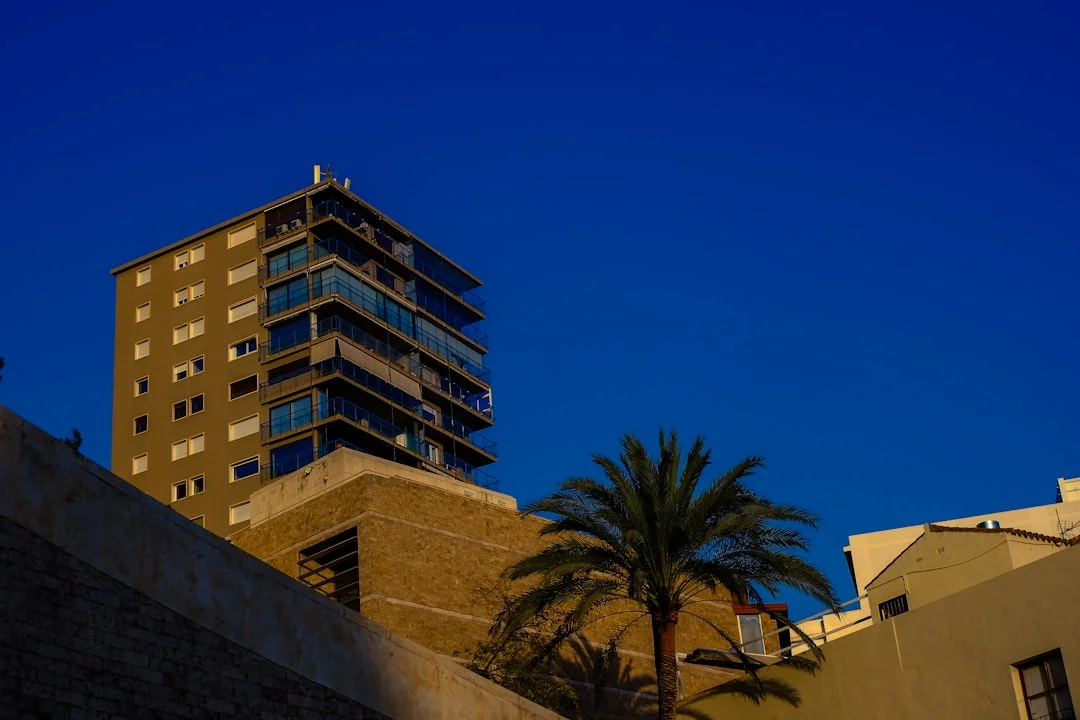
    While high-tech offices, modern holiday rentals, and ambitious new developments like the recently approved 29-story Zaha Hadid El Bulto tower reshape the urban landscape, a vital rescue mission is quietly underway. This month, local institutions and historic family-run businesses are stepping up to ensure that Málaga’s unique heritage isn’t lost to gentrification.

    A New Alliance for Málaga’s Historic Heritage

    In a significant step toward safeguarding the city’s identity, the Málaga City Council (via its Gerencia de Urbanismo) and the University of Málaga (UMA) signed a formal collaboration agreement on July 23, 2026. As reported by Europa Press, this partnership establishes a dedicated framework for research, documentation, and the strategic protection of the city’s historical assets.

    Rather than viewing heritage as static museum pieces, the alliance aims to integrate historical preservation into modern urban planning, especially as new developments like the Zaha Hadid luxury tower reshape the city’s skyline. Academic experts and city officials will work hand-in-hand to identify vulnerable structures, document local history, and create policies that keep Málaga’s architectural and cultural legacy intact for future generations.

    The Living Heritage: Traditional Eateries Under Pressure

    While protecting buildings is crucial, the true heartbeat of Málaga lies in its living heritage—the traditional, family-run establishments that have fed neighborhoods for decades. In the city center, these authentic spaces are facing unprecedented pressure from rising rents and changing consumer habits, leading to a shifting culinary landscape where iconic spots are constantly reinvented, as seen with the new restaurant taking over the former La Alvaroteca venue.

    Classic spots serve as vital social anchors. A prime example of this resistance is the story of traditional venues like those profiled by Málaga Hoy. Consider the legacy of the historic restaurant in the city center founded back in 1971 by former Málaga CF player José Portalés. For over half a century, places like this have served as community living rooms, offering affordable, home-cooked Andalusian classics to locals, workers, and curious travelers alike.

    These eateries are more than just business ventures; they are repositories of local memory. When a historic tavern closes to make way for a generic franchise, the city loses a piece of its oral history, its culinary traditions, and its neighborhood cohesion.

    How to Experience and Support Authentic Málaga

    For visitors and residents who want to help keep Málaga’s soul alive, the solution is simple: vote with your wallet. Supporting authentic local spots is the most effective way to ensure they survive.

    • Step off the Main Drags: Skip the global fast-food chains and seek out the narrow side streets of the historic center. Look for places with hand-written menu boards and bustling local crowds.
    • Order the Classics: Try traditional Malagueño dishes like ensaladilla rusa, boquerones fritos, porra antequerana, or a simple, perfectly poured caña of Victoria beer.
    • Value the Experience: Accept that traditional service might be loud, fast-paced, and entirely in Spanish. Embrace the lively atmosphere—it is a core part of the local dining culture.

    Looking Forward

    As Málaga navigates its golden era of growth, finding a balance between progress and preservation is the defining challenge of our time. The new partnership between the city and the university is a hopeful sign that institutional protection is catching up to the community’s needs. Ultimately, however, the survival of Málaga’s unique character relies on the choices we make every day at the dinner table.

    We hope that as the city grows, we can continue to share a table in the very places that made us fall in love with Málaga in the first place. Let us cherish and protect these corners of warmth and history.
  • Wo Sie im Zentrum von Málaga traditionell essen können

    Wo Sie im Zentrum von Málaga traditionell essen können

    Da Málaga als globales Zentrum für Tourismus und Remote Work stetig wächst – nicht zuletzt dank des ganzjährig angenehmen Klimas, bei dem oft selbst polare Luftmassen die Costa del Sol verschonen – hat das historische Zentrum einen rasanten Zuwachs an internationalen Franchise-Ketten, trendigen Brunch-Lokalen und minimalistischen Cafés erfahren. Doch versteckt zwischen den belebten, durchmodernisierten Straßen behaupten sich noch immer einige wenige traditionelle kulinarische Bastionen. Dies sind die Orte, an denen die Rezepte unverändert bleiben, der Service herzlich und unaufgeregt ist und die Seele von Málaga auf dem Teller serviert wird.

    Für Reisende und neu zugezogene Einwohner, die abseits der anfänglichen Bürokratie – wie der richtigen Reihenfolge bei NIE und Padrón – das echte Málaga suchen, ist das Aufspüren dieser Orte mehr als nur eine kulinarische Entdeckungsreise – es ist eine Möglichkeit, die lokale Gemeinschaft zu unterstützen und die lebendige Geschichte der Stadt zu bewahren.

    Das Erbe des Mesón Portalés: Eine 55 Jahre alte Institution

    Eines der besten Beispiele für diesen lokalen Widerstand ist das Mesón Portalés. Gegründet im Jahr 1971 von José Portalés Úbeda, einem ehemaligen Profifußballer von Málaga CF, ist dieses Lokal seit Generationen ein Eckpfeiler der lokalen Gastronomieszene.

    Etwa ein Jahrzehnt nach der Eröffnung ging das Restaurant in die Hände der Familie Ramos über. Anstatt modernen kulinarischen Trends hinterherzujagen, trafen sie die bewusste Entscheidung, die authentischen Aromen der traditionellen Hausmannskost von Málaga zu bewahren. Mitten im Herzen des historischen Zentrums gelegen, fühlt sich das Betreten des Mesón Portalés wie eine Zeitreise an.

    Hier finden Sie keinen Avocado-Toast oder trüffelverfeinerten Schaum. Stattdessen ist die Küche auf deftige, wohltuende Klassiker spezialisiert:
    * Albóndigas en salsa de almendras: Zarte Fleischbällchen, geschmort in einer reichhaltigen, traditionellen Mandelsauce.
    * Plato de los Montes: Ein herzhaftes Gericht aus den Bergen mit Chorizo, Schweinelende (lomo en manteca), Bratkartoffeln und einem Spiegelei.
    * Ajoblanco: Die klassische kalte Mandel-Knoblauch-Suppe, serviert mit süßen Weintrauben aus Málaga.

    Laut einem Bericht von Málaga Hoy über das gastronomische Erbe der Region sind Orte wie das Mesón Portalés von entscheidender Bedeutung, um die kulturelle Identität des Stadtzentrums inmitten der raschen Gentrifizierung zu bewahren.

    Weitere traditionelle Tempel, die Sie nicht verpassen sollten

    Wenn Sie die authentische Tapas-Kultur von Málaga erleben möchten, sollten Sie diese historischen Orte auf Ihre Liste setzen:

    1. Antigua Casa de Guardia (Gegründet 1840)

    Als älteste Taverne Málagas ist dieser legendäre Ort an der Alameda Principal ein absolutes Muss. Es gibt keine Stühle; die Gäste lehnen an der langen Holztheke, während die Barkeeper lokalen Süßwein direkt aus riesigen Holzfässern einschenken. Ihre Rechnung wird immer noch mit Kreide direkt auf den Tresen geschrieben. Kombinieren Sie ein Glas Seco Trastras oder Pedro Ximénez mit einem einfachen Teller lokaler Miesmuscheln oder Garnelen zum Selberschälen.

    2. Cortijo de Pepe (Gegründet 1971)

    In der Nähe der Plaza de la Merced gelegen, bietet das Cortijo de Pepe eine rustikale, tavernenartige Atmosphäre. Im Erdgeschoss befindet sich eine belebte Bar, in der Sie traditionelle Tapas wie pimientos de Padrón, gegrillten Oktopus und Fleischspieße (pinchitos) genießen können. Wenn Sie lieber im Sitzen essen möchten, bietet der Speisesaal im Obergeschoss einen gemütlichen Rückzugsort mit einer Speisekarte, die von Fleisch aus dem Holzofen und klassischen Eintöpfen geprägt ist.

    3. La Campana

    Wenn Sie im Zentrum Lust auf traditionellen frittierten Fisch nach Málaga-Art haben, ist La Campana die richtige Adresse. Es ist laut, voll und unglaublich charmant. Bestellen Sie ein kaltes Bier oder ein Glas lokalen Weißwein zu einem Teller knuspriger boquerones (Sardellen), calamares oder adobo (marinierter Fisch).

    Wie Sie eine authentische Tapas-Bar in Málaga erkennen

    Da so viele Lokale für Touristen auf „traditionell“ getrimmt sind, kann es schwierig sein, das Authentische vom Imitat zu unterscheiden. Beachten Sie diese praktischen Tipps:
    * Die Speisekarte: Authentische Lokale haben meist einfache, gedruckte Speisekarten (oft nur auf Spanisch) oder handgeschriebene Kreidetafeln. Wenn neben jedem Gericht Hochglanzfotos zu sehen sind, ist Vorsicht geboten.
    * Das Publikum: Suchen Sie nach Bars, in denen die Gäste Spanisch sprechen, insbesondere ältere Einheimische, die seit Jahrzehnten denselben Ort besuchen.
    * Die Einrichtung: Traditionelle Bars zeichnen sich oft durch Metalltheken, Fässer als Tische und einen schnellen, schnörkellosen Service aus, bei dem sich die Kellner Ihre Bestellung merken, ohne sie aufzuschreiben.

    Die Seele der Stadt bewahren

    Jedes Mal, wenn wir uns für eine familiengeführte Taverne und gegen eine globale Fast-Food-Kette entscheiden, tragen wir dazu bei, die einzigartige Identität von Málaga lebendig zu erhalten. Diese traditionellen Küchen tun mehr, als uns nur zu ernähren; sie verbinden uns mit den Familien, der Geschichte und den Aromen, die Málaga zu der herzlichen, einladenden Stadt gemacht haben, in die wir uns überhaupt erst verliebt haben. Wir hoffen, dass diese kulinarischen Zufluchtsorte auch bei der fortschreitenden Entwicklung der Stadt fest verwurzelt bleiben und noch über Jahrzehnte hinweg Gemütlichkeit und Tradition servieren.

  • Where to Eat Traditional Food in Malaga Center

    Where to Eat Traditional Food in Malaga Center

    As Malaga continues to grow as a global hub for tourism and remote work, drawing newcomers who must first navigate the correct NIE and Padrón paperwork order, the historic center has seen a rapid rise in international franchises, trendy brunch spots, and minimalist cafes. Yet, tucked away between the crowded, thoroughly modernized streets, a handful of traditional culinary bastions still stand. These are the places where the recipes remain unchanged, the service is warm and unpretentious, and the soul of Malaga is served on a plate.

    For travelers and newly arrived residents seeking the real Malaga, finding these spots is more than just a culinary quest—it is a way to support the local community and preserve the city’s living history.

    The Legacy of Mesón Portalés: A 55-Year-Old Institution

    One of the finest examples of this local resistance is Mesón Portalés. Founded in 1971 by José Portalés Úbeda, a former professional football player for Málaga CF, this establishment has been a cornerstone of the local dining scene for generations.

    About a decade after its opening, the restaurant passed into the hands of the Ramos family. Rather than chasing modern culinary trends, they made a conscious decision to preserve the authentic flavors of Malaga’s traditional home cooking. Located right in the heart of the historic center, stepping into Mesón Portalés feels like stepping back in time.

    Here, you won’t find avocado toasts or truffle-infused foam. Instead, the kitchen specializes in robust, comforting classics:
    * Albóndigas en salsa de almendras: Tender meatballs simmered in a rich, traditional almond sauce.
    * Plato de los Montes: A hearty mountain dish featuring chorizo, pork loin (lomo en manteca), fried potatoes, and a fried egg.
    * Ajoblanco: The classic cold almond and garlic soup, served with sweet Malaga grapes.

    According to a feature on local heritage dining by Málaga Hoy, places like Mesón Portalés are vital to maintaining the cultural identity of the city center amidst rapid gentrification.

    Other Traditional Temples You Cannot Miss

    If you want to experience the authentic tapas culture of Malaga, add these historic spots to your list:

    1. Antigua Casa de Guardia (Founded in 1840)

    As Malaga’s oldest tavern, this legendary spot on the Alameda Principal is a must-visit. There are no chairs; customers lean against the long wooden bar while bartenders pour local sweet wines directly from massive wooden barrels. Your tab is still written in chalk directly on the counter. Pair a glass of Seco Trastras or Pedro Ximénez with a simple plate of local mussels or peel-and-eat prawns.

    2. Cortijo de Pepe (Founded in 1971)

    Located near Plaza de la Merced, Cortijo de Pepe offers a rustic, tavern-like atmosphere. The ground floor features a bustling bar where you can enjoy traditional tapas like pimientos de Padrón, grilled octopus, and skewered meats (pinchitos). If you prefer a sit-down meal, the upstairs dining room offers a cozy retreat with a menu dominated by wood-fired meats and classic stews.

    3. La Campana

    If you are craving traditional Malaga-style fried fish in the center, La Campana is the place to go. It is loud, crowded, and incredibly charming. Order a cold beer or a glass of local white wine alongside a plate of crispy boquerones (anchovies), calamares, or adobo (marinated fish).

    How to Spot an Authentic Malaga Tapas Bar

    With so many venues designed to look “traditional” for tourists, it can be hard to separate the authentic from the imitation. Keep these practical tips in mind:
    * The Menu: Authentic spots usually have simple, printed menus (often only in Spanish) or handwritten blackboards. If there are glossy photos of the food next to every item, proceed with caution.
    * The Crowds: Look for bars where the patrons are speaking Spanish, especially older locals who have been coming to the same spot for decades.
    * The Setup: Traditional bars often feature metal counters, barrels used as tables, and a fast-paced, no-nonsense service style where the waiters memorize your order without writing it down.

    Preserving the Soul of the City

    Every time we choose a family-run tavern over a global fast-food chain, we help keep Malaga’s unique identity alive. These traditional kitchens do more than just feed us; they connect us to the families, history, and flavors that made Malaga the warm, welcoming city we fell in love with in the first place. We hope that as the city continues to evolve, these culinary sanctuaries remain firmly rooted, serving up comfort and tradition for decades to come.

  • Veranstaltungen in Málaga: 5 Geheimnisse der Festivals der Stadt

    Veranstaltungen in Málaga: 5 Geheimnisse der Festivals der Stadt

    Ein Blick hinter die Kulissen von Málagas berühmtesten Traditionen

    Málaga ist weithin bekannt für seine sonnige Küste, seine preiswerten Museen und seine lebhafte Atmosphäre. Doch unter der Oberfläche der berühmtesten jährlichen Veranstaltungen verbergen sich einzigartige Bräuche, historische Besonderheiten und praktische logistische Details, die selbst manche Einheimischen übersehen.

    Ob Sie diese Feierlichkeiten nun hautnah miterleben möchten, sich über aktuelle lokale Veranstaltungen auf dem Laufenden halten wollen oder einfach nur das kulturelle Gefüge der Costa del Sol verstehen möchten – hier sind fünden Dinge, die Sie wahrscheinlich noch nicht über die Events in Málaga wussten.

    1. Die Feria de Málaga besteht eigentlich aus zwei Festen in einem

    Viele Erstbesucher, die in den Hotels in Málaga übernachten, kommen zur Feria de Málaga (die historisch gesehen jeden August stattfindet, wobei die Ausgabe für 2026 für nächsten Monat geplant ist) und erwarten ein einziges Festgelände. In Wirklichkeit ist die Feria in zwei völlig unterschiedliche Erlebnisse unterteilt:

    • Feria de Día (Tages-Feria): Sie findet im historischen Stadtzentrum statt, wo die Straßen mit Papierlaternen geschmückt sind und die Menschen direkt auf dem Kopfsteinpflaster zu traditionellen sevillanas und moderner Musik tanzen.
    • Feria de Noche (Nacht-Feria): Sie befindet sich auf dem Real del Cortijo de Torres, einem riesigen Festgelände am Rande der Stadt. In diesem Bereich gibt es traditionelle casetas (Zelte), Fahrgeschäfte und Konzerte, die bis zum Morgengrauen andauern.

    Diese Aufteilung zu kennen, ist entscheidend, um sich die Kräfte einzuteilen, da der Versuch, beides an einem einzigen Tag zu erleben, äußerst anstrengend sein kann.

    2. Die zentnerschwere Realität der Semana Santa

    Málagas Karwoche (Semana Santa) ist weltberühmt, aber nur wenige sind sich der schieren physischen Dimensionen dieser Veranstaltung bewusst. Anders als in anderen spanischen Städten, in denen religiöse Statuen auf den Schultern mithilfe verborgener Holzkonstruktionen (costaleros) getragen werden, verwendet man in Málaga riesige Throne aus Holz oder Metall, die sogenannten tronos, die an der Außenseite getragen werden.

    Einige dieser Throne, wie die Virgen de la Esperanza, wiegen über 5.000 Kilogramm. Es bedarf bis zu 250 hombres de trono (Thronträger), die in perfektem Einklang arbeiten, um sie in Schichten von bis zu acht Stunden durch die engen Gassen zu tragen. Die Träger trainieren monatelang, um die für diese tief verwurzelte kulturelle Tradition erforderliche Ausdauer aufzubauen.

    3. Das satirische Verbrennen der „Júas“

    In der Nacht des 23. Juni feiert Málaga die Noche de San Juan, um die Sommersonnenwende zu begrüßen. Während Strandfeuer in ganz Spanien üblich sind, gibt es in Málaga eine ganz besondere lokale Tradition: das Verbrennen der Júas.

    Júas sind große, selbstgemachte Stoffpuppen, die mit Sägemehl und Papier gestopft sind. Sie sollen Persönlichkeiten des öffentlichen Lebens, Politiker oder allgemeine Themen (wie „Pech“ oder „hohe Mieten“) darstellen, gegen die die Einheimischen protestieren wollen. Um Mitternacht werden diese Figuren an den Stränden von El Palo und La Malagueta in die Lagerfeuer geworfen, was als unbeschwertes, satirisches Reinigungsritual dient.

    4. Das Aufeinandertreffen der Verdiales ist ein jahrhundertealter Wettkampf

    Jedes Jahr im Dezember findet in der Stadt die Fiesta Mayor de Verdiales statt (das nächste Treffen ist für den 28. Dezember 2026 geplant). Verdiales ist eine uralte Form des Flamenco, die aus den Bergen von Málaga stammt und sich durch schnelle Tempi, Geigen, Gitarren und kunstvolle, mit Blumen geschmückte Hüte auszeichnet.

    Was viele nicht wissen, ist, dass dieses Festival historisch gesehen ein Wettbewerb ist. Verschiedene pandas (Gruppen, die lokale Dörfer repräsentieren) treten in musikalischen Duellen (choques) gegeneinander an. Zwei Gruppen stehen sich von Angesicht zu Angesicht gegenüber und spielen ihre Instrumente mit maximaler Lautstärke, um zu sehen, wer den Rhythmus halten kann, ohne aus dem Takt zu kommen oder sich von der anderen Gruppe ablenken zu lassen. Es ist ein packendes, energiegeladenes Spektakel der Ausdauer.

    5. Das Filmfestival ist überraschend zugänglich

    Das jährliche Festival de Málaga (das renommierte spanische Filmfestival, das normalerweise im März stattfindet) wirkt mit seinem großen roten Teppich vor dem Cervantes Theatre wie eine exklusive Veranstaltung nur für geladene Gäste.

    Das Festival ist jedoch sehr demokratisch konzipiert. Im Gegensatz zu großen internationalen Festivals, bei denen die Tickets für Branchenprofis reserviert sind, steht die überwiegende Mehrheit der Vorführungen, Dokumentarfilme und sogar Pressekonferenzen in Málaga der breiten Öffentlichkeit offen. Die Eintrittskarten sind sehr erschwinglich und kosten oft weniger als ein normales Kinoticket, sodass Filmliebhaber im selben Saal wie die besten Regisseure und Schauspieler Spaniens sitzen können.

    Die Geschichten hinter diesen Feierlichkeiten zu kennen, verändert die Art und Weise, wie wir sie erleben. Es verwandelt eine überfüllte Straße oder ein lautes Konzert in einen gemeinsamen historischen Moment. Wir hoffen, dass dieser Reiseführer Ihnen hilft, eine tiefere Verbindung zu den Traditionen aufzubauen, die dafür sorgen, dass sich unsere Stadt wie ein Zuhause anfühlt, und wir freuen uns darauf, im Laufe der Jahreszeiten noch mehr vom einzigartigen Charakter Málagas mit Ihnen zu teilen.

  • Málaga Events: 5 Secrets of the City’s Festivals

    Málaga Events: 5 Secrets of the City’s Festivals

    Inside Málaga’s Most Famous Traditions

    Málaga is widely celebrated for its sunny coastline, budget-friendly museums, and lively atmosphere. Yet, beneath the surface of its most famous annual gatherings lie unique customs, historical quirks, and practical logistics that even some locals overlook.

    Whether you are planning to experience these celebrations firsthand, looking to stay updated on local events, or simply want to understand the cultural fabric of the Costa del Sol, here are five things you probably didn’t know about events in Málaga.

    1. The Feria de Málaga is Actually Two Festivals in One

    Many first-time visitors arrive at the Feria de Málaga (historically held every August, with the 2026 edition scheduled for next month) expecting a single festival ground. In reality, once you leave your local Málaga hotel, you’ll find the Feria is split into two completely different experiences:

    • Feria de Día (Day Fair): Located in the historic city center, where the streets are decorated with paper lanterns, and people dance to traditional sevillanas and modern music right on the cobblestones.
    • Feria de Noche (Night Fair): Located at the Real del Cortijo de Torres, a massive fairground on the outskirts of the city. This area hosts traditional casetas (tents), amusement rides, and concerts that run until dawn.

    Understanding this layout is crucial for pacing yourself, as trying to do both in a single day can be exhausting.

    2. The Heavyweight Reality of Semana Santa

    Málaga’s Holy Week (Semana Santa) is world-famous, but few realize the sheer physical scale of the event. Unlike in other Spanish cities where religious statues are carried on shoulders using hidden structures (costaleros), Málaga uses massive wooden or metal thrones called tronos carried on the outside.

    Some of these thrones, such as the Virgen de la Esperanza, weigh over 5,000 kilograms. It takes up to 250 hombres de trono (throne carriers) working in perfect unison to carry them through the narrow streets for shifts that can last up to eight hours. The carriers train for months to build the endurance required for this profound cultural tradition.

    3. The Satirical Burning of the “Júas”

    On the night of June 23rd, Málaga celebrates the Noche de San Juan to welcome the summer solstice. While beach bonfires are common across Spain, Málaga has a highly localized tradition: the burning of the Júas.

    Júas are large, homemade rag dolls stuffed with sawdust and paper. They are designed to represent public figures, politicians, or general concepts (like “bad luck” or “high rent”) that locals want to protest. At midnight, these effigies are thrown into the bonfires along the beaches of El Palo and La Malagueta, serving as a lighthearted, satirical cleansing ritual.

    4. The Verdiales Clash is a Centuries-Old Battle

    Every December, the city hosts the Fiesta Mayor de Verdiales (with the next gathering set for December 28, 2026). Verdiales is an ancient form of flamenco native to the mountains of Málaga, characterized by fast tempos, violins, guitars, and elaborate, flower-adorned hats.

    What many do not know is that this festival is historically a competition. Different pandas (groups representing local villages) go head-to-head in musical “clashes” (choques). Two groups stand face-to-face, playing their instruments at maximum volume to see who can maintain the rhythm without losing beat or getting distracted by the other group. It is a thrilling, high-energy spectacle of endurance.

    5. The Film Festival is Surprisingly Accessible

    The annual Festival de Málaga (the prestigious Spanish Film Festival, typically held in March) looks like an exclusive, invite-only affair with its grand red carpet outside the Cervantes Theatre.

    However, the festival is designed to be highly democratic. Unlike major international festivals where tickets are reserved for industry professionals, the vast majority of screenings, documentaries, and even press conferences in Málaga are open to the general public. Tickets are highly affordable, often costing less than a standard cinema ticket, allowing film enthusiasts to sit in the same rooms as Spain’s top directors and actors.

    Learning the stories behind these celebrations changes how we experience them. It turns a crowded street or a loud concert into a shared moment of history. We hope this guide helps you connect a little deeper with the traditions that make our city feel like home, and we look forward to sharing more of Málaga’s unique character with you as the seasons unfold.

  • Málaga’s Cameranos: The Riojan Merchants Who Built Trade

    Málaga’s Cameranos: The Riojan Merchants Who Built Trade

    Málaga is widely celebrated today as a thriving international hub, but its economic dynamism is nothing new. Long before the tech startups and modern boutiques arrived, the city’s commercial backbone was shaped by waves of ambitious migrants. Among the most influential yet least known of these groups were the Cameranos—enterprising merchants from the rugged Cameros Valley in La Rioja.

    These northern migrants played a fundamental role in transforming Málaga into a commercial powerhouse during the 19th and 20th centuries, laying the foundation for the thriving cultural legacy that today offers incredible Málaga art exhibitions and museum escapes.

    Who Were the Cameranos?

    The Valle de Cameros is a mountainous region in La Rioja, historically known for its harsh winters and sheep farming. Faced with limited agricultural opportunities at home, many young men from the valley chose to migrate.

    Unlike other migration waves driven by sheer desperation, the Cameranos relied on a highly organized network of family and regional solidarity. Established merchants in southern Spain would sponsor young relatives or neighbors from the valley, bringing them in as apprentices. These young men started from the bottom, learning the trade, saving money, and eventually taking over or founding their own businesses.

    Building Málaga’s Commercial Heart

    Upon arriving in Málaga, the Cameranos quickly made their mark on the local retail and wholesale sectors. They specialized in textiles, dry goods, groceries, and traditional haberdasheries (mercerías).

    Their business model was built on trust, long hours, and deep community ties. Over the decades, these Riojan families established some of the most iconic shops in Málaga’s historic center, particularly around Calle Larios and Calle Nueva. Their influence extended beyond simple shopkeeping; they became prominent figures in Málaga’s high society, contributing to the city’s urban development and civic institutions.

    Rediscovering the Legacy on ‘Memoria Sur’

    For those interested in diving deeper into this fascinating chapter of local history, the story has recently been brought back into the spotlight. The local history podcast Memoria Sur, hosted by journalists Ana Pérez-Bryan and Esther Luque, dedicated its latest episode to exploring this Riojan footprint.

    In Episode 263 of Memoria Sur, published in June 2026, the hosts unpack how these northern families integrated into Málaga’s social fabric and left a lasting heritage that still whispers through the architecture and family names of the city today.

    Why This History Matters Today

    Understanding the story of the Cameranos offers a fresh perspective for expats and new residents in Málaga. It serves as a reminder that Málaga’s identity has always been forged by outsiders who arrived with dreams, worked hard, and woven their own cultures into the Andalusian landscape.

    Next time you walk down the marble-paved streets of the historic center, take a moment to look at the old shopfronts. Many of them exist because of the determination of those young mountain-dwellers from La Rioja who decided to make Málaga their home.

    Learning about the people who built the streets we walk today helps us feel truly connected to our shared home. Málaga’s history is a beautiful mosaic of cultures, and the hardworking spirit of the Cameranos remains a vital piece of that puzzle. Let us keep sharing these stories to appreciate the rich, welcoming tapestry of the city we love.

  • Málaga CF-Fieber: Diario SUR bringt Fan-Sonderedition heraus

    Málaga CF-Fieber: Diario SUR bringt Fan-Sonderedition heraus

    Die Verbindung zwischen Málaga und seinem Fußballverein hat einen spektakulären Höhepunkt erreicht. Wenn Sie durch ein beliebiges Viertel der Stadt spazieren – vom historischen Zentrum bis zu den Chiringuitos am Strand von Pedregalejo –, werden Sie stolz die blau-weißen Streifen des Málaga CF sehen. Für die schnell wachsende internationale Gemeinschaft der Stadt ist das Erleben dieser lokalen Fußballleidenschaft zu einer der lohnendsten Möglichkeiten geworden, sich wirklich wie ein Malagueño zu fühlen.

    Um diese tief verwurzelte Verbindung zu feiern, hat die Lokalzeitung Diario SUR ein exklusives Fan-Gedenk-T-Shirt herausgebracht. Diese besondere Aktion ehrt eine Mannschaft, die nach einer hochemotionalen und hart umkämpften Saison die Leidenschaft der lokalen „Malaguista“-Fangemeinde wieder voll entfacht hat.

    Die Wiedergeburt der Malaguista-Leidenschaft

    Fußball ist in Málaga weit mehr als nur ein Sport; es ist ein wöchentliches Ritual, das Generationen vereint. In der Saison 2025/2026 war die Atmosphäre im legendären Stadion La Rosaleda schlichtweg elektrisierend. Die durchschnittlichen Zuschauerzahlen konnten es mit einigen der europäischen Spitzenvereine aufnehmen – ein Beweis dafür, dass die Loyalität der Fans nicht von der Spielklasse abhängt, sondern von einer gemeinsamen Identität.

    Die neue T-Shirt-Sonderaktion von Diario SUR dient als greifbares Symbol dieser unvergesslichen Ära. Entworfen für die Fans, die in allen Höhen und Tiefen zum Team gestanden haben, repräsentiert das T-Shirt die Widerstandskraft, Leidenschaft und den einzigartigen Geist der Stadt. Es ist ein Ehrenabzeichen für jeden, der die Mannschaft von den Rängen in Martiricos aus angefeuert hat.

    Warum sich auch Expats der Bewegung anschließen

    Für Neuankömmlinge und Expats, die in Málaga leben, bietet der Fußball eine sofortige Brücke zur lokalen Kultur. Während das Lernen spanischer Verben Zeit in Anspruch nehmen kann, erfordert das Rufen von „¡Vamos Málaga!“ an der Seite von 30.000 leidenschaftlichen Einheimischen keine Übersetzung.

    Die Unterstützung des Málaga CF gehört mittlerweile zu den beliebtesten Wochenendaktivitäten der internationalen Gemeinschaft. Ein Spieltag in La Rosaleda bietet:

    • Eine unvergleichliche Atmosphäre: Die Stimmung vor dem Spiel rund um das Stadion, wo Familien gemeinsam kochen, etwas trinken und singen, ist unglaublich herzlich und einladend.
    • Sofortige Gemeinschaft: Ein High-Five mit dem einheimischen Dauerkartenbesitzer auf dem Nachbarsitz schafft sofort ein Gefühl der Zugehörigkeit.
    • Erschwinglicher Live-Sport: Im Vergleich zu den großen Ligen in Nordeuropa oder Nordamerika ist professioneller Fußball in Málaga nach wie vor sehr erschwinglich.

    So erhalten Sie das Gedenk-T-Shirt

    Wenn Sie Ihren Málaga-Stolz offen zeigen möchten, ist das Gedenk-T-Shirt das perfekte Andenken. Das in Zusammenarbeit mit Diario SUR vertriebene T-Shirt ist an lokalen Kiosken und Verkaufsstellen in der gesamten Provinz erhältlich. Das Tragen von Blau-Weiß ist der ultimative Beweis des Respekts für das sportliche Erbe der Stadt und ein fantastischer Gesprächseinstieg in Ihrer lokalen Tapas-Bar.

    Während die Stadt in die Zukunft blickt, war die Verbindung zwischen der Mannschaft und ihren Anhängern noch nie so stark. Egal, ob Sie ein lebenslanger Fan sind oder ein neu zugezogener Einwohner, der sein allererstes Spiel in La Rosaleda erleben möchte – es gab noch nie einen besseren Zeitpunkt, um sich vom Málaga CF-Fieber anstecken zu lassen.

    Es liegt eine unglaubliche Schönheit darin, wie ein einfacher Ball und neunzig Spielminuten Tausende von Fremden unter der warmen andalusischen Sonne zusammenbringen können. Es erinnert uns daran, dass wir – egal woher wir kommen – in den Gesängen, die von den Rängen widerhallen, immer eine gemeinsame Stimme finden können. Auf viele weitere Nachmittage voller gemeinsamer Freude, Gemeinschaft und Fußball in unserer wunderschönen Heimat am Meer.

  • Málaga CF Fever: Diario SUR Launches Fan Tribute

    Málaga CF Fever: Diario SUR Launches Fan Tribute

    The connection between Málaga and its football club has reached a spectacular high point. Walk through any neighborhood in the city—from the historic center to the beachside chiringuitos of Pedregalejo—and you will see the blue and white stripes of Málaga CF proudly displayed. For the city’s rapidly growing international community, embracing this local football passion has become one of the most rewarding ways to truly feel like a Malagueño.

    To celebrate this deep-rooted connection, local newspaper Diario SUR has launched an exclusive commemorative fan t-shirt. This special campaign honors a squad that has fully re-ignited the passion of the local ‘Malaguista’ fan base after a highly emotional and hard-fought season.

    The Rebirth of Malaguista Passion

    Football in Málaga is much more than a sport; it is a weekly ritual that unites generations. Over the 2025/2026 season, the atmosphere at the iconic La Rosaleda stadium has been nothing short of electric. Average attendances have rivaled some of the top-tier clubs in Europe, proving that the loyalty of the fans does not depend on division status, but on a shared identity.

    The new commemorative t-shirt campaign launched by Diario SUR serves as a physical token of this unforgettable era. Designed for the fans who have stood by the team through every high and low, the shirt represents the resilience, passion, and unique spirit of the city. It is a badge of honor for anyone who has cheered on the team from the stands of Martiricos.

    Why Expats Are Joining the Movement

    For newcomers and expats living in Málaga, football offers an instant bridge to local culture. While learning Spanish verbs can take time, shouting “¡Vamos Málaga!” alongside 30,000 passionate locals requires no translation.

    Supporting Málaga CF is now one of the most popular weekend activities for the international community. Heading to La Rosaleda on a matchday offers:

    • An Unmatched Atmosphere: The pre-match build-up around the stadium, with families cooking, sharing drinks, and singing, is incredibly welcoming.
    • Instant Community: Sharing a high-five with the local season-ticket holder sitting next to you builds an immediate sense of belonging.
    • Affordable Live Sport: Compared to major leagues in Northern Europe or North America, experiencing professional football in Málaga remains highly accessible.

    How to Get the Commemorative Shirt

    If you want to wear your Málaga pride on your sleeve, the commemorative tribute shirt is a perfect keepsake. Distributed in collaboration with Diario SUR, the shirt is available through local newsstands and promotional points across the province. Wearing the blue and white is the ultimate sign of respect for the city’s sporting heritage and a fantastic conversation starter at your local tapas bar.

    As the city looks forward to the future, the bond between the team and its supporters has never been stronger. Whether you are a lifelong supporter or a newly arrived resident looking to experience your very first match at La Rosaleda, there has never been a better time to catch the Málaga CF fever.

    There is something incredibly beautiful about how a simple ball and ninety minutes of play can bring thousands of strangers together under the warm Andalusian sun. It reminds us that no matter where we come from, we can always find a common voice in the chants echoing from the stands. Here’s to many more afternoons of shared joy, community, and football in our beautiful home by the sea.

  • Librería Rayuela: 25 Years of Literary Gatherings

    Librería Rayuela: 25 Years of Literary Gatherings

    Beyond the Museums: Málaga’s Independent Literary Scene

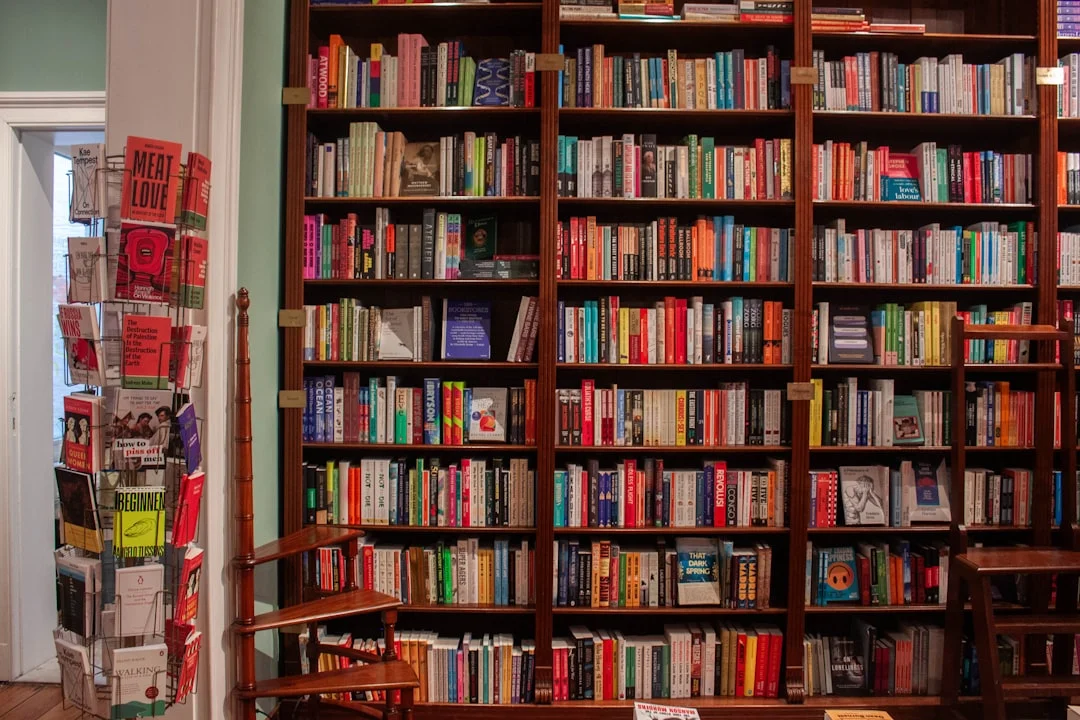
    When exploring Málaga, it is easy to be captivated by the major institutions like the Picasso Museum or the Centre Pompidou. However, the true cultural heartbeat of the city often resides in smaller, independent venues. For those seeking a deeper connection with the local community, the independent bookstores of Málaga offer an authentic gateway.

    Among these cultural pillars is Librería Rayuela, a beloved local bookshop that has just reached a remarkable milestone in the city’s literary history.

    A Quarter Century of Shared Reading

    Since January 2001, Librería Rayuela has hosted its monthly literary gatherings, known in Spain as tertulias, completely uninterrupted. This achievement represents a quarter of a century of passionate discussions, critical thinking, and community building.

    According to a recent feature in La Opinión de Málaga, the bookstore’s reading club has welcomed a diverse array of renowned writers, editors, and literature enthusiasts over the past 25 years. These sessions are far more than standard book clubs; they are vibrant forums where literature serves as a lens to examine society, history, and human nature.

    Integrating Through Literature

    For expatriates and international residents looking to engage with local culture, joining a book club in Málaga is a highly effective way to practice Spanish, understand regional perspectives, and build meaningful relationships. Librería Rayuela’s events provide a welcoming environment for anyone willing to dive into Spanish literature and participate in thoughtful, respectful dialogue alongside native residents.

    Why Support Independent Bookstores?

    • Cultural Curation: Independent booksellers offer hand-picked selections that highlight local authors and niche publishers often overlooked by major retailers.
    • Community Hubs: Spaces like Rayuela act as neighborhood anchors, bringing together people from various backgrounds through a shared love of reading.
    • Economic Impact: Supporting local bookshops ensures that the local economy thrives and that cultural diversity is maintained in the city’s commercial landscape.

    As digital media continues to dominate our daily lives, the endurance of physical, face-to-face gatherings is something to be deeply cherished. The 25-year legacy of Librería Rayuela is a testament to the fact that people still crave genuine connection and intellectual exchange. May their doors remain open for many more decades, continuing to offer a quiet, welcoming refuge for readers in the heart of Málaga.

  • 25 Years of Literary Gatherings at Librería Rayuela

    25 Years of Literary Gatherings at Librería Rayuela

    Málaga is internationally famous for its blockbuster art museums and vibrant coastline, but the city’s cultural fabric goes much deeper than what is printed on tourist brochures. If you want to understand the real Málaga, you have to look at its independent spaces. This month, one of the city’s most beloved literary institutions, Librería Rayuela, is celebrating a massive milestone: 25 years of continuous monthly literary gatherings.

    Whether you are a long-time resident or a newly arrived expat looking to connect with the community, here is why this quarter-century celebration matters and how you can get involved.

    A Quarter-Century of Words

    Since January 2001, Librería Rayuela has been hosting its monthly tertulia—a traditional Spanish literary gathering—without a single interruption. As highlighted in a recent retrospective by La Opinión de Málaga, these sessions have quietly become a cornerstone of the local cultural scene.

    Over the past 25 years, the bookstore’s gatherings have welcomed a diverse crowd:
    * Renowned authors discussing their latest works and creative processes.
    * Independent editors offering a behind-the-scenes look at the publishing world.
    * Passionate readers from all walks of life, bringing diverse perspectives to both classic and contemporary texts.

    Why Expats Should Pay Attention

    For expats and international remote workers, breaking out of the “expat bubble” can sometimes feel daunting. Language barriers and cultural differences naturally push people toward familiar, English-speaking circles. However, stepping into a local independent bookstore like Rayuela offers a direct, meaningful route into the local community.

    The Power of the Tertulia

    A tertulia is more than just a standard book club. It is a social institution in Spain, rooted in open debate, shared ideas, and mutual respect. Participating in one offers several practical benefits for international residents:

    1. Language Immersion: Discussing literature in Spanish will elevate your vocabulary far beyond ordering tapas or negotiating rent.
    2. Cultural Context: Books chosen by local readers often reflect regional history, social issues, and cultural nuances that you won’t find in a guidebook.
    3. Genuine Connections: You meet locals who share your interests, fostering friendships based on common ground rather than just shared geography.

    Supporting Independent Spaces

    In an era of algorithm-driven recommendations and one-click online deliveries, the survival and thriving of an independent bookstore for over two decades is a testament to the community that supports it. Librería Rayuela, located right in the historic center of Málaga, isn’t just a retail space; it is a cultural sanctuary. The shelves are curated by actual human beings who know their inventory and their customers.

    If you are looking to start your Spanish reading journey, the staff is incredibly practical and welcoming. They can recommend accessible titles for intermediate readers or point you toward local Andalusian authors to help you better understand your new home. You don’t need to be a literary scholar to walk through their doors—just someone with a genuine curiosity for good stories.

    It is deeply reassuring to know that in our fast-paced, highly digitized world, there are still corners where people gather in person, month after month, simply to talk about books. Spaces like Rayuela remind us that the heart of a city isn’t found in its monuments, but in the quiet, consistent dedication of the people who live there, keeping the conversation going for 25 years and counting.