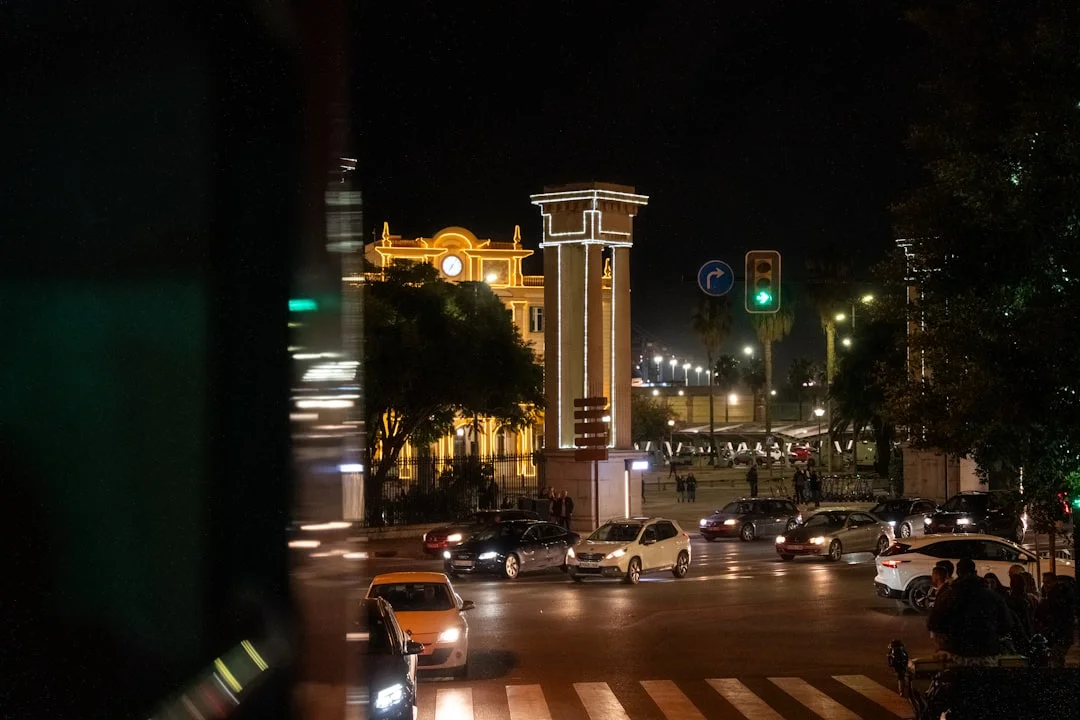
Die kulinarische Szene Málagas ist weltweit bekannt für ihre frischen Meeresfrüchte, geschäftigen Tapas-Bars und sonnenverwöhnten Terrassen. Doch jenseits der bekannten Teller mit frittiertem Fisch (pescaíto frito) und Gläsern mit Süßwein gibt es eine reiche Vielfalt an kulinarischen Traditionen, die selbst erfahrene Reisende oft übersehen. Um diese wirklich zu erleben, können Sie Málagas verborgene kulinarische Routen und lokale Geheimnisse erkunden.
Wenn Sie wie ein echter Einheimischer essen möchten, müssen Sie etwas genauer hinsehen, wie Geschichte, Geografie und ein wenig lokaler Erfindungsreichtum die Teller dieser Küstenstadt geprägt haben. Und während man bei Tisch über die lokale Küche philosophiert, spricht die Stadt derzeit auch über die Herausforderungen rund um die Eigentumsverhältnisse von Málaga CF und das neue Rosaleda-Stadion. Doch zurück zum Genuss: Hier sind fünf Dinge, die Sie wahrscheinlich noch nicht über das Essen in Málaga wussten.
1. Der Espeto ist eine Meisterklasse in Wind und Holz
Wenn Sie an den Stränden von Pedregalejo oder El Palo entlangschlendern, werden Sie Sardinenspieße sehen, die über offenem Olivenholzfeuer in alten Fischerbooten geröstet werden. Das ist der berühmte espeto de sardinas. Wenn Sie nach den besten Chiringuitos am Strand suchen, um sie zu probieren, stellt unser Málaga-Gastronomieführer mit Restaurant-Tipps die besten lokalen Adressen vor.
Obwohl es wunderbar einfach aussieht, ist die Zubereitung eines perfekten Espeto ein hochspezialisiertes Handwerk, das vom amorador (dem Grillmeister) beherrscht wird:
- Schilfrohr statt Metall: Traditionell werden die Sardinen auf gespaltene Stücke wilden Schilfrohrs (caña de cañaveral) und nicht auf Metall gespießt. Das Schilfrohr speichert die Wärme anders und reißt das zarte Fleisch des Fisches nicht auf.
- Der Wind bestimmt den Grill: Der Spieß muss immer windabwärts vom Feuer platziert werden. Dies stellt sicher, dass der Rauch den Fisch sanft gart, ohne ihn zu verbrennen oder bitter zu machen.
- Die „R“-Regel: Einheimische schwören darauf, dass die beste Zeit für den Verzehr von Espetos die Monate ohne ein „r“ in ihren spanischen Namen sind (Mayo, Junio, Julio, Agosto). In dieser Zeit ist das Mittelmeerwasser wärmer, was die Sardinen praller, fetthaltiger und unglaublich schmackhaft macht.
2. Kaffee bestellen ist eine lokale Mathestunde
Wenn Sie in ein traditionelles Café in Málaga gehen und einfach einen café con leche bestellen, ernten Sie vielleicht einen verwirrten Blick. In Málaga wird Kaffee nach einem sehr spezifischen System bestellt, das auf dem genauen Verhältnis von Kaffee zu Milch basiert.
Dieses System wurde Mitte des 20. Jahrhunderts von José Prado erfunden, dem Besitzer des historischen Café Central an der Plaza de la Constitución. Um in Zeiten der Nachkriegsknappheit keinen Kaffee zu verschwenden, entwarf er neun verschiedene Stufen des Verhältnisses von Kaffee zu Milch:
- Solo: 100 % Kaffee.
- Largo: 90 % Kaffee, 10 % Milch.
- Semilargo: 80 % Kaffee, 20 % Milch.
- Solo corto: 60 % Kaffee.
- Mitad: 50 % Kaffee, 50 % Milch (der klassische Halbe-Halbe).
- Cortado: 30 % Kaffee, 70 % Milch.
- Sombra: 20 % Kaffee, 80 % Milch.
- Nube: 10 % Kaffee, 90 % Milch (wörtlich eine „Wolke“ Kaffee in heißer Milch).
- No me lo ponga: „Geben Sie mir keinen“ – Prado fügte diese zehnte Option als Scherz zur Wandtafel hinzu, um das visuelle Raster abzurunden.
Wenn Sie das nächste Mal bestellen, fragen Sie nach einer nube oder einem mitad, um sofort wie ein Einheimischer zu klingen.
3. Der lokale Salat kombiniert Kabeljau und Orangen
Wenn Sie an einen spanischen Salat denken, haben Sie vielleicht Blattsalat, Tomaten und Zwiebeln vor Augen. Die traditionelle Ensalada Malagueña ist jedoch eine völlig andere Kreation, die aus der landwirtschaftlichen Geschichte des Guadalhorce-Tals und dem Meer entstanden ist.
Dieser kalte Salat kombiniert:
* Gekochte Kartoffeln
* Süße Orangen
* Entsalzten, gezupften Kabeljau (bacalao)
* Grüne Aloreña-Oliven
* Fein gehackte Frühlingszwiebeln
Alles wird großzügig mit lokalem nativem Olivenöl extra angemacht. Der Kontrast zwischen dem salzigen Kabeljau, der süß-sauren Zitrusnote der Orange und der erdigen Kartoffel ist an einem heißen Sommernachmittag unglaublich erfrischend. Es ist eine schöne Erinnerung an die historischen Verbindungen Málagas sowohl zum Meer als auch zu den umliegenden Obstgärten.
4. Der Campero ist das ultimative Streetfood der Arbeiterklasse
Während Spanien für das bocadillo (ein Sandwich aus einem rustikalen Baguette) berühmt ist, hat Málaga seinen eigenen legendären Sandwich-König: den Campero.
Entstanden in den späten 1970er Jahren als günstige, sättigende Mahlzeit für Studenten und Arbeiter, wird der Campero mit einem speziellen runden, flachen Brötchen zubereitet. Die klassische Variante ist mit Kochschinken, Käse, Salat, Tomate und Mayonnaise gefüllt.
Der Zauber entsteht, wenn das fertig belegte Sandwich in eine robuste Panini-Presse gelegt wird. Das Brot wird außen unglaublich knusprig, während es innen weich bleibt und der Käse mit der Mayonnaise verschmilzt. Heute finden Sie in den nächtlichen hamburgueserías der Stadt moderne Variationen mit gegrilltem Hähnchen, Spiegelei, Speck oder sogar pikantem lomo (Schweinelende).
5. Málagas trockene Weine stehlen allen die Show
Jahrhundertelang war Málaga berühmt für seine süßen, dunklen Dessertweine aus den Rebsorten Moscatel und Pedro Ximénez. Obwohl diese traditionellen Süßweine nach wie vor hervorragend sind, hat die lokale Weinszene eine stille Revolution erlebt, die breitere Veränderungen in Málagas kulinarischen Trends und Must-Eats widerspiegelt.
Heute bringt die Denominación de Origen (D.O.) Sierras de Málaga einige der aufregendsten trockenen Weiß- und Rotweine Andalusiens hervor. Hochgelegene Weinberge in der bergigen Region um Ronda und an den steilen Hängen der Axarquía produzieren spritzige, mineralstoffreiche trockene Weißweine aus Moscatel-Trauben sowie elegante, kräftige Rotweine aus Petit Verdot, Tempranillo und Syrah. Zögern Sie nicht, Ihren Kellner nach einem trockenen Weißwein aus der Axarquía zu fragen, der hervorragend zu Ihren Meeresfrüchten passt.
Essen in Málaga ist weit mehr als nur Nahrung; es ist ein Spiegelbild der Geschichte der Stadt, ihrer Mikroklimata und der entspannten Herzlichkeit ihrer Bewohner. Wir hoffen, dass dieser kleine Leitfaden Sie dazu inspiriert, bei Ihrem nächsten Besuch die ausgetretenen Pfade ein wenig zu verlassen, neue Geschmackskombinationen auszuprobieren und das langsame, einfache Vergnügen einer gemeinsamen Mahlzeit unter der andalusischen Sonne zu genießen.