Tag: lang:en

  • Málaga CF: Surviving Depleted Squads and How to Follow

    Málaga CF: Surviving Depleted Squads and How to Follow

    The Ultimate Rite of Passage for New Locals

    If you have recently moved to the Costa del Sol and want to truly integrate into the local culture, there is one undeniable fast track: adopt Málaga CF as your team. Following the Blanquiazules is more than just watching football; it is a shared emotional rollercoaster that unites the city. Whether the team is soaring high or fighting through the trenches of lower divisions, the loyalty of the local fanbase is unwavering.

    Understanding the team’s current dynamics, their triumphs, and their struggles provides the perfect context for weekend conversations at local sports bars, often sharing the spotlight with the local buzz about the recent boom of 5-star luxury hotels rescuing Málaga’s heritage.

    The Ceuta Test: A Masterclass in Resilience

    To truly understand the heart of this club, one only needs to look at how they handle adversity. A defining example of this grit was showcased when Málaga CF faced Ceuta with a heavily depleted squad. When the Málaga CF squad vs Ceuta roster was announced, it looked more like a medical report than a starting lineup.

    As detailed by Málaga Hoy, the coaching staff had to navigate a severe player shortage. Several key figures were forced to remain in Málaga, including Murillo, Dotor, and Dani Sánchez.

    Furthermore, the Málaga CF injuries list was painfully extensive at the time, keeping crucial players like Dorrio, Juanpe, Luismi, and Pastor completely off the roster. For a newcomer, knowing these names and the context of their absences is your golden ticket to earning instant respect from the regulars at your neighborhood café.

    Why Injury Crises Matter

    When a team loses its core spine—especially defensive anchors and midfield engines like Juanpe and Luismi—the tactical setup shifts dramatically. In matches like the one against Ceuta, the team relies heavily on academy players (canteranos) stepping up to the plate. Discussing how the youth squad fills in for injured veterans is a favorite pastime for local fans and a great icebreaker if you are trying to make new friends.

    Where to Watch Málaga CF Matches

    If you cannot secure a ticket to the electric La Rosaleda stadium, do not worry. The city is packed with incredible venues where the atmosphere rivals the stadium itself.

    Here is where to watch a Málaga CF match to get the full local experience:

    • Neighborhood Peñas: Almost every barrio in Málaga has a Peña Malaguista (official supporters’ club). These are humble, deeply authentic spots where generations of families gather to watch the game.
    • Sports Bars in Teatinos: The university district is always buzzing on match days. The bars here offer large projector screens, cheap tapas, and a younger, highly vocal crowd.
    • The Historic Center: While more tourist-heavy, pubs around Plaza de la Merced and Calle Carretería regularly screen the matches. Grab a Victoria beer, order a plate of bravas, and join the chorus of cheers (and inevitable groans).

    Learning to ride the waves of Málaga CF’s season—celebrating the scrappy wins and commiserating over the injury lists—is what being a true Malagueño is all about. It is in these moments of sporting adversity that the community’s bond shines the brightest.

    Football here is a beautiful, shared language. Even if you do not know the offside rule perfectly, showing up, supporting the team through thick and thin, and sharing a plate of food with your neighbors while watching the game will make you feel at home in no time.

  • Málaga Becomes a Weather Oasis Amid Spain’s Heatwave

    Málaga Becomes a Weather Oasis Amid Spain’s Heatwave

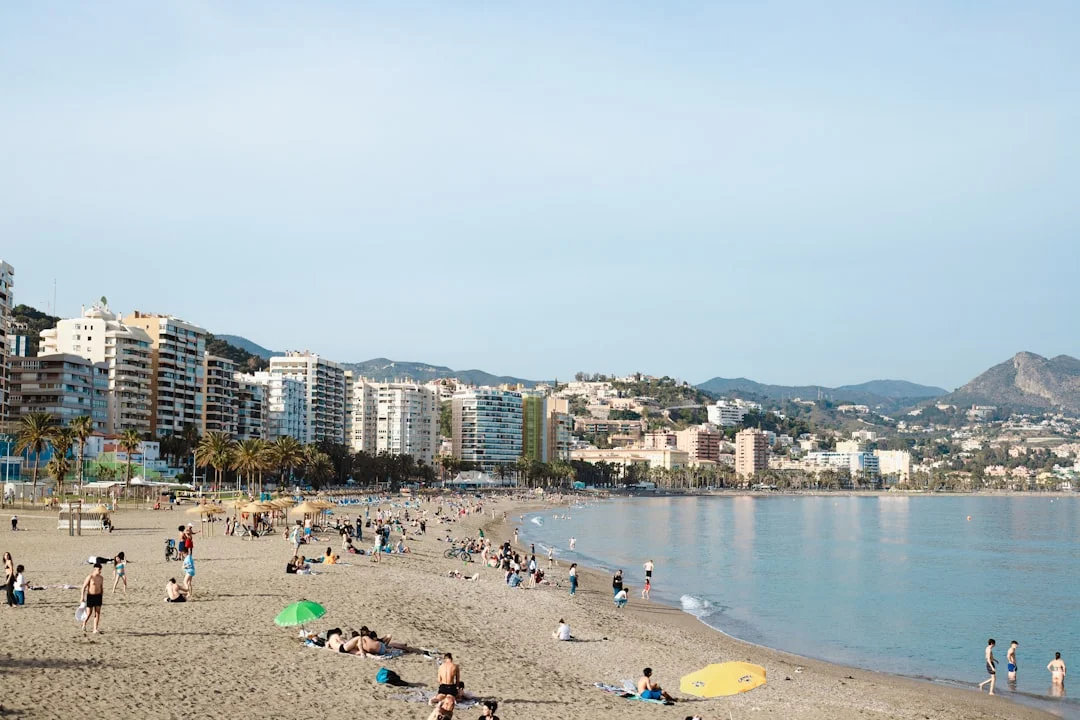
    As May 2026 draws to a close, a suffocating subtropical air mass has draped itself across the Iberian Peninsula, sending thermometers soaring in inland cities and leaving much of the country seeking refuge indoors. Yet, down on the southern coast, a very different meteorological story is unfolding. While the rest of Spain grapples with the premature arrival of peak summer heat, Málaga stands as a serene, breezy sanctuary, offering the perfect climate to head outdoors and follow a gritty Málaga CF side overcoming recent squad depletions.

    For the vibrant community of expatriates and remote workers who have chosen to call the Costa del Sol home, a region increasingly elevated by a new wave of 5-star hotels rescuing Málaga’s historic heritage, days like these offer profound validation. The promise of an unparalleled quality of life is inextricably linked to the region’s mild climate, and right now, that climate is proving its worth in spectacular fashion.

    The Data Behind the Cool Breeze

    The contrast between Málaga and the rest of the country is stark. According to recent meteorological data highlighted by Diario Sur’s Tormentas y Rayos blog, Málaga capital has been registering some of the lowest maximum temperatures among all Spanish capitals. With morning temperatures hovering around a remarkably comfortable 18.9ºC, the city offers a refreshing respite from the peninsula’s sweltering heat.

    While cities just a few hours inland are seeing temperatures climb well into the mid-to-high 30s (Celsius), the coastal breeze in Málaga keeps the air fresh and breathable. The subtropical air mass that is currently baking the interior of Spain is barely making its presence felt along our coastline, providing equal relief across the city regardless of the sharp real estate divide seen on streets like Calle Ayamonte.

    A Geographical Shield

    This phenomenon is not merely a stroke of luck, but a testament to the region’s unique geographical positioning. As detailed in a recent report by Diario Sur, Málaga has effectively become an “oasis” against the suffocating temperatures gripping other points of the country.

    The secret lies in the protective embrace of the Málaga mountains to the north and the cooling influence of the Alboran Sea to the south. When the prevailing winds blow from the sea (the Levante or coastal breezes), they act as a natural air conditioning system, sweeping away the stagnant, hot air and replacing it with a mild, saline freshness. Unless the dreaded Terral wind blows—which brings the inland oven heat down to the coast, a phenomenon already felt as the Terral season arrives early on the Costa del Sol—Málaga remains shielded from the extremes.

    The Uninterrupted Mediterranean Lifestyle

    For those living in Málaga, this microclimate translates into an enviable daily reality. Instead of retreating behind closed shutters to the artificial chill of air conditioning, residents and visitors alike can continue to enjoy the quintessential Mediterranean lifestyle and confidently plan their weekend excursions.

    • Morning strolls: The beachfront promenades (paseos marítimos) remain perfectly pleasant for a morning run or a leisurely walk with the dog.
    • Al fresco dining: Café terraces in the historic center buzz with life, as the shaded streets provide a naturally cool environment for enjoying a mid-day coffee or tapas.
    • Restful nights: Unlike the tropical nights experienced inland, the coastal evenings cool down enough to allow for open windows and restful sleep.

    As we watch the weather maps glow deep red across the rest of the continent, it is hard not to feel a deep sense of gratitude for this coastal haven. Nature has gifted Málaga with a truly privileged microclimate, gently reminding us daily why we are so fortunate to walk these sun-dappled, yet perfectly breezy, streets.

  • Malaga City Hall Releases New Job Offers

    Malaga City Hall Releases New Job Offers

    The Shift to the Local Economy

    For many expats, Malaga initially serves as a sunny backdrop for remote work, increasingly prized as a weather oasis during Spain’s suffocating heatwaves. However, as the desire to lay down permanent roots grows, transitioning into the local economy becomes a strategic priority. Navigating the Spanish job market can be complex, requiring an understanding of local hiring practices and institutional resources.

    The Municipal Institute for Training and Employment (IMFE) serves as an essential bridge for job seekers. Acting as the local government’s primary employment agency, it regularly updates its job board with opportunities spanning from entry-level service roles to specialized technical positions.

    Latest IMFE Job Offers for May 2026

    Keeping a close eye on municipal job boards is a proven strategy for uncovering local opportunities. According to a recent report by Diario Sur, the IMFE has just published a fresh selection of job offers covering the week of May 18-24, 2026.

    These vacancies are distributed across both Malaga capital and the wider province, reflecting the region’s diverse economic drivers.

    Key Sectors Currently Hiring

    While specific listings rotate weekly, the local job market typically demands professionals in several core areas:

    • Hospitality and Tourism: Hotels, restaurants, and tour operators are continuously staffing up as the high season approaches.
    • Technology and Innovation: With Malaga’s growing reputation as a tech hub, local IT firms and startups frequently utilize municipal boards to find talent.
    • Administration and Commerce: Retail management, administrative support, and logistics roles remain foundational to the provincial economy.
    • Multilingual Services: Jobs in Malaga for English speakers are highly sought after, particularly in customer support, international sales, and real estate.

    “Leveraging municipal resources like the IMFE not only connects you with verified employers but also ensures that the job offers comply with local labor regulations.”

    How to Apply Through IMFE

    If you are looking at working in Andalucia, understanding the application process is crucial. The IMFE operates an official placement agency (Agencia Municipal de Colocación). To apply for these newly released positions, candidates must:

    1. Register on the IMFE Portal: Create a profile on the official IMFE website.
    2. Prepare a Localized CV: Ensure your resume adheres to Spanish standards. This often includes a professional photo, a clear structure, and a focus on localized experience.
    3. Have Your Documentation Ready: You will need a valid NIE (Foreigner Identity Number) and social security number to legally accept a job offer.
    4. Highlight Language Skills: While English is a massive asset, demonstrating a functional grasp of Spanish will significantly elevate your profile in the local market.

    Expanding Your Search

    While the IMFE is a highly reliable starting point, a comprehensive job search should also include networking within local business chambers, attending industry-specific meetups in the PTA (Andalucia Technology Park), and monitoring regional job portals. Analyzing the weekly trends in IMFE publications can also provide valuable macroeconomic indicators about which sectors are currently expanding in the province.

    Finding your professional footing in a new country is rarely an overnight success, but it is undeniably rewarding. We hope this latest batch of opportunities brings you one step closer to planting deeper roots in our beautiful city. Every application is a learning experience, and with a bit of persistence, the right door will eventually open.

  • Soho Restaurant Alita Announces Surprise Closure

    Soho Restaurant Alita Announces Surprise Closure

    A Sudden Farewell (For Now) in Málaga’s Arts District

    Málaga’s Soho neighborhood has long been the go-to district for digital nomads, expats, and locals seeking creative gastronomy. With its vibrant street art and cosmopolitan vibe, the area rarely sits still. However, the local foodie community recently received a surprising jolt: the popular Alita restaurant Málaga closed its doors without warning.

    For a spot that had quickly become a favorite among the city’s culinary enthusiasts, the sudden darkened windows left many wondering what exactly happened, leaving its former employees to explore new job opportunities recently released by the Malaga City Hall.

    Why Did Alita Soho Close?

    If you’ve been searching for answers as to why did Alita Soho close, there is a silver lining. According to recent reports from Diario Sur, this isn’t a permanent goodbye.

    Owners Tatiana Carvajal and Álvaro Salido have publicly stated that the closure is merely a “pause” rather than a definitive end to the project. While the exact reasons for hitting the brakes—whether it’s a menu revamp, structural changes, or simply a well-deserved break—haven’t been fully detailed, the reassurance that Alita will return in some form is a relief to its loyal patrons. The demanding nature of the hospitality industry often requires these strategic steps back to move forward with fresh energy and a clearer vision.

    Keeping the Culinary Spirit Alive: Best Restaurants Soho Málaga

    While we wait for Tatiana and Álvaro’s next move, Soho’s dining scene remains as robust as ever. If you had plans to visit Alita and now need a backup, or if you are simply looking to explore the area’s gastronomic offerings, here are a few alternatives that consistently rank among the best restaurants Soho Málaga has to offer:

    • Óleo Restaurante: Located right by the CAC (Contemporary Art Center), this spot offers a brilliant fusion of Mediterranean tapas and top-tier sushi. It’s a bustling, reliable staple for a reason.
    • La Deriva: If you are craving a more upscale, modern Spanish experience with an excellent wine list, La Deriva’s sleek interior and incredible cheese selection will not disappoint.
    • Niña Bonita: A fantastic cantina offering authentic Mexican flavors with a modern twist. It brings the perfect level of spice and energy to a casual Soho evening out.
    • La Fábrica: Perfect for a laid-back night, this massive microbrewery serves up excellent craft beer alongside hearty, crowd-pleasing dishes like burgers, shared plates, and grilled meats, often accompanied by live music.

    Looking Ahead

    The restaurant business is notoriously tough, and seeing a beloved local spot take a step back is always a bit bittersweet. However, knowing that the creative minds behind Alita are simply taking a pause gives us plenty of reason to be optimistic. In a city that is constantly evolving like Málaga, these pauses often lead to exciting new chapters and better dining experiences. Until they turn the lights back on, we’ll keep supporting the incredible local businesses that make Soho such a wonderful place to eat, drink, and connect.

  • Málaga Weather Update: Planning Your Weekend Excursions

    Málaga Weather Update: Planning Your Weekend Excursions

    The Late May Transition

    As we head into the final weekend of May 2026, Málaga is experiencing that perfect transitional weather—the sweet spot between the mild spring and the intense heat of the Andalusian summer. For digital nomads and locals alike, this is arguably the best time of year to explore the province. With exciting outdoor events lined up, knowing the microclimates of our diverse region is key to a successful day trip.

    This Weekend’s Forecast

    When planning your weekend, the age-old question arises: is it going to rain in Málaga? Fortunately, the forecast for the upcoming weekend (May 29-31, 2026) points to clear skies and abundant sunshine across the Costa del Sol.

    According to the latest local reports from La Opinión de Málaga, the capital and surrounding coastal areas will see daytime highs hovering comfortably around 24°C to 26°C (75°F – 79°F). Nighttime temperatures will drop to a refreshing 16°C (60°F), making evening strolls highly pleasant. Inland areas, however, will begin to show their summer colors, with temperatures creeping closer to the 30°C (86°F) mark during peak afternoon hours.

    Coastal Breezes: The Nerja Food Fairs

    If your compass is pointing east towards the Axarquía region for the coastal food and cultural fairs often held this time of year, you are in luck. Nerja and its surrounding municipalities benefit from a beautifully tempering sea breeze.

    • What to expect: Mild, sunny weather with very low humidity.
    • How to prepare: The sun reflects strongly off the Mediterranean, so while the air might feel cool, UV levels are high. Pack a high-SPF sunscreen, a wide-brimmed hat, and light, breathable fabrics. A light jacket might be necessary if you plan to stay by the Balcón de Europa after sunset.

    Inland Warmth: Coín’s Orange Festival

    Heading inland to the Guadalhorce Valley offers a distinctly different climate experience. Excursions to Coín’s beloved Orange Festival (Fiesta de la Naranja), an event historically held in May to celebrate the region’s citrus harvest, draw enthusiastic crowds to the bustling town squares.

    • What to expect: Noticeably warmer temperatures than the coast. The Guadalhorce Valley traps heat, meaning midday temperatures can feel significantly hotter.
    • How to prepare: Hydration is your best friend here. While sampling citrus-infused dishes and freshly squeezed juices, ensure you are drinking plenty of water. Plan your heaviest walking or exploring for the morning hours, seeking shade under the town’s orange trees during the mid-afternoon peak.

    Understanding Málaga’s Microclimates

    One of the most fascinating aspects of living in or visiting Málaga is how drastically the weather can shift within a 30-minute drive. The province’s topography—a narrow coastal strip backed by steep mountain ranges—creates distinct microclimates.

    1. The Coastal Strip (Málaga City, Torremolinos, Nerja): Regulated by the Alboran Sea. Summers are humid but tempered by the Terral wind (which can occasionally bring sudden spikes in heat) or the cooler Levante breeze.
    2. The Inland Valleys (Coín, Álora): Shielded from the sea breeze, these areas experience more extreme temperature variations—hotter days and cooler nights.
    3. The Mountain Villages (Ronda, Frigiliana): Higher altitudes mean cooler air, though the sun’s intensity remains strong and cloud cover can roll in unexpectedly.

    Final Tips for the Weekend

    Before you pack your car or catch the ALSA bus, double-check the local forecast for your specific destination. While widespread rain is highly unlikely for this final weekend of May 2026, wind patterns can shift, altering how warm or cool the day actually feels.

    There is something profoundly grounding about letting the sky dictate our weekend rhythms. Whether you find yourself tasting local delicacies by the sea in Nerja or celebrating the agricultural heritage under the warm inland sun of Coín, the weather is merely the canvas. It is the vibrant community, the shared meals, and the simple joy of stepping outside that truly color our weekends in this beautiful corner of the world.

  • City Hall Launches Atlas Solar: Are Solar Panels Worth It?

    City Hall Launches Atlas Solar: Are Solar Panels Worth It?

    Málaga is famous for its 300-plus days of annual sunshine, making it an ideal location for solar energy—and for planning sunny weekend excursions. Yet, for many homeowners and expats, the decision to install photovoltaic panels often stalls due to uncertainty about costs, local regulations, and the actual return on investment. To bridge this gap, Málaga’s City Hall has introduced a new digital platform designed to take the guesswork out of green energy.

    Introducing the ‘Atlas Solar’

    The newly launched ‘Atlas Solar’ is a free digital tool created to help residents determine the exact viability of installing solar panels on their roofs. Integrated directly into the Municipal Photovoltaic Information Office (OMIF), the platform provides tailored data for individual properties across the city.

    According to a recent report from La Opinión de Málaga, this initiative aims to accelerate the city’s transition to renewable energy by empowering citizens with clear, accessible, and unbiased information right from their browsers.

    How the Platform Works

    Instead of relying solely on generic estimates from private installation companies, homeowners can now access a municipal database to get a realistic picture of their property’s solar potential. The tool offers several practical features:

    • Customized Profitability Calculations: By entering your address, the map analyzes your specific roof’s orientation, available surface area, and historical sun exposure to estimate potential energy generation.
    • Cost and Payback Estimates: The platform provides a baseline calculation of the initial installation costs versus the projected savings on your monthly electricity bill, giving you a clear timeline for your return on investment.
    • Environmental Impact: Users can immediately see how many tons of CO2 they will prevent from entering the atmosphere by making the switch to solar.

    Cutting Through the Bureaucracy

    For expats navigating the Spanish property market, dealing with utility companies and local regulations can be one of the most frustrating aspects of homeownership. The integration of Atlas Solar with the OMIF is particularly useful because it connects the initial research phase directly with municipal guidance.

    The OMIF serves as a centralized hub to help residents understand local building permits, available regional subsidies (such as the Junta de Andalucía’s energy efficiency grants), and local tax rebates—like potential IBI (property tax) reductions that Málaga offers for homes with certified solar installations. Having a reliable, government-backed starting point means you can approach private contractors with realistic expectations and solid data in hand.

    Navigating home improvements and local utilities in a new country can often feel overwhelming, but tools like this make the transition to clean energy a little less daunting. Hopefully, this practical step by the city encourages more of us to harness the abundant Andalusian sun, lowering our household bills while doing our own small part to protect the environment we all love calling home.

  • Málaga CF: Former Colleagues Funes and López Face Off

    Málaga CF: Former Colleagues Funes and López Face Off

    Football is a beautiful game not just for the goals and the glory, but for the intertwining stories of the people who make it happen. For fans of Málaga CF, the May 2026 clash between coaches Juanfran Funes and José Alberto López is a perfect example of this deep-rooted drama. Once colleagues working closely together at La Rosaleda, they now find themselves on opposing sides of the touchline.

    The 2021-22 Season: A Shared Vision in Málaga

    To understand the significance of this matchup, we have to rewind to the 2021-22 season. During that time, Diario Sur notes how closely the two managers collaborated. José Alberto López was at the helm of the Málaga CF first team, navigating the intense pressures of Spain’s competitive leagues. Meanwhile, Juanfran Funes was tasked with managing Atlético Malagueño, the club’s vital reserve team.

    In the modern football ecosystem, the relationship between a first-team manager and the reserve-team coach is crucial. They must share a vision, a tactical language, and a mutual trust. Funes was responsible for polishing the raw gems of the academy, preparing them to step up when López needed reinforcements. This dynamic meant they spent hours discussing tactics, player development, and the overarching philosophy of Málaga CF.

    From Colleagues to Rivals

    As is often the case in the fast-paced world of football, their paths eventually diverged. The managerial carousel spins quickly, and both men moved on to new challenges, taking the lessons they learned on the Costa del Sol with them.

    Now, the fixture list has reunited them—this time as adversaries. Facing off from opposing dugouts adds a fascinating layer of psychological chess to the match. When two coaches know each other’s methodologies so intimately, the game becomes a battle of wits. Will López anticipate Funes’s defensive setups? Will Funes know exactly how to exploit the spaces López’s attacking transitions leave behind?

    What This Means for Local Fans

    For newcomers to the Málaga football scene, these storylines are what make following the local sport so rewarding. It’s not always just about the current squad; it’s about the legacy of the people who have walked the halls of the stadium. Seeing former staff members succeed and eventually cross paths again highlights the enduring influence of Málaga CF in the broader Spanish football landscape.

    It is always a bit bittersweet to see former allies battling for three points, but it is a testament to the passion and professional growth that our local club fosters. For the dedicated supporters—even those navigating the Málaga-Álora train suspension to reach the match—football has a funny way of bringing people back together, reminding us that no matter where the beautiful game takes them, the ties forged under the bright lights of Málaga are never truly broken.

  • Weekend Plans: Local Rock, Hidden Museums, and Free Concerts

    Weekend Plans: Local Rock, Hidden Museums, and Free Concerts

    Malaga’s downtown is undeniably beautiful, but sometimes the most memorable weekend plans lie just beyond the main tourist corridors. If you are looking to experience the province like a true local this weekend, there is a fantastic lineup of live music and off-the-beaten-path cultural spots waiting to be explored.

    Local Rock and Free Pop Concerts

    While local football fans are eagerly anticipating the upcoming match where former Málaga CF colleagues Funes and López face off, for music enthusiasts, the highlight of the weekend is the 5th edition of the Benalrock festival. The 2026 edition promises high energy, culminating with a closing performance by Tabletom. This legendary local band has been a staple of the Andalusian rock scene for decades, known for their unique fusion of rock, jazz, and flamenco influences. Catching them live is a rite of passage for anyone wanting to understand Malaga’s underground music roots.

    If you prefer something a bit lighter or are looking for a casual evening out, head over to Plaza del Ajedrez. As part of the city’s ongoing cultural agenda, the plaza is hosting a series of free pop concerts. It is a great excuse to grab a drink nearby, enjoy the evening breeze, and listen to live music without spending a dime. For the latest updates on stage times and additional local events, you can always check local listings like Diario Sur’s weekend plans.

    Exploring the Province’s Hidden Museums

    If you want to escape the coastal bustle entirely, take a short trip inland. Several unique provincial spaces have recently been renovated, offering a quieter, more reflective weekend activity—giving you the perfect downtime to plan sustainable home upgrades, like checking the newly launched Atlas Solar to see if panels are worth it for your roof.

    • El Borge’s ‘Bandolero’ Universe: Dive into the fascinating history of Andalusian bandits. El Borge, a picturesque town in the Axarquía region known for its raisins, has revamped its exhibits dedicated to the romanticized and rugged lives of the 19th-century bandoleros.
    • Historic Toy Museum: Perfect for a dose of nostalgia or a family outing. This recently updated space showcases vintage toys, offering a charming glimpse into the childhoods of past generations and the evolution of play.
    • Antonio Gala’s Former Residence: Literature enthusiasts can explore the beautifully preserved former home of the celebrated Spanish poet and playwright. The residence provides a quiet, intimate look at his life, his work, and the tranquil sanctuary that fueled his creativity.

    Whether you end up singing along to classic Andalusian rock riffs or wandering through the quiet halls of a historic writer’s home, I hope you find a moment of genuine connection with Malaga this weekend. It is always a joy to step away from the usual routes and discover the stories, sounds, and hidden corners that make this province feel like home. If part of your journey involves settling down here, be sure to take a look at the latest local job opportunities released by the City Hall. Have a wonderful weekend.

  • 5 Hiking Trails to Discover Malaga’s Greenest Side

    5 Hiking Trails to Discover Malaga’s Greenest Side

    While the Costa del Sol is globally renowned for its sun-drenched beaches and vibrant coastal towns, a dramatically different world awaits just a few kilometers inland. Today, May 24, marks the European Day of Natural Parks—a perfect moment to acknowledge that Malaga boasts one of the highest concentrations of protected natural spaces in Andalusia, offering a serene getaway to balance out your weekend plans filled with local live music and hidden museums.

    For digital nomads seeking a weekend reset or active travelers craving more than a sunbed, the province’s interior offers a sanctuary of ancient forests, limestone labyrinths, and sweeping alpine vistas. As highlighted in a recent Diario Sur feature celebrating our region’s ecological wealth, lacing up your hiking boots is the best way to uncover this hidden, verdant side of Malaga.

    Here are five unforgettable hiking routes that showcase the breathtaking diversity of Malaga’s natural parks, offering a wonderful complement to the lush, waterfall-rich trails that emerge after seasonal rains.

    1. The Prehistoric Labyrinth: El Torcal de Antequera (Yellow Route)

    Stepping into the Torcal de Antequera Natural Park feels like wandering onto the set of a science fiction film. This unique karst landscape was formed over millions of years as the sea receded and the elements sculpted the limestone into surreal, stacked pancake-like formations. Preserving these breathtaking natural spaces aligns perfectly with the region’s growing commitment to sustainability, highlighted by initiatives like the newly launched Atlas Solar to help residents switch to renewable energy.

    • The Trail: The Yellow Route (Ruta Amarilla) is a moderate 3-kilometer loop that takes you deep into the heart of the reserve.
    • Why it’s special: It offers a condensed, immersive experience of the park’s geology. Keep an eye out for wild mountain goats gracefully navigating the jagged rocks, and rare orchids that bloom in the shaded crevices.
    • Tip: The terrain is incredibly rocky and uneven, so sturdy ankle-supporting boots are essential.

    2. The Alpine Giant: Sierra de las Nieves (Paseo de los Pinsapos)

    Recently elevated to National Park status, the Sierra de las Nieves is a rugged, mountainous haven that feels worlds away from the Mediterranean coast. Its crown jewel is the pinsapo, a rare Spanish fir tree that survived the last Ice Age and now exists in only a few isolated pockets of southern Spain, making this spectacular region a must-visit alongside other nearby highlights like the new 110-meter suspension bridge at the Caminito del Rey.

    • The Trail: The Paseo de los Pinsapos is a linear route (roughly 5 kilometers round trip) starting near Estepona, guiding hikers through dense, shadow-dappled forests of these ancient conifers.
    • Why it’s special: The sheer botanical rarity of the landscape. Walking beneath the dense canopy of the pinsapos, with their distinctive bottle-brush branches, is a deeply tranquil experience.
    • Tip: The temperature drops significantly under the canopy and at higher altitudes; bring an extra layer even in the warmer months.

    3. The Vertigo Inducer: El Saltillo (Sierras de Tejeda, Almijara y Alhama)

    Often affectionately dubbed the “unknown Caminito del Rey,” El Saltillo offers thrilling heights without the crowds. Located in the spectacular Sierras de Tejeda, Almijara y Alhama Natural Park, this route connects the whitewashed villages of Canillas de Aceituno and Sedella.

    • The Trail: An 8-kilometer out-and-back trail that borders a historic irrigation channel, culminating in one of the longest suspension bridges in Spain, hanging 50 meters above the Almanchares river.
    • Why it’s special: The blend of Moorish history, dramatic ravines, and the adrenaline rush of crossing the steel suspension bridge makes this an unforgettable trek.
    • Tip: This trail is not for those with a severe fear of heights, as several sections feature steep drop-offs with minimal railing.

    4. The Iconic Gorge: Caminito del Rey (Desfiladero de los Gaitanes)

    No list of Malaga’s natural wonders is complete without mentioning the Desfiladero de los Gaitanes Natural Area, home to the world-famous Caminito del Rey. Once considered the most dangerous path in the world, it has been immaculately restored into a safe, albeit thrilling, aerial walkway.

    • The Trail: A linear 7.7-kilometer route, mostly consisting of wooden boardwalks pinned to the sheer cliff faces of a spectacular gorge.
    • Why it’s special: The scale of the gorge is humbling. Below your feet, the Guadalhorce river churns with a striking turquoise hue, while griffon vultures circle the thermals overhead.
    • Tip: Tickets sell out months in advance. If you are planning a visit, book well ahead of time and prepare for a mandatory shuttle bus ride back to the starting point.

    5. The City’s Lungs: Montes de Málaga (Sendero de Torrijos)

    If you are based in Malaga city and need a quick escape from the urban hustle—perhaps after spending the weekend indoors exploring the latest art exhibitions—the Montes de Málaga Natural Park is your backyard sanctuary. Originally planted with Aleppo pines to prevent the city from flooding, this park is now a lush, fragrant pine forest offering respite on warm days.

    • The Trail: The Sendero de Torrijos is an easy, family-friendly 2.5-kilometer loop that follows the course of a gentle stream.
    • Why it’s special: It combines nature with local history. The trail passes by the Lagar de Torrijos, a 19th-century winepress and eco-museum that offers a glimpse into the region’s rich winemaking past.
    • Tip: After your hike, stop at one of the roadside ventas (traditional inns) to try the famous Plato de los Montes, a hearty mountain dish perfect for replenishing lost calories.

    There is a profound quiet to be found on these mountain trails, a gentle reminder of the world that thrives beyond our screens, schedules, and bustling city streets. Exploring Malaga’s green spaces is not just an exercise in physical endurance, but an opportunity to reconnect with the raw, untamed beauty of the earth. As we celebrate these protected lands, let us tread lightly and with gratitude, ensuring that the ancient pines and silent limestone giants remain undisturbed for generations of wanderers to come.

  • Beyond Olive Oil: Malaga’s Avocado and Chestnut Honeys

    Beyond Olive Oil: Malaga’s Avocado and Chestnut Honeys

    When you think of Andalusian liquid gold, your mind probably goes straight to extra virgin olive oil. And fair enough—the olive oil here is world-class. But if you are a foodie expat or a culinary traveler exploring Malaga local food products, there is another liquid gold you need to add to your pantry: local monovarietal honey.

    Malaga’s unique topography and microclimates—ranging from the subtropical coast to the rugged, mountainous interior—create an incredible botanical diversity. This environment allows local beekeepers to produce highly sought-after single-flower honeys that offer a completely different tasting experience compared to standard supermarket blends. Seeking out these artisanal delicacies is just one of the many unique ways to experience the region’s culture, alongside discovering hidden museums, free concerts, and other local weekend plans.

    The Shift to Monovarietal Honey

    For generations, the default honey in Spanish households was milflores (thousand flowers or mixed-flower honey). While delicious and versatile, milflores is a generalist. Over the last few years, however, consumer tastes have shifted toward monovarietal honeys, much like how modern visitors to Spain are now looking past generic attractions and instead discovering Malaga’s tech scene and hidden local secrets.

    According to a recent feature in Diario Sur, these single-flower varieties—like orange blossom and avocado—are fundamentally changing the local flavor landscape. By placing hives in specific groves or forests during peak blooming seasons, beekeepers capture the pure, unadulterated essence of a single plant species.

    The Stars of the Hive

    If you are ready to explore beyond the basic bear-shaped bottle, here are the local varieties you should look out for:

    Avocado Honey (Miel de Aguacate)

    The Axarquía region east of Malaga is famous for its subtropical fruit production, particularly avocados and mangoes. The avocado honey Malaga produces is nothing short of spectacular. It is a dark, almost black honey with a thick consistency and an intense, molasses-like flavor. It is less sweet than traditional honey, featuring savory, slightly salty notes that make it perfect for drizzling over aged cheeses, roasting root vegetables, or glazing meats.

    Chestnut Honey (Miel de Castaño)

    Harvested primarily in the Genal Valley (Serranía de Ronda), where ancient chestnut forests cover the mountainsides, this honey is robust and complex. It has a dark amber color and a distinctive woody, slightly bitter aftertaste. It holds up beautifully in baking or stirred into a strong cup of black tea.

    Orange Blossom (Azahar) & Rosemary (Romero)

    If you prefer something lighter, Malaga’s citrus groves and wild scrublands have you covered. Orange blossom honey (miel de azahar) is light, sweet, and incredibly aromatic, carrying the distinct floral scent of springtime in Andalusia. Rosemary honey is similarly delicate but with a subtle herbal finish. Both are ideal for sweetening your morning yogurt or toast.

    Where to Buy Local Honey in Malaga

    Finding these artisanal honeys is half the fun. If you are exploring the traditional food markets Costa del Sol is known for this weekend, keep an eye out for local vendor stalls.

    • Mercado Central de Atarazanas: The beating heart of Malaga’s food scene. Several stalls specializing in dried fruits, nuts, and local goods stock excellent regional honeys.
    • Mercado del Carmen: Located in the Perchel neighborhood, this market offers a slightly less touristy vibe with fantastic local produce.
    • Weekend Farmer’s Markets: Look out for the Guadalhorce Valley organic markets (Mercadillos Guadalhorce Ecológico) which rotate through different towns in the province, including Malaga city, Marbella, and Mijas. These are directly run by producers, meaning you can often chat with the beekeepers themselves.
    • Specialty Delis (Ultramarinos): Traditional grocers scattered throughout the historic center often carry jars from small-batch producers in the Axarquía or Ronda mountains.

    There is something deeply grounding about eating food produced just a few kilometers from where you sleep. Buying a jar of local avocado or chestnut honey doesn’t just elevate your weekend breakfast; it supports the local beekeepers who work tirelessly to maintain the region’s delicate ecological balance. Next time you are wondering where to buy local honey Malaga style, skip the supermarket, head to the nearest market, and grab a jar of the dark stuff—you might just find your new favorite pantry staple.