Tag: lang:en

  • Málaga Tech: The Rise of 3D Design in the PTA Beyond Gaming

    Málaga Tech: The Rise of 3D Design in the PTA Beyond Gaming

    Málaga has long been recognized as a hub for video game development, but as we move through 2026, a significant shift is occurring within the Málaga TechPark (formerly PTA). The application of 3D design technology is migrating from entertainment into the hardcore B2B and industrial sectors, driving measurable improvements in corporate communication and sales cycles.

    The Metric: 25% Increase in Engagement

    For years, industrial companies relied on technical CAD drawings and flat PDFs to communicate complex engineering concepts. However, recent data from companies operating within the Andalusian technology ecosystem suggests a pivot. Businesses utilizing high-fidelity 3D visualization and interactive modeling for their B2B communications are reporting an average 25% increase in client engagement.

    This uptick is not merely cosmetic. In the complex sales environments typical of the PTA—ranging from microelectronics to smart city infrastructure—the ability to visualize a prototype before production is a capital efficiency tool. It reduces the friction between the engineering proposal and the investor’s understanding.

    A Mature Ecosystem of Agencies

    The demand for high-end visualization has birthed a competitive service sector within the city. It is no longer necessary for Málaga-based corporations to outsource creative tech work to Madrid or London.

    The local market has matured to the point where specialized rankings now track the performance of these service providers. As noted by platforms like Sortlist, there is now a robust directory of 3D design agencies in Málaga capable of handling enterprise-level requirements. These agencies are bridging the gap between artistic rendering and industrial precision, a niche that requires a dual skillset often found in graduates from the University of Málaga.

    National Validation: APTE Top 100

    The growth of this niche is not happening in a vacuum; it is part of a broader acceleration of the Spanish startup ecosystem. The Association of Science and Technology Parks of Spain (APTE) maintains a list of the top 100 startups in the country, highlighting those with the greatest capacity for innovation.

    According to recent reports from Ecosistema Startup, this list—which includes significant representation from the Málaga ecosystem—validates the region’s role as a primary node for deep tech. The inclusion of Málaga-based firms in the APTE Top 100 underscores that the innovations happening here, including those in advanced visualization and digital twinning, are competitive on a national scale.

    The Strategic Advantage

    For companies in the TechPark, the integration of 3D design serves three strategic functions in 2026:

    1. Reduced Time-to-Market: Virtual prototyping allows for faster iteration cycles.
    2. Investor Confidence: High-fidelity visuals de-risk the “imagination gap” during funding rounds.
    3. Talent Retention: It provides high-value creative employment for technical artists who might otherwise leave the region.

    As we look at the trajectory of Málaga’s tech sector, the convergence of creative arts and industrial engineering is proving to be one of its most resilient features. It is heartening to see local talent finding a foothold in industries that, just a decade ago, seemed reserved for Silicon Valley. For the designers and engineers calling Málaga home, the future looks exceptionally three-dimensional.

  • Dining by Design: How Aesthetics Are Reshaping Málaga’s Food Scene

    Dining by Design: How Aesthetics Are Reshaping Málaga’s Food Scene

    For decades, eating well in Málaga meant one of two things: a noisy, napkin-littered bar with exceptional seafood, or a traditional venta in the mountains. The decor was secondary, often nonexistent. If the boquerones were fresh, the lighting didn’t matter.

    But walk through the historic center in 2026, and you will notice a distinct shift. We are living in the era of the “conceptual opening,” where the interior designer is often billed as prominently as the executive chef. The city has moved beyond simply feeding people; it is now curating experiences.

    The Rise of the “Gastro-Aesthetic”

    It is not just about making things look pretty for social media—though that is certainly part of the equation. The new wave of restaurateurs understands that ambiance dictates the perceived value of the meal.

    According to experts in the field like Lago Interioriza, the psychology of space is fundamental. The acoustics, the tactile nature of the furniture, and the color palette all prime the diner’s palate before the first course arrives. In Málaga, this has translated into a boom of spaces that blend the city’s historic architecture with sharp, modern minimalism.

    This shift has naturally influenced prices. As the investment in square footage rises, so does the average ticket. However, the local market has responded enthusiastically, signaling that Malagueños are ready to pay for the complete package: service, setting, and sustenance.

    The Benchmark: Matiz and the Art of Sharing

    One of the clearest examples of this philosophy is Restaurante Matiz. Located within the Molina Lario hotel, it represents the maturity of Málaga’s dining scene. It isn’t just a hotel restaurant; it is a destination.

    The concept here revolves around “sharing”—a nod to the traditional tapas culture—but elevated to a fine dining standard. As noted by The Gourmet Journal, the integration of the patio with the interior dining room creates a fluid space that feels both open and intimate. The success of Matiz lies in its ability to balance a sophisticated menu (think seasonal ingredients and careful plating) with an environment that feels cosmopolitan yet distinctly Andalusian.

    It serves as a template for the current era: food that respects local roots, served in a space that could easily belong in Milan or London.

    National Recognition

    Málaga’s transformation hasn’t gone unnoticed by the rest of the country. The city is consistently climbing the ranks in gastronomic guides. Publications like Condé Nast Traveler have highlighted how the capital has shed its reputation as merely a gateway to the Costa del Sol to become a culinary heavyweight in its own right.

    This recognition creates a virtuous cycle. As national prestige grows, more chefs and investors are drawn to the city, pushing the standards of design and creativity even higher.

    Balancing Innovation with Tradition

    Amidst this design revolution, it is crucial to remember the pioneers who bridged the gap between the old taverns and the new concepts. Figures like Willie Orellana (of Uvedoble fame) remain vital references. They proved years ago that you could serve high-quality, evolved tapas in a modern setting without losing the soul of Málaga cuisine.

    The challenge for the newest openings in 2026 is to ensure that the “concept” doesn’t overshadow the kitchen. A stunning dining room might get a customer through the door once, but only excellent food brings them back.

    What This Means for You

    If you are planning a night out in Málaga today, expect a more polished experience than you might have found ten years ago.

    • Book Ahead: These concept restaurants often have limited seating to maintain a specific atmosphere.
    • Dress the Part: The “beach casual” vibe is fading in these establishments; the dress code is becoming naturally smarter.
    • Look Around: Take a moment to appreciate the details—the restored stone walls, the custom lighting, and the open kitchens. They are now as much a part of the menu as the wine list.

    Málaga is growing up, and its restaurants are dressing for the occasion. It is an exciting time to be hungry in this city, watching it find the perfect balance between its delicious past and its stylish future.

  • Hard Tech Rising: The Strategic Impact of NODE I and the Kyoto Alliance

    Hard Tech Rising: The Strategic Impact of NODE I and the Kyoto Alliance

    For the better part of the last decade, the narrative surrounding Málaga TechPark (PTA) has been dominated by software: lines of code, digital nomads, and SaaS startups. However, as we settle into 2026, a shift in the ecosystem’s gravity is undeniable. The park is pivoting from purely digital expansion to ‘Hard Tech’—a maturity phase defined by brick-and-mortar R&D infrastructure and high-level international diplomacy.

    Two major developments exemplify this structural evolution: the operational status of the NODE I building and the strategic corridor opened with Kyoto, Japan.

    NODE I: The Infrastructure of Innovation

    The completion of the NODE I building in 2025 marked a turning point for the park’s physical capabilities. Developed by Kadans Science Partner, a European leader in science cluster development, this facility was designed to address a critical shortage in Málaga: the lack of specialized laboratory and technical space for deep-tech companies.

    Unlike standard office blocks, NODE I was engineered to support heavy innovation. Located in the heart of the PTA, it provides roughly 12,000 square meters of leasable space dedicated to knowledge-intensive enterprises. The arrival of Kadans signaled that Málaga had graduated from a “hot desk” economy to a hub capable of hosting complex cybersecurity research, hardware prototyping, and biotechnology.

    Now fully integrated into the park’s landscape, NODE I serves as a physical anchor. It allows companies not just to write software, but to build and test the physical systems that run it. This “hardware” approach is essential for retaining value locally; while code can be written from anywhere, physical laboratories create a sticky ecosystem that is difficult to relocate.

    The Kyoto Connection: Diplomacy as a Growth Lever

    While concrete was being poured for NODE I, the park’s management was busy laying a different kind of foundation. The collaboration agreement signed between Málaga TechPark and the Kyoto Research Park (KRP) represents a significant leap in the PTA’s diplomatic reach.

    According to reports from Málaga Hoy, this partnership was designed to bridge the gap between Andalusian innovation and the Japanese technology sector. Kyoto, known for its blend of tradition and high-tech manufacturing (particularly in electronics and advanced materials), offers a complementary ecosystem to Málaga.

    The alliance focuses on facilitating soft-landing programs for companies trying to enter either the Japanese or European markets. For Málaga-based firms, this opens a direct line to one of the world’s most sophisticated technology markets. Conversely, it positions Málaga TechPark as the entry point for Japanese deep-tech firms looking to establish a foothold in Southern Europe.

    Why “Hard Tech” Matters in 2026

    The convergence of these two factors—new specialized infrastructure and access to Asian markets—creates a robust environment for 2026. The “Hard Tech” era requires more than just high-speed internet; it requires wet labs, prototyping workshops, and international trade frameworks.

    By securing the physical space through Kadans and the diplomatic channels through Kyoto, Málaga TechPark has effectively diversified its risk. It is no longer solely dependent on the volatility of the software market but is rooting itself in the tangible, physical side of technology.

    As we look at the trajectory of the PTA this year, it is encouraging to see the ecosystem deepening its roots. It suggests that Málaga is not just a temporary stop for digital trends, but a permanent residence for serious engineering and global collaboration. For the local engineer, this means the opportunity to build world-class hardware without leaving home; for the city, it promises a future built on solid ground.

  • Beyond the Lobby: Hidden Secrets and Routes of Málaga’s Hotels

    Beyond the Lobby: Hidden Secrets and Routes of Málaga’s Hotels

    In Málaga, a hotel is rarely just a place to rest one’s head. In a city where Phoenician foundations support Roman theatres and Moorish fortresses watch over 19th-century boulevards, accommodation often doubles as a living museum. For the discerning traveler, the true magic lies not in the thread count of the sheets, but in the stories hidden within the walls and the secret routes that begin the moment you step outside, perhaps leading to a hike up the Castillo de Cártama.

  • Picasso vs. Munch: The 2026 Art Blockbuster Arrives in Málaga

    Picasso vs. Munch: The 2026 Art Blockbuster Arrives in Málaga

    If there is one reason to visit the city center this year, this is it. We are barely into January 2026, and alongside the ongoing research by US historians uncovering 17th-century secrets in local archives, the cultural calendar has already dropped its heavy hitter. The Museo Picasso Málaga is organizing what is arguably the most significant artistic dialogue of the year: a ‘vis-à-vis’ between two giants of modern art, Pablo Picasso and the Norwegian master Edvard Munch.

    This isn’t just another rotation of the permanent collection. This is a blockbuster exhibition that positions Málaga squarely in the league of major European art capitals for the 2026 season.

    A Dialogue of Titans

    The concept is as bold as it is fascinating. The exhibition brings together more than one hundred works to create a visual conversation between the two artists. While they came from different backgrounds—one from the brooding north, the other from the vibrant south—their exploration of human emotion, anxiety, and the breaking of traditional forms shares a startling resonance.

    Seeing Munch’s psychological intensity placed directly alongside Picasso’s revolutionary forms offers a rare chance to understand how these two contemporaries shaped the course of 20th-century art. It is a dialogue that art historians have discussed for decades, now physically realized in the halls of the Palacio de Buenavista.

    Why This Matters for 2026

    Málaga has been steadily building its reputation as a city of museums, but an event of this magnitude raises the bar. According to cultural analysis by The Objective, this exhibition is set to be one of the key national cultural pillars of 2026, sharing the spotlight with major events at the Guggenheim and the CAAC in Sevilla.

    For residents, it is a point of pride. For visitors, it is an unmissable stop. The exhibition moves beyond the standard retrospective and challenges the viewer to look at familiar styles in a completely new context.

    Practical Information

    Given the international profile of this collaboration, we expect high visitor numbers throughout the run. Here is how to handle it:

    • Venue: Museo Picasso Málaga (Palacio de Buenavista, Calle San Agustín, 8).
    • Tickets: Advance booking is virtually mandatory for a show of this caliber. Do not rely on the box office on the day of your visit.
    • Timing: Try to visit on weekday mornings to avoid the heaviest crowds and give yourself space to actually appreciate the dialogue between the canvases.

    It is truly exciting to see our local museum hosting such a world-class conversation. Whether you are an art historian or just someone who appreciates the power of a good painting, this face-to-face between Picasso and Munch is a privilege to witness right here at home. Enjoy the show.

  • Málaga’s 2030 Roadmap: Decoding the Circular Economy Strategy

    Málaga’s 2030 Roadmap: Decoding the Circular Economy Strategy

    For decades, Málaga’s economic engine has been fueled by two primary sources: sun-seeking tourism and, more recently, a booming technology sector. However, as the city matures, the limitations of linear growth—take, make, dispose—are becoming increasingly visible. In response, the City Council has established the 2030 Roadmap (Hoja de Ruta 2030), a strategic framework designed to pivot the city toward a circular economy.

    But for the average resident or the conscious investor, what does this actually mean? Is this a tangible shift in infrastructure, or is it simply green marketing to attract European funds? Here is a breakdown of the strategy that will guide Málaga through the rest of the decade.

    The Core of the Strategy

    The “Hoja de Ruta 2030” is not just a single policy but a comprehensive guideline meant to touch every sector of the city, from construction to hospitality. The goal is to decouple economic growth from resource consumption—a necessity in a region increasingly threatened by water scarcity and climate change.

    According to reports from AZ Costa del Sol, the strategy focuses on transforming Málaga into a “zero waste” city by promoting models that prioritize repair, reuse, and recycling over disposal.

    Key Pillars of the Roadmap

    1. Water Resilience: Perhaps the most critical aspect for Southern Spain. The strategy emphasizes the use of regenerated water for urban cleaning and irrigation, reducing the strain on potable water reservoirs. It also encourages the implementation of “sponge city” concepts to better manage rainwater.
    2. Sustainable Construction: With the real estate market booming, the roadmap pushes for stricter standards in new developments. This includes the use of recycled aggregates in construction and designing buildings that are energy-efficient by default.
    3. Urban Metabolism: This technical term refers to how a city consumes energy and materials. The plan aims to digitize waste management, allowing for better tracking of resources and optimizing collection routes to reduce the carbon footprint of sanitation services.

    Opportunities for Investors and Businesses

    For the business community, the 2030 Roadmap signals a change in the regulatory tide. The “business as usual” approach is becoming more expensive due to waste taxes and stricter compliance requirements. Conversely, the strategy opens doors for specific sectors:

    • Green Tech: Startups focused on waste valorization or water efficiency technologies are likely to find a welcoming environment and potential municipal partnership opportunities.
    • Retrofitting: As the city pushes for energy efficiency, the market for retrofitting older housing stock (of which Málaga has plenty) is set to grow.
    • Sustainable Tourism: The strategy explicitly mentions moving away from mass tourism toward a model that values quality and low environmental impact. Hotels and tour operators that can prove their circular credentials may gain a competitive advantage.

    Reality Check: Ambition vs. Execution

    While the document is robust on paper, the challenge lies in execution. Transforming a city’s culture requires more than a PDF; it requires infrastructure and citizen buy-in.

    Critics often point out that while high-tech recycling plants are great, basic street cleanliness and recycling habits in some neighborhoods still lag behind. Furthermore, the tension between aggressive construction development and sustainability goals remains a point of contention. The success of the 2030 Roadmap will depend on whether the administration can enforce these green guidelines on the lucrative construction sector, rather than just applying them to public works.

    The Road Ahead

    As we move deeper into the second half of this decade, the visibility of these initiatives will be the true test. We are looking for tangible changes: more regenerated water trucks on the streets, strict enforcement of recycling in the hospitality sector, and a noticeable reduction in single-use materials in city events.

    Málaga has successfully reinvented itself before—first as a cultural hub, then as a tech capital. Transforming into a green, circular city is a much harder challenge, one that requires us to change not just what we build, but how we live. It is a steep hill to climb by 2030, but for the sake of the city’s future livability, it is a necessary ascent.

  • Destino: The Large-Format ‘Dinner Show’ Trend Hits Málaga

    Destino: The Large-Format ‘Dinner Show’ Trend Hits Málaga

    Málaga is no longer just a city of tapas bars and beachside chiringuitos. While those staples remain the soul of the province, the capital has been steadily transforming into a cosmopolitan hub where the demand for sophisticated, multifaceted leisure is growing. The latest evidence of this shift is the opening of Destino, a large-format venue that cements the arrival of the “dinner show” trend in the city.

    We are seeing a move away from the traditional separation of “dinner” and “drinks.” In 2026, the local crowd and visitors alike are looking for spaces that offer a complete night out under one roof. Destino aims to be exactly that: a place where the culinary experience is inextricably linked to live performance and atmosphere.

    More Than Just a Restaurant

    Located in a strategic spot designed to accommodate a high volume of guests, Destino is ambitious. It isn’t trying to be a quiet bistro; it is designed as a spectacle. According to ABC Gurmé, the concept revolves combining high-end gastronomy with a robust schedule of live entertainment.

    The idea is to capture the diner for the entire evening. You arrive for the food, but you stay for the show, the music, and the transition into a nightlife atmosphere without ever leaving your table. This “hybrid” model has been successful in cities like Madrid and Ibiza for years, and its arrival here signals that investors believe Málaga’s market is finally mature enough to sustain high-ticket, high-production venues.

    The Generational Shift: Chefs in their 30s

    While the flashing lights and stage performances are the hook, a venue like Destino cannot survive on spectacle alone—the food has to deliver. This opening is part of a broader, fascinating context in the local culinary map: the rise of the “30-something” generation.

    We are witnessing a changing of the guard. As highlighted by El Confidencial in late 2025, a wave of young chefs—mostly in their thirties—is pumping new oxygen into Málaga’s restaurant scene. These are professionals who have trained in top-tier kitchens and are now leading their own projects or heading the kitchens of major investments like Destino.

    This generation is bridging the gap between the old-school hospitality of Málaga and the avant-garde demands of the international foodie traveler. Establishments like Palodú have already paved the way, proving that there is a hunger for creativity executed with technical precision. Destino fits into this narrative by offering a platform for this culinary energy, but scaling it up to a mass-entertainment level.

    What to Expect

    If you are planning to visit Destino, leave your preconceptions of a quiet romantic dinner at home. This is a sensory experience designed to be shared in groups.

    • The Vibe: High energy. Expect lighting, sound systems, and staging that rival nightclubs.
    • The Food: The menu is designed to be accessible yet sophisticated, capable of being served efficiently to a full house without losing quality.
    • The Show: Programming varies, but the core promise is live engagement—musicians, dancers, or theatrical acts that interact with the dining flow.

    A New Era for Málaga Nightlife?

    The opening of Destino in early 2026 raises an interesting question: Is Málaga becoming a “mini-Ibiza” or a southern Madrid? The answer is likely a mix of both. The city is carving out its own identity, one where traditional hospitality meets modern ambition.

    For the local resident, it offers a new option for celebrations and long nights out. For the tourist, it provides the kind of international-standard entertainment venue they are accustomed to finding in major capitals.

    It is exciting to watch our city grow and diversify. Whether you prefer a quiet glass of wine in a hidden tavern or the thumping bass and bright lights of a dinner show, Málaga now truly has room for it all.

  • Whispers of the Past: Unveiling Málaga’s Hidden Hotel Secrets

    Whispers of the Past: Unveiling Málaga’s Hidden Hotel Secrets

    In a city as layered as Málaga, history does not merely reside in museums; it sleeps beneath the floorboards and whispers through the courtyards of its most storied accommodations. While many visitors seek the immediate comfort of a sea view, the true connoisseur of travel knows that the soul of this Andalusian capital is often tucked away behind heavy wooden doors and unassuming façades.

    To stay in Málaga is to inhabit its history. Here, we guide you through the hidden routes and local secrets found within the city’s most intriguing hotels—places where the architecture tells a story as compelling as the city itself.

    The Subterranean City: Sleeping Above History

    Málaga is one of the oldest continuously inhabited cities in the world, and nowhere is this more evident than in the foundations of its modern luxury establishments.

    Perhaps the most striking secret lies beneath the Vincci Selección Posada del Patio. While the rooms offer contemporary elegance, the basement reveals a hidden route through time. During the hotel’s construction, significant archaeological remains were discovered, including a stretch of the city’s ancient Roman wall and the old breakwater of the port. Rather than burying them, the hotel preserved them. Guests can walk over glass floors that reveal the ancient stones below, offering a private viewing of history that rivals many public archaeological sites.

    The Palatial Revival: 18th-Century Secrets

    Wandering down the narrow Calle Granada, one might miss the entrance to Palacio Solecio, formerly known as the Palacio del Marqués de la Sonora. This building is a testament to the architectural resurgence of the 18th century.

    The secret here lies in the restoration. For decades, this palace lay in ruin, a shadow of its former glory. Today, its central courtyard—a masterpiece of arches and columns—has been revived to its original splendor. The “secret” for the observant guest is the staircase. It is a meticulous reconstruction of the original, leading to rooms that feel less like hotel suites and more like the private chambers of Andalusian nobility. It is a place where the light plays tricks on the stone, evoking a time when carriages, not taxis, waited at the door.

    The Fortress on the Hill: A Hidden Retreat

    While the Alcazaba and Gibralfaro Castle are top tourist destinations, fewer travelers realize they can sleep adjacent to these monuments at the Parador de Málaga Gibralfaro.

    The true secret of this location is not just the stone structure, but the perspective it offers. It provides a “hidden route” to the most spectacular sunrise in the city. While the city sleeps below, guests here have exclusive access to the quietude of the mountaintop. It is a retreat in the truest sense, disconnected from the bustle of the center yet watching over it. The stone arches and heavy drapery transport you back to a time of fortress living, albeit with significantly more comfort.

    The Secret Gardens of the Center

    In the heart of the historic center, noise can be a constant companion. However, specific boutique hotels have mastered the art of the patio andaluz—internal courtyards that act as sound buffers and cooling systems.

    Hotels like the Molina Lario or distinct boutique properties in the Soho district often hide verdant oases behind their lobbies. These internal gardens are often not visible from the street. They serve as the “lungs” of the building, filled with jasmine and orange trees. Finding a hotel with a private interior courtyard offers a route to tranquility that is rare in a vibrant Mediterranean metropolis. It is here that locals and savvy travelers retreat for a quiet coffee, away from the crowded terraces of Plaza de la Constitución.

    Navigating the Rooftop Archipelago

    Finally, no guide to Málaga’s hotel secrets is complete without mentioning the vertical route. The city has developed a culture of “rooftop hopping” that remains somewhat opaque to the uninitiated.

    Hotels such as the AC Hotel Málaga Palacio or the Room Mate Valeria offer terraces that function almost as public squares in the sky. However, the secret lies in the timing. While sunset draws the crowds, the mid-morning hours on these terraces offer a private, serene vantage point to study the cathedral’s unfinished tower or the shimmering Mediterranean horizon without the interruption of cocktail chatter.

    A Note on Discovery

    Finding these places requires a shift in perspective. It asks the traveler to look not just at the amenities list, but at the heritage of the building. Is it a converted convent? A restored palace? A structure built over Roman foundations?

    As we move through 2026, the trend in Málaga is increasingly leaning towards this type of immersive hospitality—where the stay is not just a pause in the journey, but a destination in itself. We hope you find your own hidden corner in this magnificent city, perhaps in a quiet courtyard where the only sound is the trickling of a fountain and the distant hum of history.

  • Beyond the Hype: Málaga Startups Hit National Top 100 as New Support Network Launches

    Beyond the Hype: Málaga Startups Hit National Top 100 as New Support Network Launches

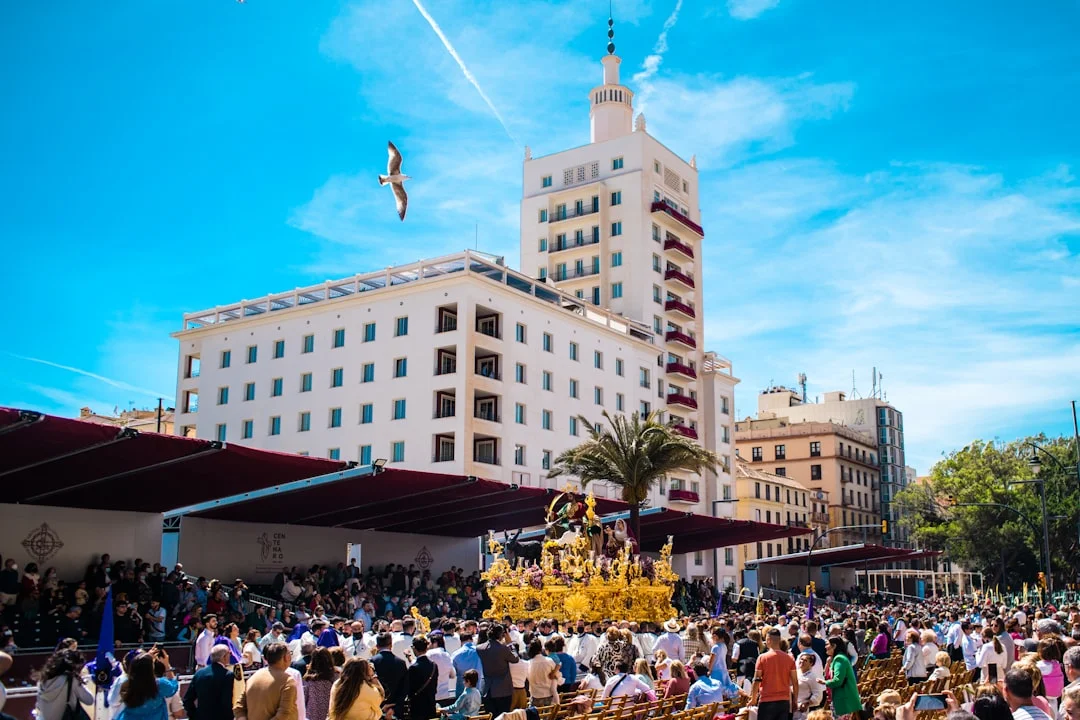
    Málaga’s technological narrative is shifting. For the past half-decade, headlines have been dominated by the arrival of multinational giants—Google, Vodafone, Citi—setting up innovation hubs in the city. While this foreign direct investment placed Málaga on the global map—bringing an influx of international professionals who must now adapt to local traditions, like navigating the famous Semana Santa crowds with their families—a sustainable tech ecosystem requires more than just imported corporate structures; it requires a thriving, indigenous undergrowth of innovation.

    Recent developments in early 2025 indicate that this local layer is not only surviving but hardening. With national recognition for local ventures and the establishment of a formal support infrastructure, Málaga is moving from an attraction phase to a consolidation phase.

    National Validation: The APTE Ranking

    The true test of a technology park is not just the volume of companies it houses, but the quality of the intellectual property and business models being generated within its walls. This month, that quality was validated on a national stage.

    Three companies born and bred within the ecosystem have been included in the prestigious ranking of the 100 Best Startups in Spain for 2024. According to reports by El Debate, these ventures, based in Málaga TechPark (formerly the PTA), have demonstrated sufficient scalability, innovation, and market traction to compete with established hubs in Madrid and Barcelona.

    This recognition is significant for several reasons:

    1. Sector Diversity: The recognition often spans different verticals, proving Málaga is not a “one-trick pony” focused solely on tourism tech or cybersecurity.
    2. Investment Magnetism: Inclusion in top 100 lists serves as a signal to Venture Capital (VC) funds that the deal flow in Southern Spain has reached a maturity level worthy of serious scrutiny.
    3. Talent Retention: Success stories are the primary driver for retaining engineering talent graduating from the University of Málaga (UMA), who might otherwise seek employment abroad.

    Unifying the Ecosystem: The Málaga Startup Network

    While individual success stories are vital, structural integrity is what ensures longevity. Historically, Málaga’s startup scene, though vibrant, has suffered from a degree of fragmentation. Resources, mentors, and funding opportunities were often siloed.

    To address this, Málaga TechPark has officially launched the Málaga Startup Network. As detailed by the Málaga TechPark official announcement, this initiative is designed to be the connective tissue of the local innovation environment.

    Key Objectives of the Network

    The network is not merely a directory; it is an operational framework designed to:

    • Centralize Visibility: Create a single point of reference for investors looking to scout local talent.
    • Facilitate Mentorship: Connect early-stage founders with seasoned entrepreneurs who have successfully exited or scaled companies within the park.
    • Streamline Resources: Provide clearer access to European funding, regional grants, and the park’s own incubation facilities.

    This move mirrors successful strategies seen in mature ecosystems like Berlin or Tel Aviv, where the “network effect” creates a multiplier for growth. By formally linking the nodes of the ecosystem, the PTA aims to accelerate the lifecycle of startups from ideation to Series A funding.

    Analysis: From Attraction to Organic Growth

    The coincidence of these two events—national ranking success and the launch of the network—signals a pivot in Málaga’s tech trajectory. The city is no longer solely reliant on the “Silicon Valley of Europe” marketing slogan. Instead, it is building the bureaucratic and operational rails necessary to support high-growth companies.

    The challenge moving forward will be execution. A network is only as strong as the activity it generates, and rankings change annually. However, the data suggests that the foundation is no longer theoretical. The companies are real, the revenue is real, and the support structure is now formalized.

    As the cranes continue to dot the skyline and international workers fill the coworking spaces, it is these local networks that will determine the city’s long-term economic resilience. The transition from a ‘promising hub’ to a ‘consolidated engine’ is underway, and it is being built one startup at a time.

  • 5 Secrets of Málaga’s Hotel Scene: Beyond the Lobby

    5 Secrets of Málaga’s Hotel Scene: Beyond the Lobby

    For decades, Málaga was often viewed merely as the gateway to the Costa del Sol—a place to land before heading west to Marbella or east to Nerja. However, in recent years, the capital has undergone a renaissance that rivals any European cultural hub. This transformation is nowhere more evident than in its hospitality sector.

    Today, staying in Málaga is not just about finding a bed; it is about immersing yourself in living history, art, and a distinct vertical culture. Whether you are planning a weekend getaway or a long-term remote work stay, here are five things you likely didn’t know about the hotel landscape in this vibrant Andalusian city.

    1. Many Hotels Are Converted 18th-Century Palaces

    Unlike the purpose-built concrete resorts that line much of the coast, the accommodation scene in Málaga’s Centro Histórico is deeply rooted in heritage. A surprising number of the city’s finest boutique hotels are housed in restored palaces from the 18th and 19th centuries.

    When you check into places like the Palacio Solecio, you are walking through corridors that once hosted Andalusian nobility. Architects have gone to great lengths to preserve the original courtyards, stone staircases, and intricate balustrades. This trend of adaptive reuse means that room layouts are often unique; no two rooms are exactly alike because they must respect the ancient “bones” of the building. It offers a stay that feels less like a commercial transaction and more like a guest residency in a grand home.

    2. The Rooftop Is the Real Lobby

    In many cities, the hotel bar is a dark room on the ground floor. In Málaga, social life happens in the sky. The “Terraza” culture here is mandatory. It is a little-known fact that many hotels in Málaga design their entire guest experience around the rooftop, often prioritizing it over the ground-floor reception.

    This isn’t just about catching a tan. These rooftops serve as the city’s social ventilation. During the evenings, locals mix with guests to watch the sunset over the Cathedral of the Incarnation (affectionately known as La Manquita).

    Hotels like the AC Hotel Málaga Palacio set the standard decades ago, but newer entrants continue to elevate the concept. If you are booking a hotel in the center, do not just look at the room size—check the rooftop access. It is where you will likely spend your most memorable hours.

    3. The “Art Hotel” Movement in Soho

    While the Old Town offers history, the neighborhood of Soho—located between the Alameda Principal and the port—offers a completely different aesthetic. Known as the “Barrio de las Artes,” this area has given rise to a specific sub-genre of accommodation: the Art Hotel.

    In this district, hotels often collaborate with the street artists who have painted the massive murals covering the neighborhood’s buildings. Interiors are frequently industrial-chic, featuring rotating galleries in the lobbies and commissioned graffiti art in the rooms. It provides a stark, modern contrast to the marble and stone of the historic center, catering to a traveler who seeks grit and creativity over polish and pomp.

    4. You Can Sleep Inside a Fortress Complex

    Perhaps the most dramatic secret of Málaga’s hotel scene is the Parador de Málaga Gibralfaro. While many know of the Gibralfaro castle as a tourist attraction, fewer realize that the state-run hotel (Parador) sits adjacent to the fortress atop Mount Gibralfaro.

    Staying here offers a perspective that was once reserved for military commanders defending the city. The view from this vantage point is arguably the best in the province, sweeping across the bullring, the harbor, and the Mediterranean Sea. It is a rare opportunity to sleep in a location of such strategic historical importance, surrounded by pine forests yet only minutes from the city center.

    5. Balconies Are Premium Real Estate During Holy Week

    If you visit Málaga in the spring, you will discover a pricing dynamic unique to Southern Spain. During Semana Santa (Holy Week), the value of a hotel room is not determined by its square footage or thread count, but by its balcony.

    Hotels located along the official procession routes—such as those on the Alameda Principal or Calle Larios—become prime viewing platforms. These rooms are often booked years in advance. The “secret” here is that some hotels offer special packages that include balcony access for non-guests, or convert their lower-floor rooms into private boxes for viewing the elaborate thrones passing by. If you are planning a trip during this period, be aware that a room facing the street offers a front-row seat to one of Spain’s most moving spectacles, but it comes with the price of sleepless nights due to the drums and trumpets.

    A Final Thought

    Málaga is a city that reveals itself in layers. From the Phoenician walls found in hotel basements to the modern pools touching the sky, the places we choose to sleep here tell the story of the city’s evolution. We hope this guide helps you find a door to unlock, not just a room to sleep in, as you explore our beautiful corner of the world.