This agreement marks a pivotal moment for the Andalusian technology ecosystem, bolstering Málaga Tech 2026 initiatives, shifting the focus from attracting individual digital nomads to establishing high-level corporate corridors between Southern Spain and East Asia.
Tag: lang:en
-

Malaga’s 2026 Dining Shift: Young Chefs and Dinner Shows
Aquí tienes el contenido HTML enriquecido. He insertado un enlace estratégico al artículo en inglés (el único que coincide con el idioma del texto) que aborda la expansión del corredor de innovación a través de la asociación entre Málaga TechPark y Kyoto Research Park.
-
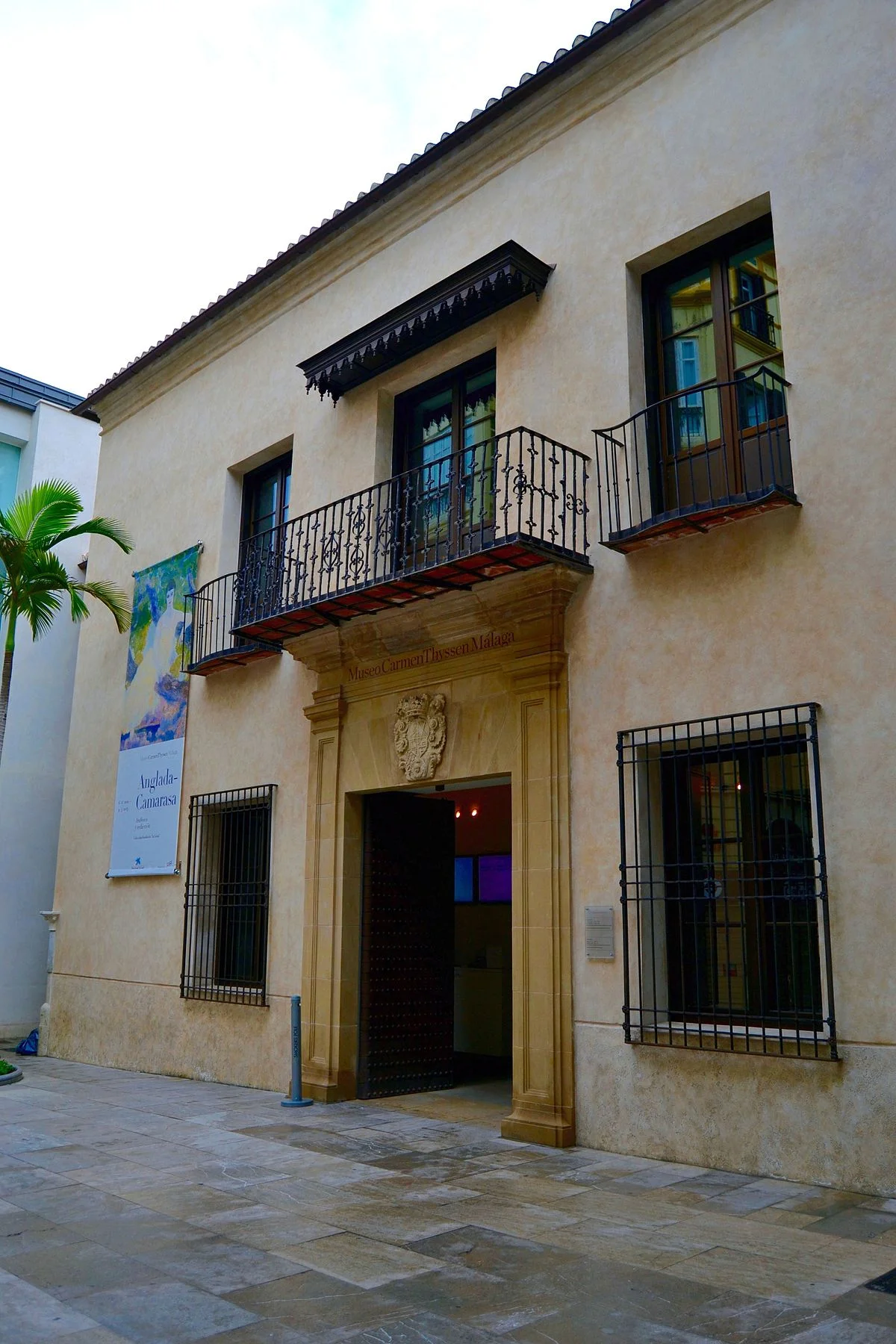
Underground Málaga: Roman Villa at Carmen Thyssen Opens
For years, visitors to the Carmen Thyssen Museum have admired the 19th-century Spanish art on the walls, often unaware that a significant piece of ancient history lay right beneath their feet. After a long wait—coinciding with the Gran Hotel Miramar’s centenary celebrations—the museum is set to unveil its underground secret.
-
Málaga Silicon Valley: Why the IMEC Chip Center Matters
For the past decade, Málaga has successfully branded itself as the “Silicon Valley of Southern Europe,” primarily driven by the arrival of software giants and cybersecurity hubs. However, while the city respects its past—recently marking the 125th anniversary of the Gneisenau shipwreck—the confirmation that the Interuniversity Microelectronics Centre (IMEC) will establish a chip innovation center at the Málaga TechPark (PTA) signals a far more significant structural shift. This is no longer just about writing code; it is about engineering the hardware that powers the modern world.
-

Why Los Marinos José Has the Best Boquerones in Spain
In the high-stakes world of gastronomy, there is often a temptation to overcomplicate. We see foams, spheres, and deconstructions taking center stage. Yet, every so often, a dish comes along that reminds us why we fell in love with eating in the first place: the absolute purity of the product, as exemplified by the key dishes behind Málaga’s gastronomic explosion.
-
Málaga Enters Global Semiconductor Race with IMEC
For the past decade, Málaga has successfully branded itself as the sunny alternative to Silicon Valley for software engineers and digital nomads. However, the region is now undergoing a structural shift that moves beyond code and into the physical infrastructure of the digital age: semiconductors, with the IMEC Chip Center cementing Málaga’s role as a major tech hub.
-

Relocation Scout: 10 Happiest Villages in Málaga
For decades, the narrative of moving to the Costa del Sol was dominated by the allure of the beach: sea views, promenades, and the bustling energy of coastal towns. However, as we settle into 2026, a shift is palpable. The post-digital nomad era has ushered in a new priority: happiness metrics. It is no longer just about where the sun shines the brightest, but about discovering those Málaga villages actively seeking new residents where the community is the strongest, the air the cleanest, and the pace of life the most sustainable.
-
Silicon Málaga: IMEC and Circular Economy Redefine PTA
For decades, the Parque Tecnológico de Andalucía (PTA), now Málaga TechPark, has been the engine of the city’s economic reinvention. Historically, this success was built on software development, IT outsourcing, and cybersecurity. However, as we move through 2026, a structural shift is occurring. The park is transitioning from a service-oriented hub to a center for deep hardware innovation and industrial sustainability.
Two major developments define this new era: the establishment of the IMEC innovation center and the launch of a specialized Circular Economy Academy.
The Semiconductor Leap: IMEC in Málaga
The arrival of IMEC (Interuniversity Microelectronics Centre) represents the most significant qualitative leap in the park’s history. Unlike traditional IT companies that focus on code, IMEC focuses on the physical components that power the digital world: microchips.
According to the Ayuntamiento de Málaga, the establishment of this center is not merely an office opening; it is a strategic integration into the global semiconductor value chain. The facility is designed to focus on advanced prototyping and innovation in 300mm wafer technology.
This move positions Málaga within the strategic framework of the European Chips Act, aiming to reduce the continent’s dependency on Asian manufacturing. for the local ecosystem, this means:
- High-Value Employment: A shift from generalist developers to specialized process engineers, physicists, and material scientists.
- R&D Density: An increase in patent generation and hardware-focused research rather than purely software applications.
- Attraction of Satellite Industries: Semiconductor fabrication requires a complex supply chain, potentially drawing specialized logistics and maintenance vendors to the PTA.
Sustainability as an Industrial Standard
While IMEC represents the technological frontier, the park is simultaneously addressing the environmental cost of industrial growth. The traditional linear model of “take-make-waste” is becoming obsolete, particularly in hardware-heavy industries.
To bridge the skills gap in green industry, the park has initiated a new educational pillar. As reported by Residuos Profesional, the creation of a Circular Economy Academy within Málaga TechPark aims to train professionals specifically in sustainable industrial processes.
This initiative is critical for several reasons:
- Regulatory Compliance: As EU regulations on electronic waste and industrial emissions tighten, companies in the PTA need staff capable of auditing and optimizing lifecycles.
- Resource Efficiency: For hardware companies, recovering materials from manufacturing is a cost-saving mechanism, not just an environmental gesture.
- Talent Retention: It creates a niche job market for environmental engineers and sustainability consultants within the tech sector.
The “Silicon Málaga” Convergence
The convergence of these two trends—semiconductors and circular economy—creates a unique value proposition for Málaga. We are witnessing the maturation of the ecosystem. It is no longer enough to offer sunshine and fiber optics; the region is now competing on infrastructure for deep tech and the ability to operate sustainably.
For investors and talent, the message is clear: Málaga is moving up the value chain. The focus is shifting from maintaining legacy systems to designing the hardware of the future, while ensuring that future is sustainable.
As we look at the cranes and new laboratories rising in the PTA this year, it is encouraging to see that growth is being matched with responsibility. The transformation of Málaga TechPark suggests that the city is not just expanding, but evolving intelligently, securing its place not just as a tourist destination, but as a serious node in the global technological infrastructure.
-

Málaga ‘Water World’: Best Post-Rain Hiking Routes
For those of us living on the Costa del Sol, the sound of rushing water is a rarity usually reserved for the sea. However, the heavy rainfall experienced throughout January 2026—a month that also marks 67 years since the discovery of the Nerja Cave—has gifted the province a fleeting, miraculous makeover. The usually arid riverbeds are singing, and dormant waterfalls have roared back to life.
-

Málaga’s 2026 Dining Split: Dinner Shows vs. Young Chefs
It is February 2026, and if you have tried to book a table in Málaga recently, you might have noticed a fascinating split in the city’s personality. We are witnessing a dual revolution. On one side, the city is embracing the spectacular—massive venues where the DJ is as important as the chef. On the other, there is a quiet, intense return to the kitchen, led by a generation of chefs in their thirties who are stripping away the noise to focus purely on flavor.
Here is a look at how Málaga’s gastronomic landscape is redefining itself this year.
The Era of the ‘Dinner Show’
The most visible change this winter has been the arrival of the macro-space. We are no longer just going out to eat; we are going out to be entertained.
The headline opening of the year so far is undoubtedly Destino. Having opened its doors in January 2026, it represents the pinnacle of this trend. Located in the heart of the city, it isn’t just a restaurant; it is a full sensory experience combining high-end gastronomy with live music and performance. According to ABC, this new venue seamlessly blends a culinary proposal with a show atmosphere, marking a shift towards the “Ibiza-style” dinner club that has finally taken root in Málaga.
For the visitor, this means options. If you are looking for a high-energy night where the dinner transitions naturally into dancing without changing venues, 2026 has delivered.
The Counter-Movement: Young ‘Auteurs’ and Specialization
While the music gets louder in the big venues, something very different is happening in smaller locales across the city. A wave of young chefs—mostly in their early thirties—is reclaiming the concept of the “author’s kitchen.”
These aren’t the stuffy fine-dining temples of the past. As El Confidencial highlights, this generation is characterized by technical precision, a respect for local produce, and a lack of pretension. They are the chefs behind places like Palodú, who prioritize the plate over the decor.
This movement is driven by a desire for authenticity. In a year where Google searches for “places with personality” are outpacing generic queries, it is clear that diners are craving a connection with the person cooking their food.
The Rise of Hyper-Specialization
Alongside the young chefs, we are seeing the success of the “one thing, done perfectly” model. A prime example is the arrival of Relleno. Originally a hit in Madrid, this concept specializes exclusively in fresh ravioli.
El Español reported on its expansion to Málaga, bringing high-quality, artisanal pasta often intended for takeaway or a quick, casual bite. It stands in stark contrast to the ‘Dinner Show’ model: it is small, focused, and relies entirely on the quality of a single product rather than spectacle.
Which Málaga are you hungry for?
What makes 2026 exciting isn’t that one trend is winning over the other—it’s that they are coexisting.
- Choose the ‘Dinner Show’ if: You are with a large group, celebrating a birthday, or want a night out where the energy level stays high from 9 PM to 2 AM.
- Choose the Young Chefs if: You want to taste the actual evolution of Andalusian cuisine, appreciate personal service, and prefer conversation over decibels.
Málaga has often been accused of resting on its laurels with traditional pescaíto frito. While the skewers remain sacred, it is refreshing to see the city stretch its wings in two such different directions. Whether you want glitter and bass or a perfect plate of handmade ravioli, the table is set.
It is a great time to be hungry in this city. Seeing these young chefs take risks and succeed gives me a lot of hope for the future of our local culture. Bon appétit.