Tag: lang:en

  • Malaga’s Port Heats Up for the Holidays

    Malaga’s Port Heats Up for the Holidays

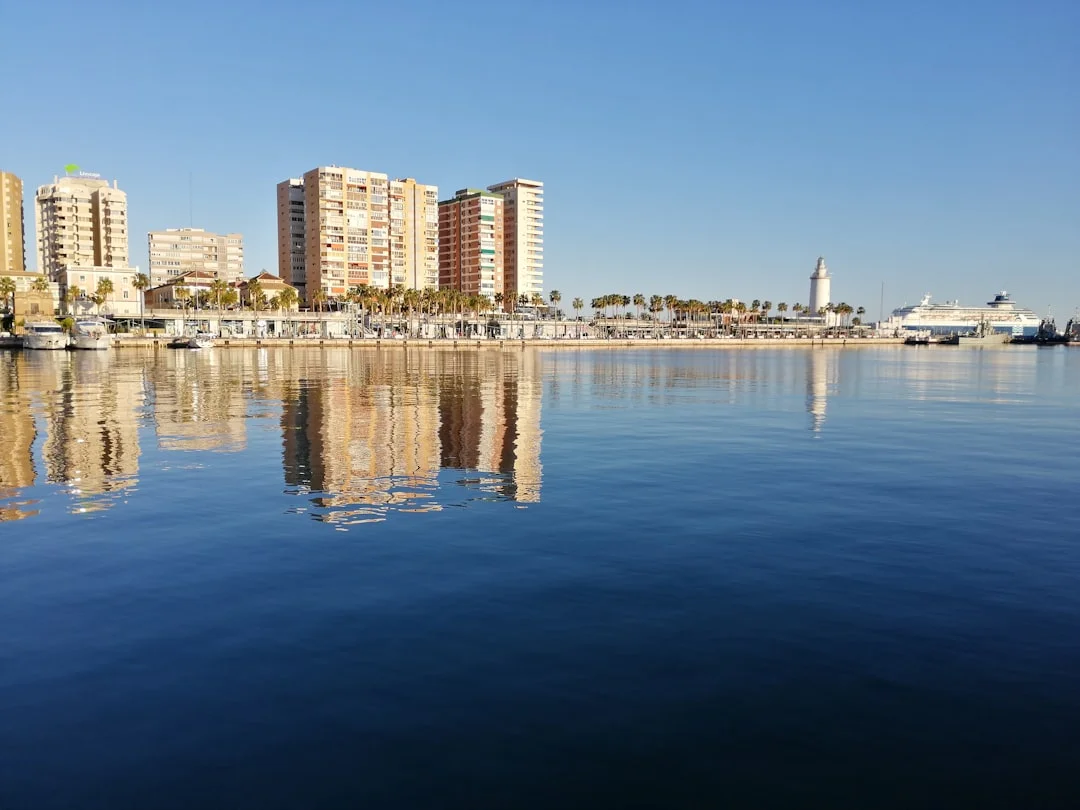
    If you were wondering what the Malaga weather in April 2026 had in store for us, the verdict is officially in: it is spectacularly sunny and unseasonably warm. As Semana Santa reaches its peak, the city is buzzing with energy, and nowhere is this more evident than down by the water.

    Locals and visitors alike are trading their light spring jackets for short sleeves and sunglasses. The Palmeral Malaga port area has become the undisputed hotspot of the season, drawing massive crowds eager to soak up the phenomenal holiday weather.

    Aemet Forecasts a Sizzling Semana Santa

    If you are packing your bags or planning your weekend itinerary, leave the umbrellas at home. The State Meteorological Agency (Aemet) has confirmed that the fantastic weather will hold strong through the remainder of the Easter holidays.

    According to updates from Diario Sur, we can expect plenty of sun and climbing temperatures that feel more like early summer than mid-spring. This makes it perfect for beachgoers, but it also means the city streets and promenades are heating up faster than usual.

    The Palmeral is Packed

    So, is Malaga crowded during Easter? The short answer is an absolute yes.

    Take a walk down the Palmeral de las Sorpresas right now, and you will see exactly what we mean. The iconic shaded promenade is currently packed with families, couples, and tourists making the most of the clear skies. From people sunbathing on the nearby Malagueta beach to groups enjoying a cold drink at Muelle Uno, the atmosphere is electric.

    The port area naturally acts as a magnet during these warm spells. It offers the perfect blend of sea breeze, stunning views of the Alcazaba, and endless options for a quick bite or a relaxed afternoon stroll.

    Tips for Navigating the Holiday Crowds

    With the sun beating down and thousands of people flocking to the coast, a little bit of planning goes a long way. Here is how to make the most of the port and beaches without getting overwhelmed:

    • Timing is everything: If you want a peaceful stroll through the Palmeral, aim for before 10:30 AM. By midday, the cruise ship passengers and holidaymakers are out in full force.
    • Hydrate and protect: The April sun in Malaga can be deceivingly strong. Bring water and do not skip the sunscreen, especially if you plan to spend the afternoon lounging by the marina.
    • Book ahead: If you want to eat at any of the restaurants along Muelle Uno, secure a reservation. Walk-ins during Easter weekend will face long waits.
    • Seek alternative spots: If the main port area feels too congested, keep walking east toward Pedregalejo or west toward Huelin. You will still get the sea breeze but with slightly more breathing room.

    Seeing the city so alive and vibrant is always a joy. There is a specific kind of magic that hits Malaga when the spring sun finally settles in and the holiday spirit takes over. Whether you are navigating the bustling crowds by the port or finding a quiet corner on the beach to read a book, we hope you get to enjoy every warm, sun-drenched minute of it.

  • Weekend Plans: Lightsabers, Gourmet Burgers & Musicals

    Weekend Plans: Lightsabers, Gourmet Burgers & Musicals

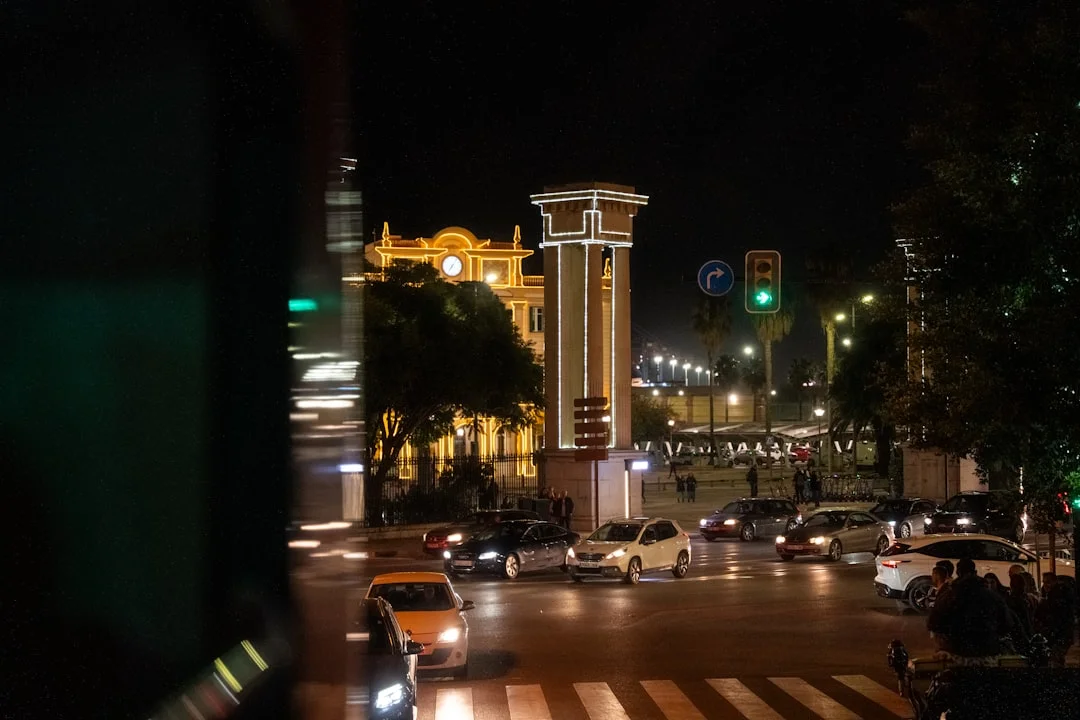
    Málaga in the spring is famous for its dense crowds and traditional processions. While these are spectacular to witness, they aren’t always the easiest to navigate with young children in tow, especially as the sunny port area heats up with holiday crowds. If you are looking for a change of pace this weekend, the city offers plenty of off-beat, family-friendly alternatives that skip the massive crowds but keep the fun intact.

    According to the latest local culture roundups from Diario Sur’s weekend plans, there is a fantastic variety of alternative activities happening right now, ranging from interactive theater to top-tier dining.

    Family Theater: ‘En busca de la que ilumina’

    If you want to introduce the little ones to the magic of the stage, head over to Teatro Echegaray. This Sunday, the venue is hosting En busca de la que ilumina, a delightful family-oriented show. It is a great way to spend a morning or afternoon indoors as part of your family weekend plans in Malaga, enjoying a performance designed specifically to keep young minds engaged without the overwhelming noise of the busy city streets.

    Embrace the Force: Lightsaber Events

    Yes, you read that correctly. For kids (and parents) who lean more towards sci-fi than traditional sightseeing, there are special activities this weekend featuring lightsaber training and events. It is a highly interactive way for kids to burn off some energy, learn a few choreographed moves, and feel like a Jedi for the day. These pop-up events are becoming a popular staple for alternative weekend entertainment in the city.

    Grab a Gourmet Burger

    Málaga’s culinary scene has expanded far beyond traditional tapas, and the gourmet burger trend is thriving. After a morning of lightsaber training or theater, grabbing a high-quality burger is an easy, crowd-pleasing option for the whole family.

    • Kid-friendly menus: Many of these modern establishments offer simplified versions for younger palates.
    • Premium ingredients: Expect dry-aged beef, artisan brioche buns, and creative local toppings.
    • Relaxed atmosphere: A great alternative to formal dining or crowded traditional bars.

    Free Guided Visits and New Musicals

    If you prefer to stay on the move, look into the free guided visits offered around some of Málaga’s lesser-known museums and botanical gardens. These tours often operate away from the main procession routes, offering a peaceful dive into the city’s history and nature. Additionally, a new musical production has recently opened its doors, providing a spectacular evening option for families with older children who appreciate music and dance.

    Whether you decide to catch a play, master a lightsaber, or simply enjoy a great meal together, Málaga always has a quieter, quirky side waiting to be explored. We hope these ideas help you and your family craft a memorable weekend that moves at your own perfect pace.

  • Málaga Adds 10 Substations for Tech and Real Estate Boom

    Málaga Adds 10 Substations for Tech and Real Estate Boom

    Málaga has transformed into a thriving epicenter for technology, remote work, and real estate development. However, this rapid evolution brings a critical, often overlooked challenge: the need for reliable, high-capacity energy. To ensure the province’s infrastructure keeps pace with its economic ambition, a major upgrade to the local electrical grid is actively underway.

    Powering the Boom

    The surge of international tech giants, a booming real estate sector, and the steady influx of digital nomads have placed unprecedented demands on Málaga’s power grid. Recognizing the potential for energy bottlenecks, authorities and utility providers have initiated a comprehensive plan to expand capacity.

    According to reports from Málaga Hoy, the province is reinforcing its energy network by adding new positions to 10 existing electrical substations. These planned expansions are a vital step in future-proofing the region’s infrastructure against the growing strain of its own success.

    How the Expansion Works

    Think of these new substation positions as high-capacity ‘plugs’ being added to an overloaded extension cord. The existing substations form the backbone of the province’s power distribution. By expanding 10 of these critical nodes, the grid will be able to handle a significantly higher volume of electricity distribution without buckling under the pressure.

    This strategic enhancement aims to address several key areas:

    • Support Enterprise Growth: Data centers, corporate campuses, and advanced research facilities require massive, uninterrupted power supplies. This upgrade ensures tech companies can scale locally without facing power limitations.
    • Sustain Residential Expansion: With new housing developments springing up across the Costa del Sol to accommodate new residents, domestic energy consumption is at an all-time high.
    • Prevent Blackouts: Proactively upgrading the grid minimizes the risk of power outages during peak demand periods, particularly during the height of the Andalusian summer.

    A Foundation for Tomorrow

    Infrastructure projects like these are the unsung heroes of urban development. While a newly upgraded substation might not generate the same headlines as a multinational company opening a regional headquarters, it is the fundamental requirement that makes such investments possible. Without a robust electrical grid, the narrative of Málaga as the ‘Silicon Valley of Southern Europe’ would quickly lose its spark.

    As Málaga continues to navigate its extraordinary transformation, it is reassuring to see the foundational elements being put in place to support it. Growth is exciting, but sustainable growth requires careful planning and heavy lifting behind the scenes. Let us hope these essential upgrades allow our city to keep shining brightly, both literally and figuratively, for many generations to come.

  • Unicaja Basketball Honored at Andalusian Sports Awards 2026

    Unicaja Basketball Honored at Andalusian Sports Awards 2026

    Málaga is a city that lives and breathes sports, and at the heart of this athletic passion is Unicaja Basketball. Far more than just a team, Unicaja is a local institution that bridges the gap between lifelong malagueños and the ever-growing international community drawn by the city’s ongoing tech and real estate boom. This April, that deep-rooted pride has been officially recognized, with the club and several local athletes taking center stage at the regional sports awards.

    Celebrating the Andalucia Sports Awards 2026

    The regional government recently held the Andalucia sports awards 2026 to honor the individuals and institutions that elevate the region’s athletic profile. Unicaja Basketball was rightfully celebrated as the pride of the city for its continued excellence and its role as an ambassador for Málaga on both the national and European stages.

    But the green-and-purple squad wasn’t the only local pride honored. The awards also highlighted the incredible achievements of CAB Estepona, a club that continues to make significant strides in regional basketball. Furthermore, the ceremony shone a well-deserved spotlight on Sarah Almagro. The Málaga-born adapted surfing champion continues to inspire the community, proving that determination and resilience can conquer the most challenging waves. Her recognition at the 2026 awards is a testament to her unstoppable spirit and dedication to adapted sports.

    On the Court: Bilbao Basket vs Unicaja

    While the awards offer a moment of reflection and celebration, the action on the hardwood never stops. If you are keeping an eye on the Unicaja Malaga schedule, you will know that the team is currently gearing up for a highly anticipated Liga Endesa matchup.

    The upcoming Bilbao Basket vs Unicaja clash promises to be a thrilling encounter. As we move deeper into the spring of 2026, every game becomes crucial for playoff positioning. Unicaja has been enjoying a remarkably strong run in the domestic league, consistently proving why they are one of the top entertainment options for sports fans in the city. According to the latest coverage from AS on Unicaja, the squad’s tactical depth and high-energy playstyle have kept them firmly in the upper echelons of the league standings.

    Why You Should Catch a Game

    If you are new to Málaga or simply haven’t yet experienced the electric atmosphere of the Martín Carpena arena, adding a game to your local itinerary is a must.

    • The Atmosphere: The local fans, known as the Marea Verde (Green Tide), create an unforgettable, family-friendly environment.
    • Top-Tier Basketball: The Liga Endesa is widely considered one of the best domestic basketball leagues in the world.
    • Community Spirit: Attending a game is one of the quickest ways to feel integrated into the local culture.

    There is something truly special about seeing our local athletes lift not just trophies, but the spirits of the entire city. Whether you are a lifelong basketball fanatic or someone who has just moved to the Costa del Sol and is looking to connect with the community, we hope you get to experience the roar of the Martín Carpena arena soon. It is in these shared moments of cheering, tension, and ultimate celebration that a city truly feels like home.

  • Is Málaga’s Atarazanas Market Losing Its Local Soul

    Is Málaga’s Atarazanas Market Losing Its Local Soul

    Step into the Mercado de Atarazanas on any given morning, and your senses are immediately hijacked. The shouts of fishmongers echo off the 19th-century iron beams, the scent of fried almonds mixes with salty sea air, and the sunlight filters beautifully through the iconic stained-glass window. For international residents and visitors, this bustling hub is the epitome of the Spanish culinary dream.

    But if you look closely at the shopping bags leaving the building, a different story emerges. You will see fewer canvas totes filled with weekly groceries and more paper cones stuffed with pre-cut jamón ibérico and fresh fruit cups. Atarazanas is undergoing a profound identity shift, caught in a delicate balancing act between surviving on tourist dollars and losing the local families that once gave it life.

    The Changing Face of the Market

    For decades, Atarazanas was the undisputed pantry of Málaga. Today, the reality is more complicated. The sheer volume of foot traffic in the city center has transformed the market into a top-tier tourist attraction. While this brings undeniable energy and revenue to the city, it has fundamentally altered the daily rhythm of the stalls.

    According to reports from Málaga Hoy, vendors have openly voiced their concerns over the past few years regarding the changing profile of their clientele. The massification of the market often makes it difficult for traditional shoppers to navigate the aisles. Vendors who sell raw, staple ingredients—like whole chickens, sacks of potatoes, or fresh legumes—find themselves struggling, while stalls offering ready-to-eat tapas, sliced meats, and photogenic fruit salads are thriving.

    Where Have the Locals Gone?

    It is easy to point fingers at tourism, but the exodus of local shoppers is a multi-faceted issue. Ask any malagueño why they no longer shop at Atarazanas, and they will likely give you a very practical answer: convenience.

    Driving into Málaga’s historic center is a logistical headache. Parking is expensive and scarce, and carrying heavy bags of groceries through streets packed with tour groups is nobody’s idea of a relaxing morning. Consequently, many locals have traded the charm of the historic market for the air-conditioned aisles of large supermarkets and suburban shopping malls, where parking is free and everything is available under one roof.

    This leaves the market vendors in a tough spot. They confess that without the steady stream of international visitors eager to experience “authentic Spanish culture,” many stalls would simply not survive. The tourists are keeping the lights on, even if they are buying a handful of cherries rather than a week’s worth of groceries.

    Is Atarazanas Market a Tourist Trap?

    With all this in mind, a question frequently pops up among expats and digital nomads: Is Atarazanas market a tourist trap?

    The short answer is no, but it requires a nuanced understanding. A true tourist trap sells inferior products at inflated prices. Atarazanas, however, still offers some of the highest quality produce, meat, and seafood in Andalusia. The fish arrives fresh from the nearby ports, the olives are locally cured, and the tomatoes actually taste like tomatoes.

    What has changed is the format. You will pay a premium for convenience—like those beautifully arranged fruit cups or the small paper cones of ham designed for immediate snacking. If you treat the market as a museum where you buy overpriced snacks, it might feel a bit like a trap. But if you roll up your sleeves and shop for ingredients to cook at home, it remains an exceptional culinary resource.

    How to Experience the Best Food at Atarazanas

    If you want to enjoy the market respectfully and find the best food Atarazanas has to offer, a little strategy goes a long way. Here is how to navigate it like a pro:

    • Go early: The market opens at 8:00 AM. If you arrive before 10:00 AM, you will beat the cruise ship crowds and get to see the vendors setting up their spectacular displays. This is when the few remaining local chefs and grandmothers do their shopping.
    • Buy raw, not ready: Skip the pre-packaged fruit cups. Instead, buy a kilo of seasonal fruit—like cherimoya in the winter or figs in the late summer. Buy your cheese by the wedge and your ham by the slice from the master carvers.
    • Explore the seafood section: The fish market is the beating heart of Atarazanas. Look for local specialties like conchas finas (smooth clams), boquerones (anchovies), and gambas blancas (white prawns).
    • Stop for a bite: The tapas bars nestled along the edges of the market are legitimately fantastic. Grab a spot at the counter (be prepared to use your elbows politely) and order a skewer of grilled prawns, some fried eggplant with cane honey, and an ice-cold Victoria beer.

    A Shared Responsibility

    As foreign residents, digital nomads, and visitors, we are undeniably part of the ecosystem that is reshaping Málaga. It is easy to lament the loss of local flavor, but we also have the power to support it. By choosing to buy our weekly vegetables from the traditional stalls instead of just snapping photos of the hanging hams, we can help preserve the market’s original purpose.

    Cities are living, breathing entities, and change is inevitable. The Mercado de Atarazanas may never look exactly like it did thirty years ago, but it remains a vibrant, beautiful testament to Málaga’s rich food culture. Let’s make sure we walk through its doors not just as spectators, but as active, respectful participants in its ongoing story.

  • Semana Santa in Málaga: Supermarket Holiday Hours

    Semana Santa in Málaga: Supermarket Holiday Hours

    The Rhythms of Holy Week

    As the scent of orange blossoms and burning incense weaves through the labyrinthine streets of Málaga, the city enters its most profound and spectacular season. Semana Santa is a time of breathtaking processions, soaring saetas, and deep cultural resonance. Yet, amid the grandeur of the floats and the rhythmic beat of the marching bands, there lies a classic, quiet pitfall for the uninitiated expatriate or visitor: the sudden, sweeping closure of local commerce.

    Finding yourself with an empty pantry on a public holiday is a rite of passage in Spain. With Jueves Santo (Maundy Thursday) and Viernes Santo (Good Friday) serving as major red-letter days on the Andalusian calendar, knowing where to secure your daily bread—or a forgotten carton of milk—becomes a crucial piece of local knowledge.

    The Silence of Good Friday

    To understand the operating hours during this period, one must appreciate the cultural weight of these days. As beautifully captured by La Opinión de Málaga, the solemnity of Viernes Santo effectively “turns off” the bustling neighborhoods of the city. Traditional Spanish businesses, local bakeries, and family-run butchers pull down their metal shutters, allowing workers to participate in the mourning and reflection that characterizes the day.

    This widespread pause extends to the major supermarket chains, albeit with a few modern exceptions. Here is what you need to know to navigate the supermarket landscape during the 2026 Easter holidays.

    Mercadona: The Strict Traditionalist

    When asking “Is Mercadona open on Good Friday in Málaga?”, the answer is almost universally a resounding no. Spain’s most beloved supermarket chain adheres to a strict policy of resting on Sundays and national holidays. You can expect all Mercadona locations across the province to remain firmly closed on both Jueves Santo and Viernes Santo. If you rely on their Hacendado brand for your weekly meals, you must complete your shopping by Wednesday evening.

    Carrefour: The Flexible Giant

    Carrefour operates with a slightly more forgiving schedule, though it varies wildly by store format.

    • Carrefour Hypermarkets: These massive stores (like the ones in Rosaleda or Los Patios) are often granted permission to open on Jueves Santo, though they almost always close on Viernes Santo.
    • Carrefour Express: These smaller, neighborhood convenience stores are often franchised. Many will remain open on both days, sometimes operating on a reduced Sunday schedule (typically 10:00 AM to 9:00 PM). They are a reliable beacon when you are in a pinch.

    Lidl and Aldi: The German Pragmatists

    If you are searching for Lidl Málaga holiday hours, prepare for a mixed approach. Both Lidl and Aldi occasionally open their doors on Jueves Santo, usually operating on a half-day schedule (closing around 3:00 PM). However, Viernes Santo is treated with the utmost reverence, and you will find the sliding doors of these discount giants locked tight. Always verify the specific branch via their respective mobile apps, as coastal locations sometimes have special tourist-zone permits that inland stores lack.

    Dia: The Neighborhood Variable

    Dia supermarkets are deeply integrated into the residential fabric of Málaga. Because a significant number of Dia stores are franchises, their holiday hours are entirely at the discretion of the owner. Some will close entirely, while others might open for the morning shift on Thursday. It is unwise to rely on them for your main holiday grocery haul without checking the storefront signs earlier in the week.

    The Saving Graces: Supercor and Local Bazaars

    When all else fails, you are not entirely adrift. Supercor (owned by El Corte Inglés) is famous for its 365-days-a-year operation. While their prices carry a slight premium, their stores in areas like Soho or La Malagueta will be open, offering fresh produce, meats, and an excellent wine selection. Additionally, the ubiquitous corner shops—often referred to locally as alimentación stores or “chinos”—are the unsung heroes of Spanish public holidays, remaining open late into the night to supply water, snacks, and basic household items.

    A Strategic Approach to Holiday Shopping

    To truly thrive during Semana Santa, one must adopt the foresight of a local. Treat the Wednesday before Maundy Thursday as your final opportunity to stock the refrigerator. Plan your meals around the rich, traditional foods of the season—perhaps picking up the ingredients for a hearty potaje de vigilia (chickpea and cod stew) or a tray of honey-drenched pestiños before the bakeries close.

    Living in or visiting Málaga during this magnificent week is an absolute privilege, a chance to witness a city wearing its heart and history on its sleeve. While the shuttered grocery stores might initially seem like an inconvenience, they are simply a reminder to slow down, step away from the daily grind, and immerse ourselves in the quiet beauty of the moment. After all, a little preparation ensures that our pantries are full, leaving our minds free to wander the incense-filled streets and marvel at the magic of the Andalusian spring.

  • Money Laundering via Pokémon Cards in Málaga

    Money Laundering via Pokémon Cards in Málaga

    A Nostalgic Asset Turns Illicit

    In what might be one of the most unusual financial crimes to hit the Costa del Sol, local authorities have recently carried out a Málaga Pokémon card arrest that sounds more like a movie plot than a standard police report. In a bizarre twist of modern crime, an underground network has been caught using high-value collectible trading cards to wash illicit funds.

    While traditional money laundering (blanqueo de capitales) often involves real estate, shell companies, or luxury vehicles, modern syndicates are constantly seeking new, unregulated avenues. Pokémon cards, which have surged in value globally over the past few years, surprisingly fit the bill perfectly.

    How Pokémon Card Money Laundering in Spain Works

    To understand this peculiar Pokémon card money laundering Spain case, one has to look at the mechanics of the collectible market. During the pandemic, the value of rare trading cards skyrocketed. First-edition holographic cards, particularly graded ones in pristine condition, began selling for hundreds of thousands of euros at international auctions.

    Criminals realized that these small, lightweight pieces of cardboard are the ultimate alternative asset. Here is how the scheme generally operates:

    • Placement: Illicit cash is used to purchase rare, highly sought-after Pokémon cards from private collectors or at unregulated conventions.
    • Layering: The cards are shipped across borders. Because they are technically just “printed cardboard,” they rarely raise red flags at customs compared to large sums of cash or gold.
    • Integration: The cards are then sold on legitimate online auction sites or to high-end collectible stores. The resulting income is deposited into bank accounts as clean, verifiable revenue from the “sale of collectibles.”

    Connecting the Local to the Global

    This weird news Málaga story is a fascinating look at how alternative assets are being used in the local underground economy. As Málaga continues to grow as an international tech and business hub, the sophistication of financial crimes attempting to take root here has also evolved.

    While local news outlets usually focus on weekend sports galleries—such as the recent LaLiga clashes—this underground financial bust has captured everyone’s attention. For these criminal networks, investing dirty money into a pristine Charizard card is a high-stakes gamble, operating much like the weekend Primitiva lottery draws, but designed to yield untraceable, “clean” payouts.

    The Future of Collectibles and Crime

    Authorities are now having to adapt rapidly. Police forces are increasingly training specialized units to evaluate the authenticity and market value of items that, until recently, were considered mere children’s toys. It serves as a stark reminder that as global markets shift, so too do the methods of those trying to exploit them.

    It is always disheartening to see the innocent joys of our youth twisted into tools for illicit activities. Yet, stories like this also highlight the vigilance and adaptability of our local authorities, who work tirelessly to keep our community safe amidst an ever-changing financial landscape. As Málaga continues to grow and attract global attention, we remain hopeful that our city will be defined not by these bizarre anomalies, but by the warmth, resilience, and genuine spirit of the people who call it home.

  • The Maturation of Málaga’s Startup Ecosystem

    The Maturation of Málaga’s Startup Ecosystem

    The narrative surrounding the Malaga startup ecosystem has historically focused on its ability to attract external talent. For years, the headlines have been dominated by the arrival of multinational tech companies in Malaga and the influx of remote workers seeking 300 days of sunshine. However, beyond the booming TechPark workforce and its infrastructure challenges, a structural shift has taken root. The ecosystem is maturing, transitioning from an importer of foreign tech branches to an incubator of homegrown, deep-tech innovation.

    This maturation is primarily driven by the rise of Knowledge-Based Enterprises (EBCs—Empresas Basadas en el Conocimiento). Rather than building standard consumer apps, the region’s newest wave of founders is emerging directly from university laboratories and research centers, commercializing complex academic discoveries.

    The Rise of Knowledge-Based Enterprises

    Data indicates a steady increase in the creation of EBCs within the region over recent years. These companies are characterized by their reliance on intensive R&D, highly qualified personnel, and proprietary technology.

    The transition from laboratory to market requires a robust infrastructure, which Málaga has systematically built. The alignment between the University of Málaga (UMA), the Málaga TechPark (PTA), and various local accelerators has created a viable pipeline for academic spin-offs. Researchers who previously lacked the commercial acumen or funding to bring their patents to market now have access to specialized tech transfer offices that bridge the gap between theoretical science and commercial viability.

    Bridging Academia and the Private Sector

    Transferring academic research to the private sector is notoriously difficult. It requires capital, business structuring, and an understanding of market demands that rarely exist within a purely academic setting.

    Málaga’s recent success in this area stems from targeted initiatives designed to pair scientific researchers with experienced business operators. This synergy is producing startups in critical sectors such as:

    • Agri-tech: Developing sustainable water management systems and precision agriculture tools.
    • Biotechnology: Advancing medical devices and bioinformatics.
    • Cybersecurity and AI: Building enterprise-level security protocols and machine learning models.

    By focusing on B2B solutions and deep tech, these local startups are establishing highly defensible market positions. They are not competing on marketing budgets, but on proprietary, patented technology.

    National Attention and Institutional Investment

    The qualitative leap in Málaga’s output has not gone unnoticed by the broader financial community. National economic media are increasingly shifting their focus from Málaga’s real estate and tourism metrics to its venture capital potential. As documented by national publications tracking the sector, such as El Español’s coverage of Málaga startups, the city is now recognized as a primary node for technological innovation in Spain.

    This media visibility creates a positive feedback loop. Institutional investors and venture capital firms are deploying more capital into the region, realizing that investing in Malaga startups offers access to high-quality deal flow at more competitive valuations than traditional hubs like London, Paris, or Berlin.

    The Evolution of the Digital Nomad

    This structural maturity is also redefining the concept of the digital nomad business Malaga community. The transient remote worker of 2019 has, in many cases, become the angel investor or co-founder of 2026.

    Expatriates who initially moved to Málaga for the lifestyle are increasingly integrating into the local economic fabric. They bring international scaling experience, diverse networks, and early-stage capital, which they are injecting into local EBCs. This cross-pollination between international business veterans and local scientific talent is the catalyst accelerating the ecosystem’s growth.

    Looking Forward

    Watching this city evolve from a beloved coastal destination into a serious crucible of technological innovation is genuinely inspiring. For those of us living and working here, the real success isn’t just in the venture capital raised or the headlines generated; it is in seeing local talent find the resources to build world-changing ideas right in their own backyard. The future of Málaga is being written in its laboratories today, and as these brilliant concepts finally meet the market, the horizon looks remarkably bright.

  • Málaga Leads Spain’s Carpooling as Tapas Bars Benefit

    Málaga Leads Spain’s Carpooling as Tapas Bars Benefit

    The arrival of spring in 2026 has brought more than just warmer weather to the Costa del Sol; it has ushered in a remarkable shift in how visitors travel and spend their money. Málaga is currently leading the national charts as the premier destination for carpooling in Spain. Simultaneously, alongside the maturation of the local startup ecosystem, the city’s traditional hospitality sector—particularly the vibrant tapas bars in the historic center—is experiencing a record-breaking surge in revenue.

    This intersection of modern shared mobility and traditional gastronomy offers a fascinating glimpse into the evolving landscape of the economy and tourism in Málaga for 2026, where even practical details like navigating supermarket hours during Semana Santa play a vital role in the visitor experience.

    The Rise of Shared Mobility: BlaBlaCar Trips to Málaga

    Over the past few years, the way domestic tourists reach Málaga has transformed. As of April 2026, data indicates that Málaga is one of the top destinations nationwide for ride-sharing platforms. The volume of BlaBlaCar trips to Málaga has skyrocketed, driven by a combination of eco-conscious travel choices, the rising costs of traditional transport, and a desire for flexible, point-to-point journeys.

    This influx of carpooling travelers brings a specific demographic to the city: the domestic weekend warrior. These are predominantly Spanish tourists from Madrid, Seville, Valencia, and beyond, who arrive ready to explore the city’s cultural offerings and, most importantly, its culinary scene.

    Why Carpooling is Winning

    • Cost Efficiency: Splitting fuel and toll costs makes frequent weekend getaways highly accessible.
    • Direct Access: Carpooling often allows for more direct routes compared to fixed train or bus schedules.
    • Sustainability: Younger demographics are increasingly opting for shared rides to reduce their carbon footprint.

    Tapas Bars Center Málaga: A Post-Holy Week Boom

    While the mobility sector innovates, the beneficiaries of this steady stream of visitors remain wonderfully traditional. The historic center’s hospitality sector is currently acting as the ultimate economic thermometer for the city.

    Following the intense activity of Holy Week, local establishments are reporting massive, sustained turnouts. As highlighted in historical tracking by Málaga Hoy, the period during and immediately after Semana Santa typically provides a massive financial injection for local bars. In 2026, this trend has not only continued but amplified, setting a robust baseline for the rest of the year.

    Tapas bars in the center of Málaga are serving as the primary gathering spots for this new wave of domestic tourists. Establishments that focus on authentic, high-turnover tapas are seeing their terraces packed from the early afternoon well into the evening.

    Economic Indicators for Tourism in 2026

    The synergy between increased domestic arrivals via carpooling and the booming hospitality sector points to a robust economic outlook for the year. Broader regional coverage by Diario Sur frequently points to the resilience and adaptability of Málaga’s tourism model. The current data reveals a few analytical insights:

    1. Extended Seasonality: The rush is no longer confined solely to the peak summer months. Spring has solidified itself as a high-revenue season.
    2. Domestic Strength: While international tourism remains a cornerstone of the Costa del Sol, the purchasing power and frequency of domestic visitors are proving vital to the local economy.
    3. Micro-Tourism: Shorter, more frequent trips facilitated by ride-sharing mean that businesses must adapt to constant, high-volume turnover rather than week-long vacationers.

    Looking Ahead

    The success of the spring season sets a highly optimistic precedent for the rest of 2026. As Málaga continues to position itself as a forward-thinking European city—embracing new modes of transport while fiercely protecting its cultural and culinary heritage—the local economy stands to benefit immensely. The challenge moving forward will be managing this growth sustainably, ensuring that the historic center remains livable for locals while welcoming the steady tide of visitors.

    It is genuinely inspiring to walk through the bustling streets of the historic center and see the city thriving. Behind every packed terrace and every shared ride arriving in the city, there are local families, small business owners, and workers who are building a stronger, more connected community. As we navigate the rest of the year, there is a profound sense of hope that this balance of innovation and tradition will continue to make Málaga a place we are all proud to share.

  • Malaga’s Easter Traditions: El Rico and The Legion

    Malaga’s Easter Traditions: El Rico and The Legion

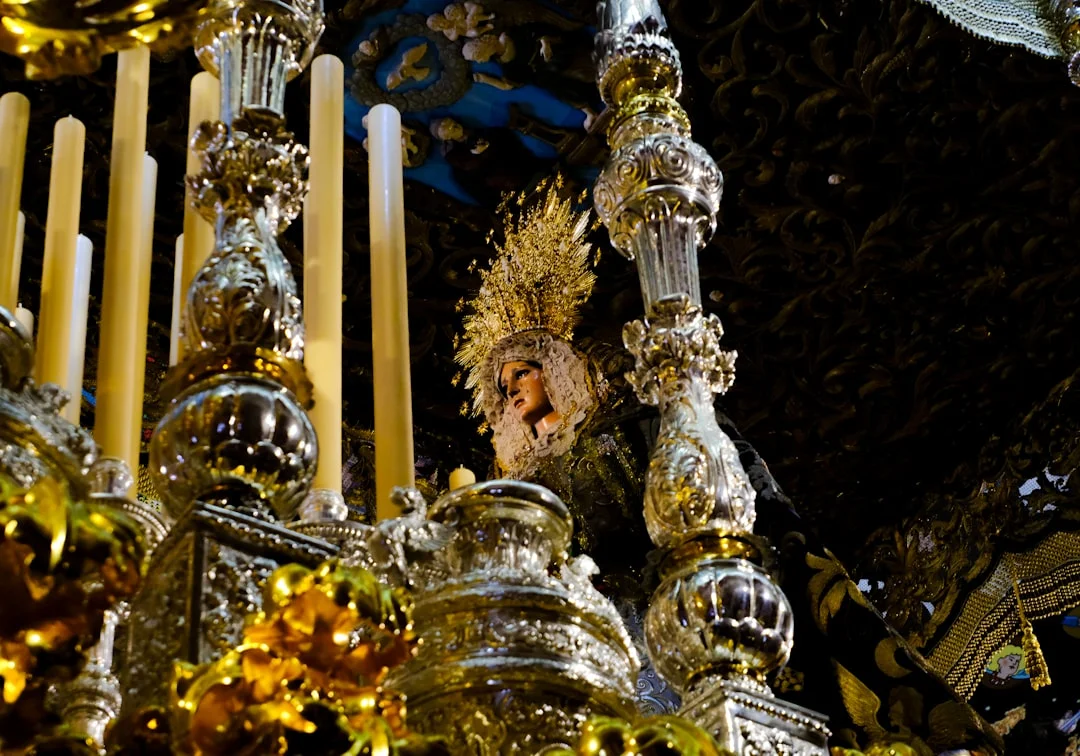
    Holy Week (Semana Santa) in Malaga is a profound cultural and religious experience. For newcomers and expats, however, the sheer scale and dramatic nature of the processions can be overwhelming, particularly as spring crowds fuel Málaga’s growing carpooling trend and fill local tapas bars. Beyond the towering floats and the scent of incense, two specific events often spark curiosity: the pardoning of a prisoner by the ‘El Rico’ brotherhood and the military disembarkation of the Spanish Legion.

    Understanding the historical context behind these unique customs transforms them from mere spectacles into deeply meaningful expressions of local heritage, bridging the gap between a rich past and forward-looking regional initiatives such as the maturation of Málaga’s tech and startup scene.

    The Royal Pardon of ‘El Rico’

    Every Holy Wednesday, the Plaza del Obispo witnesses a tradition that dates back to the mid-18th century. The brotherhood of Nuestro Padre Jesús Titulado “El Rico” exercises its historic privilege to pardon a local prisoner.

    A Tradition Born of Desperation

    Legend has it that during a severe plague outbreak in the 1750s, the city’s population was decimated, and the brotherhoods lacked the manpower to carry their sacred floats. The inmates of the local prison petitioned the authorities to let them carry the image of Jesus through the streets. When their request was denied, they mutinied, broke out, carried the float in a solemn procession, and then voluntarily returned to their cells.

    Deeply moved by this act of devotion, King Charles III issued a royal decree granting the brotherhood the annual privilege of freeing one prisoner.

    The Ceremony Today

    This centuries-old custom remains a cornerstone of Malaga’s Easter. During the 2026 Holy Wednesday procession, as documented by Málaga Hoy, the solemn reading of the pardon took place before the imposing facade of the Cathedral. The freed individual, having met strict legal and rehabilitative criteria, kneels before the wooden figure of Jesus to receive the blessing, symbolized by the articulated arm of the statue making the sign of the cross.

    The Spanish Legion and Cristo de Mena

    If Holy Wednesday is defined by redemption, Maundy Thursday is characterized by martial precision and overwhelming emotion. The arrival of the Spanish Legion at the Port of Malaga is arguably the most anticipated event of the week.

    The Disembarkation

    The tradition begins in the morning when the Legionnaires arrive by sea. Disembarking at the port, they march in strict, rapid formation toward the Plaza de Fray Alonso de Santo Tomás. Their objective is to guard and later carry the Cristo de la Buena Muerte y Ánimas (Christ of the Good Death), commonly known as the Cristo de Mena.

    “El Novio de la Muerte”

    The most breathtaking moment occurs when the troops hoist the crucifix onto their shoulders. As they lift the massive sculpture, they sing their unofficial anthem, El Novio de la Muerte (The Bridegroom of Death). The contrast between the somber religious icon and the booming, passionate voices of the soldiers creates an atmosphere that leaves even the most secular observers with goosebumps.

    As detailed in the 2026 Maundy Thursday itineraries covered by Málaga Hoy, the Legion’s participation dictates the rhythm of the day, drawing massive crowds hours before the procession even begins.

    Embracing the Local Fabric

    Navigating Semana Santa can be an intense experience, but knowing the stories behind the spectacle makes all the difference. When you understand that a kneeling man has just been given a second chance at life, or that a marching battalion is honoring a century-old bond with their patron protector, the city’s traditions suddenly make perfect sense.

    Living in Malaga means occasionally pausing to let the weight of history wash over us. Whether you are a lifelong resident or a recent arrival trying to make sense of the crowds and the drums, these shared moments of reflection remind us of the deep, enduring spirit of our city. We hope this context helps you feel a little more connected to the vibrant streets we all call home.