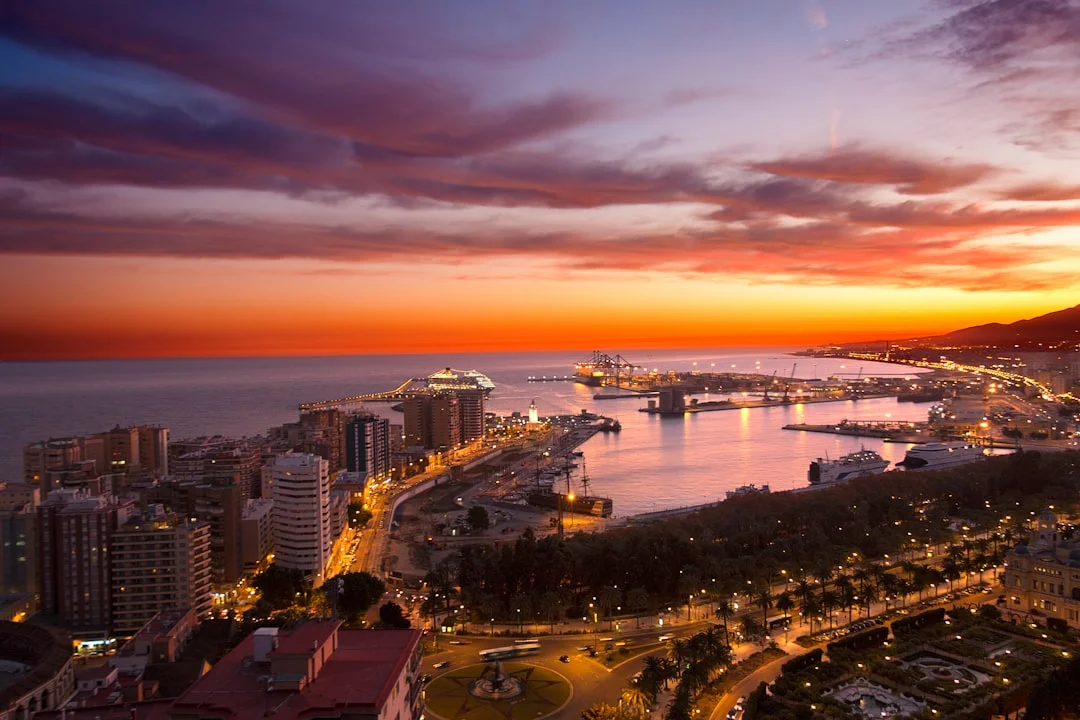
For the better part of the last decade, Málaga successfully branded itself as the premier destination for digital nomads and software multinationals. The narrative was clear: high quality of life combined with a burgeoning IT sector responsible for raising salary standards in the region. However, as we settle into 2026, the Parque Tecnológico de Andalucía (Málaga TechPark) is undergoing a structural metamorphosis. The focus is shifting from the “soft” economy of coding and apps to the “hard” economy of deep tech, semiconductors, and industrial circularity.
Tag: lang:en
-

How Matiz Set Málaga’s Culinary Aesthetics
In 2026, walking through the center of Málaga offers more than just the scent of biznagas and roasted peppers. The city has undergone a quiet revolution, one where, alongside the emergence of new creative third places, the architecture of the space is as carefully curated as the architecture of the plate. The era of the “design restaurant” is fully established, and few places exemplify this marriage of aesthetics and flavor better than Matiz.
-

Visual Culture: Mona Kuhn and Málaga’s 2026 Agenda
Málaga is often celebrated for its “mile of art” and the prominent franchise museums that dot the port and city center. However, the real pulse of a city’s culture is often found in its municipal initiatives. This year, the Museo del Patrimonio Municipal (MUPAM) has quietly positioned itself at the forefront of the 2026 visual arts agenda with a sophisticated, high-caliber showcase: the first monographic exhibition of Mona Kuhn in Spain.
A Shift in the Cultural Narrative
For years, we’ve grown accustomed to blockbuster names and imported collections. While these are valuable, there is a distinct pleasure in seeing a local institution like MUPAM curate something specific, contemporary, and internationally relevant.
Mona Kuhn, a renowned contemporary photographer known for her intimate, dreamlike depictions of the human form, brings a breath of fresh air to the local scene. Her work often explores the camaraderie between the photographer and the subject, stripping away the voyeuristic nature often associated with nude photography and replacing it with genuine connection and abstraction.
Why This Matters for 2026
Hosting Kuhn’s first solo show in Spain is a statement of intent. It suggests that the Museos Málaga network is moving towards a more curated, thoughtful approach for the 2025/26 season, rather than relying solely on tourist-heavy blockbusters.
The exhibition offers a serene, almost meditative experience—a stark contrast to the bustle of Calle Larios nearby. It invites visitors to slow down and engage with visual culture on a deeper level. The works selected for this show highlight Kuhn’s mastery of light and her ability to capture the metaphysical presence of her subjects.
Practical Details
If you are planning your cultural calendar, this is a priority stop. The exhibition is currently open and will remain visitable until November 2, 2026.
- Location: MUPAM (Museo del Patrimonio Municipal), located near the tunnel entrance by the Alcazaba.
- Dates: Now through November 2, 2026.
- Vibe: Sophisticated, quiet, and visually stunning.
For those looking to explore more of what the city has to offer this season, keeping an eye on the cultural agenda is essential as new dates and parallel activities are announced throughout the year.
It is genuinely refreshing to see the MUPAM taking center stage. Walking through these galleries, you get the sense that Málaga’s cultural identity is maturing—moving beyond the need to simply impress, and starting to truly inspire.
-
Málaga Tech 2026: Málaga Startup Network & Kyoto Bridge
For years, Málaga has been characterized as a booming destination for digital nomads and international tech giants. However, the narrative for 2026 suggests a significant pivot: the ecosystem is moving from a phase of rapid accumulation to one of structured maturity. This shift is evidenced by two major developments this January: the formal organization of local talent through the Málaga Startup Network and a high-level strategic alliance with Japan.
Internal Cohesion: The Málaga Startup Network
The most pressing challenge for any growing tech hub is fragmentation. To address this, BIC Euronova has officially launched the Málaga Startup Network. This initiative is not merely a directory; it acts as a seal of quality and a mechanism to organize the local innovation landscape.
The network aims to identify, classify, and support ventures that show genuine scalability. In its inaugural move, the network has officially distinguished 27 local startups for their innovative potential. This distinction serves as a signal to investors and institutions that these companies have passed a vetting process regarding their business models and technological capacity.
According to El Referente, this initiative is designed to “strengthen and boost the ecosystem,” moving away from isolated success stories toward a cohesive cluster strategy. By curating a list of high-potential companies, Málaga is effectively creating a qualified deal flow for venture capital, reducing the noise often found in rapidly expanding markets.
Further validating the quality of local production, three startups based in the Málaga TechPark have recently breached the national “Top 100” list in Spain, underscoring that the region is producing competitive technology on a national scale.
External Ambition: The Kyoto Connection
While the domestic front is being organized, the Málaga TechPark (PTA) is executing an aggressive internationalization strategy that looks beyond Europe and the Americas. In a landmark agreement, the PTA has signed a collaboration deal with the Kyoto Research Park (KRP) in Japan.
This agreement represents a sophisticated step in economic diplomacy. Japan’s innovation ecosystem is notoriously difficult for foreign entities to penetrate due to cultural and business complexities. As reported by Málaga Hoy, this partnership facilitates a “soft-landing” mechanism for Málaga-based companies wishing to enter the Japanese market and vice versa.
The collaboration focuses on sharing best practices in park management and fostering joint projects between companies located in both hubs. Kyoto, known for its blend of tradition and high-tech manufacturing (particularly in electronics and materials), offers a complementary profile to Málaga’s software and cybersecurity strengths.
From Hub to Ecosystem
The simultaneous launch of the Málaga Startup Network and the Japanese alliance signals that Málaga is entering a new cycle. The focus is no longer solely on attracting the next Google or Vodafone office—though that remains important—but on ensuring the indigenous fabric of startups is robust enough to survive and scale globally.
By formalizing local networks and opening corridors to advanced Asian markets, the city is laying the groundwork for sustainable, long-term technological relevance.
It is encouraging to see the city take these complex, structural steps. While headlines often favor big brand arrivals, the quiet work of organizing local talent and building bridges to places like Kyoto is what ultimately secures a city’s future. We look forward to seeing which of these 27 distinguished startups will be the first to cross that bridge.
-

Málaga Pivots to Deep Tech and Circular Economy
For the past decade, Málaga has been synonymous with the “Spanish Silicon Valley” narrative, largely driven by the arrival of multinational software giants and the proliferation of digital nomad hubs. However, the current trajectory of the Málaga TechPark (PTA) suggests a significant pivot toward “Deep Tech”—tangible, engineering-heavy innovation—and systemic sustainability. The city is no longer just coding apps; it is designing the physical microchips that power them and engineering the economic models to sustain them.
The Semiconductor Leap: IMEC in Málaga
The most significant indicator of this shift is the establishment of the Interuniversity Microelectronics Centre (IMEC) innovation center. Moving beyond general IT support, this facility places Málaga on the global map for semiconductor research and prototyping.
According to the City Council, the collaboration between the local administration, the Junta de Andalucía, and the central government was designed to bring high-value R&D to the PTA. This is not a standard corporate office; it is a strategic asset for European technological sovereignty. The facility focuses on:
- Advanced Prototyping: Bridging the gap between academic research and industrial manufacturing of chips.
- Deep Tech Ecosystem: Attracting satellite companies that supply or utilize advanced microelectronics.
- Talent Retention: Creating highly specialized engineering roles that previously required professionals to leave Andalusia.
Closing the Loop: The Circular Economy Academy
Parallel to the hardware revolution is a rigorous focus on sustainability. The tech sector is notoriously resource-intensive, and Málaga is addressing this through education and policy.
Málaga TechPark has launched a specialized Circular Economy Academy. As reported by Residuos Profesional, this initiative is designed to train the workforce in transitioning from linear economic models (take-make-waste) to circular ones (reuse-repair-recycle). The academy serves a dual purpose:
- Workforce Reskilling: Updating the skills of current professionals to meet new EU sustainability regulations.
- Corporate Strategy: Helping park companies integrate circular principles into their supply chains and product lifecycles.
This educational push ensures that the “green” label is backed by technical competency rather than just marketing.
The 2030 Strategy
These developments are not isolated; they operate within the framework of the Circular Economy Strategy 2030. This city-wide roadmap aims to decouple economic growth from resource consumption.
AZ Costa del Sol notes that the strategy focuses on specific axes such as water management, waste reduction, and energy efficiency. By aligning the high-tech output of the PTA with the municipal 2030 goals, Málaga creates a feedback loop: the technology developed in the park (sensors, chips, data analysis) is deployed to solve the city’s environmental challenges.
Why This Matters
The convergence of microchips and circular economy represents a maturation of Málaga’s industrial fabric. It moves the region away from a reliance on tourism and basic services toward high-value-added industry. For investors and workers, this signals stability; deep tech investments are capital intensive and long-term, unlike the often transient nature of software startups.
As we look at the industrial landscape of 2026, it is encouraging to see Málaga prioritizing foundational technologies and sustainable practices. It suggests a future where the city is not just a consumer of technology, but a responsible architect of it.
-

Málaga TechPark Joins Startup Network and Kyoto Alliance
For years, the narrative surrounding Málaga has been one of attraction—drawing in digital nomads, multinationals, and foreign investment. However, the ecosystem has recently shifted gears towards consolidation and structure. The focus is no longer just on putting Málaga on the map, but on organizing the talent that is already here and connecting it to high-value global hubs.
Two major initiatives spearheaded by Málaga TechPark (PTA) illustrate this maturation: the creation of the Málaga Startup Network and a strategic international alliance with the Kyoto Research Park.
The Málaga Startup Network: A Seal of Quality
The ecosystem needed a way to identify and support its most promising ventures. Driven by BIC Euronova, the European Business and Innovation Centre based at the park, the Málaga Startup Network was established to do exactly that.
Rather than a loose collection of companies, this network formalized a group of 27 startups identified as having high growth potential. These companies, selected for their innovative capacity, represent the backbone of the local tech scene. The network functions not just as a directory, but as a platform to streamline access to funding, mentoring, and visibility.
The success of this structured approach is already visible in national rankings. As reported by El Debate, several Málaga-based startups—specifically those nurtured within the TechPark environment—have secured positions within the Top 100 startups in Spain. This recognition validates the transition from a quantity-based ecosystem to one defined by quality and scalability.
The Kyoto Connection: Bridging Continents
While the Startup Network strengthens the internal structure, the TechPark has also expanded its external reach beyond the usual European suspects. In a significant move for internationalization, Málaga TechPark signed a collaboration agreement with the Kyoto Research Park (KRP) in Japan.
According to Málaga Hoy, this alliance is designed to foster cooperation in specific high-tech sectors, including:
- Information and Communication Technologies (ICT)
- Biotechnology
- Smart Cities
This partnership allows companies from Málaga to access the Japanese market with a “soft landing” provided by KRP, and vice versa. It represents a sophisticated layer of diplomacy and business development, moving beyond general agreements to targeted industry cooperation.
Why This Matters Now
The combination of these two pillars—internal organization through the Startup Network and external expansion through the Kyoto alliance—signals that Málaga is professionalizing its success.
According to El Referente, the distinction of these startups is crucial for investors who often struggle to filter through the noise of a booming tech hub. By curating the ecosystem, Málaga makes it easier for capital to find talent.
As we look at the trajectory of the TechPark, it is clear that the groundwork laid by these initiatives is ensuring the city remains competitive not just as a lifestyle destination, but as a serious node in the global innovation economy.
It is encouraging to see the city take these deliberate steps. Building a reputation is hard, but maintaining it requires exactly this kind of structural integrity and forward-thinking planning. We look forward to seeing which of these 27 startups will become the next global ambassador for Málaga.
-

Picasso and Françoise Gilot Take Center Stage this Winter
In Málaga, Pablo Picasso is everywhere. From the magnets in souvenir shops to the monumental museum that bears his name, the city never lets you forget its most famous son. However, amidst a backdrop of history that includes the Gran Hotel Miramar celebrating 100 years, it is rare that we get to peel back the layers of the legend and look at the domestic, often complex reality behind the canvas. This winter, the exhibition ‘Picasso: vida con Françoise’ invites us to do exactly that.
-
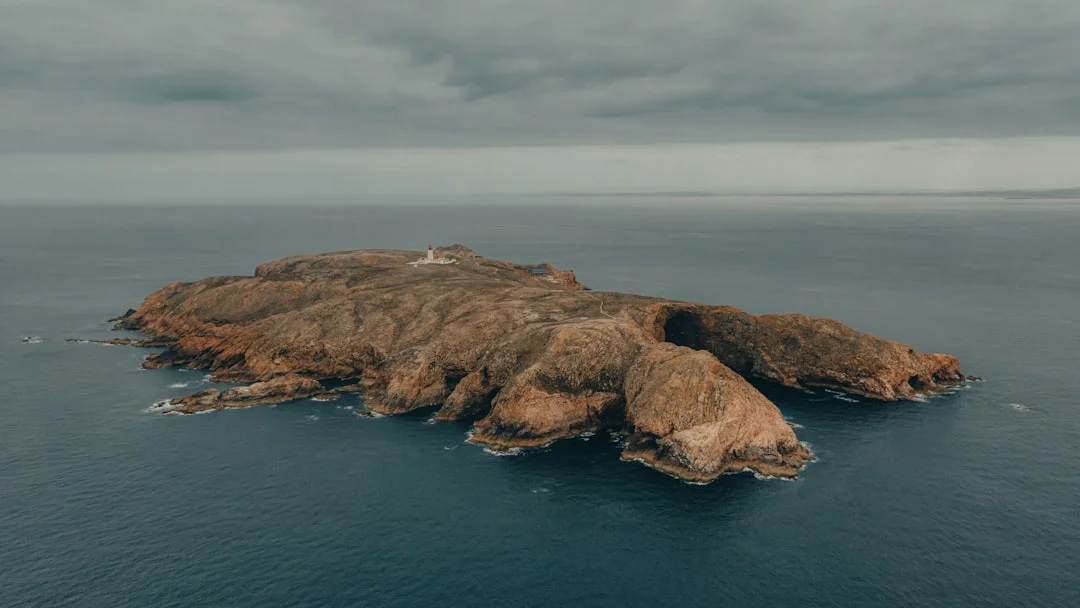
Why Gaucín is Málaga’s Newest Magical Village for 2026
While the Costa del Sol often dominates the headlines, the true soul of Málaga is frequently found by turning your back to the sea and heading inland. January 2026 has started with excellent news for rural tourism enthusiasts and those considering a relocation to Málaga’s rural villages: a new gem in the Serranía de Ronda has officially joined the prestigious network of Pueblos Mágicos de España (Magical Villages of Spain).
-

New ‘Magical Village’ and Ronda’s Dish of the Year
If you are looking for a reason to head inland this weekend, the Serranía de Ronda has just provided two compelling ones. The year 2026 has started strong for the province’s rural prestige, combining a major tourism accolade for one of our most picturesque white villages with a gastronomic triumph in the capital of the Tajo, mirroring the rise of young chefs and new flavors in Málaga.
-
Gaucín: The Magical Winter Escape in Málaga
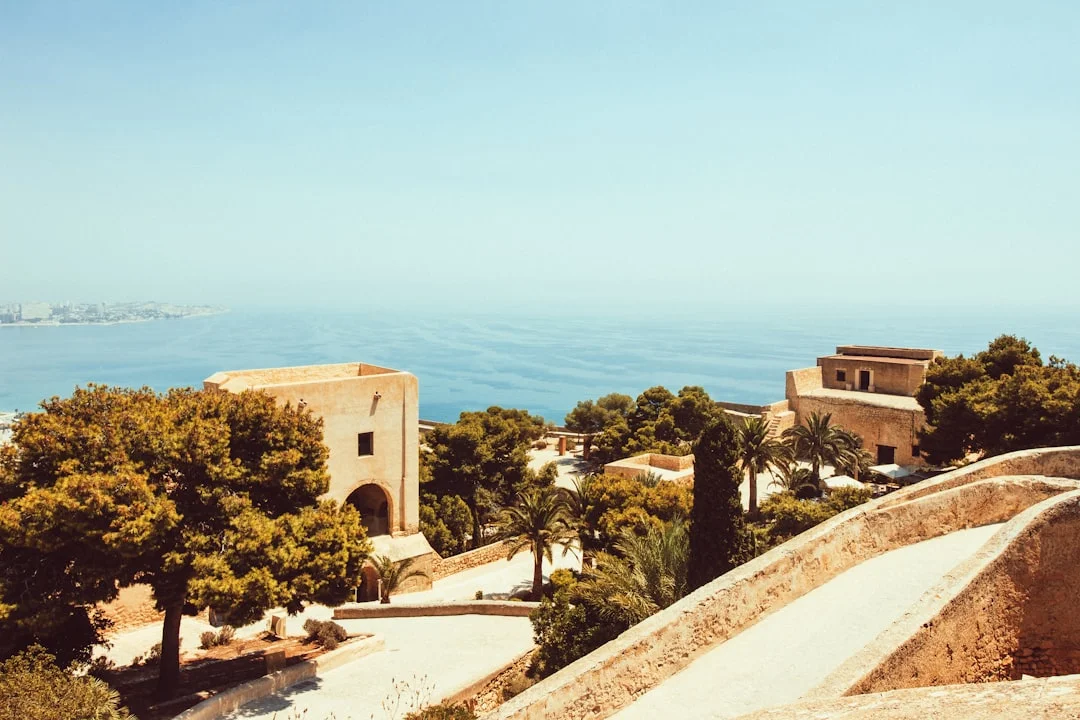
January in Málaga often means quiet beaches and sleepy coastal towns, but inland, the energy is shifting. Gaucín, a whitewashed village perched high in the Serranía de Ronda, has started 2026 with a new accolade. Recently highlighted by national press as a “Pueblo Mágico” (Magical Village), this spot is gaining traction as the perfect antidote to the post-holiday blues.
While the coast hibernates, Gaucín shines—quite literally. Its elevation and position make it one of the sunniest balconies in the province, offering a winter escape that combines history, hiking, and some of the best views in Andalusia.
The ‘Balcony of the Serranía’
The primary reason to visit Gaucín isn’t just what’s inside the village, but what you can see from it. Known as the “Balcony of the Serranía de Ronda,” its geographical position is unique. On a crisp January day, when the air is free of summer heat haze, the visibility is startling.
Looking south, the Rock of Gibraltar dominates the horizon, and just beyond it, the Rif mountains of Morocco rise clearly across the strait. It is one of the few places where you can enjoy a coffee while looking at two continents simultaneously.
According to El Confidencial, which recently spotlighted the village’s inclusion in the prestigious ‘Pueblos Mágicos’ network, this combination of landscape and heritage is what sets Gaucín apart from other pueblos blancos.
Castillo del Águila: A Fortress in the Clouds
Dominating the village skyline is the Castillo del Águila (Eagle’s Castle). Of Roman origin but largely expanded by the Arabs, this fortress was a strategic military point for centuries due to its command over the valleys leading to the coast.
Today, it serves as a spectacular viewpoint. The climb up is steep but manageable for most fitness levels. Unlike the crowded monuments in larger cities, you can often explore the ruins here in relative silence. The castle grounds include a hermitage, the Santo Niño, which holds deep local significance.
Tip: Bring comfortable shoes. The cobblestones and the ascent to the castle are not suited for heels or flimsy sandals, even if you are just driving up for lunch.
A Bohemian Winter Retreat
Gaucín has a different rhythm than its neighbor, Ronda. It has historically attracted a significant community of international artists, which has influenced the local vibe. You aren’t just walking through a museum piece; it’s a living village with art studios and a slightly bohemian undercurrent.
For the ‘slow travel’ enthusiast, this is ideal. The streets are narrow and winding—classic Moorish urban design—meant to be walked slowly. In January, the winter sun warms the white walls, making outdoor dining pleasant during the midday hours.
Practicalities for a Day Trip
If you are planning a visit this month to see what the “Pueblo Mágico” buzz is about, keep these logistics in mind:
- Getting There: Gaucín is about a 45-minute drive from the coast (Manilva/Sabinillas area) or about an hour and a half from Málaga city. The road is curvy—take it slow and enjoy the scenery.
- Parking: Do not try to drive deep into the village center. Park on the outskirts (there are designated areas near the entrance) and walk in. The streets are unforgivingly narrow for modern cars.
- Dining: The local cuisine leans towards hearty mountain fare—perfect for January. Look for stews, local meats, and chestnut-based desserts.
Whether you are a local looking to rediscover your own backyard or a visitor seeking an authentic slice of Andalusian life, Gaucín offers a peaceful yet majestic break from the routine. It’s a reminder that sometimes the best views require a little bit of a climb, and the best destinations are the ones that force you to slow down.