Tag: Labor Day

  • Labor Day Protests Close Roads in Malaga’s Historic Center

    Labor Day Protests Close Roads in Malaga’s Historic Center

    Every year on May 1st, International Workers’ Day brings significant activity to the streets of Spain. If you were visiting downtown this past Wednesday, May 1st, 2026, you likely encountered large crowds and had to navigate around several Malaga May 1st road closures.

    The Route Through the Historic Center

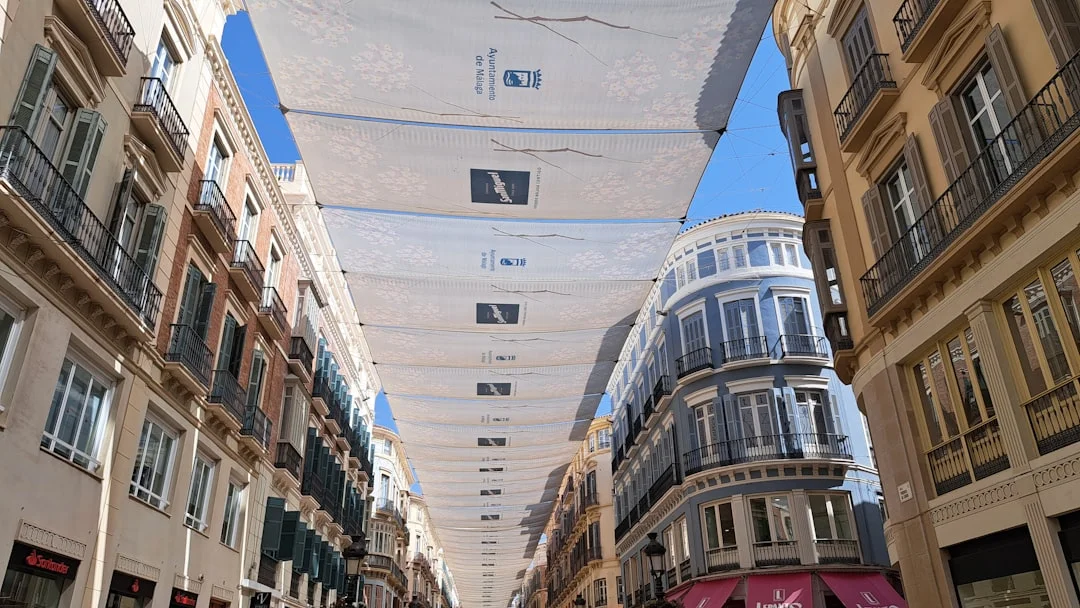
    The demonstrations, organized by major unions CCOO and UGT, followed a prominent path through the city’s heart. The 2026 march began at Calle Alemania, moving steadily up the city’s most famous shopping avenue. Visitors who found Calle Larios closed today—or rather, this past holiday Wednesday—quickly realized it was the central artery for the peaceful demonstration, which culminated at the iconic Plaza de la Constitución, just steps away from Malaga’s premier foodie street, Calle Granada.

    Core Demands: Housing and Wages

    Labor Day is not just a public holiday; it is a vital platform for local workers to voice their concerns. According to coverage by Málaga Hoy, the primary focus of the recent march centered on improving local wages, promoting peace, and demanding urgent solutions for the housing crisis.

    Malaga has seen an incredible economic and tourism boom in recent years, becoming a top destination for remote workers and expats. While this brings international energy and investment to the city, it has also put immense pressure on the local housing market. During the protests, union leaders highlighted the growing disconnect between stagnant local wages and the rapidly rising cost of living. This issue deeply resonates with residents who feel increasingly squeezed out of their own neighborhoods by short-term rentals and surging property values.

    Navigating Future Early May Holidays

    For future reference, if you plan to visit the city during the early May holidays, it is always wise to anticipate Labor day protests Malaga center.

    Here are a few tips for navigating the city during these annual events:
    * Rely on trains and metro: The Cercanías train and the Malaga Metro are largely unaffected by street-level closures and remain the best way to get in and out of the center.
    * Check bus diversions: Public transport routes, particularly EMT buses that usually pass near the Alameda Principal or Paseo del Parque, are often diverted during the morning and early afternoon.
    * Plan pedestrian routes: Expect heavy foot traffic around Calle Larios and Plaza de la Constitución. If you need to cross the historic center, using parallel streets like Calle Nueva or Calle San Juan is highly recommended.

    Malaga is a city experiencing rapid transformation, balancing its rich local heritage with a sudden surge in global popularity. While protests and road closures can briefly disrupt travel plans, they also offer a glimpse into the passionate, community-driven heart of the city. As Malaga continues to evolve, the hope is that both locals and newcomers can work together to build a sustainable, inclusive future where everyone can thrive in this beautiful corner of Andalusia.
  • Labor Day Protests Close Roads in Malaga’s Historic Center

    Labor Day Protests Close Roads in Malaga’s Historic Center

    Every year, May 1st marks International Workers’ Day, and Malaga is no exception to the widespread demonstrations that take place across Spain. This past May 1st, the historic center experienced significant road closures and large crowds as major unions took to the streets. If you were in downtown Malaga recently, you likely noticed the disrupted traffic and the passionate marchers making their way through the city’s most iconic avenues.

    The Route and Traffic Disruptions

    The May 1st demonstrations traditionally follow a prominent route through the heart of the city. The recent march, spearheaded by the CCOO and UGT unions, began at Calle Alemania. From there, the massive crowd moved through the city center, showing no signs of disruption despite Málaga’s ongoing recovery from a major power outage, eventually making its way up the famous Calle Larios, before concluding at the Plaza de la Constitución.

    As a result, several key access points to the historic center were temporarily closed to vehicular traffic. Public transport routes had to be diverted for several hours. For visitors and residents alike, navigating the downtown area required a bit of extra patience and a willingness to explore alternative pedestrian side streets, such as Malaga’s premier foodie avenue, Calle Granada.

    Core Demands: Housing and Wages

    While Labor Day is historically about workers’ rights, the recent protests in Malaga had a very specific local focus. The city is currently grappling with significant growing pains. According to coverage by Málaga Hoy, the main demands of the CCOO and UGT unions centered around peace, better wages, improved public services, and—most notably—urgent solutions for the local housing crisis.

    The Intersection with Malaga’s Expat Boom

    It is impossible to discuss the current housing climate in Malaga without acknowledging the city’s rapid internationalization. The influx of remote workers, expats, and digital nomads has brought undeniable economic benefits and a vibrant multiculturalism to the Costa del Sol. However, it has also put immense pressure on the local real estate market.

    Many locals are finding themselves priced out of their own neighborhoods due to wage stagnation combined with skyrocketing rent prices. The May 1st marchers heavily emphasized this disparity, calling for policies that protect local residents from being displaced while ensuring that wages keep pace with the rising cost of living.

    What Visitors Should Know for the Future

    If you are planning future visits to Malaga during early May, it is always wise to anticipate these annual Labor Day events. Here are a few tips to keep in mind for future public holidays:

    • Check local traffic updates: Road closures around the Alameda Principal and Calle Larios are standard during large marches.
    • Use the Metro: The Malaga Metro (specifically the Atarazanas station) is an excellent way to bypass street-level traffic, though the station itself can get quite busy.
    • Plan pedestrian routes: Familiarize yourself with the narrow streets parallel to Calle Larios, such as Calle Nueva or Calle San Juan, which often remain clear of the main procession.

    Malaga is a city experiencing a profound transformation. As we navigate these changes, it is deeply moving to see the community actively participating in shaping its future. Whether you are a lifelong resident or a newly arrived expat, understanding these local dynamics helps us all foster a more empathetic, inclusive, and thriving city for everyone who calls Malaga home.

  • Labor Day Protests and Road Closures in Malaga

    Labor Day Protests and Road Closures in Malaga

    If you were exploring downtown Malaga this past Wednesday, May 1st, you likely encountered large crowds and significant road closures. Arriving just after a busy weekend of event-related traffic cuts, International Workers’ Day—known locally as Día del Trabajador—brought thousands to the streets.

    While the historic center is usually bustling with shoppers and sightseers, this recent holiday saw major avenues temporarily closed to make way for demonstrations. Understanding the context of these marches offers a deeper look into the current socio-economic climate of our beautiful city, alongside other major institutional developments like its push to host Spain’s new national transport safety agency.

    The Route Through the Historic Center

    The May 1st march traditionally takes over some of Malaga’s most iconic streets, and the 2026 edition was no exception, particularly since the city was chosen to host Spain’s central national rally. The demonstration began at Calle Alemania, moving steadily through the city before making its way up the famous Calle Larios. The route ultimately culminated at the Plaza de la Constitución.

    For visitors and expats, this meant that access to major thoroughfares was restricted for several hours. Cafes and shops along the route remained open, but moving across the center required a bit of patience and detouring.

    Core Demands: Housing and Wages

    Organized by major labor unions, including CCOO and UGT, the protests focused heavily on issues that are currently at the forefront of local conversations. According to coverage by Málaga Hoy, the primary demands of the marchers included improved wages, international peace, and urgent solutions for the local housing crisis.

    The housing situation is particularly relevant right now. As Malaga continues to grow as a top destination for remote workers and international expats, the local real estate market has experienced significant pressure. Wage stagnation combined with rising rent prices has made it increasingly difficult for locals to find affordable housing in the city center and surrounding neighborhoods. The May 1st demonstrations served as a vocal reminder of the friction between the city’s booming international appeal and the everyday realities of its workforce.

    Navigating Future May 1st Holidays

    If you plan to live in or visit Malaga long-term, it is helpful to keep May 1st marked on your calendar. Because it is a national public holiday, you should always anticipate:

    • Road Closures: Main arteries like Calle Larios and the Alameda Principal are often closed to vehicle traffic and difficult to navigate on foot during the morning and early afternoon.
    • Business Hours: Most major supermarkets and retail stores will be closed, though many restaurants and bars in tourist areas remain open.
    • Public Transport: Local buses (EMT) may run on reduced holiday schedules and face detours around the historic center.

    Watching a city navigate its own growth—sometimes marked by the closure of historic downtown businesses—is always a complex process. Events like the May 1st demonstrations are a vital part of civic life, ensuring that the voices of local workers are heard amid rapid changes. As Malaga continues to evolve and welcome new residents from around the globe, we hope that the city can find a sustainable balance—one that embraces international visitors while protecting the quality of life for the locals who make this region so deeply special.