Tag: Innovation

  • Silicon Coast: IMEC Transforms Málaga into Microchip Hub

    Silicon Coast: IMEC Transforms Málaga into Microchip Hub

    For decades, Málaga’s global identity was inextricably linked to its coastline, its climate, and its capacity to host millions of tourists. However, as we navigate 2026, a profound structural shift is cementing the city’s status as a serious technological heavyweight. The arrival of IMEC (Interuniversity Microelectronics Centre) at the Málaga TechPark (PTA) is not merely another corporate relocation; it is the cornerstone of a new industrial strategy that places Andalusia at the heart of the European semiconductor supply chain.

    The IMEC Effect: Deep Tech over Digital Nomadism

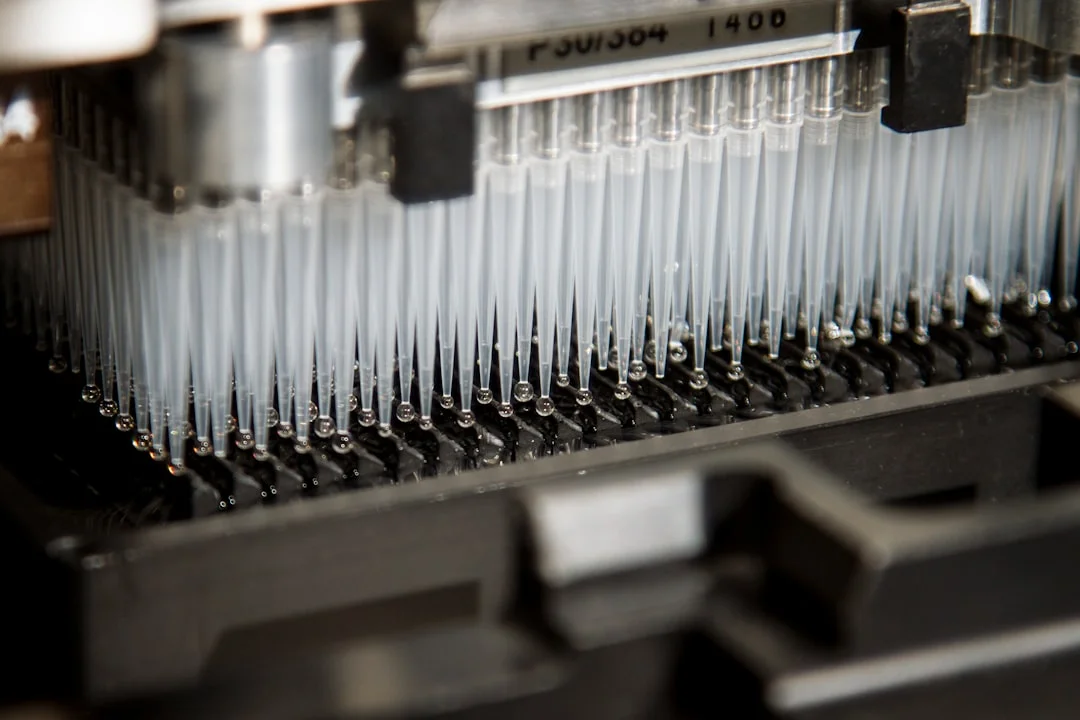
    While Málaga has successfully attracted software giants and digital nomads in recent years, the establishment of an IMEC innovation center marks a transition into “Deep Tech.” IMEC is a world-leading research and innovation hub in nanoelectronics and digital technologies. Their presence signals that Málaga is moving beyond software development into the physical engineering of the future: microchips.

    According to reports from the Ayuntamiento de Málaga, the facility at the Parque Tecnológico de Andalucía is designed to focus on advanced prototyping and semiconductor research. This is a critical distinction; unlike a standard manufacturing plant (foundry), an innovation center attracts highly specialized PhD-level talent and fosters a research ecosystem that is much harder to displace than a standard corporate office.

    The strategic implications include:
    * Talent Gravity: High-level engineers who previously had to leave Spain for roles in Belgium or the US now have a hub in Southern Europe.
    * Supply Chain Resilience: By hosting a node of the European chips ecosystem, Málaga insulates itself slightly from the volatility of the tourism sector.
    * University Synergy: The proximity to the University of Málaga creates a direct pipeline for R&D collaboration.

    A Dual Engine: Chips and Circular Economy

    A mature technology ecosystem requires more than just raw computing power; it requires sustainability to remain viable for future investment. Parallel to the semiconductor developments, the Málaga TechPark has been advancing its capabilities in sustainability.

    The launch of a dedicated Circular Economy Academy within the park reinforces this dual approach. As highlighted by Residuos Profesional, this initiative aims to train professionals in sustainable industrial practices. This is particularly relevant for the hardware and electronics sector, which faces increasing pressure to manage e-waste and resource efficiency.

    By coupling the high-tech production capabilities of the semiconductor industry with the sustainability frameworks of the Circular Economy Academy, Málaga is positioning itself as a “Smart Green” hub. This combination is highly attractive to Foreign Direct Investment (FDI) looking for regions that comply with strict EU Green Deal regulations.

    Economic Maturity and Local Impact

    The transformation of the PTA into a hub for microelectronics and circular economics alters the region’s labor market. We are witnessing a divergence from seasonal, service-based employment toward structural, high-income technical employment.

    For the local economy, the multiplier effect of a facility like IMEC is significant. It typically demands specialized suppliers, logistics, and legal services, creating a secondary layer of economic activity that is rooted in the region year-round. It validates the “Málaga Valley” concept not as a marketing slogan, but as an operational reality.

    As we look at the trajectory of the city in 2026, the contrast is stark. The cranes on the skyline are no longer just building hotels; they are building laboratories. For the people of Málaga, this shift offers a promise of stability and a future where the city is known as much for its silicon as for its sun.

  • Málaga Tech: Vom Nomaden-Hub zum Industriezentrum

    Málaga Tech: Vom Nomaden-Hub zum Industriezentrum

    Im letzten Jahrzehnt hat sich Málaga erfolgreich als das Kalifornien Europas vermarktet – ein sonnenverwöhnter Zufluchtsort für digitale Nomaden und Remote-Softwareentwickler. Doch während wir uns auf das Jahr 2026 zubewegen, deutet das Narrativ innerhalb des Málaga TechPark (PTA) auf einen bedeutenden strukturellen Wandel hin. Das Ökosystem reift von einem Dienstleistungszentrum für „Soft Tech“ zu einem Zentrum für industrielle Innovation und „Hard Tech“ heran, bestätigt durch internationale Allianzen und nationale Rankings.

    Die Kyoto-Verbindung: Eine Brücke zu Deep Tech

    Einer der aussagekräftigsten Indikatoren für diesen Wandel ist die strategische Zusammenarbeit zwischen dem Málaga TechPark und dem Kyoto Research Park (KRP) in Japan. Dies ist nicht bloß eine symbolische Städtepartnerschaft; es stellt eine bewusste Ausrichtung auf eines der weltweit fortschrittlichsten industriellen Forschungszentren dar.

    Laut Málaga Hoy erleichtert dieses Abkommen den Austausch von Deep-Tech-Fähigkeiten und geht über einfache Softwareentwicklung hinaus hin zu komplexen industriellen Anwendungen. Die Partnerschaft zielt darauf ab, Korridore für lokale Unternehmen zu öffnen, um Zugang zu asiatischen Märkten zu erhalten, während gleichzeitig japanische industrielle Präzision nach Südspanien geholt wird. Dieser Schritt signalisiert, dass Málaga um hochwertiges industrielles geistiges Eigentum konkurriert, nicht nur um Remote-Arbeitsplätze.

    Nationale Bestätigung: Qualität vor Quantität

    Die Reife eines Tech-Ökosystems wird oft an der Überlebensrate und Skalierbarkeit seiner Startups gemessen. Jüngste Daten bestätigen, dass der Output Málagas einen nationalen Exzellenzstandard erreicht.

    Daten, die von El Debate veröffentlicht wurden, heben hervor, dass im PTA inkubierte Startups Positionen im prestigeträchtigen Ranking der Top 100 Startups in Spanien gesichert haben. Die Aufnahme von Unternehmen wie OWO, Kame und Gamepolis in diese Rankings demonstriert eine Diversifizierung der lokalen Wirtschaft – von haptischer Technologie bis hin zu Gaming-Infrastruktur. Diese Präsenz in der Spitzenklasse bestätigt die Fähigkeit des Parks, Unternehmen hervorzubringen, die nicht nur lebensfähig, sondern auf nationaler Ebene wettbewerbsfähig sind.

    Institutionalisierung des Erfolgs: Das Málaga Startup Network

    Um sicherzustellen, dass diese Erfolgsgeschichten keine Ausreißer bleiben, hat die Verwaltung ihre Unterstützungsstrukturen formalisiert. Die Schaffung des Málaga Startup Network stellt die Industrialisierung des Inkubationsprozesses selbst dar.

    Wie vom Málaga TechPark detailliert beschrieben, fungiert diese Initiative als vereinheitlichende Ebene für das Ökosystem. Indem das Netzwerk über 27 lokale Unternehmen mit spezifischen Qualitätssiegeln auszeichnet, bietet es Investoren und Partnern eine geprüfte Liste von Unternehmungen mit hohem Potenzial. Dies reduziert Reibungsverluste für ausländisches Kapital, das in den Markt von Málaga eintreten möchte, und stellt sicher, dass Ressourcen in skalierbare Projekte auf industriellem Niveau gelenkt werden, anstatt in vergängliche digitale Unternehmungen.

    Wichtige Säulen des aktuellen Ökosystems

    • Internationalisierung: Direkte Brücken zu Innovationszentren wie Kyoto.
    • Validierung: Konsistente Präsenz in nationalen Top-100-Rankings.
    • Struktur: Formelle Netzwerke ersetzen informelle Treffen.

    Málaga beweist, dass es mehr als nur eine hohe Lebensqualität bieten kann. Durch die Sicherung industrieller Partnerschaften und die Hervorbringung national gerankter Hard-Tech-Unternehmen etabliert sich die Stadt als ernstzunehmender Knotenpunkt im globalen Innovationsnetz. Es ist ein Übergang vom Anziehen von Talenten hin zur Produktion von Industrie.

  • Málaga Tech: From Nomad Hub to Industrial Powerhouse

    Málaga Tech: From Nomad Hub to Industrial Powerhouse

    For the past decade, Málaga has successfully marketed itself as the California of Europe—a sun-drenched haven for digital nomads and remote software developers. However, as we move through 2026, the narrative within the Málaga TechPark (PTA) suggests a significant structural pivot. The ecosystem is maturing from a “soft tech” service hub into a center for industrial innovation and “hard tech,” validated by international alliances and national rankings.

    The Kyoto Connection: A Bridge to Deep Tech

    One of the most telling indicators of this shift is the strategic collaboration between Málaga TechPark and the Kyoto Research Park (KRP) in Japan. This is not merely a symbolic sister-city arrangement; it represents a deliberate alignment with one of the world’s most advanced industrial research centers.

    According to Málaga Hoy, this agreement facilitates the exchange of deep-tech capabilities, moving beyond simple software development into complex industrial applications. The partnership aims to open corridors for local companies to access Asian markets while attracting Japanese industrial precision to Southern Spain. This move signals that Málaga is competing for high-value industrial intellectual property, not just remote workstations.

    National Validation: Quality Over Quantity

    The maturity of a tech ecosystem is often measured by the survival rate and scalability of its startups. Recent data confirms that Málaga’s output is reaching a national standard of excellence.

    Data reported by El Debate highlights that startups incubated within the PTA have secured positions in the prestigious ranking of the Top 100 Startups in Spain. The inclusion of companies like OWO, Kame, and Gamepolis in these rankings demonstrates a diversification of the local economy—ranging from haptic technology to gaming infrastructure. This presence in the top tier validates the park’s ability to generate companies that are not only viable but competitive at a national level.

    Institutionalizing Success: The Málaga Startup Network

    To ensure these success stories are not outliers, the administration has formalized its support structures. The creation of the Málaga Startup Network represents the industrialization of the incubation process itself.

    As detailed by the Málaga TechPark, this initiative acts as a unifying layer for the ecosystem. By distinguishing over 27 local companies with specific quality seals, the network provides investors and partners with a vetted list of high-potential ventures. This reduces friction for foreign capital looking to enter the Málaga market and ensures that resources are directed toward scalable, industrial-grade projects rather than transient digital ventures.

    Key Pillars of the Current Ecosystem

    • Internationalization: Direct bridges to innovation hubs like Kyoto.
    • Validation: Consistent presence in national Top 100 rankings.
    • Structure: Formal networks replacing informal meetups.

    Málaga is proving that it can offer more than just a high quality of life. By securing industrial partnerships and producing nationally ranked hard-tech companies, the city is establishing itself as a serious node in the global innovation grid. It is a transition from attracting talent to producing industry.

  • Málaga TechPark konsolidiert sich mit Kyoto-Allianz

    Málaga TechPark konsolidiert sich mit Kyoto-Allianz

    Jahrelang war das Narrativ rund um Málaga von Anziehung geprägt – digitale Nomaden, multinationale Konzerne und ausländische Investitionen wurden angezogen. Doch kürzlich hat das Ökosystem den Fokus auf Konsolidierung und Struktur verlagert. Es geht nicht mehr nur darum, Málaga auf die Landkarte zu setzen, sondern darum, die bereits vorhandenen Talente zu organisieren und sie mit hochwertigen globalen Zentren zu vernetzen.

    Zwei große Initiativen, die vom Málaga TechPark (PTA) angeführt werden, veranschaulichen diese Reifung: die Schaffung des Málaga Startup Network und eine strategische internationale Allianz mit dem Kyoto Research Park.

    Das Málaga Startup Network: Ein Qualitätssiegel

    Das Ökosystem benötigte einen Weg, um seine vielversprechendsten Unternehmungen zu identifizieren und zu unterstützen. Angetrieben von BIC Euronova, dem im Park ansässigen Europäischen Geschäfts- und Innovationszentrum, wurde das Málaga Startup Network gegründet, um genau das zu tun.

    Anstatt einer losen Sammlung von Unternehmen formalisierte dieses Netzwerk eine Gruppe von 27 Startups, denen ein hohes Wachstumspotenzial bescheinigt wurde. Diese Unternehmen, die aufgrund ihrer Innovationskraft ausgewählt wurden, bilden das Rückgrat der lokalen Tech-Szene. Das Netzwerk fungiert nicht nur als Verzeichnis, sondern als Plattform, um den Zugang zu Finanzierung, Mentoring und Sichtbarkeit zu optimieren.

    Der Erfolg dieses strukturierten Ansatzes ist bereits in nationalen Rankings sichtbar. Wie von El Debate berichtet, haben sich mehrere in Málaga ansässige Startups – insbesondere jene, die im Umfeld des TechParks gefördert wurden – Positionen innerhalb der Top 100 Startups in Spanien gesichert. Diese Anerkennung bestätigt den Übergang von einem quantitätsbasierten Ökosystem zu einem, das durch Qualität und Skalierbarkeit definiert ist.

    Die Verbindung nach Kyoto: Brückenschlag zwischen Kontinenten

    Während das Startup-Netzwerk die interne Struktur stärkt, hat der TechPark auch seine externe Reichweite über die üblichen europäischen Verdächtigen hinaus erweitert. In einem bedeutenden Schritt zur Internationalisierung unterzeichnete der Málaga TechPark ein Kooperationsabkommen mit dem Kyoto Research Park (KRP) in Japan.

    Laut Málaga Hoy ist diese Allianz darauf ausgelegt, die Zusammenarbeit in spezifischen High-Tech-Sektoren zu fördern, darunter:

    • Informations- und Kommunikationstechnologien (IKT)
    • Biotechnologie
    • Smart Cities

    Diese Partnerschaft ermöglicht es Unternehmen aus Málaga, mit einem vom KRP bereitgestellten „Soft Landing“ Zugang zum japanischen Markt zu erhalten, und umgekehrt. Sie stellt eine anspruchsvolle Ebene der Diplomatie und Geschäftsentwicklung dar, die über allgemeine Vereinbarungen hinausgeht und auf gezielte Branchenkooperationen setzt.

    Warum dies jetzt wichtig ist

    Die Kombination dieser beiden Säulen – interne Organisation durch das Startup-Netzwerk und externe Expansion durch die Kyoto-Allianz – signalisiert, dass Málaga seinen Erfolg professionalisiert.

    Laut El Referente ist die Auszeichnung dieser Startups entscheidend für Investoren, die oft Schwierigkeiten haben, im Lärm eines boomenden Tech-Hubs den Überblick zu behalten. Durch die Kuratierung des Ökosystems macht es Málaga dem Kapital leichter, Talente zu finden.

    Wenn wir den Werdegang des TechParks betrachten, wird klar, dass das durch diese Initiativen gelegte Fundament sicherstellt, dass die Stadt nicht nur als Lifestyle-Destination wettbewerbsfähig bleibt, sondern auch als ernstzunehmender Knotenpunkt in der globalen Innovationswirtschaft.

    Es ist ermutigend zu sehen, wie die Stadt diese bewussten Schritte unternimmt. Einen Ruf aufzubauen ist schwer, aber ihn zu erhalten, erfordert genau diese Art von struktureller Integrität und vorausschauender Planung. Wir sind gespannt, welches dieser 27 Startups der nächste globale Botschafter für Málaga wird.

  • Málaga TechPark Joins Startup Network and Kyoto Alliance

    Málaga TechPark Joins Startup Network and Kyoto Alliance

    For years, the narrative surrounding Málaga has been one of attraction—drawing in digital nomads, multinationals, and foreign investment. However, the ecosystem has recently shifted gears towards consolidation and structure. The focus is no longer just on putting Málaga on the map, but on organizing the talent that is already here and connecting it to high-value global hubs.

    Two major initiatives spearheaded by Málaga TechPark (PTA) illustrate this maturation: the creation of the Málaga Startup Network and a strategic international alliance with the Kyoto Research Park.

    The Málaga Startup Network: A Seal of Quality

    The ecosystem needed a way to identify and support its most promising ventures. Driven by BIC Euronova, the European Business and Innovation Centre based at the park, the Málaga Startup Network was established to do exactly that.

    Rather than a loose collection of companies, this network formalized a group of 27 startups identified as having high growth potential. These companies, selected for their innovative capacity, represent the backbone of the local tech scene. The network functions not just as a directory, but as a platform to streamline access to funding, mentoring, and visibility.

    The success of this structured approach is already visible in national rankings. As reported by El Debate, several Málaga-based startups—specifically those nurtured within the TechPark environment—have secured positions within the Top 100 startups in Spain. This recognition validates the transition from a quantity-based ecosystem to one defined by quality and scalability.

    The Kyoto Connection: Bridging Continents

    While the Startup Network strengthens the internal structure, the TechPark has also expanded its external reach beyond the usual European suspects. In a significant move for internationalization, Málaga TechPark signed a collaboration agreement with the Kyoto Research Park (KRP) in Japan.

    According to Málaga Hoy, this alliance is designed to foster cooperation in specific high-tech sectors, including:

    • Information and Communication Technologies (ICT)
    • Biotechnology
    • Smart Cities

    This partnership allows companies from Málaga to access the Japanese market with a “soft landing” provided by KRP, and vice versa. It represents a sophisticated layer of diplomacy and business development, moving beyond general agreements to targeted industry cooperation.

    Why This Matters Now

    The combination of these two pillars—internal organization through the Startup Network and external expansion through the Kyoto alliance—signals that Málaga is professionalizing its success.

    According to El Referente, the distinction of these startups is crucial for investors who often struggle to filter through the noise of a booming tech hub. By curating the ecosystem, Málaga makes it easier for capital to find talent.

    As we look at the trajectory of the TechPark, it is clear that the groundwork laid by these initiatives is ensuring the city remains competitive not just as a lifestyle destination, but as a serious node in the global innovation economy.

    It is encouraging to see the city take these deliberate steps. Building a reputation is hard, but maintaining it requires exactly this kind of structural integrity and forward-thinking planning. We look forward to seeing which of these 27 startups will become the next global ambassador for Málaga.

  • Málaga Startup Network and Kyoto Alliance Consolidation

    Málaga Startup Network and Kyoto Alliance Consolidation

    For years, the narrative surrounding Málaga focused on its meteoric rise as a tech hub—a destination that was “in fashion.” However, looking at the recent trajectory of the Málaga TechPark (PTA), the conversation has shifted. It is no longer just about attraction; it is about structure and consolidation.

    The ecosystem has moved into a maturity phase defined by two major strategic pillars established recently: the creation of the Málaga Startup Network and a high-level international alliance with Kyoto, Japan.

    Structuring the Talent: Málaga Startup Network

    The ecosystem needed a way to identify and propel its most promising ventures. This gap was filled by the launch of the Málaga Startup Network, an initiative driven by BIC Euronova.

    Rather than a loose collection of companies, this network formalized a cluster of 27 startups identified as having high potential for innovation and growth. According to El Referente, the goal was to distinguish these companies within the broader market, providing them with a seal of quality that facilitates access to investors and global partners.

    This initiative was not just about labeling; it was about creating a cohesive internal engine for the park. By grouping these entities, the PTA moved from a landlord model to an active ecosystem builder, fostering synergies between emerging tech and established corporations.

    The Japanese Connection: Alliance with Kyoto

    While the Startup Network solidified the internal structure, the ecosystem’s external reach expanded significantly with a focus on Asia. Málaga TechPark signed a crucial collaboration agreement with the Kyoto Research Park (KRP) in Japan.

    As reported by Málaga Hoy, this partnership was designed to bridge two distinct innovation cultures. The agreement focuses on facilitating soft-landing programs for companies moving between Spain and Japan, with a specific emphasis on sectors where both parks excel: Smart Cities, ICT, and Biotech.

    This move signaled a sophistication in Málaga’s international strategy. It wasn’t just about opening doors; it was about connecting specific vertical markets with one of the most technologically advanced nations in the world.

    Results: Startups on the National Stage

    The efforts to structure and support local talent have yielded measurable results. The visibility of Málaga-based companies has surged on the national stage.

    Notably, three companies born or incubated within the Málaga TechPark ecosystem secured spots in the prestigious list of the 100 best startups in Spain for the 2024/2025 period. According to El Debate, this recognition highlights the efficacy of support systems like the nascent Startup Network. It serves as proof that the region is producing scalable, competitive technology, not just hosting foreign branches.

    A Mature Outlook

    The transition from a “trendy destination” to a structured ecosystem is complex, but the foundations laid by the Málaga Startup Network and the Kyoto alliance suggest a long-term vision. By connecting local talent with global hubs and formalizing internal networks, Málaga is ensuring that its tech boom is sustainable, resilient, and deeply rooted.

    It is encouraging to see the city take these deliberate steps toward maturity. Building a tech hub is exciting, but sustaining it requires the kind of boring, difficult structural work that is now clearly underway. For the entrepreneurs and engineers calling this city home, these networks provide a reassuring sign that they are part of a system built to last.

  • Málaga Tech Park: Validierer spanischer Innovation

    Málaga Tech Park: Validierer spanischer Innovation

    Seit Jahren konzentrierte sich das Narrativ rund um den Málaga Tech Park (PTA) auf Anziehung: das Herholen von Googles, Vodafones und digitalen Nomaden. Doch im Jahr 2026 hat sich das Narrativ von Anziehung zu Validierung verschoben. Málaga ist nicht mehr nur ein Akteur im spanischen Tech-Ökosystem; durch seine Führung in der Vereinigung der Wissenschafts- und Technologieparks Spaniens (APTE) ist es zum Schiedsrichter geworden.

    Der ‚Königsmacher‘-Effekt: APTE Top 100

    Die Reife eines Tech-Hubs misst sich nicht nur am aufgebrachten Kapital, sondern an den Standards, die er für andere setzt. Der Einfluss des PTA ist am deutlichsten im APTE Top 100 Startups-Ranking sichtbar. Diese Liste ist zu einem entscheidenden Gütesiegel für innovative Unternehmungen auf der gesamten Halbinsel geworden.

    Während sich der lokale Stolz oft auf Erfolge aus Málaga konzentriert, liegt die wahre Kraft dieses Rankings in seiner nationalen Reichweite. Es fungiert als Qualitätszertifikat für aufstrebende Unternehmen, unabhängig von ihrer Postleitzahl. Die Aufnahme von Startups aus anderen Regionen, wie beispielsweise Alicante, zeigt, dass die vom PTA und APTE vorangetriebenen Kriterien landesweit anerkannte Maßstäbe für Skalierbarkeit und Innovation sind. Laut Ecosistema Startup bietet ein Platz auf dieser Liste entscheidende Sichtbarkeit für Unternehmen, die in wettbewerbsintensiven Sektoren wie Health Tech und Nachhaltigkeit tätig sind, und validiert ihre Geschäftsmodelle effektiv gegenüber Investoren in Madrid und Barcelona.

    Jenseits von Code: Der Aufstieg von 3D und Deep Tech

    Validierung ergibt sich auch aus der Raffinesse der verwendeten Werkzeuge. Málagas Ökosystem bewegt sich über die grundlegende App-Entwicklung hinaus hin zu immersiveren Technologien. Ein spezifischer vertikaler Markt, der einen signifikanten ROI zeigt, ist 3D-Design und Visualisierung.

    Daten zeigen, dass Unternehmen, die 3D-Technologien in ihre Benutzererfahrung integrieren, greifbare Erträge sehen. Berichte deuten auf eine Steigerung des Nutzer-Engagements um 25 % für Firmen hin, die High-Fidelity-3D-Assets im Vergleich zu traditionellem flachen Design nutzen. Dieser Wandel erfordert einen spezialisierten Talentpool, der vor Ort zunehmend verfügbar ist. Wie von Sortlist angemerkt, wächst die Dichte an Agenturen und Fachleuten, die sich in Málaga auf 3D spezialisieren, und unterstützt alles von Architekturvisualisierung bis hin zu Metaverse-Anwendungen für die größeren Mieter des Parks.

    Ein Modell der Wettbewerbsfähigkeit

    Die Entwicklung des PTA legt ein deutliches Modell für 2026 nahe:

    1. Zentralisierte Standards: Durch das Vorantreiben von Initiativen wie den APTE Top 100 hilft Málaga dabei, zu standardisieren, wie „gut“ für spanische Startups aussieht.
    2. Spezialisierte Vertikale: Die Ausrichtung auf 3D, Cybersicherheit und Mikroelektronik unterscheidet den Hub von generalistischen Hotspots für digitale Nomaden.
    3. Investitionsmagnetismus: Investoren nutzen die APTE-Liste zunehmend als vorab geprüfte Quelle für Deal Flow, da sie den strengen Filterprozess kennen.

    Málaga hat den Übergang von einem vielversprechenden Standort zu einer strukturellen Säule der digitalen Wirtschaft Spaniens erfolgreich vollzogen. Es ist nicht mehr nur Gastgeber der Party; es schreibt die Gästeliste.

    Wenn wir auf den weiteren Verlauf des Jahres blicken, ist es ermutigend zu sehen, dass unsere lokalen Institutionen diese Verantwortung übernehmen. Es ist eine Sache, schnell zu wachsen; eine andere ist es, dem ganzen Land zu helfen, besser zu wachsen. Das ist das Kennzeichen einer wahren Hauptstadt der Innovation.

  • Málaga Tech Park: National Validator of Spanish Innovation

    Málaga Tech Park: National Validator of Spanish Innovation

    For years, the narrative surrounding Málaga Tech Park (PTA) focused on attraction: bringing in the Googles, the Vodafones, and the digital nomads. However, as we settle into 2026, the narrative has shifted from attraction to validation. Málaga is no longer just a player in the Spanish tech ecosystem; through its leadership in the Association of Science and Technology Parks of Spain (APTE), it has become the referee.

    The ‘Kingmaker’ Effect: APTE Top 100

    The maturity of a tech hub is measured not just by the capital it raises, but by the standards it sets for others. The PTA’s influence is most visible in the APTE Top 100 Startups ranking. This list has become a critical seal of approval for innovative ventures across the peninsula.

    While local pride often focuses on Málaga-born successes, the true power of this ranking is its national scope. It acts as a certification of quality for emerging companies regardless of their postal code. For instance, the inclusion of startups from other regions, such as Alicante, demonstrates that the criteria pushed by the PTA and APTE are recognized benchmarks for scalability and innovation nationwide. According to Ecosistema Startup, earning a spot on this list provides crucial visibility for companies operating in competitive sectors like health tech and sustainability, effectively validating their business models to investors in Madrid and Barcelona.

    Beyond Code: The Rise of 3D and Deep Tech

    Validation also comes from the sophistication of the tools companies use. Málaga’s ecosystem is moving beyond basic app development into more immersive technologies. One specific vertical showing significant ROI is 3D design and visualization.

    Data indicates that companies integrating 3D technologies into their user experience are seeing tangible returns. Reports suggest a 25% increase in user engagement for firms leveraging high-fidelity 3D assets compared to traditional flat design. This shift requires a specialized talent pool, which is increasingly available locally. As noted by Sortlist, the density of agencies and professionals specializing in 3D in Málaga is growing, supporting everything from architectural visualization to metaverse applications for the park’s larger tenants.

    A Model of Competitiveness

    The PTA’s evolution suggests a distinct model for 2026:

    1. Centralized Standards: By driving initiatives like the APTE Top 100, Málaga helps standardize what “good” looks like for Spanish startups.
    2. Specialized Verticals: The pivot toward 3D, cybersecurity, and microelectronics separates the hub from generalist digital nomad hotspots.
    3. Investment Magnetism: Investors are increasingly using the APTE list as a pre-vetted deal flow source, knowing the rigorous filtering process involved.

    Málaga has successfully transitioned from a promising location to a structural pillar of Spain’s digital economy. It is no longer just hosting the party; it is writing the guest list.

    As we look at the trajectory for the rest of the year, it is encouraging to see our local institutions taking on this responsibility. It is one thing to grow fast; it is another to help the entire country grow better. That is the mark of a true capital of innovation.

  • Hard Tech im Aufwind: NODE I und die Kyoto-Allianz

    Hard Tech im Aufwind: NODE I und die Kyoto-Allianz

    Im Großteil des letzten Jahrzehnts wurde das Narrativ rund um den Málaga TechPark (PTA) von Software dominiert: Codezeilen, digitale Nomaden und SaaS-Startups. Doch im Jahr 2026 ist eine Verschiebung des Schwerpunkts im Ökosystem unbestreitbar. Der Park vollzieht einen Wandel von rein digitaler Expansion hin zu „Hard Tech“ – eine Reifephase, die durch physische F&E-Infrastruktur und hochrangige internationale Diplomatie definiert wird.

    Zwei wichtige Entwicklungen veranschaulichen diese strukturelle Evolution: die Inbetriebnahme des Gebäudes NODE I und der strategische Korridor, der mit Kyoto, Japan, eröffnet wurde.

    NODE I: Die Infrastruktur der Innovation

    Die Fertigstellung des Gebäudes NODE I im Jahr 2025 markierte einen Wendepunkt für die physischen Kapazitäten des Parks. Entwickelt von Kadans Science Partner, einem europäischen Marktführer in der Entwicklung von Wissenschaftsclustern, wurde diese Einrichtung entworfen, um einen kritischen Engpass in Málaga zu beheben: den Mangel an spezialisierten Labor- und Technikflächen für Deep-Tech-Unternehmen.

    Im Gegensatz zu Standard-Bürogebäuden wurde NODE I für „schwere“ Innovationen konzipiert. Im Herzen des PTA gelegen, bietet es rund 12.000 Quadratmeter mietbare Fläche für wissensintensive Unternehmen. Die Ankunft von Kadans signalisierte, dass Málaga von einer „Hot Desk“-Ökonomie zu einem Zentrum aufgestiegen ist, das komplexe Cybersicherheitsforschung, Hardware-Prototyping und Biotechnologie beherbergen kann.

    Jetzt vollständig in die Landschaft des Parks integriert, dient NODE I als physischer Anker. Es ermöglicht Unternehmen, nicht nur Software zu schreiben, sondern auch die physischen Systeme zu bauen und zu testen, auf denen diese läuft. Dieser „Hardware“-Ansatz ist entscheidend, um die Wertschöpfung vor Ort zu halten; während Code von überall geschrieben werden kann, schaffen physische Labore ein dauerhaftes Ökosystem, das schwer zu verlagern ist.

    Die Verbindung nach Kyoto: Diplomatie als Wachstumshebel

    Während der Beton für NODE I floss, war das Management des Parks damit beschäftigt, ein Fundament anderer Art zu legen. Die zwischen dem Málaga TechPark und dem Kyoto Research Park (KRP) unterzeichnete Kooperationsvereinbarung stellt einen bedeutenden Sprung in der diplomatischen Reichweite des PTA dar.

    Berichten von Málaga Hoy zufolge wurde diese Partnerschaft konzipiert, um die Lücke zwischen andalusischer Innovation und dem japanischen Technologiesektor zu schließen. Kyoto, bekannt für seine Mischung aus Tradition und High-Tech-Fertigung (insbesondere in den Bereichen Elektronik und fortschrittliche Materialien), bietet ein komplementäres Ökosystem zu Málaga.

    Die Allianz konzentriert sich darauf, „Soft-Landing“-Programme für Unternehmen zu erleichtern, die entweder in den japanischen oder den europäischen Markt eintreten wollen. Für Firmen mit Sitz in Málaga eröffnet dies einen direkten Draht zu einem der anspruchsvollsten Technologiemärkte der Welt. Umgekehrt positioniert es den Málaga TechPark als Eintrittspunkt für japanische Deep-Tech-Firmen, die in Südeuropa Fuß fassen wollen.

    Warum „Hard Tech“ im Jahr 2026 wichtig ist

    Die Konvergenz dieser beiden Faktoren – neue spezialisierte Infrastruktur und Zugang zu asiatischen Märkten – schafft ein robustes Umfeld für das Jahr 2026. Die „Hard Tech“-Ära erfordert mehr als nur schnelles Internet; sie benötigt Nasslabore, Prototyping-Werkstätten und internationale Handelsrahmenbedingungen.

    Durch die Sicherung des physischen Raums durch Kadans und der diplomatischen Kanäle durch Kyoto hat der Málaga TechPark sein Risiko effektiv diversifiziert. Er ist nicht mehr allein von der Volatilität des Softwaremarktes abhängig, sondern verwurzelt sich in der greifbaren, physischen Seite der Technologie.

    Wenn wir den Kurs des PTA in diesem Jahr betrachten, ist es ermutigend zu sehen, wie das Ökosystem seine Wurzeln vertieft. Dies deutet darauf hin, dass Málaga nicht nur ein vorübergehender Halt für digitale Trends ist, sondern ein dauerhafter Wohnsitz für ernsthafte Ingenieurskunst und globale Zusammenarbeit. Für den lokalen Ingenieur bedeutet dies die Möglichkeit, Weltklasse-Hardware zu bauen, ohne die Heimat zu verlassen; für die Stadt verspricht es eine Zukunft, die auf festem Boden gebaut ist.

  • Hard Tech Rising: NODE I and the Kyoto Alliance

    Hard Tech Rising: NODE I and the Kyoto Alliance

    For the better part of the last decade, the narrative surrounding Málaga TechPark (PTA) has been dominated by software: lines of code, digital nomads, and SaaS startups. However, as we settle into 2026, a shift in the ecosystem’s gravity is undeniable. The park is pivoting from purely digital expansion to ‘Hard Tech’—a maturity phase defined by brick-and-mortar R&D infrastructure and high-level international diplomacy.

    Two major developments exemplify this structural evolution: the operational status of the NODE I building and the strategic corridor opened with Kyoto, Japan.

    NODE I: The Infrastructure of Innovation

    The completion of the NODE I building in 2025 marked a turning point for the park’s physical capabilities. Developed by Kadans Science Partner, a European leader in science cluster development, this facility was designed to address a critical shortage in Málaga: the lack of specialized laboratory and technical space for deep-tech companies.

    Unlike standard office blocks, NODE I was engineered to support heavy innovation. Located in the heart of the PTA, it provides roughly 12,000 square meters of leasable space dedicated to knowledge-intensive enterprises. The arrival of Kadans signaled that Málaga had graduated from a “hot desk” economy to a hub capable of hosting complex cybersecurity research, hardware prototyping, and biotechnology.

    Now fully integrated into the park’s landscape, NODE I serves as a physical anchor. It allows companies not just to write software, but to build and test the physical systems that run it. This “hardware” approach is essential for retaining value locally; while code can be written from anywhere, physical laboratories create a sticky ecosystem that is difficult to relocate.

    The Kyoto Connection: Diplomacy as a Growth Lever

    While concrete was being poured for NODE I, the park’s management was busy laying a different kind of foundation. The collaboration agreement signed between Málaga TechPark and the Kyoto Research Park (KRP) represents a significant leap in the PTA’s diplomatic reach.

    According to reports from Málaga Hoy, this partnership was designed to bridge the gap between Andalusian innovation and the Japanese technology sector. Kyoto, known for its blend of tradition and high-tech manufacturing (particularly in electronics and advanced materials), offers a complementary ecosystem to Málaga.

    The alliance focuses on facilitating soft-landing programs for companies trying to enter either the Japanese or European markets. For Málaga-based firms, this opens a direct line to one of the world’s most sophisticated technology markets. Conversely, it positions Málaga TechPark as the entry point for Japanese deep-tech firms looking to establish a foothold in Southern Europe.

    Why “Hard Tech” Matters in 2026

    The convergence of these two factors—new specialized infrastructure and access to Asian markets—creates a robust environment for 2026. The “Hard Tech” era requires more than just high-speed internet; it requires wet labs, prototyping workshops, and international trade frameworks.

    By securing the physical space through Kadans and the diplomatic channels through Kyoto, Málaga TechPark has effectively diversified its risk. It is no longer solely dependent on the volatility of the software market but is rooting itself in the tangible, physical side of technology.

    As we look at the trajectory of the PTA this year, it is encouraging to see the ecosystem deepening its roots. It suggests that Málaga is not just a temporary stop for digital trends, but a permanent residence for serious engineering and global collaboration. For the local engineer, this means the opportunity to build world-class hardware without leaving home; for the city, it promises a future built on solid ground.