Jahrzehntelang war Málagas kulinarischer Ruf untrennbar mit dem Chiringuito verbunden: Plastikstühle, Sand zwischen den Zehen und Sardinenspieße (Espetos), die über offenem Feuer geröstet werden. Während der Espeto eine heilige Institution bleibt, hat die Stadt einen stillen, aber radikalen Wandel durchlaufen.
Málaga ist nicht mehr nur das Tor zur Costa del Sol; es ist ein Ziel für anspruchsvolle Genießer. Bei diesem Wandel geht es nicht darum, ausländische Konzepte zu importieren oder mit Pinzetten Michelin-Sternen nachzujagen (obwohl wir auch diese haben). Wie lokale Beobachter feststellen, liegt die wahre Revolution in der Rückbesinnung auf die Wurzeln. Eine neue Generation von Köchen entstaubt die Rezeptbücher der Großmutter und behandelt bescheidene, lokale Zutaten mit einer Ehrfurcht, die normalerweise Kaviar vorbehalten ist.
Hier sind die fünf Gerichte, die erklären, warum Málaga zu einem Schwergewicht in der spanischen Gastronomieszene geworden ist.
1. Gazpachuelo: Die Bewährungsprobe
Wenn Sie einen Koch in Málaga beurteilen wollen, bestellen Sie den Gazpachuelo. Ursprünglich eine Fischersuppe aus günstigen Zutaten, um sich im Winter auf den Booten aufzuwärmen, ist es eine Suppe von täuschender Einfachheit: Fischfond, emulgiert mit Knoblauchmayonnaise (Alioli) und meist mit Kartoffeln und weißem Fisch.
Für Nichteingeweihte klingt es seltsam – eine warme Mayonnaise-Suppe –, aber die Textur ist samtig und der Geschmack ist Komfort pur. Im aktuellen gastronomischen Boom heben Köche dieses bescheidene Grundnahrungsmittel auf ein neues Niveau. Sie finden jetzt Versionen mit Carpaccio von roten Garnelen, verschiedenen Kartoffeltexturen oder mit Safran verfeinert. Es repräsentiert die Fähigkeit der Stadt, Mangel in Luxus zu verwandeln.
2. Porra Antequerana: Tiefe über Einfachheit
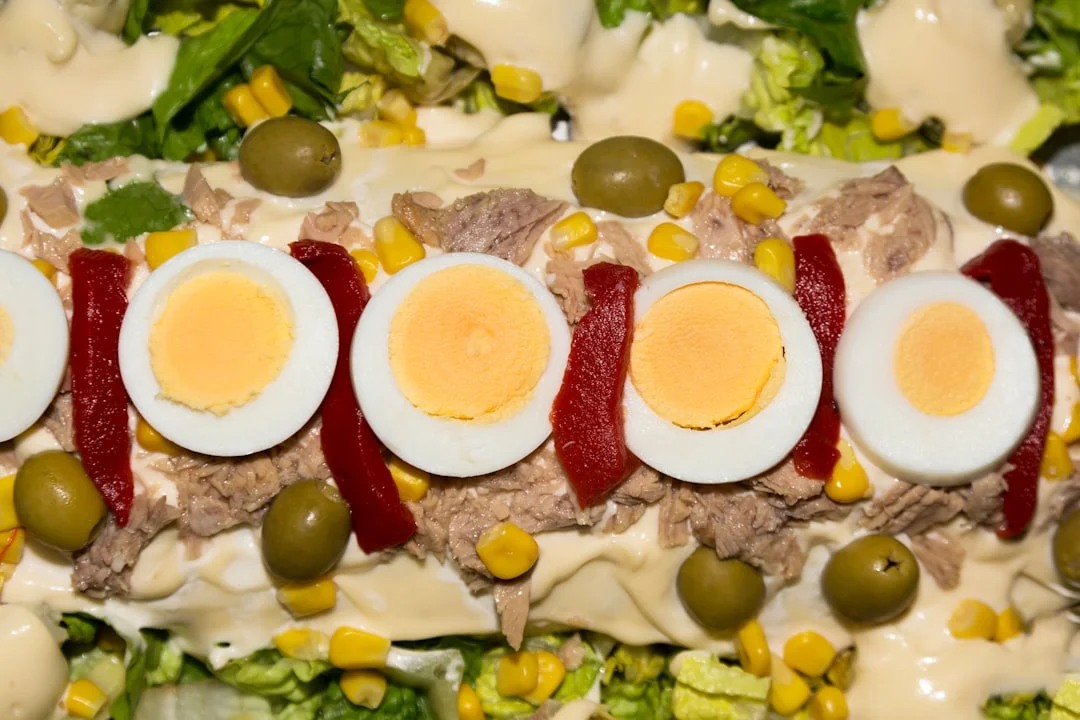
Von Besuchern oft mit Gazpacho oder Salmorejo verwechselt, ist die Porra Antequerana dichter, reichhaltiger und streng lokal in der Region Antequera nördlich der Stadt verankert. Hergestellt aus Brot, Tomaten, Öl, Knoblauch und grünen Paprika, wird sie traditionell mit Thunfisch und hartgekochtem Ei serviert.
Das Wiederaufleben der Porra in gehobenen Menüs unterstreicht eine Verlagerung des Fokus von der Küste ins Landesinnere. Es beweist, dass Málagas Gastronomie nicht nur vom Meer handelt; es geht um das sonnenverwöhnte Gemüse des Guadalhorce-Tals. Es ist ein Gericht, das hochwertiges Olivenöl verlangt und die lokalen Produzenten dazu anspornt, ihr „flüssiges Gold“ zu verfeinern.
3. Ensalada Malagueña: Das maurische Erbe
Wenige Gerichte fangen die Geschichte dieser Provinz besser ein als die Ensalada Malagueña. Es ist ein Wintersalat aus Kartoffeln, Kabeljau, Oliven und – entscheidend – Orangen.
Die Kombination aus salzigem, konserviertem Fisch und süßen, säuerlichen Zitrusfrüchten ist eine direkte Anspielung auf die maurische Vergangenheit der Region. In modernen Gastro-Bars wird dieses Gericht dekonstruiert und neu zusammengesetzt, wobei der Fokus auf der spezifischen Sorte der Aloreña-Oliven (die einzige Tafelolive mit DO-Status) und erstklassigem Klippfisch liegt. Es ist eine Lektion in Balance und eine Erinnerung daran, dass sich hier Süßes und Herzhaftes seit Jahrhunderten vermischen.
4. Chivo Lechal (Zicklein): Der König der Berge
Während Touristen auf das Meer blicken, wissen Einheimische, dass die Berge das Geheimnis bergen. Das Chivo Lechal Malagueño ist das erste Ziegenfleisch in Spanien, das ein Qualitätsgütesiegel erhalten hat.
Mit Knoblauch und Thymian gebraten, ist das Fleisch unglaublich zart und es fehlt der strenge Wildgeschmack, der mit älterem Ziegenfleisch assoziiert wird. Seine Präsenz auf Degustationsmenüs in der ganzen Stadt signalisiert einen Schritt in Richtung Nachhaltigkeit und Unterstützung der ländlichen Wirtschaft der Axarquía und der Montes de Málaga. Es ist die Antithese zu Fast Food – langsam gegart, lokal bezogen und zutiefst traditionell.
5. Ajoblanco: Die präkolumbianische Suppe
Bevor Tomaten aus Amerika kamen, um Gazpacho zu kreieren, gab es Ajoblanco. Hergestellt aus zerstoßenen Mandeln, Knoblauch, Brot, Öl und Essig, meist serviert mit Trauben oder Melone.
Diese kalte Suppe ist vielleicht das eleganteste Gericht im Repertoire der Malagueños. Laut Málaga Hoy erklären Gerichte wie dieses, wie sich Málaga in eine gastronomische Hauptstadt verwandelt hat; es respektiert das Alte und fühlt sich dabei völlig modern an. Die heutigen Köche spielen mit der Textur, verwandeln sie manchmal in eine Sauce für Fisch oder lockern sie zu einem Schaum auf, aber die Mandelbasis bleibt die Seele des Gerichts.
Die neue Garde
Die Explosion dieser Gerichte geschieht nicht im luftleeren Raum. Wie El Confidencial berichtet, treibt eine Welle junger Köche – viele in ihren Dreißigern – diese Renaissance voran. Sie übernehmen Familienbetriebe oder eröffnen kleine, persönliche Projekte, bei denen der Fokus auf Identität statt auf der Jagd nach Trends liegt.
Málaga hat endlich erkannt, dass sein größtes kulinarisches Kapital nicht das ist, was es importieren kann, sondern das, was es schon immer hatte. Ob Sie in einem Lokal mit weißen Tischdecken in Soho oder in einer lauten Taverne in El Perchel sitzen, diese fünf Gerichte bieten einen Vorgeschmack auf eine Stadt, die sich endlich in ihrer eigenen Haut wohlfühlt.
Wir hoffen, dass Sie die Entdeckung dieser Aromen genauso genießen, wie wir es genossen haben, darüber zu schreiben. Buen provecho.