Tag: Fine Dining

  • Jenseits des Tellers: Málagas gastronomische und ästhetische Entwicklung

    Jenseits des Tellers: Málagas gastronomische und ästhetische Entwicklung

    Für jeden, der Anfang 2026 durch die Straßen von Málaga spaziert, ist der Wandel unbestreitbar. Die Stadt wurde lange für ihre ursprünglichen, authentischen Aromen gefeiert – die espetos, den frittierten Fisch, die belebten Tapas-Bars. Aber vor kurzem wurde unserer kulinarischen Identität eine neue Ebene hinzugefügt. Wir werden Zeuge einer “Reifephase” in der lokalen Gastronomie, in der das Ambiente mit der gleichen Präzision kuratiert wird wie die Weinkarte.

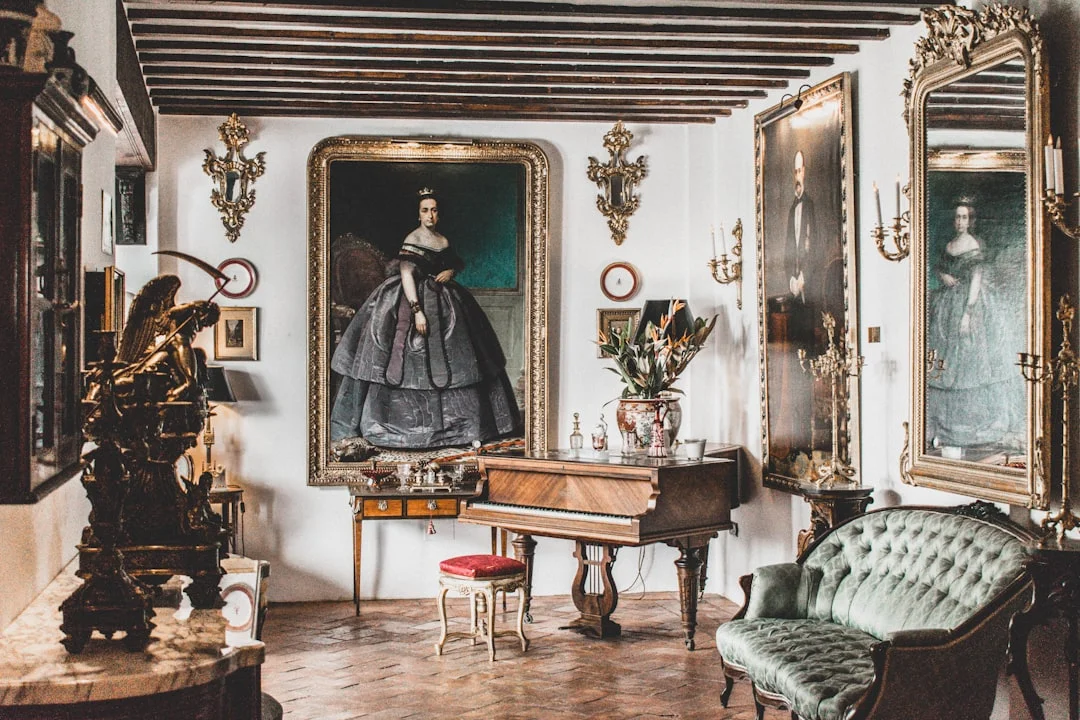
    Es reicht nicht mehr aus, einfach nur exzellentes Essen zu servieren; der Raum muss eine Geschichte erzählen. Dieser ästhetische Boom verwandelt das Stadtzentrum und schafft eine Landschaft, in der anspruchsvolles Design und gehobene Küche aufeinandertreffen.

    Das Erlebnis steht im Vordergrund

    Der Trend für die kommende Frühlingssaison ist eindeutig: totale Immersion. Die aufregendsten Tische der Stadt sind jene, die eine nahtlose Mischung aus Atmosphäre und Geschmack bieten. Dabei geht es nicht nur um “Instagrammability”, auch wenn diese sicherlich eine Rolle spielt. Es geht um Komfort, Beleuchtung und die Psychologie des Raumes.

    Laut Experten auf diesem Gebiet wie Lago Interioriza ist das Innendesign eines Restaurants heute eine fundamentale Zutat für den Erfolg. Die Textur der Serviette, die Akustik des Raumes und die Farbpalette der Wände sind alle darauf ausgelegt, die Wahrnehmung des Essens selbst zu verbessern.

    Im Rampenlicht der Szene

    Um diesen Wandel zu verstehen, werfen wir einen Blick auf die Etablissements, die aktuell den Standard dafür setzen, wie Essen in Málaga aussieht.

    Restaurante Matiz: Die Kunst des Teilens

    Im Herzen der Stadt gelegen, verkörpert das Restaurante Matiz diese neue Welle. Es hat sich von der traditionellen Drei-Gänge-Struktur gelöst, um sich auf eine geselligere, interaktivere Art des Essens zu konzentrieren. Das Konzept dreht sich stark um das “Teilen”, eine Hommage an die andalusische Tradition, jedoch durch eine kosmopolitische Linse veredelt.

    Wie von The Gourmet Journal angemerkt, schafft es das Matiz, ein anspruchsvolles kulinarisches Angebot mit einer unverwechselbar hellen und einladenden Atmosphäre in Einklang zu bringen. Das Menü ist darauf ausgelegt, gemeinsam erkundet zu werden, und bricht die Steifheit auf, die oft mit Fine Dining assoziiert wird, während gleichzeitig tadellose Standards gewahrt bleiben.

    Willie Orellana: Gefestigte Exzellenz

    Ein weiterer Pfeiler dieser Bewegung ist Willie Orellana. Als bekannter Name für jeden lokalen Feinschmecker (größtenteils aufgrund des Erfolgs von Uvedoble), festigt Orellana sein Angebot in der Nähe der Kathedrale weiter. Sein Ansatz repräsentiert die Reife der Köche Málagas: selbstbewusst, beständig und ohne Scheu, die Zutaten in einem raffinierten Rahmen für sich sprechen zu lassen.

    Die Entwicklung ist hier subtil, aber bedeutend. Es geht darum, die Essenz der Taverne – den Lärm, die Freude, die Unmittelbarkeit – zu nehmen und sie in einen professionellen Glanz zu hüllen, der mit jeder europäischen Hauptstadt konkurrieren kann. Quellen wie Condé Nast Traveler haben häufig hervorgehoben, wie Köche in der Provinz die Grenzen zwischen traditioneller Tavernenkultur und moderner Gastronomie neu definieren.

    Was das für Gäste im Jahr 2026 bedeutet

    Für Einwohner und Besucher bietet dieser Boom eine reichere Vielfalt an Optionen. Es ändert jedoch auch die Art und Weise, wie wir unsere Abende planen.

    • Reservieren Sie im Voraus: Diese designorientierten Räumlichkeiten haben oft begrenzte Sitzplätze, um das Ambiente zu bewahren. Spontanität ist charmant, aber Reservierungen sind praktisch.
    • Sinnliches Speisen: Erwarten Sie Menüs, die kürzer sind, sich aber stärker auf saisonale Produkte und Präsentation konzentrieren.
    • Der “Vibe”-Check: Sie werden feststellen, dass die Akustik besser gehandhabt wird. Das Klappern von Tellern wird durch schallabsorbierende Materialien ersetzt, was tatsächliche Unterhaltungen ermöglicht.

    Ein abschließender Gedanke

    Málaga wird erwachsen, hat aber seine Seele nicht verloren. Während wir diese schönen neuen Räume mit ihrer Designer-Beleuchtung und sorgfältig kuratierten Playlists begrüßen, bleibt der Kern des Erlebnisses derselbe: gutes Essen, geteilt mit guten Menschen. Es ist aufregend zu sehen, dass unsere Stadt so gut aussieht, wie sie schmeckt, und wir können es kaum erwarten zu sehen, was die nächste Saison an Neueröffnungen auf den Tisch bringt.
  • Beyond the Plate: Málaga’s Gastronomic and Aesthetic Evolution

    Beyond the Plate: Málaga’s Gastronomic and Aesthetic Evolution

    For anyone walking the streets of Málaga in early 2026, the shift is undeniable. The city has long been celebrated for its raw, authentic flavors—the espetos, the fried fish, the bustling tapas bars. But recently, a new layer has been added to our culinary identity. We are witnessing a “maturity phase” in local gastronomy, where the environment is curated with the same precision as the wine list.

    It is no longer enough to simply serve excellent food; the space must tell a story. This aesthetic boom is transforming the city center, creating a landscape where high design and high cuisine meet.

    The Experience Over the Meal

    The trend moving into the spring season is clear: total immersion. The most exciting tables in town are those that offer a seamless blend of atmosphere and flavor. This isn’t just about “Instagrammability,” though that certainly plays a role. It is about comfort, lighting, and the psychology of space.

    According to experts in the field like Lago Interioriza, the interior design of a restaurant is now a fundamental ingredient in its success. The texture of the napkin, the acoustics of the room, and the palette of the walls are all designed to enhance the perception of the food itself.

    Spotlights on the Scene

    To understand this shift, we look at the establishments that are setting the standard for what dining in Málaga looks like right now.

    Restaurante Matiz: The Art of Sharing

    Located in the heart of the city, Restaurante Matiz exemplifies this new wave. It has moved beyond the traditional three-course structure to focus on a more social, interactive way of eating. The concept revolves heavily around “sharing,” a nod to Andalusian tradition but elevated through a cosmopolitan lens.

    As noted by The Gourmet Journal, Matiz manages to balance a sophisticated culinary proposal with a distinctively bright and welcoming atmosphere. The menu is designed to be explored collectively, breaking down the stiffness often associated with fine dining while maintaining impeccable standards.

    Willie Orellana: Consolidating Excellence

    Another pillar of this movement is Willie Orellana. A familiar name to any local foodie (largely due to the success of Uvedoble), Orellana continues to consolidate his proposal near the Cathedral. His approach represents the maturity of Málaga’s chefs: confident, consistent, and unafraid to let the ingredients speak within a refined setting.

    The evolution here is subtle but significant. It’s about taking the essence of the tavern—the noise, the joy, the immediacy—and wrapping it in a layer of professional polish that competes with any European capital. Sources like Condé Nast Traveler have frequently highlighted how chefs in the province are redefining the boundaries between traditional tavern culture and modern gastronomy.

    What This Means for Diners in 2026

    For residents and visitors, this boom offers a richer variety of options. However, it also changes how we plan our nights out.

    • Book Ahead: These design-forward spaces often have limited seating to preserve the ambiance. Spontaneity is charming, but reservations are practical.
    • Sensory Dining: Expect menus that are shorter but more focused on seasonal produce and presentation.
    • The “Vibe” Check: You will notice that acoustics are better handled. The clatter of plates is being replaced by sound-absorbing materials, allowing for actual conversation.

    A Final Thought

    Málaga is growing up, but it hasn’t lost its soul. While we embrace these beautiful new spaces with their designer lighting and carefully curated playlists, the heart of the experience remains the same: good food shared with good people. It is exciting to see our city look as good as it tastes, and we can’t wait to see what the next season of openings brings to the table.

  • Dining by Design: Wie Ästhetik Málagas Gastronomieszene verändert

    Dining by Design: Wie Ästhetik Málagas Gastronomieszene verändert

    Jahrzehntelang bedeutete gutes Essen in Málaga eines von zwei Dingen: eine laute, mit Servietten übersäte Bar mit außergewöhnlichen Meeresfrüchten oder eine traditionelle Venta in den Bergen. Das Dekor war zweitrangig, oft gar nicht vorhanden. Wenn die Boquerones frisch waren, spielte die Beleuchtung keine Rolle.

    Doch wenn Sie im Jahr 2026 durch das historische Zentrum spazieren, werden Sie einen deutlichen Wandel bemerken. Wir leben in der Ära der „konzeptionellen Eröffnung“, in der der Innenarchitekt oft genauso prominent angekündigt wird wie der Küchenchef. Die Stadt ist weit darüber hinausgewachsen, Menschen nur zu verpflegen; sie kuratiert jetzt Erlebnisse.

    Der Aufstieg der „Gastro-Ästhetik“

    Es geht nicht nur darum, Dinge für soziale Medien hübsch aussehen zu lassen – obwohl das sicherlich Teil der Gleichung ist. Die neue Welle von Gastronomen versteht, dass das Ambiente den wahrgenommenen Wert der Mahlzeit bestimmt.

    Laut Experten auf diesem Gebiet wie Lago Interioriza ist die Psychologie des Raumes fundamental. Die Akustik, die Haptik der Möbel und die Farbpalette bereiten den Gaumen des Gastes vor, noch bevor der erste Gang serviert wird. In Málaga hat dies zu einem Boom von Räumen geführt, die die historische Architektur der Stadt mit scharfem, modernem Minimalismus verbinden.

    Dieser Wandel hat natürlich die Preise beeinflusst. Da die Investitionen pro Quadratmeter steigen, erhöht sich auch der Durchschnittsbon. Der lokale Markt hat jedoch enthusiastisch reagiert und signalisiert, dass die Malagueños bereit sind, für das Gesamtpaket zu zahlen: Service, Ambiente und Verpflegung.

    Der Maßstab: Matiz und die Kunst des Teilens

    Eines der deutlichsten Beispiele für diese Philosophie ist das Restaurante Matiz. Im Hotel Molina Lario gelegen, repräsentiert es die Reife der Málaguer Gastronomieszene. Es ist nicht nur ein Hotelrestaurant; es ist eine Destination.

    Das Konzept dreht sich hier um das „Teilen“ – eine Anspielung auf die traditionelle Tapas-Kultur –, jedoch gehoben auf einen Fine-Dining-Standard. Wie vom The Gourmet Journal angemerkt, schafft die Integration des Patios mit dem inneren Speisesaal einen fließenden Raum, der sich sowohl offen als auch intim anfühlt. Der Erfolg des Matiz liegt in seiner Fähigkeit, ein raffiniertes Menü (denken Sie an saisonale Zutaten und sorgfältiges Anrichten) mit einer Umgebung in Einklang zu bringen, die sich kosmopolitisch und doch unverwechselbar andalusisch anfühlt.

    Es dient als Vorlage für die aktuelle Ära: Essen, das lokale Wurzeln respektiert, serviert in einem Raum, der genauso gut in Mailand oder London sein könnte.

    Nationale Anerkennung

    Málagas Verwandlung ist dem Rest des Landes nicht verborgen geblieben. Die Stadt klettert in den gastronomischen Führern konsequent nach oben. Publikationen wie Condé Nast Traveler haben hervorgehoben, wie die Hauptstadt ihren Ruf als bloßes Tor zur Costa del Sol abgelegt hat, um selbst zu einem kulinarischen Schwergewicht zu werden.

    Diese Anerkennung schafft einen positiven Kreislauf. Mit wachsendem nationalem Prestige werden mehr Köche und Investoren von der Stadt angezogen, was die Standards für Design und Kreativität noch weiter nach oben treibt.

    Balance zwischen Innovation und Tradition

    Inmitten dieser Design-Revolution ist es entscheidend, sich an die Pioniere zu erinnern, die die Brücke zwischen den alten Tavernen und den neuen Konzepten geschlagen haben. Persönlichkeiten wie Willie Orellana (bekannt durch das Uvedoble) bleiben wichtige Referenzen. Sie bewiesen schon vor Jahren, dass man hochwertige, weiterentwickelte Tapas in einem modernen Ambiente servieren kann, ohne die Seele der Küche Málagas zu verlieren.

    Die Herausforderung für die neuesten Neueröffnungen im Jahr 2026 besteht darin, sicherzustellen, dass das „Konzept“ nicht die Küche in den Schatten stellt. Ein atemberaubender Speisesaal mag einen Kunden einmal durch die Tür bringen, aber nur exzellentes Essen lässt ihn wiederkommen.

    Was das für Sie bedeutet

    Wenn Sie heute einen Abend in Málaga planen, erwarten Sie ein kultivierteres Erlebnis, als Sie es vielleicht vor zehn Jahren vorgefunden hätten.

    • Reservieren Sie im Voraus: Diese Konzept-Restaurants haben oft begrenzte Sitzplätze, um eine bestimmte Atmosphäre zu wahren.
    • Kleiden Sie sich passend: Der „Beach Casual“-Vibe schwindet in diesen Etablissements; der Dresscode wird auf natürliche Weise schicker.
    • Schauen Sie sich um: Nehmen Sie sich einen Moment Zeit, um die Details zu würdigen – die restaurierten Steinmauern, die maßgefertigte Beleuchtung und die offenen Küchen. Sie sind jetzt genauso Teil des Menüs wie die Weinkarte.

    Málaga wird erwachsen, und seine Restaurants kleiden sich dem Anlass entsprechend. Es ist eine aufregende Zeit, um in dieser Stadt hungrig zu sein und zu beobachten, wie sie die perfekte Balance zwischen ihrer köstlichen Vergangenheit und ihrer stilvollen Zukunft findet.

  • Dining by Design: How Aesthetics Are Reshaping Málaga’s Food Scene

    Dining by Design: How Aesthetics Are Reshaping Málaga’s Food Scene

    For decades, eating well in Málaga meant one of two things: a noisy, napkin-littered bar with exceptional seafood, or a traditional venta in the mountains. The decor was secondary, often nonexistent. If the boquerones were fresh, the lighting didn’t matter.

    But walk through the historic center in 2026, and you will notice a distinct shift. We are living in the era of the “conceptual opening,” where the interior designer is often billed as prominently as the executive chef. The city has moved beyond simply feeding people; it is now curating experiences.

    The Rise of the “Gastro-Aesthetic”

    It is not just about making things look pretty for social media—though that is certainly part of the equation. The new wave of restaurateurs understands that ambiance dictates the perceived value of the meal.

    According to experts in the field like Lago Interioriza, the psychology of space is fundamental. The acoustics, the tactile nature of the furniture, and the color palette all prime the diner’s palate before the first course arrives. In Málaga, this has translated into a boom of spaces that blend the city’s historic architecture with sharp, modern minimalism.

    This shift has naturally influenced prices. As the investment in square footage rises, so does the average ticket. However, the local market has responded enthusiastically, signaling that Malagueños are ready to pay for the complete package: service, setting, and sustenance.

    The Benchmark: Matiz and the Art of Sharing

    One of the clearest examples of this philosophy is Restaurante Matiz. Located within the Molina Lario hotel, it represents the maturity of Málaga’s dining scene. It isn’t just a hotel restaurant; it is a destination.

    The concept here revolves around “sharing”—a nod to the traditional tapas culture—but elevated to a fine dining standard. As noted by The Gourmet Journal, the integration of the patio with the interior dining room creates a fluid space that feels both open and intimate. The success of Matiz lies in its ability to balance a sophisticated menu (think seasonal ingredients and careful plating) with an environment that feels cosmopolitan yet distinctly Andalusian.

    It serves as a template for the current era: food that respects local roots, served in a space that could easily belong in Milan or London.

    National Recognition

    Málaga’s transformation hasn’t gone unnoticed by the rest of the country. The city is consistently climbing the ranks in gastronomic guides. Publications like Condé Nast Traveler have highlighted how the capital has shed its reputation as merely a gateway to the Costa del Sol to become a culinary heavyweight in its own right.

    This recognition creates a virtuous cycle. As national prestige grows, more chefs and investors are drawn to the city, pushing the standards of design and creativity even higher.

    Balancing Innovation with Tradition

    Amidst this design revolution, it is crucial to remember the pioneers who bridged the gap between the old taverns and the new concepts. Figures like Willie Orellana (of Uvedoble fame) remain vital references. They proved years ago that you could serve high-quality, evolved tapas in a modern setting without losing the soul of Málaga cuisine.

    The challenge for the newest openings in 2026 is to ensure that the “concept” doesn’t overshadow the kitchen. A stunning dining room might get a customer through the door once, but only excellent food brings them back.

    What This Means for You

    If you are planning a night out in Málaga today, expect a more polished experience than you might have found ten years ago.

    • Book Ahead: These concept restaurants often have limited seating to maintain a specific atmosphere.
    • Dress the Part: The “beach casual” vibe is fading in these establishments; the dress code is becoming naturally smarter.
    • Look Around: Take a moment to appreciate the details—the restored stone walls, the custom lighting, and the open kitchens. They are now as much a part of the menu as the wine list.

    Málaga is growing up, and its restaurants are dressing for the occasion. It is an exciting time to be hungry in this city, watching it find the perfect balance between its delicious past and its stylish future.