Tag: Day Trips

  • Cártama Tapa Route: €3 Homemade Eats Near Málaga

    Cártama Tapa Route: €3 Homemade Eats Near Málaga

    For foreign residents and slow travelers in Málaga, finding authentic, budget-friendly culinary experiences can sometimes feel like a challenge. As the city center grows increasingly crowded, many food lovers are turning to alternative culinary hubs like Teatinos, Málaga’s new tapas epicenter, while others seek a refreshing escape in the surrounding towns. Just 20 minutes inland, the town of Cártama is hosting its highly anticipated 2026 Tapa Route (Ruta de la Tapa), offering a perfect excuse to explore the Guadalhorce Valley without breaking the bank.

    This local gastronomic event highlights the best of traditional, home-cooked Andalusian cuisine. Best of all, participating venues are serving up a custom tapa paired with a drink—or a specialty cocktail—for exactly €3. It is a welcome budget-friendly option for residents, especially as other local costs rise, prompting recent protests over new parking fees at Málaga’s Hospital Civil.

    Escaping the City for Authentic Flavors

    While Málaga’s food scene is world-class, the prices in the historic center have risen significantly over the last few years. Although budget-friendly gems still exist if you know where to look—such as the famous €2 tapas at La Esquinita de la Gamba—Cártama’s annual event represents a return to the roots of Spanish tapas culture: simple, high-quality, homemade food shared among neighbors at a price that welcomes everyone.

    According to a report by La Opinión de Málaga, the 2026 edition of the route focuses heavily on traditional recipes passed down through generations. It is an ideal opportunity for expats and visitors to practice their Spanish, mingle with locals, and taste dishes that rarely make it onto the tourist-oriented menus of the coast.

    What is on the Menu?

    The Cártama Tapa Route is designed to showcase the versatility of local kitchens. Rather than mass-produced, frozen appetizers, local bars and restaurants put their pride on the line, competing for the title of the town’s best tapa—making it a perfect culinary day trip if you are staying nearby in one of the best hotels in Málaga.

    • Traditional Tapas: Expect slow-cooked meats like carrillada (pork cheek), homemade croquettes, porra cartameña, and local citrus-infused dishes that pay homage to the valley’s famous orchards.
    • Modern Twists: Some venues offer contemporary fusion tapas, experimenting with local ingredients to surprise diners.
    • Specialty Drinks & Cocktails: In addition to the classic draft beer (caña) or local wine, several participating establishments offer creative cocktails included in the €3 promotional price.

    How to Get to Cártama from Málaga

    Getting to Cártama is straightforward, making it an easy half-day or full-day trip from Málaga city center.

    • By Car: Take the A-357 highway inland. The drive to Cártama Pueblo or Estación de Cártama takes approximately 20 to 25 minutes depending on traffic.
    • By Train: The C2 Cercanías commuter train runs regularly from Málaga María Zambrano station to Estación de Cártama. From the station, local buses or a short taxi ride can take you up to the historic town center (Cártama Pueblo).
    • By Bus: Several Consortium buses (such as the M-131) connect Málaga’s main bus station directly with Cártama.

    Tips for Making the Most of the Route

    To enjoy the event like a local, keep these practical tips in mind:

    1. Grab a “Tapaporte”: Pick up the official route passport at any participating bar or the local tourist office. Getting your passport stamped at different stops allows you to vote for your favorite tapa and enter a raffle for local prizes.
    2. Pace Yourself: Tapas portions in the Guadalhorce region tend to be generous. Plan to visit three or four different spots over an afternoon or evening rather than filling up at the first stop.
    3. Check the Map: The route usually spans both Cártama Pueblo (the historic hillside town) and Estación de Cártama (the flatter, modern district by the railway). Focus on one area per session to avoid unnecessary walking.

    Taking a short trip inland is one of the best ways to experience the true warmth of Málaga province. Whether you are discovering seasonal inland delicacies like the traditional hornazo during Easter or exploring a local food route, we hope this little journey into the Guadalhorce Valley brings you great food, warm conversations, and a deeper appreciation for the rich culinary traditions that thrive just outside our city limits.

  • Coín’s 2026 Orange Festival and Kids’ Theater in Málaga

    Coín’s 2026 Orange Festival and Kids’ Theater in Málaga

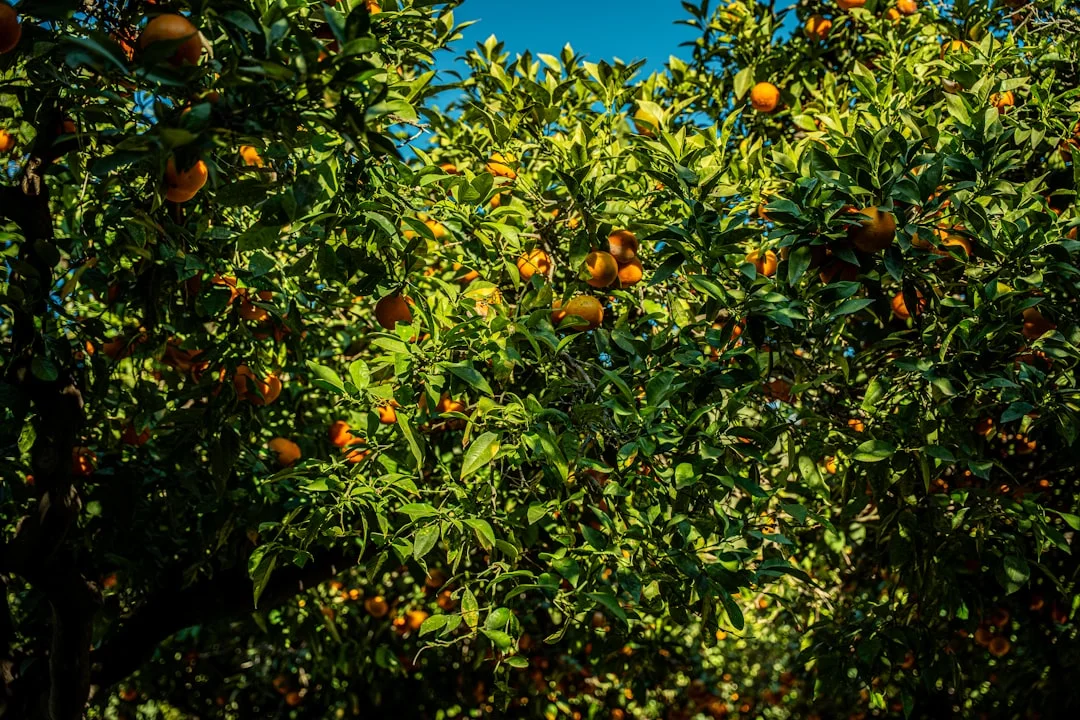
    If you are looking to swap the coastal routine for the charm of the Guadalhorce Valley, the inland town of Coín is the place to be this weekend. This Saturday in May 2026, the town is celebrating its beloved Fiesta de la Naranja (Orange Festival). Known as the “orchard of Málaga,” Coín pays tribute to its citrus heritage with a day full of flavor, culture, and community.

    A Sweet Escape: Coín’s Orange Festival

    Visitors heading to Coín this Saturday can expect bustling artisan markets, live music, and, most importantly, incredible local food. The star of the show is the traditional sopa hervía, a hearty local dish often served alongside freshly squeezed orange juice and a variety of citrus-infused desserts. It is a fantastic opportunity for expats and locals alike to experience an authentic Andalusian food festival while supporting local farmers.

    Staying in the City: Kids’ Theater Shows

    Not in the mood for a drive? If you are staying in Málaga city with the little ones, the weekend is packed with cultural plans. Local theaters are hosting multiple children’s shows throughout the weekend, offering a perfect blend of entertainment and education.

    From interactive storytelling to colorful puppetry, the city’s cultural agenda is highly active. To see the exact showtimes and venues for this weekend’s performances, you can check local listings and weekend guides on platforms like Diario Sur’s plans section. It is a great way to introduce kids to the magic of live theater while enjoying a relaxed morning in the historic center.

    Practical Tips for Your Weekend

    • Getting to Coín: Driving is the easiest option, taking about 40 minutes from Málaga city via the A-357. There are also regular bus services departing from the main Málaga bus station.
    • Arrive Early: Food festivals in inland towns get busy quickly. Arriving by mid-morning ensures you find parking and get to sample the best dishes before they run out.
    • Booking Theater Tickets: For city shows, it is always best to book tickets in advance online, as family events tend to sell out fast on weekends.

    Whether you decide to wander through the citrus-scented streets of Coín or share a laugh with your children at a local theater, weekends in Málaga always offer something special. It is these simple, shared moments—tasting a local dish or watching a story unfold on stage—that make living in this corner of the world feel so rewarding. Have a wonderful weekend exploring whatever path you choose.

  • Coín’s 2026 Orange Festival and Kids’ Theater

    Coín’s 2026 Orange Festival and Kids’ Theater

    When the weekend rolls around, finding the right balance between exploring new places and keeping the kids entertained can be a challenge. If you are searching for things to do in Malaga this weekend, you have two excellent options: a vibrant food festival in the Guadalhorce Valley or cultural shows right in the city center.

    Coín Orange Festival 2026: A Citrus Celebration

    Just a 40-minute drive from the coast, the inland town of Coín is celebrating its annual ‘Fiesta de la Naranja’ (Orange Festival) this Saturday, May 23, 2026. This event is a staple for anyone looking for authentic day trips from Malaga.

    Coín is known as the heart of the Guadalhorce Valley, an area famous for its fertile lands and citrus groves. The festival celebrates the end of the harvest season with a massive street party dedicated to all things orange, making it a wonderful inland excursion for visitors staying at the new 5-star Palacio de la Tinta hotel in Malaga.

    What to Expect

    • Local Gastronomy: Taste traditional dishes like sopa hervía (a hearty local soup), orange-infused desserts, and freshly squeezed juices.
    • Artisan Market: Browse stalls featuring local cheeses, honey, ceramics, and handmade crafts.
    • Live Entertainment: Enjoy traditional verdiales music and flamenco performances throughout the main square.

    Practical Tips for Visiting Coín

    Arrive early. The festival usually kicks off around 11:00 AM, and parking near the town center fills up quickly. There are designated parking areas on the outskirts of town, which are usually just a short walk from the festivities. Bring cash for the smaller artisan stalls, and don’t forget a reusable bag for the local produce you will inevitably want to take home.

    Kids’ Theater in Málaga City

    If a road trip isn’t on the agenda, staying in the city offers plenty of engaging family activities Malaga. Local theaters in the capital are hosting multiple children’s shows throughout the weekend. As noted in local cultural listings like Diario Sur’s weekend plans, Málaga’s theater scene is increasingly catering to younger audiences, making it easier than ever to introduce children to the performing arts.

    Where to Go

    • Teatro Echegaray: Known for its excellent Sunday morning children’s programming, featuring puppetry, interactive storytelling, and short plays designed for toddlers and young kids.
    • Teatro Cánovas: Often hosts slightly more advanced productions, including visual theater and modern dance tailored for children and young teens.

    Making a Day of It

    Pair a morning theater show with a stroll through the historic center. Grab a mid-morning churro or let the kids run around the Palmeral de las Sorpresas before heading home for lunch. It is a low-stress way to enjoy the city’s cultural offerings without exhausting the little ones.

    Whether you decide to wander through the citrus-scented streets of Coín or watch your children’s eyes light up at a local theater, weekends here are meant to be shared. There is a simple joy in stepping away from the daily routine and experiencing the province’s rich traditions and lively culture together. Whatever you choose, I hope your weekend is full of good food, easy laughs, and a little bit of that special Andalusian magic.

  • Frigiliana: One of Spain’s Top Getaway Villages for 2026

    Frigiliana: One of Spain’s Top Getaway Villages for 2026

    Perched like a pearl against the rugged canvas of the Sierras de Tejeda, Almijara y Alhama Natural Park, Frigiliana has long whispered its secrets to those willing to venture beyond the bustling coastline of Málaga. With its labyrinthine streets, whitewashed facades adorned with vibrant bougainvillea, and sweeping views of the Mediterranean, it is a place where time seems to slow down, offering a serene retreat after enjoying Málaga’s lively weekend agenda of local festivals and art exhibitions. Now, its quiet allure is capturing the attention of travelers worldwide, cementing its status as a premium rural destination.

    According to a recent report by La Opinión de Málaga, the renowned vacation rental search engine Holidu has officially ranked Frigiliana as one of the most searched-for Spanish villages for a getaway in 2026. This recognition highlights a growing desire among modern travelers to seek out authentic, off-the-beaten-path experiences that prioritize culture, heritage, and slow travel over crowded tourist hotspots.

    The Allure of the Barribarto

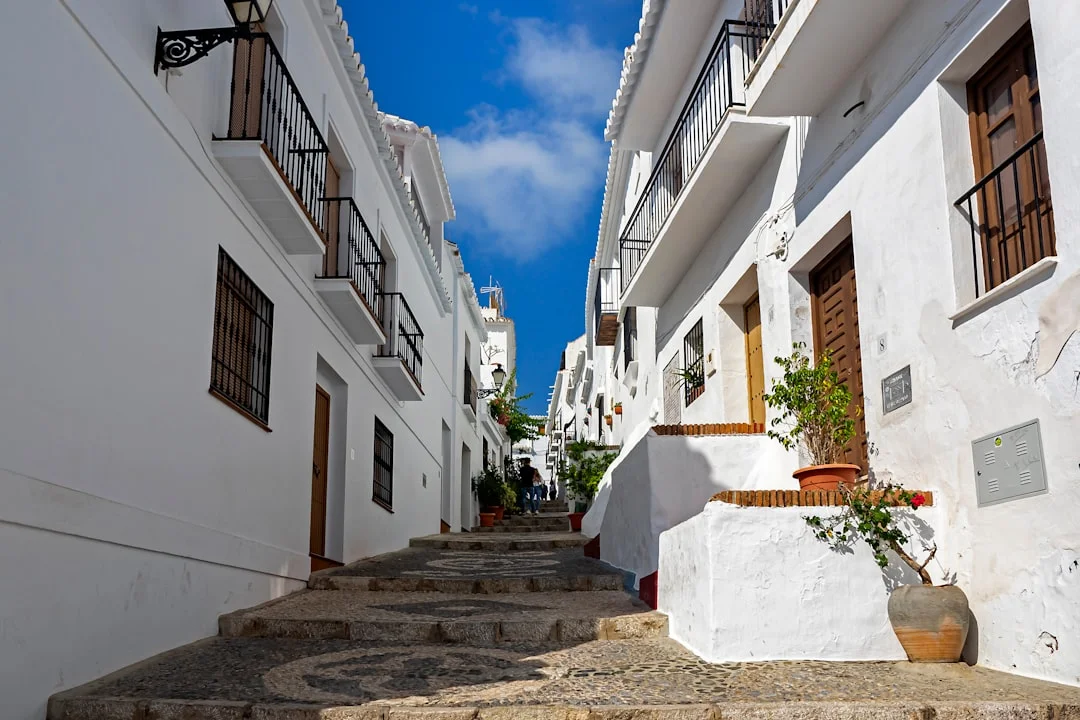
    To understand why Frigiliana has captivated the imaginations of so many for 2026, one must wander through the Barribarto, the village’s historic upper quarter. Recognized as one of the best-preserved Moorish historic centers in all of Spain, this neighborhood is a masterclass in Mudéjar architecture.

    Steep flights of stairs and narrow, winding cobblestone alleys create a mesmerizing geometric maze. Each corner reveals a new visual delight: a brightly painted door, a hidden courtyard, or a ceramic mosaic detailing the village’s rich, albeit tumultuous, history. It is this profound sense of preserved authenticity that Holidu’s data points to—a destination that does not merely display its history, but breathes it.

    A Haven for Local Craftsmanship

    Beyond its architectural splendor, Frigiliana is celebrated as a sanctuary for artisans. The village’s commitment to preserving traditional crafts is a significant factor in its rising popularity. Visitors exploring the town will find a treasure trove of artisanal boutiques offering goods crafted with techniques passed down through generations.

    • Esparto Grass Weaving: Local artisans continue to work with esparto, weaving beautiful baskets, rugs, and decorative pieces that add a rustic, tactile charm to any home.
    • Hand-Painted Ceramics: Colorful, intricate ceramics line the shelves of small shops, reflecting the vibrant Andalusian spirit.
    • Textiles and Leather Goods: High-quality, handmade leather items and woven textiles offer a tangible connection to the region’s mercantile past.

    Supporting these local artisans not only provides travelers with unique keepsakes but also ensures the survival of these invaluable cultural practices.

    A Taste of Tradition: The Gastronomy of Frigiliana

    No getaway is complete without immersing oneself in the local flavors, and Frigiliana’s culinary offerings are as rich and layered as its history. The village is perhaps most famous for its miel de caña (sugar cane honey). Frigiliana is home to the only active sugar cane honey factory in Europe, El Ingenio Nuestra Señora del Carmen. This dark, molasses-like syrup is a staple in local kitchens, famously drizzled over fried eggplant (berenjenas fritas con miel de caña) to create a perfect harmony of savory and sweet.

    Travelers in 2026 can also look forward to indulging in other traditional delicacies:

    • Choto al Ajillo: A robust and flavorful dish of tender kid goat cooked slowly with garlic, almonds, and local wine.
    • Migas: A hearty, comforting dish made from toasted breadcrumbs, garlic, and olive oil, often served with melon, chorizo, or sardines.
    • Local Muscatel Wines: The surrounding hillsides are terraced with vineyards producing sweet, aromatic Moscatel wines, perfect for sipping as the sun sets over the valley.

    Planning Your 2026 Escape

    For those based in or visiting Málaga, Frigiliana represents the quintessential day trip. Located just under an hour’s drive from the capital, it offers an immediate and profound shift in pace. It serves as a perfect tranquil counterpoint to the region’s more bustling events, such as the vibrant weekend food festivals found further down the coast. Whether you are navigating the steep streets to reach the ruins of the Castillo de Lizar, dining on a terrace with panoramic views of the Axarquía region, or simply listening to the gentle splash of a village fountain, Frigiliana delivers an unpretentious, soul-nourishing experience.

    There is a quiet magic in stepping away from the predictable paths and finding yourself in a place that still measures time by the ringing of church bells and the slow drip of cane honey. Frigiliana is not just a destination on a map or a high-ranking name on a travel list; it is a gentle reminder of the enduring beauty of slow living, waiting patiently for you to wander its sunlit streets.

  • Wochenendausflug: Mittelalter-Dorf erobert Feinschmecker

    Wochenendausflug: Mittelalter-Dorf erobert Feinschmecker

    Wenn die Menschenmassen an der Küste der Costa del Sol etwas überwältigend werden, ist ein Ausflug ins Landesinnere das beste Heilmittel. Wenn Sie als ausländischer Resident oder Langzeitbesucher nach einem authentischen Zufluchtsort suchen, gibt es nur eine kurze Fahrt von Málaga entfernt ein mittelalterliches Dorf, das tiefe Geschichte perfekt mit erstklassiger Kulinarik verbindet. Es ist ein Ort, an dem Sie überfüllte Promenaden gegen Kopfsteinpflasterstraßen und überteuerte Touristenmenüs gegen herzhafte, hausgemachte andalusische Kost eintauschen können.

    Ein Spaziergang durch die Geschichte

    Das Herzstück dieses Juwels im Landesinneren ist seine bemerkenswert gut erhaltene mittelalterliche Burg. Im Gegensatz zu einigen historischen Stätten, die größtenteils unzugänglich sind oder anstrengende Wanderungen erfordern, ist diese Festung sehr gut erreichbar und dafür gedacht, zu Fuß erkundet zu werden. Ein Spaziergang durch die alten Mauern bietet eine greifbare Verbindung zur maurischen und christlichen Vergangenheit der Region. Allein die Aussicht von oben über die sanfte andalusische Landschaft ist die Reise wert. Denken Sie nur daran, vernünftige Schuhe zu tragen – Kopfsteinpflaster und steile Anstiege sind Teil des authentischen Charmes.

    Ein Paradies für Feinschmecker

    Während die Geschichte ein massiver Anziehungspunkt ist, ist es die lokale Gastronomie, die die Menschen immer wieder zurückkehren lässt. Dieses Dorf hat sich still und heimlich einen Ruf als Pflichtziel für Feinschmecker erarbeitet, die echte Aromen zu vernünftigen Preisen suchen.

    Zwei Orte stechen besonders durch ihr Engagement für traditionelle, bodenständige Küche hervor:

    • Restaurante El Cortijillo: Bekannt für seine einladende Atmosphäre und unglaublich großzügigen Portionen. Dies ist der richtige Ort, um langsam gegartes Fleisch und reichhaltige Eintöpfe zu bestellen, die genau so schmecken, als hätte sie eine andalusische Großmutter zubereitet.
    • Asador El Cuquillo: Ein Paradies für Fleischliebhaber. Die holzofengebackenen Gerichte und herzhaften Beilagen sind perfekt, um nach einem Vormittag auf dem Burggelände neue Energie zu tanken.

    Beide Lokale sind stolz darauf, hausgemachte Gerichte zu servieren, bei denen lokale Zutaten und traditionelle Rezepte Vorrang vor modernem kulinarischem Schnickschnack haben.

    Tapas-Routen und lokale Aromen

    Der Ort verlässt sich nicht nur auf seine etablierten Restaurants, um Besucher anzulocken; er feiert aktiv sein kulinarisches Erbe. Laut einem aktuellen Bericht von El Español organisiert das Dorf häufig Tapas-Routen und Gastronomietage, die darauf abzielen, lokale Produkte zu präsentieren. Diese Veranstaltungen sind fantastische Gelegenheiten, um für nur wenige Euro eine Vielzahl regionaler Spezialitäten zu probieren und sich unter Einheimische sowie andere Auswanderer zu mischen, die dieses Geheimnis im Landesinneren entdeckt haben.

    Für einen Tag der Küste zu entfliehen, bedeutet nicht, auf Qualität zu verzichten; tatsächlich bedeutet es oft, das wahre Herz der Kultur Málagas zu entdecken. Es ist zutiefst befriedigend, einen Vormittag damit zu verbringen, durch jahrhundertealte Burganlagen zu spazieren und im Anschluss ein gemütliches, herzhaftes Essen zu genießen, das den Geldbeutel schont. Wir hoffen, Sie finden die Zeit, das Auto zu packen und diese perfekte Mischung aus Geschichte und Gastfreundschaft selbst zu erleben.

  • Weekend Escape: The Medieval Village Winning Over Foodies

    Weekend Escape: The Medieval Village Winning Over Foodies

    When the coastal crowds of the Costa del Sol start to feel a bit overwhelming, heading inland is the best remedy. If you are a foreign resident or a long-term visitor looking for an authentic escape, there is a medieval village just a short drive from Málaga that perfectly marries deep history with serious culinary chops. It is a place where you can swap crowded promenades for cobblestone streets, and overpriced tourist menus for hearty, homemade Andalusian fare.

    A Walk Through History

    The centerpiece of this inland gem is its remarkably well-preserved medieval castle. Unlike some historical sites that are mostly off-limits or require strenuous hikes, this fortress is highly accessible and meant to be explored on foot. Wandering through its ancient walls offers a tangible connection to the region’s Moorish and Christian past. The views from the top, looking out over the rolling Andalusian countryside, are worth the trip alone. Just remember to wear sensible shoes—cobblestones and steep inclines are part of the authentic charm, and tackling them is a great way to work up an appetite to explore the local gastronomy scene in Malaga.

    A Foodie’s Paradise

    While the history is a massive draw, it is the local gastronomy that keeps people coming back. This village has quietly built a reputation as a must-visit destination for food lovers seeking genuine flavors at reasonable prices.

    Two spots, in particular, stand out for their commitment to traditional, no-nonsense cooking:

    • Restaurante El Cortijillo: Known for its welcoming atmosphere and incredibly generous portions. This is the place to order slow-cooked meats and rich stews that taste exactly like an Andalusian grandmother made them.
    • Asador El Cuquillo: A haven for carnivores. Their wood-fired dishes and hearty sides are perfect for refueling after a morning spent exploring the castle grounds.

    Both establishments pride themselves on serving homemade meals that prioritize local ingredients and traditional recipes over modern culinary fuss.

    Tapas Routes and Local Flavors

    The town doesn’t just rely on its established restaurants to draw a crowd; it actively celebrates its culinary heritage. According to recent coverage by El Español, the village frequently organizes tapas routes and gastronomic days designed to showcase local produce. These events are fantastic opportunities to sample a wide variety of regional specialties for just a few euros, mingling with locals and other expats who have discovered this inland secret.

    Escaping the coast for a day doesn’t mean sacrificing quality; in fact, it often means discovering the true heart of Málaga’s culture. There is something deeply satisfying about spending a morning walking through centuries-old castle grounds and following it up with a slow, hearty meal that doesn’t break the bank. We hope you find the time to pack the car and experience this perfect blend of history and hospitality for yourself.

  • A Family Nature Escape: Discovering Antequera with Kids

    A Family Nature Escape: Discovering Antequera with Kids

    When public holidays like the May 1st Día del Trabajador roll around, the immediate instinct for many families is to head straight to the beach or the nearest shopping center. However, as the coast fills up with holidaymakers, those looking to avoid the bustling crowds are discovering the quiet charm of Málaga’s inland towns. If you want to give your children a much-needed break from screens and embrace sustainable tourism, a family escape to Antequera might be exactly what you need.

    Why Choose Inland Málaga?

    While Málaga’s coastline is undeniably beautiful, the province’s interior offers a completely different pace of life. Taking a day trip or a weekend escape inland promotes sustainable tourism by distributing visitors away from the heavily transited coastal hotspots. For parents, it provides a fresh environment where kids can run freely, breathe clean air, and engage with the natural world.

    Antequera, located just a short drive from Málaga city, is often celebrated for its impressive dolmens and the otherworldly limestone formations of El Torcal. But beyond its famous landmarks, it is also becoming a hub for active, family-oriented leisure.

    Unplugging at Espacio Madaura

    One of the standout locations for family activities in the area is Espacio Madaura. Nestled in the natural surroundings of Antequera, a prime destination within Málaga’s booming inland and rural tourism scene, this outdoor education and leisure center is designed to get kids moving and thinking outside the box.

    Instead of passive entertainment, Madaura focuses on active participation. According to a recent feature on Cadena Ser, the center regularly hosts nature workshops and solidarity events specifically tailored for families with children, making it a highly recommended destination for spring weekends and long holidays.

    What to Expect

    When visiting spaces like Madaura, families can look forward to a variety of engaging activities:

    • Nature Workshops: Hands-on learning experiences where children can discover local flora and fauna.
    • Active Leisure: Depending on the scheduled events, activities often include guided hikes, orienteering, and team-building games that require kids to work together.
    • Creative Play: Ample open space allows for unstructured play, which is vital for childhood development and a great way to burn off extra energy.

    Practical Tips for Your Trip

    If you are planning to swap the tablet for the trails this weekend, a little preparation goes a long way:

    1. Dress Comfortably: Inland temperatures can vary from the coast. Dress in layers and ensure everyone has sturdy, comfortable footwear suitable for uneven terrain.
    2. Pack the Essentials: Bring plenty of water, some healthy snacks, and sun protection. Even in spring, the Andalusian sun can be surprisingly strong.
    3. Check the Schedule: Before heading out, it is always a good idea to check the specific opening hours or pre-book any specialized workshops taking place that weekend.

    Trading the predictable routine of coastal weekends for the open spaces of Antequera is a rewarding experience. Watching your children discover the simple joys of a nature trail, far removed from the glow of digital screens, reminds us of the profound beauty right in our own backyard. It is in these quiet, unhurried moments surrounded by nature that the best family memories are often made.

  • Castillo de Cártama: Warum sich die Wanderung lohnt

    Castillo de Cártama: Warum sich die Wanderung lohnt

    Während die Alcazaba und der Gibralfaro die unbestrittenen Stars der historischen Skyline von Málaga sind, waren sie bei der Verteidigung der Region nie allein. Nur eine kurze Autofahrt landeinwärts, hoch über dem Guadalhorce-Tal gelegen, befindet sich ein rauer, alter Wächter, der Stille, Einsamkeit und einige der besten Aussichten der Provinz bietet: das Castillo de Cártama.

    Für Einwohner und Besucher, die das geschäftige Stadtzentrum gegen frische Luft und mittelalterliche Geschichte eintauschen möchten, bietet diese Festung den perfekten Halbtagesausflug.

    Eine Bastion des Widerstands

    Das Castillo de Cártama ist nicht nur ein Haufen Steine; es ist ein Zeugnis der strategischen Bedeutung des Flusses Guadalhorce. Diese Festung stammt aus dem 10. Jahrhundert und wurde während der muslimischen Ära erbaut, um die „Hoya de Málaga“ und das darunter liegende Flusstal zu kontrollieren.

    Laut Málaga Hoy diente die Burg als eines der wichtigsten Verteidigungsbollwerke für Málaga und widerstand bekanntermaßen zahlreichen Belagerungen im Laufe ihrer turbulenten Geschichte. Ihr Standort wurde sorgfältig gewählt; sie überblickt den historisch letzten schiffbaren Abschnitt des Guadalhorce-Flusses, was sie zu einem kritischen Kontrollpunkt für Handel und militärische Bewegungen machte.

    Der Aufstieg: Steil, aber lohnend

    Der Besuch der Burg erfordert ein wenig Anstrengung, was dazu beiträgt, die Massen fernzuhalten. Der Aufstieg beginnt in der Stadt Cártama Pueblo. Der Pfad windet sich steil nach oben und führt Sie zunächst zur Ermita de Nuestra Señora de los Remedios, einer wunderschönen Kapelle, die an sich schon ein Reiseziel ist.

    Von der Ermita aus geht der Weg in einen raueren Pfad über, der zum Gipfel des Cerro de la Virgen führt. Während Sie aufsteigen, verblasst der Lärm der Stadt und wird durch den Wind und die weite Stille des Berggipfels ersetzt.

    Was erhalten blieb

    Sobald Sie den Festungsbereich betreten, stehen Sie an einem Ort, der seit einem Jahrtausend über das Tal wacht. Obwohl die Struktur in Ruinen liegt, ist sie eindrucksvoll. Sie können die doppelten Verteidigungsmauern nachzeichnen und die Überreste der alten Zisternen (Aljibes) entdecken, die es den Verteidigern ermöglichten, lange Belagerungen zu überleben.

    Der wahre Preis ist jedoch der Panoramablick. Von den Stadtmauern aus haben Sie einen 360-Grad-Aussichtspunkt über die riesigen Zitrushaine des Guadalhorce-Tals, die fernen Berge und an klaren Tagen die schimmernde Linie des Mittelmeers.

    Praktische Tipps für den Besuch

    • Zeitpunkt: Der Aufstieg ist der Sonne ausgesetzt. Gehen Sie in den wärmeren Monaten früh am Morgen oder spät am Nachmittag, um den Sonnenuntergang zu erleben.
    • Ausrüstung: Das Gelände in der Nähe des Gipfels ist uneben. Tragen Sie feste Turnschuhe oder Wanderschuhe.
    • Parken: Sie können in Cártama Pueblo parken und zu Fuß hinaufgehen. Seien Sie auf steile Straßen gefasst, noch bevor Sie den Wanderweg erreichen.
    • Kosten: Der Zugang zu den Burgruinen ist derzeit kostenlos.

    Wir hoffen, dass dies Sie dazu ermutigt, für Ihr nächstes Abenteuer ins Landesinnere zu blicken. Es hat etwas zutiefst Erdendes, auf diesen alten Mauern zu stehen und über dasselbe Tal zu blicken, das hier seit Jahrhunderten das Leben erhält. Es ist eine stille Erinnerung an die Ausdauer dieses Landes und der Menschen, die es ihr Zuhause nennen.

  • Why Castillo de Cártama Should Be Your Next Hike

    Why Castillo de Cártama Should Be Your Next Hike

    While the Alcazaba and Gibralfaro are the undisputed stars of Málaga’s historical skyline, they were never alone in their defense of the region. Just a short drive inland from where Relleno brings the art of ravioli to the coast, perched high above the Guadalhorce Valley, lies a rugged, ancient guardian that offers silence, solitude, and some of the best views in the province: the Castillo de Cártama.

  • 67 Jahre seit der Entdeckung der Cueva de Nerja

    67 Jahre seit der Entdeckung der Cueva de Nerja

    Manchmal werden die größten Schätze durch Zufall gefunden, während man andere – wie auf Málagas kulinarischem Radar für 2026 – gezielt suchen muss. Im Fall von Málagas berühmtestem geologischen Denkmal war es jedoch kein Team von Archäologen oder Geologen, das die Entdeckung machte, sondern eine Gruppe von fünf einheimischen Jungen, die nach Fledermäusen suchten.