Manchmal werden die größten Schätze durch Zufall gefunden, während man andere – wie auf Málagas kulinarischem Radar für 2026 – gezielt suchen muss. Im Fall von Málagas berühmtestem geologischen Denkmal war es jedoch kein Team von Archäologen oder Geologen, das die Entdeckung machte, sondern eine Gruppe von fünf einheimischen Jungen, die nach Fledermäusen suchten.
Tag: Day Trips
-
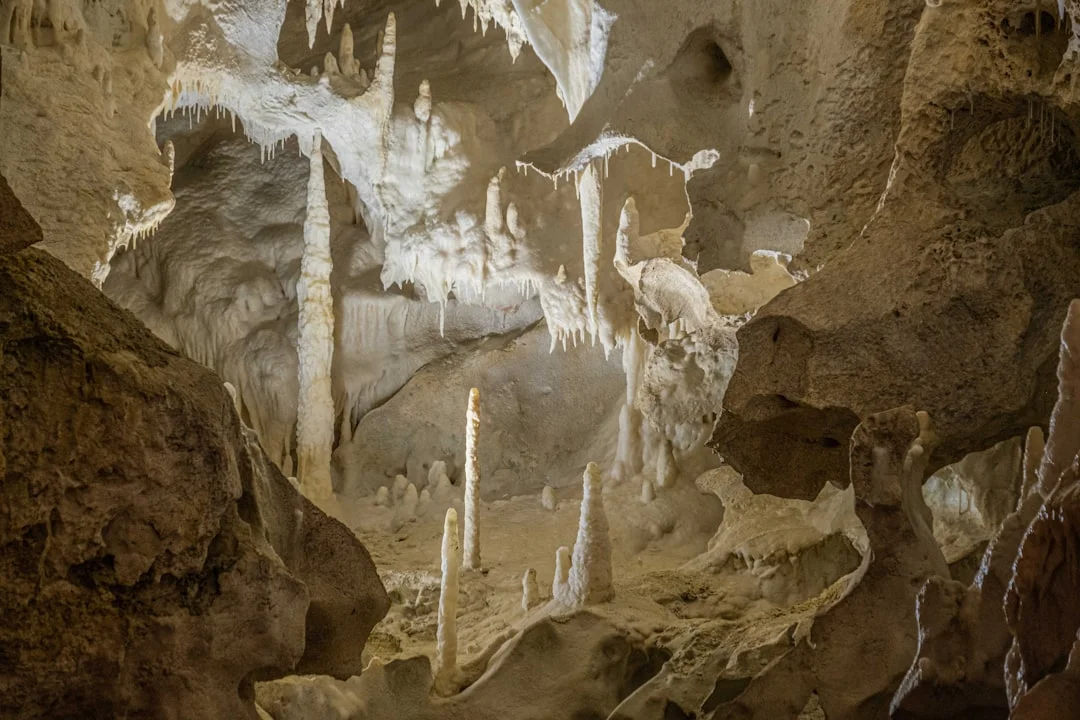
Underground Anniversary: 67 Years Since the Discovery of the Nerja Cave
Sometimes the greatest treasures are found by accident. In the case of Málaga’s most famous geological monument, it wasn’t a team of archaeologists or geologists who broke ground, but a group of five local boys out looking for bats.
This year marks the 67th anniversary of that fateful night on January 12, 1959. While the official date passed earlier this year, the story remains a charming reminder of how much history lies just beneath our feet in the Axarquía region.
A Night to Remember
Sixty-seven years ago, five young friends from Maro—Francisco Navas, brothers Miguel and Manuel Muñoz, José Luis Barbero, and José Torres—headed towards a sinkhole known locally as “La Mina.” They had noticed bats exiting the hole and, driven by curiosity, decided to investigate.
After breaking through some stalactites that blocked a narrow passage, they dropped down into what is now known as the Sala de la Cascada (Waterfall Hall). Instead of just a bat nest, they found human skeletons and ceramic pottery. They had stumbled into a time capsule that had been sealed for thousands of years.
Earlier this year, the Subdelegate of the Government, Javier Salas, presided over a commemorative act to honor this discovery, noting the cave’s status as a driver of tourism and cultural identity for the province. According to La Noción, the event highlighted the cave’s enduring legacy nearly seven decades later.
Why Visit Now?
The Cueva de Nerja is one of the most visited monuments in Spain. In the height of summer, the queues can be long, and the coastal humidity can be intense even before you enter the caverns.
However, visiting in late winter or early spring (right now) offers a distinct advantage:
- Space to Breathe: You can admire the colossal central column in the Hall of the Cataclysm—the largest in the world—without being jostled by large tour groups.
- Temperature Stability: The cave maintains a relatively constant internal temperature. While it’s a refuge from the August heat, it also feels pleasantly distinct from the crisp winter air outside.
- The Museum: Don’t skip the Nerja Museum in the town center (Plaza de España) before or after your cave visit to see the artifacts the boys actually found.
Practical Information for 2026
If you haven’t been in a few years, the facilities have likely been upgraded since your last trip. The botanical gardens surrounding the entrance are now lush and well-maintained, offering a nice walk before your scheduled entry time.
- Location: Maro, roughly 50 minutes driving from Málaga city.
- Tickets: It is highly recommended to book online to secure your slot, even in the off-season.
- Footwear: Wear shoes with good grip. The floor is non-slip, but it is still a damp cave environment.
Whether you are a local who hasn’t visited since a school trip or a newcomer to the Costa del Sol, the 67th anniversary is a great excuse to head east. It is a humbling experience to stand in the dark and realize that, were it not for the curiosity of five teenagers, this underground cathedral might still be sleeping in silence.
We hope you take the time to explore this subterranean wonder while the season is still quiet. It’s a reminder that adventure is often just around the corner—or just down a small hole in the ground.
-
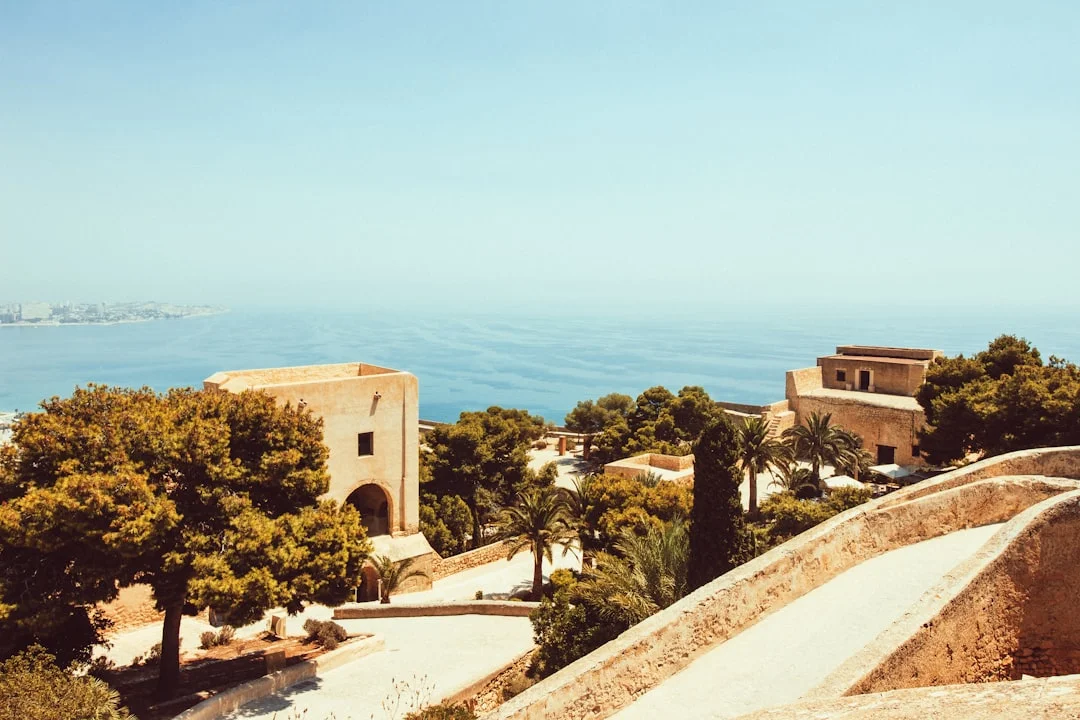
Gaucín: Das „magische“ Dorf, das den Winterurlaub in Málaga neu definiert
Der Januar in Málaga bedeutet oft ruhige Strände und verschlafene Küstenstädte, aber im Landesinneren wandelt sich die Energie. Gaucín, ein weißes Dorf hoch in der Serranía de Ronda, hat das Jahr 2026 mit einer neuen Auszeichnung begonnen. Kürzlich von der nationalen Presse als „Pueblo Mágico“ (Magisches Dorf) hervorgehoben, gewinnt dieser Ort an Beliebtheit als das perfekte Mittel gegen den Blues nach den Feiertagen.
Während die Küste Winterschlaf hält, strahlt Gaucín – und das im wahrsten Sinne des Wortes. Seine Höhenlage und Position machen es zu einem der sonnigsten Balkone der Provinz und bieten einen Winterausflug, der Geschichte, Wandern und einige der besten Aussichten in Andalusien vereint.
Der „Balkon der Serranía“
Der Hauptgrund für einen Besuch in Gaucín ist nicht nur das, was sich im Dorf befindet, sondern das, was man von dort aus sehen kann. Bekannt als der „Balkon der Serranía de Ronda“, ist seine geografische Lage einzigartig. An einem klaren Januartag, wenn die Luft frei vom Hitzedunst des Sommers ist, ist die Sicht atemberaubend.
Wenn man nach Süden blickt, dominiert der Felsen von Gibraltar den Horizont, und gleich dahinter ragen die Rif-Gebirge von Marokko deutlich über die Meerenge empor. Es ist einer der wenigen Orte, an denen Sie einen Kaffee genießen und gleichzeitig auf zwei Kontinente blicken können.
Laut El Confidencial, das kürzlich die Aufnahme des Dorfes in das prestigeträchtige Netzwerk der „Pueblos Mágicos“ beleuchtete, ist es diese Kombination aus Landschaft und Kulturerbe, die Gaucín von anderen pueblos blancos abhebt.
Castillo del Águila: Eine Festung in den Wolken
Die Skyline des Dorfes wird vom Castillo del Águila (Adlerburg) dominiert. Ursprünglich römisch, aber größtenteils von den Arabern erweitert, war diese Festung jahrhundertelang ein strategischer militärischer Punkt, da sie die Täler beherrschte, die zur Küste führen.
Heute dient es als spektakulärer Aussichtspunkt. Der Aufstieg ist steil, aber für die meisten Fitnesslevel machbar. Im Gegensatz zu den überfüllten Denkmälern in größeren Städten können Sie die Ruinen hier oft in relativer Stille erkunden. Das Burggelände umfasst eine Einsiedelei, Santo Niño, die eine tiefe lokale Bedeutung hat.
Tipp: Bringen Sie bequeme Schuhe mit. Das Kopfsteinpflaster und der Aufstieg zur Burg sind nicht für Absätze oder leichte Sandalen geeignet, selbst wenn Sie nur zum Mittagessen hochfahren.
Ein Winter-Refugium mit Bohème-Flair
Gaucín hat einen anderen Rhythmus als sein Nachbar Ronda. Historisch gesehen hat es eine bedeutende Gemeinschaft internationaler Künstler angezogen, was die lokale Atmosphäre beeinflusst hat. Sie spazieren nicht einfach durch ein Museumsstück; es ist ein lebendiges Dorf mit Kunstateliers und einem leicht böhmischen Unterton.
Für Liebhaber des „Slow Travel“ ist dies ideal. Die Straßen sind eng und verwinkelt – klassisches maurisches Städtebau-Design – und dazu gedacht, langsam begangen zu werden. Im Januar wärmt die Wintersonne die weißen Mauern, was das Essen im Freien während der Mittagsstunden angenehm macht.
Praktische Hinweise für einen Tagesausflug
Wenn Sie diesen Monat einen Besuch planen, um zu sehen, worum es bei dem „Pueblo Mágico“-Hype geht, beachten Sie diese logistischen Hinweise:
- Anreise: Gaucín liegt etwa 45 Autominuten von der Küste (Bereich Manilva/Sabinillas) oder etwa anderthalb Stunden von der Stadt Málaga entfernt. Die Straße ist kurvig – fahren Sie langsam und genießen Sie die Landschaft.
- Parken: Versuchen Sie nicht, tief in das Dorfzentrum zu fahren. Parken Sie am Ortsrand (es gibt ausgewiesene Bereiche in der Nähe des Eingangs) und gehen Sie zu Fuß hinein. Die Straßen sind für moderne Autos gnadenlos eng.
- Essen: Die lokale Küche neigt zu deftiger Bergkost – perfekt für den Januar. Halten Sie Ausschau nach Eintöpfen, lokalem Fleisch und Desserts auf Kastanienbasis.
Ob Sie ein Einheimischer sind, der seine eigene Umgebung neu entdecken möchte, oder ein Besucher, der ein authentisches Stück andalusischen Lebens sucht: Gaucín bietet eine friedliche und doch majestätische Auszeit vom Alltag. Es ist eine Erinnerung daran, dass die besten Aussichten manchmal einen kleinen Aufstieg erfordern und die besten Reiseziele diejenigen sind, die einen dazu zwingen, einen Gang herunterzuschalten.
-
Gaucín: The ‘Magical’ Village Redefining Winter Escapes in Málaga
January in Málaga often means quiet beaches and sleepy coastal towns, but inland, the energy is shifting. Gaucín, a whitewashed village perched high in the Serranía de Ronda, has started 2026 with a new accolade. Recently highlighted by national press as a “Pueblo Mágico” (Magical Village), this spot is gaining traction as the perfect antidote to the post-holiday blues.
While the coast hibernates, Gaucín shines—quite literally. Its elevation and position make it one of the sunniest balconies in the province, offering a winter escape that combines history, hiking, and some of the best views in Andalusia.
The ‘Balcony of the Serranía’
The primary reason to visit Gaucín isn’t just what’s inside the village, but what you can see from it. Known as the “Balcony of the Serranía de Ronda,” its geographical position is unique. On a crisp January day, when the air is free of summer heat haze, the visibility is startling.
Looking south, the Rock of Gibraltar dominates the horizon, and just beyond it, the Rif mountains of Morocco rise clearly across the strait. It is one of the few places where you can enjoy a coffee while looking at two continents simultaneously.
According to El Confidencial, which recently spotlighted the village’s inclusion in the prestigious ‘Pueblos Mágicos’ network, this combination of landscape and heritage is what sets Gaucín apart from other pueblos blancos.
Castillo del Águila: A Fortress in the Clouds
Dominating the village skyline is the Castillo del Águila (Eagle’s Castle). Of Roman origin but largely expanded by the Arabs, this fortress was a strategic military point for centuries due to its command over the valleys leading to the coast.
Today, it serves as a spectacular viewpoint. The climb up is steep but manageable for most fitness levels. Unlike the crowded monuments in larger cities, you can often explore the ruins here in relative silence. The castle grounds include a hermitage, the Santo Niño, which holds deep local significance.
Tip: Bring comfortable shoes. The cobblestones and the ascent to the castle are not suited for heels or flimsy sandals, even if you are just driving up for lunch.
A Bohemian Winter Retreat
Gaucín has a different rhythm than its neighbor, Ronda. It has historically attracted a significant community of international artists, which has influenced the local vibe. You aren’t just walking through a museum piece; it’s a living village with art studios and a slightly bohemian undercurrent.
For the ‘slow travel’ enthusiast, this is ideal. The streets are narrow and winding—classic Moorish urban design—meant to be walked slowly. In January, the winter sun warms the white walls, making outdoor dining pleasant during the midday hours.
Practicalities for a Day Trip
If you are planning a visit this month to see what the “Pueblo Mágico” buzz is about, keep these logistics in mind:
- Getting There: Gaucín is about a 45-minute drive from the coast (Manilva/Sabinillas area) or about an hour and a half from Málaga city. The road is curvy—take it slow and enjoy the scenery.
- Parking: Do not try to drive deep into the village center. Park on the outskirts (there are designated areas near the entrance) and walk in. The streets are unforgivingly narrow for modern cars.
- Dining: The local cuisine leans towards hearty mountain fare—perfect for January. Look for stews, local meats, and chestnut-based desserts.
Whether you are a local looking to rediscover your own backyard or a visitor seeking an authentic slice of Andalusian life, Gaucín offers a peaceful yet majestic break from the routine. It’s a reminder that sometimes the best views require a little bit of a climb, and the best destinations are the ones that force you to slow down.
-
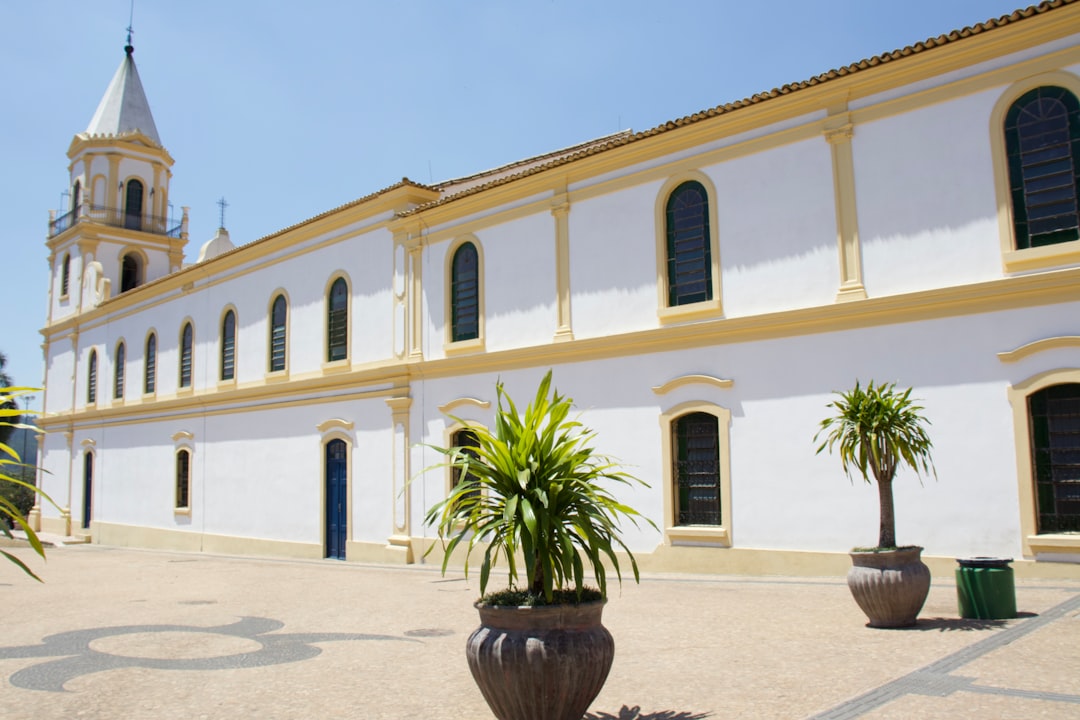
Jenseits der Hauptstadt: Eine Kulturagenda „abseits des Radars“ für die Provinz
Wir alle kennen das Szenario in Málaga Stadt: das Picasso-Museum, das Pompidou, die belebten Straßen der Calle Larios. Sie sind zweifellos weltklasse. Aber manchmal, besonders für diejenigen von uns, die hier leben, kann sich das Stadtzentrum etwas zu poliert, etwas zu überfüllt anfühlen. Wir sehnen uns nach etwas Greifbarerem, etwas Intimerem und vielleicht etwas weiter entfernt.
Hier kommt die kulturelle Agenda der Provinz ins Spiel. Oft von den gängigen Reiseführern übersehen, organisiert die Diputación de Málaga eine überraschende Anzahl von Aktivitäten außerhalb der Ringstraße der Hauptstadt. Es ist ein dezentraler Versuch, hochwertige Kultur – von experimentellem Theater bis zu Handwerksworkshops – in die Städte und Dörfer zu bringen, die das wahre Gewebe der Costa del Sol und des Landesinneren ausmachen.
Die dezentrale Agenda
Wenn Sie nach einem Plan suchen, der mehr beinhaltet, als nur Gemälde an einer Wand zu betrachten, lohnt sich ein Blick auf das Programm dieser Woche. Laut AZ Costa del Sol hat die Provinzverwaltung einen robusten Zeitplan aktiviert, der den kulturellen Puls in der gesamten Region am Schlagen halten soll.
Das Programm ist vielfältig, lässt sich aber im Allgemeinen in drei attraktive Bereiche für einen Wochenendausflug unterteilen:
1. Kreative Workshops (Talleres)
Eine der größten Stärken der Agenda der Provinz ist der Fokus auf Teilnahme. Durch Initiativen, die oft mit kulturellen Zentren wie La Térmica verbunden sind, finden Sie Workshops in Städten wie Rincón de la Victoria, Coín oder Alhaurín.
Diese sind nicht nur für Kinder. Wir sprechen von echten kreativen Sitzungen, die Folgendes abdecken:
* Traditionelles Handwerk: Keramik und Textildruck.
* Moderne Fähigkeiten: Fotografie und kreatives Schreiben.
* Performance: Theatereinführung und Tanz.Es ist eine fantastische Ausrede, in eine Stadt zu fahren, die Sie schon lange nicht mehr besucht haben, zwei Stunden lang eine neue Fähigkeit zu erlernen und dann ein lokales Mittagessen zu genießen.
2. Darstellende Kunst an intimen Orten
Theater und Musik bekommen eine ganz andere Note, wenn man sie in einem städtischen Auditorium in einer Kleinstadt oder einem Kulturzentrum in der Axarquía erlebt. Die Verbindung zum Künstler ist enger und die Atmosphäre ist oft eher gemeinschaftlich als kommerziell.
Die aktuelle Agenda umfasst eine Mischung aus Konzerten und Theateraufführungen, die durch die Provinz touren. Es ist eine Gelegenheit, lokale Ensembles und Gastkünstler zu sehen, ohne den Stress der Parkplatzsuche in der Stadt oder ausverkaufter Veranstaltungsorte.
3. Wanderausstellungen
Auch die bildende Kunst geht auf Reisen. Die Diputación organisiert Wanderausstellungen, die historische Archive, Fotografie und zeitgenössische Kunst in die Gemeindehallen der Provinz bringen. Oft handelt es sich um kleinere, überschaubare Ausstellungen, die sich perfekt mit einem Morgenkaffee und einem Spaziergang durch ein Dorfzentrum verbinden lassen.
Warum „abseits des Radars“ unterwegs sein?
Der Reiz dieser Veranstaltungen liegt nicht nur im Inhalt, sondern auch im Kontext. Der Besuch eines Workshops in einem weißen Dorf oder einer Küstenstadt bietet eine Pause vom hektischen Tempo von Málaga Stadt. Er verbindet Sie mit den lokalen Bewohnern dieser Orte und unterstützt die Idee, dass Kultur überall hingehört, nicht nur in die Provinzhauptstadt.
Egal, ob Sie schon lange hier leben oder ein Digital Nomad sind, der sich gerade einlebt: Ein Auge auf die Agenda der Diputación zu werfen, ist ein kluger Schachzug. Es verwandelt ein normales Wochenende in einen Mini-Roadtrip mit Sinn.
Wir hoffen, dass dies Sie dazu ermutigt, an diesem Wochenende über die üblichen Verdächtigen hinauszuschauen. Es hat etwas Besonderes, eine kurvenreiche Straße zu einer kleinen Stadt hinaufzufahren, nicht nur wegen der Aussicht, sondern um etwas mit den eigenen Händen zu schaffen oder ein Theaterstück unter Einheimischen zu sehen. Es erinnert uns daran, dass die Seele von Málaga weit über den Hafen hinausreicht.
-
Beyond the Capital: An ‘Off-Radar’ Cultural Agenda for the Province
We all know the drill in Málaga city: the Picasso Museum, the Pompidou, the bustling streets of Calle Larios. They are world-class, undeniably. But sometimes, especially for those of us living here, the city center can feel a bit too polished, a bit too crowded. We crave something a little more hands-on, a little more intimate, and perhaps a little further afield.
This is where the provincial cultural agenda comes in. Often overlooked by the mainstream tourist guides, the Diputación de Málaga orchestrates a surprising amount of activity outside the capital’s ring road. It is a decentralized effort to bring high-quality culture—from experimental theater to artisan workshops—to the towns and villages that make up the real fabric of the Costa del Sol and the interior.
The Decentralized Agenda
If you are looking for a plan that involves more than just looking at paintings on a wall, this week’s lineup is worth checking out. According to AZ Costa del Sol, the provincial body has activated a robust schedule designed to keep the cultural pulse beating across the region.
The programming is diverse, but it generally falls into three appealing buckets for a weekend escape:
1. Creative Workshops (Talleres)
One of the strongest suits of the provincial agenda is the focus on participation. Through initiatives often linked to cultural hubs like La Térmica, you can find workshops popping up in towns like Rincón de la Victoria, Coín, or Alhaurín.
These aren’t just for children. We are talking about genuine creative sessions covering:
* Traditional crafts: Ceramics and textile printing.
* Modern skills: Photography and creative writing.
* Performance: Theater initiation and dance.It is a fantastic excuse to drive to a town you haven’t visited in a while, learn a new skill for two hours, and then enjoy a local lunch.
2. Performing Arts in Intimate Venues
Theater and music take on a different flavor when viewed in a municipal auditorium in a small town or a cultural center in the Axarquía. The connection with the artist is closer, and the atmosphere is often more communal than commercial.
The current agenda includes a mix of concerts and theatrical performances touring the province. It is a chance to see local companies and visiting artists without the hassle of city parking or sold-out venues.
3. Itinerant Exhibitions
Visual arts also hit the road. The Diputación organizes traveling exhibitions that bring historical archives, photography, and contemporary art to municipal halls across the province. These are often smaller, bite-sized exhibitions that pair perfectly with a morning coffee and a walk through a village center.
Why Head ‘Off-Radar’?
The appeal of these events isn’t just the content; it’s the context. Attending a workshop in a white village or a coastal town offers a break from the frantic pace of Málaga city. It connects you with the local residents of those towns and supports the idea that culture belongs everywhere, not just in the provincial capital.
Whether you are a long-time resident or a digital nomad settling in, keeping an eye on the Diputación’s agenda is a smart move. It transforms a standard weekend into a mini-road trip with a purpose.
We hope this encourages you to look beyond the usual suspects this weekend. There is something special about driving up a winding road to a small town, not just for the view, but to create something with your hands or watch a play among locals. It reminds us that the soul of Málaga extends far beyond the port.