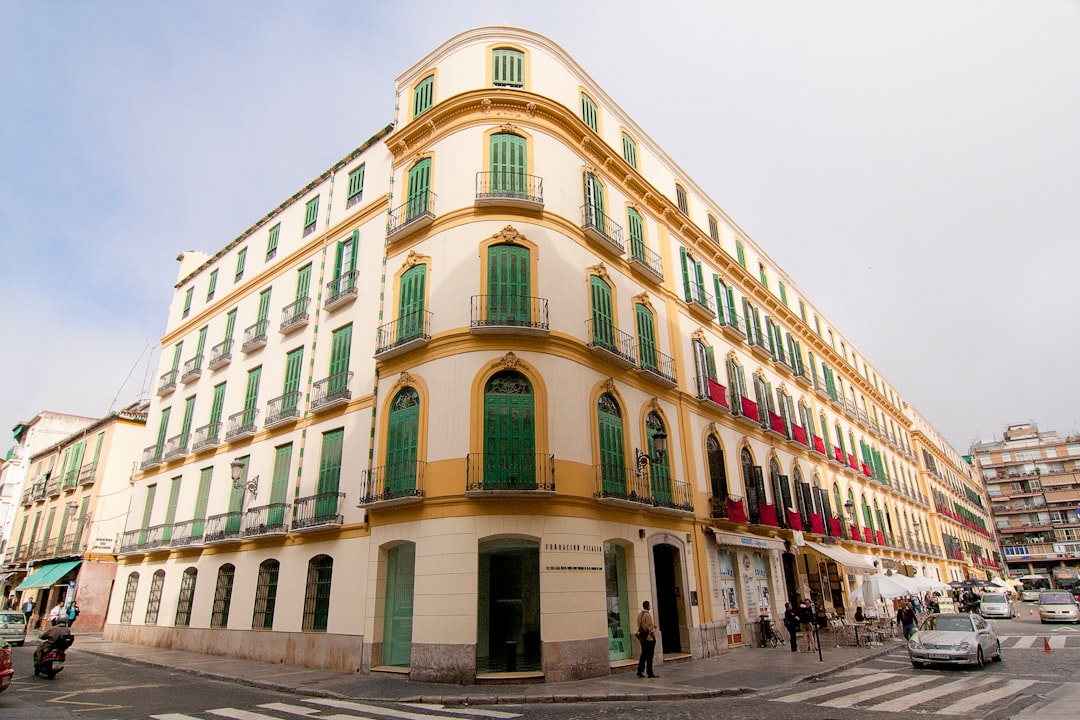
Tag: Costa del Sol

  • Heiligtümer der Sonne: Ein kuratierter Guide zu Málagas besten Hotels

    Heiligtümer der Sonne: Ein kuratierter Guide zu Málagas besten Hotels

    Jahrzehntelang wurde Málaga primär als Tor wahrgenommen – ein Transitpunkt, an dem Reisende landeten, bevor sie weiter zu den Resorts von Marbella oder in die weißen Dörfer des Landesinneren reisten. Diese Erzählung wurde jedoch gründlich umgeschrieben. Heute ist die Hauptstadt der Costa del Sol ein Reiseziel mit eigener Anziehungskraft und prahlt mit einer kulturellen Renaissance, die mit jeder europäischen Stadt ihrer Größe konkurrieren kann.

    Mit der Ankunft von Weltklasse-Museen und einer revitalisierten kulinarischen Szene hat sich auch die Hotellandschaft entsprechend entwickelt. Die Stadt hat sich über funktionale Unterkünfte hinausbewegt, um wahre Gastfreundschaftskunst zu umarmen. Wir sehen nun eine wunderbare Spannung zwischen dem Historischen und der Avantgarde; Paläste aus dem 18. Jahrhundert werden als Boutique-Rückzugsorte wiedergeboren, während modernistische Ikonen entlang des Hafens entstehen.

    Hier ist eine elegante Auswahl der besten Hotels, die es heute in Málaga gibt, kuratiert für den Reisenden, der nicht nur ein Bett sucht, sondern ein Gefühl für den Ort.

    Die Grande Dame: Gran Hotel Miramar

    Um das Ausmaß der Gastfreundschaftsgeschichte Málagas zu verstehen, muss man auf das Gran Hotel Miramar blicken. Im gehobenen Viertel La Malagueta gelegen, nur wenige Schritte von der Küste entfernt, ist dieses Anwesen die unbestrittene Grande Dame der Stadt. Ursprünglich 1926 von König Alfonso XIII. eröffnet, diente es während des Bürgerkriegs als Krankenhaus und in späteren Jahren als Gerichtsgebäude, bevor es 2017 akribisch in seiner Belle-Époque-Pracht restauriert wurde.

    Das Durchschreiten der Lobby fühlt sich an wie ein Schritt in eine andere Ära. Die Architektur im maurischen Stil, mit ihren aufwendigen Fliesenarbeiten und hohen Bögen, zollt Andalusiens komplexer Vergangenheit Tribut. Die Zimmer sind in Weiß- und Cremetönen gehalten und maximieren das unglaubliche Licht, das vom Mittelmeer hereinströmt.

    Warum wir es lieben: Die Gärten. Einen Kaffee inmitten der gepflegten Rasenflächen und Brunnen zu trinken, während die Meeresbrise durch die Palmen rauscht, bietet eine Ruhe, die in einer geschäftigen Stadt selten ist.

    Historische Intimität: Palacio Solecio

    Wenn es beim Miramar um Größe geht, geht es beim Palacio Solecio um Intimität und Textur. Versteckt in der Calle Granada, im schlagenden Herzen des alten jüdischen Viertels, ist dieses Hotel eine Meisterklasse der Restaurierung. Untergebracht in einem Palast aus dem 18. Jahrhundert, lag das Gebäude jahrzehntelang in Trümmern, bis eine kürzliche Verwandlung den Steinmauern neues Leben einhauchte.

    Beim Eintreten werden Sie von der originalen Steintreppe und einem prächtigen andalusischen Innenhof begrüßt. Die Designästhetik ist raffiniert und stimmungsvoll, bevorzugt reiche Samtstoffe, dunkle Hölzer und eine warme Beleuchtung, die einen schönen Kontrast zur hellen andalusischen Sonne draußen bildet. Es fühlt sich weniger wie ein Hotel an, sondern eher wie die private Residenz eines noblen Kaufmanns.

    Das Highlight: Das Restaurant Balausta, geleitet von Michelin-Sternekoch José Carlos García, serviert raffinierte Interpretationen lokaler Klassiker im glasüberdachten Patio des Hotels. Es ist ein kulinarisches Erlebnis, das die Essenz des Südens einfängt.

    Zeitgenössische Coolness: Only YOU Hotel Málaga

    Für diejenigen, die den Puls der Ruhe vorziehen, hat das Only YOU Hotel die Energie des Stadtzentrums verändert. Am Eingang des Hafens gelegen, gegenüber der ikonischen Alameda Principal, repräsentiert dieses Hotel das moderne, kosmopolitische Gesicht von Málaga.

    Seit seiner Eröffnung ist die Lobby zu einem Treffpunkt für Einheimische und Reisende gleichermaßen geworden und verwischt die Grenzen zwischen einem Hotel und einem Social Club. Das Design ist frisch und integriert Art-Déco-Akzente mit einem mediterranen, maritimen Flair. Die Zimmer sind auf Komfort ausgelegt, jedoch mit einer scharfen, modebewussten Ästhetik.

    Das Urteil: Die Dachterrasse, bekannt als Lolita, bietet einen der dynamischsten Ausblicke der Stadt, der von der Kathedrale bis zum Riesenrad und dem Meer reicht. Es ist der perfekte Ort für einen Cocktail bei Sonnenuntergang, bevor man in das Nachtleben der Stadt eintaucht.

    Der Blick von oben: Vincci Selección Larios Diez

    Die Calle Larios ist das Rückgrat von Málaga, die marmorgepflasterte Hauptstraße, auf der alles von Osterprozessionen bis zur weihnachtlichen Lichtshow stattfindet. In der Nummer 10 residiert das Vincci Selección Larios Diez, ein Hotel, das einen privilegierten Aussichtspunkt über die berühmteste Straße der Stadt bietet.

    Dies ist ein Hotel für den Großstädter. Die Lage ist unschlagbar für diejenigen, die vor die Tür treten und sofort in die Shopping- und Café-Kultur eintauchen möchten. Trotz des Trubels unten sind die Zimmer schallisolierte Zufluchtsorte der Ruhe. Das Design nutzt natürliche Materialien und neutrale Töne, um eine entspannende Atmosphäre zu schaffen.

    Nicht verpassen: Das Restaurant El Taller de Larios 10 im obersten Stockwerk. Es bietet eine einzigartige Perspektive auf den Kathedrale-Turm und erlaubt es Ihnen, fast auf Augenhöhe mit den Glocken der ‚Manquita‘ zu speisen.

    Ein Schloss auf dem Hügel: Soho Boutique Castillo de Santa Catalina

    Für einen Aufenthalt, der sich wahrhaft exklusiv anfühlt, muss man den Blick nach oben in den Stadtteil El Limonar richten. Das Castillo de Santa Catalina ist ein Neo-Mudéjar-Palast aus dem Jahr 1932, der auf einem Hügel über der Bucht von Málaga thront. Dies ist kein Ort für diejenigen, die von einer Bar im Stadtzentrum nach Hause stolpern wollen; es ist ein Rückzugsort für Romantik und Stille.

    Mit nur einer Handvoll Zimmer ist der Service unglaublich persönlich. Die Architektur ist eindrucksvoll, mit Hufeisenbögen und festungsartigen Mauern. Der Blick von der Terrasse ist wohl der beste in der Provinz und bietet ein Panorama des Mittelmeers, das bis zum Horizont reicht.

    Es ist ein Ort zum Abschalten, um ein Buch in der Sonne zu lesen und den Schiffen zuzusehen, wie sie langsam in den Hafen unten treiben.

    Die Wahl Ihres Málagas

    Berücksichtigen Sie bei der Auswahl Ihrer Unterkunft den Rhythmus Ihrer Reise.

    • Wählen Sie La Malagueta (Miramar), wenn Sie den Strand zu Ihren Füßen und ein Resort-Gefühl wollen.
    • Wählen Sie die Altstadt (Solecio, Larios Diez), wenn Sie inmitten von Museen, Tapas-Bars und Geschichte leben möchten.
    • Wählen Sie das Hafenviertel (Only YOU) für eine moderne, energiegeladene Atmosphäre und gute Verkehrsanbindungen.
    • Wählen Sie El Limonar (Castillo) für Privatsphäre, Geschichte und unvergleichliche Aussichten.

    Málaga ist eine Stadt, die Neugier belohnt, und wo Sie sich zur Ruhe legen, ist der erste Schritt auf dieser Reise. Ob Sie das Flüstern der Geschichte in einem restaurierten Palast bevorzugen oder die salzige Brise eines Balkons am Meer, wir hoffen, dass dieser Guide Ihnen hilft, einen Raum zu finden, der sich wie ein Zuhause anfühlt, auch wenn es nur für ein paar Nächte ist.
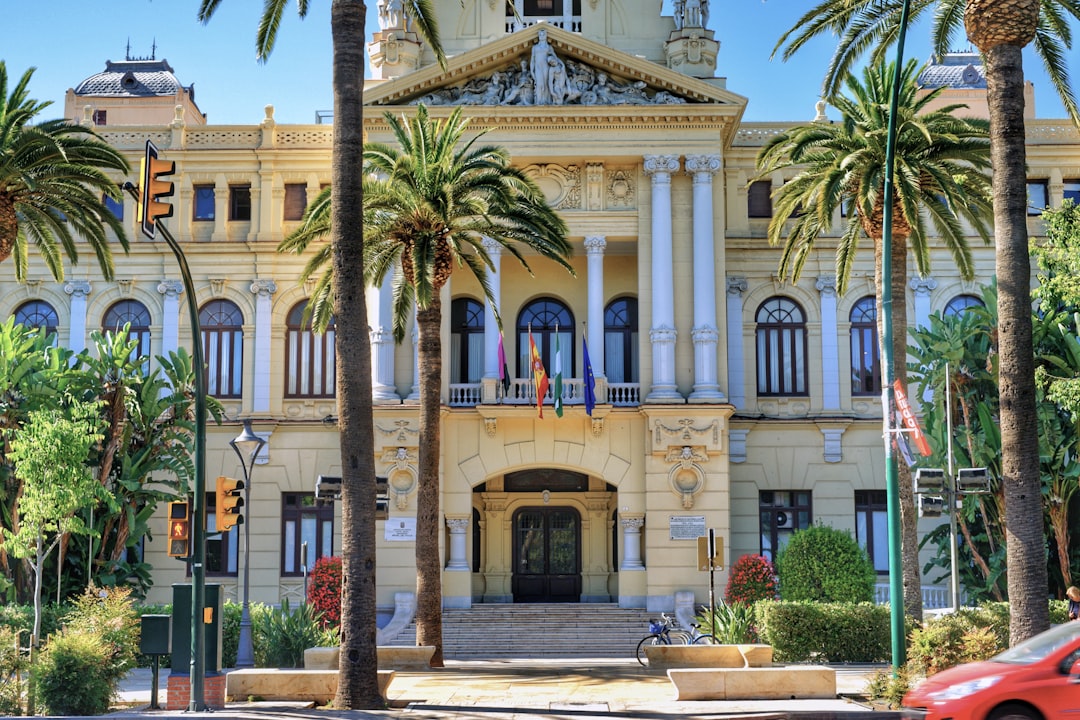
  • Nachhaltiger Tourismus: Der Privatsektor übernimmt im Oktober mit der ‚Ágora‘ die Führung

    Nachhaltiger Tourismus: Der Privatsektor übernimmt im Oktober mit der ‚Ágora‘ die Führung

    Jahrzehntelang war der Maßstab für Erfolg an der Costa del Sol einfach: Zahlen. Mehr Ankünfte, mehr Übernachtungen, mehr Flüge. Doch während sich die Straßen von Málaga bis zur Kapazitätsgrenze füllen und die Debatte über Massentourismus die Öffentlichkeit erreicht, verschiebt der professionelle Sektor leise, aber bestimmt die Zielsetzung. Das Gespräch dreht sich nicht mehr nur um Volumen; es geht um Wert, Koexistenz und Langlebigkeit – ein Wandel, der auch durch kulinarische Neuheiten wie La Tía Juana an der Plaza de Camas sichtbar wird.

  • Sustainable Tourism: The Private Sector Takes the Lead with October’s ‘Ágora’

    Sustainable Tourism: The Private Sector Takes the Lead with October’s ‘Ágora’

    For decades, the metric for success in the Costa del Sol was simple: numbers. More arrivals, more hotel nights, more flights. However, as the streets of Málaga fill to capacity and the debate over mass tourism enters the public sphere, the professional sector is quietly but firmly shifting the goalposts. The conversation is no longer just about volume; it is about value, coexistence, and longevity.

    This October, Málaga will host the second edition of the Ágora de Turismo Sostenible (Sustainable Tourism Agora), a pivotal event where the private sector aims to take the reins of a transformation that is as much about business strategy as it is about environmental responsibility.

    From Political Debate to Professional Strategy

    While headlines often focus on the political friction regarding housing and saturation, the tourism industry itself is organizing to find practical solutions. The consensus among professionals is that the “more is better” model has reached a ceiling. The new objective is to transform the Costa del Sol into a testing ground—a living laboratory—for a tourism model that respects both the visitor and the resident.

    The upcoming Ágora is not just another conference; it is a declaration of intent. Organized with the backing of key institutional players, the event seeks to gather companies that are ready to implement real changes rather than just discuss them. According to Turismo Costa del Sol, the forum is designed to be a meeting point for reflection and, crucially, for sharing success stories that prove sustainability is profitable.

    The ‘Ágora’ in October: A Call to Action

    The second edition of this forum is scheduled for October, a strategic time as the high season winds down and planning for the next year begins. The event focuses on four main pillars:

    • Environmental Impact: Reducing the carbon footprint of travel and hospitality.
    • Social Sustainability: Ensuring tourism improves, rather than degrades, the quality of life for locals.
    • Economic Viability: Proving that green practices lead to higher quality employment and better margins.
    • Cultural Preservation: Protecting the identity that attracts visitors in the first place.

    Turismo Costa del Sol has issued a direct invitation to provincial companies to join the forum. The goal is to move beyond the major hotel chains and involve the entire ecosystem—from transport providers to small tour operators—in the dialogue.

    Why the Private Sector is Leading

    Historically, regulations have driven change. However, in the current climate, market forces are the primary driver. Travelers, particularly from Northern Europe and North America, are increasingly demanding sustainable options. Businesses that fail to adapt risk obsolescence.

    Furthermore, there is a growing recognition that unchecked massification is bad for business. As noted in recent analysis by Diario Sur, the counterproductive effects of simply increasing visitor numbers without a strategy are becoming evident. The industry understands that to protect the “golden goose,” the destination must remain livable and authentic.

    The Costa del Sol as a Sustainability Lab

    The ambition is for Málaga and the wider Costa del Sol to become a global reference for this transition. The region has the infrastructure and the brand recognition to lead. By focusing on diversification—promoting the interior, cultural routes, and off-season travel—the sector hopes to spread the benefits of tourism more evenly throughout the year and the province.

    This shift also aims to improve the quality of employment within the sector. A move toward high-value tourism requires a more skilled workforce, theoretically leading to better contracts and stability for local workers, addressing one of the main criticisms of the current model.

    Looking Ahead

    As we approach October, the industry is bracing for honest conversations. The ‘Ágora’ represents a maturity in the sector—an acknowledgement that the beauty and vibrancy of Málaga are finite resources that must be managed with care.

    It is easy to be cynical about corporate buzzwords, but the energy behind this movement feels different. There is a genuine understanding that the future of Málaga depends on finding a balance. We remain hopeful that when the industry leaders gather this autumn, the outcome will be more than just a manifesto, but a roadmap to a city that welcomes the world without losing itself.

  • Sanctuaries of the Sun: A Curator’s Guide to Málaga’s Finest Hotels

    Sanctuaries of the Sun: A Curator’s Guide to Málaga’s Finest Hotels

    For decades, Málaga was perceived primarily as a gateway—a transit point where travelers landed before whisking themselves away to the resorts of Marbella or the white villages of the interior. That narrative, however, has been thoroughly rewritten. Today, the capital of the Costa del Sol is a destination of its own distinct gravity, boasting a cultural renaissance that rivals any European city of its size.

    With the arrival of world-class museums and a revitalized culinary scene, the hotel landscape has evolved in kind. The city has moved beyond functional accommodation to embrace true hospitality artistry. We are now seeing a beautiful tension between the historic and the avant-garde; 18th-century palaces are being reborn as boutique retreats, while modernist icons rise along the port.

    Here is an elegant selection of the best hotels in Málaga today, curated for the traveler seeking not just a bed, but a sense of place.

    The Grand Dame: Gran Hotel Miramar

    To understand the magnitude of Málaga’s hospitality history, one must look to the Gran Hotel Miramar. Located in the upscale La Malagueta district, just steps from the shoreline, this property is the undisputed Grand Dame of the city. Originally opened in 1926 by King Alfonso XIII, it has served as a hospital during the Civil War and a courthouse in later years, before being meticulously restored to its Belle Époque glory in 2017.

    Walking through the lobby feels like stepping into a different era. The Moorish revival architecture, with its intricate tiling and soaring arches, pays homage to Andalusia’s complex past. The rooms are dressed in whites and creams, maximizing the incredible light that floods in from the Mediterranean.

    Why we love it: The gardens. Sipping a coffee amidst the manicured lawns and fountains, with the sea breeze rustling the palms, offers a tranquility that is rare in a bustling city.

    Historic Intimacy: Palacio Solecio

    If the Miramar is about grandeur, Palacio Solecio is about intimacy and texture. Tucked away on Calle Granada, in the beating heart of the old Jewish Quarter, this hotel is a masterclass in restoration. Housed in an 18th-century palace, the building lay in ruins for decades until a recent transformation breathed new life into its stone walls.

    Upon entering, you are greeted by the original stone staircase and a magnificent Andalusian courtyard. The design aesthetic is sophisticated and moody, favoring rich velvets, dark woods, and warm lighting that contrasts beautifully with the bright Andalusian sun outside. It feels less like a hotel and more like the private residence of a noble merchant.

    The Highlight: The restaurant, Balausta, helmed by Michelin-starred chef José Carlos García, serves refined takes on local classics within the hotel’s glass-covered patio. It is a dining experience that captures the essence of the south.

    Contemporary Cool: Only YOU Hotel Málaga

    For those who prefer a pulse over a pause, the Only YOU Hotel has changed the energy of the city center. Situated at the entrance of the port, facing the iconic Alameda Principal, this hotel represents the modern, cosmopolitan face of Málaga.

    Since its opening, the lobby has become a meeting point for locals and travelers alike, blurring the lines between a hotel and a social club. The design is fresh, incorporating Art Deco touches with a Mediterranean, nautical flair. The rooms are designed for comfort but with a sharp, fashion-forward aesthetic.

    The Verdict: The rooftop terrace, known as Lolita, offers one of the most dynamic views in the city, sweeping from the Cathedral to the Ferris wheel and the sea. It is the perfect spot for a sunset cocktail before diving into the city’s nightlife.

    The View from Above: Vincci Selección Larios Diez

    Calle Larios is the spine of Málaga, the marble-paved thoroughfare that hosts everything from Easter processions to the Christmas light show. Residing at number 10 is Vincci Selección Larios Diez, a hotel that offers a privileged vantage point over the city’s most famous street.

    This is a hotel for the urbanite. The location is unbeatable for those who wish to step out of the door and be immediately immersed in the shopping and café culture. Despite the bustle below, the rooms are soundproofed sanctuaries of calm. The design utilizes natural materials and neutral tones to create a relaxing atmosphere.

    Don’t Miss: The restaurant El Taller de Larios 10 on the top floor. It offers a unique perspective of the Cathedral tower, allowing you to dine almost eye-level with the bells of the ‘Manquita’.

    A Castle on the Hill: Soho Boutique Castillo de Santa Catalina

    For a stay that feels truly exclusive, one must look upward to the district of El Limonar. The Castillo de Santa Catalina is a Neo-Mudéjar palace built in 1932, sitting atop a hill overlooking the Bay of Málaga. This is not a place for those who want to stumble home from a bar in the city center; it is a retreat for romance and silence.

    With only a handful of rooms, the service is incredibly personalized. The architecture is evocative, featuring horseshoe arches and fortress-like walls. The view from the terrace is arguably the best in the province, offering a panoramic sweep of the Mediterranean that stretches to the horizon.

    It is a place to disconnect, to read a book in the sun, and to watch the ships drift slowly into the harbor below.

    Choosing Your Málaga

    When selecting your accommodation, consider the rhythm of your trip.

    • Choose La Malagueta (Miramar) if you want the beach at your feet and a resort feel.
    • Choose the Old Town (Solecio, Larios Diez) if you want to live among the museums, tapas bars, and history.
    • Choose the Port area (Only YOU) for a modern, energetic vibe and easy transport links.
    • Choose El Limonar (Castillo) for privacy, history, and unparalleled views.

    Málaga is a city that rewards curiosity, and where you choose to rest your head is the first step in that journey. Whether you prefer the whisper of history in a restored palace or the salty breeze of a seafront balcony, we hope this guide helps you find a space that feels like home, even if just for a few nights.