Tag: Cerro del Villar

  • Málagas phönizische Wurzeln am Cerro del Villar freigelegt

    Málagas phönizische Wurzeln am Cerro del Villar freigelegt

    Málaga ist weithin bekannt für seine sonnenverwöhnten Strände, belebten Kunstmuseen und seine vielfältige kulinarische Szene. Doch unter der modernen Küstenlandschaft verbirgt sich eines der ältesten städtischen Zentren des westlichen Mittelmeers. Jüngste archäologische Arbeiten am Cerro del Villar in der Nähe der Mündung des Guadalhorce haben neues Licht auf die 2.800 Jahre alten phönizischen Fundamente des heutigen Málaga geworfen.

    Jüngste Berichte von El Confidencial heben den außergewöhnlich guten Erhaltungszustand dieser antiken Stätte hervor. Archäologen, die das Inselareal ausgraben, haben eine hochentwickelte städtische Siedlung aus dem 8. Jahrhundert v. Chr. bestätigt. Damit gilt sie als eine der am besten erhaltenen frühphönizischen Stadtruinen im gesamten Mittelmeerraum.

    Ein 2.800 Jahre altes Handelszentrum

    Lange bevor die Römer ihr Theater bauten oder die Mauren die Alcazaba errichteten, gründeten phönizische Seefahrer aus dem östlichen Mittelmeer Handelsstützpunkte an der Südküste der Iberischen Halbinsel. Der Cerro del Villar wurde strategisch günstig auf einer Insel im Delta des Guadalhorce gegründet, was natürlichen Schutz und direkten Zugang zu den Seewegen bot.

    Was die jüngsten Entdeckungen so bemerkenswert macht, ist die Klarheit des Stadtplans:

    • Straßennetz & Architektur: Bei den Ausgrabungen wurden strukturierte Straßenverläufe, mehrräumige Wohngebäude und Werkstätten freigelegt, die aus Lehmziegeln auf Steinfundamenten errichtet wurden.
    • Gewerbezentren: Hinweisen zufolge gab es eine großflächige Töpferwarenproduktion, Metallverarbeitung und Fischverarbeitung – ein Beweis dafür, dass die Siedlung weit mehr als ein vorübergehender Handelsposten war.
    • Seehandel: Amphoren und importierte Luxusgüter bestätigen aktive Handelsnetze, die das antike Malaka mit Nordafrika, der Levante und indigenen Gemeinschaften auf der Iberischen Halbinsel verbanden.

    Die Entwicklung vom Cerro del Villar nach Malaka

    Gegen Ende des 6. Jahrhunderts v. Chr. führten Umweltveränderungen – darunter die Versandung des Flusses und Überschwemmungen – dazu, dass die Bewohner des Cerro del Villar etwas weiter nach Osten in die geschützte Bucht unterhalb des Monte Gibralfaro umzogen. Diese Umsiedlung bildete den Kern des antiken Malaka und begründete die durchgehende städtische Geschichte, die das moderne Málaga bis heute prägt.

    Für Geschichtsinteressierte und Langzeitbewohner bietet der Cerro del Villar einen entscheidenden Kontext. Er verändert unser Verständnis der Region von einem ruhigen Küstenstreifen hin zu einem antiken Knotenpunkt des internationalen Handels und kulturellen Austauschs.

    So erleben Sie Málagas phönizisches Erbe

    Während die aktive archäologische Ausgrabungsstätte am Cerro del Villar zu Forschungszwecken geschützt bleibt, können Besucher und Einheimische diese faszinierende Epoche in lokalen Kultureinrichtungen entdecken:

    1. Museo de Málaga (Palacio de la Aduana): Beherbergt eine umfangreiche Sammlung phönizischer Artefakte aus der gesamten Provinz, darunter Grabstelen, Schmuck, Keramik und Handelsgüter.
    2. Rectorado de la Universidad de Málaga: Im Untergeschoss des Hauptgebäudes der Universität befinden sich gut erhaltene phönizische Ruinen, die bei Renovierungsarbeiten entdeckt wurden.
    3. Rundgänge im historischen Zentrum: Viele lokale Geschichtsvereine bieten geführte historische Rundgänge an, die entlang der antiken Stadtmauern von Malaka führen.

    Während die Forschungen am Cerro del Villar andauern, bringt jede Grabungssaison neue Erkenntnisse über die widerstandsfähigen Menschen ans Licht, die sich vor Jahrtausenden als Erste an diesen Küsten eine Existenz aufbauten. Es ist eine beeindruckende Erinnerung daran, dass uns jeder Schritt durch die Straßen Málagas mit Jahrtausenden menschlicher Schaffenskraft, Handwerkskunst und Gemeinschaft verbindet.
  • Málaga’s Phoenician Roots Revealed at Cerro del Villar

    Málaga’s Phoenician Roots Revealed at Cerro del Villar

    Málaga is widely celebrated for its sun-drenched beaches, bustling art museums, and vibrant culinary scene. Yet, beneath the modern coastal landscape lies one of the western Mediterranean’s oldest urban centers. Recent archaeological work at Cerro del Villar, located near the mouth of the Guadalhorce River, has shed new light on the 2,800-year-old Phoenician foundations of what we know today as Málaga.

    Recent reports published by El Confidencial highlight the exceptional state of preservation of this ancient site. Archaeologists excavating the islet site have confirmed a sophisticated urban settlement dating back to the 8th century BCE, establishing it as one of the best-preserved early Phoenician urban ruins in the entire Mediterranean basin.

    A 2,800-Year-Old Commercial Powerhouse

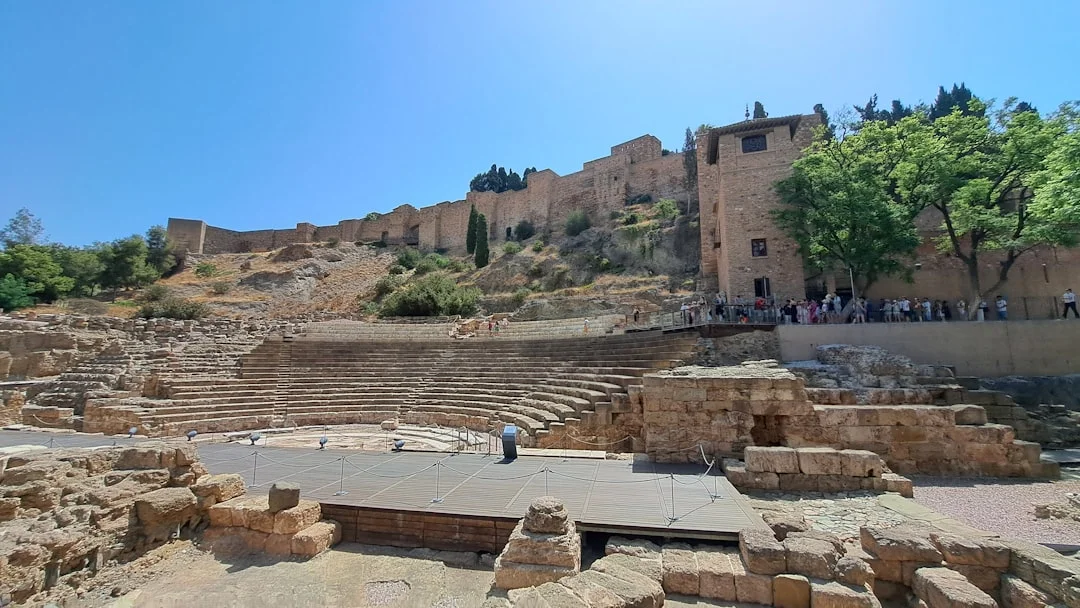
    Long before the Romans built their theater or the Moors constructed the Alcazaba, Phoenician navigators from the Eastern Mediterranean established trading posts along the southern coast of the Iberian Peninsula. Cerro del Villar was strategically founded on an island in the delta of the Guadalhorce River, providing natural defense and direct access to maritime routes.

    What makes the recent discoveries so remarkable is the clarity of the urban plan:

    • Street Networks & Architecture: Excavations have uncovered organized street layouts, multi-room domestic structures, and industrial workshops built with mudbrick on stone foundations.
    • Industrial Hubs: Evidence points to large-scale pottery production, metalworking, and fish processing, demonstrating that the settlement was far more than a temporary trading station.
    • Maritime Commerce: Amphorae and imported luxury goods confirm active trade networks connecting ancient Malaka with North Africa, the Levant, and internal Iberian communities.

    The Evolution from Cerro del Villar to Malaka

    Around the late 6th century BCE, environmental shifts—including river silting and flooding—prompted the inhabitants of Cerro del Villar to relocate slightly eastward to the sheltered bay under Mount Gibralfaro. This relocation formed the core of ancient Malaka, establishing the continuous urban timeline that defines modern Málaga.

    For history enthusiasts and long-term residents, Cerro del Villar offers essential context. It transforms our understanding of the region from a quiet coastal zone into an ancient nexus of international commerce and cultural exchange.

    How to Connect with Málaga’s Phoenician Heritage

    While the active archaeological digging site at Cerro del Villar remains protected for research purposes, visitors and locals can explore this rich era through local cultural institutions:

    1. Museo de Málaga (Palacio de la Aduana): Home to an extensive collection of Phoenician artifacts uncovered across the province, including funerary steles, jewelry, ceramics, and trade items.
    2. Rectorado de la Universidad de Málaga: The basement of the university headquarters houses preserved Phoenician ruins discovered during building renovations.
    3. Historic Center Walking Tours: Many local historical societies offer guided heritage walks tracing the ancient boundary walls of Malaka.

    As research continues at Cerro del Villar, each season uncovers fresh clues about the resilient women and men who first built a life on these shores thousands of years ago. It is a grounding reminder that every step we take through Málaga’s streets connects us to thousands of years of human ambition, craft, and community.

  • Malaga and UMA Partner to Protect Ancient Heritage Sites

    Malaga and UMA Partner to Protect Ancient Heritage Sites

    Málaga is a city defined by its layers of history. From its Phoenician foundation as Malaka to its Roman and Moorish eras, the urban landscape sits atop thousands of years of human civilization. In a major step toward preserving this legacy—much like recent plans to build a medieval ceramics center over ancient ruins in the city center—the Málaga Town Hall—via the Gerencia de Urbanismo—and the University of Málaga (UMA) have signed a formal collaboration agreement to protect and study the city’s most critical archaeological sites.

    As reported by Europa Press in July 2026, this partnership establishes a structured framework for scientific research, archaeological excavations, and the structural preservation of key historical landmarks.

    The Key Sites in Focus

    While the city is increasingly recognized for modern technological milestones, such as the AI robotics research being developed at the University of Málaga, this agreement specifically targets three of Málaga’s most valuable historical assets, each representing a distinct era of the city’s evolution.

    Cerro del Villar: The Phoenician Cradle

    Located near the mouth of the Guadalhorce River, Cerro del Villar is one of the most important Phoenician archaeological sites in the western Mediterranean. Settled in the 8th century BC, this ancient urban center provides invaluable insights into early Mediterranean trade, domestic life, and urban planning. The new collaboration aims to boost ongoing excavations and ensure the preservation of its highly vulnerable clay and mudbrick structures.

    Cerro de la Tortuga: An Ancient Sanctuary

    Overlooking the city, Cerro de la Tortuga holds deep spiritual and historical significance. It served as an Iberian-Roman sanctuary and settlement. Research here helps historians understand the transition period when indigenous Iberian cultures integrated with Roman customs and religious practices.

    The Alcazaba: Structural Preservation

    As Málaga’s most iconic landmark, the Alcazaba fortress requires constant care. Built during the Moorish period over earlier Roman fortifications, this palace-fortress faces ongoing conservation challenges. The partnership will bring UMA’s academic expertise to assist municipal teams with structural monitoring and advanced archaeological analysis, as detailed by La Opinión de Málaga.

    What the Partnership Entails

    Rather than relying on sporadic projects, this agreement establishes a continuous pipeline of academic and municipal cooperation. Key aspects of the alliance include:

    • Joint Research and Excavations: UMA students and faculty will work alongside municipal archaeologists, turning these heritage sites into active learning laboratories.
    • Advanced Conservation Technology: The university will apply modern geological, chemical, and digital imaging techniques to analyze and protect fragile ruins.
    • Public Dissemination: Both institutions are committed to sharing their findings with the public through exhibitions, publications, and educational programs, ensuring that Málaga’s history remains accessible to everyone.

    Why This Matters for Málaga

    For residents and expats, this collaboration is a reminder that Málaga is far more than just a modern coastal destination. By actively investing in the preservation of sites like Cerro del Villar, the city is securing its cultural identity. These efforts not only enrich our understanding of the past but also pave the way for sustainable, heritage-focused tourism that respects and honors the ancient communities that first built this vibrant port city.

    As we look to the future, seeing our local institutions come together to safeguard these fragile links to our past brings a sense of pride and hope. It reminds us that while Málaga continues to grow and modernize, its foundation remains deeply rooted in a rich, shared human history that deserves to be protected for generations to come.