Tag: Carmen Thyssen

  • Museo Carmen Thyssen Málaga eröffnet Ausstellung über den andalusischen Mythos

    Museo Carmen Thyssen Málaga eröffnet Ausstellung über den andalusischen Mythos

    Dekonstruktion des romantischen Bildes Südspaniens

    Seit Jahrhunderten betrachten ausländische Besucher und Künstler Spanien durch eine ausgesprochen romantische Brille – geprägt von den Bildern, Klängen und Archetypen Andalusiens. Von der feurigen Flamenco-Tänzerin und dem mutigen Torero bis hin zu malerischen, weiß getünchten Dörfern und rauen Bandoleros verwandelte sich die südspanische Identität in einen dauerhaften nationalen Mythos. Diese Anziehungskraft hält bis heute an und führt zu stetig steigenden Besucherzahlen, die Großprojekte wie die geplante 1,5-Milliarden-Euro-Erweiterung des Flughafens Málaga ab 2029 erforderlich machen.

    Das Museo Carmen Thyssen in Málaga hat eine bedeutende Sonderausstellung eröffnet, die genau dieses Phänomen fundiert beleuchtet. Unter dem Titel „Olé. El mito español a través de Andalucía“ vereint die Schau bildende Kunst und historische Bildmaterialien, um aufzuzeigen, wie diese tief verwurzelten Klischees erschaffen, romantisiert und in das Gesamtnarrativ der spanischen Identität integriert wurden. Wer die Galerie im Stadtzentrum besuchen möchte, sollte jedoch beachten, dass Dreharbeiten auf der nahegelegenen Calle Larios derzeit für Verkehrseinschränkungen in Málaga sorgen.

    Wie Andalucía Información berichtet, bietet die Ausstellung eine nuancierte Kritik der Costumbrismo-Kunst und untersucht, wie europäische Romantik-Reisende im 19. Jahrhundert die südspanische Folklore als prägendes Symbol für die gesamte Nation übernahmen.

    Hauptthemen der Ausstellung

    Besucher, die durch die Galerien im historischen Palacio de Villalón aus dem 16. Jahrhundert schlendern, erwartet eine sorgfältig kuratierte Reise, die künstlerischen Idealismus mit der historischen Realität kontrastiert.

    1. Die Geburt des romantischen Reisenden

    Im 19. Jahrhundert strömten Schriftsteller und Maler aus Nordeuropa auf der Suche nach Exotik und Leidenschaft nach Andalusien. Ihre Gemälde prägten eine ikonische Bildsprache: sonnenverwöhnte Innenhöfe, traditionelle Trachten und dramatische Theatralik.

    2. Andalusische Archetypen

    Die Ausstellung verdeutlicht, wie bestimmte Figuren – wie der Majo und die Maja, Flamenco-Künstler, ländliche Banditen und Volksmusiker – auf internationalen Kunstmärkten zu symbolischen Ikonen der spanischen Nationalseele wurden.

    3. Tradition vs. Moderne

    Über den visuellen Reiz hinaus untersucht die Sammlung, wie diese romantischen Darstellungen einem doppelten Zweck dienten. Während sie das regionale Erbe und die Folklore feierten, überdeckten sie manchmal die sozioökonomischen Realitäten der Region und die rasche Modernisierung zu Beginn des 20. Jahrhunderts.

    Praktische Informationen für Besucher

    Wenn Sie planen, die Ausstellung während Ihres Aufenthalts in Málaga zu besuchen, finden Sie hier die wichtigsten Informationen:

    • Lage: Museo Carmen Thyssen Málaga (Calle Compañía, 10, Historisches Zentrum).
    • Veranstaltungsort: Untergebracht im wunderschön restaurierten Palacio de Villalón, der sich auch über der kürzlich freigelegten unterirdischen römischen Villa des Museums befindet.
    • Anreise: Nur 5 Gehminuten von der Calle Larios und der Plaza de la Constitución entfernt.
    • Tickets: Eintrittskarten können online auf dem offiziellen Museumsportal oder direkt an der Tageskasse erworben werden. Ermäßigte Tarife gibt es für Studierende und Senioren. Sonntags ab 17:00 Uhr ist der Eintritt für alle Besucher frei; zudem gibt es gelegentliche Aktionen wie den kostenlosen Eintritt an Donnerstagabenden.

    Lokaler Tipp: Verbinden Sie Ihren Museumsbesuch mit einem entspannten Kaffee auf der nahe gelegenen Plaza de San Ignacio oder einem Spaziergang durch das umliegende historische Viertel, in dem die klassische Architektur des 19. Jahrhunderts noch immer die in den Gemälden dargestellte Epoche widerspiegelt.

    Eine tiefere Verbindung zum lokalen Erbe

    Für Anwohner und Langzeitbesucher an der Costa del Sol bietet das Verständnis der lokalen Kunstgeschichte eine tiefere Verbindung zum Alltagsleben in Südspanien. Während Begriffe wie „Olé“ in der weltweiten Popkultur oft beiläufig verwendet werden, offenbart die Entdeckung der künstlerischen Wurzeln hinter diesen Symbolen einen komplexen Dialog zwischen Selbstidentität, lokalem Erbe und Fremdwahrnehmung.

    Während sich die Kunst verändert und Städte sich weiterentwickeln, hilft uns das Innehalten in einem ruhigen Innenhof des Museums dabei, die Ursprünge dieser kulturellen Geschichten zu reflektieren und den wahren Reichtum des heutigen Málaga zu schätzen. Wir hoffen, dass Sie das Erkunden dieser faszinierenden Sammlung ebenso genießen wie wir.
  • Carmen Thyssen Málaga Opens Andalusian Myth Exhibition

    Carmen Thyssen Málaga Opens Andalusian Myth Exhibition

    Deconstructing the Romantic Image of Southern Spain

    For centuries, foreign visitors and artists have viewed Spain through a distinctly romantic lens—one framed largely by the sights, sounds, and archetypes of Andalusia. From the fiery flamenco dancer and the courageous torero to picturesque whitewashed towns and rugged bandoleros, southern Spanish identity was transformed into an enduring national myth—a legacy that continues to draw millions of global travelers today, driving major infrastructure projects like the planned €1.5B expansion of Málaga Airport.

    The Carmen Thyssen Museum in Málaga has opened a major temporary exhibition that takes an insightful look at this exact phenomenon. Titled “Olé. El mito español a través de Andalucía”, the show brings together fine art and historical imagery to unpack how these deep-rooted stereotypes were crafted, romanticized, and integrated into the broader narrative of Spanish identity. Visitors planning to head to the museum should keep local travel conditions in mind, as a recent film shoot on Calle Larios has triggered traffic cuts throughout the city center.

    As reported by Andalucía Información, the exhibition offers a nuanced critique of costumbrista art, examining how European romantic travelers in the 19th century adopted southern folklore as the defining symbol for the entire nation.

    Key Themes of the Exhibition

    Visitors wandering through the galleries inside the museum’s historic 16th-century Palacio de Villalón will find a carefully curated journey that contrasts artistic idealism with historical reality.

    1. The Birth of the Romantic Traveler

    In the 19th century, writers and painters from Northern Europe flocked to Andalusia in search of exoticism and passion. Their paintings established iconic imagery: sun-drenched courtyards, traditional costumes, and dramatic theatricality.

    2. Andalusian Archetypes

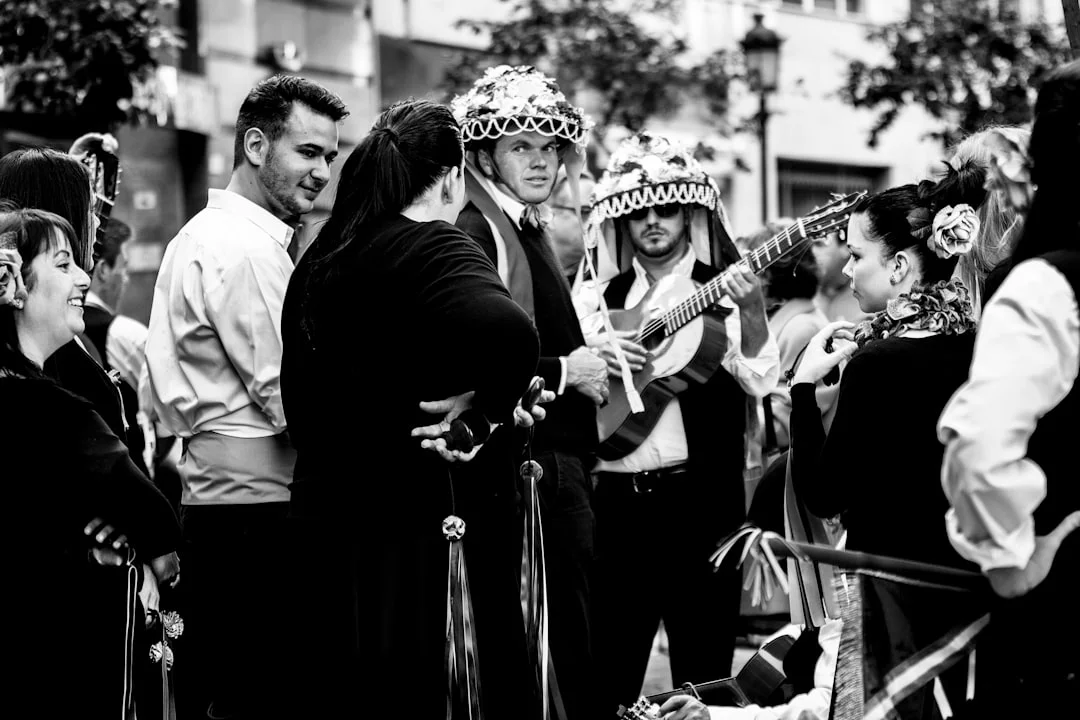
    The exhibition highlights how specific figures—the majo and maja, flamenco performers, rural bandits, and folk singers—became shorthand icons for Spain’s national soul in international art markets.

    3. Tradition vs. Modernity

    Beyond visual appeal, the collection explores how these romantic depictions served dual purposes. While celebrating regional heritage and folklore, they sometimes overshadowed the region’s socio-economic realities and rapid modernization moving into the 20th century.

    Practical Info for Visitors

    If you are planning to visit the exhibition during your time in Málaga, here is what you need to know:

    • Location: Museo Carmen Thyssen Málaga (Calle Compañía, 10, Historic Centre).
    • Venue: Housed inside the beautifully restored Palacio de Villalón, which also sits above the museum’s recently revealed underground Roman Villa.
    • Getting There: A short 5-minute walk from Calle Larios and Plaza de la Constitución.
    • Tickets: Tickets can be purchased online at the official museum portal or directly at the box office. Discounted rates are available for students and seniors, while entry is free for all visitors on Sunday afternoons after 17:00, alongside occasional seasonal promotions such as free late-night Thursday admission.

    Local Tip: Pair your museum visit with a quiet coffee in the nearby Plaza de San Ignacio or a walk through the surrounding historic quarter, where classical 19th-century architecture still reflects the era depicted in the paintings.

    A Deeper Connection to Local Heritage

    For residents and long-term visitors on the Costa del Sol, understanding local art history offers a deeper connection to everyday life in southern Spain. While terms like “Olé” are often used casually across global pop culture, discovering the artistic roots behind these symbols reveals a complex dialogue between self-identity, local heritage, and foreign perception.

    As art shifts and cities evolve, taking time to step inside a quiet museum court and reflect on where these cultural stories began helps us appreciate the true richness of Málaga today. We hope you enjoy exploring this compelling collection as much as we did.

  • Carmen Thyssen Malaga Opens Free on Thursday Nights

    Carmen Thyssen Malaga Opens Free on Thursday Nights

    When summer temperatures in Malaga climb, outdoor sightseeing during the day becomes a challenge. Fortunately, the city’s vibrant cultural scene is adapting to the climate by shifting its activities to the cooler evening hours. For locals, expats, and visitors looking for a perfect post-sunset plan, the Carmen Thyssen Museum Malaga has introduced an ideal solution.

    Under the initiative ‘Noches Coanfi en el Thyssen’, the museum is opening its doors completely free of charge during select Thursday nights this summer. It is a fantastic opportunity to enjoy world-class art without the daytime heat or the usual ticket price, especially for visitors navigating the city’s changing accommodation landscape now that Malaga has banned new tourist apartments on residential land.

    Key Dates and Times for 2026

    To plan your visit, keep these specific dates and times in mind:

    • When: Every Thursday night in July 2026, as well as the first two Thursdays of August (specifically August 6 and August 13, 2026).
    • Hours: The free-entry period runs from 20:00 to 23:00 (8:00 PM to 11:00 PM).
    • Cost: Completely free; no advance booking is required to access the galleries during these hours.

    According to the local events roundup by Diario Sur, this initiative is one of the standout free cultural plans available in the province this summer, offering a refreshing alternative to traditional nightlife.

    What Can You See During the Free Hours?

    This is not a scaled-back visit. Late-night guests have access to the museum’s most significant spaces, making it a comprehensive cultural experience:

    1. The Permanent Collection: Housed within the beautiful 16th-century Palacio de Villalón, the collection features an incredible survey of 19th-century Spanish and Andalusian painting, showcasing works by master artists like Joaquín Sorolla, Francisco de Zurbarán, and Julio Romero de Torres.
    2. The Archaeological Site: Located beneath the palace, this underground space reveals Roman remains dating back to the 1st to 5th centuries AD, including the fascinating underground Roman villa and fish-salting basins.
    3. Temporary Exhibitions: Visitors can also explore three temporary exhibitions currently running at the museum, including the highly anticipated ‘Archipiélago’ exhibition, which explores contemporary artistic dialogues.

    Practical Tips for Your Visit

    • Arrive Early but Expect a Queue: Because this is a free event in the heart of the historic center, expect a brief queue outside the palace doors. Arriving shortly before 20:00 is highly recommended.
    • Combine Art with Tapas: The museum is located on Calle Compañía, just steps away from Plaza de la Constitución. It is the perfect starting point for a late-night tapas run once the galleries close at 23:00.
    • Dress Comfortably: While the museum interior is perfectly air-conditioned (a welcome relief from the summer humidity), the streets of Malaga will still be warm, so light clothing and comfortable walking shoes are key.

    Taking advantage of these late-night openings is one of the best ways to experience Malaga like a local. There is something uniquely peaceful about wandering through quiet, air-conditioned galleries while the bustling city outside slowly winds down from the heat of the day. We hope this initiative brings a touch of fresh air and inspiration to your summer evenings in our beautiful city.

  • Last Chance: Mariano Fortuny at the Carmen Thyssen Museum

    Last Chance: Mariano Fortuny at the Carmen Thyssen Museum

    If you are looking for a last-minute cultural escape to round off your May long weekend (Puente de Mayo) in Málaga, look no further. The Carmen Thyssen Museum is currently wrapping up a highly specific, beautifully curated exhibition that deserves your attention before it is gone.

    Inside ‘Mariano Fortuny. Dibujos’

    While Mariano Fortuny is often celebrated for his vibrant Orientalist paintings and masterful use of color, his foundational skill lay in his drawing. The exhibition, aptly titled Mariano Fortuny. Dibujos, strips away the canvas to reveal the raw, intricate talent of the artist through his sketches and prints.

    Featuring an intimate collection of around 30 drawings and engravings, this showcase gives visitors a rare glimpse into Fortuny’s creative process. As noted in a recent feature by Expansión, the exhibit highlights his unparalleled precision and his ability to capture fleeting moments with just a few strokes of ink or graphite. It is a quiet, contemplative experience that contrasts perfectly with the busy streets of Málaga’s historic center.

    The Perfect Morning Plan

    The Carmen Thyssen Museum is nestled right in the heart of the city on Calle Compañía. This makes it an ideal anchor for a morning itinerary. You can grab a coffee and a pitufo at a nearby café, spend an hour or two admiring Fortuny’s delicate line work, and then step right back out into the lively atmosphere of the historic center for lunch.

    Because the exhibition is relatively small, it does not demand the exhausting time commitment of larger retrospectives. It is accessible, focused, and highly rewarding—perfect for both art aficionados and casual visitors just looking for a dose of culture.

    Catch It Before It Closes

    Here is the catch: you need to act fast. The Mariano Fortuny. Dibujos exhibition officially closes its doors on May 3rd, 2026. If you are reading this over the long weekend, this is your final opportunity to see these works assembled in one place.

    • Location: Carmen Thyssen Museum Málaga (Calle Compañía, 10)
    • Exhibition: Mariano Fortuny. Dibujos
    • Closing Date: May 3, 2026

    There is something special about catching an exhibition in its final days. It feels like a shared secret among those who made the time to see it before the pieces are packed away and returned to the archives. We hope you get the chance to stroll through the Thyssen’s elegant courtyard and enjoy this quiet masterclass in draftsmanship. It is these small, fleeting cultural moments that make exploring Málaga so profoundly enriching.