Tag: by:paula_vega

  • Málagas Vision für 2025: Strengere Mietregeln und grüner Verkehr

    Málagas Vision für 2025: Strengere Mietregeln und grüner Verkehr

    Wenn Sie kürzlich durch das historische Zentrum von Málaga spaziert sind, haben Sie wahrscheinlich die Energie gespürt. Es ist unbestreitbar – die Stadt blüht auf. Aber mit der Beliebtheit kommt die unvermeidliche Frage nach der Lebensqualität. Wie heißt eine Stadt die Welt willkommen, ohne ihre Seele (oder ihren bezahlbaren Wohnraum) zu verlieren?

    Wir erleben derzeit einen bedeutenden Wandel in der Stadtstrategie von Málaga. Die lokalen und regionalen Regierungen bewegen sich weg vom „Alles ist erlaubt“-Wachstum des letzten Jahrzehnts hin zu einem regulierten, regenerativen Modell. Der Fokus verlagert sich auf zwei entscheidende Säulen: die Kontrolle der Explosion von Ferienwohnungen und massive Investitionen in nachhaltige Mobilität.

    Hier erfahren Sie, was vor Ort geschieht und was das für Einwohner und Besucher gleichermaßen bedeutet.

    Das Vorgehen gegen Ferienwohnungen (VUTs)

    Seit Jahren wird die Diskussion um Wohnraum in Málaga vom Anstieg der Viviendas de Uso Turístico (VUTs) – im Grunde kurzfristige Ferienvermietungen – dominiert. Während sie wirtschaftliche Aktivität gebracht haben, haben sie auch immensen Druck auf den regulären Mietmarkt ausgeübt.

    Nun zieht die Verwaltung die Zügel an. Die Junta de Andalucía rollt einen strengen Inspektionsplan für 2025 und 2026 aus. Das Ziel ist nicht nur, Angebote zu zählen, sondern aktiv illegale Betriebe aufzuspüren und zu sanktionieren.

    Laut Berichten von Diario de Almería hat die Regionalregierung Vereinbarungen unterzeichnet, um die Inspektion touristischer Aktivitäten zu verstärken. Dies beinhaltet die Überprüfung, ob Immobilien Qualitätsstandards erfüllen und, was entscheidend ist, ob sie legal registriert sind. Die Botschaft ist klar: Die Ära des unregulierten Wachstums endet. Durch die Durchsetzung bestehender Gesetze und die Einführung strengerer Aufsicht hofft die Stadt, einen Teil des Wohnungsbestands wieder dem langfristigen Wohnungsmarkt zuzuführen.

    Ein 2,9-Millionen-Euro-Schub für den öffentlichen Verkehr

    Während Wohnen die eine Seite der Medaille ist, ist die Art und Weise, wie wir uns in der Stadt bewegen, die andere. Eine lebenswerte Stadt muss eine mobile Stadt sein, und Málaga erhält eine bedeutende Finanzspritze, um dies zu ermöglichen.

    Das Verkehrsministerium hat Málaga rund 2,9 Millionen Euro zur Subventionierung des öffentlichen Nahverkehrs zugewiesen. Diese Finanzierung ist Teil einer breiteren nationalen Initiative, um den öffentlichen Verkehr bezahlbar und effizient zu halten.

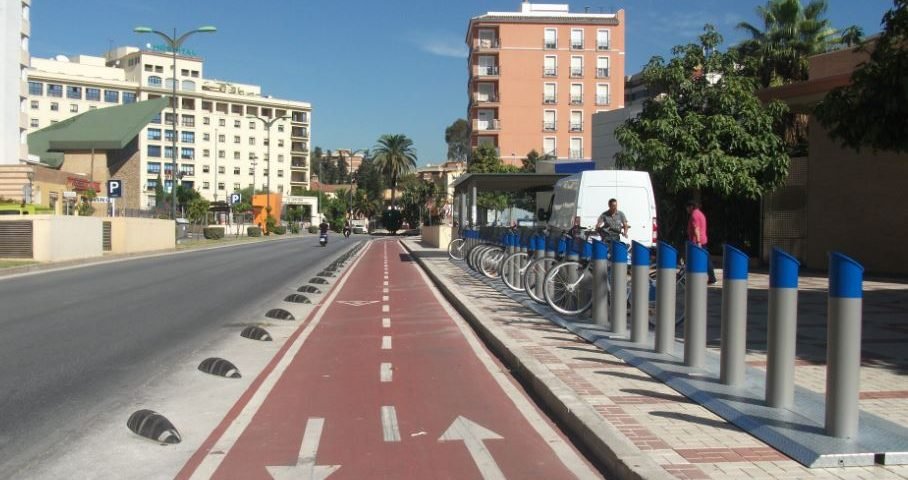
    Wie von La Cerca detailliert berichtet, sollen diese Mittel dazu dienen, die Fahrpreissenkungen für regelmäßige Nutzer zu unterstützen und die Flotte zu modernisieren. Aber es geht nicht nur um Busse. Ein besonderer Schwerpunkt liegt auf öffentlichen Fahrradverleihsystemen (wie unserem geliebten Málaga Bici).

    Die Vision ist eine Stadt, in der Sie kein Auto brauchen, um zur Arbeit oder zum Strand zu kommen. Durch die Subventionierung des kollektiven Verkehrs und Anreize für das Radfahren versucht Málaga, seine Verkehrsadern zu entlasten und den CO2-Fußabdruck seiner Bewohner zu reduzieren.

    Qualität vor Quantität: Die neue Tourismusstrategie

    Diese regulatorische Verschärfung geht mit einem Wandel der Marketingstrategie einher. Málaga ist nicht mehr verzweifelt auf der Suche nach mehr Touristen; es will besseren Tourismus. Die Stadt positioniert sich als Premium-Tor für hochwertige Besucher und stärkt insbesondere die Beziehungen zum Cono Sur (Südamerika).

    Dies ist ein strategischer Schachzug, um Besucher anzuziehen, die länger bleiben, mehr ausgeben und sich tiefer mit der lokalen Kultur auseinandersetzen, anstatt nur für einen Wochenend-Junggesellenabschied durchzureisen. Wie von El Cronista angemerkt, prognostiziert die Verbindung zwischen Spanien und dem Cono Sur eine signifikante Expansion bis 2026, was Málaga als wichtigen kulturellen und wirtschaftlichen Einstiegspunkt positioniert.

    Was das für Sie bedeutet

    Wenn Sie hier leben:
    Erwarten Sie strengere Kontrollen des Airbnb Ihres Nachbarn und möglicherweise weniger Schlüsseltresore an den Haustüren. Was den Arbeitsweg betrifft, bedeuten die fortgesetzten Subventionen für den öffentlichen Verkehr, dass der Bus oder ein öffentliches Fahrrad eine kostengünstige Alternative zum Autofahren bleiben.

    Wenn Sie zu Besuch sind:
    Die Unterkunftslandschaft professionalisiert sich. Sie finden vielleicht weniger „wilde“ Angebote, aber die Qualität und Legalität dessen, was bleibt, sollte sich verbessern. Die Stadt ist ohne Mietwagen leichter zu navigieren, also ziehen Sie in Betracht, das Bus- oder Metrosystem zu nutzen, um Stadtteile jenseits des Zentrums zu erkunden.

    Veränderungen in einer so alten und komplexen Stadt wie Málaga geschehen nie über Nacht. Es ist ein langsamer, manchmal chaotischer Prozess der Neuausrichtung. Aber zu sehen, dass die Verwaltung Geld und Gesetzgebung hinter die Ideen von Nachhaltigkeit und Wohnraumkontrolle stellt, gibt uns Grund zum Optimismus. Wir alle wollen ein Málaga, das Besucher willkommen heißt, aber in erster Linie ein wunderbarer Ort bleibt, den man sein Zuhause nennt.
  • Málaga: Das neue globale Labor für nachhaltigen Tourismus

    Málaga: Das neue globale Labor für nachhaltigen Tourismus

    Es ist leicht, Málaga zu betrachten und nur das funkelnde Mittelmeer, die historische Alcazaba und die belebten Terrassen der Calle Larios zu sehen. Seit Jahrzehnten ist diese Stadt das Aushängeschild für ein erfolgreiches Urlaubsziel. Jedoch vollzieht sich unter der Oberfläche ein bedeutender Wandel. Málaga ist nicht mehr nur ein Ort, den man besucht; es entwickelt sich zu dem Ort, an dem über die Zukunft des Reisens entschieden wird.

    In einem Schritt, der seinen Status als strategischer Vorreiter festigt, ist Málaga in die globale Elite des Tourismusmanagements aufgestiegen. Die Stadt positioniert sich als „globales Labor“, in dem Strategien getestet und umgesetzt werden, die definieren werden, wie die Welt in den kommenden Jahrzehnten reist.

    Beitritt zur Elite: Das UNWTO-Netzwerk

    Der bedeutendste Schritt in dieser Transformation ist Málagas kürzliche Aufnahme in das International Network of Sustainable Tourism Observatories (INSTO) der Welttourismusorganisation (UNWTO). Dies ist nicht bloß eine Auszeichnung; es ist eine funktionale Integration in ein hochrangiges Monitoring-System.

    Wie von Hosteltur berichtet, ist Málaga das fünfte Reiseziel in Spanien, das diesem prestigeträchtigen Netzwerk beitritt. Was bedeutet das für die Stadt? Es verwandelt Málaga in ein datengesteuertes Zentrum, in dem die wirtschaftlichen, ökologischen und sozialen Auswirkungen des Tourismus mit wissenschaftlicher Präzision gemessen werden. Mit dem Beitritt zu diesem Netzwerk verpflichtet sich die Stadt zu einer kontinuierlichen Überwachung, um sicherzustellen, dass das Tourismuswachstum der lokalen Bevölkerung ebenso zugutekommt wie den Besuchern.

    Eine Brücke zwischen den Kontinenten: Das VI. Iberoamerikanische Forum

    Um diesen neuen Status zu bekräftigen, ist Málaga derzeit Gastgeber des VI. Iberoamerikanischen Forums für nachhaltigen Tourismus. Diese Veranstaltung ist nicht nur eine weitere Konferenz; sie ist ein strategischer Treffpunkt, der zwei Kontinente verbindet.

    Laut Entorno Turístico bringt das Forum über 30 internationale Referenten aus mehr als 15 Ländern zusammen. Ziel ist es, einen Dialog zwischen Europa und Lateinamerika zu schaffen, wobei Málaga als physische und intellektuelle Brücke dient. Die Diskussionen konzentrieren sich auf kritische Themen wie:

    • Anpassung an den Klimawandel: Wie Küstenstädte widerstandsfähig bleiben können.
    • Soziale Nachhaltigkeit: Sicherstellen, dass der Tourismus lokale Gemeinschaften unterstützt, anstatt sie zu verdrängen.
    • Technologie: Nutzung von Big Data zur Steuerung von Besucherströmen.

    Dezentralisierung und qualitativ hochwertige Beschäftigung

    Das Gespräch in Málaga bewegt sich weg von „Wie viele Touristen können wir bekommen?“ hin zu „Wie beeinflusst der Tourismus unser Leben?“. Ein Hauptfokus dieser neuen strategischen Ausrichtung ist die Dezentralisierung. Ziel ist es, die Vorteile (und die Besucherströme) des Tourismus über das historische Zentrum hinaus in die Stadtviertel und die umliegende Provinz zu verteilen.

    Darüber hinaus liegt ein erneuter Schwerpunkt auf der Qualität der Beschäftigung innerhalb des Sektors. Es reicht nicht mehr aus, Arbeitsplätze zu schaffen; die Branche drängt auf Professionalisierung und bessere Arbeitsbedingungen, um sicherzustellen, dass der Sektor für Arbeitnehmer nachhaltig ist, nicht nur für Investoren. Wie in einem Meinungsartikel von Diario Sur angemerkt, hängt die Zukunft des Tourismus an der Costa del Sol von diesem Gleichgewicht zwischen Wirtschaftsmotor und sozialem Wohlergehen ab.

    Ein Labor für die Zukunft

    Málagas Wandel zu einem „Global Hub“ bedeutet, dass die Stadt Verantwortung für ihren eigenen Erfolg übernimmt. Sie entwirft aktiv ein Modell, das andere Städte auf der ganzen Welt in Zukunft wahrscheinlich kopieren werden. Durch die Kombination von hochrangiger institutioneller Unterstützung durch die UNWTO mit praktischem, kontinentalübergreifendem Dialog auf dem Iberoamerikanischen Forum beweist Málaga, dass es den Verstand hat, der seiner Schönheit entspricht.

    Für diejenigen von uns, die hier leben, ist dieser Wandel hoffnungsvoll. Er deutet auf eine Zukunft hin, in der die Stadt die Besucherwellen nicht nur überlebt, sondern durch sie aufblüht, ihre Seele bewahrt und gleichzeitig die Welt willkommen heißt. Es ist ein empfindliches Gleichgewicht, aber wenn eine Stadt die Energie hat, dies zu meistern, dann ist es sicherlich Málaga.

  • Málaga: The New Global Laboratory for Sustainable Tourism

    Málaga: The New Global Laboratory for Sustainable Tourism

    It is easy to look at Málaga and see only the sparkling Mediterranean, the historic Alcazaba, and the bustling terraces of Calle Larios. For decades, this city has been the poster child for a successful holiday destination. However, a significant shift is occurring beneath the surface. Málaga is no longer just a place people come to visit; it is becoming the place where the very future of travel is decided.

    In a move that cements its status as a strategic leader, Málaga has entered the global elite of tourism management. The city is positioning itself as a “global laboratory,” testing and implementing the strategies that will define how the world travels in the coming decades.

    Joining the Elite: The UNWTO Network

    The most significant step in this transformation is Málaga’s recent acceptance into the International Network of Sustainable Tourism Observatories (INSTO) of the World Tourism Organization (UNWTO). This is not merely a badge of honor; it is a functional integration into a high-level monitoring system.

    As reported by Hosteltur, Málaga has become the fifth destination in Spain to join this prestigious network. What does this mean for the city? It transforms Málaga into a data-driven hub where the economic, environmental, and social impacts of tourism are measured with scientific precision. By joining this network, the city commits to continuous monitoring to ensure that tourism growth benefits the local population as much as the visitors.

    A Bridge Between Continents: The VI Ibero-American Forum

    Reinforcing this new status, Málaga is currently the host of the VI Ibero-American Forum on Sustainable Tourism. This event is not just another conference; it is a strategic meeting point connecting two continents.

    According to Entorno Turístico, the forum brings together over 30 international speakers from more than 15 countries. The goal is to create a dialogue between Europe and Latin America, using Málaga as the physical and intellectual bridge. The discussions focus on critical issues such as:

    • Climate Change Adaptation: How coastal cities can remain resilient.
    • Social Sustainability: Ensuring tourism supports local communities rather than displacing them.
    • Technology: Using big data to manage visitor flows.

    Decentralization and Quality Employment

    The conversation in Málaga is moving away from “how many tourists can we get?” to “how does tourism affect our life?” A key focus of this new strategic direction is decentralization. The aim is to spread the benefits (and the foot traffic) of tourism beyond the historic center and into the neighborhoods and surrounding province.

    Furthermore, there is a renewed emphasis on the quality of employment within the sector. It is no longer enough to create jobs; the industry is pushing for professionalization and better working conditions to ensure the sector is sustainable for workers, not just investors. As noted in an opinion piece by Diario Sur, the future of tourism in the Costa del Sol depends on this balance between economic engine and social wellbeing.

    A Laboratory for the Future

    Málaga’s transition into a “Global Hub” means the city is taking responsibility for its own success. It is actively designing a model that other cities around the world will likely copy in the future. By combining high-level institutional backing from the UNWTO with practical, cross-continental dialogue at the Ibero-American Forum, Málaga is proving it has the brains to match its beauty.

    For those of us who live here, this shift is hopeful. It suggests a future where the city doesn’t just survive the waves of visitors, but thrives because of them, maintaining its soul while welcoming the world. It is a delicate balance, but if any city has the energy to figure it out, it is certainly Málaga.

  • Málaga’s 2025 Vision: Tighter Rental Rules and Green Transport

    Málaga’s 2025 Vision: Tighter Rental Rules and Green Transport

    If you have walked through the historic center of Málaga recently, you have likely felt the buzz. It is undeniable—the city is thriving. But with popularity comes the inevitable question of livability. How does a city welcome the world without losing its soul (or its affordable housing)?

    We are currently witnessing a major pivot in Málaga’s urban strategy. The local and regional governments are moving away from the “anything goes” growth of the past decade toward a regulated, regenerative model. The focus is shifting to two critical pillars: controlling the explosion of tourist apartments and heavily investing in sustainable mobility.

    Here is what is happening on the ground and what it means for residents and visitors alike.

    The Crackdown on Tourist Apartments (VUTs)

    For years, the conversation around housing in Málaga has been dominated by the rise of Viviendas de Uso Turístico (VUTs)—essentially, short-term holiday rentals. While they have brought economic activity, they have also put immense pressure on the residential rental market.

    Now, the administration is tightening the screws. The Junta de Andalucía is rolling out a rigorous inspection plan for 2025 and 2026. The goal isn’t just to count listings but to actively detect and sanction illegal operations.

    According to reports from Diario de Almería, the regional government has signed agreements to reinforce the inspection of tourism activities. This involves checking that properties meet quality standards and, crucially, that they are legally registered. The message is clear: the era of unregulated growth is ending. By enforcing existing laws and introducing stricter oversight, the city hopes to return some housing stock to the long-term residential market.

    A €2.9 Million Boost for Public Transport

    While housing is one side of the coin, how we move around the city is the other. A livable city must be a mobile city, and Málaga is getting a significant financial injection to make that happen.

    The Ministry of Transport has allocated approximately 2.9 million euros to Málaga to subsidize public transport. This funding is part of a broader national initiative to keep public transit affordable and efficient.

    As detailed by La Cerca, these funds are designed to support the reduction of fares for regular users and to modernize the fleet. But it is not just about buses. There is a specific emphasis on public bicycle lending systems (like our beloved Málaga Bici).

    The vision is a city where you don’t need a car to get to work or the beach. By subsidizing collective transport and incentivizing cycling, Málaga is trying to unclog its arteries and reduce the carbon footprint of its residents.

    Quality Over Quantity: The New Tourism Strategy

    This regulatory tightening pairs with a shift in marketing strategy. Málaga is no longer desperate for more tourists; it wants better tourism. The city is positioning itself as a premium gateway for high-value visitors, particularly strengthening ties with the Southern Cone (South America).

    This is a strategic move to attract visitors who stay longer, spend more, and engage more deeply with the local culture, rather than just passing through for a weekend bachelor party. As noted by El Cronista, the connection between Spain and the Southern Cone is projecting significant expansion by 2026, positioning Málaga as a key cultural and economic entry point.

    What This Means for You

    If you live here:
    Expect to see more rigorous checks on your neighbor’s Airbnb and potentially fewer lockboxes appearing on front doors. On the commute front, the continued subsidies for public transport mean that taking the bus or grabbing a public bike remains a cost-effective alternative to driving.

    If you are visiting:
    The accommodation landscape is professionalizing. You might find fewer “wild” listings, but the quality and legality of what remains should improve. The city is easier to navigate without a rental car, so consider using the bus or metro system to explore neighborhoods beyond the center.

    Change in a city as ancient and complex as Málaga never happens overnight. It is a slow, sometimes messy process of recalibration. But seeing the administration put money and legislation behind the ideas of sustainability and housing control gives us reason to be optimistic. We all want a Málaga that is welcoming to visitors but remains, first and foremost, a wonderful place to call home.