Tag: by:maria_rojas

  • Early Summer Hits Malaga: 30°C Next Week Amid Beach Safety Concerns

    Early Summer Hits Malaga: 30°C Next Week Amid Beach Safety Concerns

    Aquí tienes el contenido HTML enriquecido con los enlaces interconectados de forma natural y aportando contexto de valor al lector sobre temas como las multimillonarias inversiones hoteleras de lujo en la Costa del Sol:

    If you’ve been walking along the Malagueta this week, you might have noticed the sun biting a little harder than usual for mid-April. Spring is officially taking a back seat, and summer is knocking on Malaga’s door much earlier than expected.

    For expats and visitors looking to make the most of the Costa del Sol, the timing seems perfect. However, before you pack your cooler and head for the sand, there is a local situation worth understanding regarding the safety infrastructure on our beaches.

    An Early Summer Forecast for April 2026

    According to the state meteorological agency (AEMET), as reported by Málaga Hoy, we are looking at an unseasonal heatwave next week. Maximum temperatures are forecast to break the 30°C (86°F) mark in the city.

    If you’re wondering whether it will cool down enough in the evenings, the coastal minimum temperatures are expected to comfortably sit above 15°C. This means no more shivering when the sun dips behind the mountains—it is officially t-shirt weather around the clock.

    Are Malaga Beaches Open Now?

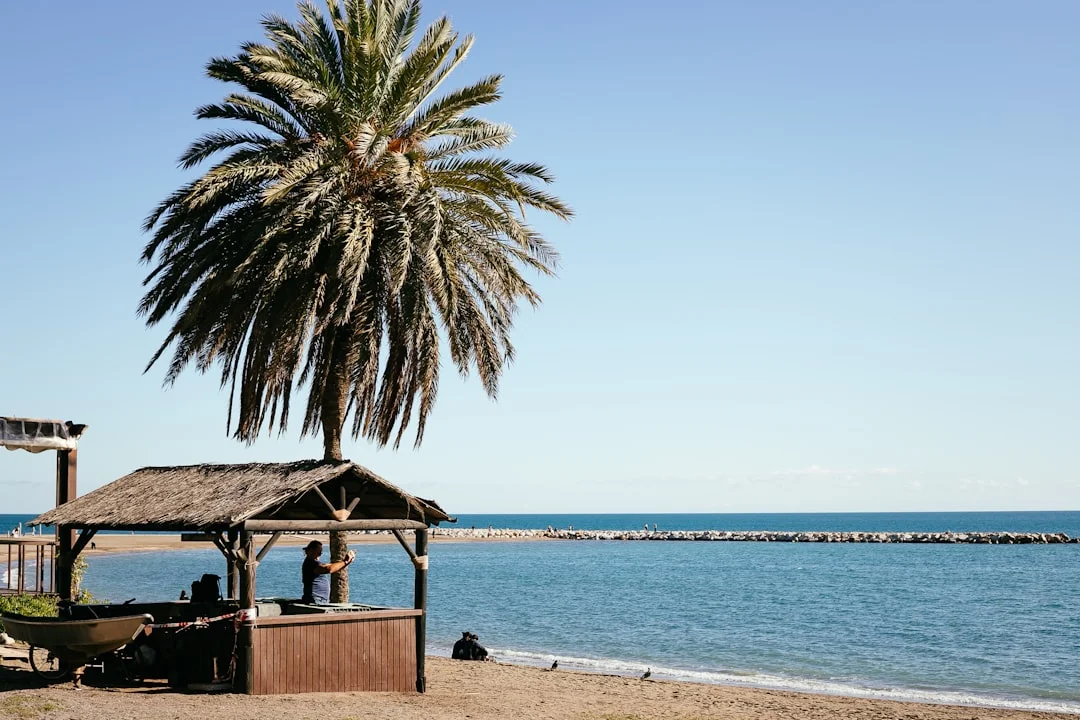
    The short answer is yes. The beaches are open, the chiringuitos are firing up their espeto boats, and the Mediterranean is starting to look very inviting. But there is a catch.

    While the weather is ready for summer, the local infrastructure is experiencing some growing pains. In contrast to neighboring towns that are already securing their coastlines with new lifeguard stations, local lifeguards here have raised serious concerns about their working conditions, specifically highlighting the structural instability of the beach surveillance towers.

    As documented in recent video reports by La Opinión de Málaga, the personnel responsible for keeping swimmers safe have officially denounced the state of these wooden watchtowers. Many of these structures are swaying or structurally compromised, making it difficult—and potentially dangerous—for lifeguards to do their jobs effectively from an elevated position.

    What This Means for Your Beach Day

    This doesn’t mean you need to cancel your beach plans, but it does require a bit of practical common sense. Here is how to handle the current situation:

    • Swim within your limits: With lifeguards potentially hindered by unsafe watchtowers, their response times or visibility could be affected. Don’t take unnecessary risks in the water.
    • Watch the flags: Always pay attention to the beach warning flags (Green, Yellow, Red). They are your most reliable indicator of water safety on any given day.
    • Keep an eye on your group: If you are visiting with children or weak swimmers, designate a “water watcher” within your own group to maintain constant visual contact.
    • Respect the staff: The lifeguards are out there trying to protect the public while navigating their own workplace safety issues. A little patience and respect go a long way.

    We all love the thrill of an early summer, and the sudden jump in temperatures is a welcome treat after the unpredictable spring showers that have been crucial for Málaga’s reservoir levels. Getting to enjoy the Mediterranean in April is one of the many reasons we call this stretch of the coast home. Let’s just make sure we do it responsibly, looking out for one another while the city works to get the beach infrastructure up to the standards our dedicated rescue workers deserve.

  • Celebrating 25 Years of Literary Gatherings at Librería Rayuela

    Celebrating 25 Years of Literary Gatherings at Librería Rayuela

    Málaga is internationally famous for its blockbuster art museums and vibrant coastline, but the city’s cultural fabric goes much deeper than what is printed on tourist brochures. If you want to understand the real Málaga, you have to look at its independent spaces. This month, one of the city’s most beloved literary institutions, Librería Rayuela, is celebrating a massive milestone: 25 years of continuous monthly literary gatherings.

    Whether you are a long-time resident or a newly arrived expat looking to connect with the community, here is why this quarter-century celebration matters and how you can get involved.

    A Quarter-Century of Words

    Since January 2001, Librería Rayuela has been hosting its monthly tertulia—a traditional Spanish literary gathering—without a single interruption. As highlighted in a recent retrospective by La Opinión de Málaga, these sessions have quietly become a cornerstone of the local cultural scene.

    Over the past 25 years, the bookstore’s gatherings have welcomed a diverse crowd:
    * Renowned authors discussing their latest works and creative processes.
    * Independent editors offering a behind-the-scenes look at the publishing world.
    * Passionate readers from all walks of life, bringing diverse perspectives to both classic and contemporary texts.

    Why Expats Should Pay Attention

    For expats and international remote workers, breaking out of the “expat bubble” can sometimes feel daunting. Language barriers and cultural differences naturally push people toward familiar, English-speaking circles. However, stepping into a local independent bookstore like Rayuela offers a direct, meaningful route into the local community.

    The Power of the Tertulia

    A tertulia is more than just a standard book club. It is a social institution in Spain, rooted in open debate, shared ideas, and mutual respect. Participating in one offers several practical benefits for international residents:

    1. Language Immersion: Discussing literature in Spanish will elevate your vocabulary far beyond ordering tapas or negotiating rent.
    2. Cultural Context: Books chosen by local readers often reflect regional history, social issues, and cultural nuances that you won’t find in a guidebook.
    3. Genuine Connections: You meet locals who share your interests, fostering friendships based on common ground rather than just shared geography.

    Supporting Independent Spaces

    In an era of algorithm-driven recommendations and one-click online deliveries, the survival and thriving of an independent bookstore for over two decades is a testament to the community that supports it. Librería Rayuela, located right in the historic center of Málaga, isn’t just a retail space; it is a cultural sanctuary. The shelves are curated by actual human beings who know their inventory and their customers.

    If you are looking to start your Spanish reading journey, the staff is incredibly practical and welcoming. They can recommend accessible titles for intermediate readers or point you toward local Andalusian authors to help you better understand your new home. You don’t need to be a literary scholar to walk through their doors—just someone with a genuine curiosity for good stories.

    It is deeply reassuring to know that in our fast-paced, highly digitized world, there are still corners where people gather in person, month after month, simply to talk about books. Spaces like Rayuela remind us that the heart of a city isn’t found in its monuments, but in the quiet, consistent dedication of the people who live there, keeping the conversation going for 25 years and counting.

  • Wochenendausflug: Gibraltars Food-Festival ‘Calentita’ wird auf zwei Tage erweitert

    Wochenendausflug: Gibraltars Food-Festival ‘Calentita’ wird auf zwei Tage erweitert

    Wenn Sie in der Provinz Málaga leben, wissen Sie bereits, dass einer der größten Vorteile der Costa del Sol ihre Nähe zu unglaublichen Ausflugszielen ist. Während die weißen Dörfer und historischen andalusischen Städte normalerweise im Rampenlicht stehen, bietet eine Fahrt in Richtung Süden zum Felsen von Gibraltar eine völlig andere kulturelle Note – und das im wahrsten Sinne des Wortes.

    Für Feinschmecker und Kulturinteressierte ist die absolut beste Zeit für diesen Ausflug während des jährlichen Calentita Food Festivals. Und für die Ausgabe 2026 gibt es hervorragende Neuigkeiten: Die Veranstaltung wird offiziell doppelt so groß und zu einem vollen zweitägigen Wochenendfest erweitert.

    Was ist das Calentita Festival?

    Benannt nach Gibraltars inoffiziellem Nationalgericht – einem herzhaften, im Ofen gebackenen Kichererbsenfladenbrot, das der genuesischen Farinata ähnelt – ist das Calentita Festival eine lebendige Feier des vielfältigen Erbes der Region. Gibraltar ist ein Schmelztiegel britischer, genuesischer, spanischer, portugiesischer und marokkanischer Einflüsse, und nirgendwo wird dies deutlicher als in der lokalen Küche.

    Das Festival verwandelt das Stadtzentrum in einen belebten Street-Food-Markt. Lokale Restaurants, Hobbyköche und Gemeindegruppen bauen Stände auf, die alles von traditionellem Rosto (einem lokalen Nudelgericht mit Fleisch und Karotten) bis hin zu authentischen marokkanischen Tajines, britischen Pies und spanischen Tapas anbieten.

    Die zweitägige Erweiterung für 2026

    Das Festival, das historisch gesehen eine Veranstaltung an nur einem Abend war, hat aufgrund seiner überwältigenden Beliebtheit ein großes Upgrade erhalten. Laut Al Sol de la Costa wird sich die Ausgabe 2026 des Calentita Festivals über zwei volle Tage erstrecken.

    Die Veranstaltung wird von den Gibraltar Cultural Services (GCS) im Auftrag des Kulturministeriums organisiert. Diese Erweiterung ermöglicht es den Besuchern, ein entspannteres Tempo zu genießen, eine größere Vielfalt an Gerichten ohne Eile zu probieren und die Live-Musik sowie die kulturellen Darbietungen zu erleben, die die Essensstände das ganze Wochenende über begleiten.

    Planung Ihrer Reise ab Málaga

    Die Reise von Málaga nach Gibraltar ist unkompliziert und eignet sich ideal für einen Wochenendausflug.

    Anreise

    • Mit dem Auto: Die Fahrt von Málaga dauert etwa 1,5 bis 2 Stunden über die mautpflichtige AP-7 oder die malerische Küstenstraße A-7.
    • Parken: Der praktischste und unkomplizierteste Ansatz ist es, Ihr Auto in La Línea de la Concepción (der spanischen Grenzstadt) zu parken und zu Fuß über die Grenze zu gehen. Die Warteschlangen für Autos an der Grenze können bekanntermaßen lang und unvorhersehbar sein, aber Fußgänger kommen normalerweise in wenigen Minuten hindurch.
    • Dokumente: Vergessen Sie nicht Ihren Reisepass oder einen gültigen Personalausweis. Seit dem Brexit werden die Grenzkontrollen streng durchgesetzt.

    Machen Sie ein Wochenende daraus

    Da sich das Festival 2026 über zwei Tage erstreckt, ist dies der perfekte Anlass, um eine Übernachtung in Gibraltar oder im nahegelegenen La Línea zu buchen. Abgesehen vom Food-Festival können Sie Ihr Wochenende damit verbringen, das Upper Rock Nature Reserve zu erkunden, die berühmten Berberaffen zu treffen oder eine Delfinbeobachtungstour in der Bucht zu unternehmen.

    Was Sie auf dem Festival erwartet

    Wenn Sie auf dem Festivalgelände ankommen, erwarten Sie Menschenmengen, laute Musik und verlockende Düfte. Hier sind ein paar praktische Tipps, um das Beste daraus zu machen:

    • Kommen Sie hungrig: Da die Veranstaltung nun zwei Tage dauert, können Sie sich Ihre Zeit einteilen. Probieren Sie am ersten Tag die herzhaften Gerichte und lassen Sie noch Platz für die unglaubliche Auswahl an hausgemachten Süßigkeiten am zweiten Tag.
    • Bringen Sie Bargeld mit: Obwohl mittlerweile viele Verkäufer Kartenzahlung akzeptieren, ist Bargeld (Pfund oder Euro, wobei Pfund an den Ständen oft einen besseren Wechselkurs bieten) für kleinere Einkäufe immer eine sichere Wahl.
    • Probieren Sie den Namensgeber: Sie dürfen nicht gehen, ohne ein Stück heiße, frisch gebackene Calentita probiert zu haben, die mit reichlich schwarzem Pfeffer bestreut ist.

    Essen hat die einzigartige Eigenschaft, Grenzen zu überwinden und Menschen zusammenzubringen. Die Erweiterung des Calentita Festivals ist ein Beweis dafür, wie sehr Einheimische und Besucher dieses gemeinsame Erlebnis schätzen. Egal, ob Sie ein Expat sind, der aus seiner üblichen Wochenendroutine ausbrechen möchte, oder ein Einheimischer auf der Suche nach neuen Aromen – dieses zweitägige Fest von Gemeinschaft und Kulinarik ist die Fahrt die Küste hinunter absolut wert.

  • Weekend Getaway: Gibraltar’s ‘Calentita’ Food Festival Expands to Two Days

    Weekend Getaway: Gibraltar’s ‘Calentita’ Food Festival Expands to Two Days

    If you live in Málaga province, you already know that one of the biggest perks of the Costa del Sol is its proximity to incredible day trip destinations. While the white villages and historic Andalusian cities usually steal the spotlight, heading south to the Rock of Gibraltar offers a completely different cultural flavor—literally.

    For food lovers and culture enthusiasts, the absolute best time to make this trip is during the annual Calentita Food Festival. And there is excellent news for the 2026 edition: the event is officially doubling in size, expanding into a full two-day weekend celebration.

    What is the Calentita Festival?

    Named after Gibraltar’s unofficial national dish—a savory, oven-baked chickpea flour flatbread similar to the Genoese farinata—the Calentita festival is a vibrant celebration of the territory’s diverse heritage. Gibraltar is a melting pot of British, Genoese, Spanish, Portuguese, and Moroccan influences, and nowhere is this more evident than in its local cuisine.

    The festival transforms the city center into a bustling street food market. Local restaurants, amateur chefs, and community groups set up stalls offering everything from traditional rosto (a local pasta dish with meat and carrots) to authentic Moroccan tagines, British pies, and Spanish tapas.

    The 2026 Two-Day Expansion

    Historically a single-evening event, the festival’s overwhelming popularity has prompted a major upgrade. According to Al Sol de la Costa, the 2026 edition of the Calentita festival will span two full days.

    The event is organized by Gibraltar Cultural Services (GCS) on behalf of the Ministry of Culture. This expansion allows visitors to enjoy a more relaxed pace, sample a wider variety of dishes without rushing, and take in the live music and cultural performances that accompany the food stalls throughout the weekend.

    Planning Your Trip from Málaga

    Making the journey from Málaga to Gibraltar is straightforward and makes for an ideal weekend getaway.

    Getting There

    • By Car: The drive from Málaga takes about 1.5 to 2 hours via the AP-7 toll road or the scenic A-7 coastal road.
    • Parking: The most practical, no-nonsense approach is to park your car in La Línea de la Concepción (the Spanish border town) and walk across the border. The border queues for cars can be notoriously long and unpredictable, but pedestrians usually breeze through in minutes.
    • Documentation: Do not forget your passport or valid ID card. Since Brexit, border checks are strictly enforced.

    Making a Weekend of It

    Since the 2026 festival spans two days, it is the perfect excuse to book a night in Gibraltar or nearby La Línea. Beyond the food festival, you can spend your weekend exploring the Upper Rock Nature Reserve, meeting the famous Barbary macaques, or taking a dolphin-watching tour in the bay.

    What to Expect at the Festival

    When you arrive at the festival grounds, expect crowds, loud music, and mouth-watering aromas. Here are a few practical tips to make the most of it:

    • Arrive hungry: With the event now spanning two days, you can pace yourself. Try the savory dishes on day one and save room for the incredible array of homemade sweets on day two.
    • Bring cash: While many vendors now accept cards, having cash (Pounds or Euros, though Pounds often get you a better exchange rate at the stalls) is always a safe bet for smaller purchases.
    • Try the namesake: You cannot leave without trying a slice of hot, freshly baked calentita dusted with plenty of black pepper.

    Food has a unique way of breaking down borders and bringing people together. The expansion of the Calentita festival is a testament to how much locals and visitors alike value this shared experience. Whether you are an expat looking to break out of your usual weekend routine or a local searching for new flavors, this two-day celebration of community and cuisine is well worth the drive down the coast.

  • Málaga Dürre-Monitor: Füllstände der Stauseen und Wassereinschränkungen für den Sommer 2026

    Málaga Dürre-Monitor: Füllstände der Stauseen und Wassereinschränkungen für den Sommer 2026

    Während die warme andalusische Sonne bereits auf den langen bevorstehenden Sommer hindeutet und Marbella neue Rettungsschwimmerstationen für die Küste vorbereitet, drehen sich die Gespräche an der Costa del Sol unweigerlich um eine lebenswichtige Ressource: Wasser. Für Hausbesitzer, Auswanderer und Langzeitbewohner in Málaga ist ein Blick auf die örtlichen Stauseen nicht nur Smalltalk – es ist eine praktische Notwendigkeit. Das Verständnis für die aktuelle Dürresituation hilft uns allen, uns auf mögliche Einschränkungen einzustellen, die vom Auffüllen der Swimmingpools bis hin zur Bewässerung unserer Gärten reichen.

    Hier ist ein sachlicher Blick auf den Stand der Wasserreserven Málagas zu Beginn des Sommers 2026 und was Sie wissen müssen, um sich vorzubereiten.

    Der aktuelle Zustand der Stauseen in Málaga

    Die Provinz Málaga ist auf ein Netzwerk von Stauseen angewiesen, um die Trinkwasserversorgung, die landwirtschaftliche Bewässerung und die hohe Nachfrage der sommerlichen Touristensaison zu decken. Laut aktuellen Daten von Mitte April, die von Diario Sur veröffentlicht wurden, erfordert die Situation weiterhin Vorsicht und einen verantwortungsvollen Umgang.

    Lassen Sie uns den Status der wichtigsten Stauseen aufschlüsseln, die dafür sorgen, dass das Wasser aus unseren Wasserhähnen fließt:

    La Concepción (Río Verde)

    In der Nähe von Istán gelegen, ist La Concepción wohl die wichtigste Wasserinfrastruktur für die westliche Costa del Sol. Er versorgt wichtige Zentren wie Marbella, Estepona und Fuengirola. Da es sich um einen kleineren Stausee handelt, füllt er sich bei starken Regenfällen schnell, leert sich aber in den Hochsommermonaten ebenso rasant. Derzeit überwachen die Behörden seinen Füllstand genau, um sicherzustellen, dass er dem für diesen Sommer erwarteten Anstieg der Küstenbevölkerung standhalten kann.

    La Viñuela

    In der östlich gelegenen Region Axarquía befindet sich La Viñuela, der größte Stausee Málagas. In der Vergangenheit war er am stärksten von anhaltenden Trockenperioden betroffen, was die lokale subtropische Landwirtschaft (wie Avocados und Mangos) und die umliegenden Städte stark beeinträchtigte. Wenn Sie in oder um Vélez-Málaga leben, bestimmen die hiesigen Wasserstände direkt die Strenge der lokalen Einschränkungen.

    Das Guadalhorce-System

    Dieses System versorgt die Stadt Málaga und ihre unmittelbare Umgebung und umfasst die Stauseen Guadalteba, Guadalhorce, Casasola und El Limonero.
    * Guadalteba und Guadalhorce: Diese Zwillingsstauseen in der malerischen Gegend von El Chorro tragen die Hauptlast der Wasserversorgung der Hauptstadt.
    * Casasola und El Limonero: Näher an der Stadt gelegen, erfüllen diese einen doppelten Zweck: Sie dienen als Wasserreserven für den Notfall und schützen Málaga vor möglichen Überschwemmungen bei sintflutartigen Herbstregenfällen.

    Was dies für Hausbesitzer im Jahr 2026 bedeutet

    Wenn Sie eine Immobilie an der Costa del Sol besitzen, lautet die naheliegendste Frage meist: „Wie wirken sich diese Wasserstände auf mein tägliches Leben aus?“

    Darf ich meinen Pool in Málaga befüllen?

    Die Vorschriften für Swimmingpools waren in den letzten Jahren einem ständigen Wandel unterworfen und hängen stark von der jeweiligen Gemeinde und den genauen Wasserständen zu Beginn des Sommers ab. Für 2026 herrscht in der gesamten Provinz ein allgemeiner Konsens über strenge Regulierungen.
    * Auffüllen: Im Allgemeinen ist das Auffüllen bestehender Pools, die ein geschlossenes Filtersystem verwenden, erlaubt. Die örtlichen Rathäuser (Ayuntamientos) können jedoch spezifische Verbote erlassen, wenn die Füllstände der Stauseen kritische Schwellenwerte unterschreiten.
    * Komplettes Befüllen: Das vollständige Befüllen eines neu gebauten oder kürzlich entleerten Pools mit Leitungswasser wird in vielen Gemeinden höchstwahrscheinlich eingeschränkt oder mit hohen Geldstrafen belegt. Informieren Sie sich immer über den neuesten Erlass Ihres örtlichen Rathauses, bevor Sie den Wasserschlauch aufdrehen.

    Einschränkungen bei der Gartenbewässerung

    Üppige, tropische Gärten benötigen enorme Mengen an Wasser. Um die anhaltende Dürre in Andalusien zu bewältigen, setzen viele Gemeinden Zeitpläne oder strikte Verbote für die Verwendung von Trinkwasser zur Bewässerung durch.
    * Stellen Sie sich auf Einschränkungen beim Autowaschen mit Schläuchen und beim Abspritzen von Terrassen ein.
    * Wenn Sie in diesem Frühjahr neu pflanzen, ziehen Sie trockenheitsresistente, einheimische mediterrane Pflanzen (wie Lavendel, Rosmarin und Oleander) einem wasserintensiven Rasen vor.

    Praktische Schritte für die kommende Saison

    Mit der Realität der Dürre zu leben bedeutet nicht, dass wir den herrlichen Sommer in Málaga nicht genießen können. Es erfordert lediglich ein wenig Anpassung:
    1. Auf Lecks prüfen: Eine laufende Toilette oder ein tropfendes Bewässerungsrohr können Tausende von Litern pro Monat verschwenden. Lassen Sie Ihre Systeme vor dem Sommer überprüfen.
    2. In Poolabdeckungen investieren: Verdunstung ist der größte Feind eines Swimmingpools in Südspanien. Eine gute Abdeckung kann den Wasserverlust um bis zu 80 % reduzieren.
    3. Informiert bleiben: Achten Sie auf Ankündigungen der örtlichen Gemeinden. Wasserverbote und spezifische Vorschriften werden in der Regel Ende Mai oder Anfang Juni offiziell festgelegt.

    Mit Blick auf die wärmeren Monate ist es leicht, angesichts der trockenen Landschaften und sinkenden Wasserstände etwas besorgt zu sein. Dennoch gibt es in dieser Gemeinschaft eine gemeinsame Widerstandsfähigkeit. Indem wir kleine, bewusste Änderungen in unserem Wasserverbrauch vornehmen, schützen wir die unglaubliche Region, die wir unser Zuhause nennen. Wir können weiterhin den strahlenden Sonnenschein, das lebhafte Küstenleben und das erfrischende Mittelmeer genießen – in dem Wissen, dass wir unseren Teil dazu beitragen, dass die Costa del Sol auch in den kommenden Jahren floriert.

  • Málaga Drought Monitor: Reservoir Levels and Water Restrictions for Summer 2026

    Málaga Drought Monitor: Reservoir Levels and Water Restrictions for Summer 2026

    As the warm Andalusian sun starts to hint at the long summer ahead, bringing with it preparations like new lifeguard stations to enhance coastal safety in Marbella, the conversation across the Costa del Sol inevitably turns to one vital resource: water. For homeowners, expats, and long-term residents in Málaga, keeping an eye on the local reservoirs isn’t just small talk—it is a practical necessity. Understanding the current drought situation helps us all anticipate potential restrictions on everything from topping up swimming pools to keeping our gardens green.

    Here is a no-nonsense look at where Málaga’s water reserves stand as we head into the summer of 2026, and what you need to know to prepare.

    The Current State of Málaga’s Reservoirs

    Málaga province relies on a network of reservoirs to supply drinking water, agricultural irrigation, and the high demands of the summer tourist season. According to recent mid-April data reported by Diario Sur, the situation requires continued caution and responsible consumption.

    While much of the public’s attention has recently been drawn to the mass protests defending public healthcare in Málaga, managing our essential resources remains a pressing daily challenge. Let’s break down the status of the key reservoirs that keep our taps flowing:

    La Concepción (Río Verde)

    Located near Istán, La Concepción is arguably the most critical piece of water infrastructure for the western Costa del Sol. It supplies major hubs like Marbella, Estepona, and Fuengirola. Because it is a smaller reservoir, it fills up quickly during heavy rains but also drains rapidly during the peak summer months. Currently, authorities are monitoring its level closely to ensure it can sustain the coastal population surge expected this summer.

    La Viñuela

    Over in the Axarquía region to the east, La Viñuela is Málaga’s largest reservoir. Historically, it has been the hardest hit by prolonged dry spells, heavily impacting local subtropical agriculture (like avocados and mangoes) and the surrounding towns. If you live in or around Vélez-Málaga, the water levels here directly dictate the severity of local restrictions.

    The Guadalhorce System

    Supplying Málaga city and its immediate surroundings, this system includes the Guadalteba, Guadalhorce, Casasola, and El Limonero reservoirs.
    * Guadalteba and Guadalhorce: These twin reservoirs in the picturesque El Chorro area are the heavy lifters for the capital’s water supply.
    * Casasola and El Limonero: Situated closer to the city, these serve a dual purpose: providing backup water reserves and protecting Málaga from potential flooding during torrential autumn rains.

    What This Means for Homeowners in 2026

    If you own a property on the Costa del Sol, the immediate question is usually: “How do these water levels affect my daily life?”

    Can I Fill My Pool in Málaga?

    The rules regarding swimming pools have been a moving target in recent years, heavily dependent on the municipality and the exact water levels as summer begins. For 2026, the general consensus across the province is strict regulation.
    * Topping up: Generally, topping up existing pools that use a closed-circuit filtration system is permitted, though local town halls (ayuntamientos) may issue specific bans if reservoir levels drop past critical thresholds.
    * Filling from scratch: Completely filling a newly built or recently drained pool with mains drinking water is highly likely to be restricted or heavily fined in many municipalities. Always check your local town hall’s latest edict before turning on the hose.

    Garden Watering Restrictions

    Lush, tropical gardens require an immense amount of water. To manage the ongoing drought in Andalucia, many municipalities enforce schedules or outright bans on using potable water for irrigation.
    * Expect restrictions on washing cars with hoses and hosing down terraces.
    * If you are planting this spring, consider drought-resistant, native Mediterranean flora (like lavender, rosemary, and oleander) rather than thirsty lawns.

    Practical Steps for the Season Ahead

    Living with the reality of drought doesn’t mean we can’t enjoy the magnificent Málaga summer. It just requires a bit of adaptation:
    1. Check for Leaks: A running toilet or a dripping irrigation pipe can waste thousands of liters a month. Have your systems checked before summer.
    2. Invest in Pool Covers: Evaporation is the biggest enemy of a swimming pool in Southern Spain. A good cover can reduce water loss by up to 80%.
    3. Stay Informed: Keep an eye on local municipal announcements. Water bans and specific regulations are usually formalized in late May or early June.

    As we look toward the warmer months, it is easy to feel a bit anxious about the dry landscapes and dipping water lines. Yet, there is a shared resilience in this community. By making small, mindful changes to how we use water, we protect the incredible region we call home. We can still enjoy the brilliant sunshine, the vibrant coastal life, and the refreshing Mediterranean Sea, knowing we are doing our part to ensure the Costa del Sol thrives for years to come.

  • Das 3,50 € Tiramisu, über das in Málaga alle sprechen

    Das 3,50 € Tiramisu, über das in Málaga alle sprechen

    Málaga ist eine Stadt, die gutes Essen liebt. Aber da die Küstenhauptstadt zu einem immer beliebteren Zentrum für digitale Nomaden und Expats wird, kann sich die Suche nach echten kulinarischen Schnäppchen manchmal wie eine Schatzsuche anfühlen. Hier kommt das 3,50 € Tiramisu ins Spiel, das heimlich, still und leise die lokalen WhatsApp-Gruppen und Feinschmecker-Empfehlungen erobert hat.

    Wenn Sie genug von überteuerten Touristenfallen haben und einfach nur ein wirklich gutes Dessert möchten, für das Sie keinen 20-Euro-Schein anbrechen müssen, sind Sie hier genau richtig.

    Der Hype um den günstigen Genuss

    Mundpropaganda ist in Andalusien eine mächtige Sache. Wenn ein Lokal vor Ort anfängt, ein großzügiges, perfekt ausgewogenes Tiramisu für nur 3,50 € zu servieren, bleibt das nicht lange ein Geheimnis. In einer Stadt, in der die Kaffeekultur ernst genommen wird, ist die Kombination eines nachmittäglichen Cortado mit einem erstklassigen italienischen Klassiker zum neuen Lieblingsritual für Remote-Arbeiter geworden, die sich in den Feierabend verabschieden.

    Laut der lokalen Gastronomie-Berichterstattung in Publikationen wie der Diario Sur erlebt Málagas Food-Szene ein wunderbares Paradoxon. Während die gehobene Gastronomie expandiert, gibt es gleichzeitig eine Renaissance von hochwertigen, preisgünstigen Lokalen, die sowohl Einheimische als auch die wachsende internationale Gemeinschaft ansprechen. Dieses Tiramisu ist das Aushängeschild für diese Bewegung.

    Was macht es so gut?

    Sie könnten erwarten, dass bei einem 3,50 € teuren Dessert an allen Ecken und Enden gespart wird. Vielleicht wird Schlagsahne anstelle von Mascarpone verwendet oder der Kaffee ist zu schwach dosiert. Aber nicht hier.

    • Die Konsistenz: Es trifft genau diese schwer zu fassende Balance zwischen luftig-leichter Creme und strukturfesten Löffelbiskuits.
    • Der Geschmack: Eine kräftige Espresso-Note durchbricht die reichhaltige Süße der Mascarpone, abgerundet mit einer großzügigen Prise bitterem Kakaopulver.
    • Die Portion: Es handelt sich nicht um einen mikroskopisch kleinen Klecks aus einem Degustationsmenü. Es ist ein anständiges, sättigendes Stück, das dazu gedacht ist, ganz unprätentiös genossen zu werden.

    Wo Sie die besten günstigen Leckereien finden

    Dieses Tiramisu ist nur ein Beispiel für die verborgenen Schätze, die im Zentrum von Málaga und den umliegenden Vierteln verstreut sind. Um das Beste aus der erschwinglichen Gastronomieszene der Stadt herauszuholen, sollten Sie ein paar praktische Tipps beachten:

    1. Wagen Sie sich über die Calle Larios hinaus: Die Haupteinkaufsstraße ist wunderschön, aber in den Seitenstraßen und Vierteln wie Soho oder Victoria verbergen sich oft die Lokale mit dem besten Preis-Leistungs-Verhältnis.
    2. Folgen Sie den Einheimischen: Wenn ein Lokal um 17:00 Uhr voll mit Leuten ist, die ihre Merienda (den Nachmittagssnack) genießen, lohnt sich das Warten meistens.
    3. Halten Sie es einfach: Die besten Leckereien in Málaga brauchen selten aggressives Marketing. Sie überzeugen durch konstante Qualität und faire Preise.

    Das Finden dieser kleinen Momente der Freude – ein großartiges Dessert, ein perfekt zubereiteter Espresso, eine ruhige Ecke zum Lesen – macht das Leben in oder einen Besuch von Málaga so besonders. Es ist eine sanfte Erinnerung daran, dass die besten Dinge im Leben, oder zumindest die besten nachmittäglichen Leckereien, kein Vermögen kosten müssen. Ich hoffe, Sie schaffen es bald, ein Stück für sich selbst aufzuspüren, sich einen Moment Zeit zu nehmen, um es zu genießen, und sich an dem einfachen Vergnügen einer guten Süßspeise in einer wunderschönen Stadt zu erfreuen.

  • The €3.50 Tiramisu Everyone is Talking About in Málaga

    The €3.50 Tiramisu Everyone is Talking About in Málaga

    Málaga is a city that loves to eat. But as the coastal capital becomes an increasingly popular hub for digital nomads and expats, finding genuine culinary bargains can sometimes feel like a treasure hunt. Enter the €3.50 tiramisu that has been quietly taking over local WhatsApp groups and foodie recommendations.

    If you are tired of overpriced tourist traps and just want a genuinely good dessert that doesn’t require breaking a €20 bill, you are in the right place.

    The Buzz Around the Budget Bite

    Word of mouth is a powerful thing in Andalusia. When a local spot starts serving a generous, perfectly balanced tiramisu for just €3.50, it doesn’t stay a secret for long. In a city where coffee culture is taken seriously, pairing an afternoon cortado with a top-tier Italian classic has become the new favorite ritual for remote workers logging off for the day.

    According to local gastronomy coverage in publications like Diario Sur, Málaga’s food scene is experiencing a beautiful paradox. While high-end dining is expanding, there is a simultaneous renaissance of high-quality, budget-friendly spots catering to both locals and the growing international community. This tiramisu is the poster child for that movement.

    What Makes It So Good?

    You might expect a €3.50 dessert to cut corners. Maybe it uses whipped cream instead of mascarpone, or perhaps the coffee soak is too weak. Not here.

    • The Texture: It strikes that elusive balance between light-as-air cream and structurally sound ladyfingers.
    • The Flavor: A robust espresso kick cuts through the rich sweetness of the mascarpone, topped with a generous dusting of bitter cocoa powder.
    • The Portion: It is not a microscopic tasting-menu dollop. It is a proper, satisfying slice meant to be enjoyed without pretense.

    Where to Find the Best Cheap Eats

    This tiramisu is just one example of the hidden gems scattered throughout Málaga’s center and surrounding neighborhoods. To make the most of the city’s affordable food scene, keep a few practical tips in mind:

    1. Venture beyond Calle Larios: The main shopping artery is beautiful, but the side streets and neighborhoods like Soho or Victoria often hide the best value spots.
    2. Follow the locals: If a place is packed at 5:00 PM with people enjoying their merienda (afternoon snack), it is usually worth the wait.
    3. Keep it simple: The best bites in Málaga rarely need aggressive marketing. They rely on consistent quality and fair pricing.

    Finding these little pockets of joy—a great dessert, a perfectly pulled espresso, a quiet corner to read—is what makes living in or visiting Málaga so special. It is a gentle reminder that the best things in life, or at least the best afternoon treats, do not have to cost a fortune. I hope you manage to track down a slice for yourself soon, take a moment to savor it, and enjoy the simple pleasure of a good sweet in a beautiful city.

  • Neuigkeiten aus der kulinarischen Szene: Der Strandtraum eines Küchenchefs & Klassiker im historischen Zentrum

    Neuigkeiten aus der kulinarischen Szene: Der Strandtraum eines Küchenchefs & Klassiker im historischen Zentrum

    Málagas Gastronomieszene schafft eine seltene Balance: Sie entwickelt sich ständig weiter und schützt gleichzeitig leidenschaftlich ihre Wurzeln. Ob Sie ein Expat sind, der sich an den Rhythmus der Küste gewöhnt und Málagas Entwicklung zu einem führenden Zentrum für medizinische Innovationen schätzt, oder ein Feinschmecker auf der Suche nach dem nächsten großartigen Bissen – diese Woche bietet eine perfekte Momentaufnahme dieser Dualität. Wir werfen einen Blick auf eine mit Spannung erwartete, gehobene Neueröffnung am Strand und feiern die stille Entwicklung der traditionsreichsten Tavernen im historischen Zentrum.

    La Pataleta: Spitzengastronomie trifft auf Sand

    Jahrelang bedeutete das typische kulinarische Stranderlebnis in Málaga hervorragende, unkomplizierte Meeresfrüchte in einem lokalen chiringuito. Doch die Szene ist im Wandel. Hier kommt Küchenchef Mulero ins Spiel. Nachdem er jahrelang sein Handwerk in den Küchen von Luxushotels rund um den Globus perfektioniert hat, ist er an die Küste zurückgekehrt, um sein Herzensprojekt zu eröffnen: La Pataleta.

    Inspiriert vom nostalgischen Charme der klassischen spanischen Fernsehserie Verano Azul, soll das La Pataleta die unbeschwerte Freude eines Küstensommers wecken, jedoch mit einem deutlichen kulinarischen Upgrade. Dies ist nicht einfach nur ein weiterer Ort für frittierten Fisch. Mulero bringt eine ganz persönliche Note an den Strand und verbindet gehobene gastronomische Techniken mit der entspannten Open-Air-Atmosphäre, die das Essengehen in Málaga so besonders macht.

    Laut einem aktuellen Bericht auf Dining and Cooking zielt das Restaurant darauf ab, das Konzept einer Mahlzeit am Strand neu zu definieren. Es bietet eine sorgfältig zusammengestellte Speisekarte, die lokale Zutaten respektiert und sie gleichzeitig mit internationalem Flair präsentiert. Wenn Sie auf der Suche nach einem Mittagessen am Wochenende sind, das sich luxuriös und zugleich völlig unprätentiös anfühlt, ist dies der neue Ort, an dem Sie einen Tisch reservieren sollten.

    Verankert im historischen Zentrum: Die Evolution der Tradition

    Während sich die Küste innovativ zeigt, perfektioniert das historische Zentrum weiterhin die Klassiker. Sie können Málagas Esskultur nicht wirklich verstehen, ohne Zeit in den traditionellen Tavernen verbracht zu haben. Zwei feste Größen, die derzeit wieder verstärkt geschätzt werden, sind das Mesón Hierbabuena und die Taberna Farmacia El Globo.

    Insbesondere die Taberna Farmacia El Globo kann eine der faszinierendsten Hintergrundgeschichten der Stadt vorweisen. Wie der Name schon vermuten lässt, servierte dieser beliebte Treffpunkt ursprünglich weder Wermut noch Tapas – es war einst eine funktionierende Apotheke für die Nachbarschaft. Im Laufe der Jahre wandelte sie sich und tauschte medizinische Heilmittel gegen kulinarische ein, behielt jedoch den historischen Charme und den Gemeinschaftsgeist ihres früheren Lebens bei.

    Diese Lokale bilden das Rückgrat der Tapas-Kultur Málagas. Wie kürzlich in einem Kulturbeitrag von Onda Cero im April 2026 besprochen wurde, sind Orte wie das Hierbabuena und das El Globo von entscheidender Bedeutung, da sie das authentische soziale Gefüge der Stadt bewahren. Es sind Orte, an denen Rezepte von Generation zu Generation weitergegeben werden, wo aus einem schnellen Drink ein dreistündiges Gespräch wird und deren Wände Jahrzehnte lokaler Geschichte in sich tragen.

    Praktische Tipps für Ihre Restaurantbesuche am Wochenende

    Wenn Sie planen, diese Orte in dieser Woche zu erkunden, sollten Sie einige praktische Dinge beachten:
    * Für das La Pataleta: Angesichts des Hypes um die Rückkehr von Küchenchef Mulero und der Attraktivität der gehobenen Strandgastronomie werden Reservierungen dringend empfohlen, insbesondere für das Mittagessen am Sonntag.
    * Für das historische Zentrum: Eine Tapas-Tour unternimmt man am besten zu Fuß und spontan. Auch wenn Sie sich zu den Stoßzeiten (meist gegen 14:00 Uhr zum Mittagessen oder 21:00 Uhr zum Abendessen) in der Taberna Farmacia El Globo vielleicht den Weg zur Bar bahnen müssen, gehört das Warten zum Erlebnis dazu. Bestellen Sie einen lokalen Süßwein oder ein kühles Fassbier, während Sie die Speisekarte studieren.

    Ob Sie nun am Meer die Kruste eines perfekt gebackenen Fisches knacken oder sich mit einem Glas Wermut an eine jahrhundertealte Bar lehnen – beim Essen in Málaga geht es letztendlich um Verbundenheit. Wir hoffen, dass Sie dieses Wochenende einen Tisch finden, an dem Sie sich wie zu Hause fühlen, und vielleicht laufen wir uns ja bei einem gemeinsamen Teller boquerones über den Weg.

  • Culinary Scene Updates: A Chef’s Dream Beach Spot & Historic Center Classics

    Culinary Scene Updates: A Chef’s Dream Beach Spot & Historic Center Classics

    Malaga’s dining scene strikes a rare balance: it constantly pushes forward while fiercely protecting its roots. Whether you are an expat settling into the coastal rhythm—drawn by everything from the vibrant lifestyle to the city’s growing reputation for medical innovation—or a foodie hunting for the next great bite, this week brings a perfect snapshot of that duality. We are looking at a highly anticipated, elevated beachside opening and celebrating the quiet evolution of the historic center’s most storied taverns.

    La Pataleta: High-End Technique Hits the Sand

    For years, the standard Malaga beach dining experience has meant excellent, straightforward seafood at a local chiringuito. But the scene is shifting. Enter Chef Mulero. After spending years honing his craft in the kitchens of luxury hotels around the globe, he has returned to the coast to open his passion project: La Pataleta, a perfect spot to treat visiting friends, especially if they’re saving on affordable accommodations in the city center.

    Inspired by the nostalgic charm of the classic Spanish television series Verano Azul, La Pataleta is designed to evoke the carefree joy of a coastal summer, but with a serious culinary upgrade. This isn’t just another spot for fried fish. Mulero brings a signature touch to the beach, blending high-end gastronomy techniques with the relaxed, open-air atmosphere that makes dining in Malaga so special.

    According to a recent feature on Dining and Cooking, the restaurant aims to redefine what a beach meal can be, offering a curated menu that respects local ingredients while presenting them with international flair. If you are looking for a weekend lunch that feels both luxurious and entirely unpretentious, this is the new table to book.

    Anchoring the Historic Center: The Evolution of Tradition

    While the coastline innovates, the historic center continues to perfect the classics. You cannot truly understand Malaga’s food culture without spending time in its traditional taverns. Two staples currently drawing renewed appreciation are Mesón Hierbabuena and Taberna Farmacia El Globo.

    Taberna Farmacia El Globo, in particular, boasts one of the most fascinating backstories in the city. As the name suggests, this beloved watering hole didn’t start out serving vermouth and tapas—it was originally a functioning neighborhood pharmacy. Over the years, it evolved, trading medicinal remedies for culinary ones, yet it retained the historic charm and communal spirit of its past life.

    These establishments are the backbone of Malaga’s tapas culture. As recently discussed in an April 2026 Onda Cero culture segment, places like Hierbabuena and El Globo are vital because they preserve the authentic social fabric of the city. They are places where recipes are passed down, where a quick drink turns into a three-hour conversation, and where the walls hold decades of local history.

    Practical Tips for Your Weekend Dining

    If you are planning to explore these spots this week, keep a few practical things in mind:
    * For La Pataleta: Given the buzz around Chef Mulero’s return and the appeal of elevated beach dining, reservations are highly recommended, especially for Sunday lunch.
    * For the Historic Center: Tapas hopping is best done on foot and on a whim. While you might need to elbow your way to the bar at Taberna Farmacia El Globo during peak hours (usually around 2:00 PM for lunch or 9:00 PM for dinner), the wait is part of the experience. Order a local sweet wine or a crisp draft beer while you browse the menu.

    Whether you are cracking the crust of a perfectly baked fish by the sea or leaning against a centuries-old bar with a glass of vermouth, food in Malaga is ultimately about connection. We hope you find a table that feels like home this weekend, and maybe we’ll bump into each other over a shared plate of boquerones.