Tag: by:maria_rojas

  • Frühlingswanderungen: Wasserfälle und Cerro de la Tortuga

    Frühlingswanderungen: Wasserfälle und Cerro de la Tortuga

    Da das Frühlingswetter an der Costa del Sol in vollem Gange ist, verfällt man unglaublich leicht in faule Strandtage. Doch obwohl das Mittelmeer zweifellos einer unserer größten Pluspunkte ist, bieten die angenehmen Frühlingstemperaturen ein flüchtiges Zeitfenster voller Möglichkeiten. Es ist die perfekte Zeit des Jahres – warm genug für kurze Hosen, aber dennoch kühl genug, um eine steile Steigung zu bewältigen, ohne dabei dahinzuschmelzen.

    Wenn Sie bereit sind, die Promenade gegen Pinienwälder einzutauschen, ist es an der Zeit, das raue Hinterland der Provinz zu erkunden. Wie in einem Artikel von Málaga Hoy hervorgehoben wird, beweist unser vielfältiges Terrain immer wieder, dass Málaga viel mehr ist als nur ein Strandziel. Hier sind zwei ganz unterschiedliche Möglichkeiten, die hiesige Natur in dieser Jahreszeit zu erleben.

    Die Oase im Landesinneren: Kristallklare Becken und Wasserfälle

    Wenn Sie an feinen Sand denken, denken Sie natürlich an die Küste. Eines von Málagas bestgehüteten Geheimnissen im Landesinneren stellt diese Erwartung jedoch auf den Kopf. Versteckt in den üppigen Flusstälern der Provinz liegen Wanderwege, die sich meilenweit von der Zivilisation entfernt anfühlen und von atemberaubenden pozas (kristallklaren, natürlichen Wasserbecken) und stufenförmigen Wasserfällen geprägt sind.

    Diese Pfade sind ein Paradies für alle, die wirklich einmal abschalten möchten. Die Routen schlängeln sich durch dichte Vegetation und bieten reichlich Schatten sowie überraschend frische, saubere Luft. Während Sie über die felsigen Wege wandern, stoßen Sie gelegentlich auf Flussufer, die mit unerwartet feinem Sand gesäumt sind – ein perfekter Ort, um sich zu setzen, ein Sandwich auszupacken und dem Rauschen des Wassers zu lauschen.

    Da diese Flussrouten stark von den Regenfällen im Winter und im zeitigen Frühjahr abhängen – denselben Schauern, die Sie sonst vielleicht nach Indoor-Aktivitäten für die Familie suchen lassen –, ist genau jetzt die absolut beste Zeit für einen Ausflug. Die Wasserfälle fließen sprudelnd, die Becken sind voll und die umliegende Flora ist voller Leben. Denken Sie nur daran, dass das Wasser in diesen pozas direkt aus den Bergen kommt; ein kurzes Bad wird erfrischend und schockierend kalt sein.

    Cerro de la Tortuga: Antike Geschichte innerhalb der Stadtgrenzen

    Sie brauchen nicht immer einen vollen Tank und einen ganzen Tag, um eine gute Wanderung zu unternehmen. Für einen kürzeren Ausflug, bei dem Sie die Stadt nicht verlassen müssen, ist der Aufstieg zum Cerro de la Tortuga eine unschlagbare Option.

    Diese leicht zugängliche Wanderung im westlichen Teil von Málaga führt Sie auf eine bescheidene, aber lohnenswerte Höhe von 175 Metern. Der Weg ist unkompliziert, was ihn zu einer hervorragenden Wahl für einen flotten Wochenendmorgen oder ein Workout am späten Nachmittag macht. Während Sie aufsteigen, verblasst der städtische Lärm und wird durch das Knirschen von Kies und den Duft der Kräuter der mediterranen Buschlandschaft ersetzt.

    Die wahre Belohnung wartet auf dem Gipfel. Der Cerro de la Tortuga ist nicht nur ein Aussichtspunkt; er ist eine archäologische Stätte. Die hiesigen Ruinen bieten eine greifbare Verbindung zu den antiken Zivilisationen, die einst über genau dieselbe Bucht blickten. Zwischen den historischen Überresten zu stehen, mit Panoramablick auf die Skyline der Stadt und das Alborán-Meer, ist eine eindrucksvolle und wunderschöne Erinnerung an Málagas tiefe historische Wurzeln.

    Praktische Tipps für die Wanderwege

    Bevor Sie aufbrechen, sollten Sie ein paar praktische Dinge beachten:
    * Das richtige Schuhwerk ist entscheidend: Auch auf kürzeren Wanderungen wie dem Cerro de la Tortuga kann der lose Kies rutschig sein. Tauschen Sie bequeme Sneaker gegen anständige Wanderschuhe mit gutem Profil.
    * Viel trinken ist das A und O: Routen im Landesinneren können überraschend schwül werden, und ungeschützte Hänge heizen sich schnell auf, wenn die Sonne höher steigt. Nehmen Sie mehr Wasser mit, als Sie voraussichtlich brauchen werden.
    * Hinterlassen Sie keine Spuren: Unsere lokalen Ökosysteme sind empfindlich. Nehmen Sie Ihren gesamten Müll wieder mit, einschließlich organischer Abfälle wie Obstschalen, und bleiben Sie auf den markierten Wegen, um die heimische Flora zu schützen.

    Es hat etwas zutiefst Erdendes, ein paar staubige Stiefel zu schnüren und den Asphalt hinter sich zu lassen. Egal, ob Sie dem Rauschen eines versteckten Wasserfalls folgen oder ruhig zwischen antiken Steinen hoch über der Stadt stehen, diese Wanderwege erinnern uns an die unglaubliche natürliche Vielfalt direkt vor unserer Haustür. Wir hoffen, dass Sie in diesem Frühling einen Moment der Ruhe auf den Pfaden finden und mit müden Beinen und einem klaren Kopf in die Stadt zurückkehren.

  • Spring Hikes: Crystal Pools & Cerro de la Tortuga

    Spring Hikes: Crystal Pools & Cerro de la Tortuga

    With spring weather in full swing across the Costa del Sol, it is incredibly easy to default to lazy beach days. But while the Mediterranean is undoubtedly one of our greatest assets, the comfortable spring temperatures offer a fleeting window of opportunity. It is that perfect sweet spot of the year—warm enough for shorts, yet cool enough to tackle a steep incline without melting.

    If you are ready to trade the promenade for the pines, it is time to explore the province’s rugged interior. As highlighted in a feature by Málaga Hoy, our diverse terrain proves time and again that Málaga is much more than just a beach destination. Here are two distinct ways to experience the local wilderness this season.

    The Inland Oasis: Crystal Pools and Waterfalls

    When you think of fine sand, you naturally think of the coast. However, one of Málaga’s best-kept inland secrets flips that expectation on its head. Hidden away in the province’s lush river valleys are routes that feel miles away from civilization, characterized by stunning pozas (crystal-clear natural pools) and cascading waterfalls.

    These trails are a haven for those looking to truly disconnect. The routes wind through dense vegetation, offering ample shade and surprisingly crisp, clean air. As you navigate the rocky paths, you will occasionally come across riverbanks lined with unexpectedly fine sand—a perfect spot to sit, unpack a sandwich, and listen to the rush of the water.

    Because these river routes rely heavily on winter and early spring rainfall—the same showers that might otherwise send you looking for indoor family plans—right now is the absolute best time to visit. The waterfalls are actively flowing, the pools are full, and the surrounding flora is vibrant. Just remember that the water in these pozas comes straight from the mountains; a quick dip will be refreshingly, shockingly cold.

    Cerro de la Tortuga: Ancient History Within City Limits

    You do not always need a full tank of gas and a whole day to get a good hike in. For a quicker trip that doesn’t require leaving the city, the ascent to Cerro de la Tortuga is an unbeatable option.

    Located in the western part of Málaga, this accessible hike takes you up to a modest but rewarding altitude of 175 meters. The trail is straightforward, making it an excellent choice for a brisk weekend morning or a late afternoon workout. As you climb, the urban noise fades, replaced by the crunch of gravel and the scent of Mediterranean scrubland herbs.

    The real reward waits at the summit. The Cerro de la Tortuga is not just a viewpoint; it is an archaeological site. The ruins here offer a tangible connection to the ancient civilizations that once looked out over the exact same bay. Standing among the historic remnants with panoramic views of the city skyline and the Alboran Sea is a stark, beautiful reminder of Málaga’s deep historical roots.

    Practical Tips for the Trails

    Before you head out, keep a few practicalities in mind:
    * Footwear matters: Even on shorter hikes like Cerro de la Tortuga, the loose gravel can be slippery. Swap the casual sneakers for proper trail shoes with good grip.
    * Hydration is key: Inland routes can get surprisingly humid, and exposed hillsides heat up quickly as the sun rises. Carry more water than you think you will need.
    * Leave no trace: Our local ecosystems are fragile. Pack out all your trash, including organic waste like fruit peels, and stick to the marked paths to protect the native flora.

    There is something profoundly grounding about lacing up a pair of dusty boots and stepping off the pavement. Whether you are chasing the roar of a hidden waterfall or standing quietly among ancient stones above the city, these trails remind us of the incredible natural diversity right in our backyard. We hope you find a moment of peace out there on the paths this spring, returning to the city with tired legs and a clear mind.

  • Als Robert De Niro in der Kathedrale von Málaga predigte

    Als Robert De Niro in der Kathedrale von Málaga predigte

    Málaga ist auf der Kinoleinwand kein Unbekannter, aber einige Filmmomente hinterlassen einen bleibenden Eindruck in der lokalen Geschichte der Stadt. Wenn Sie jemals die Kathedrale von Málaga – liebevoll La Manquita genannt – betreten haben, wissen Sie bereits, dass sie eine stille Ehrfurcht gebietet. Aber vor Jahren wurde genau diese Ehrfurcht von keinem Geringeren als dem Hollywood-Schwergewicht Robert De Niro auf Film gebannt.

    Ganz gleich, ob Sie ein in der Stadt lebender Filmliebhaber sind oder ein Einheimischer, der nach einer tollen Anekdote für seine Gäste sucht: Die Geschichte, wie unsere Kathedrale als peruanische Basilika aus dem 18. Jahrhundert diente, ist ein faszinierendes Stück der Filmgeschichte Málagas.

    Hollywood kommt nach Andalusien

    Als die Produktion von Die Brücke von San Luis Rey in Málaga Einzug hielt, brachte sie eine ganz besondere Energie in das historische Zentrum. Der Film, der auf Thornton Wilders mit dem Pulitzer-Preis ausgezeichneten Roman basiert, benötigte Drehorte, die überzeugend das Lima (Peru) der Kolonialzeit darstellen konnten. Málaga mit seinem reichen architektonischen Erbe und den gut erhaltenen historischen Stätten passte perfekt in dieses Profil.

    Die riesige Produktion verbrachte acht Wochen mit Dreharbeiten in und um die Stadt. Es war nicht nur ein kurzer Zwischenstopp; die Crew tauchte tief in die lokale Kulisse ein und nutzte historische Ecken, um die Erzählung aus dem 18. Jahrhundert zum Leben zu erwecken. Neben De Niro brachte die Besetzung mit gefeierten Schauspielern wie Kathy Bates und Harvey Keitel eine Welle von Star-Power an die Costa del Sol.

    De Niro auf der Kanzel

    Die denkwürdigste lokale Anekdote aus dieser Produktion dreht sich um die Catedral de la Encarnación. Im Film spielt Robert De Niro den imposanten Erzbischof von Lima.

    Um die Würde seiner Rolle einzufangen, wählte der Regisseur die atemberaubende Holzkanzel der Kathedrale als Schauplatz für eine Schlüsselszene. In kunstvolle historische Kirchengewänder gekleidet, hielt De Niro eine Predigt von genau dem Ort aus, an dem der lokale Klerus seit Jahrhunderten steht. Die Erhabenheit des Innenraums der Kathedrale mit ihren hoch aufragenden korinthischen Säulen und den aufwendigen Holzarbeiten bot eine atemberaubende, authentische Kulisse, die kein Filmstudio nachbilden konnte.

    Wie kürzlich von La Opinión de Málaga hervorgehoben wurde, blickt die Kathedrale auf eine lange, stolze Geschichte als cineastische Leinwand zurück und hat im Laufe der Jahrzehnte Legenden von David Niven bis De Niro beherbergt.

    Ein Detail für Ihren nächsten Besuch

    Wenn Sie das nächste Mal durch das historische Zentrum schlendern und beschließen, der Kathedrale einen Besuch abzustatten, behalten Sie diese kleine Anekdote im Hinterkopf.

    Worauf Sie achten sollten:

    • Die Kanzel: Suchen Sie die aufwendig geschnitzten Holzkanzeln in der Nähe des Hauptaltars. Stellen Sie sich die filmische Beleuchtung und eine hundertköpfige Crew vor, die ganz still wurde, als De Niro seinen Text sprach.
    • Der Chor: Beachten Sie das umliegende Chorgestühl aus Mahagoni (geschnitzt von Pedro de Mena). Die Handwerkskunst in diesem Bereich machte es zu einem natürlichen cineastischen Mittelpunkt.
    • Die Atmosphäre: Nehmen Sie sich einen Moment Zeit, um zu würdigen, wie die natürliche Akustik des Gebäudes eine einzelne Stimme verstärkt – eine Eigenschaft, die die Tonabteilung während der Dreharbeiten zweifellos zu schätzen wusste.

    Es ist immer wieder erdend, sich daran zu erinnern, dass die Denkmäler, an denen wir jeden Tag auf dem Weg zu einem Kaffee oder bei unseren Erledigungen vorbeigehen, bereits tausend Leben gelebt haben. Sie sind Kultstätten, historische Wahrzeichen und manchmal auch die dramatische Kulisse für die Hollywood-Prominenz. Unsere Stadt durch die Linse des Kinos zu betrachten, verleiht dem alltäglichen Zauber des Lebens in Málaga nur eine weitere wunderbare Facette.

  • When Robert De Niro Preached in Málaga’s Cathedral

    When Robert De Niro Preached in Málaga’s Cathedral

    Málaga is no stranger to the silver screen, but some cinematic moments leave a lasting imprint on the city’s local lore. If you’ve ever stepped inside the Málaga Cathedral—affectionately known as La Manquita—you already know it commands a quiet reverence. But years ago, that same reverence was captured on film by none other than Hollywood heavyweight Robert De Niro.

    Whether you are a film buff living in the city or a local looking for a great anecdote to share with visiting friends, the story of how our cathedral doubled as an 18th-century Peruvian basilica is a fascinating piece of Málaga’s cinematic history.

    Hollywood Comes to Andalucía

    When the production of The Bridge of San Luis Rey descended upon Málaga, it brought a unique energy to the historic center. The film, based on Thornton Wilder’s Pulitzer Prize-winning novel, required locations that could convincingly stand in for colonial-era Lima, Peru. Málaga, with its rich architectural heritage and preserved historical sites, fit the bill perfectly.

    The massive production spent eight weeks filming in and around the city. It wasn’t just a quick stopover; the crew integrated deeply into the local landscape, utilizing historic corners to bring the 18th-century narrative to life. Alongside De Niro, the cast brought a wave of star power to the Costa del Sol, featuring celebrated actors like Kathy Bates and Harvey Keitel.

    De Niro at the Pulpit

    The most memorable local anecdote from this production revolves around the Cathedral of the Incarnation. In the film, Robert De Niro plays the imposing Archbishop of Lima.

    To capture the gravitas of his role, the director chose the Cathedral’s stunning wooden pulpit as the setting for a pivotal scene. Dressed in ornate historical religious vestments, De Niro delivered a sermon from the very spot where local clergy have stood for centuries. The grandeur of the cathedral’s interior, with its towering Corinthian columns and intricate woodwork, provided a breathtaking, authentic backdrop that no soundstage could replicate.

    As recently highlighted by La Opinión de Málaga, the Cathedral has a long, proud history of serving as a cinematic canvas, hosting legends ranging from David Niven to De Niro over the decades.

    A Detail for Your Next Visit

    Next time you take a stroll through the historic center and decide to pop into the Cathedral, keep this bit of trivia in your back pocket.

    What to Look For:

    • The Pulpit: Locate the intricately carved wooden pulpits near the main altar. Imagine the cinematic lighting and a crew of hundreds hushed as De Niro delivered his lines.
    • The Choir: Notice the surrounding mahogany choir stalls (carved by Pedro de Mena). The craftsmanship in this area made it a naturally cinematic focal point.
    • The Atmosphere: Take a moment to appreciate how the building’s natural acoustics amplify a single voice—a feature the sound department undoubtedly appreciated during filming.

    It is always grounding to remember that the monuments we walk past every day on our way to grab a coffee or run errands have lived a thousand lives. They are places of worship, historical landmarks, and sometimes, the dramatic backdrop for Hollywood royalty. Seeing our city through the lens of cinema just adds one more layer to the everyday magic of living in Málaga.

  • Sabor a Málaga: Beste lokale Weine im Gran Hotel Miramar

    Sabor a Málaga: Beste lokale Weine im Gran Hotel Miramar

    Wenn Sie nach Spanien ziehen oder das Land besuchen, ist es unglaublich leicht, in die bequeme Routine zu verfallen, bei jedem Essen einen Rioja oder einen Ribera del Duero zu bestellen. Sie sind berühmt, verlässlich und überall erhältlich. Aber wenn Sie in Málaga leben und die lokale Weinszene nicht erkunden, verpassen Sie eines der bestgehüteten gastronomischen Geheimnisse der Region.

    Kürzlich stand die lokale Weinindustrie während der 10. Ausgabe der Experiencia Verema im Mittelpunkt, einer exklusiven Verkostungsveranstaltung im atemberaubenden Gran Hotel Miramar. Unterstützt von der Provinzmarke Sabor a Málaga, diente das Event als perfekte Erinnerung daran, wie weit sich der lokale Weinbau entwickelt hat.

    Die Experiencia Verema Präsentation

    Die 10. Ausgabe dieses prestigeträchtigen Weinevents brachte zehn preisgekrönte Weingüter aus Málaga unter den großen Kronleuchtern des Gran Hotel Miramar zusammen. Das Ziel war einfach, aber ehrgeizig: sowohl Branchenexperten als auch passionierten Amateuren die außergewöhnliche Qualität der Weine mit den Bezeichnungen D.O. Málaga und D.O. Sierras de Málaga zu präsentieren.

    Wie in der Berichterstattung von Málaga Hoy über die Werbemaßnahmen von Sabor a Málaga angemerkt wurde, sind diese Initiativen entscheidend, um lokale Weine mit unserer heimischen Gastronomie zu kombinieren. Bei der Veranstaltung ging es nicht nur darum, Gläser zu schwenken; es ging darum zu beweisen, dass lokale Weine auf Augenhöhe mit Spaniens berühmtesten Exporten stehen können, sei es in Kombination mit einem traditionellen Espeto oder einem modernen Gericht auf Avocado-Basis.

    Die Weinbezeichnungen Málagas verstehen

    Wenn Sie beginnen möchten, sich auf den lokalen Weinkarten sicher zurechtzufinden, ist es hilfreich, die beiden wichtigsten Denominaciones de Origen (D.O.) zu verstehen, die die Provinz regeln:

    D.O. Málaga

    Wenn man in der Vergangenheit an „Málaga-Wein“ dachte, dachte man genau daran. Die D.O. Málaga ist berühmt für ihre süßen, aufgespriteten Weine, die hauptsächlich aus Pedro Ximénez- und Moscatel-Trauben hergestellt werden. Es handelt sich um komplexe, gehaltvolle Weine, die oft im traditionellen Solera-System reifen. Sie passen fantastisch zu lokalem Käse, können über handgemachtes Eis gegossen oder einfach als Digestif nach einem langen Sonntagsessen genossen werden.

    D.O. Sierras de Málaga

    Hier findet die moderne Revolution statt. Die D.O. Sierras de Málaga wurde ins Leben gerufen, um die nicht aufgespriteten, „stillen“ Weine der Region abzudecken, und umfasst hervorragende trockene Weißweine, frische Roséweine und zunehmend kräftige, komplexe Rotweine. Die Trauben werden auf unterschiedlichsten Terroirs angebaut – von den steilen, sonnenverwöhnten Hängen der Axarquía bis hin zu den hochgelegenen Weinbergen der Serranía de Ronda. Wenn Sie einen trockenen Weißwein zu authentischen lokalen Meeresfrüchten oder einen vollmundigen Rotwein zu einem Steak suchen, sollten Sie nach diesem Etikett Ausschau halten.

    Warum das Gran Hotel Miramar?

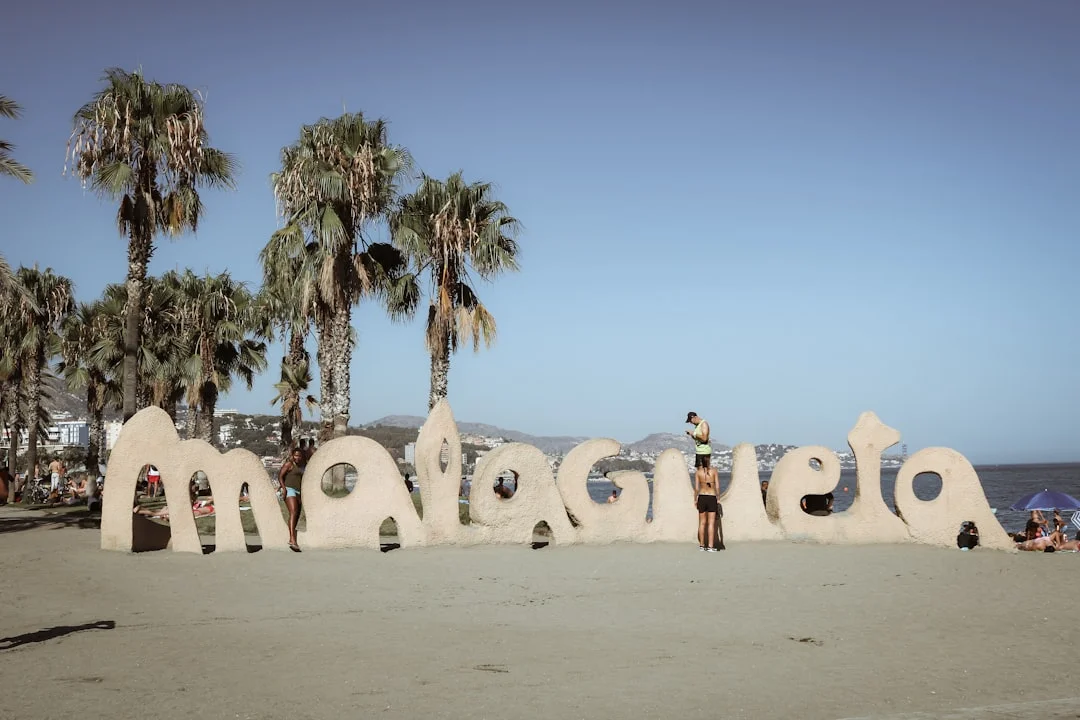
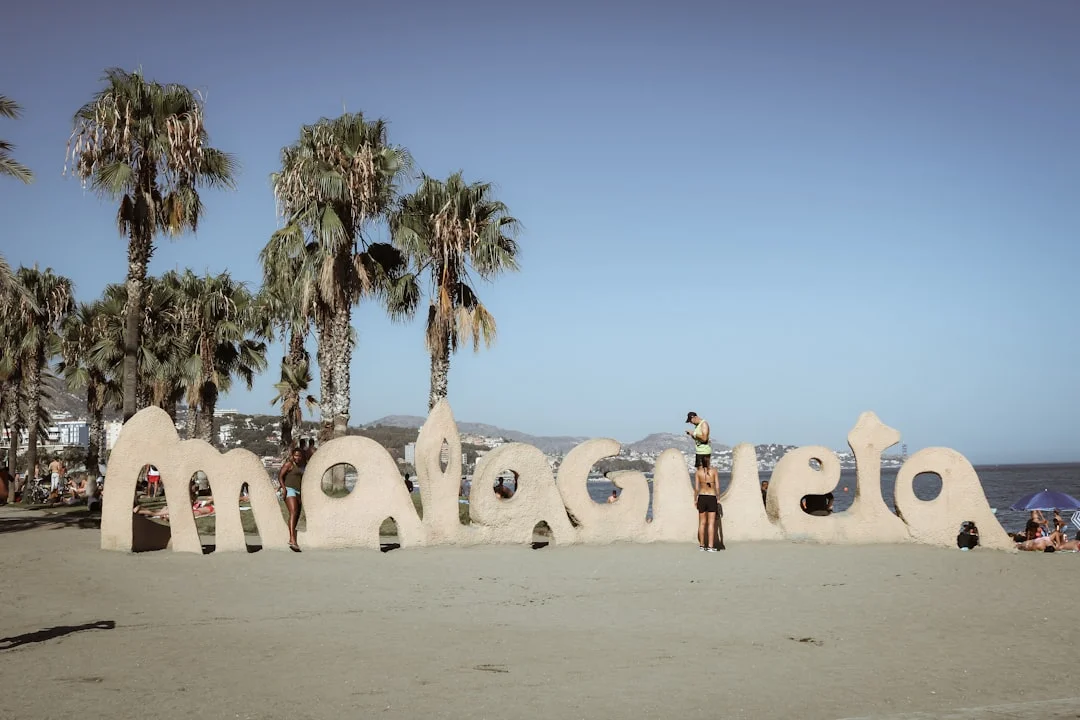
    Es ist kein Zufall, dass hochkarätige Verkostungen wie die Experiencia Verema das Gran Hotel Miramar als Veranstaltungsort wählen. Das 1926 von König Alfonso XIII. eröffnete Hotel ist ein Symbol für die Eleganz und Geschichte Málagas. Direkt am Rande des Strandes La Malagueta gelegen, bieten seine palastartige Architektur und die üppigen Gärten eine Atmosphäre, die jedes gastronomische Ereignis aufwertet.

    Auch wenn Sie die offizielle Verkostung verpasst haben, sind die hoteleigenen Restaurants und Bars hervorragende Orte, um lokale Weine zu probieren. Ein Glas kalten Moscatel seco auf der Terrasse zu bestellen und dabei auf das Mittelmeer zu blicken, ist ein Erlebnis, das jeder Einheimische und Expat mindestens einmal gemacht haben sollte.

    Wie Sie beginnen können, lokale Weine zu entdecken

    Sie benötigen keine Einladung zu einer exklusiven Verkostung, um zu schätzen, was Málagas Bodegas zu bieten haben. Hier sind einige praktische Möglichkeiten, um einzutauchen:

    • Achten Sie auf das Sabor a Málaga-Etikett: Wenn Sie in lokalen Supermärkten oder Fachgeschäften einkaufen, achten Sie auf den markanten blauen Sabor a Málaga-Stempel. Er garantiert, dass das Produkt aus der Region stammt und regionale Qualitätsstandards erfüllt.
    • Fragen Sie Ihren Kellner: Wenn Sie das nächste Mal authentische Tapas essen gehen, lassen Sie Ihre übliche Bestellung beiseite und bitten Sie den Kellner, Ihnen einen lokalen offenen Wein zu empfehlen. Vielleicht entdecken Sie einen frischen Weißwein aus der Axarquía oder einen überraschenden Rotwein aus Ronda.
    • Planen Sie einen Tagesausflug: Die Serranía de Ronda ist voll von Boutique-Weingütern, die fantastische Touren und Verkostungen anbieten. Dies ist der perfekte Wochenendausflug fernab der Stadt.

    Es hat etwas tief Erdendes, einen Wein zu trinken, der genau auf dem Boden angebaut wurde, auf dem man steht. Ganz gleich, ob Sie ein Glas zu Ihren Wochenend-Tapas bestellen oder einen Ausflug in die Weinberge von Ronda planen: Sich die Zeit zu nehmen, Málagas lokale Weine zu erkunden, verbindet Sie auf eine Weise mit der Region, wie es nur wenige andere Dinge können. Auf dass Sie Ihren neuen Lieblingstropfen direkt in unserem eigenen Hinterhof finden.

  • Sabor a Málaga: Best Local Wines at Gran Hotel Miramar

    Sabor a Málaga: Best Local Wines at Gran Hotel Miramar

    When you move to or visit Spain, it is incredibly easy to fall into the comfortable routine of ordering a Rioja or a Ribera del Duero every time you sit down for a meal. They are famous, reliable, and available everywhere. But if you live in Málaga—a city full of unexpected stories, like the time Robert De Niro filmed a scene preaching in the local cathedral—and aren’t exploring the local wine scene, you are missing out on one of the region’s best-kept gastronomic secrets.

    Recently, the local wine industry took center stage during the 10th edition of the Experiencia Verema, an exclusive tasting event held at the stunning Gran Hotel Miramar. Supported by the provincial brand Sabor a Málaga, the event served as the perfect reminder of just how far local winemaking has come.

    The Experiencia Verema Showcase

    The 10th edition of this prestigious wine event brought together ten award-winning Málaga wineries under the grand chandeliers of the Gran Hotel Miramar. The goal was straightforward but ambitious: to showcase the exceptional quality of wines carrying the D.O. Málaga and D.O. Sierras de Málaga designations to both industry experts and passionate amateurs.

    As noted in coverage by Málaga Hoy regarding Sabor a Málaga’s promotional efforts, these initiatives are crucial for pairing local wines with our native gastronomy. The event wasn’t just about swirling glasses; it was about proving that local wines can stand shoulder-to-shoulder with Spain’s most famous exports, whether paired with a traditional espeto or a modern avocado-based dish.

    Understanding Málaga’s Wine Designations

    If you want to start navigating local wine menus with confidence, it helps to understand the two main Denominaciones de Origen (D.O.) that govern the province:

    D.O. Málaga

    Historically, when people thought of “Málaga wine,” they thought of this. The D.O. Málaga is famous for its sweet, fortified wines, primarily made from Pedro Ximénez and Moscatel grapes. These are complex, rich wines often aged in the traditional solera system. They are fantastic paired with local cheeses, poured over artisanal ice cream, or enjoyed simply as a digestif after a long Sunday lunch.

    D.O. Sierras de Málaga

    This is where the modern revolution is happening. Created to cover the unfortified, “quiet” wines of the region, the D.O. Sierras de Málaga includes excellent dry whites, crisp rosés, and increasingly robust, complex red wines. The grapes are grown across diverse terrains—from the steep, sun-baked slopes of the Axarquía to the high-altitude vineyards of the Serranía de Ronda. If you are looking for a dry white to pair with authentic local seafood or a full-bodied red for a steak, this is the label to look for.

    Why the Gran Hotel Miramar?

    It is no coincidence that high-profile tastings like Experiencia Verema choose the Gran Hotel Miramar as their venue. Opened in 1926 by King Alfonso XIII, the hotel is a symbol of Málaga’s elegance and history. Sitting right on the edge of La Malagueta beach, its palatial architecture and lush gardens provide an atmosphere that elevates any gastronomic event.

    Even if you missed the official tasting, the hotel’s own restaurants and bars are excellent places to sample local wines. Ordering a glass of cold Moscatel seco on their terrace while looking out at the Mediterranean is an experience every local and expat should have at least once.

    How to Start Exploring Local Wines

    You don’t need an invitation to an exclusive tasting to start appreciating what Málaga’s bodegas have to offer. Here are a few practical ways to dive in:

    • Look for the Sabor a Málaga label: When shopping in local supermarkets or specialty stores, look for the distinctive blue Sabor a Málaga stamp. It guarantees the product is locally sourced and meets regional quality standards.
    • Ask your waiter: Next time you are out for authentic tapas, skip your usual order and ask the waiter to recommend a local wine by the glass. You might discover a crisp white from the Axarquía or a surprising red from Ronda.
    • Plan a day trip: The Serranía de Ronda is packed with boutique wineries that offer fantastic tours and tastings. It makes for a perfect weekend escape from the city.

    There is something deeply grounding about drinking a wine grown in the very soil you are standing on. Whether you are ordering a glass with your weekend tapas or planning a trip up to the vineyards of Ronda, taking the time to explore Málaga’s local wines connects you to the region in a way few other things can. Here’s to finding your new favorite pour right in our own backyard.

  • 11 Art Exhibitions to Explore in Malaga This Weekend

    11 Art Exhibitions to Explore in Malaga This Weekend

    Malaga isn’t just about beaches and espetos anymore. Over the last decade, the city’s museum and gallery scene has evolved into a massive draw for both locals and the international community. Whether you are looking to dodge a sudden spring shower, shake off the frustration of Unicaja’s recent high-scoring stumble against Valencia Basket, or just need a break from the midday sun, ducking into a gallery is always a solid, practical plan.

    As we move through late April 2026, the city is buzzing with visual arts. According to a recent cultural roundup by Hoy Málaga, there are currently 11 different active exhibitions highlighted across the city. This gives you a ready-made cultural itinerary, blending major institutional heavy-hitters with intimate, local gallery spaces.

    The Heavy Hitters

    If you want to hit the major institutions—perhaps taking a break from exploring historical hiking routes and Moorish villages—these five museums are currently hosting temporary exhibitions alongside their permanent collections:

    • Museo Picasso Málaga: Always a must-visit, the temporary exhibition wing currently offers fresh perspectives on 20th-century avant-garde movements.
    • Carmen Thyssen Museum: Beyond their stunning permanent collection of Andalusian costumbrismo, their temporary spaces right now are hosting compelling dialogues between classical and modern Spanish art.
    • Centre Pompidou Málaga: The colorful glass cube down at Muelle Uno continues to rotate its impressive contemporary installations, making it a great stop before a port-side lunch.
    • CAC Málaga (Contemporary Art Center): Located in the Soho district, the CAC is free to enter and consistently pushes boundaries with large-scale international contemporary works.
    • Collection of the Russian Museum: Housed in the old tobacco factory, this venue has successfully pivoted to showcasing fascinating alternative collections from private European archives.

    Local Galleries and Hidden Gems

    Sometimes the best art is found slightly off the beaten path, often in transformative cultural spaces similar to the La Térmica megaproject on Málaga’s western coast. These six venues complete the 11-exhibition roster and offer a quieter, deeply engaging experience:

    • La Térmica: Malaga’s premier cultural hub is famous for its striking pop-culture, fashion, and photography exhibitions.
    • MUPAM (Museo del Patrimonio Municipal): Located near the Alcazaba, this is a fantastic spot to understand the historical and artistic evolution of Malaga itself.
    • Ateneo de Málaga: A cornerstone of local culture, frequently hosting works by emerging local painters and sculptors.
    • Salas de la Diputación (MAD): Often tucked away in administrative buildings, these spaces punch above their weight with curated regional art.
    • Sala de Exposiciones del Rectorado (UMA): The University of Malaga consistently curates thought-provoking, research-based art right in the city center.
    • Centro Cultural Fundación Unicaja: Set in a beautifully restored historic building, offering a mix of classical archives and contemporary pieces.

    Practical Tips for Your Weekend

    Before you head out, keep a few logistical details in mind. Most major museums offer a few hours of free entry on Sunday afternoons, which is fantastic for the budget but means you should expect longer queues. If you prefer a quiet, contemplative experience, Saturday mornings right at opening time are usually your best bet. Also, remember that while most galleries are open through the weekend, almost all of them close their doors on Mondays.

    Art has a unique way of slowing us down, pulling us out of our daily routines, and making us look at our everyday surroundings with fresh eyes. Whether you decide to spend a full Saturday ambitiously museum-hopping, or you just pop into one small gallery before grabbing your morning coffee, I hope these spaces bring a little extra inspiration and quiet joy to your weekend.

  • El Cateto: Málagas Meeresfrüchte-Tempel in Ciudad Jardín

    El Cateto: Málagas Meeresfrüchte-Tempel in Ciudad Jardín

    Die Suche nach authentischen Meeresfrüchten

    Wenn Sie mehr als ein paar Tage in Málaga verbracht haben, kennen Sie das Spiel. Das historische Zentrum ist wunderschön, aber ein wirklich authentisches Meeresfrüchte-Lokal zu finden, das nicht komplett von Touristenmenüs eingenommen wurde, kann sich wie die Suche nach der Nadel im Heuhaufen anfühlen. Einheimische wissen: Um den besten Fang zu finden, muss man sich oft ein kleines Stück aus dem Hauptzentrum herauswagen. Hier kommt El Cateto ins Spiel.

    Gelegen im Arbeiterviertel Ciudad Jardín, nur eine 15-minütige Fahrt vom historischen Zentrum entfernt, ist El Cateto eine absolute Institution für Kenner. Es ist eine schnörkellose, belebte Bar, in der der Fokus ganz auf dem liegt, was auf dem Teller serviert wird, anstatt auf schicker Einrichtung oder englischsprachigen Speisekarten. Wenn Sie sich fragen, wo man in Málaga wie ein Einheimischer Meeresfrüchte essen kann, ist dies Ihre Antwort.

    Das Gütesiegel von Carlos Herrera

    Während El Cateto jahrelang ein beliebtes Geheimnis des Viertels war, erlebte es kürzlich einen Popularitätsschub über die Stadtgrenzen hinaus. Der renommierte spanische Radiomoderator und Journalist Carlos Herrera hob das Lokal kürzlich hervor und lobte seine außergewöhnliche Qualität. Laut einem aktuellen Artikel von El Mundo hat Herreras glühende Empfehlung dieses unscheinbare Lokal fest auf die nationale gastronomische Landkarte gesetzt. Aber lassen Sie sich von dem neu gewonnenen Ruhm nicht täuschen – die Essenz des Ortes bleibt streng lokal und wunderbar unverändert.

    Was steht auf der Speisekarte?

    Bei El Cateto sind Meeresfrüchte eine Religion. Die Glasvitrinen an der Bar sind tägliche Schreine für das Alborán-Meer und darüber hinaus. Hier ist, worauf Sie achten sollten:

    • Gambas (Garnelen): Makellos frisch serviert, bis zur absoluten Perfektion gekocht mit genau der richtigen Menge an grobem Meersalz.
    • Cigalas (Kaisergranat): Süßlich, zart und meistens das Erste, was ausverkauft ist.
    • Conchas Finas: Die typische Muschel aus Málaga, die roh mit einem Spritzer Zitrone oder einer Prise Pfeffer serviert wird.
    • Fritura Malagueña: Obwohl sie bei gekochten und gegrillten Krustentieren glänzen, ist ihr frittierter Fisch leicht, knusprig und niemals fettig.

    Das Schöne am Essen hier ist die Einfachheit. Die Küche überdeckt die Zutaten nicht mit schweren Saucen; sie lässt die Qualität des täglichen Fangs für sich selbst sprechen.

    Wie Sie El Cateto wie ein Einheimischer erleben

    Wenn Sie einen Besuch planen, lassen Sie Ihre Erwartungen an ein ruhiges Abendessen bei Kerzenschein an der Tür zurück. El Cateto ist laut, energiegeladen und völlig unprätentiös. Die Kellner navigieren mit beeindruckender Geschwindigkeit durch den überfüllten Speisesaal und balancieren Teller mit leuchtend roten Garnelen auf ihren Armen.

    Praktische Tipps

    • Anreise: Ciudad Jardín ist leicht erreichbar. Ein Taxi vom Zentrum dauert etwa 15 Minuten und kostet rund 10-12 Euro. Alternativ können Sie den Bus der Linie 2 von der Alameda Principal nehmen, der Sie direkt im Viertel absetzt.
    • Das richtige Timing: Die spanische Mittagspause erreicht zwischen 14:00 und 15:30 Uhr ihren Höhepunkt. Wenn Sie sich ohne lange Wartezeit einen Tisch sichern möchten, sollten Sie versuchen, direkt zur Öffnung des Mittagsservices gegen 13:00 oder 13:30 Uhr einzutreffen.
    • Bestellung: Scheuen Sie sich nicht, die Kellner nach dem besten Fang des Tages zu fragen. Auf die Vitrine zu zeigen funktioniert ebenfalls wunderbar, falls Ihr Spanisch noch in den Kinderschuhen steckt.

    Wir alle lieben den Charme von Málagas Kopfsteinpflasterstraßen, aber unsere Komfortzone zu verlassen, um lokale Geschäfte in den Vierteln zu unterstützen, ist das, was uns wirklich mit der Stadt verbindet. Einen Teller frischer Garnelen in einer lebhaften, lauten lokalen Bar zu teilen, erinnert uns daran, warum wir uns überhaupt in das mediterrane Leben verliebt haben. Ich hoffe, Sie machen bald den kurzen Ausflug nach Ciudad Jardín – Ihre Geschmacksnerven werden es Ihnen danken.

  • El Cateto: Malaga’s Seafood Temple in Ciudad Jardín

    El Cateto: Malaga’s Seafood Temple in Ciudad Jardín

    The Search for Authentic Seafood

    If you’ve spent more than a few days in Malaga, you know the drill. The historic center is beautiful, but finding a truly authentic seafood spot that hasn’t been entirely taken over by tourist menus can feel like looking for a needle in a haystack. Locals know that to find the best catch, you often have to venture just a little bit out of the main hub. Enter El Cateto.

    Located in the working-class neighborhood of Ciudad Jardín, just a 15-minute ride from the historic center, El Cateto is an absolute institution for those in the know. It is a no-nonsense, bustling bar where the focus is entirely on what is on the plate rather than fancy decor or English-language menus. If you are wondering where to eat seafood in Malaga like a local, this is your answer.

    The Carlos Herrera Stamp of Approval

    While El Cateto has been a beloved neighborhood secret for years, it recently experienced a surge in popularity beyond the city limits. Renowned Spanish radio broadcaster and journalist Carlos Herrera recently highlighted the establishment, praising its exceptional quality. According to a recent piece by El Mundo, Herrera’s glowing recommendation has put this unassuming spot firmly on the national gastronomic map. But do not let the newfound fame fool you—the essence of the place remains strictly local and beautifully unchanged.

    What’s on the Menu?

    At El Cateto, seafood is a religion. The glass display cases at the bar are daily shrines to the Alboran Sea and beyond. Here is what you should look out for:

    • Gambas (Prawns): Served impeccably fresh, boiled to absolute perfection with just the right amount of coarse sea salt.
    • Cigalas (Langoustines): Sweet, tender, and usually the first thing to sell out.
    • Conchas Finas: The quintessential Malaga clam, served raw with a squeeze of lemon or a dash of pepper.
    • Fritura Malagueña: While they excel at boiled and grilled shellfish, their fried fish is light, crispy, and never greasy.

    The beauty of eating here is the simplicity. The kitchen does not mask the ingredients with heavy sauces; they let the quality of the daily catch speak for itself.

    How to Experience El Cateto Like a Local

    If you are planning to visit, leave your expectations of a quiet, candlelit dinner at the door. El Cateto is loud, energetic, and completely unpretentious. Waiters navigate through the crowded dining room with impressive speed, plates of bright red prawns balanced on their arms.

    Practical Tips

    • Getting there: Ciudad Jardín is easily accessible. A taxi from the center will take about 15 minutes and cost around 10-12 euros. Alternatively, you can catch the number 2 bus from the Alameda Principal, which drops you right in the neighborhood.
    • Timing is everything: Spanish lunch hours peak between 2:00 PM and 3:30 PM. If you want to secure a table without a long wait, aim to arrive right when they open for the lunch service, around 1:00 PM or 1:30 PM.
    • Ordering: Do not be afraid to ask the waiters what the best catch of the day is. Pointing at the display case works just fine if your Spanish is still a work in progress.

    We all love the charm of Malaga’s cobblestone streets, but stepping out of our comfort zones to support neighborhood businesses is what truly connects us to the city. Sharing a plate of fresh prawns in a lively, loud local bar reminds us why we fell in love with Mediterranean life in the first place. I hope you make the short trip to Ciudad Jardín soon—your tastebuds will thank you.

  • Cósima Wagner to MAUS: Málaga Cultural Weekend Itinerary

    Cósima Wagner to MAUS: Málaga Cultural Weekend Itinerary

    Málaga is often celebrated for its sun-drenched beaches and bustling culinary scene, but for those who call this city home, its true heartbeat lies in its cultural depth. If you are looking for a sophisticated weekend plan away from the typical tourist trails, the city is currently offering a brilliant mix of classical history, live performances, and urban art. Here is a curated itinerary to help you dive deep into the creative pulse of Málaga.

    Discovering Female Creators at MIMMA

    A perfect cultural weekend begins with a moment of reflection and discovery. Currently, the MIMMA museum exhibitions offer exactly that, featuring a compelling showcase dedicated to female creators in the world of music.

    The exhibition spans centuries, drawing a fascinating line from historical powerhouses like Cósima Wagner—who left an indelible mark on the classical music landscape—to contemporary female artists making waves right here in Málaga. It is an immersive experience that provides a fresh, necessary perspective on the often-overlooked women who have shaped musical history. For residents mapping out their weekend plans, local cultural guides like Hoy Málaga consistently highlight the MIMMA as a must-visit for a quiet, enriching morning.

    The Curtain Rises on the 2026 Theater Festival

    After soaking in the history of music, shift your focus to the stage. The highly anticipated Malaga theater festival 2026 is officially underway, bringing a palpable energy to the city’s venues, even as the surrounding city center undergoes rapid changes with the closure of historic establishments.

    The 43rd edition of the festival kicked off on Friday, April 24, with the gripping play Intrusos. As detailed by Cinemagavia, this year’s lineup is particularly strong. It not only brings top-tier national productions to our historic local theaters but also expands its reach with neighborhood initiatives designed to make the performing arts accessible to everyone. Securing tickets for an evening show is one of the best ways to support the arts while enjoying a world-class production right in our own backyard.

    The Open-Air Canvas of Soho

    No cultural weekend in Málaga is complete without a stroll through the Barrio de las Artes. If you need a makeshift Soho Malaga street art guide, simply start at the Contemporary Art Center (CAC) and wander the grid of streets stretching toward the port.

    The MAUS (Málaga Arte Urbano Soho) project is now celebrating over a decade of transforming this once-neglected neighborhood into a massive, free, open-air gallery. As Merca2 recently noted, the initiative has successfully cemented Soho’s reputation as a premier cultural hub. Walking through these streets, you will encounter monumental murals by international giants like Obey and D*Face standing shoulder-to-shoulder with striking pieces by local talent. It is a dynamic, ever-changing environment where the city’s modern identity is painted directly onto its walls.

    It is easy to take the cultural wealth of our city for granted when we navigate these streets every day. Yet, taking a weekend to intentionally experience the art, music, and theater that Málaga has so carefully cultivated reminds us of how lucky we are to live here. Hopefully, this itinerary inspires you to step out, look a little closer, and rediscover the inspiring, creative spirit of our beautiful city.