Tag: by:lucia_montero

  • Jenseits der Lobby: Verborgene Routen und Geheimnisse der Hotels in Málaga

    Jenseits der Lobby: Verborgene Routen und Geheimnisse der Hotels in Málaga

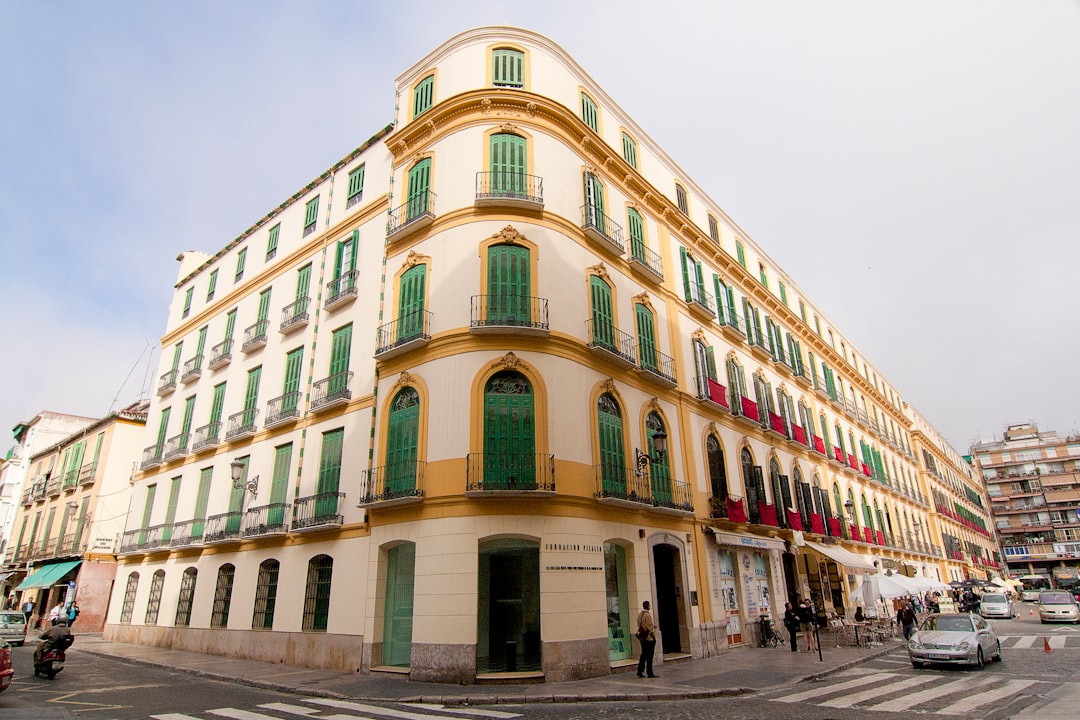
    Málaga ist eine Stadt der vielen Schichten. Für den flüchtigen Betrachter ist sie eine Leinwand aus strahlendem Sonnenschein, belebten Promenaden und der azurblauen Umarmung des Mittelmeers. Doch für diejenigen, die bereit sind, genauer hinzusehen, existiert eine zweite Karte der Stadt – eine, die nicht auf Papier gezeichnet ist, sondern in den steinernen Durchgängen, versteckten Innenhöfen und hoch aufragenden Terrassen ihrer historischsten Hotels.

    Eine Unterkunft ist hier selten nur ein Ort zum Schlafen; oft ist sie ein Tor zur Vergangenheit der Stadt und ein Aussichtspunkt für ihre Zukunft. Wir haben eine Auswahl an verborgenen Routen und lokalen Geheimnissen innerhalb des Gastgewerbes zusammengestellt und laden Sie ein, Málaga von innen nach außen zu erleben.

    Die unterirdische Stadt: Vincci Selección Posada del Patio

    Im Herzen der Stadt, nur einen Steinwurf vom Flussbett des Guadalmedina entfernt, steht ein modernes Bauwerk, das ein uraltes Geheimnis hütet. Das Vincci Selección Posada del Patio bietet mehr als Fünf-Sterne-Luxus; es bietet einen buchstäblichen Weg in die Geschichte.

    Während des Baus des Hotels legten Arbeiter außergewöhnlich gut erhaltene Überreste der antiken Stadtmauern frei. Anstatt sie wieder zu vergraben, integrierte das Hotel sie in sein Fundament. Gäste können über Glasböden gehen, die den Blick auf die Steine darunter freigeben, oder eine private Führung durch die archäologische Stätte unter dem Hotel unternehmen. Hier können Sie den Umrissen der römischen Stadt und der späteren arabischen Mauer folgen, ein stilles Zeugnis der Zivilisationen, die diesen Hafen ihr Zuhause nannten. Es ist eine ehrfürchtige Erfahrung, seinen Morgenkaffee zu trinken, im Wissen, dass unter den eigenen Füßen zweitausend Jahre Geschichte liegen.

    Die noble Vergangenheit: Palacio Solecio

    Wenn man die schmale, lebhafte Calle Granada entlanggeht, übersieht man leicht den Eingang zum Palacio Solecio. Dieser Palast aus dem 18. Jahrhundert, einst das Zuhause des genuesischen Adligen Félix Solesio, war jahrzehntelang eine Ruine, bevor er sorgfältig in seinem alten Glanz restauriert wurde.

    Das Geheimnis liegt hier in der Architektur. Treten Sie durch die schweren Holztüren und Sie werden vom Lärm der Tapas-Bars in einen ruhigen andalusischen Innenhof entführt. Die Restaurierungsarbeiten sind ein Musterbeispiel für den Respekt vor dem Erbe; die ursprünglichen Steinbögen und Säulen wurden erhalten, und die große Treppe flüstert Geschichten von der Aristokratie, die einst ihre Stufen hinaufglitt. Er dient als perfekter Ausgangspunkt für eine „Bourbonen-Málaga“-Route, um den architektonischen Wandel zu erkunden, der in der Stadt im späten 18. Jahrhundert stattfand.

    Der Wachturm: Parador de Gibralfaro

    Obwohl nicht im traditionellen Sinne versteckt, bietet der Parador de Gibralfaro eine Perspektive, die viele Besucher verpassen, wenn sie ausschließlich im historischen Zentrum bleiben. Auf dem Gipfel des Gibralfaro gelegen, angrenzend an die Burg, bietet dieses Hotel einen Rückzugsort vor der städtischen Hitze.

    Das lokale Geheimnis hier ist die „blaue Stunde“. Während sich die Massen an den Mauern der Alcazaba unten drängen, bietet die Terrasse des Parador eine würdevollere, ruhigere Betrachtung des Sonnenuntergangs. Von diesem Aussichtspunkt aus können Sie die Geometrie der Stierkampfarena, den weitläufigen Hafen und die Krümmung der Küste sehen, die sich bis nach Torremolinos erstreckt. Es ist ein Ort der Einsamkeit und des Steins, wo die Brise den Duft von Pinien und Meersalz trägt, weit entfernt vom Lärm der Straßen unten.

    Das englische Vermächtnis: Castillo de Santa Catalina

    Wenn man sich nach Osten in Richtung des Bezirks El Limonar wagt – Málagas exklusivstem Wohnviertel – entdeckt man das Castillo de Santa Catalina. Dies ist nicht bloß ein Hotel; es ist eine Festung im Neo-Mudéjar-Stil, erbaut 1932 an der Stelle einer Festung aus dem 17. Jahrhundert.

    Dieses Hotel repräsentiert die „verborgene Route“ der Bourgeoisie-Ära Málagas. Das umliegende Viertel ist gespickt mit Villen, die von wohlhabenden Industriellen und britischen Kaufleuten erbaut wurden, die sich hier im 19. und frühen 20. Jahrhundert niederließen. Ein Aufenthalt oder Besuch hier verbindet Sie mit der romantischen Gartenstadt-Vision von Málaga. Die Terrasse des Hotels bietet wohl den elegantesten Blick auf die Bucht von Málaga, eingerahmt von historischen Torbögen. Es ist ein beliebter Ort für Einheimische, um bedeutsame Anlässe zu feiern, bleibt aber vom Durchschnittstouristen relativ unentdeckt.

    Die literarische Ecke: AC Hotel Málaga Palacio

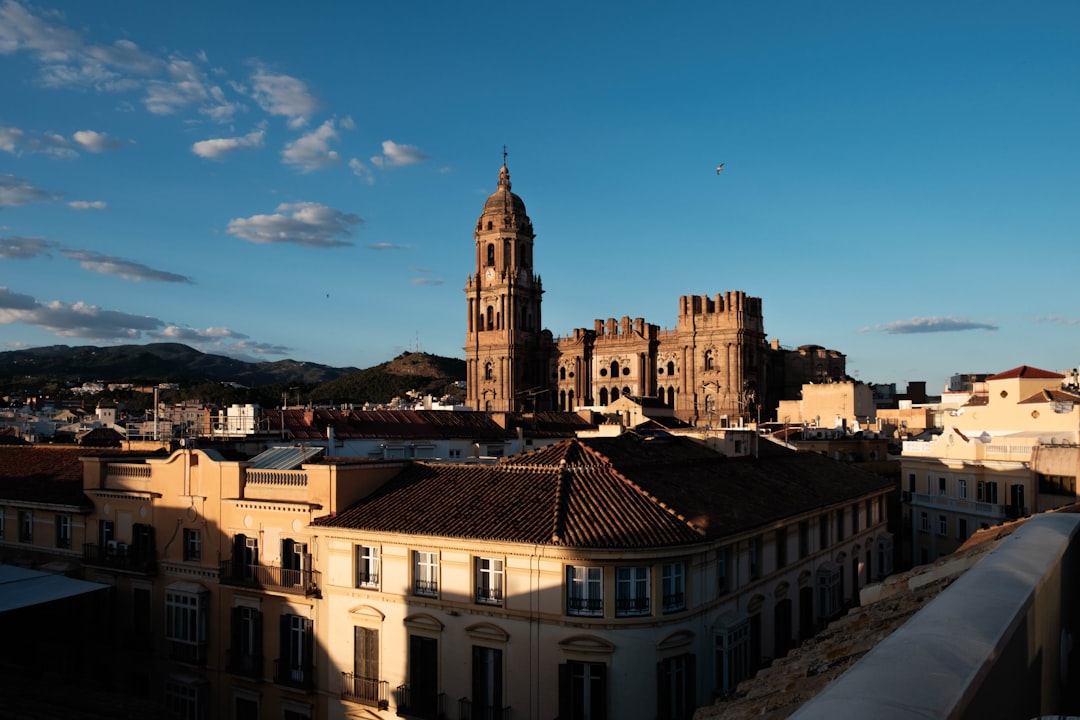
    Für das ungeübte Auge ist das AC Hotel Málaga Palacio ein hoch aufragender brutalistischer Bau aus den 1960er Jahren. Es ist jedoch eine Institution, die fest in das soziale Leben der Stadt eingewoben ist. Seine Dachterrasse ist legendär, nicht nur wegen des Pools, sondern wegen des Blickwinkels, den sie auf die Kathedrale bietet.

    Von der Dachterrasse aus fühlt man sich nah genug, um die „Manquita“ (die Einarmige) zu berühren, wie die Kathedrale aufgrund ihres unvollendeten Südturms liebevoll genannt wird. Die geheime Route ist hier visueller Natur: Wenn man nach unten schaut, erhält man einen Blick aus der Vogelperspektive auf den Bischofspalast und das verwinkelte Straßenlayout, das mittelalterliche Karten kaum erfassen konnten. Es ist der beste Ort, um die Dichte und Intimität des Stadtzentrums zu verstehen.

    Tipps für den neugierigen Reisenden

    • Fragen Sie den Concierge: In Málaga hält der Concierge oft die Schlüssel zu mehr als nur Ihrem Zimmer. Fragen Sie ihn nach den „llaves de la ciudad“ (Schlüssel zur Stadt) – metaphorisch gesprochen. Sie wissen oft, welche privaten Patios zur Besichtigung offen stehen oder wo man den besten Live-Flamenco findet, der keine Touristenfalle ist.
    • Magie der Nebensaison: Um die Stille der Innenhöfe und das Flüstern der Flure wirklich zu schätzen, besuchen Sie die Stadt in der Übergangszeit (November oder Februar). Das Licht ist weicher und die Hotels kehren zu ihrer stattlichen, ruhigen Atmosphäre zurück.
    • Die Frühstücks-Regel: Auch wenn Sie kein Gast sind, bieten viele dieser historischen Hotels Frühstück oder Brunch für die Öffentlichkeit an. Es ist ein erschwinglicher Luxus, der Ihnen Zugang zu diesen architektonischen Wundern gewährt, ohne die Kosten einer Übernachtung.

    Wir hoffen, dass dieser Leitfaden als Laterne dient, die die dunkleren, ruhigeren und schöneren Ecken unserer Stadt beleuchtet. Málaga ist ein Ort, der die Neugierigen belohnt, und oft findet man die größten Entdeckungen einfach dadurch, dass man eine schwere Tür aufstößt und hineintritt.
  • Das goldene Zeitalter der Gastfreundschaft: Einblick in Málagas Hotel-Revolution

    Das goldene Zeitalter der Gastfreundschaft: Einblick in Málagas Hotel-Revolution

    Jahrzehntelang wurde Málaga oft unter dem Aspekt der Zweckmäßigkeit betrachtet – als Tor zur Costa del Sol, als Landeplatz, bevor es weiter zu den Resorts von Marbella oder den Höhlen von Nerja ging. Wer jedoch heute über das Marmorpflaster der Calle Larios spaziert, weiß, dass sich das Narrativ unwiderruflich gewandelt hat. Die Stadt ist nicht länger nur der Auftakt zu einem Urlaub; sie ist das Reiseziel.

    Im Mittelpunkt dieses Wandels steht eine umfassende Revolution im Gastgewerbe. Die Hotelszene in Málaga erlebt derzeit eine Renaissance, die durch die Ankunft internationaler Luxusmarken, die sorgfältige Restaurierung des architektonischen Erbes und ein neu gewonnenes Selbstvertrauen in die Fähigkeit der Stadt, anspruchsvollen Reisenden gerecht zu werden, geprägt ist.

    Der Aufstieg der Fünf-Sterne-Stadt

    Bis vor relativ kurzer Zeit waren echte Luxusunterkünfte im Stadtzentrum rar gesät. Heute ist die Landschaft kaum wiederzuerkennen. Die Wiedereröffnung des Gran Hotel Miramar markierte einen Wendepunkt und signalisierte der Welt, dass Málaga bereit war, High-End-Tourismus zu beherbergen. Dieser palastartige Bau mit Blick auf das Mittelmeer setzte einen Standard, dem andere nun nacheifern.

    Derzeit erleben wir einen „Boutique-Boom“. Investoren und Hoteliers wenden sich von massiven, unpersönlichen Strukturen ab und bevorzugen Häuser, die Charakter und Exklusivität bieten. Die Ankunft von Marken wie Only YOU und das architektonische Statement des H10 Croma (entworfen von Rafael Moneo) haben ein kosmopolitisches Flair in die Adern der Stadt gebracht.

    Geschichte bewahren durch Gastfreundschaft

    Der vielleicht eleganteste Aspekt dieses Hotelbooms ist die Bewahrung der Geschichte. Anstatt Altes abzureißen, um Neues zu bauen, gibt es einen starken Trend zur Sanierung von Palästen aus dem 18. und 19. Jahrhundert.

    Wenn Sie durch das historische Zentrum spazieren, werden Sie Gerüste bemerken, die wunderschöne, alternde Fassaden verhüllen. Hinter diesen Abschirmungen wird bröckelndes Mauerwerk stabilisiert und Innenhöfe erhalten ihren einstigen Glanz zurück. Hotels wie das Palacio Solecio sind Paradebeispiele für diese Synergie aus Denkmalschutz und Kommerz. Diese Häuser ermöglichen es Gästen, inmitten der Stadtgeschichte zu schlafen, umgeben von originalen Steinbögen und restaurierten Kunstwerken, während sie modernen Komfort genießen.

    Dieser Trend ist für Málaga von entscheidender Bedeutung. Er stellt sicher, dass die Stadt im Zuge ihres Wachstums ihre andalusische Seele bewahrt, die sie einzigartig macht, anstatt zu einer austauschbaren Metropole aus Glas und Stahl zu werden.

    Die Kultur der Dachterrassen

    Man kann nicht über den aktuellen Zustand der Hotels in Málaga sprechen, ohne die „terrazas“ zu erwähnen. Die Dachterrassen-Bar hat sich von einem netten Extra zu einer absoluten Notwendigkeit entwickelt. In einer Stadt, die mit über 300 Sonnentagen gesegnet ist, findet das Leben auf dem Dach statt.

    Die Hotels wetteifern darum, die atemberaubendsten Ausblicke auf die Kathedrale (La Manquita) und die Alcazaba zu bieten. Diese Bereiche haben das Hotelerlebnis demokratisiert; Sie müssen kein Übernachtungsgast sein, um einen Cocktail bei Sonnenuntergang mit Blick auf den Hafen zu genießen. Dies hat die Hotels in das lokale soziale Gefüge integriert und sie zu Treffpunkten für Malagueños und Besucher gleichermaßen gemacht.

    Die Herausforderung der Nachfrage

    Mit dieser Qualitätssteigerung geht ein Nachfrageschub einher. Die Belegungsraten in Málaga brechen Rekorde und übertreffen in der Hochsaison oft andere spanische Großstädte. Für den Reisenden bedeutet dies, dass Spontanität zu einem Luxus der Vergangenheit wird. Eine frühzeitige Buchung ist heute unerlässlich, insbesondere wenn Sie ein Zimmer mit Aussicht oder ein bestimmtes Boutique-Erlebnis suchen.

    Die Preise haben sich natürlich angepasst, um dieses neue Qualitätsniveau widerzuspiegeln. Während Málaga im Vergleich zu Barcelona oder Madrid wettbewerbsfähig bleibt, legt es seinen Ruf als Billigreiseziel ab. Der Fokus hat sich von „günstiger Sonne“ hin zu „kultureller Raffinesse“ verschoben.

    Der Blick nach vorn

    Ein Blick auf die Skyline und die Baukräne verrät uns, dass diese Geschichte noch lange nicht zu Ende ist. Mehrere hochkarätige Projekte sind in Planung, darunter der Umbau des alten Postgebäudes und weitere Entwicklungen in der Nähe des Hafens. Das Ziel ist klar: Málagas Status als erstklassiges städtisches Reiseziel in Südeuropa zu festigen.

    Für uns Einheimische besteht die Hoffnung darin, dass dieses Wachstum nachhaltig bleibt – dass das Gastgewerbe weiterhin die Geschichte der Stadt würdigt und das Willkommen so herzlich bleibt, wie es schon immer war.

    Ob Sie einen Wochenendausflug oder eine längere Erkundung unserer Küste planen, die Auswahl für Ihren Aufenthalt war noch nie so aufregend oder elegant. Wir hoffen, dass Sie ein Zimmer finden, das sich wie ein Zuhause anfühlt, mit einem Fenster, das den Blick auf das pulsierende Leben unserer geliebten Stadt freigibt.

  • Stilvolle Zufluchtsorte: Die besten Hotels in Málaga heute

    Stilvolle Zufluchtsorte: Die besten Hotels in Málaga heute

    Málaga hat im Stillen eine Renaissance erlebt. Einst primär als Tor zur weiteren Costa del Sol betrachtet, ist die Stadt zu einem eigenständigen, anspruchsvollen Reiseziel erblüht, voll von Museen, Gastronomie und einer spürbaren Lebensfreude. Diese kulturelle Blüte wurde von einer ebenso beeindruckenden Entwicklung im Gastgewerbe begleitet. Die Hotelszene der Stadt bietet nicht mehr nur einen Schlafplatz; es geht um Architektur, Geschichte und die Kunst, gut zu leben.

    Ob Sie die Pracht eines Fünf-Sterne-Resorts am Meer suchen oder das intime Flüstern der Geschichte in einem restaurierten Palast: Málagas Unterkunftsportfolio ist wunderbar gereift. Hier ist eine kuratierte Auswahl der besten Hotels in Málaga heute, wo Komfort auf die unverwechselbare Seele Andalusiens trifft.

    Die Grande Dame: Gran Hotel Miramar

    Stolz im Viertel La Caleta gelegen, ist das Gran Hotel Miramar das unbestrittene Juwel unter Málagas Luxusunterkünften. Dieses 5-Sterne-Grand-Luxury-Haus befindet sich in einem Gebäude, das selbst ein Stück Geschichte ist. Entworfen vom Architekten F. Guerrero Strachan in den 1920er Jahren, wurde es ursprünglich von König Alfonso XIII. eingeweiht.

    Die Architektur ist eine atemberaubende eklektische Mischung aus arabischen, mediterranen und modernistischen Stilen. Nach einer sorgfältigen Restaurierung wurde es wiedereröffnet, um seinen Thron mit Blick auf das Mittelmeer zurückzuerobern. Die Zimmer sind geräumig und lichtdurchflutet, oft mit klassischem Dekor, das auf die aristokratische Vergangenheit des Gebäudes anspielt.

    Was das Miramar jedoch wirklich auszeichnet, ist das Raumgefühl. Die üppigen Gärten bieten eine ruhige Flucht aus dem Trubel der Stadt, und der Poolbereich fühlt sich an wie ein Resort, meilenweit entfernt vom städtischen Leben, obwohl er nur einen kurzen Spaziergang vom Centre Pompidou entfernt ist.

    Das historische Juwel: Palacio Solecio

    Tief in den labyrinthischen Gassen der Altstadt (Casco Antiguo) gelegen, bietet das Palacio Solecio eine andere Art von Luxus – intim, haptisch und tief im 18. Jahrhundert verwurzelt. In der Calle Granada gelegen, nur wenige Schritte vom Picasso-Museum entfernt, ist dieses Boutique-Hotel eine Meisterklasse der Restaurierung.

    Beim Betreten werden Sie von der originalen Steintreppe und Bögen begrüßt, die Geschichten von genuesischen Kaufleuten flüstern, die einst in dieser Gegend lebten. Das Innendesign ist raffiniert, mit warmen Hölzern, Samt und einem Beleuchtungskonzept, das eine gemütliche, fast geheimnisvolle Atmosphäre schafft.

    Es ist die perfekte Wahl für Reisende, die in den Herzschlag der Stadt eintauchen möchten. Das hauseigene Restaurant, Balausta, unter der Leitung des mit einem Michelin-Stern ausgezeichneten Küchenchefs José Carlos García, serviert andalusische Küche, die so raffiniert ist wie die Umgebung.

    Die moderne Ikone: Only YOU Hotel Málaga

    Wenn das Miramar die historische Königin ist, ist das Only YOU der lebhafte, kosmopolitische Neuling, der die Stadt im Sturm erobert hat. An der strategischen Kreuzung gelegen, wo die Alameda Principal auf die ikonische Calle Larios trifft, belegt dieses Hotel das majestätische Gebäude ‚La Equitativa‘.

    Die Atmosphäre hier ist entschieden cooler und entspannter. Das Dekor ist eine Mischung aus Art déco und mediterranem Chic, mit einer Lobby, die zum geselligen Beisammensein einlädt. Die Zimmer sind mit einer frischen, maritim inspirierten Farbpalette gestaltet, die sich unglaublich aktuell anfühlt.

    Die Krönung ist jedoch die Dachterrasse Lola. Mit Panoramablick auf den Hafen, die Kathedrale (La Manquita) und die weitläufige Stadt ist sie zu einem der begehrtesten Orte für einen Cocktail bei Sonnenuntergang geworden. Sie verkörpert die neue Energie von Málaga: stilvoll, offen und unendlich einladend.

    Geschichte unter Ihren Füßen: Vincci Selección Posada del Patio

    Für diejenigen, die Archäologie zusammen mit ihrem Zimmerservice schätzen, ist das Vincci Selección Posada del Patio einzigartig. Am Rande des historischen Zentrums gelegen, wurde dieses 5-Sterne-Hotel über den Überresten der alten römischen und arabischen Stadtmauern erbaut.

    Anstatt die Vergangenheit zu begraben, hat das Hotel sie integriert. Gäste können über Glasböden in der Lobby und im Restaurant gehen, um die alten Fundamente darunter zu betrachten. Das Hotel selbst ist modern und avantgardistisch und bietet einen scharfen Kontrast zu den Ruinen darunter. Der Pool auf dem Dach bietet eine ruhige Erholung, und die Lage ermöglicht einen einfachen Zugang zu den weniger touristischen, aber charmanten Vierteln rund um den Fluss Guadalmedina.

    Der klassische Ausblick: AC Hotel Málaga Palacio

    Es ist unmöglich, über Málagas Hotels zu sprechen, ohne das AC Hotel Málaga Palacio zu erwähnen. Während sein Äußeres die Architektur der 1960er Jahre widerspiegelt, ist seine Lage unschlagbar: direkt zwischen der Kathedrale und dem Paseo del Parque.

    Seit Jahrzehnten ist seine Dachterrasse der Maßstab für Aussichten in der Stadt. Von hier aus befinden Sie sich auf Augenhöhe mit den Glocken der Kathedrale und haben einen herrlichen Blick auf die Hafeneinfahrt. Es bleibt eine verlässliche Option von hohem Standard für Geschäfts- und Urlaubsreisende gleichermaßen, die die Lage über alles andere stellen.

    Ein Hinweis zur Wahl Ihres Aufenthalts

    Wenn Sie Ihren Rückzugsort in Málaga auswählen, überlegen Sie, was Ihren idealen Morgen ausmacht. Möchten Sie im Miramar mit dem Rauschen des Meeres aufwachen? Bevorzugen Sie es, vom Only YOU direkt auf die Marmorsteine der Calle Larios zu treten? Oder sehnen Sie sich nach der Stille einer versteckten Gasse im Palacio Solecio?

    Málaga ist eine Stadt, die Sie mit offenen Armen empfängt, unabhängig davon, wo Sie Ihr Haupt betten. Wir hoffen, dass dieser Leitfaden Ihnen hilft, einen Raum zu finden, der nicht nur Erholung bietet, sondern auch Ihre Verbindung zu diesem wunderschönen Winkel der Welt stärkt. Gute Reise und süße Träume.

  • Oasen des Stils: Die besten Hotels im heutigen Málaga

    Oasen des Stils: Die besten Hotels im heutigen Málaga

    Málaga hat im Stillen eine Renaissance erlebt. Einst primär als Tor zur weiteren Costa del Sol gesehen, ist die Stadt zu einem anspruchsvollen Reiseziel aus eigenem Recht erblüht, voller Museen, Gastronomie und einer spürbaren Lebensfreude. Dieses kulturelle Aufblühen wurde von einer ebenso beeindruckenden Entwicklung in der Hotellerie begleitet. Die Hotelszene der Stadt dreht sich nicht mehr nur um einen Schlafplatz; es geht um Architektur, Geschichte und die Kunst, gut zu leben.

    Ob Sie die Grandezza eines Fünf-Sterne-Resorts am Meer suchen oder das intime Flüstern der Geschichte in einem restaurierten Palast, Málagas Unterkunftsportfolio ist wunderschön gereift. Hier ist eine kuratierte Auswahl der feinsten Hotels im heutigen Málaga, wo Komfort auf die unverwechselbare Seele Andalusiens trifft.

    Die Grande Dame: Gran Hotel Miramar

    Stolz im Viertel La Caleta gelegen, ist das Gran Hotel Miramar das unbestrittene Juwel der Luxusunterkünfte Málagas. Dieses 5-Sterne-Grand-Luxury-Haus befindet sich in einem Gebäude, das selbst ein Stück Geschichte ist. Entworfen vom Architekten F. Guerrero Strachan in den 1920er Jahren, wurde es ursprünglich von König Alfonso XIII. eingeweiht.

    Die Architektur ist eine atemberaubende eklektische Mischung aus arabischen, mediterranen und modernistischen Stilen. Nach einer sorgfältigen Restaurierung wurde es wiedereröffnet, um seinen Thron mit Blick auf das Mittelmeer zurückzuerobern. Die Zimmer sind geräumig und lichtdurchflutet, oft mit klassischem Dekor, das auf die aristokratische Vergangenheit des Gebäudes anspielt.

    Was das Miramar jedoch wirklich auszeichnet, ist sein Raumgefühl. Die üppigen Gärten bieten eine ruhige Flucht vor dem städtischen Trubel, und der Poolbereich fühlt sich an wie ein Resort meilenweit entfernt vom Stadtleben, obwohl er nur einen kurzen Spaziergang vom Centre Pompidou entfernt ist.

    Das historische Juwel: Palacio Solecio

    Tief eingebettet in die labyrinthartigen Straßen der Altstadt (Casco Antiguo), bietet das Palacio Solecio eine andere Art von Luxus – eine, die intim, greifbar und tief im 18. Jahrhundert verwurzelt ist. Gelegen in der Calle Granada, nur wenige Schritte vom Picasso-Museum entfernt, ist dieses Boutique-Hotel eine Meisterklasse der Restaurierung.

    Beim Betreten werden Sie von der originalen Steintreppe und Bögen begrüßt, die Geschichten von genuesischen Kaufleuten flüstern, die einst die Gegend bewohnten. Das Innendesign ist anspruchsvoll, unter Verwendung warmer Hölzer, Samtstoffe und einem Beleuchtungskonzept, das eine gemütliche, fast geheimnisvolle Atmosphäre schafft.

    Es ist die perfekte Wahl für den Reisenden, der in den Herzschlag der Stadt eintauchen möchte. Das hoteleigene Restaurant, Balausta, geleitet von Michelin-Sternekoch José Carlos García, serviert andalusische Küche, die so raffiniert ist wie die Umgebung.

    Die moderne Ikone: Only YOU Hotel Málaga

    Wenn das Miramar die historische Königin ist, ist das Only YOU der lebhafte, kosmopolitische Neuling, der die Stadt im Sturm erobert hat. Gelegen an der strategischen Kreuzung, wo die Alameda Principal auf die ikonische Calle Larios trifft, bewohnt dieses Hotel das majestätische Gebäude ‘La Equitativa’.

    Die Stimmung hier ist entschieden cooler und entspannter. Das Dekor ist eine Mischung aus Art Deco und mediterranem Chic, mit einer Lobby, die zum geselligen Beisammensein anregt. Die Zimmer sind mit einer frischen, maritim inspirierten Palette gestaltet, die sich unglaublich aktuell anfühlt.

    Der krönende Abschluss ist jedoch die Dachterrasse, Lola. Mit Panoramablick auf den Hafen, die Kathedrale (La Manquita) und die weitläufige Stadt ist sie zu einem der begehrtesten Orte für einen Cocktail bei Sonnenuntergang geworden. Sie verkörpert die neue Energie von Málaga: stilvoll, offen und endlos einladend.

    Geschichte unter Ihren Füßen: Vincci Selección Posada del Patio

    Für diejenigen, die Archäologie zusammen mit ihrem Zimmerservice schätzen, ist das Vincci Selección Posada del Patio einzigartig. Am Rande des historischen Zentrums gelegen, wurde dieses 5-Sterne-Hotel über den Überresten der alten römischen und arabischen Stadtmauern erbaut.

    Anstatt die Vergangenheit zu begraben, hat das Hotel sie integriert. Gäste können über Glasböden in der Lobby und im Restaurant gehen, um die alten Fundamente darunter zu betrachten. Das Hotel selbst ist modern und avantgardistisch und bietet einen scharfen Kontrast zu den Ruinen darunter. Der Pool auf dem Dach bietet eine ruhige Atempause, und die Lage ermöglicht einen einfachen Zugang zu den weniger touristischen, aber charmanten Vierteln rund um den Fluss Guadalmedina.

    Der klassische Ausblick: AC Hotel Málaga Palacio

    Es ist unmöglich, über Málagas Hotels zu sprechen, ohne das AC Hotel Málaga Palacio zu erwähnen. Während sein Äußeres die Architektur der 1960er Jahre widerspiegelt, ist seine Lage unschlagbar, direkt zwischen der Kathedrale und dem Paseo del Parque.

    Seit Jahrzehnten ist seine Dachterrasse der Maßstab für Aussichten in der Stadt. Von hier aus sind Sie auf Augenhöhe mit den Kathedralglocken und haben einen herrlichen Blick auf die Hafeneinfahrt. Es bleibt eine verlässliche Option mit hohem Standard für Geschäfts- und Freizeitreisende gleichermaßen, die die Lage über alles andere stellen.

    Eine Anmerkung zur Wahl Ihres Aufenthalts

    Wenn Sie Ihren Zufluchtsort in Málaga auswählen, überlegen Sie, was Ihren idealen Morgen ausmacht. Möchten Sie im Miramar zum Rauschen des Meeres aufwachen? Ziehen Sie es vor, vom Only YOU direkt auf den Marmor der Calle Larios zu treten? Oder sehnen Sie sich nach der Stille einer versteckten Gasse im Palacio Solecio?

    Málaga ist eine Stadt, die Sie mit offenen Armen empfängt, egal wo Sie Ihr Haupt betten. Wir hoffen, dieser Leitfaden hilft Ihnen, einen Raum zu finden, der nicht nur Erholung bietet, sondern auch Ihre Verbindung zu diesem wunderschönen Winkel der Welt vertieft. Gute Reise und süße Träume.

  • Refugien mit Stil: Die besten Hotels in Málaga heute

    Refugien mit Stil: Die besten Hotels in Málaga heute

    Jahrzehntelang wurde Málaga lediglich als das Tor zur Costa del Sol angesehen – ein Transitpunkt, an dem Reisende landeten, bevor sie weiter nach Marbella oder Nerja eilten. Diese Zeiten sind längst vorbei. Heute ist die Provinzhauptstadt zu einer kulturellen und kosmopolitischen Metropole aufgeblüht, die mit neuen Hotspots wie La Tía Juana an der Plaza de Camas begeistert, und die Hotellerie hat sich diesem Niveau angepasst.

  • Sanctuaries of Style: The Best Hotels in Málaga Today

    Sanctuaries of Style: The Best Hotels in Málaga Today

    For decades, Málaga was viewed merely as the gateway to the Costa del Sol—a transit point where travelers landed before rushing off to Marbella or Nerja. Those days are long gone. Today, the capital of the province has blossomed into a cultural and cosmopolitan powerhouse, and its hospitality sector has risen to meet the occasion.

    The hotel landscape in Málaga has undergone a renaissance. We are seeing a shift away from generic accommodation toward properties with deep character, historical significance, and uncompromising luxury. Whether you crave the sea breeze of La Malagueta or the ancient stones of the Jewish Quarter, the city now offers sanctuaries that are destinations in themselves.

    Here is a curated look at the finest hotels in Málaga today, where design, history, and service converge.

    The Grand Dame: Gran Hotel Miramar

    If there is one building that encapsulates the resurgence of luxury in Málaga, it is the Gran Hotel Miramar. Overlooking the Mediterranean, this architectural masterpiece was inaugurated by King Alfonso XIII in 1926. After serving various functions over the century—including a field hospital during the Civil War and a courthouse—it has returned to its original glory as a 5-star Grand Luxury hotel.

    The renovation is nothing short of breathtaking. The Moorish revival architecture pairs effortlessly with lush subtropical gardens and a pool that feels miles away from the city bustle. Inside, the rooms are classic and spacious, often featuring views of the bay.

    • Best for: Travelers seeking old-world glamour and beachfront access.
    • Highlight: A cocktail at the rooftop bar, enjoying a panoramic view of the coastline.

    History Revived: Palacio Solecio

    Nestled deep within the narrow, winding streets of the Old Town (near the Picasso Museum) lies Palacio Solecio. This 18th-century palace, once belonging to the genovese merchant Félix Solesio, has been meticulously restored to showcase the Andalusian spirit.

    The design is a triumph of preservation and modernization. The original stone staircase and the stunning central patio with its glass roof create an atmosphere of intimate exclusivity. The rooms blend warm woods with contemporary amenities, respecting the building’s heritage while ensuring absolute comfort. Furthermore, the hotel houses Balausta, a restaurant directed by Michelin-starred chef José Carlos García, offering a sophisticated twist on local flavors.

    • Best for: Lovers of history, architecture, and gastronomy.
    • Highlight: The central courtyard, a quiet haven of light and stone.

    The Urban Icon: Only YOU Hotel Málaga

    Dominating the entrance to Calle Larios, the Only YOU Hotel occupies the iconic “La Equitativa” building. This is the choice for the cosmopolitan traveler who wants to be in the absolute center of the action. The vibe here is decidedly more modern and energetic than its historic counterparts.

    The interior design leans into Art Deco influences with a fresh, Mediterranean palette. However, the real draw is the rooftop terrace. It offers perhaps the most spectacular view of the port and the cathedral available in the city. It is a vibrant social hub where locals and guests mingle over sunset drinks.

    • Best for: Trendsetters and those who want the city at their doorstep.
    • Highlight: The “Lola” restaurant on the rooftop, offering stunning vistas of the port.

    Roman Roots: Vincci Selección Posada del Patio

    Walking into the Vincci Selección Posada del Patio offers a surprise that few hotels in the world can match. During its construction, remnants of the city’s Roman and Arabic walls were discovered. Rather than burying them, the hotel preserved them beneath glass floors in the lobby and restaurant.

    Located near the river, just on the edge of the historic center, this 5-star property offers a slightly quieter environment while remaining within walking distance of all major sites. The rooftop plunge pool provides a refreshing escape during the warm Andalusian summers.

    • Best for: Archaeology enthusiasts and luxury seekers.
    • Highlight: Viewing the ancient city walls directly beneath your feet in the lobby.

    The Hilltop Fortress: Soho Boutique Castillo de Santa Catalina

    For those who prioritize privacy and panoramic views over immediate proximity to the center, the Castillo de Santa Catalina is unmatched. Located in the exclusive El Limonar district, this hotel is housed in a 1932 neo-Arab palace built on the site of a 17th-century fortress.

    Perched high atop a hill, it offers commanding views over the Bay of Málaga. The gardens are lush and tranquil, making it feel like a private estate rather than a hotel. It is an ideal retreat for a romantic getaway or for travelers who have visited Málaga before and wish to experience it from a serene distance.

    • Best for: Romance, exclusivity, and peace.
    • Highlight: Breakfast on the terrace overlooking the entire bay.

    Boutique Charm: Room Mate Valeria

    While not a 5-star property, Room Mate Valeria deserves mention for its impeccable location and vibrant design. Situated in the Soho district, facing the port and the Palmeral de las Sorpresas, its interior is inspired by the verdant colors of Málaga’s gardens.

    The terrace is a local favorite, offering a front-row seat to the port activity and the Ferris wheel. It captures the youthful, artistic energy of the Soho neighborhood perfectly.

    • Best for: Design lovers and younger travelers.
    • Highlight: The distinct emerald-green and navy-blue design aesthetic.

    A Note on Booking

    Málaga is no longer a seasonal destination; it is a year-round city. According to Visit Costa del Sol, occupancy rates remain robust throughout the year, especially during cultural peaks like Easter (Semana Santa) and the Film Festival. We highly recommend securing your reservation well in advance, particularly if you have your heart set on a room with a view.

    We hope this guide helps you find the perfect home away from home in our beautiful city. There is a special kind of magic in waking up to the sound of the Mediterranean or the bells of the Cathedral, knowing a day of sunshine and culture awaits you.

  • Sanctuaries of Style: The Best Hotels in Málaga Today

    Sanctuaries of Style: The Best Hotels in Málaga Today

    Málaga has quietly undergone a renaissance. Once viewed primarily as the gateway to the wider Costa del Sol, the city has blossomed into a sophisticated destination in its own right, teeming with museums, gastronomy, and a palpable zest for life. This cultural flowering has been matched by an equally impressive evolution in hospitality. The city’s hotel scene is no longer just about a place to sleep; it is about architecture, history, and the art of living well.

    Whether you seek the grandeur of a five-star resort by the sea or the intimate whisper of history in a restored palace, Málaga’s accommodation portfolio has matured beautifully. Here is a curated selection of the finest hotels in Málaga today, where comfort meets the distinct soul of Andalusia.

    The Grand Dame: Gran Hotel Miramar

    Standing proudly in the La Caleta area, the Gran Hotel Miramar is the undisputed jewel of Málaga’s luxury accommodations. This 5-star Grand Luxury establishment is housed in a building that is a piece of history itself. Designed by architect F. Guerrero Strachan in the 1920s, it was originally inaugurated by King Alfonso XIII.

    The architecture is a breathtaking eclectic blend of Arabic, Mediterranean, and modernist styles. After a meticulous restoration, it reopened to reclaim its throne facing the Mediterranean Sea. The rooms are spacious and bathed in light, often featuring classic decor that nods to the building’s aristocratic past.

    What truly sets the Miramar apart, however, is its sense of space. The lush gardens provide a serene escape from the city bustle, and the pool area feels like a resort miles away from urban life, despite being a short walk from the Centre Pompidou.

    The Historic Gem: Palacio Solecio

    Nestled deep within the labyrinthine streets of the Old Town (Casco Antiguo), Palacio Solecio offers a different kind of luxury—one that is intimate, tactile, and deeply rooted in the 18th century. Located on Calle Granada, just steps from the Picasso Museum, this boutique hotel is a masterclass in restoration.

    Upon entering, you are greeted by the original stone staircase and arches that whisper stories of Genoese merchants who once inhabited the area. The interior design is sophisticated, utilizing warm woods, velvets, and a lighting scheme that creates a cozy, almost mysterious atmosphere.

    It is the perfect choice for the traveler who wishes to be immersed in the heartbeat of the city. The on-site restaurant, Balausta, led by Michelin-starred chef José Carlos García, serves Andalusian cuisine that is as refined as the surroundings.

    The Modern Icon: Only YOU Hotel Málaga

    If the Miramar is the historic queen, Only YOU is the vibrant, cosmopolitan newcomer that has taken the city by storm. Situated at the strategic intersection where the Alameda Principal meets the iconic Calle Larios, this hotel occupies the majestic ‘La Equitativa’ building.

    The vibe here is decidedly cooler and more relaxed. The decor is Art Deco meets Mediterranean chic, with a lobby that encourages socializing. The rooms are designed with a fresh, nautical-inspired palette that feels incredibly current.

    However, the crowning glory is the rooftop terrace, Lola. Offering panoramic views of the port, the Cathedral (La Manquita), and the sprawling city, it has become one of the most coveted spots for a sunset cocktail. It encapsulates the new energy of Málaga: stylish, open, and endlessly welcoming.

    History Beneath Your Feet: Vincci Selección Posada del Patio

    For those who appreciate archaeology along with their room service, the Vincci Selección Posada del Patio is unique. Located on the edge of the historic center, this 5-star hotel was built over the remains of the city’s old Roman and Arabic walls.

    Rather than burying the past, the hotel has integrated it. Guests can walk over glass floors in the lobby and restaurant to view the ancient foundations beneath. The hotel itself is modern and avant-garde, offering a sharp contrast to the ruins below. The rooftop pool offers a quiet respite, and the location provides easy access to the less tourist-heavy, yet charming, neighborhoods surrounding the river Guadalmedina.

    The Classic View: AC Hotel Málaga Palacio

    It is impossible to discuss Málaga’s hotels without mentioning the AC Hotel Málaga Palacio. While its exterior reflects the architecture of the 1960s, its location is unbeatable, sitting directly between the Cathedral and the Paseo del Parque.

    For decades, its rooftop terrace has been the benchmark for views in the city. From here, you are eye-level with the cathedral bells and have a commanding view of the port entrance. It remains a reliable, high-standard option for business and leisure travelers alike who prioritize location above all else.

    A Note on Choosing Your Stay

    When selecting your haven in Málaga, consider what defines your ideal morning. Do you wish to wake up to the sound of the sea at the Miramar? Do you prefer stepping out directly onto the marble stones of Calle Larios from Only YOU? or do you crave the silence of a hidden alleyway at Palacio Solecio?

    Málaga is a city that welcomes you with open arms, regardless of where you lay your head. We hope this guide helps you find a space that not only offers rest but enhances your connection to this beautiful corner of the world. Safe travels and sweet dreams.

  • The Golden Age of Hospitality: Inside Málaga’s Hotel Revolution

    The Golden Age of Hospitality: Inside Málaga’s Hotel Revolution

    For decades, Málaga was often viewed through the lens of functionality—a gateway to the Costa del Sol, a place to land before heading to the resorts of Marbella or the caves of Nerja. However, those who walk the marble-paved streets of Calle Larios today know that the narrative has shifted irrevocably. The city is no longer a preamble to a holiday; it is the destination.

    At the heart of this transformation is a sweeping revolution in the hospitality sector. The hotel scene in Málaga is currently experiencing a renaissance, characterized by the arrival of international luxury brands, the meticulous restoration of architectural heritage, and a newfound confidence in the city’s ability to cater to the discerning traveler.

    The Rise of the Five-Star City

    Until relatively recently, true luxury accommodation in the city center was scarce. Today, the landscape is unrecognizable. The reopening of the Gran Hotel Miramar marked a turning point, signaling to the world that Málaga was ready to host high-end tourism. This palatial structure, facing the Mediterranean, set a standard that others are now racing to meet.

    Currently, we are witnessing a “boutique boom.” Investors and hoteliers are moving away from massive, impersonal structures in favor of properties that offer character and exclusivity. The arrival of brands like Only YOU and the architectural statement of the H10 Croma (designed by Rafael Moneo) have injected a cosmopolitan vibe into the city’s arteries.

    Preserving History through Hospitality

    Perhaps the most elegant aspect of this hotel boom is the preservation of history. Rather than demolishing the old to build the new, there is a strong trend toward rehabilitating 18th and 19th-century palaces.

    Walking through the historic center, you will notice scaffolding veiling beautiful, aging facades. Behind these screens, crumbling masonry is being stabilized and internal courtyards are being returned to their former glory. Hotels like the Palacio Solecio are prime examples of this synergy between conservation and commerce. These establishments allow guests to sleep within the history of the city, surrounded by original stone arches and restored artwork, while enjoying modern comforts.

    This trend is vital for Málaga. It ensures that as the city grows, it retains the Andalusian soul that makes it unique, rather than becoming a generic metropolis of glass and steel.

    The Rooftop Culture

    One cannot discuss the current state of Málaga’s hotels without mentioning the “terrazas.” The rooftop bar has graduated from a nice-to-have amenity to an absolute necessity. In a city blessed with over 300 days of sunshine, the roof is where life happens.

    Hotels are competing to offer the most stunning views of the Cathedral (La Manquita) and the Alcazaba. These spaces have democratized the hotel experience; you do not need to be a guest to enjoy a cocktail at sunset overlooking the port. This has integrated hotels into the local social fabric, making them meeting points for Malagueños and visitors alike.

    The Challenge of Demand

    With this elevation in quality comes a surge in demand. Occupancy rates in Málaga have been breaking records, often outperforming other major Spanish cities during peak seasons. For the traveler, this means that spontaneity is becoming a luxury of the past. Booking well in advance is now essential, particularly if you are seeking a room with a view or a specific boutique experience.

    Prices have naturally adjusted to reflect this new tier of quality. While Málaga remains competitive compared to Barcelona or Madrid, it is shedding its reputation as a budget destination. The value proposition has shifted from “cheap sun” to “cultural sophistication.”

    Looking Ahead

    As we look at the skyline, the cranes tell us that this story is far from over. Several high-profile projects are in the pipeline, including the conversion of the old Post Office building and further developments near the port area. The goal is clear: to cement Málaga’s status as a premier urban destination in southern Europe.

    For us locals, the hope is that this growth remains sustainable—that the hospitality sector continues to honor the city’s history and that the welcome remains as warm as it has always been.

    Whether you are planning a weekend getaway or a longer exploration of our coast, the options for your stay have never been more exciting, or more elegant. We hope you find a room that feels like a home, with a window that opens up to the vibrant life of our beloved city.

  • Beyond the Lobby: Hidden Routes and Secrets of Málaga’s Hotels

    Beyond the Lobby: Hidden Routes and Secrets of Málaga’s Hotels

    Málaga is a city of layers. To the casual observer, it is a canvas of bright sunshine, bustling promenades, and the azure embrace of the Mediterranean. Yet, for those willing to look closer, there exists a second map of the city—one drawn not on paper, but in the stone passageways, hidden courtyards, and soaring terraces of its most historic hotels.

    Accommodation here is rarely just a place to sleep; often, it is a gateway to the city’s past and a vantage point for its future. We have curated a selection of hidden routes and local secrets found within the hospitality sector, inviting you to experience Málaga from the inside out.

    The Subterranean City: Vincci Selección Posada del Patio

    In the heart of the city, just a stone’s throw from the Guadalmedina riverbed, stands a modern structure that guards an ancient secret. The Vincci Selección Posada del Patio offers more than five-star luxury; it offers a literal route into history.

    During the construction of the hotel, workers unearthed exceptionally preserved remains of the city’s ancient walls. Rather than burying them, the hotel integrated them into its foundation. Guests can walk over glass floors revealing the stones below or take a private tour of the archaeological site beneath the hotel. Here, you can trace the outline of the Roman city and the subsequent Arab wall, a silent testament to the civilizations that have called this port home. It is a humbling experience to sip your morning coffee knowing that beneath your feet lies two thousand years of history.

    The Noble Past: Palacio Solecio

    Walking down the narrow, vibrant Calle Granada, it is easy to miss the entrance to Palacio Solecio. This 18th-century palace, once the home of the Genoese nobleman Félix Solesio, was a ruin for decades before being meticulously restored to its former glory.

    The secret here lies in the architecture. Step through the heavy wooden doors and you are transported away from the tapas-bar noise into a serene Andalusian courtyard. The restoration work is a masterclass in respecting heritage; the original stone arches and columns have been preserved, and the grand staircase whispers tales of the aristocracy that once glided up its steps. It serves as a perfect starting point for a “Bourbon Málaga” route, exploring the architectural shifts that occurred in the city during the late 1700s.

    The Watchtower: Parador de Gibralfaro

    While not hidden in the traditional sense, the Parador de Gibralfaro holds a perspective that many visitors miss by staying strictly in the historic center. Perched atop Mount Gibralfaro, adjacent to the castle, this hotel offers a retreat from the urban heat.

    The local secret here is the “blue hour.” While the crowds gather at the walls of the Alcazaba below, the terrace of the Parador offers a more dignified, quiet contemplation of the sunset. From this vantage point, you can see the geometry of the bullring, the expansive port, and the curvature of the coast stretching toward Torremolinos. It is a place of solitude and stone, where the breeze carries the scent of pine and sea salt, far removed from the clamor of the streets below.

    The English Legacy: Castillo de Santa Catalina

    Venturing east towards the El Limonar district—Málaga’s most exclusive residential area—one discovers the Castillo de Santa Catalina. This is not merely a hotel; it is a Neo-Mudéjar fortress built in 1932, sitting on the site of a 17th-century fortress.

    This hotel represents the “hidden route” of Málaga’s bourgeoisie era. The surrounding neighborhood is dotted with villas built by wealthy industrialists and British merchants who settled here in the 19th and early 20th centuries. A stay or a visit here connects you to the romantic, garden-city vision of Málaga. The hotel’s terrace provides arguably the most elegant view of the Bay of Málaga, framed by historic archways. It is a favorite spot for locals to celebrate momentous occasions, yet remains relatively undiscovered by the average tourist.

    The Literary Corner: AC Hotel Málaga Palacio

    To the untrained eye, the AC Hotel Málaga Palacio is a towering brutalist structure from the 1960s. However, it is an institution woven into the fabric of the city’s social life. Its rooftop is legendary, not just for the pool, but for the angle it provides of the Cathedral.

    From the rooftop terrace, one feels close enough to touch the “Manquita” (the one-armed lady), as the Cathedral is affectionately known due to its unfinished south tower. The secret route here is visual: looking down, you gain a bird’s-eye view of the Bishop’s Palace and the intricate layout of the streets that medieval maps struggled to capture. It is the best place to understand the density and intimacy of the city center.

    Tips for the Curious Traveler

    • Ask the Concierge: In Málaga, the concierge often holds the keys to more than just your room. Ask them for the “llaves de la ciudad” (keys to the city)—metaphorically speaking. They often know which private patios are open for viewing or where to find the best live flamenco that isn’t a tourist trap.
    • Off-Season Magic: To truly appreciate the silence of the courtyards and the whispers of the hallways, visit during the shoulder seasons (November or February). The light is softer, and the hotels reclaim their stately, quiet atmosphere.
    • The Breakfast Rule: Even if you aren’t a guest, many of these historic hotels offer breakfast or brunch to the public. It is an affordable luxury that grants you access to these architectural marvels without the cost of an overnight stay.

    We hope this guide serves as a lantern, illuminating the darker, quieter, and more beautiful corners of our city. Málaga is a place that rewards the curious, and often, the greatest discoveries are found simply by pushing open a heavy door and stepping inside.

  • Sanctuaries of the Sun: A Curator’s Guide to Málaga’s Finest Hotels

    Sanctuaries of the Sun: A Curator’s Guide to Málaga’s Finest Hotels

    For decades, Málaga was perceived primarily as a gateway—a transit point where travelers landed before whisking themselves away to the resorts of Marbella or the white villages of the interior. That narrative, however, has been thoroughly rewritten. Today, the capital of the Costa del Sol is a destination of its own distinct gravity, boasting a cultural renaissance that rivals any European city of its size.

    With the arrival of world-class museums and a revitalized culinary scene, the hotel landscape has evolved in kind. The city has moved beyond functional accommodation to embrace true hospitality artistry. We are now seeing a beautiful tension between the historic and the avant-garde; 18th-century palaces are being reborn as boutique retreats, while modernist icons rise along the port.

    Here is an elegant selection of the best hotels in Málaga today, curated for the traveler seeking not just a bed, but a sense of place.

    The Grand Dame: Gran Hotel Miramar

    To understand the magnitude of Málaga’s hospitality history, one must look to the Gran Hotel Miramar. Located in the upscale La Malagueta district, just steps from the shoreline, this property is the undisputed Grand Dame of the city. Originally opened in 1926 by King Alfonso XIII, it has served as a hospital during the Civil War and a courthouse in later years, before being meticulously restored to its Belle Époque glory in 2017.

    Walking through the lobby feels like stepping into a different era. The Moorish revival architecture, with its intricate tiling and soaring arches, pays homage to Andalusia’s complex past. The rooms are dressed in whites and creams, maximizing the incredible light that floods in from the Mediterranean.

    Why we love it: The gardens. Sipping a coffee amidst the manicured lawns and fountains, with the sea breeze rustling the palms, offers a tranquility that is rare in a bustling city.

    Historic Intimacy: Palacio Solecio

    If the Miramar is about grandeur, Palacio Solecio is about intimacy and texture. Tucked away on Calle Granada, in the beating heart of the old Jewish Quarter, this hotel is a masterclass in restoration. Housed in an 18th-century palace, the building lay in ruins for decades until a recent transformation breathed new life into its stone walls.

    Upon entering, you are greeted by the original stone staircase and a magnificent Andalusian courtyard. The design aesthetic is sophisticated and moody, favoring rich velvets, dark woods, and warm lighting that contrasts beautifully with the bright Andalusian sun outside. It feels less like a hotel and more like the private residence of a noble merchant.

    The Highlight: The restaurant, Balausta, helmed by Michelin-starred chef José Carlos García, serves refined takes on local classics within the hotel’s glass-covered patio. It is a dining experience that captures the essence of the south.

    Contemporary Cool: Only YOU Hotel Málaga

    For those who prefer a pulse over a pause, the Only YOU Hotel has changed the energy of the city center. Situated at the entrance of the port, facing the iconic Alameda Principal, this hotel represents the modern, cosmopolitan face of Málaga.

    Since its opening, the lobby has become a meeting point for locals and travelers alike, blurring the lines between a hotel and a social club. The design is fresh, incorporating Art Deco touches with a Mediterranean, nautical flair. The rooms are designed for comfort but with a sharp, fashion-forward aesthetic.

    The Verdict: The rooftop terrace, known as Lolita, offers one of the most dynamic views in the city, sweeping from the Cathedral to the Ferris wheel and the sea. It is the perfect spot for a sunset cocktail before diving into the city’s nightlife.

    The View from Above: Vincci Selección Larios Diez

    Calle Larios is the spine of Málaga, the marble-paved thoroughfare that hosts everything from Easter processions to the Christmas light show. Residing at number 10 is Vincci Selección Larios Diez, a hotel that offers a privileged vantage point over the city’s most famous street.

    This is a hotel for the urbanite. The location is unbeatable for those who wish to step out of the door and be immediately immersed in the shopping and café culture. Despite the bustle below, the rooms are soundproofed sanctuaries of calm. The design utilizes natural materials and neutral tones to create a relaxing atmosphere.

    Don’t Miss: The restaurant El Taller de Larios 10 on the top floor. It offers a unique perspective of the Cathedral tower, allowing you to dine almost eye-level with the bells of the ‘Manquita’.

    A Castle on the Hill: Soho Boutique Castillo de Santa Catalina

    For a stay that feels truly exclusive, one must look upward to the district of El Limonar. The Castillo de Santa Catalina is a Neo-Mudéjar palace built in 1932, sitting atop a hill overlooking the Bay of Málaga. This is not a place for those who want to stumble home from a bar in the city center; it is a retreat for romance and silence.

    With only a handful of rooms, the service is incredibly personalized. The architecture is evocative, featuring horseshoe arches and fortress-like walls. The view from the terrace is arguably the best in the province, offering a panoramic sweep of the Mediterranean that stretches to the horizon.

    It is a place to disconnect, to read a book in the sun, and to watch the ships drift slowly into the harbor below.

    Choosing Your Málaga

    When selecting your accommodation, consider the rhythm of your trip.

    • Choose La Malagueta (Miramar) if you want the beach at your feet and a resort feel.
    • Choose the Old Town (Solecio, Larios Diez) if you want to live among the museums, tapas bars, and history.
    • Choose the Port area (Only YOU) for a modern, energetic vibe and easy transport links.
    • Choose El Limonar (Castillo) for privacy, history, and unparalleled views.

    Málaga is a city that rewards curiosity, and where you choose to rest your head is the first step in that journey. Whether you prefer the whisper of history in a restored palace or the salty breeze of a seafront balcony, we hope this guide helps you find a space that feels like home, even if just for a few nights.