Tag: by:lucia_montero

  • Hotel Brand Native Chooses Marbella for EU Debut

    Hotel Brand Native Chooses Marbella for EU Debut

    The sun-drenched shores of the Costa del Sol have long been a magnet for discerning travelers, but a recent development is set to elevate the region’s luxury hospitality landscape to unprecedented heights. In a move that underscores the area’s evolving prestige, the renowned hospitality group Numa has announced that its highly sought-after premium brand, ‘Native’, will make its European Union debut right here in Marbella.

    A Strategic Leap for Marbella Premium Tourism

    For decades, Marbella has cultivated a reputation built on golden beaches, exclusive marinas, and a vibrant culinary scene. Now, the city is experiencing a renaissance in its hospitality sector. The decision by the Numa chain to launch its first Native-branded property outside the United Kingdom in this Andalusian enclave speaks volumes about the trajectory of Marbella premium tourism.

    According to recent reports from La Opinión de Málaga, the brand’s representatives did not hesitate when selecting their first EU location. They bypassed other traditional European luxury hotspots, drawn instead by a unique coastal energy that they affectionately dubbed “Europe’s answer to Miami.”

    The Allure of “Europe’s Miami”

    What makes a city the European equivalent of Miami? It is the seamless blend of year-round sunshine, upscale lifestyle amenities, and a cosmopolitan atmosphere that attracts a global elite. Marbella offers an intoxicating mix of palm-lined promenades, high-end boutiques in Puerto Banús, and a thriving beach club culture that rivals the iconic scenes of South Beach.

    The upcoming Numa Native hotel Marbella aims to capture this exact spirit. By choosing a destination that effortlessly marries Mediterranean charm with modern luxury, the Native brand is positioning itself to cater to high-net-worth visitors who expect more than just a place to sleep. They seek an immersive lifestyle experience, characterized by impeccable design, personalized service, and a deep connection to the local culture.

    What to Expect from the Native Experience

    The Native brand is celebrated for its aparthotel concept, which masterfully combines the freedom and space of a premium apartment with the bespoke services of a boutique hotel. While specific architectural details of the new Marbella property are highly anticipated, the brand’s signature aesthetic typically features elegant, locally inspired interiors, state-of-the-art technology, and communal spaces designed to foster both relaxation and connection.

    This debut is a significant milestone among the new luxury hotels in Marbella. It signals a shift towards a more dynamic, lifestyle-oriented form of luxury. Modern affluent travelers are increasingly looking for accommodations that offer flexibility, authenticity, and a sophisticated residential feel—qualities that the Native brand has perfected in its UK properties.

    Elevating the Costa del Sol

    The arrival of such a prestigious brand is more than just a win for Marbella; it is a testament to the enduring appeal of the entire Costa del Sol. It reinforces the region’s status as a top-tier destination capable of competing on the global stage. As international investors and premium hospitality chains continue to recognize the untapped potential of the Andalusian coast, we can expect a continued elevation of the local infrastructure, dining, and entertainment offerings.

    This influx of premium investments ensures that the local economy thrives while preserving the high standards that visitors have come to expect. It is a delicate balance of growth and refinement, ensuring that the magic of the Mediterranean is enhanced rather than overshadowed.

    As we watch the skyline of our beloved coast evolve with these exciting new additions, it is hard not to feel a sense of quiet pride. The world is taking notice of what locals have always known: there is a unique, irreplaceable warmth to this corner of southern Spain. Whether you are a lifelong resident or a traveler seeking your next unforgettable escape, the continued blossoming of Marbella promises that the best days of the Costa del Sol are still beautifully unfolding before us.

  • 11 einzigartige Museen im Landesinneren von Málaga

    11 einzigartige Museen im Landesinneren von Málaga

    Jenseits der sonnenverwöhnten Strände und des kosmopolitischen Trubels der Costa del Sol liegt ein ruhigeres, tiefgründigeres Málaga. Für diejenigen, die die bekannten Küstenrouten bereits erkundet haben, lockt das Landesinnere der Provinz mit kurvenreichen Straßen, weiß getünchten Dörfern und einem langsameren Lebensrhythmus. Genau hier, eingebettet zwischen Olivenhainen und schroffen Sierras, wartet eine ganz andere Art von kulturellem Reichtum.

    Laut einem aktuellen Bericht von Diario Sur gibt es ein faszinierendes Netzwerk von elf höchst einzigartigen, kleinen Museen und Interpretationszentren, die über diese ländliche Landschaft verstreut sind. Weit entfernt von den weitläufigen Galerien der Hauptstadt zielen diese intimen Räume darauf ab, die ländliche Erinnerung zu bewahren, lokale Traditionen zu feiern und das Erbe regionaler Schriftsteller zu würdigen. Sie bieten einen fesselnden Einblick in die Seele der Region und sind somit der perfekte Ausgangspunkt für einen Wochenendausflug.

    Aromen des Landes: Honig, Kastanien und Mosto

    Das landwirtschaftliche Erbe von Málaga ist reich und vielfältig, und einige dieser Museen im Landesinneren widmen sich genau den Aromen, die die Provinz prägen.

    • Die Süße der Sierras: Im Herzen der Provinz wird die Hingabe zur Bienenzucht lebendig. Kleine Interpretationszentren, die dem Honig gewidmet sind, erklären nicht nur das komplexe Leben der Bienen, sondern beleuchten auch die traditionellen Erntemethoden. Besucher können mehr über die ausgeprägten floralen Noten des lokalen Honigs erfahren, von kräftiger Kastanie bis hin zu zarter Orangenblüte.
    • Die Herbsternte: Tief im Genal-Tal, umgeben von alten Wäldern, steht die bescheidene Kastanie im Mittelpunkt. Museumsausstellungen, die diesem saisonalen Grundnahrungsmittel gewidmet sind, untersuchen seine historische Bedeutung für die lokale Wirtschaft und Ernährung, insbesondere während der harten Wintermonate vergangener Jahrhunderte.
    • Der Geist der Traube: Keine Reise durch das Landesinnere von Málaga ist vollständig, ohne den Weinbau zu würdigen. Zentren, die dem mosto (lokaler unvergorener oder teilweise vergorener Traubensaft) und der traditionellen Weinherstellung gewidmet sind, bieten eine sinnliche Reise zu den Pressen und Fässern, die die lokalen Gemeinschaften seit Generationen ernähren.

    Echos der Kindheit: Historisches Spielzeug

    Eine der unerwartetsten und reizvollsten Überraschungen unter diesen elf ländlichen Schätzen ist die Bewahrung von Kindheitsnostalgie. Abseits der Landwirtschaft haben einige Dörfer bemerkenswerte Sammlungen von historischem Spielzeug zusammengetragen.

    Diese Räume sind ein visuelles Fest aus antiken Puppen, Blechautos und handgefertigten Holzspielen. Sie dienen als ergreifende Zeitkapsel und veranschaulichen, wie Kinder vor dem digitalen Zeitalter spielten. Für ältere Besucher ist es eine berührende Reise in die Vergangenheit; für jüngere Generationen eine faszinierende Geschichtsstunde über Fantasie und Handwerkskunst.

    Hüter der ländlichen Erinnerung und Literatur

    Die vielleicht wichtigste Rolle, die diese elf Museen spielen, ist die der Erinnerungsbewahrer. Die rasche Modernisierung Südspaniens hat viele traditionelle Handwerke an den Rand der Bedeutungslosigkeit gedrängt.

    Bewahrung der alten Traditionen

    Durch sorgfältig bewahrte Artefakte, alte landwirtschaftliche Geräte und mündliche Überlieferungen stellen diese Interpretationszentren sicher, dass die zermürbende, aber zutiefst gemeinschaftliche Lebensweise auf dem Land nicht vergessen wird. Sie erzählen die Geschichten von Espartograsflechtern, traditionellen Bäckern und den Maultiertreibern, die einst die tückischen Bergpässe überquerten.

    Literarische Landschaften

    Darüber hinaus sind die dramatischen Landschaften im Landesinneren von Málaga seit langem eine Muse für Dichter und Romanautoren. Einige dieser einzigartigen Stationen sind eine Hommage an regionale Schriftsteller, die die Essenz des andalusischen Dorflebens in ihrer Prosa eingefangen haben. Beim Rundgang durch die Ausstellungen können Besucher genau die Schreibtische, Briefe und Landschaften betrachten, die einige der bewegendsten literarischen Werke der Region hervorgebracht haben.

    Warum sich der Umweg lohnt

    Für Auswanderer und Stammgäste ist die Suche nach diesen Museen abseits der ausgetretenen Pfade mehr als nur ein angenehmer Tagesausflug. Es ist ein Akt des nachhaltigen Tourismus. Durch den Besuch dieser kleinstädtischen Zentren verteilen Reisende die wirtschaftlichen Vorteile über die überfüllten Küsten hinaus und tragen zur Finanzierung der Erhaltung der lokalen Geschichte bei.

    Während wir uns in einer zunehmend schnelllebigen Welt bewegen, bieten diese kleinen, liebevoll kuratierten Räume etwas wirklich Kostbares: Perspektive. Beim Betreten eines ländlichen Museums geht es nicht nur darum, Artefakte zu betrachten; es geht darum, den leisen Geschichten der Menschen zuzuhören, die dieses Land geprägt haben. Wir hoffen, dass diese Routen im Landesinneren Sie dazu inspirieren, einen Umweg vom Bekannten zu nehmen, die Autofenster herunterzukurbeln, um den Duft von Kiefern und wildem Rosmarin hereinzulassen, und den beständigen Herzschlag des wunderschönen Landesinneren von Málaga zu entdecken.

  • 11 Unique Inland Museums in Málaga Province

    11 Unique Inland Museums in Málaga Province

    Beyond the sun-drenched beaches and cosmopolitan hum of the Costa del Sol lies a quieter, more profound Málaga. For those who have already traced the familiar coastal routes, the province’s interior beckons with winding roads, whitewashed villages, and a slower rhythm of life. It is here, nestled between olive groves and rugged sierras, that a different kind of cultural wealth awaits.

    According to a recent feature by Diario Sur, there is a fascinating network of eleven highly unique, small museums and interpretation centers scattered across this rural landscape. Far from the sprawling galleries of the capital, these intimate spaces aim to recover rural memory, celebrate local traditions, and honor the legacy of regional writers. They offer a captivating glimpse into the region’s soul, making them the perfect anchor for a weekend road trip.

    Flavors of the Land: Honey, Chestnuts, and Mosto

    The agricultural heritage of Málaga is rich and varied, and several of these inland museums are dedicated to the very flavors that define the province.

    • The Sweetness of the Sierras: In the heart of the province, the dedication to apiculture comes alive. Small interpretation centers dedicated to honey not only explain the intricate life of bees but also highlight the traditional methods of harvesting. Visitors can learn about the distinct floral notes of local honey, from robust chestnut to delicate orange blossom.
    • The Autumn Harvest: Deep in the Genal Valley, surrounded by ancient forests, the humble chestnut takes center stage. Museum exhibits dedicated to this seasonal staple explore its historical importance to the local economy and diet, especially during the harsh winter months of centuries past.
    • The Spirit of the Grape: No journey through Málaga’s interior is complete without acknowledging its viticulture. Centers dedicated to mosto (local unfermented or partially fermented grape juice) and traditional wine-making offer a sensory journey into the presses and barrels that have sustained local communities for generations.

    Echoes of Childhood: Vintage Toys

    One of the most unexpected and delightful surprises among these eleven rural gems is the preservation of childhood nostalgia. Stepping away from agriculture, some villages have curated remarkable collections of vintage toys.

    These spaces are a visual feast of antique dolls, tin cars, and handcrafted wooden games. They serve as a poignant time capsule, illustrating how children played before the digital age. For older visitors, it is a touching trip down memory lane; for younger generations, it is a fascinating history lesson in imagination and craftsmanship.

    Custodians of Rural Memory and Literature

    Perhaps the most vital role these eleven museums play is that of memory keepers. The rapid modernization of southern Spain has left many traditional trades on the brink of obscurity.

    Preserving the Old Ways

    Through carefully preserved artifacts, old farming implements, and oral histories, these interpretation centers ensure that the grueling, yet deeply communal, way of rural life is not forgotten. They tell the stories of esparto grass weavers, traditional bakers, and the muleteers who once navigated the treacherous mountain passes.

    Literary Landscapes

    Furthermore, the dramatic landscapes of inland Málaga have long been a muse for poets and novelists. Several of these unique stops pay homage to regional writers who captured the essence of Andalusian village life in their prose. Walking through the exhibits, visitors can see the very desks, letters, and landscapes that birthed some of the region’s most evocative literature.

    Why Take the Detour?

    For expats and repeat visitors, seeking out these off-the-beaten-path museums is more than just a pleasant day trip. It is an act of sustainable tourism. By visiting these small-town centers, travelers distribute economic benefits beyond the crowded coastlines and help fund the preservation of local history.

    As we navigate an increasingly fast-paced world, these small, lovingly curated spaces offer something truly precious: perspective. Stepping into a rural museum is not just about observing artifacts; it is about listening to the quiet stories of the people who shaped this land. We hope these inland routes inspire you to take a detour from the familiar, roll down your car windows to let in the scent of pine and wild rosemary, and discover the enduring heartbeat of Málaga’s beautiful interior.

  • Tremendo Torremolinos: Neue Identität für Küsten-Hotspot

    Tremendo Torremolinos: Neue Identität für Küsten-Hotspot

    Eingebettet an den sonnenverwöhnten Ufern der Costa del Sol, diente Torremolinos lange Zeit als Leinwand für die Geschichte des spanischen Tourismus. Doch nun durchzieht ein tiefgreifender Wandel seine lebendigen Straßen. Der Küsten-Hotspot legt aktiv die Überreste seines veralteten Rufs als Massentourismusziel ab und tritt mit einer markanten neuen Identität ins Rampenlicht, die die moderne Seele des Mittelmeers widerspiegelt.

    Der Anbruch von ‘Tremendo’

    Kürzlich in Madrid vorgestellt, markiert die avantgardistische Tourismuskampagne der Gemeinde mit dem treffenden Titel ‘Tremendo Torremolinos’ einen definitiven Wendepunkt. Wie La Opinión de Málaga berichtet, zielt diese mutige Initiative darauf ab, die authentische Identität der Stadt, ihre gefeierte Vielfalt und ihren von Natur aus avantgardistischen Charakter hervorzuheben.

    Anstatt sich ausschließlich auf den unbestreitbaren Reiz seiner makellosen Strände zu verlassen, taucht die Kampagne tief in die kulturelle Essenz der Stadt ein. Sie ist ein visuelles und narratives Manifest, das erklärt, dass Torremolinos nicht nur ein Ort für einen Besuch ist, sondern eine dynamische, sich entwickelnde Gemeinschaft, die es zu erleben gilt. Dieser fortschrittliche Geist spiegelt die Entwicklung der gesamten Region wider, die mittlerweile sogar durch bahnbrechende europäische Forschungserfolge aus Málaga im Kampf gegen Blutkrebs internationale Aufmerksamkeit erregt.

    Die Gesichter einer kulturellen Renaissance

    Im Mittelpunkt des Werbevideos von Tremendo Torremolinos steht eine Konstellation prominenter lokaler Persönlichkeiten, die den Geist der Stadt verkörpern. Die Kampagne verwebt auf wunderbare Weise die raue, rhythmische Energie des legendären Flamenco-Tänzers ‘Carrete’, die zeitgenössische künstlerische Vision von Borja Cortés, die kraftvolle stimmliche Präsenz von Carmen Balbuena und die fesselnde Essenz von Alma DeSoul.

    Diese Künstler sind nicht bloße Botschafter; sie sind der lebendige, atmende Beweis für eine Gemeinde, die Kreativität fördert. Ihre Einbeziehung sendet eine unmissverständlich klare Botschaft: Torremolinos ist ein Schmelztiegel der Kultur, in dem Tradition und Moderne in perfekter Harmonie tanzen.

    Ein Magnet für den modernen Reisenden

    Dieses Rebranding ist weit mehr als eine reine Marketingmaßnahme; es ist ein strategisches Bekenntnis zur Zukunft. Indem Torremolinos Vielfalt und kulturelle Tiefe fördert, positioniert es sich als erstklassiges Reiseziel für digitale Nomaden, LGBTQ+-Expats und anspruchsvolle moderne Reisende.

    Für Remote-Arbeiter auf der Suche nach Inspiration bietet die Stadt eine idyllische Mischung aus mediterranem Lebensstil, robuster Infrastruktur und einer aufgeschlossenen Gemeinschaft. Für die LGBTQ+-Gemeinschaft schützt und feiert Torremolinos weiterhin vehement seinen historischen Status als Zufluchtsort der Freiheit und Akzeptanz in Südeuropa. Die Tremendo-Kampagne bekräftigt diese Inklusivität und stellt sicher, dass sich jeder Besucher und neue Einwohner nicht nur willkommen, sondern genau dafür gefeiert fühlt, wer er ist.

    Während die warme andalusische Brise das Versprechen einer neuen Ära mit sich bringt, ist es zutiefst inspirierend zu beobachten, wie eine Stadt ihr Narrativ mit so viel Anmut und Selbstvertrauen zurückerobert. Torremolinos beweist, dass eine Destination ihr sonnenverwöhntes Erbe ehren und gleichzeitig mutig eine vielfältige, kreative und inklusive Zukunft annehmen kann. Für diejenigen von uns, die diese Küste schätzen, ist es eine wahre Freude zu sehen, wie diese lebendige Gemeinschaft aufblüht und die Welt einlädt, an ihrem ‘Tremendo’-Geist teilzuhaben.

  • Tremendo Torremolinos: A Bold New Identity

    Tremendo Torremolinos: A Bold New Identity

    Nestled along the sun-kissed shores of the Costa del Sol, Torremolinos has long been a canvas upon which the history of Spanish tourism is painted. Yet, a profound transformation is sweeping through its vibrant streets. The coastal hotspot is actively shedding the remnants of its outdated mass-tourism reputation, stepping into the limelight with a striking new identity that speaks to the modern soul of the Mediterranean.

    The Dawn of ‘Tremendo’

    Recently unveiled in Madrid, the municipality’s vanguard tourism campaign, aptly titled ‘Tremendo Torremolinos’, marks a definitive turning point. As reported by La Opinión de Málaga, this bold initiative is designed to highlight the town’s authentic identity, its celebrated diversity, and its inherently avant-garde character.

    Rather than relying solely on the undeniable allure of its pristine beaches, the campaign dives deep into the cultural essence of the city. It is a visual and narrative manifesto declaring that Torremolinos is not just a place to visit, but a dynamic, evolving community to experience, sharing the progressive spirit of a broader Málaga region that is also making international strides through groundbreaking medical research against blood cancer.

    The Faces of a Cultural Renaissance

    At the heart of the Tremendo Torremolinos promotional video is a constellation of prominent local figures who embody the spirit of the town. The campaign beautifully weaves together the raw, rhythmic energy of legendary flamenco dancer ‘Carrete’, the contemporary artistic vision of Borja Cortés, the powerful vocal presence of Carmen Balbuena, and the captivating essence of Alma DeSoul, showcasing a vibrant local lifestyle that extends beyond the arts to the wider region’s exciting street food expansions in Teatinos.

    These artists are not mere ambassadors; they are the living, breathing testament to a municipality that nurtures creativity. Their inclusion sends a resoundingly clear message: Torremolinos is a crucible of culture where tradition and modernity dance in perfect harmony.

    A Magnet for the Modern Traveler

    This rebranding is far more than a marketing exercise; it is a strategic embrace of the future. By championing diversity and cultural depth, Torremolinos is positioning itself as a premier destination for digital nomads, LGBTQ+ expats, and discerning modern travelers.

    For remote workers seeking inspiration, the town offers an idyllic blend of Mediterranean lifestyle, robust infrastructure, and an open-minded community. For the LGBTQ+ community, Torremolinos continues to fiercely protect and celebrate its historical status as a sanctuary of freedom and acceptance in Southern Europe. The Tremendo campaign reinforces this inclusivity, ensuring that every visitor and new resident feels not just welcomed, but celebrated for exactly who they are.

    As the warm Andalusian breeze carries the promise of a new era, it is deeply inspiring to witness a town reclaim its narrative with such grace and confidence. Torremolinos is proving that a destination can honor its sun-soaked heritage while boldly embracing a diverse, creative, and inclusive future. For those of us who cherish this coastline, seeing this vibrant community flourish and invite the world to share in its ‘tremendous’ spirit is nothing short of a joy.

  • Málaga erreicht 100 Hotels: Meilenstein im urbanen Wandel

    Málaga erreicht 100 Hotels: Meilenstein im urbanen Wandel

    Die Wiedergeburt einer Stadt

    Es gab einmal ein altes lokales Sprichwort, das ein recht spezifisches Bild von Málaga zeichnete: eine Stadt mit „tausend Tavernen und nur einer Buchhandlung“. Jahrzehntelang wurde die Hauptstadt der Costa del Sol größtenteils als reiner Durchreiseort betrachtet – ein Ort, an dem Reisende am Flughafen landeten, nur um sich sofort in die Küstenorte zu zerstreuen. Heute wurde diese Geschichte komplett neu geschrieben, und die Metropole zieht zunehmend Kulturinteressierte an, die auf einem Streifzug Málagas aktuelle Kunstausstellungen und Galerien entdecken.

    Die Skyline und die Straßen der Stadt erzählen eine neue Geschichte der tiefgreifenden städtischen Entwicklung. Als perfekte Widerspiegelung seiner rasanten Entwicklung zu einem bedeutenden internationalen Tourismusziel hat Málaga offiziell einen historischen Meilenstein erreicht, der auch vermehrt innovative Hotelprojekte anzieht, wie die jüngste Expansion von Hoteles Bestprice nach Málaga eindrucksvoll unter Beweis stellt.

    Wie viele Hotels gibt es in Málaga? Die Hundert-Marke

    Falls Sie sich fragen, wie viele Hotels in Málaga derzeit Besucher willkommen heißen, lautet die Antwort nun eindeutig einhundert. Laut Berichten von Málaga Hoy hat die Hauptstadt offiziell ihr 100. Hotel eingeweiht und damit ihren Status als erstklassiges europäisches Reiseziel gefestigt.

    Das Erreichen des Meilensteins von 100 Hotels ist nicht nur ein statistischer Triumph; es ist ein Beweis für die sorgfältige Neupositionierung der Stadt. Was einst ein kurzer Zwischenstopp war, ist heute ein kulturelles und technologisches Kraftzentrum. Das historische Zentrum, einst ruhig und übersehen, pulsiert heute mit kosmopolitischer Energie, gesäumt von Boutique-Unterkünften, Luxushotels und wunderschön restaurierten historischen Gebäuden, die in einladende Rückzugsorte verwandelt wurden.

    Der Katalysator für das touristische Wachstum Málagas

    Der Anstieg an Unterkünften ist eine direkte Reaktion auf das beispiellose touristische Wachstum Málagas, das wir in den letzten zwei Jahrzehnten beobachten konnten. Die strategische Entscheidung der Stadt, stark in Kultur und Kunst zu investieren – mit Weltklasse-Institutionen wie dem Picasso-Museum, dem Centre Pompidou und dem Carmen Thyssen Museum – hat ein anspruchsvolles, kulturinteressiertes Publikum angezogen.

    Darüber hinaus haben die Umwandlung der Calle Larios in eine Fußgängerzone sowie die Wiederbelebung des Soho-Viertels und des Hafengebiets (Muelle Uno) einen äußerst fußgängerfreundlichen, attraktiven Stadtkern geschaffen. Diese kulturelle Renaissance, gepaart mit dem jüngsten Zustrom internationaler Technologieunternehmen, die hier ihre europäischen Knotenpunkte errichten, hat eine anhaltende, ganzjährige Nachfrage nach hochwertigen Unterkünften geschaffen.

    Neue Hotels in Málaga 2026: Was bringt die Zukunft?

    Während wir uns durch das Jahr 2026 bewegen, zeigt die Dynamik keine Anzeichen einer Verlangsamung. Die Landschaft der neuen Hotels, die Málaga 2026 zu bieten hat, spiegelt eine Verlagerung hin zu erlebnisorientiertem und nachhaltigem Luxus wider. Projektentwickler konzentrieren sich zunehmend auf die Restaurierung historischer Paläste und die Integration lokaler Kunst und Gastronomie in das Gästeerlebnis. So wird sichergestellt, dass die Neuzugänge in der Hotellerie der Stadt tief in der andalusischen Kultur verwurzelt sind.

    Diese kontinuierlichen Investitionen unterstreichen das Vertrauen, das sowohl globale Hotelmarken als auch unabhängige Hoteliers in die anhaltende Attraktivität Málagas setzen. Die Stadt konkurriert nicht mehr nur mit anderen spanischen Küstenstädten; sie steht auf Augenhöhe mit den beliebtesten Reisezielen für Städtereisen in Europa.

    Wachstum und kulturelles Erbe im Einklang

    Wenn wir beobachten, wie Málaga selbstbewusst in diese neue Ära eintritt, ist es schwer, nicht ein Gefühl des Stolzes gemischt mit einem sanften Beschützerinstinkt für unsere Heimatstadt zu empfinden. Wachstum bringt unbestreitbare Vitalität und Wohlstand, doch der wahre Zauber dieser Stadt lag schon immer in ihrer authentischen, sonnenverwöhnten Seele – dem Duft von Biznagas an einem Sommerabend, dem lebhaften Geplauder auf einem traditionellen Markt im Viertel und der Herzlichkeit ihrer Menschen. Während die Stadt weiterhin die Welt willkommen heißt, ist unsere größte Hoffnung, dass sie genau die Essenz bewahrt, die sie überhaupt erst so faszinierend gemacht hat. So stellen wir sicher, dass unter der polierten Fassade einer Weltklasse-Destination das Herz von Málaga weiterhin so wunderbar schlägt wie eh und je.

  • Málaga City Reaches 100-Hotel Milestone

    Málaga City Reaches 100-Hotel Milestone

    A City Reborn

    There was once an old local saying that painted a rather specific picture of Málaga: a city of “a thousand taverns and only one bookstore.” For decades, the capital of the Costa del Sol was largely viewed as a mere transit hub—a place where travelers touched down at the airport only to immediately disperse toward the coastal resort towns. Today, that narrative has been entirely rewritten, transforming into a vibrant cultural capital where gallery hopping through its latest art exhibitions has become a main attraction.

    The city’s skyline and streets tell a new story of profound urban evolution. In a perfect reflection of its rapid transformation into a major international tourist destination, attracting key ventures such as Hoteles Bestprice’s expansion into Málaga, the city has officially reached a historic milestone.

    How Many Hotels in Málaga? The Century Mark

    If you find yourself wondering exactly how many hotels in Málaga currently welcome visitors, the answer is now a resounding one hundred. According to reports from Málaga Hoy, the capital has officially inaugurated its 100th hotel, cementing its status as a premier European destination.

    Reaching the 100-hotel milestone is not merely a statistical triumph; it is a testament to the meticulous repositioning of the city. What was once a brief stopover is now a cultural and technological powerhouse. The historic center, once quiet and overlooked, now pulses with cosmopolitan energy, lined with boutique accommodations, luxury stays, and beautifully restored heritage buildings turned into welcoming retreats.

    The Catalyst of Málaga Tourism Growth

    The surge in accommodations is a direct response to the unprecedented Málaga tourism growth we have witnessed over the past two decades. The city’s strategic decision to invest heavily in culture and the arts—boasting world-class institutions like the Picasso Museum, the Centre Pompidou, and the Carmen Thyssen Museum—has drawn a sophisticated, culture-seeking demographic.

    Furthermore, the pedestrianization of Calle Larios and the revitalization of the Soho district and the port area (Muelle Uno) have created an immensely walkable, attractive urban core. This cultural renaissance, paired with the recent influx of international technology companies establishing their European hubs in the city, has created a sustained, year-round demand for high-quality lodging.

    New Hotels Málaga 2026: What Lies Ahead?

    As we navigate through 2026, the momentum shows no signs of slowing. The landscape of new hotels Málaga 2026 has to offer reflects a shift toward experiential and sustainable luxury. Developers are increasingly focusing on restoring historic palacios and integrating local art and gastronomy into the guest experience, ensuring that the new additions to the city’s hospitality scene are deeply rooted in Andalusian culture.

    This continuous investment highlights the confidence that global hotel brands and independent hoteliers alike have in Málaga’s enduring appeal. The city is no longer just competing with other Spanish coastal towns; it stands shoulder-to-shoulder with Europe’s most beloved city-break destinations.

    Balancing Growth and Heritage

    As we watch Málaga step confidently into this new era, it is hard not to feel a sense of pride mixed with a gentle protective instinct for our hometown. Growth brings undeniable vitality and prosperity, yet the true magic of this city has always lived in its authentic, sun-drenched soul—the scent of biznagas on a summer evening, the lively chatter in a traditional neighborhood market, and the warmth of its people. As the city continues to welcome the world, our greatest hope is that it retains the very essence that made it so captivating in the first place, ensuring that beneath the polished exterior of a world-class destination, the heart of Málaga continues to beat as beautifully as ever.

  • Garaje Las Delicias to Become 5-Star Hotel in Málaga

    Garaje Las Delicias to Become 5-Star Hotel in Málaga

    Aquí tienes el contenido HTML enriquecido con los enlaces interconectados de forma natural y respetando el contexto del artículo sobre cómo prepararse para los días de calor y playa en Málaga:

    The sun-drenched streets of Málaga’s historic center are witnessing a quiet but magnificent renaissance. As the city continues its rapid evolution into a premier European destination—maintaining its appeal by ensuring smooth transit for visitors, such as swiftly resolving recent train disruptions from Seville—its architectural treasures are finding breathtaking new purposes. The latest jewel in this ongoing transformation is the historic ‘Garaje Las Delicias’, a striking 20th-century building that is preparing to open its doors as a magnificent luxury 5-star hotel.

    For expats, frequent visitors, and locals alike, the interplay between Málaga’s rich past and its cosmopolitan future is a constant source of fascination. This upcoming transformation is not merely a development project; it is a celebration of heritage, poised to elevate the city’s high-end tourism infrastructure.

    What is Garaje Las Delicias Málaga?

    To truly appreciate the magnitude of this project, one must ask: what is Garaje Las Delicias Málaga? Nestled in the heart of the city, this enclave is considered one of the most historically significant buildings of its era in the center.

    Constructed during a time when Málaga was embracing early 20th-century modernization, the building originally served as an elegant, large-scale garage—a testament to the dawn of the automotive age and the city’s burgeoning industrial wealth. Its facade and structural bones carry the distinct architectural signatures of the period: sweeping lines, robust industrial elegance, and a commanding presence that has anchored its street corner for decades. Rather than allowing this industrial heritage to fade into obscurity, the city and visionary developers are preserving its soul while entirely reimagining its function.

    A New Era: New 5-Star Hotels Málaga 2026

    The adaptation of the Garaje Las Delicias marks a thrilling chapter for the city’s booming high-end tourism sector. According to recent reports by La Opinión de Málaga, the transformation of this historic site into a five-star establishment underscores a broader trend of luxury hospitality investing heavily in Málaga’s cultural core.

    What can future guests and curious onlookers expect from this ambitious project?

    • Architectural Preservation: The project aims to maintain the iconic facade and historical integrity of the original structure, ensuring the building’s 20th-century charm remains intact.
    • Unparalleled Luxury: Inside, the space will be entirely reconfigured to offer world-class amenities, bespoke suites, and an atmosphere of refined elegance.
    • Gastronomic Excellence: As is customary with Málaga’s top-tier hotels, the venue is expected to feature high-end dining options that celebrate Andalusian flavors with a contemporary twist.
    • Cultural Integration: The hotel will serve as a luxurious gateway to the city’s nearby museums, galleries, and historic landmarks.

    Where to Stay in Málaga’s Historic Center

    For those planning a visit and wondering where to stay in Málaga historic center, the landscape is becoming increasingly sophisticated. The addition of the Garaje Las Delicias hotel will provide a unique option for travelers who crave both historical authenticity and uncompromising comfort.

    Historically, visitors had to choose between modern luxury on the outskirts or quaint, smaller boutiques in the center. Today, the lines are beautifully blurred. The reinvention of spaces like Garaje Las Delicias means you can sleep within the walls of Málaga’s history while enjoying the pinnacle of modern luxury. It places guests mere steps away from the vibrant energy of Calle Larios, the majestic Málaga Cathedral, and the sun-lit terraces of the Alcazaba.

    It is truly remarkable to watch the city we love evolve with such grace. Seeing a building that once housed the roaring engines of the 20th century gently transition into a sanctuary of 21st-century hospitality feels like a beautiful metaphor for Málaga itself—always moving forward, yet forever holding its history close to its heart. We look forward to seeing the doors of Garaje Las Delicias open once again, welcoming the world to experience the enduring warmth and elegance of our beautiful city.

  • Frigiliana: One of Spain’s Top Getaway Villages for 2026

    Frigiliana: One of Spain’s Top Getaway Villages for 2026

    Perched like a pearl against the rugged canvas of the Sierras de Tejeda, Almijara y Alhama Natural Park, Frigiliana has long whispered its secrets to those willing to venture beyond the bustling coastline of Málaga. With its labyrinthine streets, whitewashed facades adorned with vibrant bougainvillea, and sweeping views of the Mediterranean, it is a place where time seems to slow down, offering a serene retreat after enjoying Málaga’s lively weekend agenda of local festivals and art exhibitions. Now, its quiet allure is capturing the attention of travelers worldwide, cementing its status as a premium rural destination.

    According to a recent report by La Opinión de Málaga, the renowned vacation rental search engine Holidu has officially ranked Frigiliana as one of the most searched-for Spanish villages for a getaway in 2026. This recognition highlights a growing desire among modern travelers to seek out authentic, off-the-beaten-path experiences that prioritize culture, heritage, and slow travel over crowded tourist hotspots.

    The Allure of the Barribarto

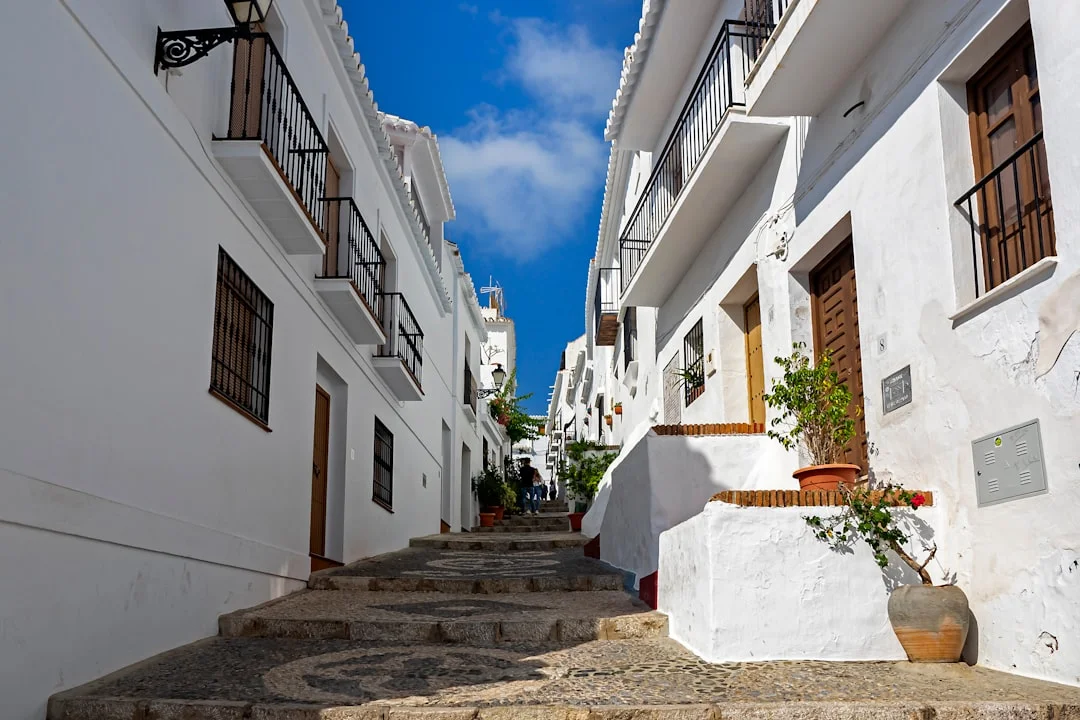
    To understand why Frigiliana has captivated the imaginations of so many for 2026, one must wander through the Barribarto, the village’s historic upper quarter. Recognized as one of the best-preserved Moorish historic centers in all of Spain, this neighborhood is a masterclass in Mudéjar architecture.

    Steep flights of stairs and narrow, winding cobblestone alleys create a mesmerizing geometric maze. Each corner reveals a new visual delight: a brightly painted door, a hidden courtyard, or a ceramic mosaic detailing the village’s rich, albeit tumultuous, history. It is this profound sense of preserved authenticity that Holidu’s data points to—a destination that does not merely display its history, but breathes it.

    A Haven for Local Craftsmanship

    Beyond its architectural splendor, Frigiliana is celebrated as a sanctuary for artisans. The village’s commitment to preserving traditional crafts is a significant factor in its rising popularity. Visitors exploring the town will find a treasure trove of artisanal boutiques offering goods crafted with techniques passed down through generations.

    • Esparto Grass Weaving: Local artisans continue to work with esparto, weaving beautiful baskets, rugs, and decorative pieces that add a rustic, tactile charm to any home.
    • Hand-Painted Ceramics: Colorful, intricate ceramics line the shelves of small shops, reflecting the vibrant Andalusian spirit.
    • Textiles and Leather Goods: High-quality, handmade leather items and woven textiles offer a tangible connection to the region’s mercantile past.

    Supporting these local artisans not only provides travelers with unique keepsakes but also ensures the survival of these invaluable cultural practices.

    A Taste of Tradition: The Gastronomy of Frigiliana

    No getaway is complete without immersing oneself in the local flavors, and Frigiliana’s culinary offerings are as rich and layered as its history. The village is perhaps most famous for its miel de caña (sugar cane honey). Frigiliana is home to the only active sugar cane honey factory in Europe, El Ingenio Nuestra Señora del Carmen. This dark, molasses-like syrup is a staple in local kitchens, famously drizzled over fried eggplant (berenjenas fritas con miel de caña) to create a perfect harmony of savory and sweet.

    Travelers in 2026 can also look forward to indulging in other traditional delicacies:

    • Choto al Ajillo: A robust and flavorful dish of tender kid goat cooked slowly with garlic, almonds, and local wine.
    • Migas: A hearty, comforting dish made from toasted breadcrumbs, garlic, and olive oil, often served with melon, chorizo, or sardines.
    • Local Muscatel Wines: The surrounding hillsides are terraced with vineyards producing sweet, aromatic Moscatel wines, perfect for sipping as the sun sets over the valley.

    Planning Your 2026 Escape

    For those based in or visiting Málaga, Frigiliana represents the quintessential day trip. Located just under an hour’s drive from the capital, it offers an immediate and profound shift in pace. It serves as a perfect tranquil counterpoint to the region’s more bustling events, such as the vibrant weekend food festivals found further down the coast. Whether you are navigating the steep streets to reach the ruins of the Castillo de Lizar, dining on a terrace with panoramic views of the Axarquía region, or simply listening to the gentle splash of a village fountain, Frigiliana delivers an unpretentious, soul-nourishing experience.

    There is a quiet magic in stepping away from the predictable paths and finding yourself in a place that still measures time by the ringing of church bells and the slow drip of cane honey. Frigiliana is not just a destination on a map or a high-ranking name on a travel list; it is a gentle reminder of the enduring beauty of slow living, waiting patiently for you to wander its sunlit streets.

  • Strand-Warnung: Vorübergehendes Badeverbot in Los Álamos

    Strand-Warnung: Vorübergehendes Badeverbot in Los Álamos

    Die sonnenverwöhnte Küste von Torremolinos ist für viele ein Zufluchtsort, an dem das rhythmische Rauschen des Mittelmeers auf die lebhafte Energie der lokalen Chiringuitos trifft. Zu den berühmtesten Abschnitten gehört Los Álamos, ein beliebtes Ziel sowohl für anspruchsvolle Einheimische als auch für internationale Besucher, die die perfekte Mischung aus Entspannung und lebendiger Beach-Club-Kultur suchen. Eine plötzliche Änderung der maritimen Routine, begleitet von extremen Wetterwechseln zwischen warmen Terral-Winden und aufziehenden Atlantikstürmen, hat die Behörden jedoch dazu veranlasst, ein vorübergehendes Badeverbot im Meer zu verhängen.

    Ein vorübergehendes Badeverbot

    Anfang Mai 2026 haben die örtlichen Gesundheits- und Schifffahrtsbehörden am Strand von Los Álamos die rote Flagge gehisst und ein vorübergehendes Badeverbot verhängt. Während der goldene Sand für Sonnenbader geöffnet bleibt und die weitläufige Promenade weiterhin Spaziergänger willkommen heißt, ist das Betreten des Wassers bis auf Weiteres strengstens untersagt.

    Nach aktuellen Meldungen der Diario Sur wurde diese Maßnahme als Vorsichtsschritt im Anschluss an routinemäßige Kontrollen der Wasserqualität ergriffen. Die sorgfältige Überwachung unserer Küstengewässer stellt sicher, dass die öffentliche Sicherheit an erster Stelle steht, auch wenn dies bedeutet, dass unsere geschätzten Routinen am Meer vorübergehend unterbrochen werden müssen.

    Warum ist das Schwimmen in Los Álamos verboten?

    Der Hauptgrund für dieses vorübergehende Verbot betrifft die Wasserqualität am Strand von Los Álamos. Die Küstenbehörden führen strenge, regelmäßige Tests durch, um verschiedene Umwelt- und Gesundheitsindikatoren zu messen. Wenn diese Messwerte von den strengen Sicherheitsparametern abweichen – oft bedingt durch plötzliche Strömungsänderungen, unerwartete Abflüsse ins Meer oder lokalisierte ökologische Ungleichgewichte –, wird ein vorübergehendes Badeverbot erlassen.

    Dieses schnelle Vorgehen ist ein Beweis für das Engagement der Region für die öffentliche Gesundheit. Das Verbot bleibt in Kraft, bis nachfolgende Wasseranalysen bestätigen, dass die Mittelmeergewässer vor Los Álamos in ihren gewohnt makellosen Zustand zurückgekehrt sind.

    Ist das Schwimmen an anderen Stränden Málagas heute sicher?

    Für diejenigen, die sich fragen, ob ihr Küstenausflug komplett ins Wasser fällt, gibt es beruhigende Nachrichten. Die aktuelle Badebeschränkung ist stark auf den Bereich Los Álamos begrenzt. Der überwiegende Teil der ausgedehnten Küstenlinie der Costa del Sol bleibt davon unberührt. Benachbarte Strände in Torremolinos, wie La Carihuela und Playamar, sowie die weitreichenden Strandabschnitte der Stadt Málaga weisen weiterhin eine hervorragende Wasserqualität auf und sind heute absolut sicher zum Schwimmen.

    Los Álamos abseits des Wassers genießen

    Auch wenn die Wellen vorübergehend tabu sind, reicht der Reiz von Los Álamos weit über das Wasser hinaus. Der Strand ist für sein anspruchsvolles Freizeitangebot bekannt. Besucher können sich weiterhin auf luxuriösen Balinesischen Betten entspannen, die exquisite mediterrane Gastronomie in den renommierten Beach Clubs genießen und der Ambient-Musik lauschen, die die schicke Atmosphäre der Gegend prägt. Ein gemütlicher Spaziergang entlang der weitläufigen Promenade bietet einen weiten Blick auf das Meer und bildet eine ruhige Kulisse für einen Nachmittagskaffee oder einen abendlichen Cocktail.

    Die Natur hat ihre eigenen Rhythmen und benötigt gelegentlich einen kurzen Moment, um ihr empfindliches Gleichgewicht wiederherzustellen. Wir bleiben zuversichtlich, dass die sanften Gewässer von Los Álamos bald wieder Schwimmer in ihren Armen willkommen heißen werden. Bis dahin erstrahlt der lebendige Geist des Strandes weiterhin am Ufer und lädt uns ein, die Schönheit der Küste von der Wärme des Sandes aus zu genießen.