Tag: by:lucia_montero

  • Urban Shift: Touristification of Pozos Dulces

    Urban Shift: Touristification of Pozos Dulces

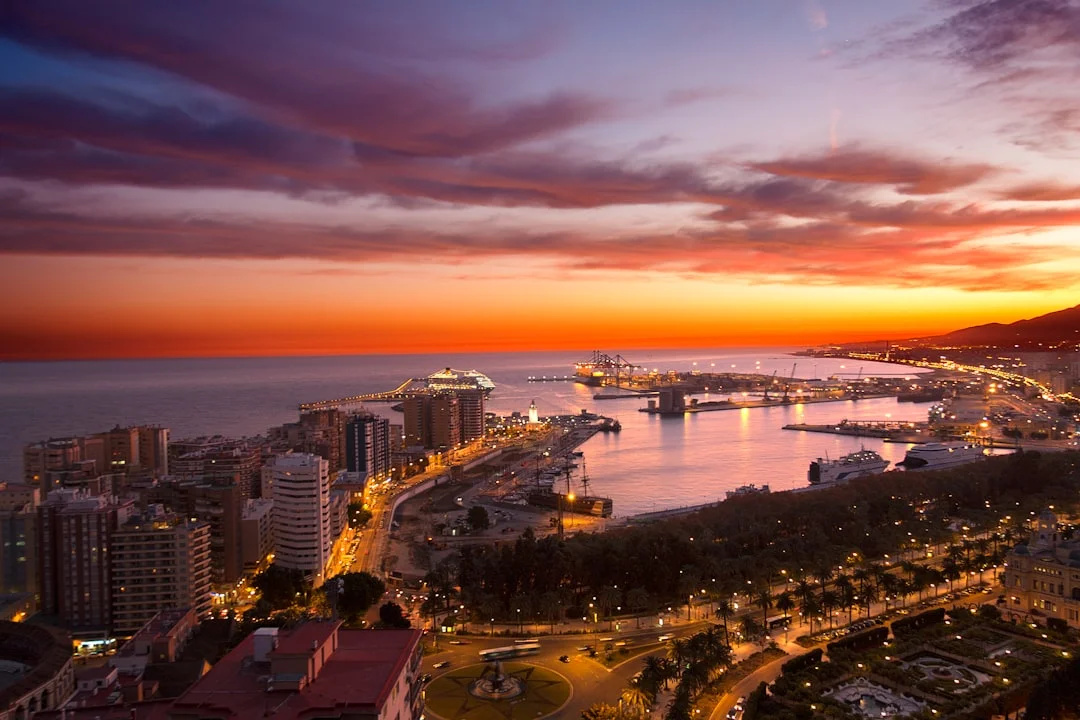
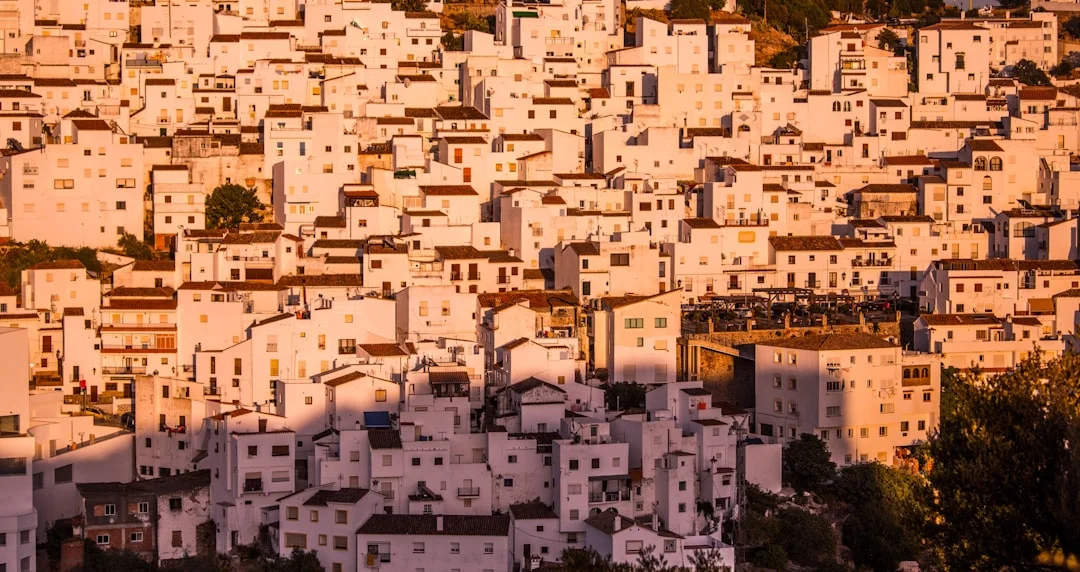
    Málaga’s historic center has long been a canvas of cultural evolution, but recent years have accelerated its metamorphosis from a quiet Andalusian enclave into a bustling international hotspot. At the epicenter of this transformation lies the Pozos Dulces area, a once-unassuming corner of the city that is currently undergoing a profound and rapid facelift.

    For those who have walked the winding alleys of Málaga Centro over the past decade, the shifting landscape is palpable. The cobblestones still echo with history, yet the facades look increasingly polished, catering to a new wave of global wanderers. This urban shift, often colloquially termed ‘touristification,’ brings both renewed vitality and complex challenges to the historic core.

    Pozos Dulces: A Microcosm of Urban Shift

    Nestled in the heart of the city, Calle Pozos Dulces and its surrounding alleyways traditionally offered a quiet respite from the lively arteries of Calle Larios and Plaza de la Constitución. Historically characterized by residential blocks and small, family-run enterprises, the street is now the focal point of intense real estate interest.

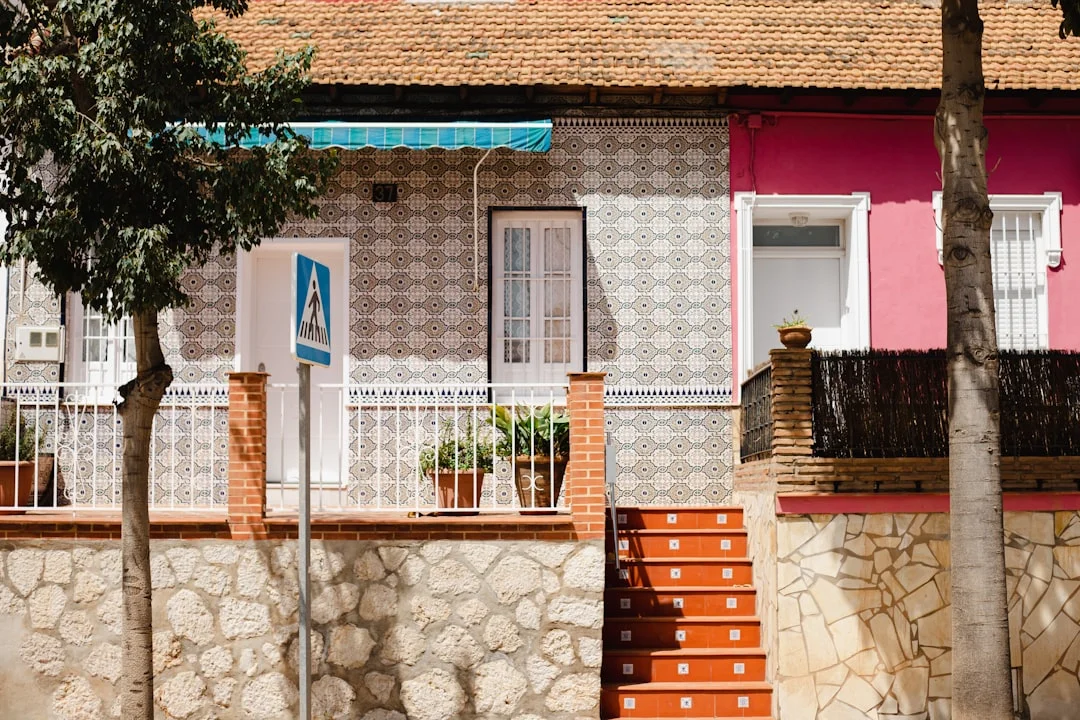
    The narrative of gentrification in the Malaga center is vividly playing out here. A stroll down Pozos Dulces today reveals a street in transition—scaffolding masking historic facades as interiors are gutted and reimagined for the modern traveler. This hyper-localized boom is not an isolated event but a reflection of broader trends reshaping the city, a phenomenon frequently documented by regional publications such as Diario Sur.

    The New Arrivals: Hostels and Boutique Hospitality

    The cornerstone of the Pozos Dulces transformation is the introduction of new accommodation concepts tailored to the modern visitor. The street is currently welcoming two new hostels and a highly anticipated boutique hotel, fundamentally altering the demographic flow of the neighborhood.

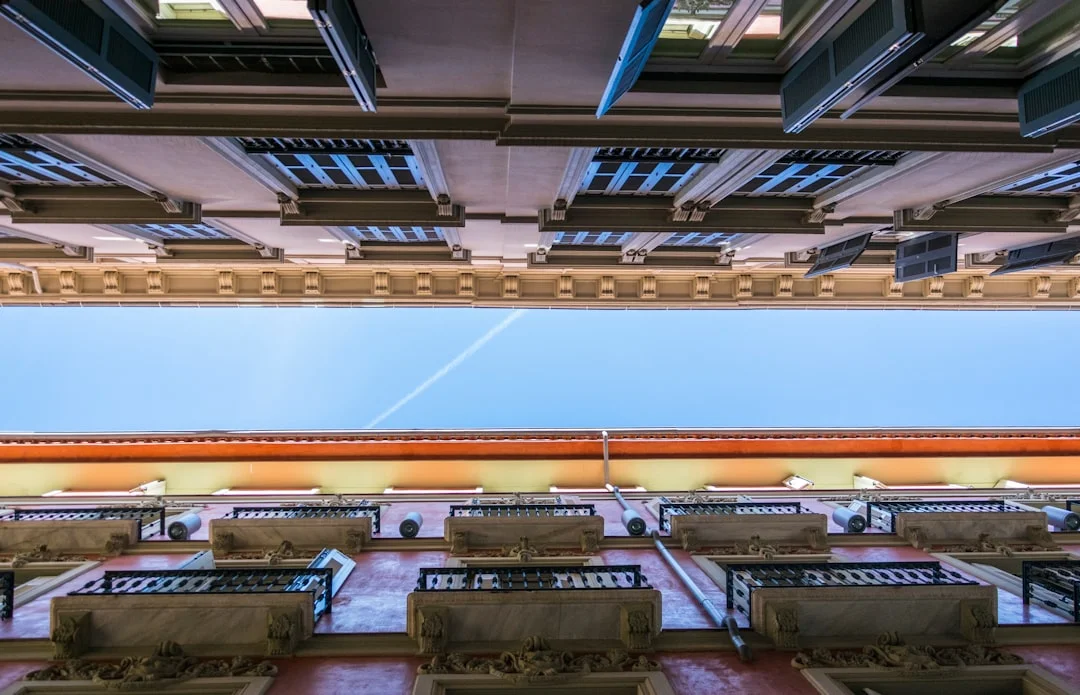
    These new boutique hotels in Malaga are designed to blend historic charm with contemporary luxury. Investors are keen to preserve the traditional Andalusian courtyards and ornate balconies while outfitting the interiors with high-end amenities, rooftop terraces, and artisanal cafes. The two new hostels aim at a slightly different demographic—the digital nomads and upscale backpackers who seek experiential travel without sacrificing comfort and design.

    While the architectural preservation is commendable, the influx of Pozos Dulces Malaga hotels signifies a clear pivot from residential use to transient hospitality. For every beautifully restored doorway, there is a lingering question about the displacement of long-term residents and the erosion of neighborhood cohesion.

    The Double-Edged Sword of ‘Touristification’

    The gentrification of the Malaga center is a deeply nuanced topic, particularly among the city’s growing expat community and its native malagueños. On one hand, the injection of capital into areas like Pozos Dulces revitalizes decaying infrastructure. Derelict buildings are saved from ruin, local businesses enjoy increased foot traffic, and the city’s global profile continues to rise.

    On the other hand, the ‘touristification’ of traditional streets brings undeniable growing pains. The conversion of residential apartments into short-term rentals and boutique accommodations drives up property values, often pricing out the very locals who give the city its authentic soul. The daily rhythm of the neighborhood shifts from the quiet hum of community life to the constant turnover of rolling suitcases and guided tours.

    This delicate balance is the defining challenge for Málaga in 2026. How does a city embrace its popularity while protecting the essence that made it popular in the first place?

    Looking Ahead

    As the dust settles on the construction in Pozos Dulces, the street will undoubtedly emerge more beautiful and vibrant than before. Yet, it serves as a poignant reminder of the fragility of urban ecosystems. The evolution of our beloved city is inevitable, but it requires mindful stewardship to ensure that progress does not erase heritage.

    Walking through the historic center, one cannot help but feel a deep appreciation for the layers of history beneath our feet. As Málaga continues to grow and adapt, it is our shared hope that the city will find a harmonious path forward—one where the warmth of the traditional Andalusian spirit remains the beating heart of every newly polished street, welcoming visitors while fiercely protecting its home.

  • Málagas Hafen: Luxus-Kreuzfahrten und neues Wahrzeichen

    Málagas Hafen: Luxus-Kreuzfahrten und neues Wahrzeichen

    Málaga war lange das Tor zur Costa del Sol, aber in den letzten Jahren hat sich die Stadt aggressiv gewandelt, um selbst zum Reiseziel zu werden. Während wir uns auf den Frühling 2026 zubewegen, bestätigen zwei große Entwicklungen, dass die Strategie der Hauptstadt fest auf den High-End-Markt ausgerichtet ist: eine rekordverdächtige Saison für Luxuskreuzfahrten und eine massive Kapitalspritze in die Gastgewerbe-Infrastruktur des Hafens. Diese Aufwertung spiegelt sich auch kulinarisch wider, angetrieben durch eine neue Generation junger Köche und innovative Konzepte wie das ‘Relleno’.

  • Málaga’s Exclusive Cruises and New €200M Port Icon

    Málaga’s Exclusive Cruises and New €200M Port Icon

    Málaga has long been the gateway to the Costa del Sol, but in recent years, the city has aggressively pivoted to become the destination itself. As we move into the spring of 2026, two major developments confirm that the capital’s strategy is firmly focused on the high-end market: a record-breaking season for luxury cruising and a massive capital injection into the port’s hospitality infrastructure, perfectly complementing the vibrant gastronomic revolution currently being led by the city’s young chefs.

  • 200-Millionen-Investition definiert Málagas Hafen neu

    200-Millionen-Investition definiert Málagas Hafen neu

    Die Beziehung zwischen Málaga und dem Meer war schon immer eng, durchläuft aber derzeit eine strukturelle Metamorphose. Jahrelang schwankte die Diskussion um den Hafen von Málaga zwischen seiner Funktion als Verkehrsknotenpunkt und seinem Potenzial als eigenständiges Reiseziel. Seit Februar 2026 scheint diese Debatte durch eine erhebliche finanzielle Verpflichtung eine definitive Antwort gefunden zu haben.

    Neue Ankündigungen bestätigen eine massive Investition von 200 Millionen Euro, die für das Hafenareal bestimmt ist – ein Schritt, der die Hinwendung der Stadt zum gehobenen Tourismus und zu architektonischem Ehrgeiz festigt. Dieses Projekt, angeführt von den Gruppen Hesperia und Al Alfia, stellt mehr als nur Bauarbeiten dar; es ist eine Absichtserklärung für das nächste Jahrzehnt der Costa del Sol.

    Die Architekten des Wandels

    Die Kapitalspritze ist nicht bloß spekulativ. Die Beteiligung von Schwergewichten wie Hesperia und der Investitionsgruppe Al Alfia signalisiert ein Vertrauen in den Markt von Málaga, das mit dem großer europäischer Hauptstädte konkurriert. Diese Partnerschaft zielt darauf ab, ein Hotelprojekt zu entwickeln, das wahrscheinlich als das Kronjuwel der Neugestaltung des Hafens dienen wird.

    Für Uneingeweihte: Der Hafen von Málaga hat sich stetig weiterentwickelt. Vom kommerziellen Erfolg des Muelle Uno bis zur Ankunft von Superyachten in der Megayacht Marina war der Kurs klar. Dieses 200-Millionen-Euro-Projekt ist jedoch der Beschleuniger. Es verschiebt den Zeitplan von einer „schrittweisen Verbesserung“ hin zu einer „wegweisenden Transformation“.

    Laut Wirtschaftsberichten, die die Region beobachten, wie etwa jene auf Economía Digital, formt dieses Niveau an ausländischen und inländischen Investitionen das wirtschaftliche Gefüge der Provinz neu und erzeugt einen Ausstrahlungseffekt, der weit über das Gastgewerbe hinausreicht.

    Eine sich verändernde Skyline

    Der vielleicht am meisten diskutierte Aspekt dieser Entwicklung ist die visuelle Wirkung. Málagas Skyline, historisch dominiert vom Gibralfaro, der Alcazaba und der Kathedrale (La Manquita), akzeptiert neue Protagonisten. Die Einführung einer High-End-Hotelinfrastruktur im Hafenbereich impliziert eine Vertikalität oder Dichte, die den Blick vom Meer aus – und den Blick auf das Meer von der Stadt aus – verändern wird.

    Für die Bewohner bringt dies eine Mischung aus Vorfreude und Nostalgie mit sich. Der Hafen wird zu einer Luxus-Enklave. Während dies wirtschaftliche Vitalität und die Schaffung von Arbeitsplätzen verspricht, schafft es auch eine abgegrenzte Zone, die der Premium-Freizeit gewidmet ist und die „Touristenstadt“ schärfer von der „lebenden Stadt“ trennt.

    Vom Durchgangsort zum Reiseziel

    Historisch gesehen ist ein Hafen ein Ort, den man durchquert, um woanders hinzukommen. Málaga hat diese Logik erfolgreich umgekehrt. Der Hafen ist jetzt der Ort, an dem man sein möchte. Diese Investition bestätigt, dass die Strategie funktioniert. Es wird erwartet, dass das Projekt eine demografische Gruppe von Reisenden anzieht, die Fünf-Sterne-Luxus und exklusive Annehmlichkeiten verlangt, wodurch sich Málaga weiter von seinem alten Ruf als bloßes Tor zu den Küstenstädten entfernt.

    Was dies für die Stadt bedeutet

    • Wirtschaftlicher Aufschwung: Direktinvestitionen und anschließende Schaffung von Arbeitsplätzen im Bau- und Gastgewerbe.
    • Tourismuswandel: Ein gefestigter Schritt in Richtung des „Luxus“-Segments, in direkter Konkurrenz zu Marbella.
    • Städtische Integration: Die Herausforderung wird darin bestehen, diese High-End-Zone mit dem historischen Zentrum und dem Viertel Soho zu integrieren, ohne eine Trennung zu schaffen.

    Während wir beobachten, wie sich die Kräne bewegen und die Pläne entfalten, ist klar, dass das Málaga von 2026 mutig und ehrgeizig ist und keine Angst davor hat, sein eigenes Spiegelbild im Mittelmeer zu verändern. Ob man diese Veränderungen nun mit Aufregung oder Vorsicht betrachtet, die Realität ist, dass sich die Stadt vorwärtsbewegt, Gezeit um Gezeit.

    Wir bleiben wachsam und hoffen, dass die Stadt, während die Skyline in die Höhe wächst, in der Wärme und dem Charakter verwurzelt bleibt, die sie überhaupt erst zu einem Juwel gemacht haben.

  • €200M Investment Redefining Málaga’s Port

    €200M Investment Redefining Málaga’s Port

    The relationship between Málaga and its sea has always been intimate, but it is currently undergoing a structural metamorphosis. For years, the conversation surrounding the Port of Málaga has oscillated between its function as a transit hub and its potential as a destination in its own right. As of February 2026, that debate seems to have found a definitive answer in the form of a substantial financial commitment, paralleling the broader shift where dining has become the city’s new economic engine.

  • Be Mate erweitert Portfolio in Málaga um 3 neue Gebäude

    Be Mate erweitert Portfolio in Málaga um 3 neue Gebäude

    Málagas Entwicklung vom saisonalen Eingangstor zu einem ganzjährigen kulturellen und wirtschaftlichen Kraftzentrum, dessen Business-Ökosystem sich durch Deep Tech und Big Law festigt, zieht weiterhin bedeutende Investitionen an. Als jüngstes Zeichen dieser anhaltenden Dynamik hat Be Mate, die von Kike Sarasola gegründete Plattform für Apartment-Management, eine umfassende Erweiterung ihres Portfolios in der Hauptstadt angekündigt.

  • Tourism Boom: Be Mate Adds 3 New Buildings in Málaga

    Tourism Boom: Be Mate Adds 3 New Buildings in Málaga

    Málaga’s trajectory from a seasonal gateway to a year-round cultural and corporate powerhouse continues to attract significant investment as deep tech and big law solidify the business ecosystem. In the latest sign of this enduring momentum, Be Mate, the apartment management platform founded by Kike Sarasola, has announced a major expansion of its portfolio within the capital.

  • Málaga’s Unstoppable Luxury Hotel Boom

    Málaga’s Unstoppable Luxury Hotel Boom

    If you walk through the streets of Málaga today, looking up often reveals a skyline punctuated by cranes. For years, locals witnessing the urban shift and touristification of areas like Pozos Dulces have whispered about a saturation point—a moment when the sheer volume of visitors might finally plateau. Yet, the investment reality tells a starkly different story. Far from bursting, the hotel bubble in Málaga is calcifying into something more permanent and decidedly more opulent.

  • Bobby Logan: Hotelpläne endlich genehmigt

    Bobby Logan: Hotelpläne endlich genehmigt

    Für Generationen von Malagueños weckt der Name “Bobby Logan” eine ganz bestimmte Art von Nostalgie – Erinnerungen an Kinoabende und Discolichter, die den sozialen Rhythmus im Osten der Stadt prägten. Doch wie sich die Stadt entwickelt und durch Projekte wie den Plan Verde wieder näher an die Montes de Málaga rückt, müssen dies auch ihre Wahrzeichen tun. Der Standort der ehemaligen Freizeitikone steht nun offiziell vor einer Renaissance und tauscht seine filmische Vergangenheit gegen eine Zukunft im Gastgewerbe.

  • Bobby Logan Hotel Plan Approved

    Bobby Logan Hotel Plan Approved

    For generations of Malagueños, the name “Bobby Logan” evokes a specific kind of nostalgia—memories of cinema nights and disco lights that defined the social rhythm of the city’s East side. However, as the city evolves—balancing modern developments with Bernardo Quintero’s guide to the authentic Málaga—so too must its landmarks. The site of the former leisure icon is now officially set for a renaissance, trading its cinematic past for a hospitality-focused future.