Tag: by:elena_duran

  • Malaga Airport Terminal 3 Expansion: 36 Million Passengers

    Malaga Airport Terminal 3 Expansion: 36 Million Passengers

    Málaga-Costa del Sol Airport (AGP) is the undeniable gateway to southern Spain. As the region solidifies its reputation not just as a holiday hotspot, but as a premier hub for digital nomads, expats, and tech enterprises, the infrastructure must keep pace. To meet this surging demand, Malaga Airport is embarking on an ambitious expansion of Terminal 3.

    The Architects Return

    According to a recent report by Diario Sur, the very same architectural and engineering team responsible for the original Terminal 3 design has been selected to project the new expansion. This continuity ensures that the aesthetic and functional integrity of the airport remains intact while scaling up its operational capabilities. The original T3, inaugurated over a decade ago, transformed Málaga’s connectivity; bringing back its creators is a strategic move to maintain the building’s award-winning flow and luminous design.

    Aiming for 36 Million Passengers

    The core objective of the Malaga airport expansion plans is to elevate the facility’s capacity to a staggering 36 million passengers annually. In recent years, AGP has consistently broken its own passenger records, pushing the current infrastructure to its limits. By planning ahead for this 36-million milestone, the airport authority is future-proofing the region’s connectivity and ensuring it remains competitive with other major European hubs.

    Alleviating High-Season Bottlenecks

    Anyone who has flown in or out of Málaga during July or August knows the drill. While T3 is modern and generally efficient, the sheer volume of summer traffic creates inevitable bottlenecks at security checkpoints, passport control, and baggage claim.

    The Malaga airport T3 new capacity is specifically engineered to address these pinch points. Key improvements will likely include:

    • Expanded Security Checkpoints: Additional lanes to speed up the screening process.
    • Enhanced Passport Control: More automated e-gates for non-Schengen arrivals and departures.
    • Wider Baggage Claim Areas: Increasing the number of carousels to handle multiple wide-body aircraft simultaneously.

    By expanding the footprint and optimizing passenger flow, the airport aims to significantly reduce wait times during peak travel spikes.

    What This Means for the Málaga Community

    For the frequent flyers, remote workers, and international residents who call Málaga home, the Malaga airport construction 2026 timeline represents a critical upgrade to daily life. Reliable, stress-free connectivity is the backbone of the city’s appeal to the global tech and nomad community. Better infrastructure means more direct flight routes, fewer delays, and a smoother transition from the tarmac to the city center.

    Looking ahead, it is encouraging to see our city proactively preparing for its future. Growth brings its own set of challenges, but investing in the infrastructure that connects us to the rest of the world is a vital step forward. Let’s hope this expansion paves the way for even smoother journeys, bringing friends, family, and new opportunities to our sunny shores with ease.

  • United Airlines: Wieder Direktflüge Málaga-New York

    United Airlines: Wieder Direktflüge Málaga-New York

    Die transatlantische Brücke zwischen der Costa del Sol und den Vereinigten Staaten ist offiziell wieder geöffnet. Ab heute hat United Airlines ihren Direktflug, der den Flughafen Málaga-Costa del Sol (AGP) mit New York/Newark (EWR) verbindet, für die Saison 2026 erfolgreich wieder aufgenommen.

    Die Rückkehr dieser Strecke markiert einen bedeutenden Meilenstein für die internationale Anbindung. Der Start mit einer außergewöhnlich hohen Auslastung unterstreicht die wachsende Nachfrage nach nahtlosem Reisen zwischen Südspanien und Nordamerika. Als eines der wichtigsten Themen der Flughafen-Nachrichten Málaga 2026 ist diese Entwicklung ein klares Indiz für das steigende globale Profil der Region.

    Eine wichtige Verbindung für die Saison 2026

    Die Wiederaufnahme des täglichen Direktflugs ist mehr als nur eine saisonale Annehmlichkeit; sie ist ein strategischer Gewinn für die Region. Reisende müssen sich nicht länger mit anstrengenden Zwischenstopps in Madrid, Paris oder London herumschlagen. Stattdessen können Sie morgens ins Flugzeug steigen und bereits am Nachmittag Manhattan erkunden.

    Zu den wichtigsten Highlights der wiederaufgenommenen Verbindung gehören:
    * Täglicher Betrieb: Bietet maximale Flexibilität für Geschäfts- und Urlaubsreisende.
    * Hohe Auslastung: Erste Berichte deuten auf nahezu voll besetzte Kabinen hin, was das starke Marktvertrauen und die hohe Nachfrage nach Direktflügen von Málaga nach New York widerspiegelt.
    * Premium-Kabinenoptionen: Richtet sich an eine Zielgruppe, die bei Transatlantikflügen Wert auf Komfort und Effizienz legt.

    Antrieb für den Digitalen Nomaden- und Tech-Boom

    Málaga hat sich rasant zu einem erstklassigen Reiseziel für digitale Nomaden und internationale Tech-Experten entwickelt. Da große multinationale Unternehmen Zentren in der Stadt errichten, war die Notwendigkeit für effiziente, direkte Reisemöglichkeiten in die Vereinigten Staaten noch nie so hoch wie heute.

    Für Remote-Mitarbeiter und Tech-Führungskräfte ist die wachsende Präsenz von United Airlines in Málaga ein entscheidender Vorteil. Sie schlägt eine Brücke zwischen dem pulsierenden Lebensstil des Mittelmeerraums und dem wirtschaftlichen Kraftzentrum der US-Ostküste. Diese direkte Verbindung reduziert Reiseerschöpfung und betriebliche Ausfallzeiten drastisch und macht Málaga zu einem noch attraktiveren Standort für nordamerikanische Expats, Investoren und digitale Unternehmer.

    Förderung des hochwertigen Tourismus

    Über Geschäftsreisen hinaus ist die Direktverbindung New York-Málaga ein Eckpfeiler der regionalen Strategie zur Anziehung von hochwertigem Tourismus. Amerikanische Besucher bleiben historisch gesehen länger und geben pro Kopf mehr aus als viele andere Zielgruppen. Durch die Beseitigung der Umstände von Anschlussflügen wird die Costa del Sol zu einem äußerst leicht erreichbaren Luxusreiseziel.

    Von den Weltklasse-Golfplätzen in Marbella bis hin zur reichen kulturellen Vielfalt des historischen Zentrums von Málaga – der Heimat des Picasso-Museums und der Alcazaba – können US-Touristen die Schätze Andalusiens nun mit beispielloser Leichtigkeit erreichen. Es wird erwartet, dass der Zustrom nordamerikanischer Besucher dem lokalen Gastgewerbe, der Gastronomie und dem Einzelhandel während der gesamten aktuellen Saison einen erheblichen wirtschaftlichen Aufschwung verleihen wird.

    Ein Blick in die Zukunft

    Der robuste Start des diesjährigen Flugplans lässt darauf schließen, dass die Strecke in den kommenden Jahren noch weiter ausgebaut werden könnte. Sollten die hohen Auslastungsraten anhalten, sendet dies ein klares Signal an die Luftfahrtindustrie, dass die Costa del Sol ein lukrativer Markt ist, der in der Lage ist, große Langstreckennetzwerke aufrechtzuerhalten.

    Es ist immer wieder eine aufregende Erinnerung daran, wie vernetzt unsere Welt geworden ist, wenn wir diese riesigen Flugzeuge auf unseren lokalen Landebahnen aufsetzen sehen. Für diejenigen von uns, die in Málaga leben und arbeiten, erfüllt es uns mit echtem Stolz zu wissen, dass unser sonniges Fleckchen Erde nur einen einzigen Flug von den belebten Straßen New Yorks entfernt ist. Unabhängig davon, ob Sie Familie von der anderen Seite des Atlantiks willkommen heißen oder Ihr eigenes amerikanisches Abenteuer planen, hoffen wir, dass diese erneuerte Verbindung allen, die in dieser Saison in die Lüfte steigen, aufregende neue Möglichkeiten, gemeinsame Erinnerungen und sichere Reisen bringt.

  • United Airlines Resumes Malaga-New York Flights

    United Airlines Resumes Malaga-New York Flights

    The transatlantic bridge between the Costa del Sol and the United States is officially open once again. As of today, United Airlines has successfully resumed its direct flight connecting Malaga-Costa del Sol Airport (AGP) with New York/Newark (EWR) for the 2026 season.

    This route’s return marks a significant milestone for international connectivity, kicking off with an exceptionally high occupancy rate that underscores the growing demand for seamless travel between southern Spain and North America. As one of the biggest stories in Malaga airport news 2026, this development is a clear indicator of the region’s rising global profile.

    A Vital Link for the 2026 Season

    The resumption of the daily direct flight is more than just a seasonal convenience; it is a strategic asset for the region. Travelers no longer need to navigate exhausting layovers in Madrid, Paris, or London. Instead, they can step on a plane in the morning and find themselves exploring Manhattan by the afternoon.

    Key highlights of the resumed service include:
    * Daily Operations: Providing maximum flexibility for both business and leisure travelers.
    * High Occupancy: Early reports indicate nearly full cabins, reflecting strong market confidence and pent-up demand for direct flights Malaga to New York.
    * Premium Cabin Options: Catering to a demographic that values comfort and efficiency on transatlantic journeys.

    Fueling the Digital Nomad and Tech Boom

    Malaga has rapidly evolved into a premier destination for digital nomads and international tech professionals. With major multinational corporations establishing hubs in the city, the necessity for efficient, direct travel to the United States has never been higher.

    For remote workers and tech executives, the growing United Airlines Malaga presence is a game-changer. It bridges the gap between the vibrant lifestyle of the Mediterranean and the economic powerhouse of the US East Coast. This direct connection drastically reduces travel fatigue and operational downtime, making Malaga an even more attractive base for North American expats, investors, and digital entrepreneurs.

    Elevating High-Value Tourism

    Beyond corporate travel, the direct New York-Malaga route is a cornerstone of the region’s strategy to attract high-value tourism. American visitors historically stay longer and spend more per capita than many other demographics. By removing the friction of connecting flights, the Costa del Sol becomes a highly accessible luxury destination.

    From the world-class golf courses of Marbella to the rich cultural tapestry of Malaga’s historic center—home to the Picasso Museum and the Alcazaba—US tourists can now access Andalusia’s treasures with unprecedented ease. The influx of North American visitors is expected to provide a substantial economic boost to local hospitality, gastronomy, and retail sectors throughout the current season.

    Looking Ahead

    The robust start to this year’s flight schedule suggests that the route could see even further expansion in the coming years. If the high occupancy rates hold steady, it sends a clear signal to the aviation industry that the Costa del Sol is a lucrative market capable of sustaining major long-haul networks.

    Seeing these massive aircraft touch down on our local runways is always a thrilling reminder of how connected our world has become. For those of us living and working in Malaga, it brings a genuine sense of pride to know our sunny corner of the world is just a single flight away from the bustling streets of New York. Whether you are welcoming family from across the Atlantic or planning your own American adventure, we hope this renewed connection brings exciting new opportunities, shared memories, and safe travels to everyone taking to the skies this season.

  • Puerto de la Torre Real Estate Boom: Opportunity or Misstep

    Puerto de la Torre Real Estate Boom: Opportunity or Misstep

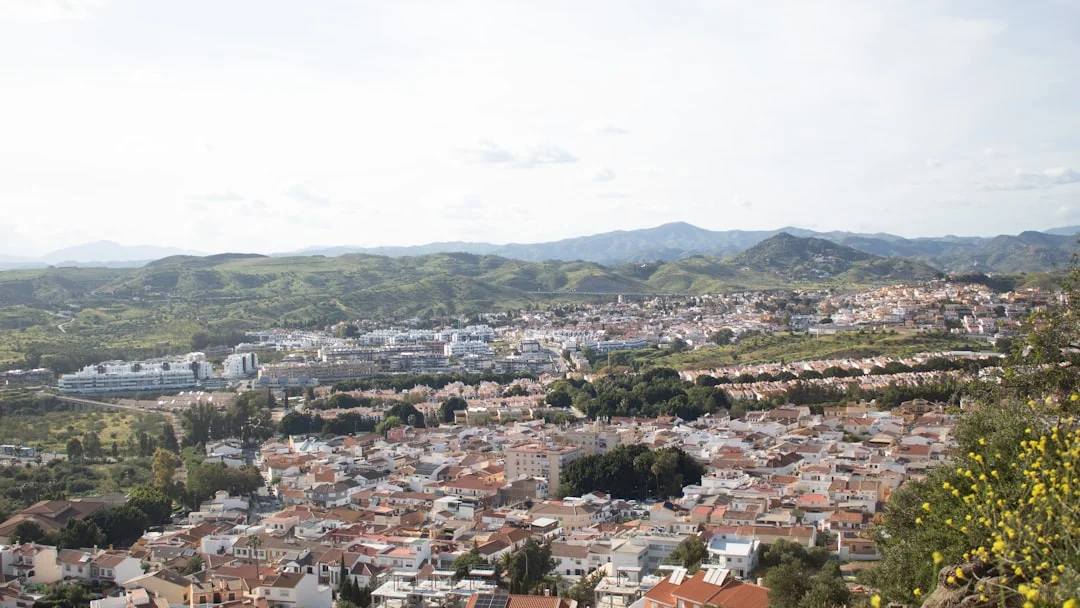
    Málaga’s historic center has long been the darling of expats, digital nomads, and international investors. However, as the core becomes increasingly saturated and prices soar, the gaze of new arrivals has naturally drifted outward. One district currently experiencing a dramatic transformation is Puerto de la Torre. Historically a quiet, residential enclave on the northwestern edge of the city, it is now the epicenter of a fierce real estate boom. But with rapid growth comes growing pains, and the neighborhood’s urban planning is under intense scrutiny.

    The Shift to the Suburbs

    For years, Puerto de la Torre was known for its spacious villas, traditional Andalusian houses, and a strong sense of local community. It offered a breather from the bustling coast while remaining just a 15-minute drive from Málaga’s center. Today, families and remote workers are drawn to the area in search of larger properties, private outdoor spaces, and a quieter lifestyle.

    This migration has sparked a surge in new developments. Sleek residential complexes and modern townhouses are springing up, fundamentally altering the district’s architectural and demographic landscape. While this brings new energy and investment to the area, it has also triggered a wave of gentrification that is pushing housing prices to unprecedented highs.

    The Cost of Rapid Expansion

    The speed of this real estate boom has left many local experts and long-time residents deeply concerned. The primary issue is not the arrival of new neighbors, but rather the sheer volume of construction outpacing the development of essential public infrastructure.

    Roads that once handled moderate local traffic are now frequently congested. Public transport links, while functional, have not scaled to meet the demands of a rapidly growing population. Furthermore, essential services such as schools, healthcare facilities, and green spaces are feeling the strain of the sudden demographic shift.

    According to recent local reports discussing whether Málaga’s urban planning is an act of imprudence, critics argue that the aggressive expansion in peripheral districts like Puerto de la Torre lacks a sustainable, long-term vision. The rush to build residential units often takes precedence over creating cohesive, well-supported communities.

    What Prospective Buyers Should Consider

    If you are a digital nomad or a family looking to buy property or settle in Puerto de la Torre, it is crucial to approach the market with a clear understanding of the current dynamics:

    • Evaluate the Commute: While the district is geographically close to the center, increased traffic can significantly lengthen your commute during peak hours. Test the route during different times of the day.
    • Check Local Amenities: Ensure that the specific area you are looking at has adequate access to supermarkets, pharmacies, and schools. Do not assume that new residential developments automatically include new commercial or public services.
    • Anticipate Future Construction: A quiet plot today might be a bustling construction site tomorrow. Review the city’s local urban plans (PGOU) to understand what is slated for development in your immediate vicinity.
    • Engage with the Community: The best way to understand the reality of a neighborhood is to speak with those who already live there. Long-time residents can provide invaluable insights into how the area is changing.

    Looking Ahead

    The evolution of Puerto de la Torre is a microcosm of the broader challenges facing Málaga today. Balancing economic growth and international appeal with the preservation of local identity and livability is no easy task.

    As we watch our beloved city expand and adapt, one can only hope that future developments will prioritize the well-being of all residents—both old and new. Málaga has always been a city of welcoming arms and resilient spirit. With mindful planning and a commitment to sustainable growth, there is every reason to believe that neighborhoods like Puerto de la Torre can find their equilibrium, remaining wonderful places to call home for generations to come.

  • La Térmica: Megaprojekt verwandelt Málagas Westküste

    La Térmica: Megaprojekt verwandelt Málagas Westküste

    Málagas Wandel von einem traditionellen Verkehrsknotenpunkt zu einer der führenden europäischen Destinationen für digitale Nomaden, Expats und Technologieunternehmen ist gut dokumentiert. Nun holt jedoch auch das physische Stadtbild rasant mit ihrem internationalen Ruf auf. Im Zentrum dieser städtebaulichen Entwicklung steht das Megaprojekt ‘La Térmica’, ein monumentales Bauvorhaben, das die westliche Skyline dauerhaft verändern und den lokalen Immobilienmarkt neu definieren wird.

    Für all jene, die investieren, umziehen oder einfach die sich verändernde Dynamik von Málaga verstehen möchten, ist die Westküste zum wichtigsten Brennpunkt der Stadt geworden.

    Die letzte unerschlossene Strandlage

    Es ist heute nahezu unmöglich, in europäischen Großstädten erstklassiges, unbebautes Küstenland zu finden. Doch der Sektor La Térmica stellt genau das dar. Er gilt weithin als das letzte große verfügbare Strandgrundstück in einer spanischen Metropole.

    Wie in einer aktuellen Analyse von Merca2 festgestellt wurde, machen die schiere Größe und die Lage dieses Projekts es zu einer Gelegenheit, die es nur einmal in einer Generation gibt. Das Bauvorhaben schafft nicht nur neuen Wohnraum; es lässt ein völlig neues, gehobenes Viertel entstehen, das sich nahtlos in das Mittelmeer integriert.

    Beispiellose Investitionen und Baufortschritte

    Was La Térmica von anderen spekulativen Stadtplanungen unterscheidet, ist sein greifbarer Fortschritt. Stand Mitte 2026 ist die Phase der städtebaulichen Erschließung bereits zu 45 % abgeschlossen. Dieser rasante Fortschritt wird durch Hunderte von Millionen Euro an kombinierten öffentlichen und privaten Investitionen vorangetrieben.

    Die finanzielle Unterstützung unterstreicht einen massiven Vertrauensbeweis in das nachhaltige Wirtschaftswachstum von Málaga. Die geschaffene Infrastruktur geht über reine Wohnblöcke hinaus; sie umfasst moderne Straßennetze, weitläufige Grünflächen, Gewerbeflächen und öffentliche Einrichtungen, die sowohl den neuen Bewohnern als auch der breiteren Gemeinschaft des Bezirks Carretera de Cádiz zugutekommen werden.

    Auswirkungen auf den Immobilienmarkt für Expats und Nomaden

    Für die wachsende Gemeinschaft von digitalen Nomaden und Expatriates ist der Immobilienmarkt ein zentrales Gesprächsthema. Historisch gesehen zog es ausländische Käufer eher in das historische Zentrum oder in die östlichen Viertel wie Pedregalejo und El Limonar. Das Projekt La Térmica verlagert diesen Schwerpunkt nun jedoch nach Westen.

    So wird sich das Megaprojekt voraussichtlich auf den lokalen Markt auswirken:

    • Rasant steigende Immobilienwerte: Da luxuriöse Strandapartments auf den Markt kommen, erleben die umliegenden Viertel Pacífico und Sacaba einen signifikanten Dominoeffekt bei den Immobilienbewertungen.
    • Moderne Annehmlichkeiten: Expats suchen oft nach modernen Bauten mit hoher Energieeffizienz, Co-Working-Spaces und erstklassigen Einrichtungen – Eigenschaften, die älteren, traditionellen andalusischen Gebäuden oft fehlen. La Térmica wurde speziell entworfen, um diese zeitgemäßen Anforderungen zu erfüllen.
    • Eine neue Skyline: Die architektonische Ambition des Projekts wird markante neue vertikale Elemente an die Küste bringen, die einen Panoramablick sowohl auf das Meer als auch auf die umliegenden Berge bieten.

    Die Neudefinition der Westküste

    Der westliche Abschnitt von Málaga, der lange durch seine industrielle Vergangenheit geprägt war, legt sein altes Gewand ab. Die Integration von La Térmica in die bestehende Promenade Antonio Banderas schafft einen durchgehenden, lebendigen Küstenkorridor. Dieser Bereich entwickelt sich schnell zu einem Zentrum für gehobene Lebensqualität mit breiten Alleen, zeitgemäßer Gastronomie und direktem Strandzugang – und das alles nur eine kurze Strecke vom pulsierenden Stadtzentrum und dem internationalen Flughafen entfernt.

    Für Tech-Mitarbeiter und internationale Fachkräfte ist diese Anbindung von größter Bedeutung. Die Möglichkeit, in einer neu erbauten, hochmodernen Immobilie am Strand zu leben und gleichzeitig mühelos zu den globalen Tech-Hubs in der Stadt zu pendeln, macht die Westküste zu einem unschlagbaren Angebot.

    Wenn wir beobachten, wie die Kräne den Horizont formen und die neuen Gebäude die mediterrane Sonne einfangen, ist es schwer, nicht ein Gefühl der Ehrfurcht vor Málagas unermüdlichem Vorwärtsdrang zu empfinden. Während Veränderungen in diesem enormen Ausmaß natürlich Fragen über die zukünftige Identität unserer geliebten Küstenviertel aufwerfen, gibt es die gemeinsame, stille Hoffnung, dass La Térmica nicht nur eine Enklave des modernen Luxus sein wird, sondern ein lebendiges neues Kapitel, das die einladende Seele der Stadt, die wir alle unser Zuhause nennen, respektiert und bereichert.

  • La Térmica: Megaproject Transforming Málaga’s Coast

    La Térmica: Megaproject Transforming Málaga’s Coast

    Málaga’s transformation from a traditional transit hub to a leading European destination for digital nomads, expats, and tech companies is well-documented. However, the city’s physical landscape is now rapidly catching up with its international reputation. At the heart of this urban evolution is the ‘La Térmica’ megaproject, a monumental development set to permanently alter the western skyline and, alongside the ongoing property boom in Puerto de la Torre, redefine the local real estate market.

    For those looking to invest, relocate, or simply understand the shifting dynamics of Málaga, the western coast has become the city’s most critical focal point.

    The Last Beachfront Frontier

    Finding prime, undeveloped coastal land in major European cities is nearly impossible today. Yet, the La Térmica sector represents exactly that. It is widely considered the last great beachfront plot available in any major Spanish metropolis.

    As noted in a recent analysis by Merca2, the sheer scale and location of this project make it a once-in-a-generation opportunity. The development is not just adding housing; it is creating an entirely new, high-end neighborhood designed to integrate seamlessly with the Mediterranean Sea.

    Unprecedented Investment and Progress

    What separates La Térmica from other speculative urban plans is its tangible progress. As of mid-2026, the urban development phase is already 45% completed. This rapid advancement is fueled by hundreds of millions of euros in combined public and private investment.

    The financial backing underscores a massive vote of confidence in Málaga’s sustained economic growth. The infrastructure being laid down goes beyond residential blocks; it includes modern road networks, extensive green zones, commercial spaces, and public amenities that will serve both new residents and the broader community of the Carretera de Cádiz district.

    Real Estate Implications for Expats and Nomads

    For the growing community of digital nomads and expatriates, the real estate market is a critical topic of conversation. Historically, foreign buyers gravitated toward the historic center or the eastern neighborhoods like Pedregalejo and El Limonar. However, the La Térmica project is shifting the center of gravity westward.

    Here is how the megaproject is expected to impact the local market:

    • Skyrocketing Property Values: As luxury beachfront apartments enter the market, the surrounding neighborhoods of Pacífico and Sacaba are experiencing a significant ripple effect in property valuations.
    • Modern Amenities: Expats often seek modern construction with high energy efficiency, co-working spaces, and premium facilities—features that older, traditional Andalusian buildings often lack. La Térmica is designed specifically to meet these contemporary demands.
    • A New Skyline: The architectural ambition of the project will introduce striking new vertical elements to the coastline, offering panoramic views of both the sea and the surrounding mountains.

    Redefining the Western Coast

    The western stretch of Málaga, long characterized by its industrial past, is shedding its old skin. The integration of La Térmica with the existing Antonio Banderas promenade creates a continuous, vibrant coastal corridor. This area is fast becoming a hub for high-quality living, featuring wide avenues, contemporary dining, and direct beach access, all while remaining just a short distance from the bustling city center and the international airport.

    For tech workers and international professionals, this connectivity is paramount. The ability to live in a newly built, state-of-the-art beachfront property while commuting effortlessly to global tech hubs in the city makes the western coast an unbeatable proposition.

    As we watch the cranes shape the horizon and the new buildings catch the Mediterranean sun, it is hard not to feel a sense of awe at Málaga’s relentless drive forward. While change on this massive scale naturally brings questions about the future identity of our beloved coastal neighborhoods, there is a shared, quiet hope that La Térmica will not just be an enclave of modern luxury, but a vibrant new chapter that respects and enriches the welcoming soul of the city we all call home.

  • Málaga will Sitz der spanischen Verkehrssicherheitsbehörde

    Málaga will Sitz der spanischen Verkehrssicherheitsbehörde

    Málagas Entwicklung von einem sonnenverwöhnten Urlaubsziel zu einem beeindruckenden technologischen und institutionellen Zentrum gewinnt weiter an Dynamik, was die Stadt erst kürzlich durch ihre rasche Erholung von einem massiven Stromausfall unter Beweis stellte. In einem klaren Bestreben, aus dem administrativen Schatten Madrids herauszutreten, hat sich die Stadt strategisch positioniert, um nationale Institutionen anzuziehen. Das jüngste Ziel auf diesem ehrgeizigen Weg ist die neu geschaffene Unabhängige Behörde für die technische Untersuchung von Eisenbahn-, See- und Zivilluftfahrtunfällen.

    Ein Vorstoß zur Dezentralisierung

    Jahrzehntelang waren die wichtigsten staatlichen Behörden und institutionellen Hauptsitze Spaniens stark in der Hauptstadt konzentriert. Ein jüngster nationaler Vorstoß zur Dezentralisierung zielt jedoch darauf ab, Wohlstand, hochrangige Arbeitsplätze und institutionelles Prestige auf verschiedene Regionen zu verteilen. Málaga nutzt diesen Wandel konsequent für sich.

    Wie Málaga Hoy berichtet, hat der Stadtrat von Málaga offiziell beschlossen, eine formelle Kandidatur für den physischen Hauptsitz dieser neuen Verkehrssicherheitsbehörde einzureichen. Dieser Schritt ist kein isoliertes Ereignis, sondern Teil einer breiteren, kalkulierten Strategie der lokalen Behörden, die wirtschaftlichen Zugpferde der Stadt zu diversifizieren.

    Was ist die neue Verkehrssicherheitsbehörde?

    Die Unabhängige Behörde für die technische Untersuchung von Eisenbahn-, See- und Zivilluftfahrtunfällen ist eine neu konsolidierte Einrichtung, die darauf ausgelegt ist, größere Verkehrsunfälle in ganz Spanien zu überwachen und zu untersuchen. Durch die Zusammenlegung der Untersuchungsabteilungen für Schiene, See und Luft in eine einzige, unabhängige Einheit zielt der Staat darauf ab, Sicherheitsprotokolle zu verbessern, Untersuchungen zu optimieren und die strikte Einhaltung der Vorschriften der Europäischen Union zu gewährleisten.

    Sollte Málaga den Zuschlag für den Hauptsitz erhalten, wird die Stadt von Folgendem profitieren:
    * Hochrangige Arbeitsplätze: Die Behörde wird spezialisierte Ingenieure, Rechtsexperten und hochrangige Beamte benötigen.
    * Institutionelles Prestige: Die Beherbergung einer unabhängigen Behörde auf staatlicher Ebene hebt den Status von Málaga auf nationaler und europäischer Ebene.
    * Wirtschaftliche Diversifizierung: Abkehr von einer starken Abhängigkeit vom Dienstleistungs- und Tourismussektor durch die Verankerung stabiler Einrichtungen des öffentlichen Sektors in der Region.

    Málagas Wettbewerbsvorteil

    Málaga präsentiert überzeugende Argumente für den neuen Hauptsitz. Die Stadt verfügt über einen der verkehrsreichsten internationalen Flughäfen Spaniens, einen großen Seehafen, der derzeit erheblich erweitert wird, und ein hervorragend angebundenes Hochgeschwindigkeitsbahnnetz (AVE). Dieses Dreigespann an Verkehrsinfrastruktur macht Málaga zu einem idealen Standort für eine Behörde, die sich der See-, Luftfahrt- und Eisenbahnsicherheit widmet.

    Darüber hinaus bietet die Präsenz des Andalusia Technology Park (Malaga TechPark) und eines florierenden universitären Ökosystems den notwendigen Talentpool und die technologische Infrastruktur, um eine moderne, datengesteuerte Ermittlungsbehörde zu unterstützen.

    Es ist wirklich inspirierend zu beobachten, wie Málaga wächst und sich auf nationaler Ebene behauptet. Als Einheimische empfinden wir einen stillen Stolz, wenn wir sehen, dass unsere Stadt nicht nur für ihre wunderschönen Strände und ihre lebendige Kultur anerkannt wird, sondern auch für ihre Fähigkeit, wichtige, hochrangige Institutionen zu beherbergen. Es weckt die Hoffnung, dass zukünftige Generationen hier bei uns zu Hause vielfältige und solide Karrieremöglichkeiten haben werden, die berufliche Ambitionen mit unserer unvergleichlichen mediterranen Lebensqualität verbinden.

  • Malaga Bids for Spain’s National Transport Safety Agency

    Malaga Bids for Spain’s National Transport Safety Agency

    Malaga’s evolution from a sun-drenched holiday destination to a formidable technological and institutional hub continues to gain momentum. In a clear move to step out of Madrid’s administrative shadow, the city has strategically positioned itself to attract national institutions. The latest target in this ambitious roadmap is the newly created Independent Authority for the Technical Investigation of Railway, Maritime, and Civil Aviation Accidents.

    A Push for Decentralization

    For decades, Spain’s major state agencies and institutional headquarters have been highly concentrated in the capital. However, a recent national push toward decentralization aims to distribute wealth, high-level employment, and institutional prestige across various regions. Malaga is aggressively capitalizing on this shift.

    As detailed by Málaga Hoy, the Malaga City Council officially agreed to present a formal candidacy to host the physical headquarters of this new transport safety authority. This move is not an isolated event but part of a broader, calculated strategy by local authorities to diversify the city’s economic engines.

    What is the New Transport Safety Agency?

    The Independent Authority for the Technical Investigation of Railway, Maritime, and Civil Aviation Accidents is a newly consolidated body designed to oversee and investigate major transport incidents across Spain. By merging the investigative branches of rail, sea, and air into a single, independent entity, the state aims to improve safety protocols, streamline investigations, and maintain strict compliance with European Union regulations.

    If Malaga secures the headquarters, the city will benefit from:
    * High-level employment: The agency will require specialized engineers, legal experts, and senior civil servants.
    * Institutional prestige: Hosting a state-level independent authority elevates Malaga’s status on the national and European stage.
    * Economic diversification: Moving away from a heavy reliance on the service and tourism sectors by anchoring stable, public-sector institutions in the region.

    Malaga’s Competitive Edge

    Malaga presents a compelling case for the new headquarters. The city boasts one of Spain’s busiest international airports, a major seaport undergoing significant expansion, and a highly connected high-speed rail network (AVE). This trifecta of transport infrastructure makes Malaga an organically fitting home for an agency dedicated to maritime, aviation, and railway safety.

    Furthermore, the presence of the Andalusia Technology Park (Malaga TechPark) and a thriving university ecosystem provides the necessary talent pool and technological infrastructure to support a modern, data-driven investigative authority.

    It is genuinely inspiring to watch Malaga grow and assert itself on the national stage. As locals, we feel a quiet pride seeing our city recognized not just for its beautiful beaches and vibrant culture, but for its capacity to host critical, high-level institutions. It brings hope that future generations will have diverse, robust career opportunities right here at home, blending professional ambition with our unmatched Mediterranean quality of life.

  • Málaga: Verlust von 7.200 Arbeitsplätzen in Q1 2026

    Málaga: Verlust von 7.200 Arbeitsplätzen in Q1 2026

    Málaga ist zweifellos zu einem der meistdiskutierten Reiseziele Südeuropas geworden. Mit einem florierenden Tech-Ökosystem, einem Zustrom an internationalen Talenten und einem Tourismussektor, der beständig Rekorde bricht, war die wirtschaftliche Entwicklung der Provinz überwältigend positiv. Die neuesten Wirtschaftsdaten sind jedoch eine ernüchternde Erinnerung daran, dass der lokale Arbeitsmarkt immer noch vor saisonalen und systemischen Herausforderungen steht.

    Die Zahlen des ersten Quartals 2026 erklärt

    Das erste Quartal eines jeden Jahres ist traditionell schwierig für den spanischen Arbeitsmarkt, und 2026 war für die Costa del Sol keine Ausnahme. Laut der neuesten Arbeitskräfteerhebung (EPA), die Ende April veröffentlicht wurde, erlebte die Provinz einen spürbaren Rückgang, auch wenn die Tech-Branche in Málaga trotz globaler KI-Entlassungen weiterhin auf Wachstumskurs bleibt.

    Die Daten zeigen, dass Málaga in den ersten drei Monaten des Jahres 8.200 Arbeitslose hinzugewonnen hat. Gleichzeitig hat die lokale Wirtschaft in diesem Zeitraum 7.200 Arbeitsplätze abgebaut. Damit steigt die Gesamtzahl der Arbeitslosen in der Provinz auf 116.200.

    Wichtige Erkenntnisse aus den EPA-Daten

    • Arbeitsplatzverluste: Zwischen Januar und März 2026 wurden 7.200 Arbeitsplätze abgebaut.
    • Anstieg der Arbeitslosigkeit: 8.200 Personen kamen neu in die Arbeitslosigkeit.
    • Gesamtarbeitslosigkeit: Die Gesamtzahl der Arbeitslosen in der Provinz liegt nun bei 116.200.

    Saisonaler Rückgang oder systemischer Wandel?

    Für Expats, die lokale Unternehmen führen, oder für Fachkräfte, die einen Umzug in Betracht ziehen, sind diese Zahlen entscheidend, um das breitere Wirtschaftsklima zu verstehen. Während Málagas Ruf als „Silicon Valley Südeuropas“ intakt bleibt, ist die Gesamtwirtschaft der Provinz nach wie vor stark vom Dienstleistungs- und Gastgewerbesektor abhängig.

    Das erste Quartal fängt typischerweise das Ende der Verträge aus der Feriensaison auf. Einzelhandel und Gastronomie reduzieren ihre Belegschaft oft im Januar und Februar, bevor sie für den Touristenansturm im Frühling und Sommer wieder aufstocken. Der Verlust von 7.200 Arbeitsplätzen ist vielmehr ein deutliches Anzeichen für dieses etablierte saisonale Muster als für einen plötzlichen Zusammenbruch des lokalen Technologie- oder Unternehmenssektors.

    Es verdeutlicht jedoch eine strukturelle Verwundbarkeit: die Wirtschaft der zwei Geschwindigkeiten. Während hochqualifizierte Tech-Jobs und internationale Remote-Arbeit weiterhin florieren, bleibt ein erheblicher Teil der lokalen Arbeitskräfte an saisonale Schwankungen gebunden.

    Was dies für lokale Unternehmen und Arbeitssuchende bedeutet

    Wenn Sie Unternehmer oder Arbeitssuchender in Málaga sind, sollten die Q1-Daten eher als praktischer Leitfaden denn als Abschreckung dienen.

    1. Für Arbeitssuchende: Wenn Sie Arbeit im Gastgewerbe, Einzelhandel oder Tourismus suchen, bieten die Zeiträume Q2 und Q3 historisch gesehen einen massiven Anstieg an Einstellungen. Wenn Sie im Tech- oder B2B-Sektor tätig sind, bleibt der Markt wettbewerbsfähig, aber stabil, da diese Branchen weitaus weniger von saisonalen Schwankungen betroffen sind.
    2. Für Unternehmensinhaber: Ein Verständnis des lokalen Beschäftigungszyklus kann Ihnen helfen, Ihre Einstellungsprozesse zeitlich besser abzustimmen. Der aktuelle Pool an verfügbaren Talenten ist größer, was es einfacher machen könnte, qualifizierte Kandidaten zu finden, bevor der Sommeransturm den Arbeitsmarkt verengt.

    Blick in die Zukunft

    Während wir weiter in den Frühling 2026 voranschreiten, wird erwartet, dass sich die Wirtschaftslandschaft verändert. Die bevorstehende Sommersaison fungiert traditionell als starker Motor für die Schaffung von Arbeitsplätzen in Andalusien. Wir werden wahrscheinlich eine Umkehrung dieser Verluste aus dem ersten Quartal erleben, da Hotels, Restaurants und tourismusnahe Dienstleistungen Personal aufbauen, um der internationalen Nachfrage gerecht zu werden.

    Das Leben und Arbeiten in Málaga ist eine unglaublich lohnende Erfahrung, erfordert jedoch ein Verständnis für die einzigartigen Rhythmen der Region. Hinter jeder Wirtschaftsstatistik steht ein Nachbar, ein Freund oder eine lokale Familie, die die Höhen und Tiefen des Marktes bewältigt. Wenn das Wetter wärmer wird und sich die Stadt auf ihre geschäftigsten Monate vorbereitet, gibt es die gemeinsame, stille Hoffnung, dass die kommende Saison erneute Stabilität, regelmäßige Einkommen und neue Möglichkeiten für alle bringen wird, die diese wunderschöne Provinz ihr Zuhause nennen.

  • Malaga Economy Update: Q1 2026 Sees Loss of 7,200 Jobs

    Malaga Economy Update: Q1 2026 Sees Loss of 7,200 Jobs

    Malaga has undoubtedly become one of Southern Europe’s most talked-about destinations. With a thriving tech ecosystem, an influx of international talent, and a tourism sector that consistently breaks records, the province’s economic narrative has been overwhelmingly positive. However, the latest economic data provides a sobering reminder that the local job market still faces seasonal and systemic challenges.

    The Q1 2026 Numbers Explained

    The first quarter of any year is traditionally tough for the Spanish labor market, and 2026 has been no exception for the Costa del Sol. According to the latest Active Population Survey (EPA) released in late April, the province experienced a noticeable contraction, even though Malaga’s tech industry continues to expand amid global AI job cuts.

    The data reveals that Malaga added 8,200 unemployed people in the first three months of the year. Concurrently, the local economy shed 7,200 jobs during this period. This brings the total number of unemployed individuals in the province to 116,200.

    Key Takeaways from the EPA Data

    • Job Losses: 7,200 jobs were destroyed between January and March 2026.
    • Unemployment Growth: 8,200 individuals joined the unemployment lines.
    • Total Unemployment: The province’s total unemployed population now stands at 116,200.

    Seasonal Dip or Systemic Shift?

    For expats running local businesses or professionals looking to relocate, these figures are essential for understanding the broader economic climate. While Malaga’s reputation as a “Silicon Valley of Southern Europe” remains intact, the province’s overall economy is still heavily reliant on the service and hospitality sectors.

    The first quarter typically absorbs the end of the holiday season contracts. Retail and hospitality operations often scale back their workforces in January and February before ramping up again for the spring and summer tourist influx. The loss of 7,200 jobs is highly indicative of this established seasonal pattern rather than a sudden collapse of the local tech or corporate sectors.

    However, it does highlight a structural vulnerability: the dual-speed economy. While high-skilled tech jobs and international remote work continue to flourish, a significant portion of the local workforce remains tied to seasonal fluctuations.

    What This Means for Local Businesses and Job Seekers

    If you are an entrepreneur or a job seeker in Malaga, the Q1 data should serve as a practical guide rather than a deterrent.

    1. For Job Seekers: If you are looking for work in hospitality, retail, or tourism, the Q2 and Q3 periods historically offer a massive surge in hiring. If you are in the tech or B2B sectors, the market remains competitive but stable, as these industries are far less affected by seasonal swings.
    2. For Business Owners: Understanding the local employment cycle can help you time your hiring processes better. The current pool of available talent is larger, which might make it easier to find qualified candidates before the summer rush tightens the labor market.

    Looking Ahead

    As we move deeper into the spring of 2026, the economic landscape is expected to shift. The upcoming summer season traditionally acts as a powerful engine for job creation in Andalusia. We will likely see a reversal of these Q1 losses as hotels, restaurants, and tourism-adjacent services staff up to meet international demand.

    Living and working in Malaga is an incredibly rewarding experience, but it requires an understanding of the region’s unique rhythms. Behind every economic statistic is a neighbor, a friend, or a local family navigating the ups and downs of the market. As the weather warms and the city gears up for its busiest months, there is a shared, quiet hope that the coming season will bring renewed stability, steady paychecks, and fresh opportunities for everyone who calls this beautiful province home.