Tag: by:alex_soto

  • Málaga’s West Coast Promenade Connects to Sacaba

    Málaga’s West Coast Promenade Connects to Sacaba

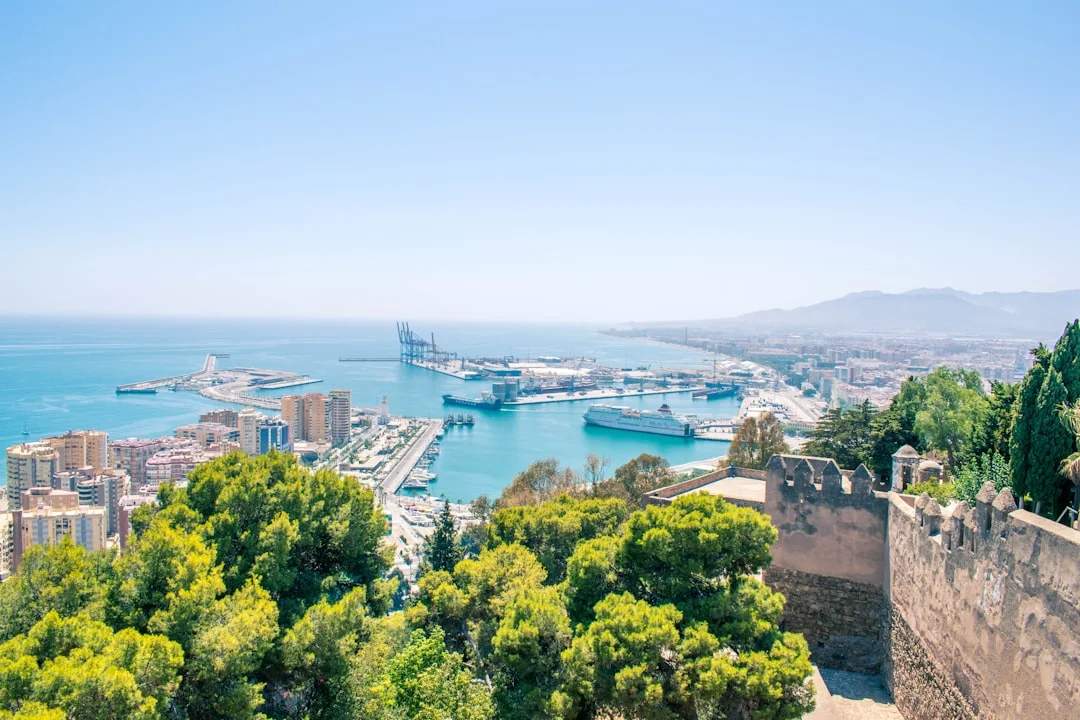
    For over two decades, runners, cyclists, and walkers navigating Málaga’s western coastline have hit a frustrating dead end. The Paseo Marítimo de Poniente (Antonio Banderas promenade) has long stopped abruptly just before reaching Sacaba beach, forcing outdoor enthusiasts to detour inland or navigate unfinished terrain—just one of many local curiosities, much like the fascinating secrets hidden within Málaga’s hotels.

    That bottleneck is finally becoming history. Construction has officially started on the last remaining stretch of the western promenade, a project that will seamlessly connect the city’s western coast all the way to Sacaba.

    Bridging a 20-Year Urban Gap

    This long-awaited infrastructure project is being executed by the Basque developer Naiz Homes. It forms a key component of the massive ‘La Térmica’ urban redevelopment plan, which is completely transforming this former industrial sector of the city as Málaga’s property sector continues to attract record investment.

    According to details published by La Opinión de Málaga, the work represents the resolution of an urban planning block that has remained unresolved since the early 2000s. By bridging this final gap, the city is creating a continuous, high-quality coastal corridor that will significantly improve mobility and leisure options on the west side of Málaga.

    What the Project Entails

    Rather than just a simple paved path, the final connection is designed to match the modern aesthetic of the existing Antonio Banderas promenade. Key features of the development include:

    • Pedestrian and Cycle Paths: Dedicated lanes to ensure safe, separate spaces for both walkers and cyclists.
    • Green Spaces and Landscaping: Integration of native plants and trees to provide shade and visual continuity with the rest of the seafront.
    • Modern Urban Furniture: New seating areas, energy-efficient lighting, and waste bins to make the space welcoming and functional.
    • Improved Beach Access: Direct, structured access points to the sands of Sacaba beach, protecting the local coastal environment while making it highly accessible.

    Part of the ‘La Térmica’ Transformation

    The completion of the promenade is closely tied to the broader redevelopment of the La Térmica district. This area, once dominated by heavy industry and the iconic thermal power plant chimney, is being converted into a modern residential and commercial hub.

    Integrating the promenade into this plan ensures that the new neighborhood is highly walkable and connected to the rest of Málaga’s coastline. It also provides a direct connection to the Guadalhorce river estuary natural area, offering a scenic route for long-distance runners and nature lovers.

    A Boost for Active Living in Málaga

    For locals living in neighborhoods like Carretera de Cádiz, Pacifico, and Quirón, this connection is a major upgrade. It opens up uninterrupted kilometers of coastline for daily exercise, morning strolls, and weekend bike rides without the need to navigate traffic or unpaved construction zones.

    As Málaga continues to grow and modernize, projects like this highlight the city’s commitment to reclaiming its waterfront for its residents. The completion of this final link is a quiet but deeply impactful victory for urban mobility and outdoor life in the city.

    We hope this new stretch of the promenade brings many bright mornings of fresh sea air and easy walks to everyone in Málaga. See you out there on the path!
  • Geheimes Málaga: Fünf versteckte Pfade und lokale Routen

    Geheimes Málaga: Fünf versteckte Pfade und lokale Routen

    Während Málagas pulsierendes Stadtzentrum, die historische Alcazaba und die sonnigen Strände jedes Jahr Millionen von Besuchern anziehen, gibt es auch eine ruhigere, geheimnisvollere Seite der Provinz. Abseits der belebten Terrassen der Calle Larios erwarten Sie jahrhundertealte Meisterwerke der Ingenieurskunst, von der Gemeinschaft gestaltete Viertel voller Kunst und raue Bergpfade, etwa im Torcal de Antequera, wo vor Kurzem die Wiedereröffnung des örtlichen Campingplatzes genehmigt wurde.

    Ob Sie nun als Einwohner im Jahr 2026 Ihre eigene Heimat neu entdecken möchten oder als Reisender auf der Suche nach einem authentischen Erlebnis sind – die Erkundung einiger der besten versteckten Wanderrouten Málagas wird Ihnen eine völlig andere Seite der Provinz zeigen.

    1. Die Streetart-Route durch Lagunillas

    Die meisten Besucher zieht es in das Viertel Soho, um die großflächigen Wandgemälde internationaler Künstler zu bewundern. Wenn Sie jedoch das unverfälschte, von der Gemeinschaft geprägte Herz der urbanen Kunstszene Málagas erleben möchten, müssen Sie sich nach Norden in Richtung Lagunillas begeben.

    Nur wenige Gehminuten von der Plaza de la Merced entfernt liegt Lagunillas, ein Viertel, das sich der rasanten Gentrifizierung durch kreativen Selbstausdruck widersetzt hat.

    • Was Sie sehen werden: Wandgemälde, die lokalen Legenden gewidmet sind (wie dem beliebten Sänger Chiquito de la Calzada), farbenfrohe Porträts aus der Nachbarschaft und politische Kommentare, die direkt auf die Mauern historischer, verfallender Gebäude gemalt wurden.
    • Wie man es erkundet: Starten Sie in der Calle Lagunillas und schlendern Sie durch die engen Seitenstraßen wie die Calle Cruz Verde. Am besten erkunden Sie das Viertel tagsüber, wenn Leben in den Straßen herrscht und Sie mit Einheimischen ins Gespräch kommen können, die oft gerne die Geschichten hinter den Kunstwerken erzählen.

    2. Die Wanderung am Aquädukt von San Telmo

    Das Ende des 18. Jahrhunderts erbaute Acueducto de San Telmo galt einst als eines der bedeutendsten wasserbaulichen Projekte in Europa. Auf einer Länge von über 10 Kilometern leitete es frisches Wasser vom Fluss Guadalmedina direkt in das Herz von Málaga.

    Während Teile des Aquädukts durch das städtische Wachstum verschluckt wurden, sind am nördlichen Stadtrand noch mehrere beeindruckende Abschnitte erhalten. Dem Verlauf dieser Bauwerke zu folgen, ist eine fantastische Möglichkeit, Málagas versteckte Routen und Geheimtipps zu entdecken, die knapp außerhalb der modernen Stadtgrenzen liegen.

    • Die Route: Beginnen Sie Ihren Spaziergang in der Nähe des botanischen Gartens La Concepción oder im Viertel San Alberto. Von hier aus können Sie unbefestigten Pfaden folgen, die parallel zu den alten Wasserkanälen verlaufen.
    • Das Highlight: Die spektakuläre Brücke über den Bach Quintana, ein mehrstöckiges Backsteinbauwerk, das sich anfühlt, als sei es meilenweit von der geschäftigen Küste entfernt. Es ist ein idealer Ort für einen ruhigen Morgenspaziergang oder einen Lauf am Wochenende.

    3. Wanderung auf den Gipfel des Monte San Antón

    Für einen Panoramablick auf die Bucht von Málaga empfehlen die meisten Reiseführer das Castillo de Gibralfaro. Es ist zwar wunderschön, aber oft auch sehr überlaufen. Eine wildere und lohnendere Alternative bietet der im Osten gelegene Monte San Antón.

    Dieser markante Doppelgipfel erhebt sich direkt hinter dem Viertel El Palo. Er ist ein beliebtes Wochenendausflugsziel für Einheimische, wird von Touristen jedoch weitgehend übersehen, was ihn zu einem der lohnendsten versteckten Pfade Málagas für fantastische Panoramablicke macht.

    • Der Pfad: Die Wanderung beginnt am oberen Ende des Wohngebiets Pinares de San Antón. Der Weg ist stellenweise steil und felsig, sodass festes Schuhwerk erforderlich ist, aber der Aufstieg zum Gipfelkreuz dauert weniger als eine Stunde.
    • Geheimtipp: Packen Sie ein leichtes Picknick ein und planen Sie Ihre Wanderung so, dass Sie den Gipfel kurz vor Sonnenuntergang erreichen. An klaren Tagen reicht der Blick über das Mittelmeer bis hin zur nordafrikanischen Küste.

    4. Der geheime botanische Garten von La Cónsula

    Während der historisch-botanische Garten La Concepción weithin bekannt ist, ist die Finca de La Cónsula im Stadtteil Churriana ein verstecktes Juwel mit einer faszinierenden Geschichte.

    Dieses Landgut aus dem 19. Jahrhundert besticht durch üppige, tropische Gärten, jahrhundertealte Bäume und ein klassisches andalusisches Herrenhaus. Im Sommer 1959 diente das Anwesen dem amerikanischen Schriftsteller Ernest Hemingway as Zufluchtsort, der hier schrieb und Gäste empfing.

    • Warum sich ein Besuch lohnt: Heute beherbergt das Herrenhaus eine renommierte Hotelfachschule (Escuela de Hostelería de Málaga). Sie können durch die friedlichen Gärten schlendern, die neoklassizistische Architektur bewundern und – bei vorheriger Reservierung – ein erstklassiges Mittagessen genießen, das von den zukünftigen Spitzenköchen der Region zubereitet wird.
    • Anreise: Nehmen Sie den Linienbus oder fahren Sie ein kurzes Stück mit dem Auto nach Churriana, das westlich des Stadtzentrums in der Nähe des Flughafens liegt.

    5. Die Ammoniten-Route im El Torcal (Das geführte Geheimnis)

    Das etwa eine Stunde nördlich von Málaga bei Antequera gelegene Naturschutzgebiet El Torcal ist berühmt für seine surrealen Karstlandschaften aus Kalkstein. Die meisten Besucher halten sich an die markierten grünen und gelben Wanderwege. Es gibt jedoch einen gesperrten Bereich des Parks, den Sie nur mit einem lokalen Guide betreten dürfen: La Ruta de los Ammonites.

    • Das Erlebnis: Diese Route führt Sie hoch in die Kalksteinformationen, wo Sie perfekt erhaltene Meeresfossilien (Ammoniten) sehen können, die über 150 Millionen Jahre alt sind – aus einer Zeit, als diese gesamte Region noch unter dem jurassischen Tethys-Meer lag.
    • So geht’s: Sie müssen diese Tour im Voraus über das offizielle Besucherzentrum von El Torcal buchen. Es ist eine fantastische Möglichkeit, etwas über die geologische Geschichte Andalusiens zu erfahren, ganz ohne die Menschenmassen auf den öffentlichen Wanderwegen.

    Die Erkundung dieser weniger bekannten Pfade erinnert uns daran, dass es unter der Oberfläche eines vertrauten Reiseziels immer noch mehr zu entdecken gibt. Indem Sie die Hauptstraßen verlassen und diese ruhigen Ecken aufsuchen, tragen Sie dazu bei, das lokale Erbe zu bewahren und die Gemeinschaften zu unterstützen, die den wahren Geist Málagas lebendig halten. Wohin auch immer Ihre Schritte Sie führen, wir hoffen, dass Sie einen ruhigen Moment finden, um den authentischen Rhythmus unserer wunderschönen Provinz zu genießen.

  • Secret Málaga: Five Hidden Trails and Local Routes

    Secret Málaga: Five Hidden Trails and Local Routes

    While Málaga’s vibrant city center, historic alcazaba, and sunny beaches draw millions of visitors every year, there is a quieter, more mysterious side to the province. Away from the crowded terraces of Calle Larios lie ancient engineering marvels, community-driven art districts, and rugged mountain paths known only to locals—a natural landscape made even more accessible now that the reopening of the El Torcal de Antequera campsite has been approved.

    Whether you are a resident looking to rediscover your backyard in 2026 or a traveler seeking an authentic experience, exploring some of Málaga’s best hidden walking routes will show you a completely different side of the province.

    1. The Lagunillas Street Art Route

    Most visitors head to the Soho district to see large-scale murals by international artists. However, if you want to experience the raw, community-driven heart of Málaga’s urban art scene, you need to head north to Lagunillas.

    Located just a few minutes’ walk from Plaza de la Merced, Lagunillas is a neighborhood that has resisted rapid gentrification through creative expression.

    • What you’ll see: Murals dedicated to local legends (such as the beloved singer Chiquito de la Calzada), colorful neighborhood portraits, and political commentary painted directly onto the walls of historic, crumbling buildings.
    • How to explore: Enter via Calle Lagunillas and wander down the narrow side streets like Calle Cruz Verde. It is best explored during the day when the neighborhood is active, and you can chat with locals who are often happy to share the stories behind the artwork.

    2. The San Telmo Aqueduct Walk

    Built in the late 18th century, the Acueducto de San Telmo was once considered one of the most significant hydraulic engineering projects in Europe. Stretching over 10 kilometers, it brought fresh water from the Guadalmedina River straight into the heart of Málaga.

    While parts of the aqueduct have been swallowed by urban growth, several impressive sections remain standing in the northern outskirts of the city. Tracing these structures is a fantastic way to experience Málaga’s hidden routes and secret spots that lie just beyond the modern city limits.

    • The Route: Start your walk near the botanical gardens of La Concepción or in the San Alberto neighborhood. From here, you can follow dirt paths that run parallel to the old water channels.
    • The Highlight: The spectacular bridge over the Quintana stream, a multi-tiered brick structure that feels worlds away from the busy coast. It is an ideal spot for a quiet morning walk or a weekend run.

    3. Hiking to the Top of Monte San Antón

    For panoramic views of the bay of Málaga, most guidebooks recommend the Gibralfaro Castle. While beautiful, it is often crowded. For a more rugged and rewarding alternative, head east to Monte San Antón.

    This distinctive double-peaked mountain rises directly behind the El Palo neighborhood. It is a favorite weekend escape for locals but remains largely overlooked by tourists, making it one of the most rewarding Malaga hidden trails for panoramic views.

    • The Trail: The hike starts at the top of the Pinares de San Antón residential area. The path is steep and rocky in places, requiring sturdy footwear, but the climb to the summit cross takes less than an hour.
    • Local Tip: Pack a light picnic and time your hike to reach the summit just before sunset. On clear days, you can see all the way across the Mediterranean to the coastline of North Africa.

    4. The Secret Botanical Gardens of La Cónsula

    While the La Concepción Historical-Botanical Garden is famous, the Finca de La Cónsula in the district of Churriana is a hidden gem with a fascinating history.

    This 19th-century estate features lush, tropical gardens, centennial trees, and a classic Andalusian mansion. In the summer of 1959, the estate served as a sanctuary for the American writer Ernest Hemingway, who spent his time writing and entertaining guests here.

    • Why visit: Today, the mansion houses a renowned culinary school (Escuela de Hostelería de Málaga). You can stroll through the peaceful gardens, admire the neoclassical architecture, and, if you book ahead, enjoy a world-class lunch prepared by the region’s future top chefs.
    • Getting there: Take the local bus or a short drive to Churriana, located just west of the city center near the airport.

    5. El Torcal’s Ammonites Route (The Guided Secret)

    Located about an hour north of Málaga near Antequera, El Torcal is famous for its surreal karst limestone landscapes. Most visitors stick to the marked green and yellow walking trails. However, there is a restricted area of the park that you can only access with a local guide: La Ruta de los Ammonites.

    • The Experience: This route takes you high into the limestone formations to view perfectly preserved marine fossils (ammonites) dating back over 150 million years, from when this entire region was under the Jurassic Tethys Sea.
    • How to do it: You must book this tour in advance through the official El Torcal Visitor Center. It is an incredible way to learn about the geological history of Andalusia without the crowds found on the public trails.

    Exploring these lesser-known paths reminds us that there is always more to discover beneath the surface of a familiar destination. By stepping off the main avenues and seeking out these quiet corners, we help preserve the local heritage and support communities that keep Málaga’s true spirit alive. Wherever your steps take you, we hope you find a quiet moment to enjoy the authentic rhythm of our beautiful province.

  • Estepona startet Arbeiten für neue Radrennbahn und Rugbyfeld

    Estepona startet Arbeiten für neue Radrennbahn und Rugbyfeld

    Estepona festigt weiterhin seinen Ruf als eine der dynamischsten und gesundheitsbewusstesten Städte an der Costa del Sol. Als großer Gewinn für die lokalen Sportbegeisterten und die große internationale Gemeinschaft der Region hat die Stadt offiziell den Bau eines brandneuen Multisportkomplexes gestartet.

    Der Bürgermeister von Estepona legte kürzlich den Grundstein für dieses mit Spannung erwartete Projekt, das sich neben dem Arroyo de Monterroso befindet. Laut lokalen Medienberichten von Al Sol de la Costa stellt diese neue Infrastruktur einen bedeutenden Fortschritt für das Freizeit- und Sportangebot der Gemeinde dar.

    Ein vielseitiges Zentrum für Radsport, Rugby und Fußball

    Das Projekt ist so konzipiert, dass es mehreren Sportarten gerecht wird, für die es in der unmittelbaren Umgebung bisher an speziellen, hochwertigen Anlagen mangelte. Der Komplex wird auf drei Hauptpfeilern ruhen:

    • Eine zugelassene Radrennbahn: Eine spezialisierte Bahn für den Bahnradsport, die nach offiziellen Standards gebaut wird, um Trainingseinheiten und regionale Wettkämpfe auszurichten.
    • Esteponas erstes Rugbyfeld: Rugby erfreut sich an der Costa del Sol einer wachsenden Beliebtheit, was zu einem großen Teil auf die vielfältige internationale Gemeinschaft der Region zurückzuführen ist. Dies wird das erste eigene Spielfeld für diesen Sport in der Gemeinde sein.
    • Ein 11er-Fußballfeld: Dieses Spielfeld befindet sich im Innenbereich der Radrennbahn und bietet dringend benötigten Platz für lokale Fußballvereine und Jugendakademien. Während sich die Profimannschaften der Provinz auf umfassende Modernisierungen ihrer Spielstätten vorbereiten, wie die bevorstehenden Upgrades im Stadion La Rosaleda, wird der Breitensport in Estepona enorm von diesen neuen Anlagen profitieren.

    Durch die Kombination dieser drei Disziplinen in einer einzigen modernen Anlage maximiert Estepona die Nutzung des öffentlichen Raums und schafft gleichzeitig einen lebendigen Treffpunkt für Sportler aller Altersgruppen und Nationalitäten.

    Strategische Lage und Bedeutung für die Gemeinschaft

    Der neue Komplex am Arroyo de Monterroso ist sowohl für die Bewohner des Stadtzentrums als auch der umliegenden Wohngebiete leicht erreichbar.

    Für die internationale Gemeinschaft ist der Bau eines Rugbyfeldes und einer professionellen Radrennbahn besonders spannend. Der Radsport ist bereits ein großer Anziehungspunkt an der Costa del Sol, wo Amateurvereine und Semi-Profis die Steigungen der Sierra Bermeja für ihr Training nutzen. Eine eigene Radrennbahn bietet eine sichere, kontrollierte Umgebung für Bahnspezialisten und die Nachwuchsförderung.

    Ebenso führt die starke Verwurzelung des Rugbysports bei den britischen, irischen, französischen und südafrikanischen Einwohnern dazu, dass dieses neue Spielfeld wahrscheinlich zu einem sozialen und sportlichen Zentrum werden wird, das die Integration und eine aktive Lebensweise fördert.

    Aufwertung des Lebensstils an der Costa del Sol

    Diese Investition ist Teil der umfassenderen, langfristigen Strategie von Estepona zur Förderung einer nachhaltigen Stadtentwicklung und einer gesunden Lebensweise. Im letzten Jahrzehnt hat die Stadt ihre Fußgängerzonen umgestaltet, den Küstenweg ausgebaut und massiv in öffentliche Parks investiert.

    Die Erweiterung um erstklassige Sportanlagen kommt nicht nur den Einwohnern vor Ort zugute, sondern positioniert Estepona auch als attraktives Ziel für den Sporttourismus in den milderen Herbst- und Wintermonaten.

    Wir hoffen, dass dieser neue Ort zu einem lebendigen Treffpunkt wird, an dem Familien, Amateursportler und lokale Vereine ihre Leidenschaft für den Sport teilen können. Während die Bauarbeiten in den kommenden Monaten voranschreiten, freuen wir uns darauf, die ersten Spiele und die ersten Runden auf der neuen Bahn zu erleben.

  • Estepona Starts Work on New Velodrome and Rugby Field

    Estepona Starts Work on New Velodrome and Rugby Field

    Estepona continues to solidify its reputation as one of the most dynamic and health-conscious towns on the Costa del Sol. In a major boost for local sports enthusiasts and the area’s large international community, the town has officially launched the construction of a brand-new multi-sports complex.

    The Mayor of Estepona recently laid the first stone of this highly anticipated project, located next to the Arroyo de Monterroso. According to local news reports from Al Sol de la Costa, this new infrastructure represents a significant leap forward in the municipality’s leisure and sporting offer.

    A Versatile Hub for Cycling, Rugby, and Football

    The project is designed to cater to several sports that have historically lacked dedicated, high-quality facilities in the immediate area. The complex will feature three main pillars:

    • An Approved Velodrome: A specialized track designed for track cycling, built to official standards to host training and regional competitions.
    • Estepona’s First Rugby Pitch: Rugby has seen a surge in popularity on the Costa del Sol, driven largely by the region’s diverse expat community. This will be the first dedicated pitch for the sport in the municipality.
    • An 11-a-side Football Pitch: Placed in the central area of the track, this pitch will provide much-needed space for local football clubs and youth academies. While professional teams in the province prepare for major venue enhancements, such as the upcoming upgrades at La Rosaleda Stadium, grassroots sports in Estepona will benefit enormously from these new facilities.

    By combining these three disciplines into a single modern facility, Estepona is maximizing the use of public space while creating a vibrant meeting point for athletes of all ages and nationalities.

    Strategic Location and Community Impact

    Situated alongside the Arroyo de Monterroso, the new complex is easily accessible for residents living in both the town center and the surrounding residential developments.

    For the international community, the addition of a rugby pitch and a professional-grade velodrome is particularly exciting. Cycling is already a massive draw for the Costa del Sol, with amateur clubs and semi-professionals using the Sierra Bermeja climbs for training. Having a dedicated velodrome offers a safe, controlled environment for track specialists and youth development.

    Similarly, rugby’s strong roots among British, Irish, French, and South African residents mean this new pitch is likely to become a social and athletic hub, fostering integration and active lifestyles.

    Elevating the Costa del Sol Lifestyle

    This investment is part of Estepona’s broader, long-term strategy to promote sustainable urban development and healthy living. Over the last decade, the town has transformed its pedestrian spaces, expanded its coastal path, and invested heavily in public parks.

    Adding top-tier sports facilities not only benefits local residents but also positions Estepona as an attractive destination for sports tourism during the milder autumn and winter months.

    We hope this new space becomes a lively gathering ground where families, amateur athletes, and local clubs can share their passion for sport. As construction progresses over the coming months, we look forward to seeing the first matches played and the first laps completed on the new track.

  • Malaga Weekend Guide: Yellow Sound and Free Cinema

    Malaga Weekend Guide: Yellow Sound and Free Cinema

    Mid-July Weekend Vibes in Malaga

    With the mid-summer heat in full swing—especially as the latest Málaga heatwave triggers an orange alert on the Costa del Sol—finding the perfect balance between fun, culture, and staying cool is the ultimate goal. For the weekend of July 18–19, 2026, Malaga has lined up an excellent mix of budget-friendly and family-oriented activities.

    Whether you are an international resident settling into the city or a visitor looking to experience Malaga like a local, this weekend offers a fantastic lineup. According to the latest listings on Diario Sur’s local agenda, you can look forward to live indie music, retro treasure hunting, and free outdoor entertainment.

    1. Yellow Sound Festival: Indie Vibes and Live Music

    If you love live music and a relaxed, creative atmosphere, the Yellow Sound Festival is the place to be this weekend. Designed as a celebration of local talent and indie culture, this gathering brings together musicians, artists, and food lovers.

    • What to expect: A curated lineup of local indie bands, acoustic sets, and singer-songwriters.
    • The Vibe: Casual, open-air, and highly social—perfect for meeting fellow expats and locals alike.
    • Food & Drink: Local food trucks will be on-site serving up craft beers and street food options, making it easy to spend the entire evening enjoying the tunes.

    2. Free Outdoor Cinema and Video Games for Families

    Summer nights in Malaga are made for being outdoors. To help families make the most of the cooler evening air, several districts across the city are hosting free outdoor cinema screenings and interactive video game zones.

    Open-Air Cinema

    Forget crowded indoor theaters. This weekend, grab a beach chair or a blanket and head to one of Malaga’s designated public squares or beachside spots. The city’s summer cinema program is screening family-friendly films (often dubbed in Spanish, which is a great way to practice your language skills!).

    Retro Gaming Zones

    Alongside the movie screenings, dedicated family zones are featuring classic video games. Kids can try their hand at retro consoles, while parents can indulge in a bit of nostalgia with games from the 80s and 90s. It’s a wonderful, cost-free way to keep the little ones entertained after the sun goes down.

    3. The Monthly Collectors’ Fair: Retro Treasures

    For those who love the thrill of the hunt, the latest edition of Malaga’s monthly Feria de Coleccionismo (Collectors’ Fair) is happening this weekend.

    This is a haven for lovers of nostalgia, vintage aesthetics, and unique memorabilia. Vendors from across the province gather to showcase:
    * Vintage toys and action figures from past decades.
    * Vinyl records, cassettes, and retro video games (including classic Nintendo, Sega, and PlayStation titles).
    * Comic books, trading cards, and cinema posters.

    Even if you aren’t looking to buy, wandering through the stalls is like taking a stroll down memory lane. It is also an excellent opportunity to chat with passionate local collectors and discover a different side of Malaga’s cultural community. If you enjoy this kind of local atmosphere, you might also want to explore our guide to Málaga’s weekend markets and art shows.

    Quick Tips for Enjoying the Weekend

    • Beat the Heat: Most outdoor activities, including the cinema and festival stages, start later in the evening (usually after 20:30 or 21:00) when the temperature drops. During the hotter daytime hours, a great alternative is to seek sanctuary in one of the city’s air-conditioned galleries—check out these 15 Malaga art exhibitions to see today.
    • Hydrate and Protect: If you are heading to daytime events like the collectors’ fair, keep a bottle of water handy and wear sun protection.
    • Public Transport: Malaga’s bus network and metro are highly efficient. Consider using them to avoid the hassle of summer parking in the city center.

    We hope this weekend brings you plenty of laughter, great music, and maybe a vintage treasure or two. Malaga has a wonderful way of making everyone feel at home, and we hope these local plans help you connect even deeper with our beautiful city. Have a wonderful weekend!

  • Málaga etabliert sich als Europas führendes Ruhestandsparadies

    Málaga etabliert sich als Europas führendes Ruhestandsparadies

    Eine Oase der Lebensqualität in Südeuropa

    Seit Jahrzehnten ist die Costa del Sol ein beliebtes Urlaubsziel. In den letzten Jahren und mit Blick auf das Jahr 2026 hat sich Málaga jedoch von einem temporären Sommerurlaubsort zum führenden Ziel in Europa für einen „goldenen Ruhestand“ entwickelt.

    Lokale Analysen und regionale Berichte, die häufig in führenden Publikationen wie dem Diario SUR veröffentlicht werden, heben Málaga als eine echte „Oase der Lebensqualität“ hervor. Die Kombination aus einem unschlagbaren Klima, einer robusten Infrastruktur, einem reichen kulturellen Angebot und einer einladenden internationalen Gemeinschaft macht die Provinz zu einer leichten Entscheidung für Ruheständler aus aller Welt.

    Hier erfahren Sie im Detail, warum Málaga seine Position als ultimatives Ruhestandsparadies in Europa gefestigt hat.

    Die wichtigsten Säulen für Málagas Attraktivität im Ruhestand

    1. Erstklassige medizinische Infrastruktur

    Eine der Hauptsorgen für jeden, der seinen Ruhestand im Ausland plant, ist die medizinische Versorgung. Das spanische Gesundheitssystem wird regelmäßig als eines der besten der Welt eingestuft. In Málaga haben Ruheständler Zugang zu hochmodernen öffentlichen Krankenhäusern und einem dichten Netz moderner Privatkliniken. Viele medizinische Fachkräfte in der Region sprechen fließend Englisch und andere europäische Sprachen, sodass die Kommunikation kein Hindernis für eine erstklassige Versorgung darstellt.

    2. Mikroklima und natürliches Wohlbefinden

    Mit über 320 Sonnentagen im Jahr und einem milden mediterranen Klima bietet Málaga eine Umgebung, die ganz natürlich zu einem aktiven Lebensstil im Freien einlädt. Die warmen Winter sind besonders vorteilhaft für Menschen mit chronischen Beschwerden wie Arthritis oder Atemwegserkrankungen. Ob bei einem morgendlichen Spaziergang entlang des Paseo Marítimo oder beim Entdecken von Málagas verborgenen Pfaden und malerischen Wanderwegen – die Region macht es Ihnen leicht, gesund und aktiv zu bleiben.

    3. Unschlagbare Anbindung

    Der Flughafen Málaga-Costa del Sol (AGP) ist das wichtigste Tor nach Andalusien und bietet direkte, preiswerte Flüge zu praktisch allen europäischen Großstädten sowie wachsende transatlantische Verbindungen. Für Ruheständler bedeutet dies, dass Familie und Freunde immer nur einen kurzen Flug entfernt sind, was es unglaublich einfach macht, enge Kontakte zur Heimat zu pflegen.

    4. Eine kulturelle Renaissance

    Málaga ist längst nicht mehr nur das Tor zum Strand, sondern hat sich in eine lebendige Kulturhauptstadt verwandelt. Mit über 30 Museen – darunter das Picasso-Museum, das Centre Pompidou und das Carmen Thyssen Museum – sowie historischen Wahrzeichen wie der Alcazaba und dem Teatro Romano können Ruheständler einen endlosen Kalender an traditionellen Veranstaltungen und Festen in Málaga, Kunstausstellungen und klassischen Konzerten genießen.

    Andalusiens aktive Unterstützung für Seniorentourismus und Ruhestand

    Die Regionalregierung von Andalusien hat den immensen Wert erkannt, den internationale Ruheständler für die lokale Wirtschaft bringen. Anstatt die Altersmigration als passives Phänomen zu betrachten, fördern die regionalen Behörden Andalusien aktiv als erstklassiges Ziel für Seniorentourismus und langfristige Wellness-Aufenthalte.

    Diese Initiativen konzentrieren sich auf:
    * Förderung von Programmen für aktives Altern: Unterstützung der sozialen Integration durch lokale Workshops, Sprachaustausch und Kulturreisen.
    * Verbesserung der Barrierefreiheit: Sicherstellung, dass öffentliche Plätze, Strände und historische Stätten für Personen mit eingeschränkter Mobilität vollständig zugänglich sind.
    * Unterstützung der Seniorenwirtschaft („Silver Economy“): Förderung von Dienstleistungen, die speziell auf die Bedürfnisse älterer Erwachsener zugeschnitten sind – von spezialisierten Wellnesszentren bis hin zu rechtlicher und administrativer Unterstützung für Expats.

    Praktische Schritte zur Planung Ihres Ruhestands in Málaga

    Wenn Sie erwägen, in dieses mediterrane Paradies auszuwandern, sollten Sie einige wichtige praktische Aspekte beachten:

    • Den Visumsprozess meistern: Für Nicht-EU-Bürger (einschließlich britischer Staatsbürger nach dem Brexit) bleibt das Visum ohne Erwerbstätigkeit (Non-Lucrative Visa) der beliebteste Weg. Es erfordert den Nachweis eines ausreichenden passiven Einkommens oder von Ersparnissen sowie eine umfassende private Krankenversicherung.
    • Die richtige Nachbarschaft finden: Die Provinz Málaga bietet vielfältige Lebensräume. Während die Stadt Málaga perfekt für Stadtmenschen ist, die Kultur und Gastronomie lieben, bieten Orte wie Nerja, Mijas und Estepona eine entspanntere Atmosphäre im Stil eines Küstendorfs.
    • Die steuerliche Situation verstehen: Es wird dringend empfohlen, vor dem Umzug einen lokalen Finanzberater (gestor) zu konsultieren, um Ihre steuerlichen Verpflichtungen als in Spanien steuerpflichtige Person zu verstehen.

    Wenn wir in die Zukunft blicken, liegt Málagas Wärme nicht nur in seinen sonnenverwöhnten Stränden, sondern auch in der Offenheit seiner Menschen und dem langsamen, bewussten Lebensrhythmus, der Gemeinschaft über Hektik stellt. Den Ruhestand hier zu verbringen, bedeutet nicht, einen Gang zurückzuschalten – es bedeutet, ein aufregendes neues Kapitel zu beginnen, gefüllt mit morgendlichem Kaffee am Meer, reichen kulturellen Entdeckungen und einem tiefen Gefühl der Zugehörigkeit. Wir hoffen, dass dieser Leitfaden Ihnen hilft, die ersten Schritte in Ihre eigenen goldenen Jahre unter der andalusischen Sonne zu gehen.

  • Málaga Consolidates as Europe’s Top Retirement Haven

    Málaga Consolidates as Europe’s Top Retirement Haven

    A Sanctuary of Quality of Life in Southern Europe

    For decades, the Costa del Sol has been a beloved holiday destination. However, in recent years, and moving into 2026, Málaga has evolved from a temporary summer escape into Europe’s premier destination for a “golden retirement.”

    Local analyses and regional reports, frequently featured in leading publications like Diario SUR, highlight Málaga as a genuine “sanctuary of quality of life.” The combination of an unbeatable climate, robust infrastructure, rich cultural offerings, and a welcoming international community makes the province an easy choice for retirees from across the globe.

    Here is a closer look at why Málaga has consolidated its position as the ultimate retirement haven in Europe.

    The Key Pillars of Málaga’s Retirement Appeal

    1. Exceptional Healthcare Infrastructure

    One of the primary concerns for anyone planning their retirement abroad is healthcare. Spain’s healthcare system is consistently ranked among the best in the world. In Málaga, retirees have access to state-of-the-art public hospitals and a vast network of modern private clinics. Many medical professionals in the region speak fluent English and other European languages, ensuring that communication is never a barrier to receiving top-tier care.

    2. Microclimate and Natural Wellness

    Boasting over 320 days of sunshine a year and a mild Mediterranean climate, Málaga offers an environment that naturally encourages an active, outdoor lifestyle. The warm winters are particularly beneficial for those managing chronic conditions like arthritis or respiratory issues. Whether it is a morning stroll along the Paseo Marítimo or discovering Málaga’s hidden paths and scenic trails, the region makes staying healthy and active effortless.

    3. Unbeatable Connectivity

    Málaga-Costa del Sol Airport (AGP) is the main gateway to Andalusia, offering direct, budget-friendly flights to virtually every major city in Europe, as well as growing transatlantic connections. For retirees, this means family and friends are always just a short flight away, making it incredibly easy to maintain close ties with home.

    4. A Cultural Renaissance

    Málaga is no longer just a gateway to the beach; it has transformed into a vibrant cultural capital. With over 30 museums—including the Picasso Museum, the Centre Pompidou, and the Carmen Thyssen Museum—alongside historical landmarks like the Alcazaba and the Roman Theatre, retirees can enjoy an endless calendar of traditional Málaga events and festivals, art exhibitions, and classical music concerts.

    Andalusia’s Active Support for Senior Tourism and Retirement

    The regional government of Andalusia has recognized the immense value that international retirees bring to the local economy. Rather than treating retirement migration as a passive phenomenon, regional authorities actively promote Andalusia as a premier destination for senior tourism and long-term wellness stays.

    These initiatives focus on:
    * Promoting active aging programs: Encouraging social integration through local workshops, language exchanges, and cultural tours.
    * Improving accessibility: Ensuring that public spaces, beaches, and historical sites are fully accessible to individuals with reduced mobility.
    * Supporting the silver economy: Fostering services specifically tailored to the needs of older adults, from specialized wellness centers to legal and administrative assistance for expats.

    Practical Steps for Planning Your Retirement in Málaga

    If you are considering making the move to this Mediterranean paradise, here are a few key practicalities to keep in mind:

    • Navigating the Visa Process: For non-EU citizens (including British citizens post-Brexit), the Non-Lucrative Visa remains the most popular pathway. It requires proof of sufficient passive income or savings and comprehensive private health insurance.
    • Finding the Right Neighborhood: Málaga province offers diverse living environments. While Málaga city is perfect for urbanites who love culture and gastronomy, towns like Nerja, Mijas, and Estepona offer a more relaxed, coastal village vibe.
    • Understanding the Tax Landscape: It is highly recommended to consult a local financial advisor (gestor) before relocating to understand your tax obligations as a Spanish tax resident.

    As we look to the future, Málaga’s warmth lies not just in its sun-drenched beaches, but in the open-hearted nature of its people and the slow, deliberate pace of life that values connection over hurry. Embracing retirement here is not about slowing down; it is about starting a vibrant new chapter filled with morning coffees by the sea, rich cultural discoveries, and a deep sense of belonging. We hope this guide helps you take the first steps toward your own golden years under the Andalusian sun.

  • Veranstaltungen in Málaga: 5 Geheimnisse der Festivals der Stadt

    Veranstaltungen in Málaga: 5 Geheimnisse der Festivals der Stadt

    Ein Blick hinter die Kulissen von Málagas berühmtesten Traditionen

    Málaga ist weithin bekannt für seine sonnige Küste, seine preiswerten Museen und seine lebhafte Atmosphäre. Doch unter der Oberfläche der berühmtesten jährlichen Veranstaltungen verbergen sich einzigartige Bräuche, historische Besonderheiten und praktische logistische Details, die selbst manche Einheimischen übersehen.

    Ob Sie diese Feierlichkeiten nun hautnah miterleben möchten, sich über aktuelle lokale Veranstaltungen auf dem Laufenden halten wollen oder einfach nur das kulturelle Gefüge der Costa del Sol verstehen möchten – hier sind fünden Dinge, die Sie wahrscheinlich noch nicht über die Events in Málaga wussten.

    1. Die Feria de Málaga besteht eigentlich aus zwei Festen in einem

    Viele Erstbesucher, die in den Hotels in Málaga übernachten, kommen zur Feria de Málaga (die historisch gesehen jeden August stattfindet, wobei die Ausgabe für 2026 für nächsten Monat geplant ist) und erwarten ein einziges Festgelände. In Wirklichkeit ist die Feria in zwei völlig unterschiedliche Erlebnisse unterteilt:

    • Feria de Día (Tages-Feria): Sie findet im historischen Stadtzentrum statt, wo die Straßen mit Papierlaternen geschmückt sind und die Menschen direkt auf dem Kopfsteinpflaster zu traditionellen sevillanas und moderner Musik tanzen.
    • Feria de Noche (Nacht-Feria): Sie befindet sich auf dem Real del Cortijo de Torres, einem riesigen Festgelände am Rande der Stadt. In diesem Bereich gibt es traditionelle casetas (Zelte), Fahrgeschäfte und Konzerte, die bis zum Morgengrauen andauern.

    Diese Aufteilung zu kennen, ist entscheidend, um sich die Kräfte einzuteilen, da der Versuch, beides an einem einzigen Tag zu erleben, äußerst anstrengend sein kann.

    2. Die zentnerschwere Realität der Semana Santa

    Málagas Karwoche (Semana Santa) ist weltberühmt, aber nur wenige sind sich der schieren physischen Dimensionen dieser Veranstaltung bewusst. Anders als in anderen spanischen Städten, in denen religiöse Statuen auf den Schultern mithilfe verborgener Holzkonstruktionen (costaleros) getragen werden, verwendet man in Málaga riesige Throne aus Holz oder Metall, die sogenannten tronos, die an der Außenseite getragen werden.

    Einige dieser Throne, wie die Virgen de la Esperanza, wiegen über 5.000 Kilogramm. Es bedarf bis zu 250 hombres de trono (Thronträger), die in perfektem Einklang arbeiten, um sie in Schichten von bis zu acht Stunden durch die engen Gassen zu tragen. Die Träger trainieren monatelang, um die für diese tief verwurzelte kulturelle Tradition erforderliche Ausdauer aufzubauen.

    3. Das satirische Verbrennen der „Júas“

    In der Nacht des 23. Juni feiert Málaga die Noche de San Juan, um die Sommersonnenwende zu begrüßen. Während Strandfeuer in ganz Spanien üblich sind, gibt es in Málaga eine ganz besondere lokale Tradition: das Verbrennen der Júas.

    Júas sind große, selbstgemachte Stoffpuppen, die mit Sägemehl und Papier gestopft sind. Sie sollen Persönlichkeiten des öffentlichen Lebens, Politiker oder allgemeine Themen (wie „Pech“ oder „hohe Mieten“) darstellen, gegen die die Einheimischen protestieren wollen. Um Mitternacht werden diese Figuren an den Stränden von El Palo und La Malagueta in die Lagerfeuer geworfen, was als unbeschwertes, satirisches Reinigungsritual dient.

    4. Das Aufeinandertreffen der Verdiales ist ein jahrhundertealter Wettkampf

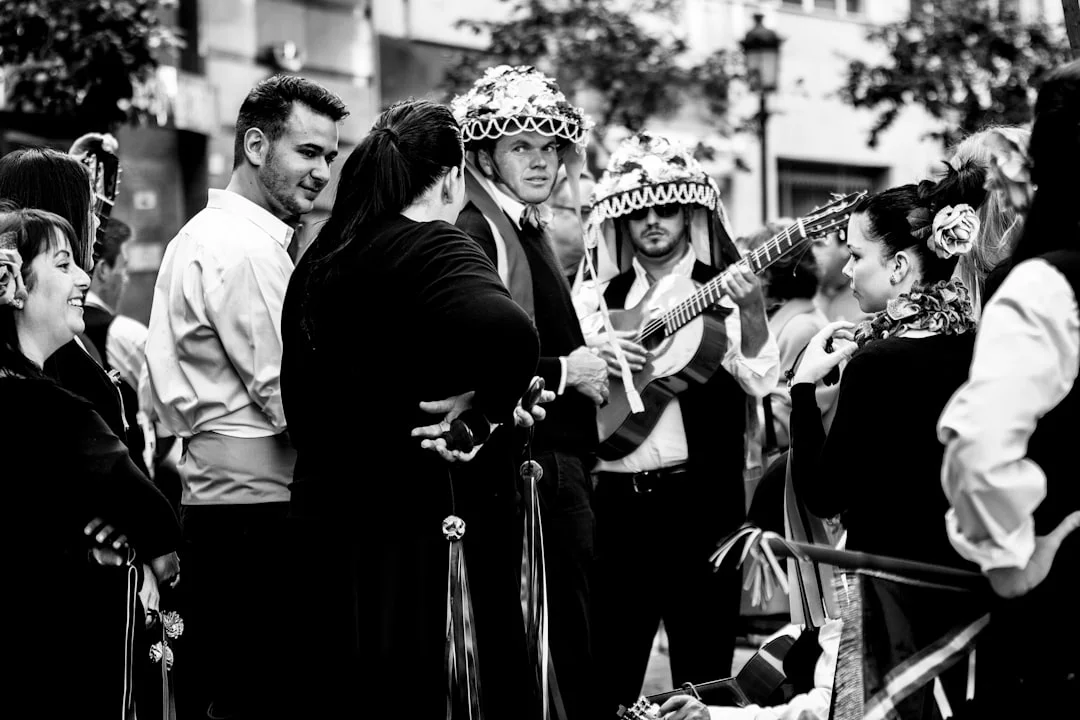
    Jedes Jahr im Dezember findet in der Stadt die Fiesta Mayor de Verdiales statt (das nächste Treffen ist für den 28. Dezember 2026 geplant). Verdiales ist eine uralte Form des Flamenco, die aus den Bergen von Málaga stammt und sich durch schnelle Tempi, Geigen, Gitarren und kunstvolle, mit Blumen geschmückte Hüte auszeichnet.

    Was viele nicht wissen, ist, dass dieses Festival historisch gesehen ein Wettbewerb ist. Verschiedene pandas (Gruppen, die lokale Dörfer repräsentieren) treten in musikalischen Duellen (choques) gegeneinander an. Zwei Gruppen stehen sich von Angesicht zu Angesicht gegenüber und spielen ihre Instrumente mit maximaler Lautstärke, um zu sehen, wer den Rhythmus halten kann, ohne aus dem Takt zu kommen oder sich von der anderen Gruppe ablenken zu lassen. Es ist ein packendes, energiegeladenes Spektakel der Ausdauer.

    5. Das Filmfestival ist überraschend zugänglich

    Das jährliche Festival de Málaga (das renommierte spanische Filmfestival, das normalerweise im März stattfindet) wirkt mit seinem großen roten Teppich vor dem Cervantes Theatre wie eine exklusive Veranstaltung nur für geladene Gäste.

    Das Festival ist jedoch sehr demokratisch konzipiert. Im Gegensatz zu großen internationalen Festivals, bei denen die Tickets für Branchenprofis reserviert sind, steht die überwiegende Mehrheit der Vorführungen, Dokumentarfilme und sogar Pressekonferenzen in Málaga der breiten Öffentlichkeit offen. Die Eintrittskarten sind sehr erschwinglich und kosten oft weniger als ein normales Kinoticket, sodass Filmliebhaber im selben Saal wie die besten Regisseure und Schauspieler Spaniens sitzen können.

    Die Geschichten hinter diesen Feierlichkeiten zu kennen, verändert die Art und Weise, wie wir sie erleben. Es verwandelt eine überfüllte Straße oder ein lautes Konzert in einen gemeinsamen historischen Moment. Wir hoffen, dass dieser Reiseführer Ihnen hilft, eine tiefere Verbindung zu den Traditionen aufzubauen, die dafür sorgen, dass sich unsere Stadt wie ein Zuhause anfühlt, und wir freuen uns darauf, im Laufe der Jahreszeiten noch mehr vom einzigartigen Charakter Málagas mit Ihnen zu teilen.

  • Málaga Events: 5 Secrets of the City’s Festivals

    Málaga Events: 5 Secrets of the City’s Festivals

    Inside Málaga’s Most Famous Traditions

    Málaga is widely celebrated for its sunny coastline, budget-friendly museums, and lively atmosphere. Yet, beneath the surface of its most famous annual gatherings lie unique customs, historical quirks, and practical logistics that even some locals overlook.

    Whether you are planning to experience these celebrations firsthand, looking to stay updated on local events, or simply want to understand the cultural fabric of the Costa del Sol, here are five things you probably didn’t know about events in Málaga.

    1. The Feria de Málaga is Actually Two Festivals in One

    Many first-time visitors arrive at the Feria de Málaga (historically held every August, with the 2026 edition scheduled for next month) expecting a single festival ground. In reality, once you leave your local Málaga hotel, you’ll find the Feria is split into two completely different experiences:

    • Feria de Día (Day Fair): Located in the historic city center, where the streets are decorated with paper lanterns, and people dance to traditional sevillanas and modern music right on the cobblestones.
    • Feria de Noche (Night Fair): Located at the Real del Cortijo de Torres, a massive fairground on the outskirts of the city. This area hosts traditional casetas (tents), amusement rides, and concerts that run until dawn.

    Understanding this layout is crucial for pacing yourself, as trying to do both in a single day can be exhausting.

    2. The Heavyweight Reality of Semana Santa

    Málaga’s Holy Week (Semana Santa) is world-famous, but few realize the sheer physical scale of the event. Unlike in other Spanish cities where religious statues are carried on shoulders using hidden structures (costaleros), Málaga uses massive wooden or metal thrones called tronos carried on the outside.

    Some of these thrones, such as the Virgen de la Esperanza, weigh over 5,000 kilograms. It takes up to 250 hombres de trono (throne carriers) working in perfect unison to carry them through the narrow streets for shifts that can last up to eight hours. The carriers train for months to build the endurance required for this profound cultural tradition.

    3. The Satirical Burning of the “Júas”

    On the night of June 23rd, Málaga celebrates the Noche de San Juan to welcome the summer solstice. While beach bonfires are common across Spain, Málaga has a highly localized tradition: the burning of the Júas.

    Júas are large, homemade rag dolls stuffed with sawdust and paper. They are designed to represent public figures, politicians, or general concepts (like “bad luck” or “high rent”) that locals want to protest. At midnight, these effigies are thrown into the bonfires along the beaches of El Palo and La Malagueta, serving as a lighthearted, satirical cleansing ritual.

    4. The Verdiales Clash is a Centuries-Old Battle

    Every December, the city hosts the Fiesta Mayor de Verdiales (with the next gathering set for December 28, 2026). Verdiales is an ancient form of flamenco native to the mountains of Málaga, characterized by fast tempos, violins, guitars, and elaborate, flower-adorned hats.

    What many do not know is that this festival is historically a competition. Different pandas (groups representing local villages) go head-to-head in musical “clashes” (choques). Two groups stand face-to-face, playing their instruments at maximum volume to see who can maintain the rhythm without losing beat or getting distracted by the other group. It is a thrilling, high-energy spectacle of endurance.

    5. The Film Festival is Surprisingly Accessible

    The annual Festival de Málaga (the prestigious Spanish Film Festival, typically held in March) looks like an exclusive, invite-only affair with its grand red carpet outside the Cervantes Theatre.

    However, the festival is designed to be highly democratic. Unlike major international festivals where tickets are reserved for industry professionals, the vast majority of screenings, documentaries, and even press conferences in Málaga are open to the general public. Tickets are highly affordable, often costing less than a standard cinema ticket, allowing film enthusiasts to sit in the same rooms as Spain’s top directors and actors.

    Learning the stories behind these celebrations changes how we experience them. It turns a crowded street or a loud concert into a shared moment of history. We hope this guide helps you connect a little deeper with the traditions that make our city feel like home, and we look forward to sharing more of Málaga’s unique character with you as the seasons unfold.