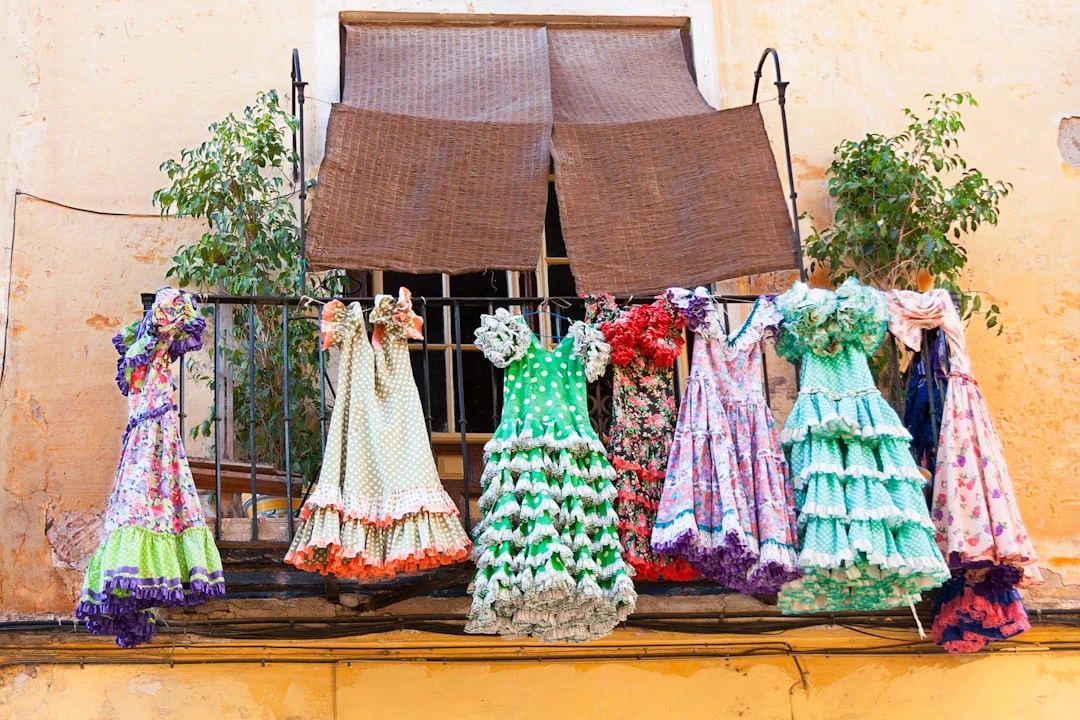
Das Leben an der Costa del Sol bietet unbestreitbare Vorteile, birgt aber auch eine kulinarische Gefahr: die Touristenfalle. Es ist unglaublich einfach, in die Routine zu verfallen, an Strandlokalen mit laminierten, mehrsprachigen Bildermenüs zu essen und zu viel für mittelmäßige Paella zu bezahlen. Wenn Sie sich hier jedoch wirklich einleben möchten, ist das Verständnis der lokalen Esskultur unerlässlich.
Dieser Gastronomie-Führer für Málaga soll Ihnen helfen, die überfüllten Touristenpfade zu umgehen und die authentischen Bars und Restaurants zu entdecken, die die wahre kulinarische Identität der Stadt ausmachen.
Die Rückkehr zur Tradition
Spanien erlebt derzeit ein massives Revival der casero (hausgemachten) und regionalen Küche. Wie von nationalen Restaurantkritikern wie El País Gastronomía dokumentiert, wenden sich die Gäste zunehmend von übermäßig konzeptionellen, teuren Degustationsmenüs ab und bevorzugen ehrliche, hochwertige lokale Produkte, die ohne viel Aufhebens serviert werden.
In Málaga zeigt sich dieser Trend in einer neuen Wertschätzung für die bescheidene casa de comidas, die belebte Marktbar im Viertel und den Chiringuito an der Küste, der noch über einem offenen Holzfeuer kocht. Um die besten authentischen Restaurants in Málaga zu finden, müssen Sie dorthin schauen, wo die Einheimischen hingehen.
Das Frühstücksritual: Kaffee und ein Pitufo
Ihr Tag, an dem Sie wie ein Einheimischer essen, beginnt früh, aber nicht mit Avocado-Toast. Ein traditionelles malagueñisches Frühstück ist einfach, günstig und sehr spezifisch.
Gehen Sie in ein gut besuchtes Café im Viertel und bestellen Sie einen Pitufo – ein kleines, getoastetes Brötchen. Die klassischen Beläge sind aceite y tomate (Olivenöl und zerkleinerte Tomaten), vielleicht garniert mit einer Scheibe Jamón Ibérico, oder zurrapa (ein herzhafter Schweineschmalzaufstrich).
Bei der Kaffeebestellung müssen Sie das lokale Vokabular verwenden. Málaga hat ein einzigartiges System zur Bestellung von Kaffee, das auf dem genauen Verhältnis von Milch zu Espresso basiert:
* Nube: Hauptsächlich Milch mit nur einem Schuss Kaffee.
* Sombra: Ein Viertel Glas Kaffee, der Rest Milch.
* Mitad: Halb Kaffee, halb Milch.
* Largo: Hauptsächlich Kaffee mit einem Schuss Milch.
Wenn Sie nach einem normalen café con leche fragen, werden Sie zwar bedient, aber die Verwendung der lokalen Begriffe verschafft Ihnen sofortigen Respekt beim Kellner.
Meeresfrüchte abseits der ausgetretenen Pfade
Wenn Sie wissen möchten, wo die Einheimischen in Málaga Meeresfrüchte essen, meiden Sie das direkte Zentrum. Gehen oder radeln Sie stattdessen in Richtung Osten in die Viertel Pedregalejo und El Palo.
Hier ist der Rauch, der von den Stränden aufsteigt, der Duft der wahren malagueñischen Gastronomie: der espeto de sardinas. Sardinen werden auf Bambusstäbe gespießt und direkt über Olivenholzfeuern geröstet, die in alten Fischerbooten entfacht werden.
Regeln für das Essen von Meeresfrüchten in Málaga:
* Achten Sie auf den Rauch: Die besten Chiringuitos braten ihre Espetos über echten Holzfeuern, nicht über Holzkohle.
* Essen Sie mit den Händen: Sardinen sind Fingerfood. Bemühen Sie sich nicht um Messer und Gabel.
* Achten Sie auf den Monat: Die Tradition besagt, dass Sardinen am besten in Monaten ohne “R” gegessen werden (Mai, Juni, Juli, August).
* Mehr als nur Sardinen: Probieren Sie conchas finas (glatte Venusmuscheln, die roh mit einem Spritzer Zitrone gegessen werden) und fritura malagueña (eine gemischte lokale frittierte Fischplatte, die knusprig und niemals fettig sein sollte).
Die Kunst der Tapas im Viertel
Das historische Zentrum hat seine Juwelen, ist aber stark von internationalen Ketten und austauschbaren Tapas-Läden gesättigt. Um das Wahre zu finden, treten Sie ein wenig aus dem Hauptring heraus in Viertel wie La Trinidad, El Perchel oder Capuchinos.
Suchen Sie nach Bars mit greller Leuchtstoffröhrenbeleuchtung, Metalltheken und auf dem Boden verstreuten Papierservietten (historisch gesehen ein Zeichen für eine gute Bar in Spanien, obwohl dies nach der Pandemie seltener geworden ist).
Gerichte, nach denen Sie Ausschau halten sollten:
- Ensalada Malagueña: Eine erfrischende, ungewöhnliche Kombination aus Klippfisch, Orangen, grünen Oliven und Kartoffeln.
- Porra Antequerana: Eine dicke, kalte Tomaten-Brot-Suppe, ähnlich wie Salmorejo, meist garniert mit gekochtem Ei und Thunfisch oder Jamón.
- Albóndigas en salsa de almendras: Fleischbällchen, die in einer reichhaltigen, herzhaften Mandelsauce gekocht werden.
Der Wochenendausflug: Ventas in den Montes
Am Sonntagnachmittag fliehen einheimische Familien aus der Stadt und fahren die kurvenreiche Straße A-7000 hinauf in die Montes de Málaga. Ihr Ziel? Die Ventas.
Dies sind rustikale Bergrestaurants am Straßenrand, die sich auf deftige, wärmende Wintergerichte spezialisiert haben. Der unbestrittene König der Speisekarte ist hier der Plato de los Montes. Es ist eine herrliche, atemberaubende Kombination aus Bratkartoffeln, einem Spiegelei, Chorizo, Morcilla (Blutwurst), gebratenen grünen Paprika und lomo en manteca (in Schmalz eingelegtes Schweinelende).
Es ist das absolute Gegenteil der leichten mediterranen Ernährung, aber es ist ein wesentliches, zutiefst authentisches lokales Erlebnis. Spülen Sie es mit einem Glas süßem Málaga-Wein (der oft direkt aus dem Fass gezapft wird) hinunter, um das Ritual zu vervollständigen.
Sich in der Food-Szene einer neuen Stadt zurechtzufinden, erfordert ein wenig Geduld und die Bereitschaft, auf dem Weg dorthin auch mal Fehler zu machen. Scheuen Sie sich nicht, an den Lokalen mit englischen Speisekarten vorbeizugehen, auf ein Gericht zu zeigen, das ein Einheimischer an der Bar isst, und etwas völlig Neues zu probieren. Essen ist hier mehr als nur Nahrungsaufnahme; es ist das große soziale Bindemittel. Wenn Sie sich einen Hocker in einem Lokal in der Nachbarschaft heranziehen, essen Sie nicht nur eine Mahlzeit – Sie nehmen Platz am Tisch Ihrer neuen Gemeinschaft.