Tag: Architecture

  • The Golden Age of Hospitality: Inside Málaga’s Hotel Revolution

    The Golden Age of Hospitality: Inside Málaga’s Hotel Revolution

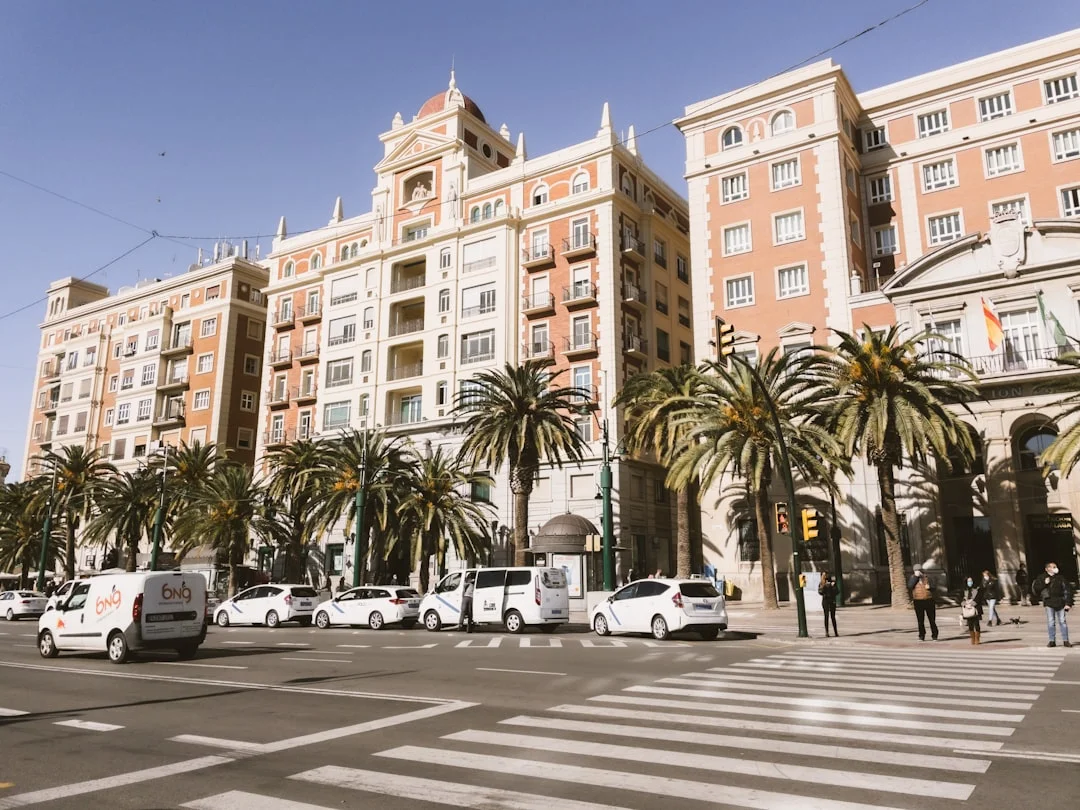
    For decades, Málaga was often viewed through the lens of functionality—a gateway to the Costa del Sol, a place to land before heading to the resorts of Marbella or the caves of Nerja. However, those who walk the marble-paved streets of Calle Larios today know that the narrative has shifted irrevocably. The city is no longer a preamble to a holiday; it is the destination.

    At the heart of this transformation is a sweeping revolution in the hospitality sector. The hotel scene in Málaga is currently experiencing a renaissance, characterized by the arrival of international luxury brands, the meticulous restoration of architectural heritage, and a newfound confidence in the city’s ability to cater to the discerning traveler.

    The Rise of the Five-Star City

    Until relatively recently, true luxury accommodation in the city center was scarce. Today, the landscape is unrecognizable. The reopening of the Gran Hotel Miramar marked a turning point, signaling to the world that Málaga was ready to host high-end tourism. This palatial structure, facing the Mediterranean, set a standard that others are now racing to meet.

    Currently, we are witnessing a “boutique boom.” Investors and hoteliers are moving away from massive, impersonal structures in favor of properties that offer character and exclusivity. The arrival of brands like Only YOU and the architectural statement of the H10 Croma (designed by Rafael Moneo) have injected a cosmopolitan vibe into the city’s arteries.

    Preserving History through Hospitality

    Perhaps the most elegant aspect of this hotel boom is the preservation of history. Rather than demolishing the old to build the new, there is a strong trend toward rehabilitating 18th and 19th-century palaces.

    Walking through the historic center, you will notice scaffolding veiling beautiful, aging facades. Behind these screens, crumbling masonry is being stabilized and internal courtyards are being returned to their former glory. Hotels like the Palacio Solecio are prime examples of this synergy between conservation and commerce. These establishments allow guests to sleep within the history of the city, surrounded by original stone arches and restored artwork, while enjoying modern comforts.

    This trend is vital for Málaga. It ensures that as the city grows, it retains the Andalusian soul that makes it unique, rather than becoming a generic metropolis of glass and steel.

    The Rooftop Culture

    One cannot discuss the current state of Málaga’s hotels without mentioning the “terrazas.” The rooftop bar has graduated from a nice-to-have amenity to an absolute necessity. In a city blessed with over 300 days of sunshine, the roof is where life happens.

    Hotels are competing to offer the most stunning views of the Cathedral (La Manquita) and the Alcazaba. These spaces have democratized the hotel experience; you do not need to be a guest to enjoy a cocktail at sunset overlooking the port. This has integrated hotels into the local social fabric, making them meeting points for Malagueños and visitors alike.

    The Challenge of Demand

    With this elevation in quality comes a surge in demand. Occupancy rates in Málaga have been breaking records, often outperforming other major Spanish cities during peak seasons. For the traveler, this means that spontaneity is becoming a luxury of the past. Booking well in advance is now essential, particularly if you are seeking a room with a view or a specific boutique experience.

    Prices have naturally adjusted to reflect this new tier of quality. While Málaga remains competitive compared to Barcelona or Madrid, it is shedding its reputation as a budget destination. The value proposition has shifted from “cheap sun” to “cultural sophistication.”

    Looking Ahead

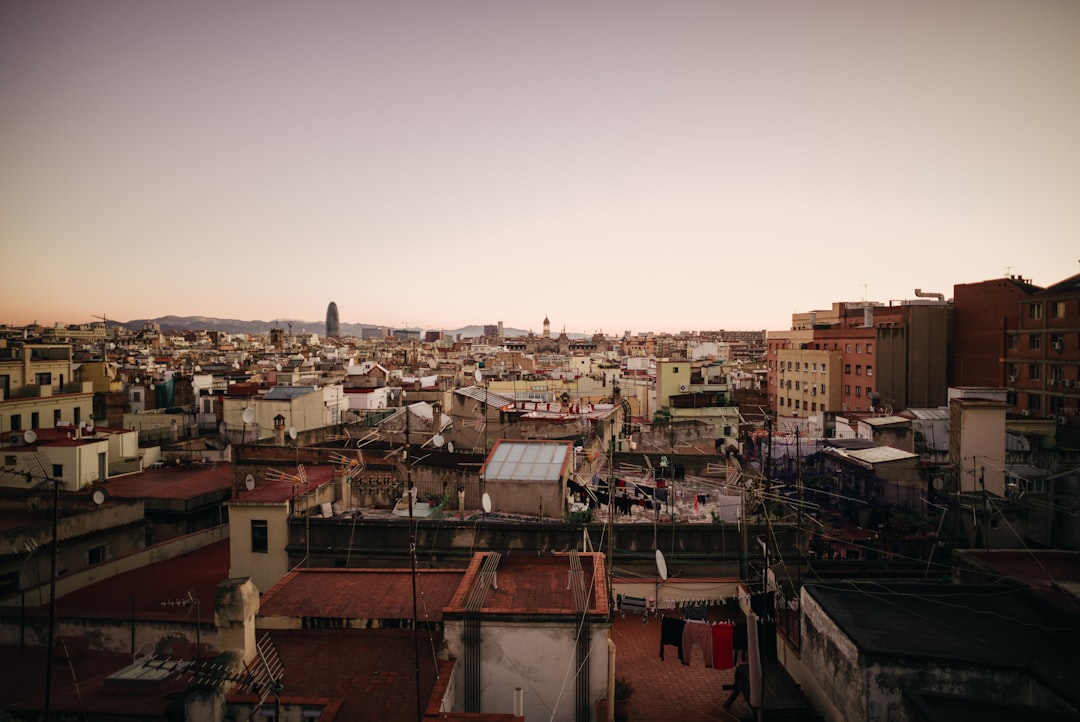
    As we look at the skyline, the cranes tell us that this story is far from over. Several high-profile projects are in the pipeline, including the conversion of the old Post Office building and further developments near the port area. The goal is clear: to cement Málaga’s status as a premier urban destination in southern Europe.

    For us locals, the hope is that this growth remains sustainable—that the hospitality sector continues to honor the city’s history and that the welcome remains as warm as it has always been.

    Whether you are planning a weekend getaway or a longer exploration of our coast, the options for your stay have never been more exciting, or more elegant. We hope you find a room that feels like a home, with a window that opens up to the vibrant life of our beloved city.

  • Beyond the Lobby: Hidden Routes and Secrets of Málaga’s Hotels

    Beyond the Lobby: Hidden Routes and Secrets of Málaga’s Hotels

    Málaga is a city of layers. To the casual observer, it is a canvas of bright sunshine, bustling promenades, and the azure embrace of the Mediterranean. Yet, for those willing to look closer, there exists a second map of the city—one drawn not on paper, but in the stone passageways, hidden courtyards, and soaring terraces of its most historic hotels.

    Accommodation here is rarely just a place to sleep; often, it is a gateway to the city’s past and a vantage point for its future. We have curated a selection of hidden routes and local secrets found within the hospitality sector, inviting you to experience Málaga from the inside out.

    The Subterranean City: Vincci Selección Posada del Patio

    In the heart of the city, just a stone’s throw from the Guadalmedina riverbed, stands a modern structure that guards an ancient secret. The Vincci Selección Posada del Patio offers more than five-star luxury; it offers a literal route into history.

    During the construction of the hotel, workers unearthed exceptionally preserved remains of the city’s ancient walls. Rather than burying them, the hotel integrated them into its foundation. Guests can walk over glass floors revealing the stones below or take a private tour of the archaeological site beneath the hotel. Here, you can trace the outline of the Roman city and the subsequent Arab wall, a silent testament to the civilizations that have called this port home. It is a humbling experience to sip your morning coffee knowing that beneath your feet lies two thousand years of history.

    The Noble Past: Palacio Solecio

    Walking down the narrow, vibrant Calle Granada, it is easy to miss the entrance to Palacio Solecio. This 18th-century palace, once the home of the Genoese nobleman Félix Solesio, was a ruin for decades before being meticulously restored to its former glory.

    The secret here lies in the architecture. Step through the heavy wooden doors and you are transported away from the tapas-bar noise into a serene Andalusian courtyard. The restoration work is a masterclass in respecting heritage; the original stone arches and columns have been preserved, and the grand staircase whispers tales of the aristocracy that once glided up its steps. It serves as a perfect starting point for a “Bourbon Málaga” route, exploring the architectural shifts that occurred in the city during the late 1700s.

    The Watchtower: Parador de Gibralfaro

    While not hidden in the traditional sense, the Parador de Gibralfaro holds a perspective that many visitors miss by staying strictly in the historic center. Perched atop Mount Gibralfaro, adjacent to the castle, this hotel offers a retreat from the urban heat.

    The local secret here is the “blue hour.” While the crowds gather at the walls of the Alcazaba below, the terrace of the Parador offers a more dignified, quiet contemplation of the sunset. From this vantage point, you can see the geometry of the bullring, the expansive port, and the curvature of the coast stretching toward Torremolinos. It is a place of solitude and stone, where the breeze carries the scent of pine and sea salt, far removed from the clamor of the streets below.

    The English Legacy: Castillo de Santa Catalina

    Venturing east towards the El Limonar district—Málaga’s most exclusive residential area—one discovers the Castillo de Santa Catalina. This is not merely a hotel; it is a Neo-Mudéjar fortress built in 1932, sitting on the site of a 17th-century fortress.

    This hotel represents the “hidden route” of Málaga’s bourgeoisie era. The surrounding neighborhood is dotted with villas built by wealthy industrialists and British merchants who settled here in the 19th and early 20th centuries. A stay or a visit here connects you to the romantic, garden-city vision of Málaga. The hotel’s terrace provides arguably the most elegant view of the Bay of Málaga, framed by historic archways. It is a favorite spot for locals to celebrate momentous occasions, yet remains relatively undiscovered by the average tourist.

    The Literary Corner: AC Hotel Málaga Palacio

    To the untrained eye, the AC Hotel Málaga Palacio is a towering brutalist structure from the 1960s. However, it is an institution woven into the fabric of the city’s social life. Its rooftop is legendary, not just for the pool, but for the angle it provides of the Cathedral.

    From the rooftop terrace, one feels close enough to touch the “Manquita” (the one-armed lady), as the Cathedral is affectionately known due to its unfinished south tower. The secret route here is visual: looking down, you gain a bird’s-eye view of the Bishop’s Palace and the intricate layout of the streets that medieval maps struggled to capture. It is the best place to understand the density and intimacy of the city center.

    Tips for the Curious Traveler

    • Ask the Concierge: In Málaga, the concierge often holds the keys to more than just your room. Ask them for the “llaves de la ciudad” (keys to the city)—metaphorically speaking. They often know which private patios are open for viewing or where to find the best live flamenco that isn’t a tourist trap.
    • Off-Season Magic: To truly appreciate the silence of the courtyards and the whispers of the hallways, visit during the shoulder seasons (November or February). The light is softer, and the hotels reclaim their stately, quiet atmosphere.
    • The Breakfast Rule: Even if you aren’t a guest, many of these historic hotels offer breakfast or brunch to the public. It is an affordable luxury that grants you access to these architectural marvels without the cost of an overnight stay.

    We hope this guide serves as a lantern, illuminating the darker, quieter, and more beautiful corners of our city. Málaga is a place that rewards the curious, and often, the greatest discoveries are found simply by pushing open a heavy door and stepping inside.