Tag: Archaeology

  • Malaga and UMA Partner to Protect Ancient Heritage Sites

    Malaga and UMA Partner to Protect Ancient Heritage Sites

    Málaga is a city defined by its layers of history. From its Phoenician foundation as Malaka to its Roman and Moorish eras, the urban landscape sits atop thousands of years of human civilization. In a major step toward preserving this legacy—much like recent plans to build a medieval ceramics center over ancient ruins in the city center—the Málaga Town Hall—via the Gerencia de Urbanismo—and the University of Málaga (UMA) have signed a formal collaboration agreement to protect and study the city’s most critical archaeological sites.

    As reported by Europa Press in July 2026, this partnership establishes a structured framework for scientific research, archaeological excavations, and the structural preservation of key historical landmarks.

    The Key Sites in Focus

    While the city is increasingly recognized for modern technological milestones, such as the AI robotics research being developed at the University of Málaga, this agreement specifically targets three of Málaga’s most valuable historical assets, each representing a distinct era of the city’s evolution.

    Cerro del Villar: The Phoenician Cradle

    Located near the mouth of the Guadalhorce River, Cerro del Villar is one of the most important Phoenician archaeological sites in the western Mediterranean. Settled in the 8th century BC, this ancient urban center provides invaluable insights into early Mediterranean trade, domestic life, and urban planning. The new collaboration aims to boost ongoing excavations and ensure the preservation of its highly vulnerable clay and mudbrick structures.

    Cerro de la Tortuga: An Ancient Sanctuary

    Overlooking the city, Cerro de la Tortuga holds deep spiritual and historical significance. It served as an Iberian-Roman sanctuary and settlement. Research here helps historians understand the transition period when indigenous Iberian cultures integrated with Roman customs and religious practices.

    The Alcazaba: Structural Preservation

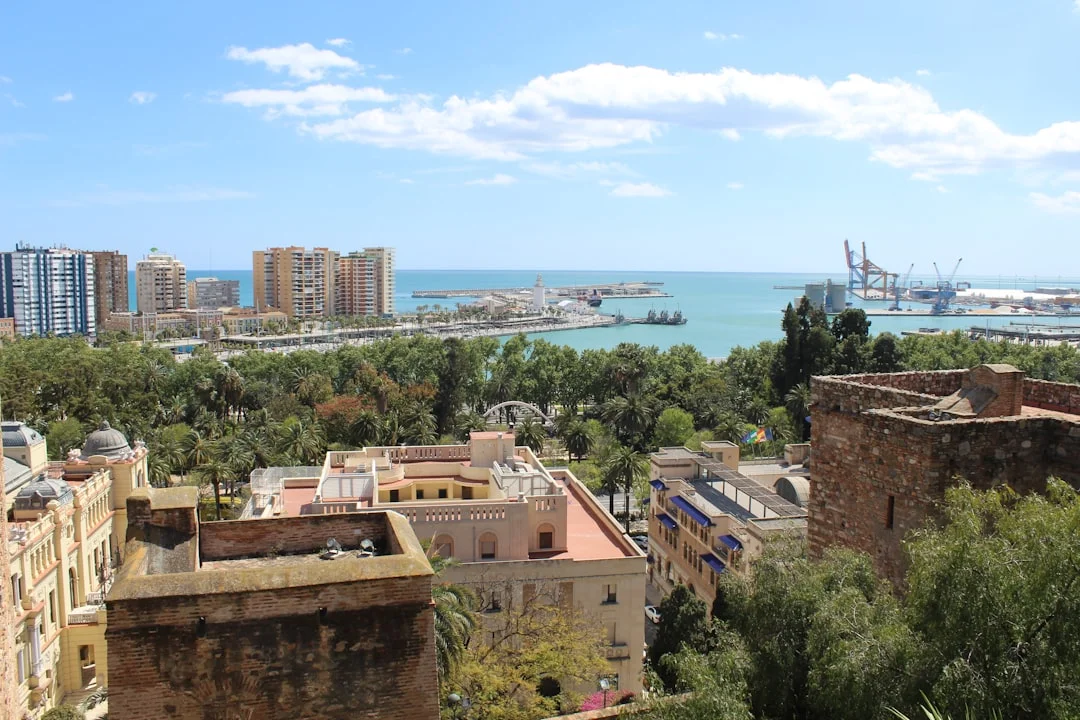
    As Málaga’s most iconic landmark, the Alcazaba fortress requires constant care. Built during the Moorish period over earlier Roman fortifications, this palace-fortress faces ongoing conservation challenges. The partnership will bring UMA’s academic expertise to assist municipal teams with structural monitoring and advanced archaeological analysis, as detailed by La Opinión de Málaga.

    What the Partnership Entails

    Rather than relying on sporadic projects, this agreement establishes a continuous pipeline of academic and municipal cooperation. Key aspects of the alliance include:

    • Joint Research and Excavations: UMA students and faculty will work alongside municipal archaeologists, turning these heritage sites into active learning laboratories.
    • Advanced Conservation Technology: The university will apply modern geological, chemical, and digital imaging techniques to analyze and protect fragile ruins.
    • Public Dissemination: Both institutions are committed to sharing their findings with the public through exhibitions, publications, and educational programs, ensuring that Málaga’s history remains accessible to everyone.

    Why This Matters for Málaga

    For residents and expats, this collaboration is a reminder that Málaga is far more than just a modern coastal destination. By actively investing in the preservation of sites like Cerro del Villar, the city is securing its cultural identity. These efforts not only enrich our understanding of the past but also pave the way for sustainable, heritage-focused tourism that respects and honors the ancient communities that first built this vibrant port city.

    As we look to the future, seeing our local institutions come together to safeguard these fragile links to our past brings a sense of pride and hope. It reminds us that while Málaga continues to grow and modernize, its foundation remains deeply rooted in a rich, shared human history that deserves to be protected for generations to come.
  • Römisches Amphitheater in Málaga: Experte schlägt Standort vor

    Römisches Amphitheater in Málaga: Experte schlägt Standort vor

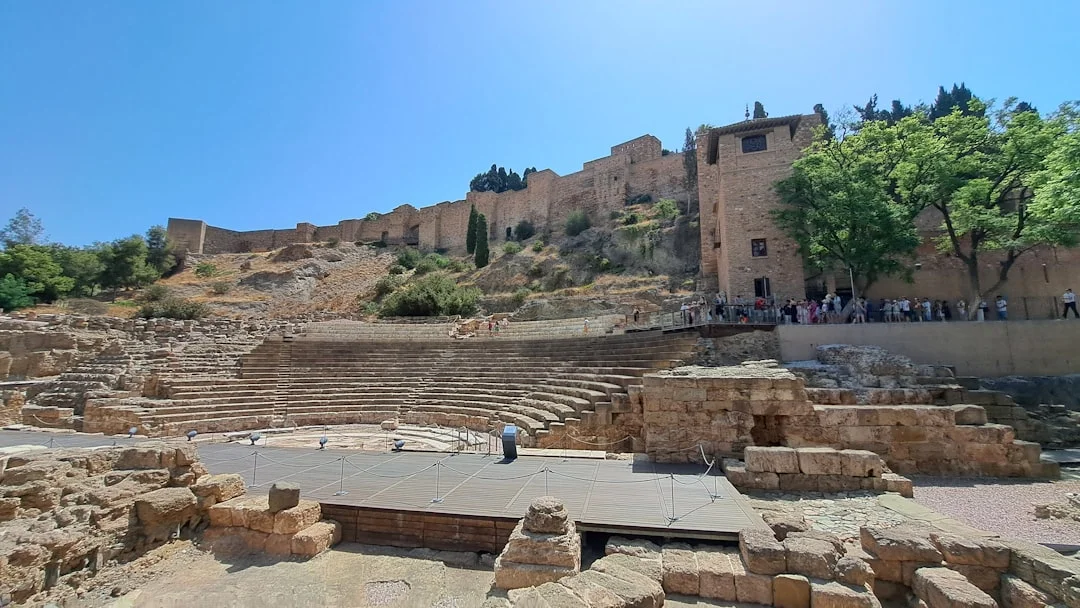
    Jeder, der schon einmal durch das historische Zentrum von Málaga spaziert ist, kennt den atemberaubenden Anblick des Römischen Theaters (Teatro Romano), das friedlich am Fuße der Festung Alcazaba liegt. Es ist eine greifbare Verbindung zu Malaca, der blühenden römischen Enklave, die für ihre Fischsalzungsindustrie und ihren geschäftigen Hafen bekannt war – ein faszinierender Kontrast zum modernen Stadtleben, in dem aktuell die Regeln für geförderten VPO-Wohnraum in Málaga verschärft werden.

    Doch für Historiker und Archäologen fehlte schon immer ein riesiges Puzzleteil. Wohin gingen die Bürger von Malaca, um Gladiatorenkämpfe, die Jagd auf wilde Tiere und öffentliche Spektakel zu sehen?

    Jede größere römische Stadt von der Bedeutung Málagas besaß ein Amphitheater. Doch über Jahrhunderte hinweg blieb die Arena von Málaga eines der größten ungelösten archäologischen Rätsel der Stadt. Nun legt eine überzeugende neue Hypothese eines lokalen Experten nahe, dass wir endlich wissen könnten, wo sie begraben liegt.

    Die Suche nach Málagas verlorener Arena

    Während Theater für Theaterstücke und Rezitationen gebaut wurden, waren Amphitheater große, ovale Arenen, die für spektakuläre Unterhaltung konzipiert waren. In Städten wie Mérida, Itálica oder Tarragona sind diese Bauwerke noch heute monumentale Touristenattraktionen. In Málaga hingegen haben Jahrhunderte des kontinuierlichen städtischen Wiederaufbaus sie völlig verschüttet.

    Ein verlorenes römisches Amphitheater in einer dicht besiedelten modernen Stadt zu finden, ist keine leichte Aufgabe. Man kann das historische Zentrum nicht einfach auf gut Glück aufgraben. Stattdessen müssen sich Forscher auf Hinweise stützen, die in der Topographie der Stadt, alten Straßenverläufen und historischen Dokumenten hinterlassen wurden.

    Genau das hat Cristóbal Díaz Lozano, ein in Málaga ansässiger technischer Architekt und Bauingenieur, getan. In einer bahnbrechenden Studie, die kürzlich im Juni 2026 veröffentlicht wurde, hat Díaz Lozano einen hochpräzisen Standort für das verlorene Monument vorgeschlagen.

    Eine neue Hypothese, die auf Topographie basiert

    Laut einem detaillierten Bericht von La Opinión de Málaga verzichtet die Forschung von Díaz Lozano auf Vermutungen und konzentriert sich stattdessen auf die klassische römische Stadtplanung und die Naturlandschaft des antiken Málaga.

    Römische Ingenieure waren äußerst pragmatisch. Beim Bau massiver Strukturen wie Amphitheatern zogen sie es vor, natürliche Hänge zu nutzen, um die schweren Steintribünen (die cavea) zu stützen, was enorm viel Zeit, Arbeit und Baumaterial sparte. Zudem platzierten sie diese Arenen in der Nähe der Stadtmauern und der Hauptverkehrsstraßen, um die riesigen Menschenmassen zu bewältigen, ohne das Stadtzentrum zu verstopfen.

    Durch die Analyse der ursprünglichen römischen Topographie Málagas – bevor Jahrhunderte von Abtragungen und Bautätigkeiten das Bodenniveau einebneten oder anhoben – identifizierte Díaz Lozano eine bestimmte Zone im historischen Zentrum, die perfekt zu diesen römischen Ingenieursanforderungen passt.

    Seine Hypothese deutet auf einen Standort nahe der antiken Stadtgrenze hin, an dem das natürliche Gelände eine ovale Arena harmonisch eingebettet hätte. Dieser spezifische städtische Grundriss deckt sich mit klassischen römischen Stadtentwürfen und bietet eine äußerst logische Erklärung dafür, wo das Bauwerk errichtet wurde und warum es schließlich unter späteren islamischen und christlichen Bebauungen verschwand.

    Ein Spaziergang über die Geschichte

    Für Reisende und Einheimische gleichermaßen verleiht diese Theorie einem normalen Spaziergang durch die Altstadt von Málaga eine faszinierende geheimnisvolle Note. Es bedeutet, dass unter den belebten Tapas-Bars, den kopfsteingepflasterten Gassen und den Wohngebäuden, an denen wir täglich vorbeigehen, die gewaltigen Steinfundamente einer 2,000 Jahre alten Gladiatorenarena nur wenige Meter unter unseren Füßen liegen könnten.

    Obwohl es keine unmittelbaren Pläne für Ausgrabungen gibt – da dies den Rückbau von Teilen des geschützten historischen Zentrums erfordern würde –, liefert die Hypothese den städtischen Archäologen einen konkreten Ausgangspunkt für zukünftige Bodenradar-Untersuchungen und Tiefbauarbeiten.

    Eine Stadt voller Schichten

    Was Málaga so einzigartig macht, ist seine vertikale Geschichte. Es ist eine Stadt, die in Schichten erbaut wurde: Phönizische Fischfabriken liegen unter modernen Museen, maurische Festungen thronen auf römischen Ruinen und christliche Kirchen stehen auf den Fundamenten antiker Moscheen. Dieses unterirdische Erbe kommt immer wieder ans Licht, wie jüngste Infrastrukturprojekte zeigen, etwa die Entdeckung einer riesigen römischen Nekropole unter den Straßen der Stadt.

    Ob jemals ein Spaten angesetzt wird, um diese speziellen römischen Steine freizulegen oder nicht – allein das Wissen, dass das verlorene Amphitheater einen plausiblen Ort hat, verändert unseren Blick auf die Stadt. Es erinnert uns daran, dass Málaga noch viele Geheimnisse zu lüften hat, die still und leise direkt unter der Oberfläche unseres modernen Lebens warten.

  • Malaga Roman Amphitheater: Expert Proposes Location

    Malaga Roman Amphitheater: Expert Proposes Location

    Anyone who has walked through the historic center of Málaga knows the breathtaking sight of the Roman Theatre (Teatro Romano), resting quietly at the foot of the Alcazaba fortress. It is a tangible link to Malaca, the thriving Roman enclave famous for its fish salting industry and bustling port. While the city’s ancient past is preserved here, modern Malaga continues to evolve, recently making headlines as the administration tightens rules for subsidized VPO housing to address contemporary urban demands.

    Yet, for historians and archaeologists, a massive piece of the puzzle has always been missing. Where did the citizens of Malaca go to watch gladiator battles, wild beast hunts, and public spectacles?

    Every major Roman city of Malaga’s stature had an amphitheater. But for centuries, Malaga’s arena has remained one of the city’s greatest unsolved archaeological mysteries. Now, a compelling new hypothesis by a local expert suggests we might finally know where it is buried.

    The Search for Malaga’s Lost Arena

    While theaters were built for plays and recitals, amphitheaters were grand, oval arenas designed for high-stakes entertainment. In cities like Mérida, Itálica, or Tarragona, these structures still stand as monumental tourist draws. In Málaga, however, centuries of continuous urban rebuilding have completely covered it up.

    Finding a lost Roman amphitheater in a densely populated modern city is no easy task. You cannot simply dig up the historic center on a hunch. Instead, researchers must rely on clues left behind in the city’s topography, old street layouts, and historical documents.

    This is exactly what Cristóbal Díaz Lozano, a Málaga-based technical architect and building engineer, has done. In a groundbreaking study recently published in June 2026, Díaz Lozano has proposed a highly precise location for the lost monument.

    A New Hypothesis Built on Topography

    According to a detailed report by La Opinión de Málaga, Díaz Lozano’s research bypasses guesswork to focus on classical Roman urban planning and the natural landscape of ancient Málaga.

    Roman engineers were highly practical. When building massive structures like amphitheaters, they preferred to utilize natural slopes to support the heavy stone seating (the cavea), saving immense amounts of time, labor, and building materials. They also placed these arenas near the city walls and main access roads to handle the massive crowds without clogging the city center.

    By analyzing Malaga’s original Roman topography—before centuries of runoff and construction flattened or raised the ground level—Díaz Lozano identified a specific zone in the historic center that perfectly matches these Roman engineering requirements.

    His hypothesis points to a location nestled close to the ancient city limits, where the natural terrain would have naturally cradled an oval arena. This specific urban footprint aligns with classic Roman city layouts, offering a highly logical explanation for where the structure was built and why it eventually disappeared beneath later Islamic and Christian developments.

    Walking Over History

    For travelers and locals alike, this theory adds a thrilling layer of mystery to a standard walk through Malaga’s old town. It means that beneath the bustling tapas bars, cobblestone alleys, and residential buildings we pass every day, the massive stone foundations of a 2,000-year-old gladiator arena could be resting just a few meters beneath our feet.

    While there are no immediate plans to excavate—as doing so would require dismantling parts of the protected historic center—the hypothesis gives municipal archaeologists a concrete starting point for future underground radar surveys and utility works.

    A City of Layers

    What makes Málaga so unique is its vertical history. It is a city built in layers: Phoenician fish factories lie beneath modern museums, Moorish fortresses sit on top of Roman ruins, and Christian churches stand on the foundations of ancient mosques. This subterranean heritage is constantly resurfacing, as seen during recent infrastructure projects like the discovery of a vast Roman necropolis under the city’s streets.

    Whether or not spade ever meets dirt to uncover these specific Roman stones, simply knowing that the lost amphitheater has a plausible home changes how we look at the city. It reminds us that Málaga still has plenty of secrets left to tell, waiting quietly just beneath the surface of our modern lives.

  • U-Bahn-Bau in Málaga bringt antike Ruinen ans Tageslicht

    U-Bahn-Bau in Málaga bringt antike Ruinen ans Tageslicht

    Das ständige Aufeinandertreffen von Vergangenheit und Gegenwart

    Málaga ist eine Stadt, die auf ihrer eigenen Geschichte lebt. Seit über 3.000 Jahren haben Phönizier, Römer, Mauren und Christen auf diesem schmalen Landstrich zwischen den Bergen und dem Mittelmeer gebaut, umgebaut und ihre Spuren hinterlassen. Heute, da die Stadt ihre ehrgeizige moderne Infrastruktur vorantreibt, kommen diese antiken Schichten wieder ans Licht.

    Der laufende Ausbau der Metro in Málaga – insbesondere die Linie in Richtung des Civil Hospital – hat kürzlich bedeutende archäologische Überreste freigelegt. Wie El Mundo im Juni 2026 berichtete, sind diese Ausgrabungen eine lebendige Erinnerung daran, dass der Fortschritt in Málaga immer einen vorsichtigen Tanz mit der Vergangenheit erfordert.

    Was verbirgt sich unter den Straßen von Málaga?

    Wann immer Bagger im Zentrum von Málaga mehr als ein paar Meter in die Tiefe graben, stoßen sie fast unweigerlich auf Geschichte. Der Bau der Metro ist die größte archäologische Ausgrabung der Stadt seit Jahrzehnten und fungiert als vertikale Zeitleiste der Stadtentwicklung.

    1. Römische Industriestätten und Grabstätten

    Lange bevor Málaga ein modernes Tourismuszentrum war, war es Malaca, ein geschäftiger römischer Hafen, der für die Herstellung von garum (einer hochgeschätzten fermentierten Fischsauce) berühmt war. Frühere Metro-Arbeiten in der Nähe der Alameda Principal und des Flussbetts des Guadalmedina brachten römische Salzbecken, Wohnstrukturen und sogar ausgedehnte Grabstätten ans Licht, wie etwa die bedeutende römische Nekropole, die unter den Metro-Arbeiten in der Calle Hilera entdeckt wurde.

    2. Die islamischen Vororte (Arrabales)

    Während der andalusischen Epoche dehnte sich Málaga weit über seine Verteidigungsmauern aus. Die Metrolinie, die durch die Calle Hilera und nach Norden führt, hat systematisch Überreste dieser mittelalterlichen Vororte (arrabales) freigelegt. Die Ausgrabungen haben Folgendes enthüllt:
    * Komplexe Straßenführungen und Wohnhäuser.
    * Fortschrittliche Wassermanagementsysteme, einschließlich Brunnen und Keramikrohren.
    * Gerbereien und Töpferwerkstätten, die die mittelalterliche Wirtschaftskraft der Stadt unterstreichen.

    3. Die moderne Herausforderung der Linie zum Civil Hospital

    Die jüngste Phase des Metro-Ausbaus in Richtung der nördlichen Stadtteile hat die Archäologen erneut an die vorderste Front gebracht. Die Herausforderung besteht darin, den dringenden Bedarf an nachhaltigen öffentlichen Verkehrsmitteln für Málagas wachsende Bevölkerung mit der Pflicht zur Dokumentation, Erhaltung und Achtung des kulturellen Erbes der Stadt in Einklang zu bringen.

    Wie Málaga Fortschritt und Erhaltung in Einklang bringt

    Für Einheimische und Expats, die im Zentrum leben, ist der Anblick von archäologischen Zelten und langsam arbeitenden Pinseln ein vertrautes Bild. Obwohl diese Entdeckungen manchmal zu Verzögerungen im Bauzeitplan führen können, bieten sie auch eine einzigartige Gelegenheit, die städtische Entwicklung der Stadt zu kartieren.

    Das Protokoll für diese Funde ist streng geregelt:
    1. Systematische Ausgrabung: Jeder Zentimeter Boden in sensiblen Zonen wird von professionellen Archäologen sorgfältig gesiebt und dokumentiert.
    2. Katalogisierung und Analyse: Artefakte wie Tonscherben, Münzen und Werkzeuge werden zur Konservierung und Untersuchung an das Museum of Málaga geschickt.
    3. In-situ-Integration vs. Verlagerung: Während einige kleinere Strukturen dokumentiert und abgedeckt oder entfernt werden, werden bedeutende architektonische Funde manchmal direkt in die moderne Infrastruktur integriert. Ein hervorragendes Beispiel hierfür ist die Ausstellung antiker Mauern und Strukturen in den Metrostationen Guadalmedina und El Perchel, die den täglichen Arbeitsweg in einen Museumsbesuch verwandelt.

    Wo Sie Málagas unterirdische Geschichte erleben können

    Wenn Sie ein Geschichtsliebhaber sind, der in Málaga lebt oder die Stadt besucht, müssen Sie nicht auf die Fertigstellung der Metro warten, um die antiken Wurzeln der Stadt zu erkunden:

    • Das Römische Theater (Teatro Romano): Am Fuße der Alcazaba gelegen, ist dies das sichtbarste Symbol von Málagas antiker Vergangenheit, das 1951 zufällig bei Gartenarbeiten entdeckt wurde.
    • Das Museum of Málaga (Palacio de la Aduana): Dieses spektakuläre Museum beherbergt eine umfangreiche Sammlung archäologischer Funde aus verschiedenen städtischen Ausgrabungen in der ganzen Stadt, darunter phönizische Grabschätze und römische Mosaike.
    • Metrostation Guadalmedina: Halten Sie bei der Durchfahrt durch diesen zentralen Knotenpunkt die Augen offen, wo bauliche Elemente der historischen Stadtbefestigung und des Stadtplans erhalten und hinter Glasscheiben ausgestellt wurden.

    Während Málaga als südeuropäisches Zentrum für Technologie, Tourismus und modernes Leben weiter wächst, erinnern uns diese archäologischen Entdeckungen an die tiefen Fundamente, auf denen unsere Gemeinschaft aufgebaut ist. Es ist eine demütigende Erfahrung, sich bewusst zu machen, dass die Wege, die wir heute in Hochgeschwindigkeitszügen und U-Bahnen zurücklegen, genau dieselben Pfade sind, die schon vor Jahrtausenden von Händlern, Handwerkern und Familien begangen wurden.

  • Málaga Metro Construction Unearths Ancient Ruins

    Málaga Metro Construction Unearths Ancient Ruins

    The Constant Collision of Past and Present

    Málaga is a city that lives on top of its own history. For over 3,000 years, Phoenicians, Romans, Moors, and Christians have built, rebuilt, and left their footprints on this narrow strip of land between the mountains and the Mediterranean. Today, as the city pushes forward with its ambitious modern infrastructure, these ancient layers are coming to light once again.

    The ongoing expansion of the Málaga metro—specifically the line heading towards the Civil Hospital—has recently uncovered significant archaeological remains. As reported by El Mundo in June 2026, these excavations serve as a vivid reminder that progress in Málaga always requires a careful dance with the past.

    What Lies Beneath Málaga’s Streets?

    Whenever excavators dig more than a few meters down in the center of Málaga, they almost inevitably strike history. The metro construction has been the city’s largest-scale archaeological excavation in decades, acting as a vertical timeline of the city’s evolution.

    1. Roman Industrial Sites and Burial Grounds

    Long before Málaga was a modern tourist hub, it was Malaca, a bustling Roman port famous for producing garum (a highly prized fermented fish sauce). Previous metro works near the Alameda Principal and the Guadalmedina river bed revealed Roman salting basins, domestic structures, and even extensive burial sites, such as the major Roman necropolis discovered under the Calle Hilera metro works.

    2. The Islamic Suburbs (Arrabales)

    During the Andalusi period, Málaga expanded far beyond its defensive walls. The metro line running through Calle Hilera and towards the north has systematically uncovered remnants of these medieval suburbs (arrabales). Excavations have revealed:
    * Intricate street layouts and residential homes.
    * Advanced water management systems, including wells and ceramic pipes.
    * Tanneries and pottery workshops that highlight the city’s medieval industrial might.

    3. The Modern Challenge of the Civil Hospital Line

    The latest phase of the metro expansion towards the northern neighborhoods has once again brought archaeologists to the frontline. The challenge is balancing the urgent need for sustainable public transport for Málaga’s growing population with the duty to document, preserve, and respect the city’s cultural heritage.

    How Málaga Balances Progress and Preservation

    For locals and expats living in the center, the sight of archaeological tents and slow-moving excavation brushes is a familiar one. While these discoveries can sometimes cause delays in construction timelines, they also offer a unique opportunity to map the city’s urban evolution.

    The protocol for these finds is highly regulated:
    1. Systematic Excavation: Every centimeter of soil in sensitive zones is carefully sifted and documented by professional archaeologists.
    2. Cataloging and Analysis: Artifacts such as pottery shards, coins, and tools are sent to the Museum of Málaga for conservation and study.
    3. In Situ Integration vs. Relocation: While some minor structures are documented and covered or removed, major architectural finds are sometimes integrated directly into the modern infrastructure. A prime example of this is the exhibition of ancient walls and structures inside the Guadalmedina and El Perchel metro stations, turning daily commutes into a walk through a museum.

    Where to Experience Málaga’s Underground History

    If you are a history enthusiast living in or visiting Málaga, you do not have to wait for the metro to finish to explore the city’s ancient roots:

    • The Roman Theatre (Teatro Romano): Located at the foot of the Alcazaba, this is the most visible symbol of Málaga’s ancient past, discovered accidentally during garden works in 1951.
    • The Museum of Málaga (Palacio de la Aduana): This spectacular museum houses an extensive collection of the archaeological finds recovered from various urban excavations across the city, including Phoenician tomb treasures and Roman mosaics.
    • Guadalmedina Metro Station: Keep an eye out when passing through this central hub, where structural elements of the historical city defenses and urban layout have been preserved and displayed behind glass panels.

    As Málaga continues to grow as a southern European hub for technology, tourism, and modern living, these archaeological discoveries remind us of the deep foundations upon which our community is built. It is a humbling experience to realize that the journeys we make today on high-speed trains and underground metros follow the very same pathways walked by merchants, artisans, and families thousands of years ago.