Blog

  • Málaga im Juli 2026: Die besten Kultur- und Naturaktivitäten

    Málaga im Juli 2026: Die besten Kultur- und Naturaktivitäten

    Obwohl Málagas Küste im Sommer ein großer Anziehungspunkt ist, kann die Hochsaison im Juli überfüllte Strände und intensive Mittagshitze mit sich bringen. Glücklicherweise bietet die Stadt eine reiche Vielfalt an alternativen Plänen, die es Ihnen ermöglichen, die authentische lokale Kultur – zu der auch die jüngsten Aufstiegsfeiern des Málaga CF inmitten von Stadionprotesten gehören – sowie Geschichte und Natur in einer weitaus entspannteren Atmosphäre zu erleben.

    Egal, ob Sie als Einwohner auf der Suche nach etwas Neuem sind oder als Besucher die typischen Touristenfallen umgehen möchten – das Kulturprogramm für Juli 2026 ist voller Abendveranstaltungen, kühler Biere und üppiger grüner Oasen.

    Hier ist ein ausgewählter Leitfaden für die besten alternativen Aktivitäten in Málaga in diesem Juli, zusammengestellt mit Erkenntnissen aus offiziellen Quellen wie Málaga Turismo.

    Abendzauber im historischen botanischen Garten

    Wenn die Sonne untergeht, sinken die Temperaturen – die perfekte Zeit, um den Jardín Botánico Histórico La Concepción zu erkunden. Dieses tropische Paradies aus dem 19. Jahrhundert liegt etwas nördlich des Stadtzentrums und bietet einen spektakulären Zufluchtsort vor der städtischen Hitze.

    Den ganzen Juli 2026 über bietet der Garten spezielle Nachtführungen an. Ein Spaziergang unter dem Blätterdach majestätischer Palmen, historischer Mammutbäume und exotischer Pflanzen im Mondlicht eröffnet eine völlig andere Perspektive als ein Besuch am Tag.

    • Warum sich ein Besuch lohnt: Es ist einer der wenigen Orte in der Stadt, an dem Sie ein spürbares Mikroklima erleben können, das sich oft um einige Grad kühler anfühlt als die asphaltierten Straßen des Zentrums.
    • Tipp: Halten Sie Ausschau nach den angebotenen dramatisierten Nachtführungen, bei denen Schauspieler in historischen Kostümen die Geschichte des Marquis von Casa Loring – dem ursprünglichen Gründer des Gartens – zum Leben erwecken.

    Interaktive Führungen in der Brauerei Cerveza Victoria

    Für alle, die an einem heißen Sommertag ein kaltes Getränk zu schätzen wissen, ist ein Besuch der Brauerei Cerveza Victoria ein Muss. Victoria ist seit 1928 das prägende Bier von Málaga, und die moderne, luftige Anlage bietet einen faszinierenden Einblick in den lokalen Brauprozess.

    Im Sommer 2026 bietet die Brauerei interaktive Führungen an. Die Besucher erfahren mehr über die Geschichte der Marke, die sorgfältige Auswahl der lokalen Zutaten und die Handwerkskunst hinter dem perfekten Zapfen.

    • Das Erlebnis: Die Tour endet mit einer geführten Verkostung, die mit traditionellen lokalen Tapas kombiniert wird.
    • Buchung: Die Plätze für diese klimatisierten Innenveranstaltungen sind stark begrenzt, daher wird eine frühzeitige Online-Buchung dringend empfohlen.

    Theatralische Führungen und historische Monumente

    Wenn Sie tief in Málagas reiches römisches, maurisches und christliches Erbe eintauchen möchten, ohne in der Mittagssonne zu schmelzen, sind theatralische Abendführungen die beste Wahl.

    Laut dem Sommer-Leitfaden von Malagacar finden in mehreren historischen Monumenten und Vierteln nach der Dämmerung dramatisierte Rundgänge statt.

    • Die Alcazaba & das Römische Theater: Erleben Sie die antike Festung, die sich hell erleuchtet vom Nachthimmel abhebt, während Schauspieler entscheidende Momente aus der maurischen Vergangenheit der Stadt nachstellen.
    • Interaktive Geschichte: Diese Führungen sind sehr lebendig gestaltet und eignen sich hervorragend für Familien und Geschichtsinteressierte, die eine spannende Erzählung trockenen Fakten vorziehen.

    Abkühlung in Málagas erstklassigen Museen

    Wenn Sie der nachmittäglichen Hitzewelle entkommen müssen, bietet das Museumsviertel von Málaga den perfekten klimatisierten Zufluchtsort. Im Juli 2026 erwartet Sie ein erneuertes Programm an Wechselausstellungen in den besten Galerien der Stadt.

    Von den avantgardistischen zeitgenössischen Werken im Centre Pompidou Málaga bis hin zu den klassischen Meisterwerken im Museo Picasso – ein ruhiger Nachmittag inmitten von Weltklasse-Kunst ist eine der entspannendsten Arten, einen Sommertag zu verbringen.

    Wenn sich die Sommerhitze über die Costa del Sol legt, werden wir daran erinnert, dass Málagas wahre Schönheit nur wenige Schritte vom Strand entfernt liegt. Sich die Zeit zu nehmen, einen Gang zurückzuschalten, durch einen schattigen Garten zu schlendern oder ein kaltes Bier mit Freunden zu teilen – genau darum geht es beim mediterranen Lebensstil. Wir hoffen, dass diese alternativen Pläne Ihnen helfen, im Juli Ihr eigenes ruhiges Plätzchen der Inspiration in unserer lebendigen Stadt zu finden.
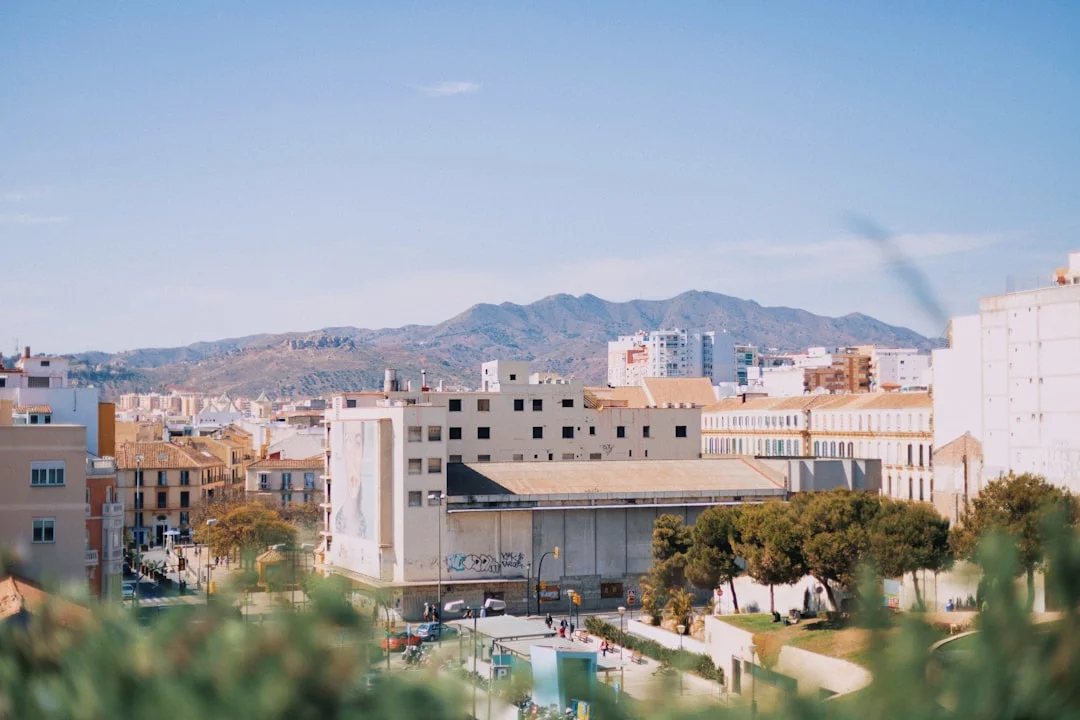
  • Málaga July 2026: Best Cultural and Nature Activities

    Málaga July 2026: Best Cultural and Nature Activities

    While Málaga’s coastline is a major draw during the summer, the peak of July can bring crowded sands and intense midday heat. Fortunately, the city offers a rich variety of alternative plans that allow you to experience the authentic local culture—from diving into the local football passion as Málaga CF celebrates its promotion amid stadium protests, to exploring history and nature in a much more relaxed setting.

    Whether you are a resident looking for something new or a visitor wanting to bypass the typical tourist traps, the cultural agenda for July 2026 is packed with evening events, cold brews, and lush green escapes.

    Here is a curated guide to the best alternative activities in Málaga this July, compiled with insights from official sources like Málaga Turismo.

    Evening Magic at the Historical Botanical Garden

    When the sun goes down, the temperature drops, making it the perfect time to explore the Jardín Botánico Histórico La Concepción. Located just north of the city center, this 19th-century tropical paradise offers a spectacular escape from the urban heat.

    Throughout July 2026, the garden hosts specialized night tours. Walking under the canopy of towering palms, historic redwoods, and exotic plants under the moonlight provides a completely different perspective than a daytime visit.

    • Why go: It is one of the few places in the city where you can experience a noticeable microclimate, often feeling several degrees cooler than the concrete streets of the center.
    • Tip: Keep an eye out for scheduled theatrical night visits, where actors dressed in period costumes bring the history of the Marquis of Casa Loring—the garden’s original founder—to life.

    Interactive Tours at the Cerveza Victoria Brewery

    For those who appreciate a cold drink on a hot summer day, a visit to the Cerveza Victoria brewery is a must. Victoria has been the defining beer of Málaga since 1928, and their modern, airy facility offers a fascinating look into the local brewing process.

    During the summer of 2026, the brewery is running interactive guided tours. Visitors can learn about the history of the brand, the meticulous selection of local ingredients, and the engineering behind the perfect pour.

    • The Experience: The tour concludes with a guided tasting session paired with traditional local tapas.
    • Booking: Space is highly limited for these indoor, air-conditioned sessions, so booking online well in advance is highly recommended.

    Theatrical Visits and Historic Monuments

    If you want to dive deep into Málaga’s rich Roman, Moorish, and Christian heritage without melting in the midday sun, theatrical evening tours are your best option.

    According to Malagacar’s summer guide, several historic monuments and neighborhoods host dramatized walks after dusk.

    • The Alcazaba & Roman Theatre: Experience the ancient fortress illuminated against the night sky while actors recreate pivotal moments from the city’s Moorish past.
    • Interactive History: These tours are designed to be highly engaging, making them an excellent choice for families and history enthusiasts who prefer storytelling over dry facts.

    Cool Off Inside Málaga’s World-Class Museums

    If you find yourself needing to escape the afternoon heatwave, Málaga’s museum district offers the perfect air-conditioned sanctuary. July 2026 features a refreshed rotation of temporary exhibitions across the city’s top galleries.

    From the cutting-edge contemporary pieces at the Centre Pompidou Málaga to the classic masterpieces at the Museo Picasso, spending a quiet afternoon surrounded by world-class art is one of the most relaxing ways to spend a summer day.

    As the summer heat settles over the Costa del Sol, we are reminded that Málaga’s true beauty lies just a few steps away from the shoreline. Taking the time to slow down, wander through a shaded garden, or share a cold beer with friends is what the Mediterranean lifestyle is truly about. We hope these alternative plans help you find your own quiet corner of inspiration in our vibrant city this July.

  • Málaga Weekend: Cirque du Soleil and Marbella Fair

    Málaga Weekend: Cirque du Soleil and Marbella Fair

    A Vibrant Summer Weekend Awaits in Málaga

    As we head into the weekend of June 26–28, 2026, the province of Málaga is buzzing with cultural energy. The early summer warmth brings a perfect mix of high-energy coastal celebrations, world-class performing arts, and relaxed community gatherings, setting the stage for the best cultural and nature activities in Málaga this July.

    Whether you are a long-time resident or visiting the Costa del Sol for the first time, this weekend offers a diverse lineup of activities. Here is your curated guide to the best events happening across the region, compiled with the help of local event updates from Diario Sur’s leisure guide. For a broader look at the top highlights, you can also explore our dedicated overview of the Malaga weekend featuring Cirque du Soleil and seaside markets.

    Marbella Fair 2026: The Final Celebrations

    Marbella is wrapping up its annual summer fair, a historic celebration dedicated to the city’s patron saint, San Bernabé. If you haven’t yet experienced the colorful tents (casetas), traditional music, and lively dances, this weekend is your final opportunity to join the festivities.

    • The Day Fair (Feria de Día): Located in the center of Marbella, the streets come alive in the afternoon with local food stalls, live rumba performances, and residents dressed in traditional Andalusian attire. It is a fantastic spot to enjoy a cold glass of rebujito and sample local tapas.
    • The Night Fair (Feria de Noche): Held at the designated fairgrounds just outside the center, the night fair is perfect for families and thrill-seekers. Expect a massive fairground with amusement rides, light displays, and large concert stages hosting local artists.

    For the best experience, we recommend using public transport or dedicated fair shuttle buses, as parking near the main venues can be highly challenging during the final weekend rush.

    Cirque du Soleil: A Spectacle of Wonder

    The world-famous Cirque du Soleil continues its highly anticipated summer run on the Costa del Sol. Known for redefining circus arts with gravity-defying acrobatics, stunning set designs, and emotive live music, the troupe’s 2026 performances have already drawn thousands of spectators.

    • What to Expect: A mesmerizing narrative told through world-class physical theater, aerial silks, and mind-bending contortionist acts.
    • Tips for Attending: Shows are held in a specially constructed grand big top (Gran Carpa). It is highly recommended to book your tickets online in advance, as weekend evening slots sell out quickly. Arrive at least 45 minutes before showtime to enjoy the atmosphere, grab refreshments, and find your seats without rushing.

    Sustainable Shopping: Weekend Eco-Markets

    If you prefer a slower, more community-focused morning, Málaga’s network of ecological and artisan markets is active this weekend. These markets provide an excellent opportunity to support local farmers, craftspeople, and independent producers.

    Guadalhorce Ecológico Markets

    On Saturday and Sunday mornings, the Guadalhorce Ecológico network brings certified organic produce directly from the fertile Guadalhorce Valley to the coast.

    • What you’ll find: Seasonal fruits and vegetables (such as local tomatoes, citrus, and avocados), organic olive oils, sourdough breads, artisan cheeses, and natural cosmetics.
    • Where to go: These markets rotate through various municipalities, including Coín, Marbella, and Málaga city. Check the local schedules to find the closest square hosting the stalls this Saturday.

    Craft and Collectible Markets

    In addition to organic food, several seaside promenades and neighborhood plazas will host craft markets. These stalls are ideal for finding handmade jewelry, locally designed clothing, and vintage collectibles. The pedestrianized areas of Málaga’s Soho district and the Muelle Uno marina are particularly popular spots for a weekend stroll among artisan stalls, which can easily be paired with a cultural visit to the nearby Picasso Museum in Malaga.

    Making the Most of Your Weekend

    With temperatures rising, planning your schedule is key to an enjoyable weekend. Balance high-energy events like the Marbella Fair with quiet morning markets, and always leave some time to rest by the Mediterranean. If the midday heat gets too intense, it is the perfect excuse to seek shelter in some of the excellent cool museum escapes in Málaga active right now.

    We hope this weekend brings you closer to the vibrant community spirit of the province. Whether you find yourself cheering under the big top, dancing in the streets of Marbella, or enjoying fresh local produce at home, may your days be filled with warmth, connection, and the simple joys of life on the southern coast.

  • Forschungs- und Entwicklungszentrum von Vodafone in Málaga erreicht 600 Tech-Spezialisten

    Forschungs- und Entwicklungszentrum von Vodafone in Málaga erreicht 600 Tech-Spezialisten

    Málagas Entwicklung zum führenden Technologie-Hub Südeuropas hat einen weiteren wichtigen Meilenstein erreicht. Das europäische Forschungs- und Entwicklungszentrum (I+D) von Vodafone im Herzen der Stadt hat offiziell die Marke von 600 hochqualifizierten Fachkräften überschritten. Diese rasche Expansion unterstreicht die Attraktivität der Stadt für multinationale Konzerne, die auch von der hohen Lebensqualität und den besten Kultur- und Naturaktivitäten in Málaga angezogen werden. Gleichzeitig verdeutlicht sie jedoch eine dringende strukturelle Herausforderung: die wachsende Kluft zwischen der Schaffung von Arbeitsplätzen im Tech-Sektor und der Verfügbarkeit lokaler Talente.

    Innovationen vorantreiben: 5G, KI und Cybersicherheit

    Der Vodafone Innovation Hub in Málaga ist nicht nur ein Verwaltungsbüro, sondern ein zentraler Motor für die globale Strategie des Telekommunikationsriesen. Die Forschungs- und Entwicklungsaktivitäten des Standorts konzentrieren sich auf drei hochgradig kritische und zukunftssichere Bereiche:

    • 5G- und 6G-Netzwerke der nächsten Generation: Entwicklung der Infrastruktur und der Softwareprotokolle, die die nächste Generation der mobilen Konnektivität antreiben werden.
    • Künstliche Intelligenz und Big Data: Implementierung von Algorithmen für maschinelles Lernen zur Optimierung der Netzwerkleistung und des Nutzererlebnisses.
    • Cybersicherheit: Entwicklung fortschrittlicher Sicherheitsstrukturen, um Unternehmenskunden vor immer komplexeren digitalen Bedrohungen zu schützen.

    Mit dem Ausbau auf über 600 Ingenieure, Entwickler und Produktmanager hat Vodafone seine Position als einer der größten privaten Tech-Arbeitgeber der Region gefestigt. Das Unternehmen trägt zu einem so fortschrittlichen Tech-Ökosystem bei, dass der Málaga TechPark sein Innovationsmodell in aufstrebende Technologiezentren weltweit exportiert.

    Der Talent-Engpass: Eine wachsende regionale Herausforderung

    Während der Zustrom multinationaler Technologieunternehmen ein großer wirtschaftlicher Erfolg für Andalusien ist, hat er auch ein erhebliches Defizit an Fachkräften offengelegt. Das Tempo der Stellenschaffung im Tech-Sektor von Málaga übersteigt derzeit die Kapazitäten des lokalen Bildungssystems, qualifizierte Absolventen hervorzubringen.

    Laut einer kürzlich von Andalucía Información veröffentlichten Branchenanalyse hat sich die Region erfolgreich in einen Magneten für gut bezahlte Technologie-Arbeitsplätze verwandelt. Experten warnen jedoch, dass der kritischste Engpass der Mangel an spezialisierten Fachkräften ist, die bereit sind, diese hochrangigen Positionen zu besetzen.

    Diese Talentlücke hat zwei wesentliche Auswirkungen:

    1. Druck auf das lokale Bildungswesen: Universitäten und Berufsbildungszentren (FP) in Andalusien stehen unter immensem Druck, ihre Lehrpläne im Technologiebereich zu modernisieren und zu beschleunigen, insbesondere in den Bereichen Software-Engineering, Data Science und Cybersicherheit.
    2. Eine Chance für Relocation: Der Mangel an lokalen Kandidaten hat Málaga zu einem aktiven Rekrutierungsfeld für internationale Tech-Talente gemacht. Fachkräfte aus ganz Europa und darüber hinaus ziehen an die Costa del Sol, angezogen von der Kombination aus hochkarätigen Karrierechancen und der hohen Lebensqualität der Stadt.

    Was dies für Tech-Spezialisten in Málaga bedeutet

    Für Software-Ingenieure, Systemarchitekten und Product Owner bietet das aktuelle Ökosystem beispiellose Vorteile. Dieses florierende Klima zieht nicht nur multinationale Riesen an, sondern fördert auch das unternehmerische Wachstum, unterstützt durch bedeutende Investment-Events wie das Keiretsu Forum Andalucía in Málaga.

    Damit die Stadt dieses Wachstum jedoch nachhaltig sichern kann, betonen Branchenführer, dass die Zusammenarbeit zwischen öffentlichem und privatem Sektor vertieft werden muss. Der Ausbau von Tech-Bootcamps, das Angebot gezielter Umschulungsprogramme für Quereinsteiger und die Vereinfachung administrativer Prozesse für internationale Neueinstellungen sind wesentliche Schritte, um Málagas Tech-Motor am Laufen zu halten.

    Während Málaga weiterhin die Balance zwischen seiner traditionellen Identität und seinem Status als digitales Kraftzentrum sucht, werden die kommenden Jahre entscheidend sein. Es ist unglaublich spannend zu beobachten, wie sich unsere Stadt zu einem Ort entwickelt, an dem globale Innovationen gedeihen, und wir freuen uns darauf zu sehen, wie lokale Talente und internationale Köpfe zusammenkommen, um die Zukunft der Technologie an der Mittelmeerküste zu gestalten.

  • Vodafone Málaga R&D Hub Reaches 600 Tech Professionals

    Vodafone Málaga R&D Hub Reaches 600 Tech Professionals

    Málaga’s trajectory as Southern Europe’s primary technology hub has reached another major milestone. Vodafone’s European Research and Development (I+D) center, located in the heart of the city, has officially surpassed 600 highly qualified professionals. This rapid expansion underscores the city’s appeal to multinational corporations, but it also highlights a pressing structural challenge: the growing gap between tech job creation and the availability of local talent.

    Driving Innovation: 5G, AI, and Cybersecurity

    The Vodafone Innovation Hub in Málaga is not merely an administrative office; it is a core engine for the telecom giant’s global strategy. The facility’s research and development efforts are focused on three highly critical, future-proof sectors:

    • Next-Generation 5G and 6G Networks: Developing the infrastructure and software protocols that will power the next generation of mobile connectivity.
    • Artificial Intelligence and Big Data: Implementing machine learning algorithms to optimize network performance and user experience.
    • Cybersecurity: Creating advanced security frameworks to protect enterprise clients from increasingly sophisticated digital threats.

    By scaling up to over 600 engineers, developers, and product managers, Vodafone has cemented its position as one of the largest private tech employers in the region, contributing to a tech ecosystem so advanced that the Málaga TechPark exports its innovation model to developing tech hubs worldwide.

    The Talent Bottleneck: A Growing Regional Challenge

    While the influx of multinational tech operations is a major economic victory for Andalusia, it has exposed a significant talent deficit. The pace of job creation in Málaga’s tech sector is currently outstripping the local educational system’s capacity to produce qualified graduates.

    According to a recent industry analysis published by Andalucía Información, the region has successfully transformed into a magnet for high-paying technology roles. However, experts warn that the most critical bottleneck is the shortage of specialized professionals prepared to step into these top-tier positions.

    This talent gap has two major implications:

    1. Pressure on Local Education: Universities and vocational training centers (FP) in Andalusia are under immense pressure to modernize and accelerate their technology curriculums, particularly in software engineering, data science, and cybersecurity.
    2. An Opportunity for Relocation: The shortage of local candidates has turned Málaga into an active recruitment ground for international tech talent. Professionals from across Europe and beyond are relocating to the Costa del Sol, drawn by the combination of high-caliber career opportunities and the city’s high quality of life.

    What This Means for Tech Professionals in Málaga

    For software engineers, system architects, and product owners, the current ecosystem offers unprecedented leverage. This thriving climate not only attracts multinational giants but also fosters entrepreneurial growth, supported by major investment events like the Keiretsu Forum Andalucía in Málaga.

    However, for the city to sustain this growth, industry leaders emphasize that public-private collaboration must deepen. Expanding tech bootcamps, offering targeted retraining programs for non-tech workers, and streamlining administrative processes for international hires are essential steps to keep Málaga’s tech engine running smoothly.

    As Málaga continues to balance its traditional identity with its status as a digital powerhouse, the coming years will be crucial. Watching our city evolve into a space where global innovation thrives is incredibly exciting, and we look forward to seeing how local talent and international minds come together to shape the future of technology on the Mediterranean coast.

  • Sakanaya: Fuengirolas neues Sushi- und Holzkohlengrill-Restaurant

    Sakanaya: Fuengirolas neues Sushi- und Holzkohlengrill-Restaurant

    Die kulinarische Landschaft der Costa del Sol entwickelt sich rasant weiter und zieht Feinschmecker aus aller Welt an. Während die Region vor allem für Klassiker wie die traditionelle Fritura Malagueña berühmt ist, wächst auch das internationale Angebot stetig. Fuengirola, das bereits für sein vielfältiges internationales Gastronomieangebot bekannt ist, hat soeben einen bedeutenden Neuzugang erhalten. Sakanaya, ein neu eröffnetes japanisches Restaurant, definiert die lokale asiatische Gastronomieszene neu, indem es die feine Kunst des Sushi mit der rustikalen, elementaren Kraft des Kochens über offenem Holzkohlefeuer verbindet.

    Diese Neueröffnung fällt in eine dynamische Zeit für die Gastronomie in der Provinz Málaga, die kürzlich lokale Triumphe wie die Auszeichnung von „La Mariscá“ als Heimat der besten fritura (frittierter Fisch) feierte. Neben diesen kulinarischen Highlights zieht die Region auch mit exklusiven Destinationen wie dem Higuerón Resort, dem luxuriösen Sport-Hub der Costa del Sol, weltweite Aufmerksamkeit auf sich. Sakanaya bringt einen ganz anderen, aber ebenso akribischen Respekt vor Meeresfrüchten und Feuer an die Küste.

    Die Harmonie von rohem Fisch und lebendigem Feuer

    Was Sakanaya von anderen Sushi-Restaurants in der Provinz Málaga unterscheidet, ist sein zweifacher Fokus. Laut einem Bericht von ABC Gurmé basiert das Konzept des Restaurants auf sorgfältig ausgewählten, rohen Zutaten, deren natürliche Aromen durch den präzisen Einsatz heißer Kohlen verfeinert – und nicht überdeckt – werden.

    Im Sakanaya erwartet die Gäste:

    • Handwerkliches Sushi: Meisterhaft geschnittene Nigiris, Sashimis und kreative Rolls mit hochwertigem Rotem Thunfisch, lokalem Weißfisch und erstklassigen Meeresfrüchten.
    • Der Holzkohlengrill (Sumibi): Traditionelle japanische Grilltechniken mit hochwertiger Holzkohle, die den Saft einschließt und Fleisch, Fisch sowie Gemüse ein feines, rauchiges Aroma verleiht.
    • Ausgewogene Fusion: Gerichte, bei denen gegrillte Elemente und rohe Texturen aufeinandertreffen und einen in der Region seltenen Kontrast von Temperaturen und Texturen schaffen.

    Eine anspruchsvolle Bereicherung für Fuengirola

    Fuengirola ist seit langem ein beliebter Anziehungspunkt für Expats und Reisende, die Sonne und gutes Essen suchen. Während die Stadt über hervorragende traditionelle Tapas-Bars und Chiringuitos verfügt, richtet sich Sakanaya an alle, die ein anspruchsvolleres, zeitgemäßes kulinarisches Erlebnis suchen. Dieser Neuzugang passt perfekt zum wachsenden Ruf der Stadt für gehobene Küche, was auch durch andere nahe gelegene Luxusangebote wie die Gourmet-Erlebnisse im Higuerón Resort unterstrichen wird. Das Innendesign spiegelt diese Ausgewogenheit wider und bietet eine intime Atmosphäre, in der die Gäste den Köchen bei der Arbeit in stiller Konzentration hinter der Theke zusehen können.

    Durch die Konzentration auf erstklassige Zutaten und traditionelle japanische Techniken positioniert sich das Sakanaya als ein Muss für jeden, dem die japanische Gastronomie an der Costa del Sol am Herzen liegt.

    Planung Ihres Besuchs

    Wenn Sie diesen neuen Tempel der japanischen Küche erleben möchten, wird eine frühzeitige Reservierung dringend empfohlen, insbesondere in den geschäftigen Sommermonaten.

    • Konzept: Gehobenes japanisches Sushi und Holzkohlengrill (brasas).
    • Standort: Fuengirola, Málaga.
    • Ideal für: Verabredungen, Geschäftsessen und Feinschmecker, die authentische japanische Aromen mit einer modernen Note suchen.

    Da die Küste weiterhin innovative kulinarische Konzepte willkommen heißt, sticht das Sakanaya als Beweis für die Raffinesse unserer wachsenden Gastronomieszene hervor. Wir hoffen, dass dieses neue Projekt sowohl Einheimischen als auch Besuchern viele unvergessliche Abende mit großartigem Essen und gemeinsamen Geschichten beschert. Wir sehen uns am Tisch!

  • Sakanaya: Fuengirola’s New Sushi and Charcoal Grill

    Sakanaya: Fuengirola’s New Sushi and Charcoal Grill

    The culinary landscape of the Costa del Sol is evolving at a rapid pace, drawing in food lovers from all over the world. While the region remains famous for traditional coastal delicacies like the authentic Fritura Malagueña, its international offering is also thriving. Fuengirola, already known for its diverse international dining options, has just welcomed a major new player. Sakanaya, a newly opened Japanese restaurant, is redefining the local Asian food scene by combining the delicate art of sushi with the rustic, elemental power of open-fire charcoal cooking.

    This new opening comes at a vibrant time for gastronomy in Málaga province, which recently celebrated local triumphs like the selection of ‘La Mariscá’ as home to the best fritura (fried fish) in Málaga. Alongside premier lifestyle destinations like the Higuerón Resort, the Costa del Sol’s luxury sports hub, Sakanaya brings a very different, yet equally meticulous, respect for seafood and fire to the coast.

    The Harmony of Raw Fish and Live Fire

    What sets Sakanaya apart from other sushi restaurants in Málaga province is its dual focus. According to a feature by ABC Gurmé, the restaurant’s concept is built around carefully selected raw ingredients where natural flavors are enhanced—rather than masked—by the precise use of hot coals.

    At Sakanaya, diners can expect:

    • Artisanal Sushi: Masterfully sliced nigiris, sashimis, and creative rolls featuring high-grade bluefin tuna, local white fish, and premium seafood.
    • The Charcoal Grill (Sumibi): Traditional Japanese grilling techniques using high-quality charcoal, which seals in juices and imparts a delicate, smoky aroma to meats, fish, and vegetables.
    • Balanced Fusion: Dishes where grilled elements and raw textures meet, creating a contrast of temperatures and textures that is rare to find in the area.

    A Sophisticated Addition to Fuengirola

    Fuengirola has long been a favorite hub for expats and travelers seeking sun and good food. While the town boasts excellent traditional tapas bars and chiringuitos, Sakanaya targets those looking for a more refined, contemporary dining experience. This addition aligns perfectly with the town’s growing reputation for high-end cuisine, showcased by other nearby luxury offerings like the gourmet experiences at Higuerón Resort. The interior design reflects this balance, offering an intimate atmosphere where guests can watch the chefs work with quiet concentration behind the counter.

    By focusing on premium product sourcing and traditional Japanese techniques, Sakanaya is positioning itself as a must-visit destination for anyone serious about Japanese gastronomy on the Costa del Sol.

    Planning Your Visit

    If you want to experience this new temple of Japanese cuisine, booking ahead is highly recommended, especially during the busy summer months.

    • Concept: High-end Japanese sushi and charcoal grill (brasas).
    • Location: Fuengirola, Málaga.
    • Ideal for: Date nights, business dinners, and food enthusiasts looking for authentic Japanese flavors with a modern twist.

    As the coast continues to welcome innovative culinary concepts, Sakanaya stands out as a testament to the sophistication of our growing food scene. We hope this new venture brings many memorable nights of great food and shared stories to both locals and visitors alike. See you at the table!

  • Málaga Debatte über Strandhotels: Wird die Küste privatisiert?

    Málaga Debatte über Strandhotels: Wird die Küste privatisiert?

    Die sonnenverwöhnten Küsten von Málaga werden seit langem als demokratische Räume geschätzt. Im Gegensatz zu anderen weltweiten Urlaubszielen, an denen private Beachclubs den Sand einzäunen, sind die Strände Spaniens historisch gesehen immer öffentlich geblieben, geschützt durch strenge Küstengesetze. Eine sich anbahnende Debatte über das Potenzial einer privaten Verwaltung der Küstenlinie zur Förderung von Luxushotel-Entwicklungen direkt am Strand hat jedoch intensive Diskussionen unter Einheimischen, Expats und Stadtplanern entfacht.

    Im Mittelpunkt der Debatte steht ein sensibles Gleichgewicht: Kann Málaga sein Angebot an Luxustourismus ausbauen, ohne den öffentlichen, egalitären Charakter seiner natürlichen Küsten zu opfern?

    Der Vorschlag: High-End-Tourismus vs. öffentlicher Zugang

    Befürworter einer Reform der Küstenverwaltung argumentieren, dass Málaga Premium-Tourismussegmente verpasst. Durch die Erlaubnis für private Unternehmen, bestimmte Strandabschnitte zu verwalten, könnte die Stadt nach Ansicht der Befürworter eine erstklassige Hotelinfrastruktur direkt am Strand anziehen, was erhebliche wirtschaftliche Investitionen und kaufkräftige Besucher in die Provinz bringen würde.

    Laut einer Analyse von Málaga Hoy berührt diese Debatte die eigentliche Identität der Uferpromenade der Stadt. Während die lokale Verwaltung bereits umfassende öffentliche Strandsicherheits- und Reinigungsdienste koordiniert, schlagen Befürworter vor, dass strukturierte, privat verwaltete Strandzonen die Annehmlichkeiten weiter verbessern könnten, was Málaga an Premium-Destinationen im Mittelmeerraum wie die Côte d’Azur oder bestimmte griechische Inseln angleichen würde.

    Kritiker sehen darin jedoch einen gefährlichen Schritt in Richtung Privatisierung. Für Einwohner und Langzeitbesucher ist die Freiheit, überall auf dem Sand ein Handtuch auszubreiten, ohne für eine Sonnenliege bezahlen zu müssen, ein nicht verhandelbarer Aspekt des lokalen Lebensstils.

    Die rechtlichen und ökologischen Schutzmaßnahmen

    In Spanien regelt das Ley de Costas (Küstengesetz) den öffentlich-rechtlichen maritim-terrestrischen Bereich streng und stellt sicher, dass die Strände im öffentlichen Eigentum verbleiben. Jeder Schritt in Richtung einer privaten Verwaltung würde auf massive rechtliche Hürden und heftigen öffentlichen Widerstand stoßen.

    Gegner des Vorschlags äußern mehrere wesentliche Bedenken:

    • Verlust des öffentlichen Raums: Das Einzäunen von Strandabschnitten oder die Beschränkung des Zugangs auf zahlende Hotelgäste würde einheimische Familien ausschließen, die diese Küsten seit Generationen nutzen.
    • Umweltzerstörung: Eine verstärkte Bebauung und eine höhere Dichte an der Küste gefährden fragile Küstenökosysteme und verschlimmern die Stranderosion.
    • Die Chiringuito-Kultur: Málagas beliebte Strandbars (chiringuitos) werden im Rahmen öffentlicher Konzessionen betrieben. Eine Verlagerung hin zu von Unternehmen geführten Hotelstränden könnte diese traditionellen, familiengeführten Betriebe bedrohen.

    Einen nachhaltigen Mittelweg finden

    Da Málaga seinen kometenhaften Aufstieg als europäisches Technologie- und Tourismuszentrum fortsetzt, wird der Entwicklungsdruck nur noch zunehmen. Viele Stadtplaner schlagen vor, dass die Lösung nicht in der Privatisierung des Sandes liegt, sondern in der Verbesserung öffentlich-privater Partnerschaften, die den öffentlichen Charakter der Küste respektieren. Luxushotels können dennoch florieren, indem sie außergewöhnlichen Luxus im Landesinneren bieten und gleichzeitig mit den lokalen Behörden zusammenarbeiten, um die Strände sauber, zugänglich und ökologisch intakt zu halten.

    Die Erhaltung der natürlichen Schönheit der Küste ist letztlich das, was Málaga überhaupt erst so attraktiv für internationale Besucher und Investoren macht. Eine Überbebauung der Küstenlinie birgt das Risiko, genau den Charme zu zerstören, der die Menschen hierher gezogen hat.

    Wenn wir in die Zukunft unserer wunderschönen Küste blicken, bleiben wir hoffnungsvoll, dass Fortschritt nicht auf Kosten unseres gemeinsamen Naturerbes gehen muss. Das Meer hat in Málaga schon immer allen gehört, und mit einer durchdachten, respektvollen Planung können wir sicherstellen, dass das sanfte Rauschen der Wellen des Mittelmeers ein Luxus bleibt, den jeder kostenlos genießen kann.

  • Málaga Beachfront Hotel Debate: Privatizing the Coast?

    Málaga Beachfront Hotel Debate: Privatizing the Coast?

    The sun-drenched coastlines of Málaga have long been celebrated as democratic spaces. Unlike other global resort destinations where private beach clubs fence off the sand, Spain’s beaches have historically remained public, protected by strict coastal laws. However, a brewing debate regarding the potential for private management of the coastline to stimulate luxury beachfront hotel development has ignited intense discussions among locals, expats, and urban planners.

    At the heart of the issue is a delicate balance: can Málaga elevate its luxury tourism offerings without sacrificing the public, egalitarian character of its natural shores?

    The Proposal: High-End Tourism vs. Public Access

    Proponents of reforming coastal management argue that Málaga is missing out on premium tourism segments. By allowing private entities to manage specific beach zones, advocates believe the city could attract world-class beachfront hotel infrastructure, bringing significant economic investment and high-spending visitors to the province.

    According to an analysis by Málaga Hoy, this debate touches on the very identity of the city’s waterfront. While the local administration already coordinates extensive public beach safety and cleaning services, proponents suggest that structured, privately managed beach zones could further improve amenities, aligning Málaga with premium Mediterranean destinations like the French Riviera or certain Greek islands.

    However, critics view this as a slippery slope toward privatization. For residents and long-term visitors, the freedom to lay down a towel anywhere on the sand without paying for a sunbed is a non-negotiable aspect of the local lifestyle.

    The Legal and Environmental Safeguards

    In Spain, the Ley de Costas (Coastal Law) strictly regulates the maritime-terrestrial public domain, ensuring that beaches remain public property. Any move toward private management would face massive legal hurdles and intense public resistance.

    Opponents of the proposal raise several key concerns:

    • Loss of Public Space: Fencing off sections of the beach or restricting access to paying hotel guests would alienate local families who have used these shores for generations.
    • Environmental Degradation: Increased construction and higher density on the shoreline put fragile coastal ecosystems at risk, exacerbating beach erosion.
    • The Chiringuito Culture: Málaga’s beloved beach bars (chiringuitos) operate under public concessions. A shift toward corporate-managed hotel beaches could threaten these traditional, family-run establishments.

    Finding a Sustainable Middle Ground

    As Málaga continues its meteoric rise as a European tech and tourism hub, the pressure to develop will only grow. Many urban planners suggest that the solution lies not in privatizing the sand, but in improving public-private partnerships that respect the public nature of the coast. High-end hotels can still thrive by offering exceptional inland luxury while collaborating with local authorities to keep the beaches clean, accessible, and ecologically sound.

    Preserving the coast’s natural beauty is ultimately what makes Málaga so attractive to international visitors and investors in the first place. Over-developing the shoreline risks destroying the very charm that drew people here.

    As we look to the future of our beautiful coastline, we remain hopeful that progress does not have to come at the cost of our shared natural heritage. The sea has always belonged to everyone in Málaga, and with thoughtful, respectful planning, we can ensure that the gentle sound of the Mediterranean waves remains a luxury free for all to enjoy.

  • Málaga Art Exhibitions: 15 Summer Shows to See

    Málaga Art Exhibitions: 15 Summer Shows to See

    As the summer heat begins to peak in southern Spain, finding a cool, air-conditioned sanctuary becomes a priority for locals and visitors alike. Fortunately, Málaga has firmly established itself as Spain’s premier “City of Museums,” offering an incredible array of world-class art galleries, historic spaces, and contemporary exhibitions. It is the perfect destination for gallery hopping through Málaga’s vibrant art scene.

    Whether you are looking to escape the midday sun, seeking a deeper connection with Andalusian culture, or keeping up with local discussions like the debate over beachfront hotel privatization in Málaga, the city’s artistic calendar for June 2026 is packed with must-see shows. To help you plan your cultural itinerary, we have compiled a list of 15 essential exhibitions and museum experiences available right now.

    For real-time updates and daily schedules, you can also consult the latest listings on Hoy Málaga’s exhibition guide.

    1. “Picasso: Sculptor of Matter” at Museo Picasso Málaga

    Located in the heart of the historic center, the Museo Picasso Málaga celebrates the city’s most famous son. Alongside the museum’s fascinating look at the artist’s structures of invention, this temporary exhibition focuses on Picasso’s three-dimensional works, exploring how he revolutionized sculpture by using everyday materials, wood, metal, and plaster.

    2. “Place-ness” at Centre Pompidou Málaga

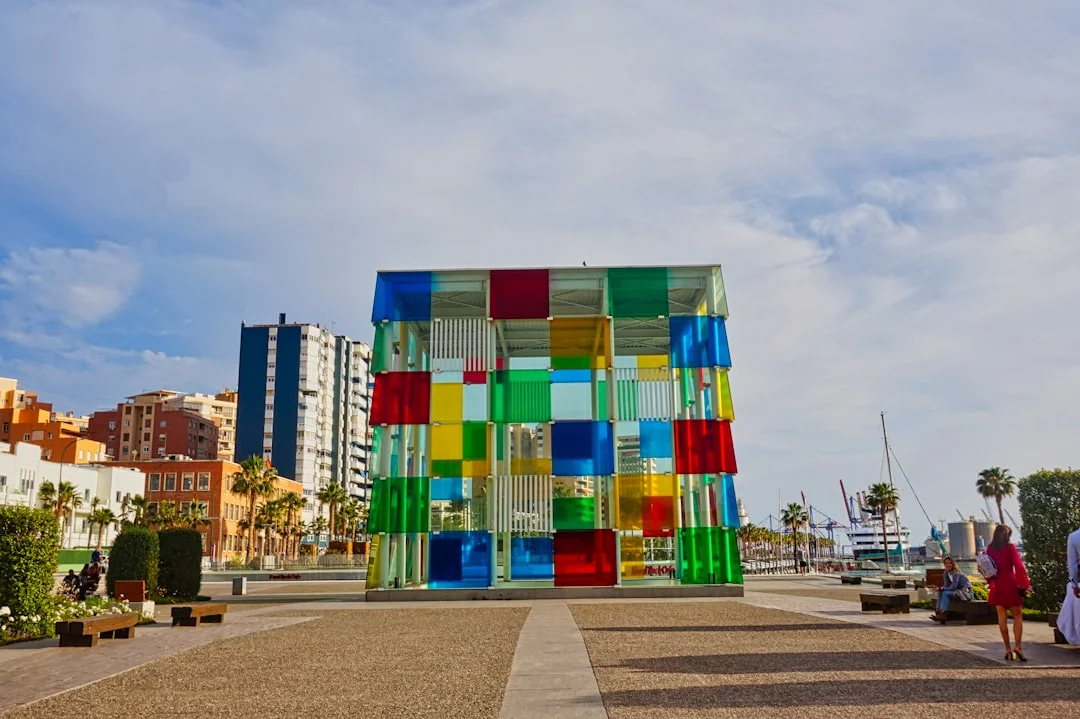
    Housed beneath the iconic glass cube at the port, the Centre Pompidou’s semi-permanent exhibition explores how modern artists define, construct, and deconstruct space. It is a thought-provoking journey through contemporary architecture, photography, and installations.

    3. “Belgian Art: From Ensor to Magritte” at Museo Carmen Thyssen

    This summer, the Carmen Thyssen Museum brings a stunning collection of Belgian modernism to Málaga. The exhibition traces the transition from realism to surrealism, showcasing masterpieces by James Ensor, René Magritte, and Paul Delvaux.

    4. “Beyond the Horizon” at Colección del Museo Ruso

    Located in the striking Tabacalera building, this exhibition showcases breathtaking landscape paintings. It explores how artists have captured the vastness of nature, light, and changing seasons across Eastern Europe and beyond.

    5. “New Figuration” at CAC Málaga

    The Centro de Arte Contemporáneo (CAC) continues to push boundaries with its summer showcase of emerging international painters. This exhibition highlights the resurgence of figurative art, blending classical techniques with digital-age themes.

    6. “The Archeology of the Bay” at Museo de Málaga

    Housed in the majestic Palacio de la Aduana, the Museo de Málaga’s permanent archeological collection offers a fascinating look at the city’s Phoenician, Roman, and Moorish past. It is an ideal, educational visit for families.

    7. “The Female Portrait” at Museo Revello de Toro

    Félix Revello de Toro was one of Málaga’s most celebrated portraitists. This intimate museum, set in the historic home of workshop-master Pedro de Mena, displays a curated selection of his finest portraits, celebrating the grace and strength of his subjects.

    8. “Picasso’s Childhood Memories” at Museo Casa Natal

    Step inside the actual apartment where Pablo Picasso was born in Plaza de la Merced. This summer’s exhibition focuses on his early childhood in Málaga, featuring personal family artifacts, early drawings, and the domestic objects that first inspired his vision.

    9. “Málaga’s Golden Age” at MUPAM

    The Museo del Patrimonio Municipal (MUPAM) highlights the city’s artistic boom during the 19th century. This exhibition features works by local masters who captured Málaga’s industrial rise, coastal beauty, and traditional festivals—a prosperous era deeply connected to the migrant merchants who built Málaga’s commercial identity.

    10. “The Evolution of the Automobile” at Museo Automovilístico y de la Moda

    For a unique pairing of design and history, this museum combines an extraordinary collection of vintage cars (from Bugattis to Ferraris) with high-fashion haute couture. The summer display highlights the parallel evolution of automotive aerodynamics and mid-century fashion.

    11. “Stained Glass Mastery” at Museo del Vidrio y Cristal

    Set in a beautifully restored 18th-century mansion, this private museum houses thousands of glass and crystal pieces from ancient civilizations to the present day. The summer tour highlights the spectacular stained glass windows that filter the Andalusian sun into vibrant colors.

    12. “Interactive Soundscapes” at MIMMA

    The Interactive Music Museum (MIMMA) is perfect for those traveling with children. Their summer interactive exhibits encourage visitors to touch the instruments and experiment with sound, making music theory accessible and fun.

    13. “Mediterranean Marine Heritage” at Museo Alborania

    Located at Palmeral de las Sorpresas, this museum and conservation center offers a deep dive into the biodiversity of the Alboran Sea. It is a refreshing, educational stop that connects Málaga’s maritime history with modern ecological preservation.

    14. “Contemporary Photography” at La Térmica

    Málaga’s cultural powerhouse, La Térmica, hosts a striking collective photography exhibition this season. Featuring works by young European photographers, the collection addresses themes of identity, globalization, and urban life.

    15. “Andalusian Masters” at Centro Cultural Fundación Unicaja

    Located in the historic Palacio de Epíscopo, this exhibition gathers classic paintings from regional masters of the 19th and 20th centuries. It offers a nostalgic, colorful look at traditional Andalusian landscapes, patios, and daily life.

    Tips for Visiting Málaga’s Museums in Summer

    • Book in advance: Popular spots like the Picasso Museum and Centre Pompidou can get crowded, especially in the mornings. Booking online saves time.
    • Check for free entry: Many municipal museums offer free entry on Sunday afternoons.
    • Combine art with leisure: Most museums are located close to excellent local tapas bars, allowing you to seamlessly transition from a cultural tour to a refreshing lunch.

    We hope this guide inspires you to explore the cooler, creative side of Málaga this summer. There is a quiet magic in stepping out of the bright coastal sun and into the silent, inspiring halls of our local galleries. Enjoy the art, take your time, and let the city’s creative spirit stay with you long after the summer ends.