Blog

  • Málaga TechPark Secures €2B Investment Boost

    Málaga TechPark Secures €2B Investment Boost

    A €2 Billion Milestone for Southern Europe’s Silicon Valley

    Málaga TechPark (historically known as the Parque Tecnológico de Andalucía) has officially cemented its status as the premier economic engine of Southern Spain, a regional rise that coincides with growing optimism around Málaga CF’s potential return to La Liga. Supporting this broader local momentum, a massive portfolio of investment projects totaling nearly €2 billion is currently being deployed to transform the park into a highly competitive global technology hub.

    This capital injection is not merely about physical expansion; it is a strategic effort designed to bolster advanced infrastructure, construct cutting-edge R&D laboratories, and attract world-class multinational corporations. For international investors, digital nomads, and software engineers, this development solidifies the “Málaga Valley” brand as one of Europe’s most dynamic ecosystems for qualified employment.

    Where the Capital is Flowing: Infrastructure and R&D

    The allocation of these malaga tech park investments targets several key strategic pillars:

    • State-of-the-Art R&D Laboratories: Developing specialized centers for microelectronics, artificial intelligence, cybersecurity, and green technologies.
    • Advanced Infrastructure: Upgrading connectivity, expanding high-capacity workspaces, and implementing sustainable mobility solutions to accommodate thousands of new daily commuters.
    • Multinational Attraction: Creating tailored facilities designed to meet the rigorous operational standards of global tech giants.

    As reported by El Español Málaga, the continuous flow of private and public capital into the tech park has accelerated Málaga’s transition from a tourism-dependent economy to a diversified, knowledge-based powerhouse.

    Strengthening the Málaga Valley Ecosystem

    The term “Málaga Valley” represents a tangible network of over 600 companies and thousands of high-skilled professionals, whose achievements are celebrated annually at events like the Málaga Tech Awards. The arrival of major málaga valley tech companies over the last few years has created a powerful cluster effect.

    By focusing on microchip design, cybersecurity, and pioneering initiatives like the newly launched Núcleo Deep Tech Hub, the park is shifting from regional operations to global product development. This concentration of innovation acts as a magnet: when one industry leader establishes a footprint in Málaga, its supply chain, partners, and competitors naturally follow.

    Growing Demand for Tech Jobs in Málaga Spain

    For professionals eyeing a move to the Costa del Sol, this financial boost translates directly into high-quality career opportunities. The market for tech jobs in malaga spain is experiencing unprecedented diversification:

    • Diverse Sectors: Opportunities are expanding rapidly beyond traditional software development into systems engineering, data science, semiconductor design, and cloud architecture.
    • Competitive Compensation: While local living costs remain highly competitive compared to Northern European capitals, tech salaries in the park are steadily rising to attract top-tier international talent.
    • Collaborative Environment: The close relationship between Málaga TechPark, the University of Málaga (UMA), and local startup incubators ensures a continuous pipeline of talent and collaborative research opportunities.

    A Sustainable Vision for the Future

    As we progress through 2026, the challenge for Málaga TechPark lies in managing this rapid growth sustainably. Local authorities and park administrators are heavily prioritizing green building certifications, energy-efficient offices, and better integration with Málaga’s public transit network, including planned expansions to link the city center directly to the tech campus.

    This forward-thinking approach ensures that the technological boom does not come at the expense of the region’s high quality of life, which remains one of Málaga’s greatest competitive advantages—complemented by broader regional upgrades such as the real-time passport control technology at Málaga Airport.

    Watching Málaga evolve from a quiet coastal gateway into a formidable European technology capital is truly inspiring. As these investments take physical shape, the city is proving that economic modernization and an exceptional quality of life can go hand in hand. We look forward to seeing how this vibrant ecosystem continues to welcome diverse minds from around the globe, shaping a bright, innovative future for the entire region.
  • Málagas verborgene Pfade: Entdecken Sie die lokalen Geheimnisse der Stadt

    Málagas verborgene Pfade: Entdecken Sie die lokalen Geheimnisse der Stadt

    Jenseits von Sonne und Museen: Ein Plädoyer für langsames Erkunden

    Während sich Málaga kontinuierlich zu einem globalen Kultur- und Technologiezentrum entwickelt, ziehen das historische Zentrum und die berühmten Strände der Stadt jedes Jahr Millionen von Besuchern an. Dieses schnelle Wachstum überschattet jedoch oft eine ruhigere, zutiefst authentische Seite der Hauptstadt der Costa del Sol. Für Reisende und Einwohner, die eine tiefere Verbindung zur Region suchen, offenbart das Erkunden von Málagas geheimen Routen ein Netz aus historischen Pfaden, Naturschutzgebieten und architektonischen Geheimnissen.

    Sich auf diese weniger bekannten Routen einzulassen, bedeutet nicht nur, Menschenmassen zu meiden; es ist ein Schritt hin zu nachhaltigem, bewusstem Reisen. Indem wir die Außenbezirke und ruhigeren Viertel erkunden, verteilen wir die wirtschaftlichen Vorteile des Tourismus um und reduzieren unseren ökologischen Fußabdruck in den empfindlichen historischen Zentren – ein Prinzip der Dezentralisierung, das auch der lokalen Wirtschaft zugutekommt, wie der jüngste Milliarden-Investitionsschub für den Málaga TechPark außerhalb des Stadtkerns eindrucksvoll beweist.

    1. Die Mündung des Guadalhorce: Eine wilde Oase direkt neben der Stadt

    Nur eine kurze Distanz vom geschäftigen Flughafen und den westlichen Stränden entfernt liegt das Paraje Natural Desembocadura del Guadalhorce (Mündungsgebiet des Flusses Guadalhorce). Dieses geschützte Feuchtgebiet gehört zu den ökologisch vielfältigsten Gebieten der Provinz und dient als wichtiger Zwischenstopp für Zugvögel auf ihrem Weg zwischen Europa und Afrika.

    • Die Route: Ein flacher, kreisförmiger Weg von etwa 5 bis 6 Kilometern führt über hölzerne Fußgängerbrücken zu mehreren versteckten Vogelbeobachtungsstationen.
    • Was es zu sehen gibt: Je nach Jahreszeit können Sie Flamingos, Fischadler und die seltene Weißkopfruderente beobachten.
    • Lokaler Tipp: Betreten Sie das Schutzgebiet vom Viertel Guadalmar aus. Die besten Zeiten für einen Besuch sind der frühe Morgen oder der späte Nachmittag, wenn das Licht weicher wird und die Tierwelt am aktivsten ist.

    2. Monte San Antón: Die lokale Alternative zum Gibralfaro

    Während die Aussicht von der Burg Gibralfaro ikonisch ist, teilt man sie sich oft mit Hunderten von anderen Besuchern. Für einen spektakulären Panoramablick über die gesamte Bucht von Málaga und das Axarquía-Gebirge zieht es die Einheimischen nach Osten zum Monte San Antón.

    Dieser markante Doppelgipfel dominiert die Skyline hinter dem Viertel El Palo, einem Küstenviertel, das tief mit der maritimen Geschichte der Stadt und den traditionellen phönizischen Jábega-Booten verbunden ist. Eine Wanderung zum Gipfel bietet eine raue, nach Kiefern duftende Zuflucht, die sich anfühlt, als wäre sie meilenweit vom städtischen Trubel entfernt.

    • Die Route: Der Aufstieg vom unteren Parkplatz ist relativ kurz, aber steil. Es dauert etwa 45 Minuten, um das Gipfelkreuz zu erreichen.
    • Globale Verbindung: Dieser Weg zeigt die klassische mediterrane Macchie (Garrigue), in der wilder Rosmarin, Thymian und einheimische Reptilien zu Hause sind.
    • Lokaler Tipp: Packen Sie ein leichtes Picknick ein und planen Sie den Aufstieg zum Sonnenuntergang. An einem klaren Tag ist die Silhouette der marokkanischen Küste auf der anderen Seite des Alborán-Meeres zu sehen.

    3. El Limonar und Miramar: Eine architektonische Zeitkapsel

    Nicht alle versteckten Routen erfordern Wanderschuhe. Östlich des historischen Zentrums liegt das Wohnviertel El Limonar, das im späten 19. und frühen 20. Jahrhundert entstand. Dieses Viertel war das Refugium des Málaguer Industriebürgertums, das hier eklektizistische, modernistische und regionalistische Villen inmitten üppiger subtropischer Gärten errichtete.

    • Die Route: Beginnen Sie am Paseo de Sancha und schlendern Sie bergauf durch die Calle Paseo del Limonar und die Calle Pintor Joaquín Sorolla.
    • Was es zu sehen gibt: Bewundern Sie die kunstvollen Schmiedearbeiten, die farbenfrohen Keramikfliesen und die riesigen Ficusbäume, die über die Gartenmauern ragen.
    • Lokaler Tipp: Verbinden Sie diesen Spaziergang mit einem Besuch des nahe gelegenen Englischen Friedhofs (Cementerio Inglés), dem ältesten nicht-katholischen christlichen Friedhof auf dem spanischen Festland, der einen faszinierenden Einblick in die historische Exilgemeinde der Stadt bietet.

    4. Paseo de los Canadienses: Ein Spaziergang durch die Geschichte

    Eine Verbindung zwischen dem östlichen Rand der Stadt und der Nachbarstadt Rincón de la Victoria stellt ein Küstenweg von großer historischer Bedeutung dar: der Paseo de los Canadienses (Der Weg der Kanadier).

    Dieser Weg ehrt Dr. Norman Bethune und seine kanadische Bluttransfusionseinheit, die während des Spanischen Bürgerkriegs im Jahr 1937 bei der tragischen Evakuierung von Zivilisten entlang der Küstenstraße nach Almería Tausende von Menschenleben retteten.

    • Die Route: Dieser flache Küstenweg verläuft entlang der Klippen von El Cantal und bietet atemberaubende Ausblicke auf das Meer, in den Fels gehauene Tunnel und Zugang zu ruhigen Buchten.
    • Warum es wichtig ist: Er dient als physische Erinnerung an internationale Solidarität und lokale Widerstandskraft und schlägt eine Brücke von den Kämpfen der Vergangenheit zu unserer gemeinsamen Gegenwart.

    Praktische Tipps für bewusstes Erkunden

    Um sicherzustellen, dass diese empfindlichen Orte für zukünftige Generationen erhalten bleiben, sollten Sie diese einfachen Verhaltensregeln beachten:

    1. Hinterlassen Sie keine Spuren: Nehmen Sie Ihren gesamten Müll wieder mit, besonders in Naturschutzgebieten wie dem Mündungsgebiet des Guadalhorce, wo Plastikverschmutzung das Meeresleben bedroht.
    2. Respektieren Sie die Tierwelt: Halten Sie den Lärmpegel niedrig, insbesondere in den Vogelbeobachtungshütten, und bleiben Sie auf den ausgewiesenen Wegen.
    3. Unterstützen Sie lokale Geschäfte: Kehren Sie auf einen Kaffee, eine Tapa oder einen Snack in den Vierteln rund um diese Routen ein, anstatt direkt in das Touristenzentrum zurückzukehren.

    Indem wir uns dafür entscheiden, diese ruhigeren Ecken zu erkunden, entdecken wir, dass Málagas wahre Schönheit nicht nur in seinen berühmten Sehenswürdigkeiten liegt, sondern in den stillen Räumen dazwischen. Mögen Ihre Schritte auf diesen verborgenen Pfaden Ihnen eine neue Wertschätzung für das empfindliche Gleichgewicht von Natur, Geschichte und Gemeinschaft vermitteln, das diese mediterrane Ecke so einzigartig macht.

  • Málaga Hidden Paths: Discover the City’s Local Secrets

    Málaga Hidden Paths: Discover the City’s Local Secrets

    Beyond the Sun and Museums: The Case for Slow Exploration

    As Málaga continues its evolution into a global cultural and technological hub, the city’s historic center and famous beaches draw millions of visitors each year. However, this rapid growth often overshadows a quieter, deeply authentic side of the capital of the Costa del Sol. For travelers and residents seeking to connect with the region on a deeper level, exploring Málaga’s secret routes reveals a network of historic trails, natural reserves, and architectural secrets.

    Embracing these lesser-known routes is not just about avoiding crowds; it is a shift toward sustainable, conscious travel. By exploring the outskirts and quieter neighborhoods—areas increasingly vital to the region’s economy, as evidenced by the recent €2B investment boost secured by Málaga TechPark—we redistribute tourism’s economic benefits and reduce our environmental footprint on fragile historic centers.

    1. The Guadalhorce Estuary: A Wild Oasis Next to the City

    Just a short distance from the bustling airport and the western beaches lies the Paraje Natural Desembocadura del Guadalhorce (Guadalhorce River Estuary). This protected wetland is one of the most ecologically diverse areas in the province, serving as a critical stopover for migratory birds traveling between Europe and Africa.

    • The Route: A flat, circular trail of about 5 to 6 kilometers crosses wooden footbridges and leads to several hidden bird-watching observatories.
    • What to Look For: Depending on the season, you can spot flamingos, ospreys, and the rare white-headed duck.
    • Local Tip: Enter the reserve from the Guadalmar neighborhood. The best times to visit are early morning or late afternoon, when the light softens and wildlife is most active.

    2. Monte San Antón: The Local Alternative to Gibralfaro

    While the views from the Gibralfaro Castle are iconic, they are often shared with hundreds of others. For a dramatic, panoramic view of the entire bay of Málaga and the Axarquía mountain range, locals head east to Monte San Antón.

    This double-peaked mountain dominates the skyline behind the El Palo neighborhood, a coastal area deeply tied to the city’s maritime history and traditional Phoenician jábega boats. Hiking to the top offers a rugged, pine-scented escape that feels miles away from the urban bustle below.

    • The Route: The climb from the lower parking area is relatively short but steep, taking about 45 minutes to reach the summit cross.
    • Global Connection: This trail showcases the classic Mediterranean scrubland (garrigue), home to wild rosemary, thyme, and native reptiles.
    • Local Tip: Pack a light picnic and aim for sunset. On a clear day, the silhouette of the Moroccan coastline is visible across the Alboran Sea.

    3. El Limonar and Miramar: An Architectural Time Capsule

    Not all hidden routes require hiking boots. To the east of the historic center lies the residential district of El Limonar, developed in the late 19th and early 20th centuries. This neighborhood was the playground of Málaga’s industrial bourgeoisie, who built eclectic, modernist, and regionalist villas surrounded by lush subtropical gardens.

    • The Route: Start at the Paseo de Sancha and wander uphill through Calle Paseo del Limonar and Calle Pintor Joaquín Sorolla.
    • What to Look For: Admire the intricate ironwork, colorful ceramic tiles, and towering ficus trees that spill over garden walls.
    • Local Tip: Combine this walk with a visit to the nearby English Cemetery (Cementerio Inglés), the oldest non-Catholic Christian cemetery in mainland Spain, which offers a fascinating look into the city’s historical expatriate community.

    4. Paseo de los Canadienses: Walking with History

    Connecting the eastern edge of the city to the neighboring town of Rincón de la Victoria is a coastal path with profound historical significance: the Paseo de los Canadienses (The Canadians’ Walk).

    This path honors Dr. Norman Bethune and his Canadian blood transfusion unit, who saved thousands of lives during the tragic civilian evacuation along the coastal highway to Almería in 1937 during the Spanish Civil War.

    • The Route: This flat, seaside path runs along the cliffs of El Cantal, offering stunning sea views, tunnels carved into the rock, and access to quiet coves.
    • Why It Matters: It serves as a physical reminder of international solidarity and local resilience, bridging past struggles with our shared present.

    Practical Tips for Conscious Exploration

    To ensure these fragile spaces remain preserved for future generations, keep these simple practices in mind:

    1. Leave No Trace: Pack out all trash, especially in natural reserves like the Guadalhorce Estuary where plastic pollution threatens marine life.
    2. Respect Wildlife: Keep noise levels down, particularly in bird-watching hides, and stay on designated paths.
    3. Support Neighborhood Businesses: Stop for a coffee, tapa, or snack in the neighborhoods surrounding these routes rather than returning to the tourist center.

    By choosing to explore these quieter corners, we discover that Málaga’s true beauty lies not just in its famous landmarks, but in the quiet spaces between them. May your steps through these hidden paths bring a renewed appreciation for the delicate balance of nature, history, and community that makes this Mediterranean corner so unique.

  • Málaga Secret Hotels: Hidden Patios and Historic Routes

    Málaga Secret Hotels: Hidden Patios and Historic Routes

    Málaga is a city of layers. Beyond the vibrant energy of Calle Larios and the sun-drenched expanse of the Malagueta, lies a quieter, more intimate city. It is found in the cool shade of 18th-century stone archways, behind heavy wooden doors that open into whispering marble courtyards, and along the hidden paths of Málaga winding through historic hillsides.

    To truly experience this Andalusian gem is to step off the beaten track. Here is an elegant guide to Málaga’s most enchanting boutique hotels, the local secrets they keep, and the hidden walking routes that begin right at their doorsteps.

    The Aristocratic Sanctuary: Castillo de Santa Catalina

    Perched high above the elegant residential neighborhood of El Limonar, the Soho Boutique Castillo de Santa Catalina is a masterclass in historic preservation. Built in 1932 around the ruins of a 17th-century fortress, this Neo-Mudéjar palace feels entirely removed from the modern world, yet it sits just minutes from the city center—a testament to the city’s appeal as it secures record-breaking hotel investments in the luxury sector.

    The hotel’s secret lies in its terraced gardens and hidden viewpoints. Here, surrounded by trickling fountains and the scent of blooming jasmine, you can look out over the entire bay of Málaga in absolute silence, offering a serene escape even as nearby coastal areas face major changes like the demolition underway at Baños del Carmen to build a new parking lot.

    The Hidden Route: El Limonar to Baños del Carmen

    Step outside the castle gates and wander down the winding, tree-lined avenues of El Limonar. This neighborhood was the playground of Málaga’s 19th-century bourgeoisie, characterized by grand modernist villas and lush private gardens.

    1. Walk down Paseo de Sancha, admiring the eclectic architecture.
    2. Cross towards the coast to find the Baños del Carmen, a historic, faded seaside pavilion.
    3. Skip the crowded beach bars and sit on the old stone breakwater at dusk, where locals gather to watch the spectacular, uninterrupted sunsets over the city skyline.

    The Baroque Masterpiece: Palacio Solecio

    In the heart of the historic center, tucked away on the winding Calle Granada, sits Palacio Solecio. This Andalusian palace from the 18th century has been meticulously restored to preserve its original Baroque architectural soul.

    The crown jewel of the palace is its central patio. Framed by delicate arches and bathed in soft, natural light filtering down from the glass atrium, it is a serene sanctuary from the bustling streets outside. It is the perfect spot to enjoy a quiet morning espresso while listening to the gentle echo of the fountain.

    The Hidden Route: The Whispers of the Jewish Quarter

    Directly behind Palacio Solecio lies the ancient Judería (Jewish Quarter), a labyrinth of narrow, cobblestone alleys that many tourists overlook.

    • Begin on Calle San Agustín, home to the beautiful, quiet courtyard of the Palacio de Buenavista (which houses the Museo Picasso).
    • Slip down Calle Postigo de San Agustín, an alley so narrow you can touch the walls on both sides.
    • Emerge into the tiny, peaceful Plaza del Carbón, a shady nook perfect for pausing with a book away from the main tourist thoroughfares.

    The Panoramic Oasis: Hotel Villa Guadalupe

    For those who wish to escape the coastal humidity and city noise entirely, Hotel Villa Guadalupe offers an artistic, family-run retreat in the residential hills of El Atabal. Known primarily to locals and returning travelers, this hotel doubles as an art gallery, showcasing the vibrant mosaic work and paintings of Dutch artist Amparo de Cruz.

    The secret here is the unparalleled, bird’s-eye perspective of Málaga. From the saltwater pool, the city looks like a miniature white village tumbling down to a deep blue sea.

    The Hidden Route: The Pine Forests of San Antón

    Rather than heading down into the city, use Villa Guadalupe as a launching pad to explore the rugged beauty of Málaga’s northern hills.

    A short drive or a vigorous hike leads to the foothills of Monte San Antón. The trail here winds through fragrant pine forests and wild rosemary bushes. As you reach the summit, you are rewarded with a panoramic view of the Mediterranean that stretches all the way to the Moroccan coastline on a clear day—a view shared only with local hikers and the occasional mountain goat.

    The Urban Hideaway: Molina Lario

    While situated near the imposing Cathedral, Hotel Molina Lario hides its best features in plain sight. Comprising two refurbished 19th-century residential buildings, the hotel seamlessly blends historic facades with contemporary design.

    The local secret here is the multi-level rooftop terrace, The Pool, and the quiet interior courtyards. While the main rooftop is popular for evening drinks, there are many other hidden secrets in Málaga’s hotels waiting to be discovered by those who look beyond the surface, including quiet, shaded nooks wrapped in vertical gardens—ideal for a midday siesta or a private conversation.

    The Hidden Route: The Passage of Chinitas to Pasaje de Heredia

    Avoid the main thoroughfare of Calle Larios and take a parallel journey through Málaga’s historic passages.

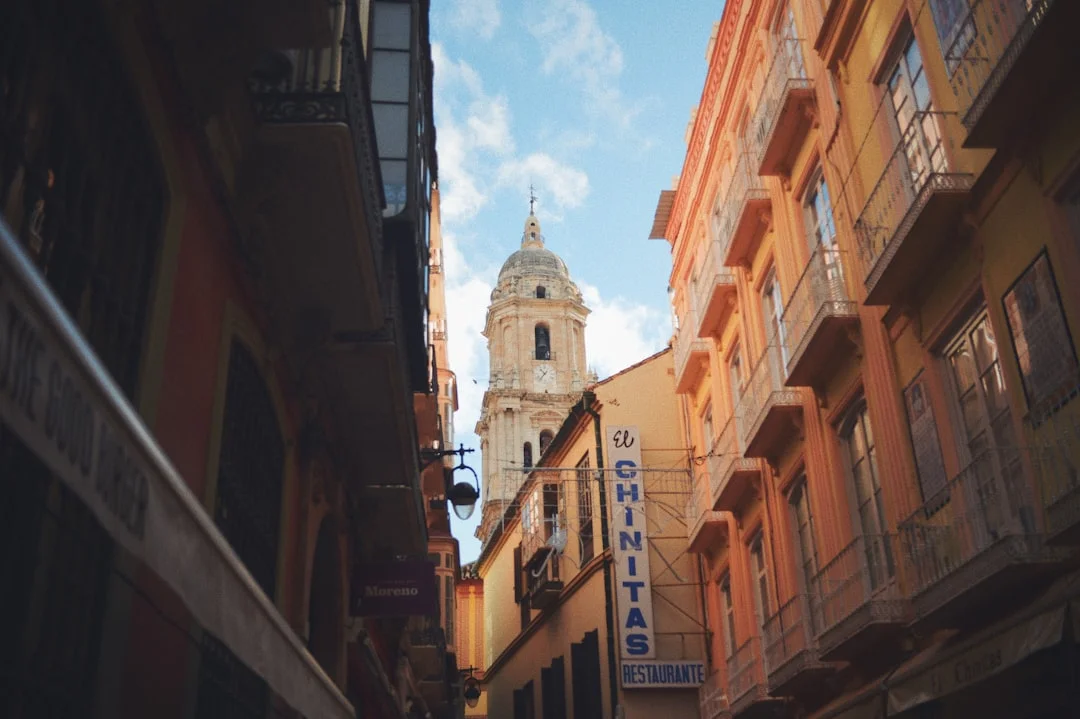
    • Start at the hotel and walk toward the Pasaje de Chinitas, a historic, arcaded alleyway that once hosted the city’s most famous flamenco cafés and literary salons.
    • Head north toward the quiet Plaza de Uncibay, then seek out the lesser-known Pasaje de Heredia, a beautifully restored 19th-century gallery featuring delicate ironwork and quiet, independent boutiques.

    Every city has a public face, but Málaga’s true magic is found in its whispers. By choosing places to stay that honor the city’s rich history and by exploring the quiet paths that connect them, we become more than just visitors. We begin to touch the slow, beautiful rhythm of local life that has defined this Mediterranean haven for centuries.

  • Jábega Boats: Malaga’s 3,000-Year-Old Phoenician Legacy

    Jábega Boats: Malaga’s 3,000-Year-Old Phoenician Legacy

    The Living History on Malaga’s Shorelines

    If you walk along the beaches of El Palo or Pedregalejo—perhaps as part of your journey discovering Málaga’s historic routes and hidden spots—you will inevitably spot them: long, brightly painted wooden boats resting on the sand, distinguished by a striking pair of eyes painted on their bows. These are the barcas de jábega, a living piece of maritime history that dates back more than 3,000 years.

    For expats and visitors looking to immerse themselves in the rich local customs of Málaga, understanding the jábega is key. It is not merely a relic of the past; it is an active, thriving symbol of local pride, community spirit, and historical preservation.

    Phoenician Roots: A 3,000-Year-Old Design

    The origins of the barca de jábega trace directly back to the Phoenicians, the ancient seafaring civilization that founded Malaga (Malaka) around 770 BC—a fascinating history that you can uncover while exploring Málaga’s hidden paths and local secrets.

    • The Sacred Eyes: The most iconic feature of the jábega is the eyes painted on the bow. Historically, these eyes served a dual purpose: to ward off evil spirits and sea monsters, and to help the boat “see” its way to schools of fish and safely back to shore. This tradition was shared across the ancient Mediterranean, from Phoenician traders to Egyptian mariners.
    • The Structure: Traditional jábegas are heavy, open rowing boats, typically measuring between 8 to 10 meters in length. They are crafted from wood and traditionally required a crew of seven to nine rowers (remeros) plus a helmsman (mandaor).

    From Fishing Vessel to Sporting Icon

    For centuries, the jábega was the lifeblood of Malaga’s fishing communities. Sailors used a specific netting technique, also called jábega, which involved casting a large net close to the shore and hauling it in from the beach.

    However, modern fishing regulations and industrialization eventually phased out this traditional method. Rather than letting these historic vessels rot or disappear into museums, the coastal neighborhoods of Malaga took action.

    Today, as highlighted by Málaga Hoy, local rowing clubs and cultural associations work tirelessly to keep this heritage alive. The boats have transitioned from tools of labor into vessels for competitive sport and cultural preservation.

    The Rowing League (Liga de Jábegas)

    Every summer, the beaches of Malaga province transform into arenas for the Liga de Jábegas.
    * The Competitors: Teams from neighborhoods like El Palo, Pedregalejo, La Carihuela, and Rincón de la Victoria compete in intense regattas.
    * The Atmosphere: These events are deeply communal, drawing multi-generational crowds who cheer on their local neighborhood boats.

    Anatomy of a Barca de Jábega

    To truly appreciate these boats when you see them on the beach, look out for these traditional elements:

    1. The Eyes (Ojos): Painted on both sides of the bow, representing the ancient protective custom.
    2. The Carving (Rostro): A stylized wooden extension at the bow, giving the boat its sleek, predatory silhouette.
    3. The Espadilla: The long, heavy steering oar used by the mandaor at the stern to navigate the boat.
    4. The Colors: Historically, each neighborhood or family had its own color scheme, a tradition that persists today to identify different rowing clubs.

    Where to Experience the Jábega Tradition

    If you want to experience this unique slice of Malagueño culture firsthand, here is where to look:

    • Astilleros Nereo (Pedregalejo): This historic shipyard is one of the last places in Spain where traditional wooden jábegas are still built and restored using artisanal carpentry techniques. It is an open-air museum and a must-visit for history enthusiasts.
    • The Beaches of El Palo and Pedregalejo: Walk along the promenade in the late afternoon, and you will often see local rowing clubs launching their heavy wooden boats into the surf for training sessions.
    • Summer Regattas: If you are looking for exciting summer plans in Málaga, keep an eye out for local sports calendars. The regattas are a spectacular display of strength, coordination, and neighborhood rivalry.

    As Malaga continues to grow and evolve into a modern global tech hub, it is comforting to know that some things remain anchored to the sea. The rhythmic splash of oars and the watchful eyes of the jábega remind us of the generations of sailors who built this city. By supporting local rowing clubs and preserving these wooden giants, Malaga ensures that its ancient soul remains vibrant, keeping us connected to the Mediterranean waters that have shaped our history for millennia.

  • Málaga Weekend Guide: Local Markets and Art Shows

    Málaga Weekend Guide: Local Markets and Art Shows

    Mid-July in Málaga brings a vibrant mix of traditional Andalusian street markets, local summer fairs, and world-class indoor art exhibitions. Whether you are looking to enjoy the cool sea breeze at an evening market, explore Málaga’s secret hotels and hidden patios, or escape the midday heat inside an air-conditioned gallery, the city and its surrounding province offer plenty of cultural escapes.

    Here is your curated guide to navigating the best local fairs, artisan markets, and art exhibitions in Málaga this July 2026.

    Summer Markets and Local Ferias

    During the summer months, the Costa del Sol comes alive after sunset. Local municipalities and Málaga capital regularly host open-air markets and family-oriented summer activities.

    As highlighted by El Español, the mid-July schedule featured a rich variety of artisan markets, traditional summer ferias, and free family workshops. These events are distributed across both the capital and neighboring municipalities, making them excellent options for those wanting to explore the wider province.

    • Artisan Markets: Typically set up along beachside promenades and central plazas, these markets feature local craftsmen selling handmade jewelry, ceramics, and summer fashion.
    • Local Ferias: Neighborhood summer festivals offer a lively look into Andalusian culture, complete with traditional music, food stalls, and children’s activities.

    Escape the Heat: Málaga’s Art Exhibitions

    When the July sun reaches its peak, Málaga’s world-class museums provide the perfect, air-conditioned sanctuary. If you are exploring the city on a budget, there are also plenty of free museums in Málaga that offer great cultural escapes without spending a cent.

    Currently, there are 15 active art and cultural exhibitions open to the public in the city. You can find the complete, up-to-date schedule of these showcases on Hoy Málaga.

    Some of the key spaces to explore this summer include:

    • The Picasso Museum Málaga: Celebrating the city’s most famous son with both permanent and temporary collections.
    • Centre Pompidou Málaga: Located at the Muelle Uno, its iconic colorful glass cube hosts cutting-edge modern art.
    • The CAC (Contemporary Art Center): Perfect for visitors looking to discover bold, innovative works by international and local contemporary artists.

    Exploring Beyond the Capital

    If you want to venture outside Málaga capital, the surrounding towns of the province host their own summer events. Coastal towns often organize night markets along their ports, while mountain villages hold traditional summer festivals that offer a cooler breeze and authentic local gastronomy.

    We hope this guide helps you connect with the local community, discover inspiring art, and make the most of these long, warm Mediterranean evenings. There is a quiet magic in watching the city transition from the sleepy afternoon heat to the bustling, joyful energy of a summer night, and we hope you find your own favorite corner of Málaga to enjoy it.

  • Ex-Málaga-Trainer schließt sich Guardiola-naher Agentur SEG an

    Ex-Málaga-Trainer schließt sich Guardiola-naher Agentur SEG an

    Das internationale Fußballgeschäft bleibt eng mit Málaga verbunden. In einem Schritt, der das weltweite Prestige der fachlichen Talente unterstreicht, die die Costa del Sol durchlaufen – eine Region, die auch für globale Unternehmen immer attraktiver wird, wie die Entscheidung der FJX Group für ihren ersten europäischen Hub in Málaga zeigt –, hat sich ein ehemaliger Trainer von Málaga CF der Sports Entertainment Group (SEG) angeschlossen, einer der einflussreichsten Sportagenturen Europas.

    Dieser Wechsel vom Spielfeld von La Rosaleda in die Vorstandsetage eines in Amsterdam ansässigen Branchenriesen verdeutlicht, wie die Marke Málaga CF weiterhin als Sprungbrett für weltweite Spitzenkarrieren im Sport dient.

    Ein strategischer Sprung nach Amsterdam

    SEG (Sports Entertainment Group) ist nicht einfach nur eine weitere Agentur; sie ist ein Gigant in der Sportvertretungsbranche. Das Unternehmen mit Hauptsitz in Amsterdam betreut ein Portfolio von über 1.000 Kunden weltweit in den Bereichen Fußball, Radsport und E-Sport.

    Mit dem Beitritt zu SEG tritt der ehemalige Taktiker von Málaga CF in ein elitäres Netzwerk ein. Die Agentur ist bekannt für ihren anspruchsvollen Ansatz bei der Karriereentwicklung, den Vertragsverhandlungen und dem Markenmanagement. Für einen Trainer mit Wurzeln im anspruchsvollen und hart umkämpften Umfeld des spanischen Fußballs bedeutet dieser Schritt einen bedeutenden Aufstieg in die obersten Etagen des weltweiten Fußballs.

    Die Guardiola-Verbindung

    Einer der faszinierendsten Aspekte des Einflusses von SEG ist die direkte Verbindung zum absoluten Spitzenfußball. Die Agentur zählt Pere Guardiola – den Bruder des legendären Trainers von Manchester City, Pep Guardiola – zu ihren wichtigsten Partnern.

    Diese Verbindung rückt SEG ins absolute Zentrum der taktischen und manageriellen Revolution des modernen Fußballs. Pep Guardiola selbst gehört zu den prominenten Persönlichkeiten, die mit diesem einflussreichen Netzwerk in Verbindung stehen. Für jeden Fachmann, der sich SEG anschließt, bietet die Nähe zu einer solchen fußballerischen Intelligenz beispiellose Möglichkeiten für die berufliche Weiterentwicklung und internationale Zusammenarbeit.

    Málagas bleibender Fußabdruck im Weltfußball

    Wie das lokale Nachrichtenportal Diario Sur berichtet, reicht das Fußballgeschäft in Málaga weit über den aktuellen Tabellenstand des Vereins hinaus. Während Málaga CF unermüdlich daran arbeitet, seinen Status auf dem Platz wieder aufzubauen, bleibt das in La Rosaleda entwickelte Humankapital heiß begehrt. Im Laufe seiner Geschichte hat der Verein außergewöhnliche taktische Köpfe hervorgebracht, von legendären Persönlichkeiten wie dem verstorbenen ehemaligen Málaga CF-Trainer Díaz Novoa bis hin zu den modernen Strategen, die heute international für Furore sorgen.

    Diese Verpflichtung erinnert an mehrere wichtige Dynamiken im modernen Fußball:

    • Taktisches Prestige: Spanische Trainermethoden, insbesondere jene, die im andalusischen Fußball verfeinert wurden, genießen in ganz Europa hohes Ansehen.
    • Globale Netzwerke: Moderne Fußballagenturen blicken über die traditionellen Märkte hinaus und suchen aktiv nach Fachpersonal, das den Druck und die taktischen Nuancen des spanischen Fußballs versteht.
    • Vielseitigkeit der Karriere: Der Übergang vom aktiven Training zur Agenturvertretung und zum Talentmanagement entwickelt sich zu einem äußerst lukrativen und einflussreichen Karriereweg.

    Blick in die Zukunft

    Da die Grenzen zwischen Training, Datenanalyse und Spielervertretung zunehmend verschwimmen, sind Fachleute, die den Hexenkessel von La Rosaleda erlebt haben, bestens für den Erfolg aufgestellt. Diese Partnerschaft zwischen einem ehemaligen Trainer von Málaga CF und SEG wird voraussichtlich neue Türen öffnen und eine stärkere Brücke zwischen der Costa del Sol und den zentralen Drehkreuzen des europäischen Fußballs in den Niederlanden und Großbritannien schlagen.

    Wir verfolgen diese globalen Entwicklungen mit Stolz und Optimismus. Es ist eine Erinnerung daran, dass die Leidenschaft und das Fachwissen, die in unserem heimischen Stadion La Rosaleda gepflegt werden, auf den größten Bühnen Europas Nachhall finden und beweisen, dass Málagas Fußballherz weit über seine geografischen Grenzen hinaus schlägt.

  • Ex-Málaga Coach Joins Guardiola-Linked Agency SEG

    Ex-Málaga Coach Joins Guardiola-Linked Agency SEG

    The international football business remains deeply connected to Málaga, a city increasingly solidified as a key business destination, especially now that FJX Group has chosen Malaga for its first European hub. In a move that underscores the global prestige of technical talent passing through the Costa del Sol, a former Málaga CF coach has joined Sports Entertainment Group (SEG), one of Europe’s most influential sports representation agencies.

    This transition from the pitch of La Rosaleda to the boardroom of an Amsterdam-based powerhouse highlights how the Málaga CF brand continues to serve as a launchpad for elite global sports careers.

    A Strategic Leap to Amsterdam

    SEG (Sports Entertainment Group) is not just another agency; it is a titan in the sports representation industry. Headquartered in Amsterdam, the firm manages a portfolio of over 1,000 clients worldwide, spanning football, cycling, and esports.

    By joining SEG, the former Málaga CF tactician enters an elite network. The agency is renowned for its sophisticated approach to career development, contract negotiation, and brand management. For a coach with roots in the challenging and highly competitive environment of Spanish football, this move represents a significant step into the upper echelons of the global game.

    The Guardiola Connection

    One of the most compelling aspects of SEG’s influence is its direct link to elite football royalty. The agency counts Pere Guardiola—brother of legendary Manchester City manager Pep Guardiola—among its key partners.

    This connection places SEG at the very center of modern football’s tactical and managerial revolution. Pep Guardiola himself is one of the star figures associated with this influential network. For any technical professional joining the ranks of SEG, the proximity to such footballing intelligence offers unparalleled opportunities for professional growth and international collaboration.

    Málaga’s Lasting Footprint on Global Football

    As reported by local news outlet Diario Sur, the business of football in Málaga extends far beyond the club’s current league standings. While Málaga CF works diligently to rebuild its status on the pitch, the human capital developed at La Rosaleda remains highly sought after. Throughout its history, the club has nurtured exceptional tactical minds, from legendary figures like the late former Málaga CF coach Díaz Novoa to the modern strategists making waves internationally today.

    This signing is a reminder of several key dynamics in the modern game:

    • Tactical Prestige: Spanish coaching methodology, particularly those refined in Andalusian football, is highly regarded across Europe.
    • Global Networks: Modern football agencies are looking beyond traditional markets, actively scouting technical staff who understand the pressure and tactical nuances of Spanish football.
    • Career Versatility: The transition from active coaching to agency representation and talent management is becoming a highly lucrative and influential career path.

    Looking Ahead

    As the boundaries between coaching, data analysis, and player representation continue to blur, professionals who have experienced the pressure cooker of La Rosaleda are uniquely positioned to succeed. This partnership between a former Málaga CF coach and SEG is likely to open new doors, creating a stronger bridge between the Costa del Sol and the central hubs of European football in the Netherlands and the UK.

    We watch these global transitions with a sense of pride and optimism. It is a reminder that the passion and expertise nurtured in our local stadium, La Rosaleda, have a way of echoing across the grandest stages of Europe, proving that Málaga’s footballing heart beats far beyond its geographical borders.

  • Massentourismus in Málaga: Rekordsommer trifft auf lokalen Widerstand

    Massentourismus in Málaga: Rekordsommer trifft auf lokalen Widerstand

    Málaga sonnt sich in einem weiteren Rekordsommer. Die Strände sind voll, die Terrassen belebt und die lokale Wirtschaft verzeichnet beispiellose Besucherzahlen. Doch unter der sonnigen Oberfläche vollzieht sich ein spürbarer Stimmungsumschwung in der Bevölkerung. Die Beziehung zwischen den Einwohnern der Stadt und der boomenden Tourismusbranche hat einen kritischen Wendepunkt erreicht.

    Für ausländische Einwohner, digitale Nomaden und bewusste Reisende ist es unerlässlich, diese lokale Dynamik zu verstehen. Bei den Diskussionen in Málaga geht es längst nicht mehr nur darum, Besucher willkommen zu heißen; es geht um das Überleben, um Nachhaltigkeit und um den Erhalt der Seele der Stadt.

    Der Konflikt zwischen Rekorden und Lebensqualität

    Während die Tourismusstatistiken in dieser Saison historische Höchststände erreichen, wächst die gesellschaftliche Ablehnung des aktuellen Modells des „Massentourismus“ rasant. Laut einem ausführlichen Bericht von Infobae hat die einheimische Bevölkerung zunehmend das Gefühl, dass dieses rücksichtslose, auf hohe Besucherzahlen ausgerichtete Modell direkt mit ihrer grundlegenden Lebensqualität kollidiert.

    Die Hauptkonfliktpunkte sind offensichtlich: rasant steigende Wohnkosten, die Umwandlung traditioneller Viertel in Zentren für Ferienvermietungen und die Überlastung der lokalen Infrastruktur. Was einst als Wirtschaftswunder gefeiert wurde, wird nun unter dem Aspekt der sozialen Nachhaltigkeit neu bewertet.

    Was fordern die sozialen Bewegungen?

    In diesem Sommer organisieren sich lokale Aktivistengruppen und Nachbarschaftsvereine, um konkrete gesetzgeberische Maßnahmen zu fordern. Anstatt sich nur zu beschweren, haben diese Bewegungen spezifische, strukturelle Vorschläge vorgelegt, um den Umgang von Málaga mit dem weltweiten Tourismus neu zu gestalten:

    • Infrastrukturgrenzen: Aktivisten fordern einen sofortigen Stopp des weiteren Ausbaus des Flughafens Málaga-Costa del Sol und des lokalen Seehafens.
    • Einschränkungen für emissionsstarke Reisen: Es wird zunehmend gefordert, die Ankunft von Privatjets und Mega-Kreuzfahrtschiffen zu begrenzen, die stark zur Umweltbelastung beitragen, während sie dem Durchschnittsbürger nur einen geringen wirtschaftlichen Nutzen bringen.
    • Fokus auf den öffentlichen Nahverkehr: Die Einwohner möchten, dass die Regierung nachhaltigen lokalen öffentlichen Verkehrsmitteln – wie dem Ausbau der Cercanías-Bahnlinien – Vorrang vor einer Infrastruktur einräumt, die ausschließlich dazu dient, Touristen vom Flughafen in die Küstenorte zu befördern.
    • Schutz des Wohnraums: Die Forderungen nach einer Eindämmung der Ausbreitung von Ferienwohnungen (viviendas turísticas) stehen weiterhin im Vordergrund der Bewegung, da die Einheimischen aus ihrer eigenen Stadt verdrängt werden.

    „Das Ziel ist nicht, Menschen am Besuch von Málaga zu hindern, sondern sicherzustellen, dass die Stadt ein lebenswerter Ort für die Menschen bleibt, die hier arbeiten, studieren und Familien gründen.“

    Wie ausländische Einwohner und Reisende helfen können

    Als internationale Residenten oder Besucher spielen wir eine direkte Rolle in diesem Ökosystem. Málaga zu unterstützen bedeutet nicht, wegzubleiben; es bedeutet, die Art und Weise zu verändern, wie wir die Stadt erleben. Hier sind einige praktische Möglichkeiten, wie Sie sich an den lokalen Wünschen nach einem nachhaltigeren Modell orientieren können:

    1. Wählen Sie langfristige oder zertifizierte Unterkünfte

    Wenn Sie nach Málaga ziehen, entscheiden Sie sich für traditionelle langfristige Mietverträge, anstatt von einer kurzfristigen Ferienunterkunft zur nächsten zu wechseln, was Wohnraum dem regulären Mietmarkt entzieht. Wenn Sie für einen kurzen Aufenthalt hier sind, ziehen Sie registrierte Hotels in Betracht, die lokales Personal zu fairen Arbeitsbedingungen beschäftigen.

    2. Nutzen Sie öffentliche und aktive Verkehrsmittel

    Málaga verfügt über ein hervorragendes und günstiges öffentliches Nahverkehrsnetz. Verzichten Sie auf Mietwagen und private Transfers. Nutzen Sie die Cercanías-Bahn für Fahrten entlang der Küste, fahren Sie mit der Metro oder nutzen Sie das städtische Busnetz (EMT).

    3. Unterstützen Sie die Wirtschaft in den Stadtvierteln

    Verlassen Sie das unmittelbare Stadtzentrum und die touristischen Hauptmeilen, wo internationale Einzelhandelsketten zunehmend lokale Geschäfte verdrängen – ein Trend, der durch die Nachricht über einen österreichischen Souvenir-Riesen verdeutlicht wird, der eine riesige Filiale in der Calle Nueva eröffnet. Kaufen Sie stattdessen Ihre Lebensmittel auf traditionellen städtischen Märkten wie dem Mercado de Atarazanas oder dem Mercado de Bailén. Unterstützen Sie familiengeführte Geschäfte, Bäckereien im Viertel und lokales Handwerk, deren Existenz von einer beständigen, ganzjährigen Unterstützung durch die Gemeinschaft abhängt.

    Einen ausgewogenen Weg in die Zukunft finden

    Der Charme von Málaga lag schon immer in seiner Herzlichkeit, seinen offenen Straßen und seinem lebendigen Gemeinschaftsleben. Der aktuelle Widerstand gegen den Massentourismus ist kein Angriff auf Außenstehende, sondern eine leidenschaftliche Verteidigung genau der Dinge, die die Stadt überhaupt erst so attraktiv machen. Indem wir auf die Stimmen der Einheimischen hören und unsere Gewohnheiten anpassen, können wir dazu beitragen, dass Málaga ein blühendes, einladendes Zuhause für alle bleibt – sowohl für diejenigen, die seit Generationen hier leben, als auch für diejenigen, die gerade erst ankommen.

    Wir hoffen auf eine Zukunft, in der Politik und gemeinschaftliches Handeln zusammenwirken, um das empfindliche Gleichgewicht unserer wunderschönen Küstenheimat zu schützen und sie für die kommenden Jahre lebendig und gerecht zu erhalten.

  • Málaga Mass Tourism: Record Summer Meets Local Backlash

    Málaga Mass Tourism: Record Summer Meets Local Backlash

    Málaga is basking in yet another record-breaking summer. The beaches are packed, terraces are lively, and the local economy is seeing unprecedented visitor numbers. However, beneath the sunny surface, a significant shift in local sentiment is taking place. The relationship between the city’s residents and its booming tourism industry has reached a critical tipping point.

    For foreign residents, digital nomads, and conscious travelers, understanding this local dynamic is essential. The conversation in Málaga is no longer just about welcoming visitors; it is about survival, sustainability, and preserving the city’s soul.

    The Clash of Records and Quality of Life

    While tourism statistics are reaching historic heights this season, social rejection of the current ‘mass tourism’ model is growing rapidly. According to a detailed report by Infobae, the local population is increasingly feeling that this predatory, high-volume model directly collides with their basic quality of life.

    The primary friction points are clear: skyrocketing housing costs, the transformation of traditional neighborhoods into hubs for holiday rentals, and the strain on local infrastructure. What was once celebrated as an economic miracle is now being re-evaluated through the lens of social sustainability.

    What Are the Social Movements Demanding?

    This summer, local activist groups and neighborhood associations are organizing to demand concrete legislative action. Rather than simply complaining, these movements have put forward specific, structural proposals to reshape how Málaga interacts with global travel:

    • Infrastructure Limits: Activists are calling for an immediate halt to further expansions of the Málaga-Costa del Sol Airport and the local maritime port.
    • Restrictions on High-Emission Travel: There is a growing demand to limit the arrival of private jets and mega-cruise ships, which contribute heavily to environmental strain while offering limited economic return to average citizens.
    • Focus on Public Transport: Residents want the government to prioritize sustainable local public transit—such as expanding the Cercanías train lines—over infrastructure designed solely to move tourists from the airport to coastal resorts.
    • Housing Protections: Calls to curb the spread of tourist apartments (viviendas turísticas) remain at the forefront of the movement, as locals find themselves priced out of their own city.

    “The goal isn’t to stop people from visiting Málaga, but to ensure that the city remains a livable place for the people who work, study, and raise families here.”

    How Foreign Residents and Travelers Can Help

    As international residents or visitors, we play a direct role in this ecosystem. Supporting Málaga doesn’t mean staying away; it means changing how we consume the city. Here are a few practical ways to align with local desires for a more sustainable model:

    1. Choose Long-Term or Certified Housing

    If you are moving to Málaga, opt for traditional long-term rental contracts rather than bouncing between short-term holiday lets, which keeps properties out of the residential market. If you are visiting short-term, consider registered hotels that employ local staff under fair labor agreements.

    2. Use Public and Active Transport

    Málaga has an excellent, affordable public transit network. Skip the rental cars and private transfers. Use the Cercanías train to travel along the coast, ride the metro, or use the city’s municipal bus system (EMT).

    3. Support Neighborhood Economies

    Step outside the immediate city center and the main tourist strips, where international retail chains are increasingly replacing local businesses—a trend highlighted by the news of an Austrian souvenir giant opening a massive store on Calle Nueva. Instead, buy your groceries at traditional municipal markets like Mercado de Atarazanas or Mercado de Bailén. Support family-owned shops, neighborhood bakeries, and local craftspeople whose livelihoods depend on steady, year-round community support.

    Finding a Balanced Path Forward

    Málaga’s charm has always been its warmth, its open streets, and its vibrant community life. The current pushback against mass tourism is not an attack on outsiders, but a passionate defense of the very things that make the city so attractive in the first place. By listening to local voices and adjusting our habits, we can help ensure that Málaga remains a thriving, welcoming home for everyone—both those who have lived here for generations and those who are just arriving.

    We hope to see a future where policy and community action come together to protect the delicate balance of our beautiful coastal home, keeping it vibrant and fair for years to come.