Blog

  • New Foundation Aims to Complete Malaga Cathedral

    New Foundation Aims to Complete Malaga Cathedral

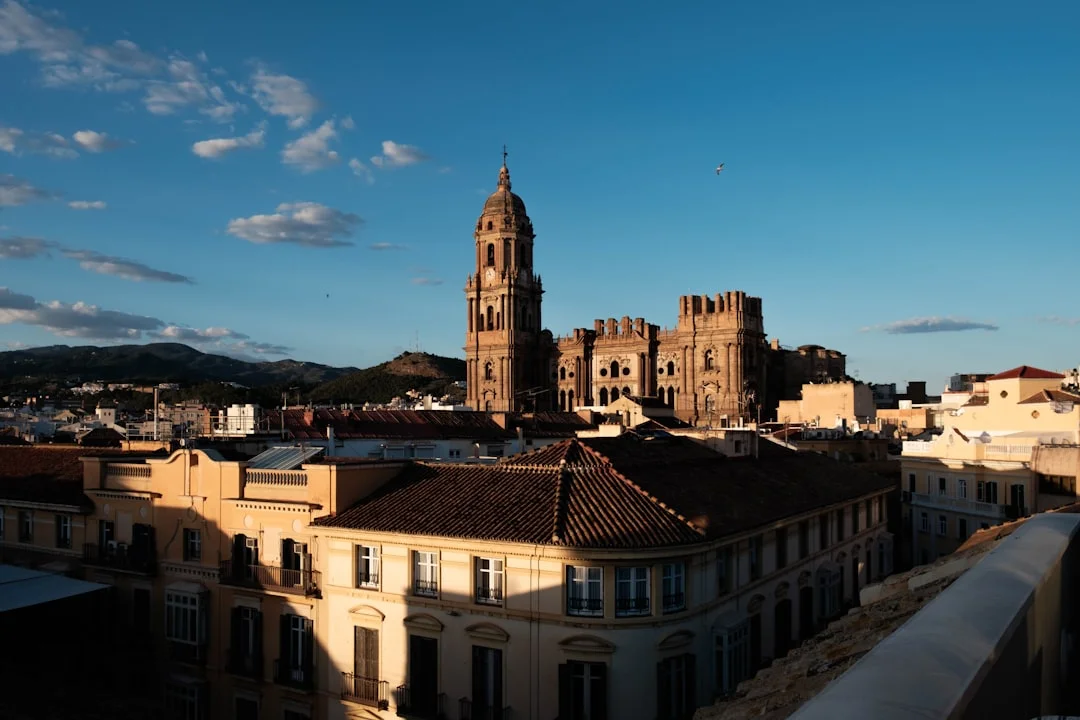
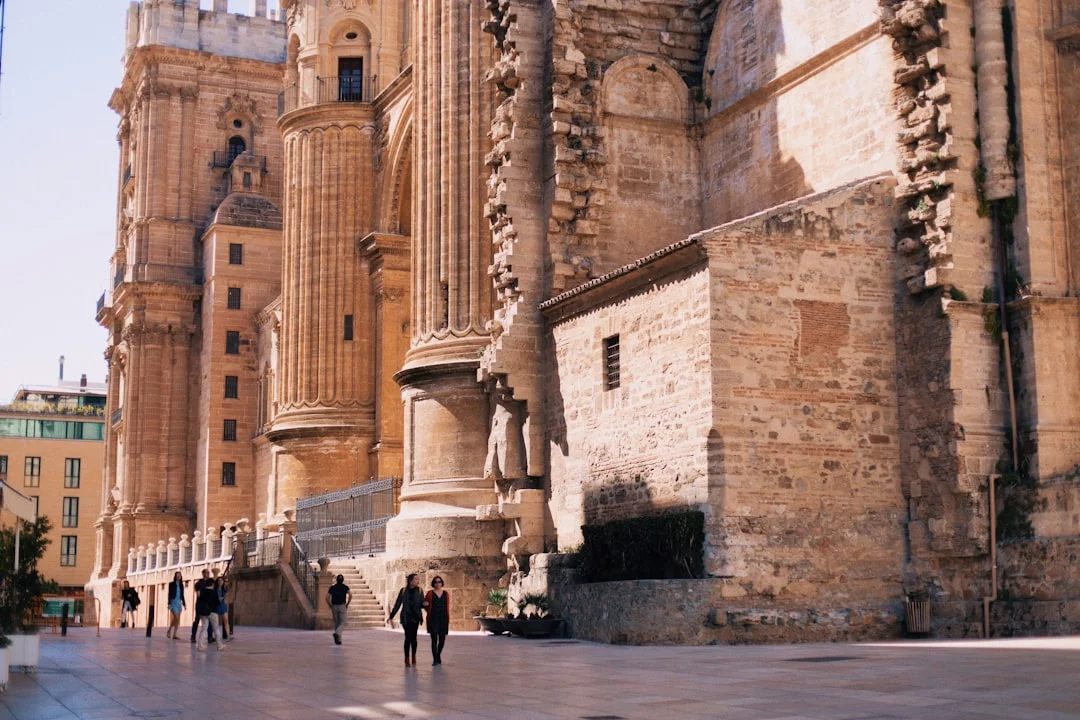
    For nearly six centuries, the skyline of Málaga has been defined by a beautiful, albeit lopsided, silhouette. The Santa Iglesia Catedral Basílica de la Encarnación is famously known as ‘La Manquita’ (The One-Armed Lady) because its south tower was never built.

    However, this historic status quo might be on the verge of a historic shift. As reported by Diario Sur in July 2026, a group of local collectives and civic leaders is organizing to establish a brand-new foundation. Their primary mission? To mobilize civil society, raise the necessary private funds, and finally complete the construction of Málaga’s most famous landmark.

    Here is a look at why the cathedral remains unfinished, what this new movement proposes, and the passionate debate it has sparked among locals and expats alike.

    Why Was Malaga Cathedral Left Unfinished?

    Construction on the cathedral began in 1528 on the site of a former mosque. Over the next two and a half centuries, the building evolved into a magnificent blend of Gothic, Renaissance, and Baroque architectural styles.

    By the late 18th century, work was progressing on the second (south) tower. However, in 1782, construction ground to a halt.

    There are two main explanations for why the money ran out:
    * The Popular Legend: Local lore insists that the budget allocated for the completion of the tower was sent to the United States to help fund the American Revolutionary War against the British.
    * The Historical Reality: Most historians point to a more local cause. The funds were diverted to pay for urgent public works closer to home, specifically the construction of the Camino de Antequera, a vital transport route connecting Málaga to the interior of Andalusia.

    Whatever the exact reason, the work stopped, leaving the south tower as a stump and the main facade incomplete. Over the centuries, what was once a temporary delay became the cathedral’s defining characteristic.

    The 2026 Initiative: A Citizen-Led Push

    For generations, completing the cathedral has been a recurring talking point in Málaga’s political and cultural circles. What makes the current push different is its grassroots, citizen-led approach.

    According to recent reports, the upcoming foundation aims to bypass political gridlock by directly involving the public and the business community. By creating a structured foundation, the organizers hope to:
    1. Raise Private Capital: Attract donations from local businesses, international patrons, and citizens who want to see the original architectural vision realized.
    2. Promote Public Dialogue: Host debates, exhibitions, and educational forums to explain the architectural plans and the benefits of completing the structure.
    3. Collaborate with Authorities: Work alongside the Bishopric of Málaga, the regional government (Junta de Andalucía), and the City Council to ensure any future construction respects the historical integrity of the monument.

    The Great Debate: To Build or Not to Build?

    The proposal has instantly reignited a passionate debate across the city. For many, “La Manquita” is not just a building; it is an identity.

    The Case for Completing It

    Proponents of the project argue that finishing the cathedral is a matter of historical justice and architectural pride. They point out that:
    * The Original Vision: The cathedral was designed to have two towers. Completing it would fulfill the master plan laid out by the Renaissance architects.
    * Structural Protection: Finishing the roof and towers in a cohesive manner could provide better long-term protection against humidity and water damage, which have plagued the cathedral for decades.
    * A Global Statement: Completing a major historic cathedral in the 21st century would put Málaga in the global architectural spotlight, much like the ongoing works at Barcelona’s Sagrada Família.

    The Case for Leaving It Alone

    On the other side of the debate, many residents and heritage purists believe the cathedral should remain exactly as it is:
    * The Identity of “La Manquita”: The unfinished tower is what makes the cathedral unique. Without its missing arm, it would simply be another grand cathedral, losing the quirky charm that locals and tourists love.
    * A Monument to History: The unfinished state is a physical record of Málaga’s 18th-century economic realities and historical shifts.
    * Priorities: Opponents argue that fundraising efforts and public attention would be better spent on preserving Málaga’s existing, deteriorating heritage sites rather than building new structures.

    Visiting Malaga Cathedral Today

    If you are living in or visiting Málaga, the cathedral remains an absolute must-visit. Even in its “one-armed” state, it is a breathtaking monument.

    • The Interior: Inside, you will find soaring ceilings, stunning 17th-century choir stalls carved by Pedro de Mena, and beautiful stained-glass windows.
    • The Roof Tour (Las Cubiertas): For a truly unique perspective, you can book a guided tour of the cathedral’s vaulted brick roofs. Climbing the 200 steps of the northern tower rewards you with some of the finest 360-degree views of the port, the Alcazaba, and the historic center.

    Whether the new foundation succeeds in its ambitious goal or “La Manquita” keeps her famous silhouette forever, the conversation itself shows how deeply the people of Málaga care about protecting the city’s historic heritage. Cities are living things, constantly balancing the weight of their past with the ambitions of their future. As we watch this new chapter unfold, it reminds us that history in Málaga is never truly finished.
  • Málaga verzeichnet größten Wirtschaftsboom seit 2006

    Málaga verzeichnet größten Wirtschaftsboom seit 2006

    Málagas beispielloser unternehmerischer Aufschwung

    Málaga hat seine Position als wirtschaftliches Kraftzentrum Südspaniens offiziell gefestigt. Nach jüngsten Daten, die von Diario Sur im Juli 2026 veröffentlicht wurden, verzeichnete die Provinz die höchste Rate an Neugründungen seit 2006, wodurch bisherige Rekorde gebrochen und ein neuer historischer Höchststand an aktiven Unternehmen erreicht wurde.

    Dieser wirtschaftliche Aufschwung verdeutlicht einen widerstandsfähigen lokalen Markt, auf dem die Neugründung von Unternehmen die Zahl der Schließungen deutlich übertrifft. Dies macht Málaga zu einem der attraktivsten Standorte Spaniens für ausländische Investitionen, digitale Nomaden und internationale Unternehmer.

    Die Zahlen hinter dem Boom

    Die derzeitige Unternehmensexpansion ist die bedeutendste, die die Provinz seit zwei Jahrzehnten erlebt hat. Zu den wichtigsten Höhepunkten aus den jüngsten Wirtschaftsberichten gehören:

    • Historische Höchststände: Die Gesamtzahl der aktiven, operierenden Unternehmen in Málaga hat ein Allzeithoch erreicht und übertrifft das Niveau vor der Pandemie sowie den bisherigen Höchststand des Immobilienbooms Mitte der 2000er Jahre.
    • Gründungen vs. Auflösungen: Während die wirtschaftliche Unsicherheit andere Regionen beeinträchtigt hat, übersteigt die Rate der Neuregistrierungen in Málaga die der Liquidationen weiterhin deutlich.
    • Breit gefächertes Wachstum: Während der Technologiesektor (mit dem Schwerpunkt auf dem Malaga TechPark) weiterhin weltweit Schlagzeilen macht, ist das Wachstum auch in den Bereichen professionelle Dienstleistungen, Logistik, Immobilien und Proptech sowie im hochwertigen Tourismus deutlich spürbar.

    Dieses anhaltende Wachstum bestätigt, dass Málaga längst nicht mehr nur ein Urlaubsziel ist, sondern eine äußerst wettbewerbsfähige europäische Wirtschaftsmetropole.

    Warum Investoren und Expats im Jahr 2026 Málaga wählen

    Der Zustrom von Kapital und Talenten an die Costa del Sol wird durch eine Kombination strategischer Vorteile angetrieben, die internationale Fachkräfte und Unternehmen direkt ansprechen:

    1. Ein florierendes Technologie- und Innovations-Ökosystem

    Málaga hat sich erfolgreich als das „Silicon Valley Südspaniens“ positioniert. Die Präsenz multinationaler Technologiekonzerne, innovativer akademischer Forschungszentrum und ein hochaktives Startup-Ökosystem bieten einen fruchtbaren Boden für B2B-Dienstleistungen, Softwareentwicklung und digitale Innovationen.

    2. Hohe Lebensqualität und Infrastruktur

    Für digitale Nomaden und Remote-Teams bietet Málaga eine unvergleichliche Lebensqualität. Die Stadt kombiniert 300 Sonnentage im Jahr mit erstklassigen internationalen Schulen, schnellen Glasfaserverbindungen und Direktflügen zu den wichtigsten europäischen und weltweiten Destinationen über den Málaga-Costa del Sol Airport.

    3. Günstige lokale Rahmenbedingungen

    Die lokalen und regionalen Verwaltungen haben aktiv daran gearbeitet, die Bürokratie für neue Unternehmen abzubauen. Initiativen zur Anziehung ausländischer Direktinvestitionen (FDI) und zur Unterstützung der Umsetzung des spanischen Startup-Gesetzes haben den Prozess der Unternehmensgründung in der Region erheblich vereinfacht.

    Wichtige Aspekte bei der Gründung eines Unternehmens in Málaga

    Wenn Sie diesen wirtschaftlichen Aufschwung nutzen und ein Unternehmen in Málaga gründen möchten, sollten Sie die folgenden wesentlichen Schritte beachten:

    1. Eine NIE (Número de Identidad de Extranjero) beantragen: Dies ist die grundlegende Identifikationsnummer, die für alle rechtlichen oder finanziellen Transaktionen in Spanien erforderlich ist.
    2. Die Rechtsform wählen: Die meisten ausländischen Unternehmer entscheiden sich aufgrund der beschränkten Haftung und der flexiblen Kapitalanforderungen für eine Sociedad Limitada (S.L.).
    3. Den Firmennamen registrieren: Sie müssen eine Bescheinigung über die Einzigartigkeit des Namens (Certificado de Denominación Social) beim zentralen Handelsregister anfordern.
    4. Ein spanisches Bankkonto eröffnen: Zahlen Sie das Mindestkapital ein (das nach den jüngsten Reformen zur Unternehmensgründung mittlerweile nur noch 1 € betragen kann).
    5. Lokale Rechtsberatung sichern: Die Abwicklung von Steuerpflichten und lokalen kommunalen Lizenzen verläuft mit einem vertrauenswürdigen lokalen gestor oder Unternehmensanwalt erheblich reibungsloser.

    Wenn man beobachtet, wie sich Málaga von einem Küstenort in eine geschäftige, zukunftsorientierte Metropole verwandelt, fällt es leicht, optimistisch in die Zukunft der Region zu blicken. Dieser rekordverdächtige Wirtschaftsboom ist ein Beweis für die harte Arbeit der lokalen Unternehmer und den gastfreundlichen Geist einer Stadt, die sich immer wieder neu erfindet. Ob Sie nun ein Startup gründen, ein Remote-Team verlegen oder in lokale Projekte investieren – es gab selten einen vielversprecheren Zeitpunkt, um Ihre Zukunft hier in Málaga aufzubauen.

  • Málaga Records Biggest Business Boom Since 2006

    Málaga Records Biggest Business Boom Since 2006

    Málaga’s Unprecedented Entrepreneurial Surge

    Málaga has officially solidified its position as the economic powerhouse of southern Spain. According to recent data published by Diario Sur in July 2026, the province has registered its highest rate of business creation since 2006, shattering previous records and establishing a new historic peak for active companies.

    This economic surge highlights a resilient local market where new business creation is significantly outpacing company dissolutions, making Málaga one of Spain’s most attractive hubs for foreign investment, digital nomads, and international entrepreneurs.

    The Numbers Behind the Boom

    The current business expansion is the most significant the province has seen in two decades. Key highlights from the latest economic reports include:

    • Historic Highs: The total number of active, operating businesses in Málaga has reached an all-time high, surpassing pre-pandemic levels and the previous peak of the mid-2000s property boom.
    • Creation vs. Dissolution: While economic uncertainty has impacted other regions, Málaga’s rate of new company registrations continues to comfortably outstrip liquidations.
    • Broad-Based Growth: While the technology sector (centered around Malaga TechPark) continues to draw global headlines, growth is also highly visible in professional services, logistics, real estate and proptech, and high-value tourism.

    This sustained growth confirms that Málaga is no longer just a holiday destination, but a highly competitive European business capital.

    Why Investors and Expats Are Choosing Málaga in 2026

    The influx of capital and talent into the Costa del Sol is driven by a combination of strategic advantages that appeal directly to international professionals and companies:

    1. A Thriving Tech and Innovation Ecosystem

    Málaga has successfully positioned itself as the “Silicon Valley of Southern Spain.” The presence of multinational tech giants, innovative academic research centers, and a highly active startup ecosystem provides a fertile environment for B2B services, software development, and digital innovation.

    2. High Quality of Life and Infrastructure

    For digital nomads and remote teams, Málaga offers an unparalleled lifestyle. The city combines 300 days of sunshine with top-tier international schools, high-speed fiber-optic connectivity, and direct flights to major European and global destinations via Málaga-Costa del Sol Airport.

    3. Favorable Local Policies

    Local and regional administrations have actively worked to reduce bureaucratic red tape for new businesses. Initiatives aimed at attracting foreign direct investment (FDI) and supporting the implementation of Spain’s Startup Law have streamlined the process of setting up a company in the region.

    Key Considerations for Starting a Company in Málaga

    If you are looking to tap into this economic momentum and establish a business in Málaga, keep these essential steps in mind:

    1. Obtain a NIE (Número de Identidad de Extranjero): This is the fundamental identification number required for any legal or financial transaction in Spain.
    2. Choose Your Legal Structure: Most foreign entrepreneurs opt for a Sociedad Limitada (S.L.) due to its limited liability and flexible capital requirements.
    3. Register the Company Name: You must request a certificate of unique name (Certificado de Denominación Social) from the Central Mercantile Registry.
    4. Open a Spanish Bank Account: Deposit the minimum share capital (which can now be as low as €1 under recent business creation reforms).
    5. Secure Local Legal Counsel: Navigating tax obligations and local municipal licensing is significantly smoother with a trusted local gestor or corporate lawyer.

    As we watch Málaga transform from a coastal retreat into a bustling, forward-thinking metropolis, it is hard not to feel optimistic about the region’s future. This record-breaking business boom is a testament to the hard work of local entrepreneurs and the welcoming spirit of a city that continues to reinvent itself. Whether you are launching a startup, moving a remote team, or investing in local projects, there has rarely been a more promising time to build your future here in Málaga.

  • Málagas Hotelsektor boomt mit luxuriösen Neueröffnungen

    Málagas Hotelsektor boomt mit luxuriösen Neueröffnungen

    Eine neue Ära der Hotellerie in der Hauptstadt der Costa del Sol

    Málaga hat in den letzten zehn Jahren eine tiefgreifende Metamorphose durchlaufen und sich von einem reinen Transitknotenpunkt für Strandtouristen zu einer der begehrtesten Kultur- und Technologiehauptstädte Europas entwickelt, was sich auch im größten Wirtschaftsboom der Stadt seit 2006 widerspiegelt. Im Sommer 2026 ist diese Entwicklung nirgendwo spürbarer als im sich rasant verändernden Hotelsektor der Stadt.

    Die Zeiten, in denen es Málaga an Premium-Unterkünften mangelte, sind längst vorbei. Heute erlebt die Stadt einen beispiellosen Boom bei High-End-Unterkünften, angetrieben von einer anspruchsvollen Mischung aus internationalen Luxusmarken und sorgfältig restaurierten, lokalen Boutique-Hotels.

    Der Aufstieg von Ultra-Luxus und historischem Boutique-Erbe

    Der prägende Trend der aktuellen Hotellandschaft in Málaga ist die Sanierung historischer, architektonischer Juwele. Projektentwickler bauen keine riesigen, unpersönlichen Komplexe mehr; stattdessen richten sie ihren Blick auf die palastartigen Residenzen, ehemaligen Klöster und Wahrzeichen der Mitte des letzten Jahrhunderts im historischen Zentrum.

    Diese Anwesen werden als intime Boutique-Hotels neu konzipiert, die eine Geschichte erzählen. Gäste im Jahr 2026 suchen mehr als nur eine Unterkunft zum Schlafen; sie verlangen nach einem Gespür für den Ort und entdecken oft die faszinierende Geschichte und die kulturellen Geheimnisse, die in ihren Mauern verborgen liegen. Von handbemalten andalusischen Fliesen und freigelegtem Mauerwerk aus dem 18. Jahrhundert bis hin zu minimalistischem skandinavischem Interieur, das einen wunderschönen Kontrast zu den Barockfassaden bildet – die Designsprache der neuen Hotels in Málaga ist geprägt von kuratierter Eleganz.

    Die Rooftop-Revolution: Soziale Treffpunkte der Stadt

    Man kann nicht über Málagas moderne Hotels sprechen, ohne den Blick nach oben zu richten. Die „Terraza“-Kultur ist zu einem Eckpfeiler des lokalen Hotellerie-Erlebnisses geworden. Fast jede größere Neueröffnung der letzten Jahre hat der Gestaltung ihrer Dachterrasse Priorität eingeräumt und diese erhöhten Plattformen in lebendige soziale Treffpunkte verwandelt.

    Diese Dachterrassen bieten einen Panoramablick auf die Alcazaba, die Kathedrale (liebevoll La Manquita genannt) und den glitzernden Mittelmeerhafen. Ausgestattet mit Infinity-Pools, üppigem mediterranem Grün und Craft-Cocktailbars dienen sie als Treffpunkte, an denen sich internationale Gäste und stilvolle Einheimische unter der warmen andalusischen Sonne mischen.

    Nachhaltigkeit und bewusster Luxus

    Da sich die Stadt im Jahr 2026 an die Realitäten des Klimawandels und veränderte Reisepräferenzen anpasst, hat sich Nachhaltigkeit von einem Marketing-Modewort zu einer fundamentalen betrieblichen Säule entwickelt. Málagas neueste Hotels gehen mit innovativen, umweltfreundlichen Praktiken voran.

    Von Erdwärmeheizungen und plastikfreien Umgebungen bis hin zu Partnerships mit lokalen Bio-Bauernhöfen im Guadalhorce-Tal liegt der Fokus darauf, den ökologischen Fußabdruck zu verringern und gleichzeitig das Gästeerlebnis zu verbessern. Dieses Bekenntnis zum „Slow Luxury“ findet großen Anklang bei modernen Reisenden, die Umweltbewusstsein ebenso schätzen wie Komfort.

    Während wir zusehen, wie Málaga wächst und die Welt willkommen heißt, gibt es die stille Hoffnung, dass dieser Hotelboom weiterhin die Seele der Stadt respektiert. Das Gleichgewicht zwischen Wachstum und lokalem Leben ist entscheidend, insbesondere da die Stadt neue Vorschriften einführt, wie das jüngste Moratorium für neue Ferienunterkünfte und Hotels auf Wohngrundstücken. Die erfolgreichsten Hotels sind diejenigen, die als Brücken zur lokalen Gemeinschaft fungieren, das Erbe der Malagueños feiern und gleichzeitig ein anspruchsvolles Fenster in die Zukunft öffnen. Wir freuen uns darauf zu sehen, wie diese wunderschönen Orte weiterhin das lebendige Mosaik unserer geliebten Stadt prägen.

  • Málaga Hotel Sector Booms with Luxury Openings

    Málaga Hotel Sector Booms with Luxury Openings

    A New Era of Hospitality in the Capital of the Costa del Sol

    Málaga has undergone a profound metamorphosis over the last decade, transitioning from a mere transit hub for beach-bound tourists to one of Europe’s most coveted cultural and technological capitals, fueled by the city’s biggest business boom since 2006. In this summer of 2026, nowhere is this evolution more tangible than in the city’s rapidly transforming hotel sector.

    The days of Málaga lacking premium accommodation options are long gone. Today, the city is experiencing an unprecedented boom in high-end lodging, driven by a sophisticated blend of international luxury brands and meticulously restored local boutique properties.

    The Rise of Ultra-Luxury and Boutique Heritage

    The defining trend of Málaga’s current hotel landscape is the rehabilitation of historic, architectural gems. Developers are no longer building massive, generic complexes; instead, they are looking inward at the historic center’s palatial residences, former convents, and mid-century landmarks.

    These properties are being reimagined as intimate boutique hotels that tell a story. Guests in 2026 are seeking more than just a place to sleep; they demand a sense of place, often discovering the fascinating history and cultural secrets buried within their walls. From hand-painted Andalusian tiles and exposed 18th-century brickwork to minimalist Scandinavian interiors that contrast beautifully with baroque facades, the design language of Málaga’s new hotels is one of curated elegance.

    The Rooftop Revolution: Social Hubs of the City

    One cannot discuss Málaga’s modern hotels without pointing to the sky. The “terraza” culture has become a cornerstone of the local hospitality experience. Almost every major hotel opening in recent years has prioritized its rooftop space, transforming these elevated platforms into vibrant social hubs.

    These rooftops offer panoramic views of the Alcazaba, the cathedral (affectionately known as La Manquita), and the shimmering Mediterranean port. Equipped with infinity pools, lush Mediterranean greenery, and craft cocktail bars, they serve as meeting grounds where international guests and stylish locals mingle under the warm Andalusian sun.

    Sustainability and Conscious Luxury

    As the city adapts to the realities of climate change and shifting travel preferences in 2026, sustainability has moved from a marketing buzzword to a fundamental operational pillar. Málaga’s newest hotels are leading the charge with innovative eco-friendly practices.

    From geothermal heating systems and plastic-free environments to partnerships with local organic farms in the Guadalhorce Valley, the focus is on reducing the ecological footprint while enhancing the guest experience. This commitment to “slow luxury” resonates deeply with the modern traveler who values environmental stewardship as much as comfort.

    As we watch Málaga grow and welcome the world, there is a quiet hope that this hospitality boom continues to respect the soul of the city. Balancing growth with local life is key, especially as the city implements new regulations, such as the recent moratorium on new tourist rentals and hotels on residential land. The most successful hotels are those that act as bridges to the local community, celebrating Malagueño heritage while offering a sophisticated window to the future. We look forward to seeing how these beautiful spaces continue to shape the vibrant tapestry of our beloved city.

  • Juanjo Fuentes Exhibition: Free Art in Málaga Center

    Juanjo Fuentes Exhibition: Free Art in Málaga Center

    If you are looking for excellent free things to do in Malaga in July 2026, perhaps while visiting the city as the Málaga hotel sector booms with luxury openings, there is a brand-new cultural escape waiting for you right in the heart of the city. The Salas Mingorance, located within the Municipal Archive (Archivo Municipal), is currently hosting a brilliant solo exhibition by the renowned artist Juanjo Fuentes.

    This free exhibition offers a refreshing, air-conditioned sanctuary from the midday heat while showcasing a stunning dialogue between traditional craftsmanship and contemporary digital art.

    The Fusion of Porcelain and Digital Collage

    Juanjo Fuentes is celebrated for his bold aesthetic, and this latest showcase does not disappoint. The exhibition seamlessly blends two seemingly opposite mediums: delicate, classical porcelain pieces and vibrant, cutting-edge digital collages.

    According to a feature by La Opinión de Málaga, the collection invites viewers into a colorful, surreal world where historical iconography meets modern pop culture. The meticulous detail in the porcelain figures contrasts beautifully with the layered, thought-provoking narratives of the digital collages lining the walls. It is an exhibition that feels both nostalgic and intensely forward-looking.

    Why It’s the Perfect Midday Escape

    During the peak of summer, exploring Malaga’s outdoor sights between 12:00 and 17:00 can be exhausting. Taking a break inside one of the city’s air-conditioned museums and galleries is a favorite local secret.

    • Cool Environment: The Salas Mingorance are fully air-conditioned, making it an ideal spot to lower your body temperature while enjoying high-quality local art.
    • Central Location: Situated right on the Alameda Principal, it is just a short walk from Calle Larios, the port, and the main historic monuments.
    • Quick & Inspiring: You can easily enjoy the entire collection in 30 to 45 minutes, making it a perfect addition to a day of sightseeing or shopping.

    Practical Information & Opening Hours

    Planning your visit is straightforward. The exhibition is entirely free to enter and will remain open to the public until September 27, 2026.

    Salas Mingorance Malaga Opening Hours:

    • Monday to Friday: 10:00 to 13:00 and 18:00 to 21:00
    • Saturdays, Sundays, and Holidays: 10:00 to 13:00
    • Address: Archivo Municipal de Málaga, Alameda Principal, 23, 29001 Málaga
    • Admission: Free

    Whether you are a long-time resident looking for fresh local talent or a traveler seeking a quiet, inspiring moment away from the crowds, Juanjo Fuentes’ exhibition is highly recommended. It is a vivid reminder of Malaga’s thriving, accessible contemporary art scene.

    We hope this quiet corner of the Alameda brings you as much inspiration and cool relief as it does to us. There is always something beautiful waiting to be discovered just behind the heavy stone doors of our city’s historic archives.

  • Wetter in Málaga: Polare Luftmasse verschont die Costa del Sol

    Wetter in Málaga: Polare Luftmasse verschont die Costa del Sol

    Eine sommerliche Atempause an der Costa del Sol

    Als sich der Juli 2026 dem Ende neigt, überrascht ein äußerst ungewöhnliches meteorologisches Ereignis das spanische Festland. Eine ausgedehnte polare Luftmasse zieht über die Iberische Halbinsel und bringt den nördlichen und zentralen Regionen einen plötzlichen, jahreszeitlich untypischen Temperatursturz, lebhafte Winde und Regen. Für Reisende und Expats, die für den klassischen spanischen Sommer in den Süden geströmt sind – wo zeitgleich der Hotelsektor in Málaga durch luxuriöse Neueröffnungen boomt –, mag diese Nachricht zunächst Anlass zur Sorge geben.

    Málaga und die gesamte Costa del Sol bleiben jedoch glücklicherweise verschont. Unmittelbar nach einer Phase, in der extreme Hitzewellen und Terral-Winde nachgelassen haben, genießt die Küste von Málaga weiterhin ihre charakteristische goldene Wärme, während sich der Rest des Landes auf eine vorübergehende herbstliche Kühle einstellt.

    Málagas Mikroklima: Der natürliche Schutzschild

    Das Geheimnis hinter Málagas Widerstandsfähigkeit gegen diese plötzlichen Kälteeinbrüche liegt in seiner außergewöhnlichen Geografie. Eingebettet zwischen einer dramatischen Bergbarriere – der Serranía de Ronda und der Sierra de Mijas – und den sanften Weiten des Mittelmeers, profitiert die Stadt von einem einzigartigen Mikroklima.

    Diese Berge wirken wie ein physischer Schutzschild und verhindern, dass die kalten Nordwinde an die Küste herabströmen. Gleichzeitig fungiert das Mittelmeer als gigantischer Wärmeregulator, der tagsüber Wärme speichert und diese sanft wieder abgibt, wodurch die Küstentemperaturen bemerkenswert stabil bleiben.

    Laut meteorologischen Berichten, die von Diario Sur analysiert wurden, wird das spanische Binnenland zwar die eisige Schärfe dieser Polarfront zu spüren bekommen, für Málaga jedoch werden angenehme Temperaturen zwischen 24 ºC und 25 ºC prognostiziert, wobei die Tageshöchstwerte unter klarem Himmel sogar noch wärmere Spitzenwerte erreichen können.

    Wo sonst ist der Sommer gerettet?

    Málaga steht mit seinem sonnigen Trotz nicht allein da. Der schützende Einfluss der Mittelmeerküste erstreckt sich auf mehrere andere südliche und östliche Küstenstädte. Wenn Sie entlang der Küste reisen, können Sie damit rechnen, dass in folgenden Regionen stabile, warme Sommerbedingungen anhalten:

    • Almería: Profitiert von seinem wüstennahen Klima und dem Küstenschutz.
    • Alicante: Bewahrt seine klassische Wärme der Costa Blanca.
    • Murcia: Durch die umgebende Topografie geschützt, was die Kälte abhält.

    Für alle, die derzeit in diesen Gebieten Urlaub machen oder leben, ist die Botschaft klar: Es gibt absolut keinen Grund, die Badekleidung wegzupacken oder Pläne im Freien abzusagen.

    Alles wie gewohnt an der Küste

    Für lokale Unternehmen, Beach Clubs und Chiringuitos ist der Erhalt des warmen Wetters in Málaga eine welcome Nachricht. Ende Juli ist Hauptferienzeit, und das Versprechen von ununterbrochenem Sonnenschein bedeutet, dass das lebendige Outdoor-Leben in der Provinz ohne Unterbrechung weitergeht. Besucher können nach wie vor frische espetos (Sardinenspieße) am Ufer genießen, im angenehm temperierten Meer schwimmen und unter dem Sternenhimmel speisen, ohne dicke Winterkleidung zu benötigen.

    Während die nördlichen Provinzen diesen unerwarteten meteorologischen Umschwung bewältigen müssen, erweist sich die Costa del Sol als sicherer Hafen des Lichts und der Wärme. Es ist eine sanfte Erinnerung daran, warum diese Ecke Andalusiens Jahr für Jahr eines der beliebtesten Küstenreiseziele Europas bleibt.

    Wir hoffe, dass dies allen, die gerade unsere wunderschöne Küste genießen oder eine Reise dorthin planen, ein beruhigendes Gefühl gibt. Die Natur hat eine wundervolle Art, diesen kleinen Flecken Erde zu schützen, und wir hoffen, dass Sie die kommenden Tage damit verbringen können, die Sonne zu genießen, die Meeresbrise zu spüren und die zeitlose Wärme von Málaga in sich aufzunehmen.

  • Malaga Weather: Polar Air Mass Spares Costa del Sol

    Malaga Weather: Polar Air Mass Spares Costa del Sol

    A Summer Reprieve on the Costa del Sol

    As July 2026 draws to a close, a highly unusual meteorological event has taken mainland Spain by surprise. A sweeping polar air mass is moving across the Iberian Peninsula, bringing a sudden, unseasonal drop in temperatures, brisk winds, and rain to northern and central regions. For travelers and expats who have flocked to the south for the classic Spanish summer—especially those already aware of how heatwaves and inflation are dampening Costa del Sol tourism—this news might initially spark concern.

    However, Malaga and the wider Costa del Sol remain blissfully insulated. Coming closely on the heels of a period where extreme heatwaves and terral winds subsided, the Malaga coastline continues to bask in its signature golden warmth while the rest of the country prepares for a temporary autumn-like chill.

    Malaga’s Microclimate: The Natural Shield

    The secret behind Malaga’s resistance to these sudden cold snaps lies in its extraordinary geography. Nestled between a dramatic mountain barrier—the Serranía de Ronda and the Sierra de Mijas—and the gentle expanse of the Mediterranean Sea, the city benefits from a unique microclimate.

    These mountains act as a physical shield, blocking the cold northern winds from descending onto the coast. At the same time, the Mediterranean Sea acts as a massive thermal regulator, absorbing heat during the day and radiating it gently, keeping coastal temperatures remarkably stable.

    According to meteorological reports analyzed by Diario Sur, while inland Spain feels the sharp bite of this polar front, Malaga’s local temperatures are projected to comfortably remain between 24ºC and 25ºC, with daytime highs reaching even warmer peaks under clear skies.

    Where Else is the Summer Saved?

    Malaga is not alone in its sunny defiance. The protective influence of the Mediterranean coast extends to several other southern and eastern maritime cities. If you are traveling along the coast, you can expect stable, warm summer conditions to persist in:

    • Almería: Benefiting from its desert-adjacent climate and coastal protection.
    • Alicante: Maintaining its classic Costa Blanca warmth.
    • Murcia: Shielded by surrounding topography, keeping the cold at bay.

    For anyone currently holidaying or living in these areas, the message is clear: there is absolutely no need to pack away your swimwear or cancel your outdoor plans.

    Business as Usual on the Coast

    For local businesses, beach clubs, and chiringuitos, the preservation of Malaga’s warm weather is welcome news. Late July is prime holiday season, and the promise of uninterrupted sunshine means that the vibrant outdoor lifestyle of the province continues without a pause. Visitors can still enjoy fresh espetos (sardine skewers) by the shore, swim in the temperate sea, and dine under the stars without needing heavy winter layers.

    While the northern provinces navigate this unexpected meteorological twist, the Costa del Sol stands firm as a sanctuary of light and warmth. It is a gentle reminder of why this corner of Andalusia remains one of Europe’s most beloved coastal escapes, year after year.

    We hope this brings peace of mind to everyone currently enjoying or planning a trip to our beautiful coast. Nature has a beautiful way of protecting this little pocket of the world, and we hope you get to spend these coming days soaking up the sun, feeling the sea breeze, and enjoying the timeless warmth of Malaga.

  • Málaga and UMA Partner to Protect City Heritage

    Málaga and UMA Partner to Protect City Heritage

    As Málaga continues its rapid evolution into a global tech and tourism hub, favored by an enviable climate where even extreme polar air masses spare the Costa del Sol, a pressing question hangs over its cobblestone streets: how do we preserve the city’s authentic soul?

    While high-tech offices, modern holiday rentals, and ambitious new developments like the recently approved 29-story Zaha Hadid El Bulto tower reshape the urban landscape, a vital rescue mission is quietly underway. This month, local institutions and historic family-run businesses are stepping up to ensure that Málaga’s unique heritage isn’t lost to gentrification.

    A New Alliance for Málaga’s Historic Heritage

    In a significant step toward safeguarding the city’s identity, the Málaga City Council (via its Gerencia de Urbanismo) and the University of Málaga (UMA) signed a formal collaboration agreement on July 23, 2026. As reported by Europa Press, this partnership establishes a dedicated framework for research, documentation, and the strategic protection of the city’s historical assets.

    Rather than viewing heritage as static museum pieces, the alliance aims to integrate historical preservation into modern urban planning, especially as new developments like the Zaha Hadid luxury tower reshape the city’s skyline. Academic experts and city officials will work hand-in-hand to identify vulnerable structures, document local history, and create policies that keep Málaga’s architectural and cultural legacy intact for future generations.

    The Living Heritage: Traditional Eateries Under Pressure

    While protecting buildings is crucial, the true heartbeat of Málaga lies in its living heritage—the traditional, family-run establishments that have fed neighborhoods for decades. In the city center, these authentic spaces are facing unprecedented pressure from rising rents and changing consumer habits, leading to a shifting culinary landscape where iconic spots are constantly reinvented, as seen with the new restaurant taking over the former La Alvaroteca venue.

    Classic spots serve as vital social anchors. A prime example of this resistance is the story of traditional venues like those profiled by Málaga Hoy. Consider the legacy of the historic restaurant in the city center founded back in 1971 by former Málaga CF player José Portalés. For over half a century, places like this have served as community living rooms, offering affordable, home-cooked Andalusian classics to locals, workers, and curious travelers alike.

    These eateries are more than just business ventures; they are repositories of local memory. When a historic tavern closes to make way for a generic franchise, the city loses a piece of its oral history, its culinary traditions, and its neighborhood cohesion.

    How to Experience and Support Authentic Málaga

    For visitors and residents who want to help keep Málaga’s soul alive, the solution is simple: vote with your wallet. Supporting authentic local spots is the most effective way to ensure they survive.

    • Step off the Main Drags: Skip the global fast-food chains and seek out the narrow side streets of the historic center. Look for places with hand-written menu boards and bustling local crowds.
    • Order the Classics: Try traditional Malagueño dishes like ensaladilla rusa, boquerones fritos, porra antequerana, or a simple, perfectly poured caña of Victoria beer.
    • Value the Experience: Accept that traditional service might be loud, fast-paced, and entirely in Spanish. Embrace the lively atmosphere—it is a core part of the local dining culture.

    Looking Forward

    As Málaga navigates its golden era of growth, finding a balance between progress and preservation is the defining challenge of our time. The new partnership between the city and the university is a hopeful sign that institutional protection is catching up to the community’s needs. Ultimately, however, the survival of Málaga’s unique character relies on the choices we make every day at the dinner table.

    We hope that as the city grows, we can continue to share a table in the very places that made us fall in love with Málaga in the first place. Let us cherish and protect these corners of warmth and history.

  • Wo Sie im Zentrum von Málaga traditionell essen können

    Wo Sie im Zentrum von Málaga traditionell essen können

    Da Málaga als globales Zentrum für Tourismus und Remote Work stetig wächst – nicht zuletzt dank des ganzjährig angenehmen Klimas, bei dem oft selbst polare Luftmassen die Costa del Sol verschonen – hat das historische Zentrum einen rasanten Zuwachs an internationalen Franchise-Ketten, trendigen Brunch-Lokalen und minimalistischen Cafés erfahren. Doch versteckt zwischen den belebten, durchmodernisierten Straßen behaupten sich noch immer einige wenige traditionelle kulinarische Bastionen. Dies sind die Orte, an denen die Rezepte unverändert bleiben, der Service herzlich und unaufgeregt ist und die Seele von Málaga auf dem Teller serviert wird.

    Für Reisende und neu zugezogene Einwohner, die abseits der anfänglichen Bürokratie – wie der richtigen Reihenfolge bei NIE und Padrón – das echte Málaga suchen, ist das Aufspüren dieser Orte mehr als nur eine kulinarische Entdeckungsreise – es ist eine Möglichkeit, die lokale Gemeinschaft zu unterstützen und die lebendige Geschichte der Stadt zu bewahren.

    Das Erbe des Mesón Portalés: Eine 55 Jahre alte Institution

    Eines der besten Beispiele für diesen lokalen Widerstand ist das Mesón Portalés. Gegründet im Jahr 1971 von José Portalés Úbeda, einem ehemaligen Profifußballer von Málaga CF, ist dieses Lokal seit Generationen ein Eckpfeiler der lokalen Gastronomieszene.

    Etwa ein Jahrzehnt nach der Eröffnung ging das Restaurant in die Hände der Familie Ramos über. Anstatt modernen kulinarischen Trends hinterherzujagen, trafen sie die bewusste Entscheidung, die authentischen Aromen der traditionellen Hausmannskost von Málaga zu bewahren. Mitten im Herzen des historischen Zentrums gelegen, fühlt sich das Betreten des Mesón Portalés wie eine Zeitreise an.

    Hier finden Sie keinen Avocado-Toast oder trüffelverfeinerten Schaum. Stattdessen ist die Küche auf deftige, wohltuende Klassiker spezialisiert:
    * Albóndigas en salsa de almendras: Zarte Fleischbällchen, geschmort in einer reichhaltigen, traditionellen Mandelsauce.
    * Plato de los Montes: Ein herzhaftes Gericht aus den Bergen mit Chorizo, Schweinelende (lomo en manteca), Bratkartoffeln und einem Spiegelei.
    * Ajoblanco: Die klassische kalte Mandel-Knoblauch-Suppe, serviert mit süßen Weintrauben aus Málaga.

    Laut einem Bericht von Málaga Hoy über das gastronomische Erbe der Region sind Orte wie das Mesón Portalés von entscheidender Bedeutung, um die kulturelle Identität des Stadtzentrums inmitten der raschen Gentrifizierung zu bewahren.

    Weitere traditionelle Tempel, die Sie nicht verpassen sollten

    Wenn Sie die authentische Tapas-Kultur von Málaga erleben möchten, sollten Sie diese historischen Orte auf Ihre Liste setzen:

    1. Antigua Casa de Guardia (Gegründet 1840)

    Als älteste Taverne Málagas ist dieser legendäre Ort an der Alameda Principal ein absolutes Muss. Es gibt keine Stühle; die Gäste lehnen an der langen Holztheke, während die Barkeeper lokalen Süßwein direkt aus riesigen Holzfässern einschenken. Ihre Rechnung wird immer noch mit Kreide direkt auf den Tresen geschrieben. Kombinieren Sie ein Glas Seco Trastras oder Pedro Ximénez mit einem einfachen Teller lokaler Miesmuscheln oder Garnelen zum Selberschälen.

    2. Cortijo de Pepe (Gegründet 1971)

    In der Nähe der Plaza de la Merced gelegen, bietet das Cortijo de Pepe eine rustikale, tavernenartige Atmosphäre. Im Erdgeschoss befindet sich eine belebte Bar, in der Sie traditionelle Tapas wie pimientos de Padrón, gegrillten Oktopus und Fleischspieße (pinchitos) genießen können. Wenn Sie lieber im Sitzen essen möchten, bietet der Speisesaal im Obergeschoss einen gemütlichen Rückzugsort mit einer Speisekarte, die von Fleisch aus dem Holzofen und klassischen Eintöpfen geprägt ist.

    3. La Campana

    Wenn Sie im Zentrum Lust auf traditionellen frittierten Fisch nach Málaga-Art haben, ist La Campana die richtige Adresse. Es ist laut, voll und unglaublich charmant. Bestellen Sie ein kaltes Bier oder ein Glas lokalen Weißwein zu einem Teller knuspriger boquerones (Sardellen), calamares oder adobo (marinierter Fisch).

    Wie Sie eine authentische Tapas-Bar in Málaga erkennen

    Da so viele Lokale für Touristen auf „traditionell“ getrimmt sind, kann es schwierig sein, das Authentische vom Imitat zu unterscheiden. Beachten Sie diese praktischen Tipps:
    * Die Speisekarte: Authentische Lokale haben meist einfache, gedruckte Speisekarten (oft nur auf Spanisch) oder handgeschriebene Kreidetafeln. Wenn neben jedem Gericht Hochglanzfotos zu sehen sind, ist Vorsicht geboten.
    * Das Publikum: Suchen Sie nach Bars, in denen die Gäste Spanisch sprechen, insbesondere ältere Einheimische, die seit Jahrzehnten denselben Ort besuchen.
    * Die Einrichtung: Traditionelle Bars zeichnen sich oft durch Metalltheken, Fässer als Tische und einen schnellen, schnörkellosen Service aus, bei dem sich die Kellner Ihre Bestellung merken, ohne sie aufzuschreiben.

    Die Seele der Stadt bewahren

    Jedes Mal, wenn wir uns für eine familiengeführte Taverne und gegen eine globale Fast-Food-Kette entscheiden, tragen wir dazu bei, die einzigartige Identität von Málaga lebendig zu erhalten. Diese traditionellen Küchen tun mehr, als uns nur zu ernähren; sie verbinden uns mit den Familien, der Geschichte und den Aromen, die Málaga zu der herzlichen, einladenden Stadt gemacht haben, in die wir uns überhaupt erst verliebt haben. Wir hoffen, dass diese kulinarischen Zufluchtsorte auch bei der fortschreitenden Entwicklung der Stadt fest verwurzelt bleiben und noch über Jahrzehnte hinweg Gemütlichkeit und Tradition servieren.