Blog

  • Architekt José Seguí: Málaga muss zum Leben gebaut werden

    Architekt José Seguí: Málaga muss zum Leben gebaut werden

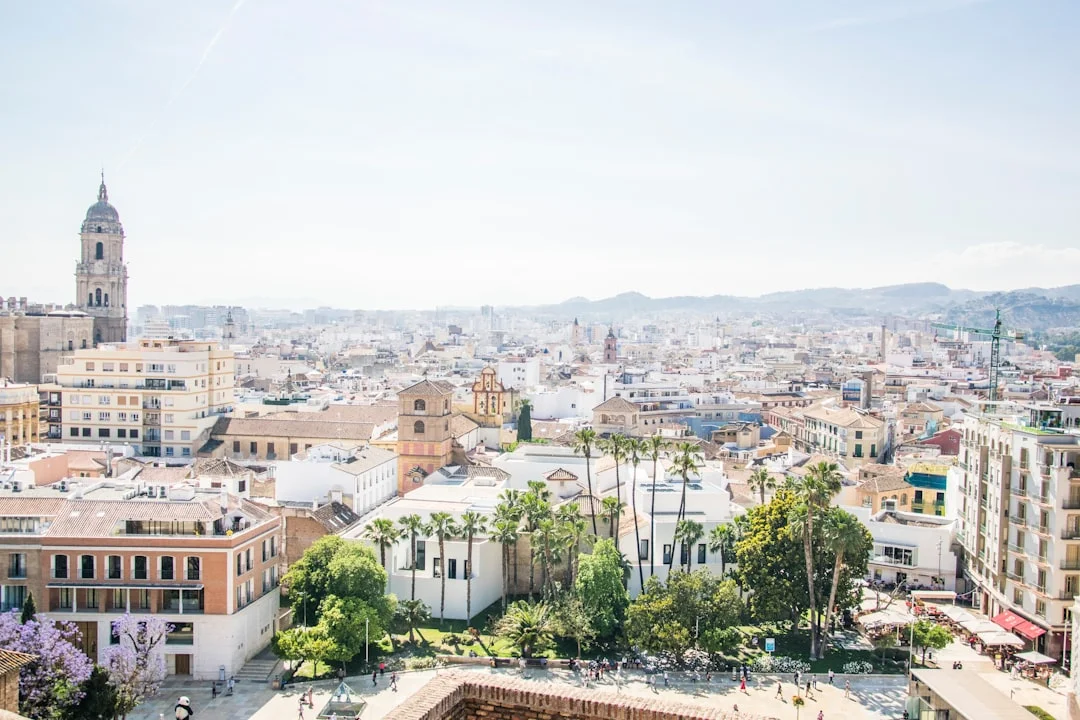
    Málaga durchläuft eine der rasantesten städtischen und wirtschaftlichen Transformationen in seiner modernen Geschichte. Der Zustrom internationaler Technologieunternehmen, digitaler Nomaden und Immobilieninvestoren hat die Hauptstadt der Costa del Sol in eine globale Erfolgsgeschichte verwandelt. Für die vielen Zugezogenen und Aktivurlauber ist es dabei ratsam, sich auch mit den Besonderheiten der lokalen Natur vertraut zu machen – wie etwa den Verhaltenstipps zur Violinspinne in Málaga für Expats und Wanderer. Dieses schnelle Wachstum bringt jedoch auch erhebliche Herausforderungen mit sich, insbesondere im Hinblick auf die Bezahlbarkeit von Wohnraum und die urbane Identität.

    Prominente Persönlichkeiten vor Ort mahnen zur Vorsicht. Zu den angesehensten Stimmen gehört der preisgekrönte Architekt und Stadtplaner José Seguí, der argumentiert, dass Málaga im Zuge der Modernisierung seine Seele nicht verlieren darf. Für internationale Einwohner und Einheimische gleichermaßen bietet seine Perspektive einen entscheidenden Rahmen, um zu verstehen, wohin sich die Stadt entwickelt.

    Die Wohnungsnot und der Druck durch Ferienunterkünfte

    Im Zentrum der aktuellen Herausforderungen Málagas steht ein gravierender Wohnungsmangel, der den Markt dazu gezwungen hat, sich an Trends wie die Umwandlung von Gewerbeflächen in Wohnraum anzupassen. Der sprunghafte Anstieg von Touristenapartments (viviendas turísticas) hat den Bestand an Langzeitmietwohnungen erheblich verringert, was die Preise auf historische Höchststände treibt und einheimische Familien aus dem Stadtzentrum verdrängt.

    In einer detaillierten Analyse, die von El Cierre Digital veröffentlicht wurde, warnt José Seguí vor dem kritischen Wohnungsmangel und dem enormen Druck, den Ferienvermietungen auf die Costa del Sol ausüben. Seguí betont, dass der Tourismus zwar ein wichtiger Wirtschaftsmotor ist, ein unregulierter Markt jedoch Gefahr läuft, das historische Zentrum in einen Freizeitpark ohne echtes Nachbarschaftsleben zu verwandeln.

    Für Seguí liegt die Lösung nicht darin, das Wachstum zu stoppen, sondern es durch eine strenge, vorausschauende Stadtplanung zu steuern. Er plädiert für einen ausgewogenen Ansatz, bei dem Wohngebiete geschützt werden, um sicherzustellen, dass sich diejenigen, die in Málaga arbeiten, das Leben hier auch tatsächlich leisten können.

    Ausgleich zwischen ausländischen Investitionen und lokaler Lebensqualität

    Málagas Fähigkeit, ausländisches Kapital anzuziehen, ist unbestreitbar. Hochwertige Immobilien und umweltfreundliche Luxusprojekte an der Costa del Sol verändern zusammen mit neuen Hotelprojekten und Büroflächen rasant die Skyline. Obwohl Seguí anerkennt, dass ausländische Investitionen für die wirtschaftliche Dynamik der Stadt von entscheidender Bedeutung sind, besteht er darauf, dass die Stadtplanung der Schaffung einer Stadt Vorrang einräumen muss, die für ihre Bewohner zum Leben und nicht nur zum Besuchen gedacht ist.

    „Eine Stadt, die für ihre eigenen Bewohner nicht gut ist, wird letztendlich auch für Besucher an Attraktivität verlieren.“

    Diese Philosophie verdeutlicht eine wachsende Sorge unter Stadtplanern: Wenn eine Stadt das Konsumerlebnis des temporären Besuchers über die täglichen Bedürfnisse der dauerhaften Bewohner stellt, beginnt das soziale Gefüge zu bröckeln. Eine nachhaltige Entwicklung erfordert, dass neue Investitionen direkt zu öffentlichen Plätzen, Grünflächen und Initiativen für bezahlbaren Wohnraum beitragen.

    Die Notwendigkeit metropolitaner Mobilität

    Da Málaga expandiert, kann es nicht mehr als isolierte Gemeinde betrachtet werden. Die gesamte Costa del Sol entwickelt sich zu einer einzigen, miteinander verbundenen, linearen Metropolregion. Um dieses Wachstum zu bewältigen, weist Seguí darauf hin, dass Infrastruktur und Mobilität dringend modernisiert werden müssen.

    Wichtige Schwerpunkte sind:
    * Ausbau des öffentlichen Nahverkehrs: Verlängerung der Cercanías-Bahnlinie weiter entlang der Küste und Verbesserung des Busnetzes, um entlegenere Wohngebiete mit dem Stadtzentrum zu verbinden.
    * Verringerung der Autoabhängigkeit: Schaffung fußgängerfreundlicher Korridore und Ausbau der Fahrradinfrastruktur, um den täglichen Arbeitsweg nachhaltig zu gestalten.
    * Metropolitane Koordination: Sicherstellung, dass benachbarte Gemeinden bei gemeinsamen Infrastrukturprojekten zusammenarbeiten, anstatt isoliert zu planen.

    Ohne diese Verbesserungen wird die räumliche Distanz zwischen dem Arbeitsplatz der Menschen und dem Ort, an dem sie es sich leisten können zu leben, weiterhin zu erheblichen Staus führen und die allgemeine Lebensqualität mindern.

    Blick in die Zukunft

    Málaga steht an einem entscheidenden Wendepunkt. Die Entscheidungen, die politische Entscheidungsträger, Bauträger und Gemeinden in den kommenden Jahren treffen, werden darüber entscheiden, ob die Stadt eine lebendige, lebenswerte mediterrane Heimat bleibt oder ein Opfer ihres eigenen Erfolgs wird. Indem man auf erfahrene Experten wie José Seguí hört, hat Málaga die Chance, ein wegweisendes Modell für städtisches Wachstum zu entwickeln, das die Welt willkommen heißt und gleichzeitig das Wohlergehen der Menschen, die die Stadt jeden Tag am Leben erhalten, entschlossen schützt.

  • Architect Jose Segui: Malaga Must Be Built for Living

    Architect Jose Segui: Malaga Must Be Built for Living

    Malaga is undergoing one of the most rapid urban and economic transformations in its modern history. The influx of international tech companies, digital nomads, and real estate investors has turned the capital of the Costa del Sol into a global success story. However, this rapid growth has brought significant challenges, particularly regarding housing affordability and urban identity. Furthermore, as more newcomers and hikers venture into the surrounding countryside, awareness of local nature hazards—such as the violin spider in Málaga—has also become a key topic of interest for the growing expat community.

    Prominent local figures are urging caution. Among the most respected voices is the award-winning architect and urban planner José Seguí, who argues that Malaga must not lose its soul in the pursuit of modernization. For international residents and locals alike, his perspective offers a crucial framework for understanding where the city is heading.

    The Housing Crisis and the Pressure of Holiday Rentals

    At the heart of Malaga’s current challenges is a severe housing shortage, which has forced the market to adapt with trends like converting commercial spaces into residential units. The surge in tourist apartments (viviendas turísticas) has significantly reduced the long-term rental stock, driving prices to historic highs and pushing local families out of the city center.

    In a detailed analysis published by El Cierre Digital, José Seguí warned about the critical housing shortage and the intense pressure that holiday rentals exert on the Costa del Sol. Seguí emphasizes that while tourism is a vital economic engine, an unregulated market risks turning the historic center into a theme park devoid of actual neighborhood life.

    For Seguí, the solution does not lie in halting growth, but in managing it through strict, forward-thinking urban planning. He advocates for a balanced approach where residential zones are protected to ensure that those who work in Malaga can actually afford to live here.

    Balancing Foreign Investment with Local Livability

    Malaga’s ability to attract foreign capital is undeniable. High-end real estate and eco-friendly luxury developments on the Costa del Sol, alongside new hotel projects and office spaces, are rapidly reshaping the skyline. While Seguí acknowledges that foreign investment is vital for the city’s economic dynamism, he insists that urban planning must prioritize creating a city designed for residents to live in, not just visit.

    “A city that is not good for its own residents will eventually cease to be attractive to visitors.”

    This philosophy highlights a growing concern among urban planners: when a city prioritizes the consumer experience of the temporary visitor over the daily needs of the permanent resident, the social fabric begins to fray. Sustainable development requires that new investments contribute directly to public spaces, green areas, and affordable housing initiatives.

    The Need for Metropolitan Mobility

    As Malaga expands, it can no longer be viewed as an isolated municipality. The entire Costa del Sol is evolving into a single, interconnected metropolitan linear city. To support this growth, Seguí points out that infrastructure and mobility must be urgently modernized.

    Key areas of focus include:
    * Expanding Public Transport: Extending the Cercanías train line further along the coast and improving bus networks to connect outlying residential areas with the city center.
    * Reducing Car Dependency: Creating pedestrian-friendly corridors and expanding bicycle infrastructure to make daily commutes sustainable.
    * Metropolitan Coordination: Ensuring that neighboring municipalities work together on shared infrastructure projects rather than planning in isolation.

    Without these improvements, the physical distance between where people work and where they can afford to live will continue to create severe traffic congestion and lower the overall quality of life.

    Looking Ahead

    Malaga stands at a defining crossroads. The decisions made by policymakers, developers, and communities over the coming years will determine whether the city remains a vibrant, livable Mediterranean home or becomes a victim of its own success. By listening to seasoned experts like José Seguí, Malaga has the opportunity to pioneer a model of urban growth that welcomes the world while fiercely protecting the well-being of the people who keep the city alive every single day.

  • Málaga Weekend: Free Star Wars and Magic Family Plans

    Málaga Weekend: Free Star Wars and Magic Family Plans

    A Weekend of Magic and Adventure in Málaga

    Finding engaging, high-quality activities for children that also appeal to adults can be a challenge. Fortunately, Málaga’s cultural agenda this weekend offers a fantastic mix of illusion, charity, and sci-fi adventure. Whether you are a local family or an international resident looking to integrate into the community, these events provide a great opportunity to enjoy the city together. You can also discover more options in our comprehensive Málaga weekend guide for family plans.

    According to the local leisure updates on Diario Sur, this weekend of June 13–14, 2026, brings highly anticipated performances—similar to the theatrical highlights found in our guide to Málaga weekend events in Soho—and free interactive experiences designed to spark the imagination of younger audiences.

    The Jajejijojú Charity Festival: Magic at Teatro Echegaray

    One of the weekend’s highlights is the Jajejijojú Festival, a long-running charity event dedicated to bringing humor and magic to children. This year, the festival features a headline performance by the globally recognized, award-winning magician Luis Olmedo, drawing visitors to a city currently seeing major hospitality developments as Soho Boutique and Petit Palace begin their 9-hotel transfer.

    • When: Saturday, June 13, 2026
    • Where: Teatro Echegaray, Málaga Centro
    • What to expect: A family-friendly show blending close-up magic, comedy, and incredible illusions.

    Beyond the entertainment value, the Jajejijojú festival has a deep-rooted social mission. For years, it has raised funds to support hospitalized children, bringing laughter and joy to those who need it most. Watching Luis Olmedo live is a treat for all ages, as his world-class technique and warm stage presence make the impossible feel real.

    Free Star Wars Activities for Families

    For families who love galaxies far, far away, this weekend also features a series of free Star Wars-themed activities. These events are designed to let children immerse themselves in the universe of Jedi, droids, and stormtroopers without breaking the bank.

    These free gatherings typically include:

    • Costume Parades: Local fan associations dressing up as iconic characters, offering great photo opportunities for kids.
    • Light Saber Workshops: Safe, fun introductory sessions where children can learn the basic moves of a Jedi Knight.
    • Interactive Games & Crafts: Creative workshops where kids can build their own droids or paint their favorite characters.

    These activities are an excellent way for international families to mingle with local residents in a relaxed, festive atmosphere. For more family-friendly shopping and entertainment, don’t miss the local weekend markets featuring Playmobil and crafts.

    Tips for Enjoying the Weekend with Kids

    To make the most of your family plans in Málaga, keep these practical tips in mind:

    1. Arrive Early for Free Events: Free activities are highly popular and operate on a first-come, first-served basis. Arriving 15–20 minutes early ensures you get a good spot.
    2. Use Public Transport: Parking in central Málaga during the weekend can be busy. The local EMT bus network and the metro are convenient alternatives.
    3. Combine Plans with a Tapas Stop: Many plazas near Teatro Echegaray offer outdoor seating where you can enjoy a quick lunch while the kids play safely nearby.

    We hope these suggestions help you create wonderful memories with your loved ones this weekend. Málaga continues to prove that it is not just a beautiful place to visit, but a warm, vibrant community to live in and explore together.

  • Málaga CF trifft im Finale um den Aufstieg in die La Liga auf Almería

    Málaga CF trifft im Finale um den Aufstieg in die La Liga auf Almería

    In den Straßen von Málaga herrscht eine Energie, wie man sie seit Jahren nicht mehr gespürt hat. Der Málaga CF steht offiziell kurz vor der Rückkehr in die Elite des spanischen Fußballs, die La Liga Primera División. Nach einem nervenaufreibenden 1:1-Unentschieden gegen UD Las Palmas im ausverkauften Stadion La Rosaleda haben sich die Blau-Weißen ihren Platz im Finale der Aufstiegs-Playoffs gesichert.

    Jetzt bleibt nur noch ein einziges Hindernis: ein hochbrisantes andalusisches Derby gegen UD Almería. Für Einheimische wie auch für die wachsende internationale Gemeinschaft der Stadt ist dies ein historischer Moment, um sich unter dem Banner des Malaguismo zu vereinen und Sportgeschichte hautnah miterleben zu können.

    Der dramatische Weg ins Finale

    Das Halbfinal-Rückspiel in La Rosaleda war ein wahrer filmreifer Thriller. Mit einem hart erkämpften Vorsprung aus dem Hinspiel im Rücken musste der Málaga CF dem enormen Druck einer widerstandsfähigen Mannschaft aus Las Palmas standhalten.

    Der entscheidende Moment des Abends kam, als Joaquín Muñoz den Ball im Netz unterbrachte und den so wichtigen Ausgleichstreffer erzielte. Das Tor löste im Stadion und auf der umliegenden Avenida de la Palmilla, wo sich Tausende von Fans ohne Ticket versammelt hatten, um die Mannschaft zu unterstützen, absoluten Ausnahmezustand aus.

    Wie Málaga Hoy hervorhob, hat diese Mannschaft die gesamte Saison über unglaubliche Widerstandskraft und Demut bewiesen und mit ihrem Kampfgeist und ihrer Entschlossenheit die Herzen der Stadt im Sturm erobert. Dieser Kampfgeist spiegelt den Kern der Kaderstrategie des Málaga CF wider, die den Verein wiederbelebt hat. Sie sind nun nur noch 180 Minuten davon entfernt, ein unvergessliches Fußballmärchen mit der Rückkehr in die höchste Spielklasse zu krönen.

    Der finale Kampf: Ein andalusisches Derby

    Die letzte Hürde zwischen dem Málaga CF und der Primera División ist der regionale Rivale UD Almería. Diese letzte Playoff-Runde wird in zwei Spielen (Hin- und Rückspiel) ausgetragen und verspricht eine Atmosphäre von unvergleichlicher Intensität.

    Laut einer Analyse von Diario Sur treffen bei dieser Paarung zwei Vereine mit tiefer Fußballtradition in Andalusien aufeinander, was bedeutet, dass sowohl der regionale Stolz als auch ein Platz in Spaniens höchster Spielklasse auf dem Spiel stehen. Details zu den genauen Anstoßzeiten und dem Ticketverkauf werden derzeit ausgearbeitet, wie Málaga Hoy berichtet, wobei erwartet wird, dass die Nachfrage alle bisherigen Rekorde brechen wird.

    Wie Sie das Playoff-Fieber in Málaga miterleben können

    Wenn Sie neu in der Stadt oder zu Besuch sind, gibt es keinen besseren Weg, sich in die lokale Kultur zu integrieren, als die Leidenschaft des spanischen Fußballs hautnah zu erleben. So können Sie dabei sein:

    • Live-Erlebnis im Stadion La Rosaleda: Tickets für das Heimspiel werden äußerst knapp sein und voraussichtlich innerhalb weniger Stunden an Vereinsmitglieder (abonados) ausverkauft sein. Behalten Sie das offizielle Ticketportal des Málaga CF für eventuelle Ankündigungen zum freien Verkauf genau im Auge.
    • Die Atmosphäre vor dem Spiel genießen: Auch wenn Sie keine Eintrittskarte haben, sollten Sie sich Stunden vor dem Anpfiff in die Gegend um das Stadion La Rosaleda (Avenida de la Palmilla) begeben. Der Empfang der Fans (recibimiento) für den Mannschaftsbus ist ein spektakuläres Spektakel aus Farben, Pyrotechnik und Gesängen.
    • Suchen Sie eine lokale Sportsbar auf: Die Bars im gesamten Stadtzentrum, in Teatinos und entlang der Strandpromenade in Pedregalejo werden voller Fans sein. Orte wie die Plätze im historischen Zentrum oder spezielle Sportsbars übertragen die Spiele live und bieten ein mitreißendes Gemeinschaftserlebnis.

    Ein gemeinsamer Traum für die ganze Provinz

    Fußball hat eine einzigartige Kraft, Menschen zusammenzubringen, unabhängig von Sprachbarrieren und kulturellen Hintergründen. Ob Sie nun schon seit Jahrzehnten in Málaga leben oder erst letzten Monat angekommen sind: Die kollektive Hoffnung einer Stadt, die um ihren Platz unter den spanischen Fußballgiganten kämpft, ist faszinierend mitanzusehen. Tragen wir unsere blau-weißen Schals mit Stolz und genießen wir das, was ein unvergessliches Kapitel in Málagas Sportgeschichte zu werden verspricht. ¡Vamos Málaga!

  • Málaga CF Face Almería in La Liga Promotion Final

    Málaga CF Face Almería in La Liga Promotion Final

    The streets of Málaga are buzzing with an energy that hasn’t been felt in years. Málaga CF is officially on the brink of returning to the elite of Spanish football, La Liga Primera División. Following a heart-stopping 1-1 draw against UD Las Palmas at a packed La Rosaleda stadium, the Blue and Whites have secured their spot in the promotion playoff final.

    Now, only one obstacle remains: a high-stakes Andalusian derby against UD Almería. For locals and the city’s growing international community alike, this is a historic moment to unite under the banner of Malaguismo and witness sports history in the making.

    The Dramatic Path to the Final

    The semi-final second leg at La Rosaleda was nothing short of a cinematic thriller. Carrying a hard-fought advantage from the first leg, Málaga CF had to endure intense pressure from a resilient Las Palmas side.

    The defining moment of the night came when Joaquín Muñoz found the back of the net, scoring the crucial equalizer. The goal unleashed absolute pandemonium inside the stadium and across the surrounding Avenida de la Palmilla, where thousands of fans who couldn’t get tickets had gathered to support the team.

    As highlighted by Málaga Hoy, this squad has shown incredible resilience and humility throughout the season, winning over the hearts of the city with their grit and determination. This fighting spirit reflects the core of Málaga CF’s squad strategy, which has revitalized the club. They are now just 180 minutes away from completing an unforgettable fairy-tale journey back to the top tier.

    The Final Battle: An Andalusian Derby

    The ultimate obstacle between Málaga CF and Primera División is regional rival UD Almería. This final playoff round will be played over two legs (home and away), promising an atmosphere of unmatched intensity.

    According to analysis by Diario Sur, this matchup brings together two clubs with deep footballing traditions in Andalusia, meaning regional pride and a spot in Spain’s top flight are both on the line. Details on the exact kickoff times and ticketing procedures are being finalized, as reported by Málaga Hoy, with demand expected to break all previous records.

    How to Experience the Playoff Fever in Málaga

    If you are new to the city or visiting, there is no better way to integrate into local culture than experiencing the passion of Spanish football. Here is how you can get involved:

    • Watch it Live at La Rosaleda: Tickets for the home leg will be incredibly scarce and will likely sell out to club members (abonados) within hours. Keep a close eye on the official Málaga CF ticketing portal for any general sale announcements.
    • Join the Pre-Match Atmosphere: Even if you don’t have a ticket, head to the area around La Rosaleda Stadium (Avenida de la Palmilla) hours before kickoff. The fan welcome (recibimiento) for the team bus is a spectacular display of color, smoke, and chanting.
    • Find a Local Sports Bar: Bars across the city center, Teatinos, and along the beachfront in Pedregalejo will be packed with fans. Places like the plazas in the historic center or dedicated sports pubs will broadcast the matches live, offering an electric communal viewing experience.

    A Shared Dream for the Whole Province

    Football has a unique way of bringing people together, transcending language barriers and cultural backgrounds. Whether you have lived in Málaga for decades or just arrived last month, the collective hope of a city fighting to regain its place among Spain’s footballing giants is a beautiful thing to behold. Let’s wear our blue and white scarves with pride and enjoy what promises to be an unforgettable chapter in Málaga’s sporting history. ¡Vamos Málaga!

  • Kultur in Málaga: 5 überraschende Fakten, die Sie noch nicht wussten

    Kultur in Málaga: 5 überraschende Fakten, die Sie noch nicht wussten

    Málaga ist weithin bekannt für seine sonnigen Strände, die historische Alcazaba und seine Verwandlung in eine Stadt der Museen. Doch unter der glänzenden Oberfläche der beliebten Touristenattraktionen verbirgt sich eine vielschichtige kulturelle Identität, die durch Jahrtausende der Geschichte, alternative Kunstbewegungen und einzigartige Traditionen geprägt wurde.

    Hier sind fünf überraschende Aspekte der Kulturlandschaft von Málaga – zu der auch die sportliche Leidenschaft rund um das Aufstiegsfinale des Málaga CF gegen Almería zählt –, die die meisten Besucher – und selbst einige Einheimische – oft übersehen.

    1. Antike phönizische Ruinen verbergen sich unter modernen Museen

    Málaga ist eine der ältesten durchgehend bewohnten Städte Europas, die um 770 v. Chr. von den Phöniziern gegründet wurde. Während Sie ausgewiesene archäologische Stätten besuchen können, ist die antike Geschichte buchstäblich mit den Fundamenten der modernen Kunstmuseen der Stadt verwoben – eine faszinierende Verbindung von Tradition und Moderne, die sich auch in der dynamischen Hotellerie widerspiegelt, wie die jüngste Übernahme von neun Hotels durch Soho Boutique und Petit Palace zeigt.

    Als die Bauarbeiten für das Museo Picasso Málaga im Palacio de Buenavista begannen, legten Archäologen im Untergeschoss phönizische Stadtmauern, römische Türme und Renaissance-Strukturen frei. Heute können Museumsbesucher in die archäologische Krypta hinabsteigen, um diese antiken Steinfundamente direkt unter den Galerien zu besichtigen, in denen Picassos Meisterwerke aus dem 20. Jahrhundert ausgestellt sind.

    2. Die ikonische Biznaga ist eine handgefertigte Illusion

    Die biznaga ist das unbestrittene kulturelle Symbol von Málaga, das auf lokalem Silberschmuck, Plakaten und sogar als Hauptpreis beim jährlichen Filmfestival von Málaga zu sehen ist. Doch viele Reisende wissen nicht, dass die Biznaga gar keine echte Blume ist.

    Sie ist ein kunstvolles Werk traditioneller Handwerkskunst. Lokale Kunsthandwerker, die sogenannten biznageros, ernten im Spätfrühling wilde Distelstängel (nerdos). Nach dem Trocknen und Zuschneiden der Stängel stecken sie akribisch einzelne, noch geschlossene Jasminknospen in jeden winzigen Zweig. Sobald der Abend hereinbricht, öffnen sich die Jasminknospen gleichzeitig und bilden eine perfekte, intensiv duftende weiße Kugel, die wie eine einzige, exotische Blüte aussieht.

    3. Lagunillas: Die alternative Gegenkultur zu Soho

    Während das trendige Viertel Soho für seine riesigen Wandgemälde bekannt ist, die vom Projekt MAUS (Málaga Arte Urbano Soho) kuratiert werden, bietet das Viertel Lagunillas eine völlig andere, organische Street-Art-Erfahrung.

    Lagunillas liegt direkt hinter dem Teatro Cervantes und ist ein Arbeiterviertel, das sich der rasanten Gentrifizierung widersetzt hat. Lokale Künstler und Anwohner haben die bröckelnden Mauern von Brachflächen mit lebendigen, inoffiziellen Wandgemälden bemalt. Diese Kunstwerke zeigen Persönlichkeiten aus der Nachbarschaft, lokale Legenden und scharfe Sozialkritik. Sie bilden das authentische, von der Gemeinschaft getragene Gegengewicht zu den kommerzialisierten Kunsträumen der Stadt.

    4. Spaniens ältester protestantischer Friedhof ist ein Kulturzentrum

    Versteckt im Viertel El Limonar liegt der Englische Friedhof (Cementerio Inglés), der 1831 vom britischen Konsul William Mark gegründet wurde. Er ist der älteste nicht-katholische christliche Friedhof auf dem spanischen Festland.

    Vor seiner Gründung mussten Nicht-Katholiken, die in Málaga starben, nachts aufrecht im Strandsand vergraben werden – den Gezeiten und Aasfressern ausgeliefert. Heute ist der Friedhof nicht nur eine ruhige historische Stätte, sondern auch ein lebendiger kultureller und botanischer Raum. Er ist Veranstaltungsort für klassische Konzerte, historische Führungen und literarische Events und schlägt so eine friedliche Brücke zwischen Málagas Seefahrtsgeschichte und der modernen Gemeinschaft.

    5. Die historische Premiere des Centre Pompidou außerhalb Frankreichs

    Der markante, bunte Glaswürfel (El Cubo) am Hafen von Málaga ist ein bekanntes Wahrzeichen, aber seine administrative Bedeutung ist historisch. Das 2015 eröffnete Centre Pompidou Málaga war die allererste internationale Außenstelle der renommierten Pariser Institution außerhalb Frankreichs.

    Diese Partnerschaft markierte einen bedeutenden Wandel in der Zusammenarbeit globaler Kunstinstitutionen mit regionalen Städten. Was als temporäres, fünfjähriges Experiment begann, ist zu einer dauerhaften Säule der kulturellen Identität der Stadt geworden und beweist, dass Málaga erfolgreich zeitgenössische Kunst von Weltrang auf globaler Ebene präsentieren kann.

    Das Verständnis dieser tieferen Schichten des Erbes von Málaga offenbart eine Stadt, die weit mehr ist als nur ein sonnenverwöhntes Urlaubsziel. Es ist ein Ort, an dem antike Fundamente moderne Ideen tragen und an dem die Identität der Gemeinschaft neben dem globalen Tourismus weiter gedeiht. Wir hoffen, dass dies Sie inspiriert, bei Ihrem nächsten Spaziergang etwas genauer hinzusehen und die ruhigeren, tiefgründigeren Ecken unserer Stadt zu erkunden.

  • Málaga Culture: 5 Surprising Facts You Didn’t Know

    Málaga Culture: 5 Surprising Facts You Didn’t Know

    Málaga is widely celebrated for its sunny beaches, historic Alcazaba, and its transformation into a city of museums. However, beneath the polished surface of its popular tourist attractions lies a complex cultural identity shaped by millennia of history, grassroots art movements, and unique traditions.

    Beyond the sporting excitement of the upcoming Málaga CF promotion final against Almería, here are five surprising aspects of Málaga’s cultural landscape that most visitors—and even some locals—often overlook.

    1. Ancient Phoenician Ruins Hide Beneath Modern Museums

    Málaga is one of the oldest continuously inhabited cities in Europe, founded by the Phoenicians around 770 BC. While you can visit designated archaeological sites, ancient history is literally woven into the foundations of the city’s modern art museums.

    When construction began on the Museo Picasso Málaga in the Buenavista Palace, excavators uncovered Phoenician city walls, Roman towers, and Renaissance structures in the basement. Today, visitors to the museum can descend into the archaeological crypt to view these ancient stone foundations directly beneath the galleries housing Picasso’s 20th-century masterpieces.

    2. The Iconic Biznaga is a Handcrafted Illusion

    The biznaga is the undisputed cultural symbol of Málaga, depicted in local silver jewelry, posters, and even the main award at the annual Málaga Film Festival. Yet, many travelers do not realize that the biznaga is not a real flower.

    It is an intricate piece of traditional craftsmanship. Local artisans, known as biznageros, harvest wild thistle stems (nerdos) in late spring. After drying and trimming the stems, they meticulously insert individual, unopened jasmine buds into each tiny branch. When evening falls, the jasmine buds open simultaneously, creating a perfect, highly fragrant white sphere that looks like a single, exotic flower.

    3. Lagunillas: The Grassroots Counter-Culture to Soho

    While the trendy Soho district is famous for its massive murals curated by the MAUS (Málaga Arte Urbano Soho) project, the neighborhood of Lagunillas offers a completely different, organic street art experience.

    Located just behind the Cervantes Theatre, Lagunillas is a working-class neighborhood that has resisted rapid gentrification. Local artists and residents have covered the crumbling walls of vacant lots with vibrant, unsanctioned murals. These artworks depict neighborhood characters, local legends, and sharp social commentary. It represents the authentic, community-driven counterweight to the city’s commercialized art spaces.

    4. Spain’s Oldest Protestant Cemetery is a Cultural Hub

    Tucked away in the El Limonar district lies the English Cemetery (Cementerio Inglés), founded in 1831 by the British Consul William Mark. It is the oldest non-Catholic Christian cemetery established on mainland Spain.

    Before its creation, non-Catholics who died in Málaga had to be buried upright in the beach sand at night, at the mercy of the tide and scavengers. Today, the cemetery is not just a quiet historical site but an active cultural and botanical space. It hosts classical music concerts, historical tours, and literary events, serving as a peaceful bridge between Málaga’s maritime history and its modern community.

    5. The Pompidou Centre’s Historic First Outside France

    The striking, multicolored glass cube (El Cubo) at Málaga’s port is a famous landmark, but its administrative significance is historic. The Centre Pompidou Málaga, opened in 2015, was the very first international branch of the prestigious Parisian institution outside of France.

    This partnership marked a major shift in how global art institutions collaborate with regional cities. What began as a temporary five-year experiment has become a permanent pillar of the city’s cultural identity, proving that Málaga could successfully host world-class contemporary art on a global scale.

    Understanding these deeper layers of Málaga’s heritage reveals a city that is much more than a sun-drenched holiday destination. It is a place where ancient foundations support modern ideas, and where community identity continues to thrive alongside global tourism. We hope this inspires you to look a little closer and explore the quieter, more profound corners of our city on your next walk.

  • Restaurant Fomo eröffnet am 18. Juni in Pedregalejo

    Restaurant Fomo eröffnet am 18. Juni in Pedregalejo

    Die Gastronomieszene von Pedregalejo steht vor einer bedeutenden Aufwertung. Am Donnerstag, dem 18. Juni 2026, wird ein mit Spannung erwartetes neues kulinarisches Projekt namens Fomo offiziell seine Türen für das Publikum öffnen. Im Herzen der östlichen Küstenlinie von Málaga gelegen – einer Stadt, die für ihre reiche Tradition und überraschende kulturelle Facetten bekannt ist –, möchte dieser neue Hotspot das gastronomische Erlebnis im Viertel sowohl für langjährige Anwohner als auch für die wachsende internationale Gemeinschaft beleben.

    Hinter dem Projekt steht eine Gruppe lokaler Unternehmer mit einer nachgewiesenen Erfolgsbilanz erfolgreicher Gastronomiekonzepte in Málaga, darunter die beliebte Dessert-Marke La Cheesequería, die jüngst mit ihrer Eröffnung in Huelin und der Verteilung von 1.000 kostenlosen Kuchenstücken für Aufsehen sorgte, und das trendige USB.

    Eine erstklassige zweistöckige Location

    Fomo übernimmt ein prominentes, zweistöckiges Lokal an der Strandpromenade von Pedregalejo, in dem zuvor bekannte lokale Marken wie La Calle Burger und La Malagueña ansässig waren.

    Das zweistöckige Layout wurde komplett neu gestaltet, um unterschiedliche Atmosphären zu bieten. Ob Sie ein entspanntes Mittagessen nach einem Tag am Strand suchen oder ein lebhaftes Restaurant für das Abendessen, um Ihren Abend einzuläuten – die Räumlichkeiten sind so konzipiert, dass sie nahtlos vom Tag in die Nacht übergehen.

    Laut einem Bericht von Diario Sur markiert die offizielle Eröffnung am 18. Juni 2026 einen bedeutenden Meilenstein für das östliche Viertel, das sich zunehmend zu einem Zentrum für gehobene, ungezwungene Gastronomie entwickelt und die vielfältige Auswahl an einzigartigen gastronomischen Erlebnissen in Málaga ergänzt.

    Was Sie im Fomo erwartet

    Obwohl die Details der Speisekarte bis zur Eröffnung noch unter Verschluss gehalten werden, lässt der Hintergrund der Gründer auf einen starken Fokus auf qualitativ hochwertige Zutaten, kreative Präsentation und natürlich herausragende Desserts schließen. Angesichts ihrer Erfahrung mit La Cheesequería erwarten die Einheimischen bereits einige spektakuläre süße Optionen, die das herzhafte Menü abrunden.

    Die Atmosphäre soll modern, einladend und energiegeladen sein – ganz im Sinne des Namens (ein Akronym für „Fear Of Missing Out“), indem es sich als der Ort etabliert, an dem man im Osten von Málaga einfach sein muss.

    Praktische Informationen

    • Standort: Strandpromenade von Pedregalejo, Málaga
    • Eröffnungsdatum: Donnerstag, 18. Juni 2026
    • Ideal für: Ungezwungene Abendessen, Gruppentreffen und entspannte Wochenendstimmung an der Küste

    Während sich Málagas kulinarische Landschaft stetig weiterentwickelt, ist es unglaublich spannend zu sehen, wie lokale Unternehmer wieder in die Viertel investieren, die diese Stadt so einzigartig machen. Pedregalejo hatte schon immer einen ganz besonderen, entspannten Charme, und wir hoffen, dass das Fomo zu einem herzlichen Treffpunkt wird, an dem Einheimische und Besucher gleichermaßen gutes Essen teilen und bleibende Erinnerungen am Mittelmeer schaffen können.

  • Fomo Restaurant Opens in Pedregalejo on June 18

    Fomo Restaurant Opens in Pedregalejo on June 18

    Pedregalejo’s dining scene is about to get a major upgrade. On Thursday, June 18, 2026, a highly anticipated new culinary project named Fomo will officially open its doors to the public. Located in the heart of Malaga’s eastern coastline, this new hotspot aims to shake up the local neighborhood dining experience for both long-time residents and the growing international community eager to discover surprising facts about Málaga’s culture.

    Behind the venture is a group of local entrepreneurs with a proven track record of successful hospitality concepts in Malaga, including the popular dessert brand La Cheesequería, which recently celebrated its grand opening in Huelin, and the trendy USB.

    A Prime Two-Story Location

    Fomo takes over a prominent two-story venue on the Pedregalejo seafront, a space previously occupied by well-known local brands such as La Calle Burger and La Malagueña.

    The dual-level layout has been completely redesigned to offer distinct atmospheres. Whether you are looking for a casual lunch after a day at the beach or a lively dinner spot to kickstart your evening, the space is engineered to transition seamlessly from day to night.

    According to a report by Diario Sur, the official launch on June 18, 2026, marks a significant milestone for the eastern district, which has increasingly become a hub for premium casual dining, complementing the diverse range of unique gastronomic experiences in Malaga.

    What to Expect from Fomo

    While the full menu details are being kept under wraps until the opening, the pedigree of the founders suggests a strong focus on high-quality ingredients, creative presentation, and, of course, standout desserts. Given their background with La Cheesequería, locals are already anticipating some spectacular sweet options to round off the savory menu.

    The vibe is expected to be modern, welcoming, and high-energy—capturing the essence of its name (an acronym for “Fear Of Missing Out”) by positioning itself as the place to be in Malaga East.

    Practical Information

    • Location: Pedregalejo seafront, Malaga
    • Opening Date: Thursday, June 18, 2026
    • Best For: Casual dinners, group gatherings, and coastal weekend vibes

    As Malaga’s culinary landscape continues to mature, it is incredibly exciting to see local entrepreneurs investing back into the neighborhoods that make this city so unique. Pedregalejo has always had a special, relaxed charm, and we hope Fomo becomes a warm gathering place where both locals and newcomers can share great food and make lasting memories by the Mediterranean.

  • Málaga Weekend: María Galiana at Soho & Nordic Dining

    Málaga Weekend: María Galiana at Soho & Nordic Dining

    As the mid-June warmth settles over the Costa del Sol, Málaga’s cultural and culinary scenes are offering some incredible alternatives to the standard beach-and-tapas routine. Whether you are a long-term expat or a newly arrived resident, this weekend of June 13–14, 2026, presents a perfect opportunity to dive deeper into the city’s sophisticated side. While there are plenty of family activities and local markets to enjoy during the day, the evening belongs to theater and fine dining.

    From a moving theatrical performance in the trendy Soho district to an intimate, high-end Nordic dining experience in the historic center, here is how to spend a memorable weekend in the city.

    Theater: María Galiana Stars at Teatro del Soho

    For those looking to experience premier Spanish performing arts, Antonio Banderas’ flagship venue, Teatro del Soho CaixaBank, is hosting a remarkable production this weekend. The legendary Spanish actress María Galiana stars in ‘Yo sólo quiero irme a Francia’ (I Only Want to Go to France).

    This poignant play offers a deep, emotional narrative that showcases Galiana’s immense talent. Watching a production at the Soho theater is an experience in itself; the venue has revitalized the entire neighborhood, turning it into a bohemian hub of art, culture, and upscale cafes. While Teatro del Soho delivers high-caliber drama, music lovers might also want to explore other exciting concerts and cultural plans in Málaga currently taking over the city’s historic venues.

    According to the latest weekend recommendations highlighted in El Español, this production stands out as one of the absolute cultural highlights in the province for mid-June 2026. If you want to catch the performance, be sure to secure your tickets online or at the box office before they sell out.

    Gastronomy: A Nordic Escape at Restaurante Dynamit

    If you want to step away from traditional Andalusian fried fish and explore international flavors, Málaga’s culinary landscape has some brilliant surprises. Tucked away in the historic center is Restaurante Dynamit, a cozy establishment that has quietly become a favorite among the city’s food critics and international community.

    Dynamit acts as a refined “Nordic refuge.” Instead of heavy dishes, the kitchen focuses on fresh, seasonal ingredients, clean Scandinavian techniques, and beautifully balanced plates. It is a refreshing alternative to the bustling tapas bars, offering a calm, minimalist atmosphere where you can actually hear your companion speak.

    For food lovers keeping an eye on national culinary trends, finding high-quality, niche international dining in southern Spain is always an exciting discovery. Venues like Dynamit reflect the evolving, cosmopolitan nature of the city’s food scene, which is regularly celebrated by top food publications like El País Gastronomía.

    How to Plan Your Evening

    To make the most of this cultural itinerary, we suggest pairing these two experiences together:

    1. Late Afternoon Stroll: Start with a walk through the Soho district to admire the impressive street art murals by international artists like Obey and D*Face.
    2. The Play: Head to Teatro del Soho CaixaBank for the evening performance.
    3. Late Dinner: Take a leisurely 15-minute walk across the Alameda Principal into the historic center for your reservation at Dynamit. Be sure to book ahead, as seating is limited in this intimate space.

    There is a quiet joy in watching a city evolve, finding new pockets of creativity and flavor just a few steps away from the historic landmarks we know so well. We hope this weekend brings you closer to the vibrant, modern spirit of Málaga.