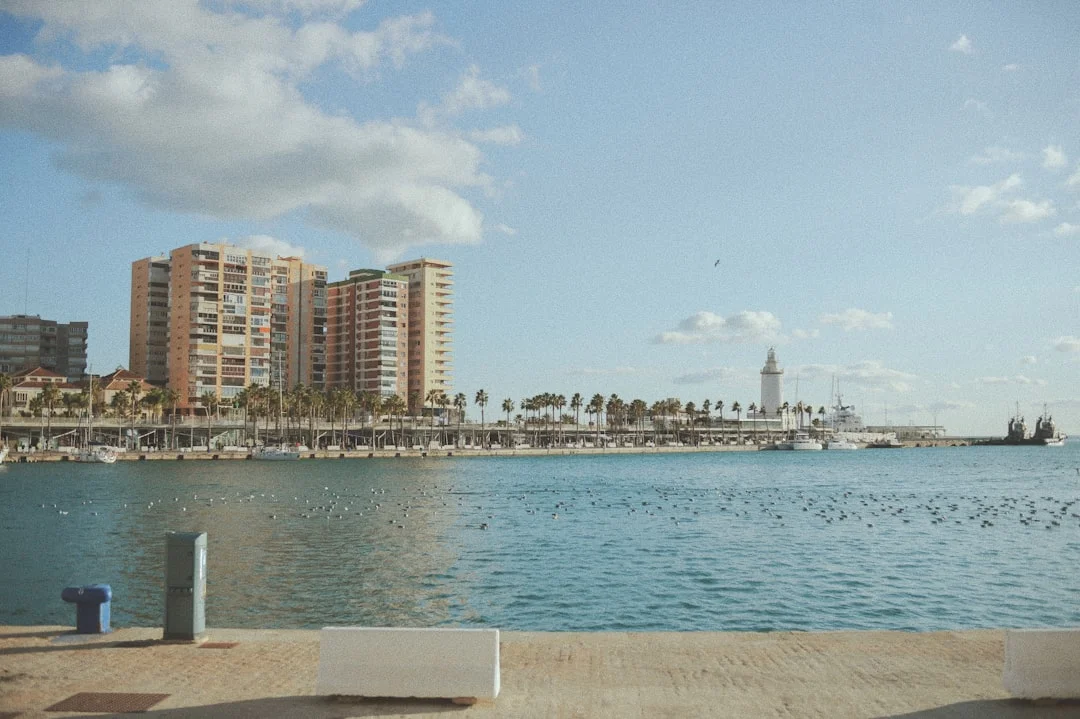
The relationship between Málaga and its sea has always been intimate, but it is currently undergoing a structural metamorphosis. For years, the conversation surrounding the Port of Málaga has oscillated between its function as a transit hub and its potential as a destination in its own right. As of February 2026, that debate seems to have found a definitive answer in the form of a substantial financial commitment, paralleling the broader shift where dining has become the city’s new economic engine.
Blog
-
Málagas Foodie-Radar 2026: Das Konzept ‘Matiz’ & neue Tische im Blick
Es ist Ende Februar 2026, und wenn es eine Sache gibt, die in Málaga nicht nachgelassen hat, dann ist es der Appetit auf neue kulinarische Erlebnisse. Der gastronomische Boom der Stadt hat sich von einem Trend zu einem Dauerzustand entwickelt. Wir beobachten eine Abkehr von steifen, individuellen Degustationsmenüs hin zu einem wärmeren, andalusischeren Konzept: High-End-Sharing.
Für diejenigen, die sich fragen: „Wo sollen wir dieses Wochenende reservieren?“, zeigt das Radar derzeit direkt auf das Kathedralenviertel, wo etablierte Namen und aufgefrischte Konzepte das Tempo für das Jahr vorgeben.
Im Rampenlicht: Matiz und die Kunst des Teilens
Im Herzen der Stadt gelegen, hat Matiz in dieser Saison unsere Aufmerksamkeit mit einem Angebot geweckt, das wie maßgeschneidert wirkt für die Art, wie Malagueños tatsächlich gerne essen. Während der Ort selbst eine raffinierte Atmosphäre bietet, ist die neue kulinarische Ausrichtung entschieden gesellig.
Laut The Gourmet Journal hat das Restaurant ein Angebot lanciert, das speziell auf das Teilen und Probieren ausgelegt ist. Es geht nicht nur darum, Teller in die Mitte des Tisches zu stellen; es geht darum, eine Reise durch lokale Texturen und Aromen zu kuratieren, die das Gespräch anregt.
Die Speisekarte konzentriert sich auf saisonale Zutaten – im Jahr 2026 unverhandelbar – und wird mit einer technischen Präzision ausgeführt, die traditionelle Konzepte aufwertet, ohne ihre Seele zu verlieren. Es ist die Art von Ort, an dem ein Geschäftsessen nahtlos in einen entspannten Abend übergehen kann. Der Fokus liegt auf der materia prima (Rohware), wobei die Qualität der lokalen Produkte für sich selbst spricht, während jene charakteristische „Nuance“ (Matiz) hinzugefügt wird, die dem Restaurant seinen Namen gibt.
Das Kathedralenviertel: Das Epizentrum
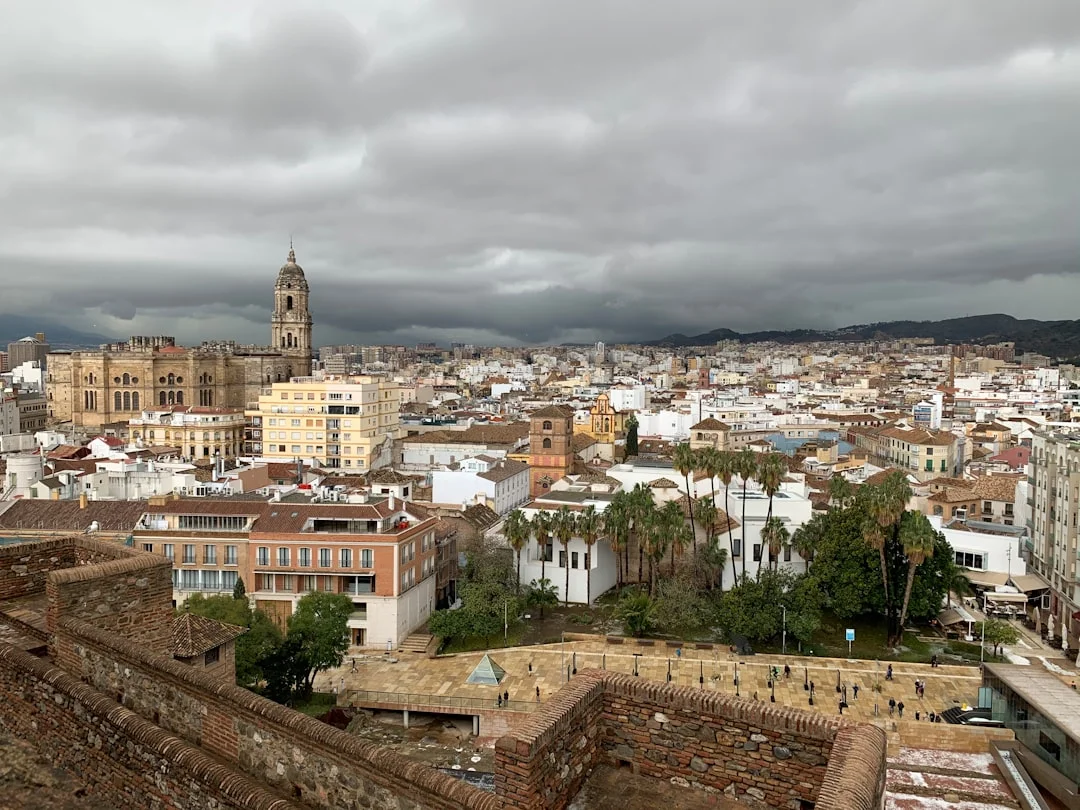
Die Gegend um die „Manquita“ (unsere geliebte einarmige Kathedrale) ist weiterhin das Schwergewicht der Málaguer Gastronomieszene. Es geht nicht nur um die Neuzugänge; es geht um den Standard, der von den Nachbarn gehalten wird.
Man kann nicht über dieses Viertel sprechen, ohne Köche wie Willie Orellana zu erwähnen. Sein Einfluss in der Gegend bleibt bedeutend und beweist, dass Beständigkeit genauso wichtig ist wie Neuheit. Die Nähe hochkarätiger Küchen schafft einen gesunden Wettbewerb, der uns, den Gästen, zugutekommt. Wenn Sie durch diese Straßen gehen, bewegen Sie sich durch eine Dichte an Talenten, die mit jeder großen europäischen Hauptstadt mithalten kann.
Der Ausblick auf 2026
Während wir weiter in das Jahr 2026 voranschreiten, ist der Trend in Málaga klar: die Legerisierung des Luxus. Wir sehen weniger weiße Tischdecken und mehr offene Küchen, lebhafte Bars mit Fünf-Sterne-Essen und einen unermüdlichen Fokus auf Weine aus den Sierras de Málaga.
Quellen wie Condé Nast Traveler dokumentieren seit langem den Aufstieg Málagas, und die aktuelle Liste der „Akteure“ in der Stadt deutet darauf hin, dass wir einen Reifepunkt erreichen. Der Boom weitet sich nicht mehr nur nach außen aus; er verfeinert sich nach innen. Die Neueröffnungen in diesem Jahr sind kleiner, spezialisierter und persönlicher.
Schnelle Tipps für das Wochenende
- Im Voraus buchen: Bei dem aktuellen Andrang ist es ein Glücksspiel, das Sie wahrscheinlich verlieren werden, wenn Sie an einem Freitagabend ohne Reservierung in Orte wie das Matiz gehen.
- Gehen Sie zum Mittagessen: Das natürliche Licht in der Umgebung der Kathedrale macht das Mittagessen zur besten Zeit, um neben Ihrem Essen auch die Architektur zu genießen.
- Bestellen Sie zum Teilen: Wehren Sie sich nicht gegen das Konzept. 2026 ist das Jahr des geteilten Tellers.
Wir haben das Glück, in einer Stadt zu leben, in der die Frage nicht lautet: „Gibt es irgendwo gutes Essen?“, sondern vielmehr: „Wie entscheiden wir uns?“ Ob Sie nun das neue Menü im Matiz probieren oder einen Klassiker wie das Uvedoble besuchen, der Standard war noch nie so hoch.
Wir sehen uns bei Tisch.
-
Málaga’s 2026 Foodie Radar: The ‘Matiz’ Concept & New Tables to Watch
It is late February 2026, and if there is one thing that hasn’t slowed down in Málaga, it is the appetite for new dining experiences. The city’s gastronomic boom has evolved from a trend into a permanent state of being. We are seeing a shift away from stiff, individual tasting menus toward a warmer, more Andalusian concept: high-end sharing.
For those asking “where should we book this weekend?”, the radar is currently pointing squarely at the Cathedral district, where established names and refreshed concepts are setting the pace for the year.
Spotlight: Matiz and the Art of Sharing
Located in the heart of the city, Matiz has captured our attention this season with a proposal that feels tailor-made for the way Malagueños actually like to eat. While the venue itself offers a sophisticated atmosphere, the new culinary direction is decidedly social.
According to The Gourmet Journal, the restaurant has launched a proposal specifically designed for sharing and tasting. This isn’t just about putting plates in the middle of the table; it is about curating a journey through local textures and flavors that encourages conversation.
The menu focuses on seasonal ingredients—a non-negotiable in 2026—executed with a technical precision that elevates traditional concepts without losing their soul. It is the kind of place where you can go for a business lunch that naturally transitions into a relaxed evening. The focus is on the materia prima (raw material), allowing the quality of the local produce to speak for itself while adding that signature ‘nuance’ (matiz) that gives the restaurant its name.
The Cathedral District: The Epicenter
The area surrounding the “Manquita” (our beloved one-armed Cathedral) continues to be the heavyweight champion of Málaga’s dining scene. It is not just about the new arrivals; it is about the standard maintained by the neighbors.
You cannot talk about this neighborhood without mentioning chefs like Willie Orellana. His influence in the area remains significant, proving that consistency is just as important as novelty. The proximity of high-caliber kitchens creates a healthy competition that benefits us, the diners. When you walk down these streets, you are walking through a density of talent that rivals any major European capital.
The 2026 Outlook
As we move further into 2026, the trend in Málaga is clear: casualisation of luxury. We are seeing fewer white tablecloths and more open kitchens, noisy bars with five-star food, and a relentless focus on wines from the Sierras de Málaga.
Sources like Condé Nast Traveler have long documented Málaga’s rise, and the current list of ‘players’ in the city suggests we are reaching a maturity point. The boom isn’t just expanding outward anymore; it is refining inward. The new openings this year are smaller, more specialized, and more personal.
Quick Tips for the Weekend
- Book Ahead: With the current buzz, walking into places like Matiz on a Friday night without a reservation is a gamble you will likely lose.
- Go for Lunch: The natural light in the Cathedral area makes lunch the prime time to enjoy the architecture alongside your meal.
- Order to Share: Don’t fight the concept. 2026 is the year of the shared plate.
We are lucky to live in a city where the question isn’t “is there anywhere good to eat?” but rather “how do we choose?” whether you are trying the new menu at Matiz or revisiting a classic like Uvedoble, the standard has never been higher.
See you at the table.
-
Jubiläum im Untergrund: 67 Jahre seit der Entdeckung der Cueva de Nerja
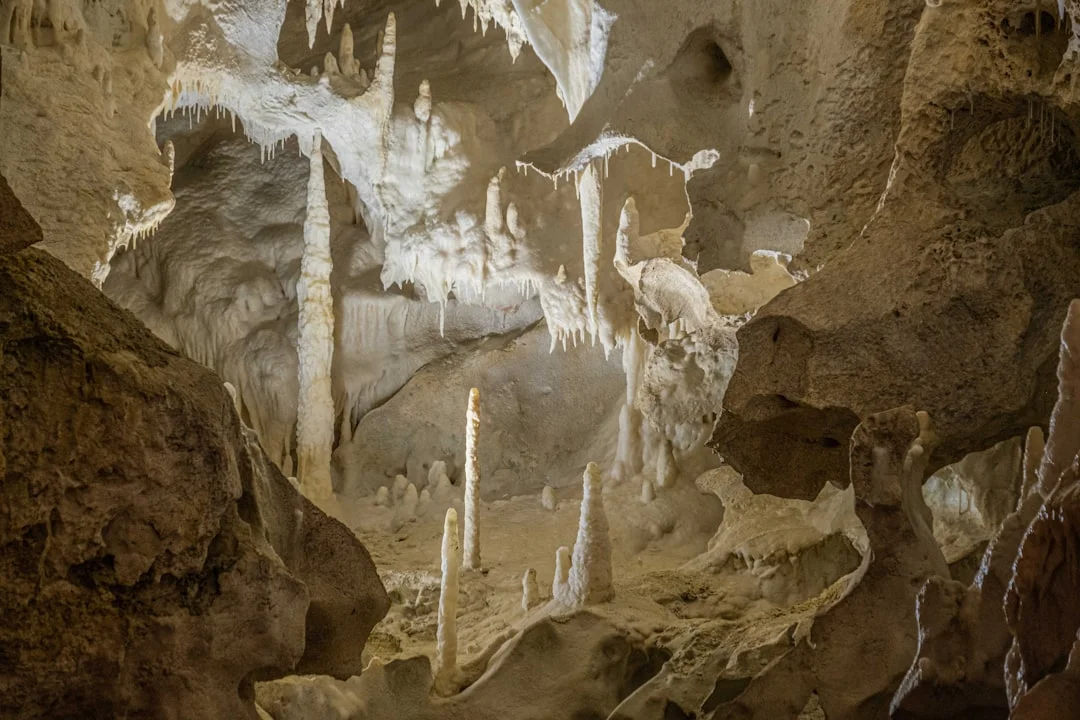
Manchmal werden die größten Schätze durch Zufall gefunden, während man andere – wie auf Málagas kulinarischem Radar für 2026 – gezielt suchen muss. Im Fall von Málagas berühmtestem geologischen Denkmal war es jedoch kein Team von Archäologen oder Geologen, das die Entdeckung machte, sondern eine Gruppe von fünf einheimischen Jungen, die nach Fledermäusen suchten.
-
Underground Anniversary: 67 Years Since the Discovery of the Nerja Cave
Sometimes the greatest treasures are found by accident. In the case of Málaga’s most famous geological monument, it wasn’t a team of archaeologists or geologists who broke ground, but a group of five local boys out looking for bats.
This year marks the 67th anniversary of that fateful night on January 12, 1959. While the official date passed earlier this year, the story remains a charming reminder of how much history lies just beneath our feet in the Axarquía region.
A Night to Remember
Sixty-seven years ago, five young friends from Maro—Francisco Navas, brothers Miguel and Manuel Muñoz, José Luis Barbero, and José Torres—headed towards a sinkhole known locally as “La Mina.” They had noticed bats exiting the hole and, driven by curiosity, decided to investigate.
After breaking through some stalactites that blocked a narrow passage, they dropped down into what is now known as the Sala de la Cascada (Waterfall Hall). Instead of just a bat nest, they found human skeletons and ceramic pottery. They had stumbled into a time capsule that had been sealed for thousands of years.
Earlier this year, the Subdelegate of the Government, Javier Salas, presided over a commemorative act to honor this discovery, noting the cave’s status as a driver of tourism and cultural identity for the province. According to La Noción, the event highlighted the cave’s enduring legacy nearly seven decades later.
Why Visit Now?
The Cueva de Nerja is one of the most visited monuments in Spain. In the height of summer, the queues can be long, and the coastal humidity can be intense even before you enter the caverns.
However, visiting in late winter or early spring (right now) offers a distinct advantage:
- Space to Breathe: You can admire the colossal central column in the Hall of the Cataclysm—the largest in the world—without being jostled by large tour groups.
- Temperature Stability: The cave maintains a relatively constant internal temperature. While it’s a refuge from the August heat, it also feels pleasantly distinct from the crisp winter air outside.
- The Museum: Don’t skip the Nerja Museum in the town center (Plaza de España) before or after your cave visit to see the artifacts the boys actually found.
Practical Information for 2026
If you haven’t been in a few years, the facilities have likely been upgraded since your last trip. The botanical gardens surrounding the entrance are now lush and well-maintained, offering a nice walk before your scheduled entry time.
- Location: Maro, roughly 50 minutes driving from Málaga city.
- Tickets: It is highly recommended to book online to secure your slot, even in the off-season.
- Footwear: Wear shoes with good grip. The floor is non-slip, but it is still a damp cave environment.
Whether you are a local who hasn’t visited since a school trip or a newcomer to the Costa del Sol, the 67th anniversary is a great excuse to head east. It is a humbling experience to stand in the dark and realize that, were it not for the curiosity of five teenagers, this underground cathedral might still be sleeping in silence.
We hope you take the time to explore this subterranean wonder while the season is still quiet. It’s a reminder that adventure is often just around the corner—or just down a small hole in the ground.
-
Tech-Watch: Startups aus Málaga sichern sich Plätze in den nationalen Top 100
Seit Jahren wandelt sich das Bild von Málaga von „Sonne und Strand“ zu „Silizium und Servern“. Anfang 2026 hat sich dieses Narrativ in harten Daten verfestigt. Es geht beim Ökosystem nicht mehr nur darum, große Firmenzentralen wie Google oder Vodafone anzuziehen; es geht um das organische Wachstum lokaler Innovationen – eine Dynamik, die auch neue Highlights auf Málagas Foodie-Radar setzt.
-
Tech Watch: Málaga Startups Secure Spots in National Top 100
For years, the narrative surrounding Málaga has shifted from “sun and sand” to “silicon and servers.” By early 2026, that narrative has solidified into hard data. The ecosystem is no longer just about attracting big corporate hubs like Google or Vodafone; it is about the organic growth of local innovation, seeing Málaga startups at the PTA shine in the national Top 100.
-
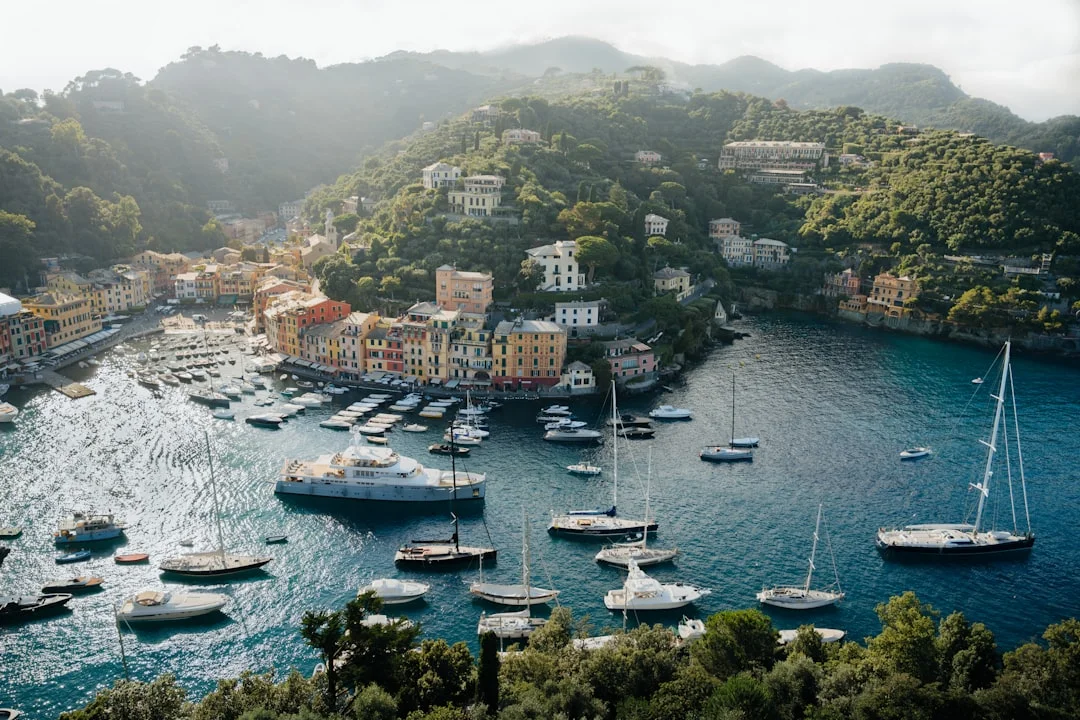
Neuzugang: ‘Portofino’ bringt raffinierte italo-mediterrane Küche ins Zentrum
Málagas gastronomische Entwicklung nimmt auch im Jahr 2026 weiter an Fahrt auf. Während das historische Zentrum lange Zeit von Fast-Food-Pizzaketten und auf Touristen ausgerichteten Trattorien gesättigt war, strebt eine neue Welle von Gastronomen nach etwas Substanziellerem – ein Qualitätsanspruch, der an die jüngsten Erfolge der lokalen Tech-Startups erinnert. Der neueste Zugang zu dieser Bewegung ist das Portofino, ein Lokal, das offiziell am 10. Januar seine Türen öffnete und ein raffiniertes italo-mediterranes Konzept in das Herz der Stadt bringt.
-
New Arrival: ‘Portofino’ Brings Sophisticated Italo-Mediterranean Cuisine to the Center
Málaga’s gastronomic evolution continues to gain momentum in 2026, matching the dynamism of local startups securing spots in the national top 100. While the historic center has long been saturated with fast-food pizza chains and tourist-focused trattorias, a new wave of restaurateurs is aiming for something more substantial. The latest arrival to join this movement is Portofino, a venue that officially opened its doors on January 10, bringing a refined Italo-Mediterranean concept to the heart of the city.
-
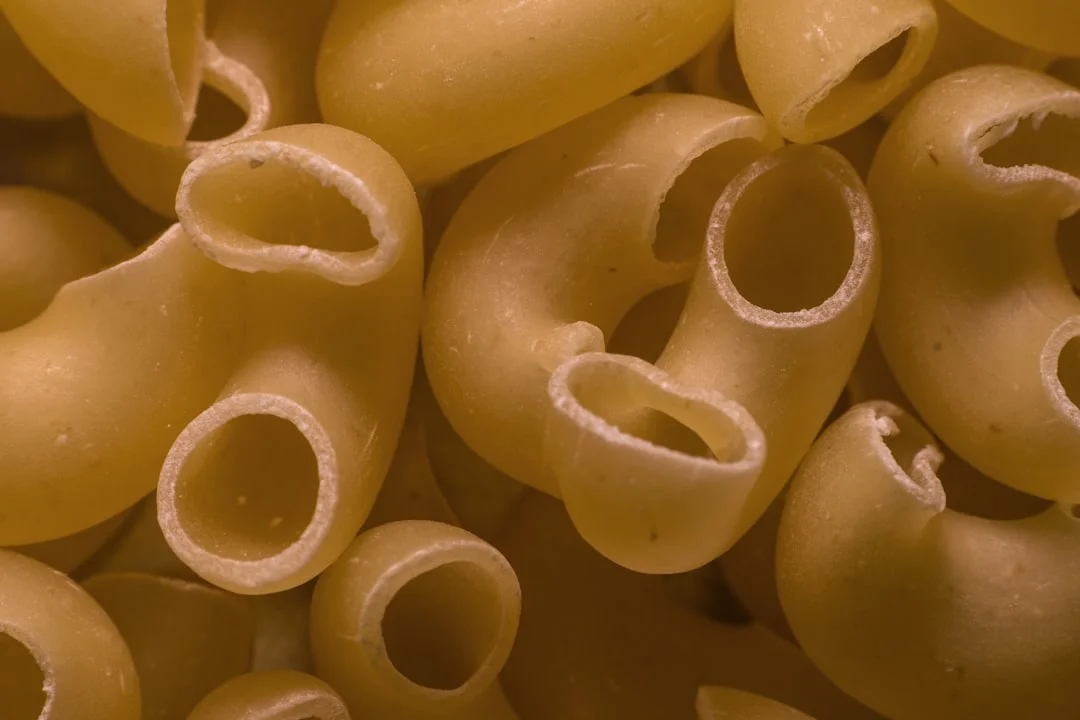
Neue Aromen in Málaga: Madrids ‘Relleno’ und der Aufstieg junger Köche
Málagas gastronomische Landkarte wird weiterhin neu gezeichnet und bewegt sich weit über die traditionellen (wenn auch geliebten) espetos und frittierten Fisch hinaus. Die Stadt erlebt derzeit ein doppeltes Phänomen: die Ankunft erfolgreicher, spezialisierter Konzepte aus Madrid und die Konsolidierung einer einheimischen Generation von Köchen, die die lokale Gastronomieszene auf den Kopf stellen.
Die Welle der Spezialisierung: ‘Relleno’ ist da
Jahrelang war der Trend in Málaga die breite Speisekarte – Orte, die versuchten, alles anzubieten. Jetzt sehen wir den Erfolg der Spezialisierung. Ein Paradebeispiel ist die Ankunft von Relleno, einem Konzept, das sich in Madrid mit drei Standorten einen starken Ruf erworben hat, bevor es den Süden ins Visier nahm.
Relleno ist kein typisches italienisches Restaurant; es konzentriert sich speziell auf handgemachte Ravioli und frische Pasta, die größtenteils zum Mitnehmen oder für den schnellen, hochwertigen Verzehr konzipiert sind. Dieser Wandel hin zur „Nischen“-Gastronomie verleiht dem Angebot der Stadt eine kosmopolitische Note. Wie von El Español berichtet, bringt die Marke eine Philosophie mit, die traditionelle Techniken der Pastaherstellung bewahrt und gleichzeitig an den modernen urbanen Lebensstil anpasst.
Dieser Neuzugang ist bedeutsam, denn er signalisiert, dass große Akteure aus der Hauptstadt Málaga nicht nur als saisonalen Urlaubsort betrachten, sondern als ganzjähriges kulinarisches Reiseziel mit einem Markt, der reif genug ist, um spezifische Einzelprodukt-Lokale zu schätzen.
Die neue Garde: Köche in ihren 30ern
Während Importe wie Relleno Vielfalt bringen, liegt die Seele der aktuellen Revolution bei den Einheimischen. Eine neue Generation von Köchen, meist in ihren 30ern, übernimmt die Zügel in den Bereichen der gehobenen Gastronomie und des Casual-Fine-Dining der Stadt.
Restaurants wie das Palodú führen diese Bewegung an. Diese Lokale zeichnen sich durch Respekt vor andalusischen Produkten aus, die jedoch mit technischer Präzision und ohne starre Formalität zubereitet werden. Laut El Confidencial ist diese Kohorte junger Talente entscheidend für Málagas Entwicklung. Sie sind es, die die Brücke schlagen zwischen den traditionellen ventas und den Michelin-besternten Häusern, die die Provinz vor Jahren auf die Weltkarte setzten.
Was definiert diese Ära?
- Spezialisierung: Weg von riesigen Speisekarten hin zu fokussierten, hochwertigen Angeboten (wie die Ravioli von Relleno).
- Identität: Junge Köche kochen Gerichte, die ihre persönliche Geschichte und die Speisekammer der Region widerspiegeln, anstatt globale Trends zu kopieren.
- Zugänglichkeit: Die gehobene Gastronomie wird nahbarer, tritt aus den steifen Speisesälen der Hotels heraus und zieht in lebhafte Lokale auf Straßenebene.
Es ist eine aufregende Zeit, um in Málaga essen zu gehen. Ob Sie sich eine Box frischer Ravioli für zu Hause holen oder sich für ein Degustationsmenü hinsetzen, das von einem Koch kuratiert wurde, der in genau diesen Straßen aufgewachsen ist – die Optionen sind vielfältiger denn je. Wir beobachten eine Stadt, die sich endlich in ihrer eigenen kulinarischen Haut wohlfühlt und sowohl die Neuankömmlinge als auch ihre eigenen aufsteigenden Sterne mit gleichem Appetit willkommen heißt.