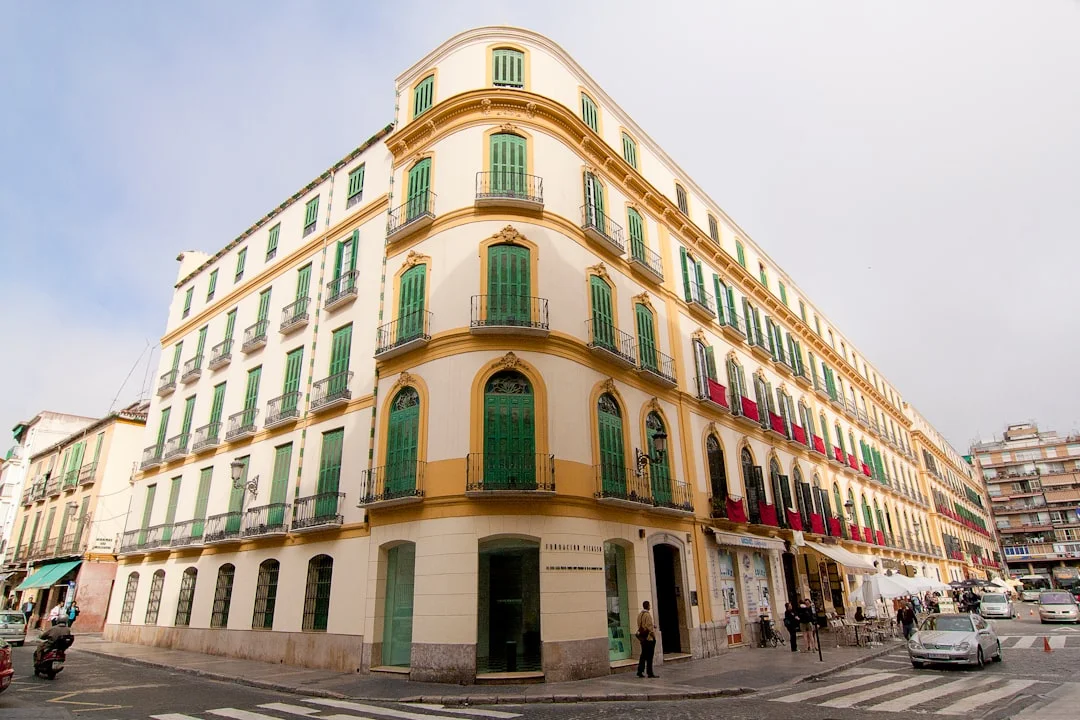
For decades, Málaga was synonymous with tourism, a sun-drenched gateway to the Costa del Sol. Today, a very different narrative is unfolding. The city is rapidly transforming into the undisputed economic powerhouse of southern Spain. For digital nomads, tech professionals drawn to the Málaga Tech Park’s top startups and new facilities, and investors, the decision to move here is no longer just about the lifestyle—it is backed by hard economic data.
Blog
-
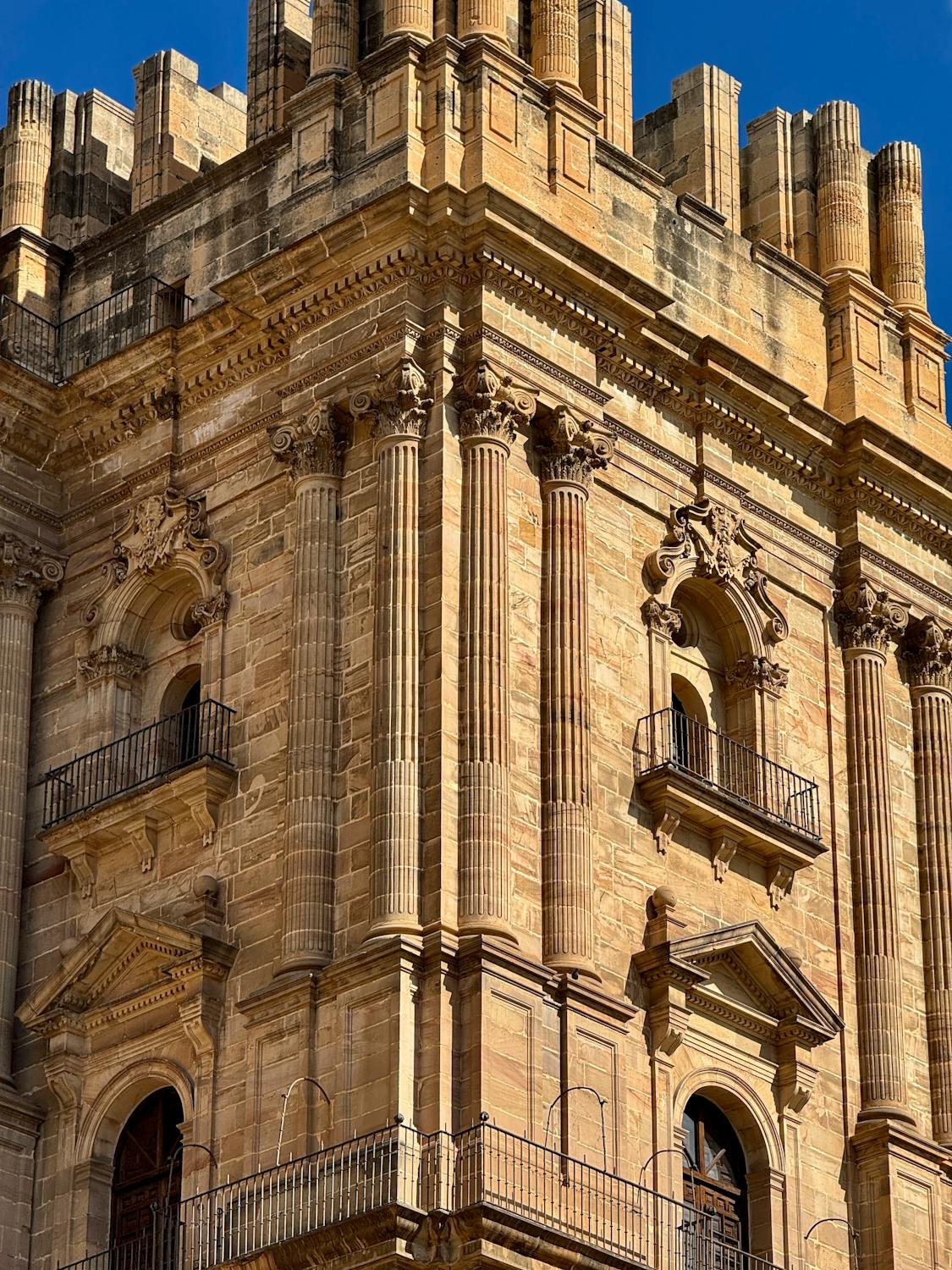
Kathedrale von Málaga: Dacharbeiten erreichen Halbzeit
Wenn Sie in Málaga leben oder die Stadt kürzlich besucht haben, ist Ihnen zweifellos das Gerüst aufgefallen, das die oberen Bereiche unserer geliebten Kathedrale umschließt. Das Gebäude, das wegen seines unvollendeten Südturms liebevoll La Manquita (die Einarmige) genannt wird, wird derzeit einem massiven, weithin sichtbaren Eingriff an seinem Dach unterzogen. Eine Zeit lang mochte es sich so anfühlen, als sei die Kathedrale dazu verdammt, eine ewige Baustelle zu sein. Es gibt jedoch hervorragende Neuigkeiten am Horizont.
Laut aktuellen Berichten über die städtischen Entwicklungen in der Diario Sur hat das ehrgeizige Projekt zur endgültigen Fertigstellung des Kathedralendachs offiziell die Halbzeit erreicht. Da 50 % der Strukturarbeiten nun hinter uns liegen, festigt sich der Zeitplan: Die Fertigstellung ist definitiv für Ende 2027 angesetzt.
Jahrzehntelange Wasserschäden
Um zu verstehen, warum dieses Projekt so wichtig ist, müssen Sie einen Blick auf die Geschichte des Gebäudes werfen. Als der Bau der Kathedrale im späten 18. Jahrhundert gestoppt wurde, blieb sie mit einem Flachdach zurück, das nie Teil des ursprünglichen Entwurfs war. Im Laufe der Jahrhunderte wurde diese flache Oberfläche zur Achillesferse des Gebäudes. Regenwasser sammelte sich an, sickerte durch den porösen Stein und verursachte erhebliche Schäden an den inneren Gewölben, was die unschätzbaren Kunstwerke und die strukturelle Integrität des Kirchenschiffs bedrohte.
Im Laufe der Jahrzehnte wurden verschiedene provisorische Reparaturen versucht, darunter eine umstrittene Keramikhaut, die in den frühen 2000er Jahren aufgetragen wurde, aber nichts konnte die Undichtigkeiten vollständig stoppen. Das aktuelle Projekt ist nicht nur eine Flickschusterei; es ist eine dauerhafte architektonische Lösung, die auf den Plänen von Ventura Rodríguez aus dem Jahr 1764 basiert und ein richtiges Satteldach umfasst, das Wasser effektiv ableiten wird.
Was der 50-Prozent-Meilenstein bedeutet
Das Erreichen der Halbzeitmarke Anfang 2026 ist für Denkmalschützer und Einheimische gleichermaßen ein großes Aufatmen. Die komplexe Holz- und Stahlkonstruktion, die das Skelett des neuen Daches bildet, nimmt über den Steingewölben sichtbar Gestalt an.
Die Logistik dieser Bauarbeiten ist atemberaubend. Materialien müssen hoch über das historische Stadtzentrum gehoben werden, ohne das tägliche Leben auf den Straßen darunter zu stören. Das Erreichen der 50-Prozent-Marke bedeutet, dass die anspruchsvollsten Vorbereitungsphasen – einschließlich der strukturellen Verstärkung und der sorgfältigen Entfernung alter, fehlerhafter Abdichtungsschichten – erfolgreich bewältigt wurden.
Ausblick auf Ende 2027
Für diejenigen, die sich fragen, wann die Bauarbeiten an der Kathedrale von Málaga abgeschlossen sein werden: Das Ziel ist das letzte Quartal 2027. Doch das Ende der Gerüstbauarbeiten wird mehr als nur einen trockenen Innenraum bringen.
Einer der aufregendsten Aspekte dieser Restaurierung ist, dass die neue Dachkonstruktion begehbar gestaltet wurde. Sobald die Arbeiten abgeschlossen sind, wird eine neue Phase der Dachbesichtigungen der Kathedrale von Málaga beginnen. Der Raum zwischen den historischen Steingewölben und dem neuen Außendach wird für die Öffentlichkeit zugänglich gemacht und bietet eine einzigartige architektonische Perspektive sowie beispiellose Panoramablicke über das historische Zentrum, die Alcazaba und das Mittelmeer.
Zuzusehen, wie ein jahrhundertealtes Monument eine derart massive Transformation durchläuft, erinnert uns daran, dass unsere Städte lebendige, atmende Organismen sind. Während das Gerüst unsere Fotos vorübergehend verdecken mag, ist das Wissen, dass La Manquita endlich das schützende Dach bekommt, das sie verdient, zutiefst beruhigend. Wir freuen uns auf den Tag Ende 2027, an dem wir über diese neuen Dachpfade spazieren und auf die Stadt blicken können, die diese herrlich unvollkommene Kathedrale seit Generationen liebt und beschützt.
-
Málaga Cathedral Roof Works Halfway to 2027 Completion
If you live in or have visited Málaga recently, you have undoubtedly noticed the scaffolding hugging the upper reaches of our beloved Cathedral. Affectionately known as La Manquita (The One-Armed Lady) due to her unfinished south tower, the building has been undergoing a massive, highly visible intervention on its roof. For a while, it might have felt like the Cathedral was destined to be perpetually under construction. However, there is excellent news on the horizon.
According to recent updates covering the city’s developments in Diario Sur, the ambitious project to finally complete the Cathedral’s roof has officially reached the halfway mark. With 50% of the structural work now behind us, the timeline is firming up: completion is definitively set for the end of 2027.
Decades of Water Damage
To understand why this project is so critical, you have to look back at the building’s history. When construction on the Cathedral was halted in the late 18th century, it was left with a flat roof that was never part of the original design. Over the centuries, this flat surface became the building’s Achilles’ heel. Rainwater pooled, seeped through the porous stone, and caused significant damage to the interior vaults, threatening the priceless artwork and structural integrity of the nave.
Various temporary fixes were attempted over the decades, including a controversial ceramic skin applied in the early 2000s, but nothing stopped the leaks entirely. The current project is not just a patch job; it is a permanent architectural solution based on the 1764 plans by Ventura Rodríguez, featuring a proper gabled roof that will shed water effectively.
What the 50% Milestone Means
Reaching the halfway point in early 2026 is a massive sigh of relief for heritage conservationists and locals alike. The complex wooden and steel framework that forms the skeleton of the new roof is visibly taking shape above the stone vaults.
The logistics of this construction are staggering. Materials have to be hoisted high above the historic city center without disrupting the daily life of the streets below. Reaching the 50% mark means the most challenging preliminary phases—including structural reinforcement and the careful removal of old, failed waterproofing layers—have been successfully navigated.
Looking Ahead to Late 2027
For those wondering when the Málaga Cathedral construction will finish, the target is the final quarter of 2027. But the end of the scaffolding will bring more than just a dry interior.
One of the most exciting aspects of this restoration is that the new roof structure has been designed to be walkable. Once the works conclude, a new phase of Málaga Cathedral roof visits will begin. The space between the historic stone vaults and the new exterior roof will be opened to the public, offering a unique architectural perspective and unprecedented panoramic views over the historic center, the Alcazaba, and the Mediterranean Sea.
Watching a centuries-old monument undergo such a massive transformation is a reminder that our cities are living, breathing things. While the scaffolding might temporarily obscure our photographs, knowing that La Manquita is finally getting the protective roof she deserves feels deeply reassuring. We look forward to the day in late 2027 when we can walk along those new rooftop pathways, looking out over the city that has loved and protected this gloriously imperfect cathedral for generations.
-

Málaga: 190-Millionen-Euro-Ausschreibung für IMEC-Zentrum
Seit Jahren wird Málagas Entwicklung zu einem südeuropäischen Technologie-Hub durch eine Mischung aus strategischen Unternehmensansiedlungen und optimistischen lokalen Narrativen vorangetrieben. Heute wandelt sich dieses Narrativ von spekulativem Potenzial zu greifbarer Infrastruktur – eine städtebauliche Dynamik, die neben hochmodernen Anlagen auch die fortschreitenden Restaurierungsarbeiten am Dach der historischen Kathedrale umfasst. Die spanische Regierung hat offiziell das Ausschreibungsverfahren für den Bau der Anlage des Interuniversity Microelectronics Centre (IMEC) eröffnet – ein Schritt, der die industrielle Ausrichtung der Stadt grundlegend verändert.
-
€190M Tender for Málaga’s IMEC Center
For years, Málaga’s evolution into a southern European technology hub has been fueled by a mix of strategic corporate arrivals and optimistic local narratives. Today, the narrative shifts from speculative potential to tangible infrastructure. The Spanish government has officially opened the bidding process for the construction of the Interuniversity Microelectronics Centre (IMEC) facility, a move that fundamentally alters the city’s industrial trajectory and complements a broader wave of urban development, ranging from cutting-edge innovation centers to the ongoing restoration of its historic cathedral’s roof.
-
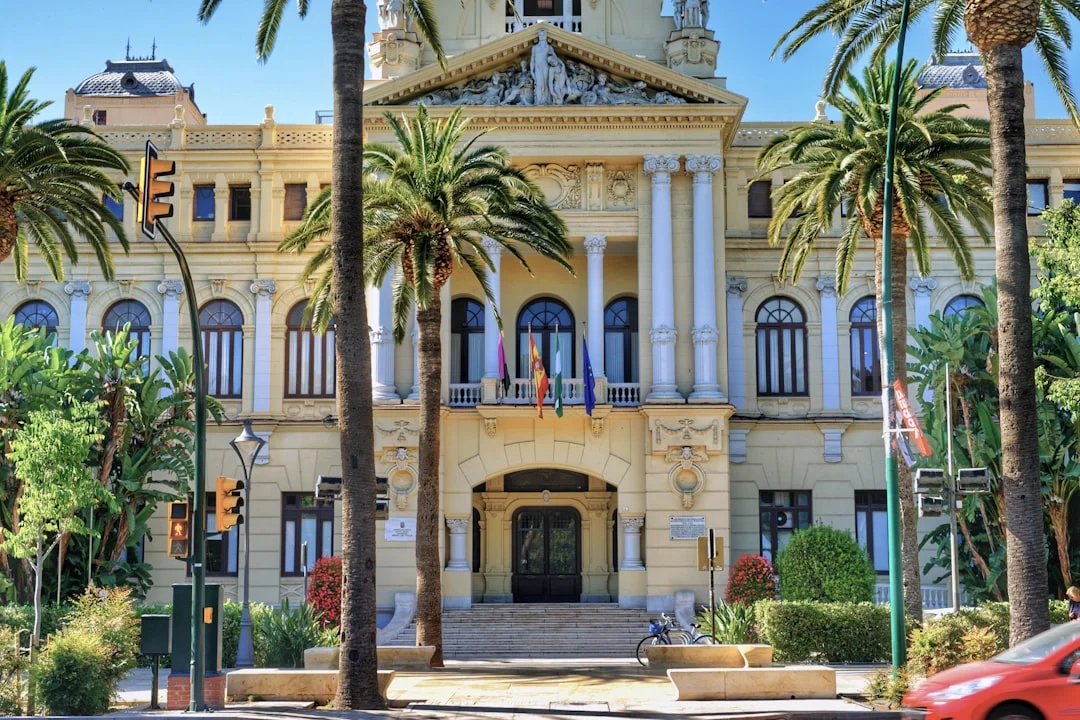
La Bocaná gewinnt lokalen Gastronomiepreis
Jenseits der Touristenfallen
Einen wirklich authentischen Ort im Herzen von Málaga zu finden, kann sich manchmal wie die Suche nach der Nadel im Heuhaufen anfühlen. Mit der boomenden Beliebtheit der Stadt ist das Zentrum voll von generischen Speisekarten und überteuertem Sangria. Aber für diejenigen, die bereit sind, etwas genauer hinzusehen, floriert die echte lokale Gastronomie. Hier kommt das La Bocaná ins Spiel, ein herausragendes Lokal, das sich schnell zu einem absoluten Muss für alle entwickelt hat, die gutes Essen und hervorragenden Wein schätzen.
Wenn Sie auf der Suche nach den besten Weinbars im Zentrum von Málaga sind, sollte dieser Ort ganz oben auf Ihrer Liste stehen.
Ein preisgekröntes Debüt: Der Premio Puerta Nueva
Es kommt nicht jeden Tag vor, dass ein neues Lokal in seinem ersten Jahr einen so großen Eindruck hinterlässt. Kürzlich wurde das La Bocaná mit dem renommierten Premio Puerta Nueva ausgezeichnet. Diese Auszeichnung wird vom Kontrollrat der Weine aus Málaga verliehen, um Lokale zu ehren, die ein außergewöhnliches Engagement für die Förderung und den Ausschank lokaler Weine zeigen.
Laut einem aktuellen Bericht in der Diario Sur hat sich das La Bocaná schnell als eines der einzigartigsten gastronomischen Projekte der Stadt etabliert. Der Gewinn dieser Auszeichnung im Eröffnungsjahr ist eine enorme Anerkennung der lokalen Gastronomieszene und der Beweis dafür, dass es sich auszahlt, die Dinge richtig zu machen – mit Fokus auf Qualität und regionalem Stolz.
Das ‘Abacería’-Erlebnis
Was genau macht das La Bocaná also so besonders? Es wird als Restaurant-Abacería betrieben. Falls Ihnen der Begriff nicht geläufig ist: Eine Abacería ist ein traditionelles spanisches Lebensmittelgeschäft, in dem Sie sich auch hinsetzen können, um die in den Regalen verkauften Produkte zu essen und zu trinken. Es ist ein hybrides Modell, das Frische und eine tiefe Verbundenheit zu den Zutaten garantiert.
Das erwartet Sie, wenn Sie durch die Türen treten:
- Eine kuratierte Weinkarte: Ihre Auswahl ist eine Liebeserklärung an die Provinz. Von spritzigen Weißweinen aus den Sierras de Málaga bis hin zu den komplexen, süßen Weinen der Axarquía weiß das Personal jedes Glas perfekt zu kombinieren.
- Erstklassige lokale Produkte: Freuen Sie sich auf unglaubliche regionale Käsesorten, Wurstwaren und saisonale Gerichte, bei denen die Zutaten für sich selbst sprechen.
- Unprätentiöse Atmosphäre: Trotz der Auszeichnungen bleibt die Stimmung herzlich, ungezwungen und unverkennbar Malagueño.
Warum wir es lieben
Wenn Sie sich die Bewertungen für das La Bocaná Málaga ansehen, werden Sie schnell einen Trend bemerken: Die Menschen schätzen die Ehrlichkeit dieses Ortes. Hier gibt es keine Augenwischerei. Das Team hinter der Bar kümmert sich aufrichtig darum, was sie Ihnen ins Glas einschenken. Sie nehmen sich die Zeit, die Herkunft des Weines und die Geschichte des Winzers zu erklären, und warum er so wunderbar zu einem einfachen Teller mit iberischem Schinken oder lokalem Ziegenkäse passt.
In einer Stadt, in der man leicht in die Falle von auffälligen, auf Instagram ausgerichteten Restaurants tappt, setzt das La Bocaná auf Substanz statt auf Show. Es ist praktisch, unkompliziert und unbestreitbar köstlich.
Ein Hoch auf lokale Aromen
Es ist immer wieder erfrischend zu sehen, wie lokale Unternehmen erfolgreich sind, indem sie ihren Wurzeln treu bleiben. Orte wie das La Bocaná erinnern uns daran, warum wir uns überhaupt in die Gastronomieszene von Málaga verliebt haben – es geht um Gemeinschaft, geteilte Tische und einen tiefen Respekt für das Land. Egal, ob Sie ein Einheimischer auf der Suche nach einem neuen Wochenend-Treffpunkt sind oder ein Besucher, der das echte Málaga schmecken möchte: Wenn man sich hier auf einen Hocker setzt, fühlt es sich an wie nach Hause zu kommen. Bleibt zu hoffen, dass noch mehr Lokale ihrem Beispiel folgen und sich für die unglaublichen Weine und Produkte einsetzen, die unsere Region zu bieten hat.
-
La Bocaná Wins Major Gastronomy Award
Finding a truly authentic spot in the heart of Málaga can sometimes feel like searching for a needle in a haystack. With the city’s booming popularity and an unprecedented surge in local business creation, the center is packed with generic menus and overpriced sangria. But for those willing to look a little closer, genuine local gastronomy is thriving. Enter La Bocaná, a standout venue that has quickly become a must-visit for anyone serious about good food and great wine.
-
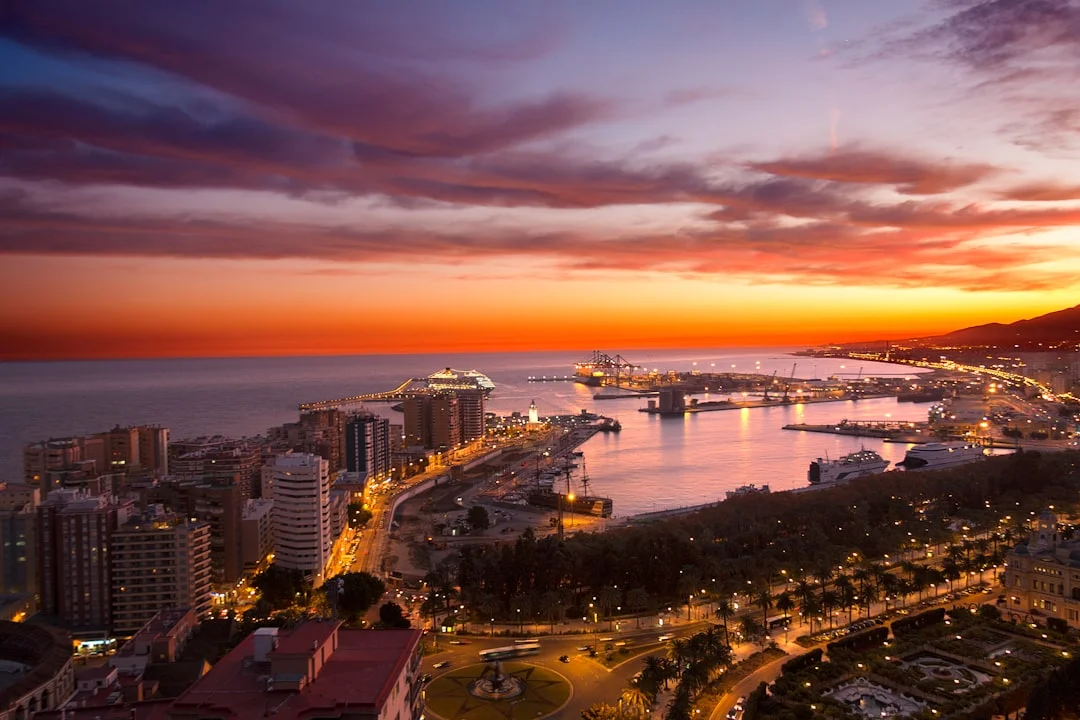
Málagas Tech-Ökosystem boomt: Top-Start-ups & Netzwerk
Málagas Entwicklung zum „Silicon Valley Europas“ nimmt weiter Fahrt auf. Für digitale Nomaden, Tech-Experten und Risikokapitalgeber ist die Stadt längst nicht mehr nur ein reines Lifestyle-Ziel; sie ist ein heranreifendes Ökosystem, das sich durch starke institutionelle Unterstützung und hohes Wachstumspotenzial auszeichnet. Jüngste Entwicklungen Anfang 2026 unterstreichen diesen Wandel, hervorgehoben durch die nationale Anerkennung lokaler Unternehmen, einen beispiellosen Boom an Neugründungen und den strategischen Start eines einheitlichen Unterstützungsnetzwerks.
-
Málaga Tech Ecosystem: Top Startups & New Network Launch
Málaga’s trajectory as the “Silicon Valley of Europe” continues to accelerate. For digital nomads, tech professionals, and venture capitalists, the city is no longer just a lifestyle destination; it is a maturing ecosystem characterized by robust institutional support and high-growth potential. Recent developments in early 2026 underscore this shift, highlighted by national recognition for local enterprises and the strategic launch of a unified support network.
National Recognition for Málaga TechPark Startups
Data from the Association of Science and Technology Parks of Spain (APTE) confirms the competitive edge of Málaga-based companies. In a recent comprehensive evaluation of the national innovation landscape, three startups operating out of Málaga TechPark secured positions among the top 100 projects in Spain.
According to El Español, these companies demonstrated exceptional scalability, technological differentiation, and market viability. This recognition serves as a critical indicator for those researching the best startups Malaga 2026 has to offer. The inclusion of these local projects in a highly competitive national ranking validates the infrastructure and talent pool fostered within Málaga TechPark, proving that the region can incubate high-performance tech enterprises capable of competing on a broader European stage.
The Launch of the Málaga Startup Network
To sustain this momentum, local institutions and private entities have established a new collaborative framework. The newly launched ‘Málaga Startup Network’ aims to consolidate the fragmented innovation ecosystem into a cohesive, high-functioning unit.
As detailed by the Málaga TechPark official announcement, this initiative is designed to strengthen collaboration between early-stage entrepreneurs, established corporations, and innovation entities. The network is actively inviting all organizations related to business innovation to join its ranks. By centralizing resources, mentorship, and capital flow, the network intends to boost the provincial economy and streamline the path from seed funding to market expansion.
Opportunities for Investors and Professionals
The maturation of this ecosystem presents clear, actionable opportunities.
- Investing in Malaga tech: The structural improvements brought by the Málaga Startup Network lower the barrier to entry for angel investors and venture capital firms. With a centralized hub for vetted startups, due diligence becomes more efficient, and access to high-potential deal flow increases.
- Networking events Malaga TechPark: The formation of the new network will naturally lead to an increase in structured meetups, pitch days, and collaborative workshops. For digital nomads and remote workers relocating to the Costa del Sol, these events provide essential entry points into the local economy, facilitating partnerships and talent acquisition.
The strategic alignment of government support, academic institutions, and private enterprise creates a low-risk, high-reward environment. As the ecosystem scales, early participants—whether founders, developers, or investors—stand to benefit from the compounding growth of the region’s tech infrastructure.
It is inspiring to watch a city known primarily for its sun and sea transform into a serious contender on the global tech stage. The dedication of local founders and the collaborative spirit driving these new initiatives suggest that Málaga’s brightest days are ahead, building a sustainable, innovative future that benefits both newcomers and the local community alike.
-
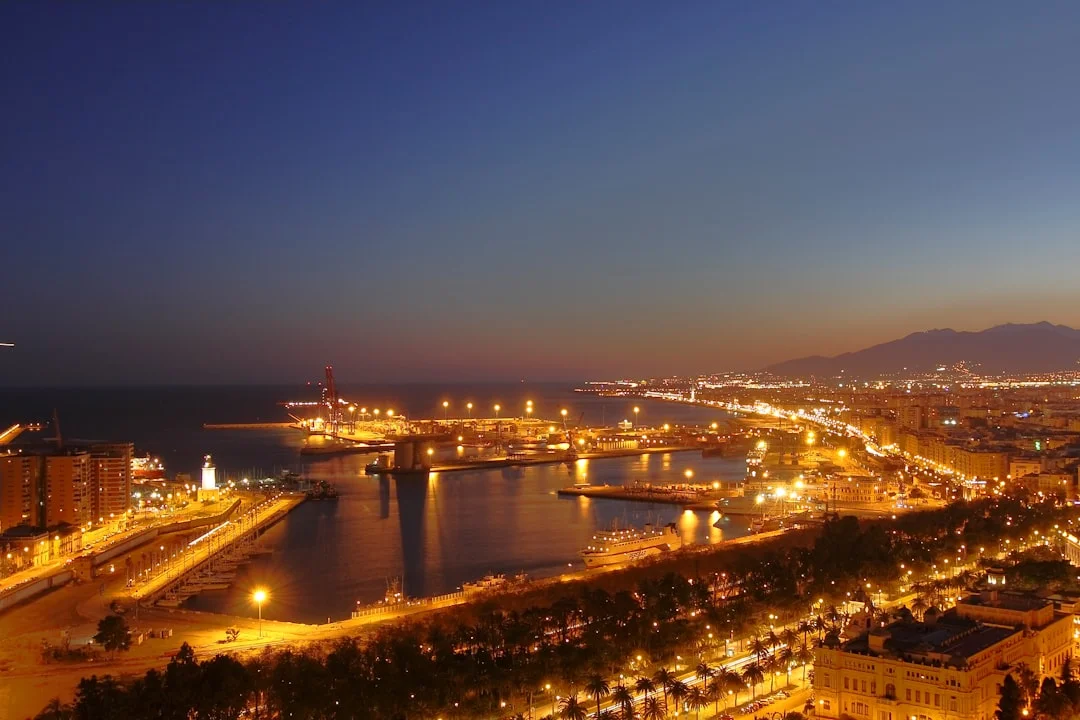
Hafen von Málaga: 200-Millionen-Euro-Luxushotel
Seit Jahrhunderten dient der Hafen von Málaga als schlagendes Herz des Seehandels der Stadt und heißt Schiffe aus dem gesamten Mittelmeerraum und darüber hinaus willkommen. Heute erlebt diese historische Hafenpromenade eine architektonische und wirtschaftliche Renaissance, die das moderne Gesicht der Metropole ebenso prägt wie Málagas rasant wachsendes Tech-Ökosystem und seine neuen Startup-Netzwerke. Weit über seine Ursprünge als einfacher Verkehrsknotenpunkt hinaus entwickelt sich das Hafengebiet stetig zu einer der elegantesten Enklaven Südeuropas. Im Zentrum dieser laufenden Umgestaltung steht ein atemberaubendes 200-Millionen-Euro-Megaprojekt, das verspricht, den Status der Stadt auf der Landkarte des globalen Luxustourismus aufzuwerten.