Category: Things to do

Activities and experiences in Málaga

  • Juanjo Fuentes Exhibition: Free Art in Málaga Center

    Juanjo Fuentes Exhibition: Free Art in Málaga Center

    If you are looking for excellent free things to do in Malaga in July 2026, perhaps while visiting the city as the Málaga hotel sector booms with luxury openings, there is a brand-new cultural escape waiting for you right in the heart of the city. The Salas Mingorance, located within the Municipal Archive (Archivo Municipal), is currently hosting a brilliant solo exhibition by the renowned artist Juanjo Fuentes.

    This free exhibition offers a refreshing, air-conditioned sanctuary from the midday heat while showcasing a stunning dialogue between traditional craftsmanship and contemporary digital art.

    The Fusion of Porcelain and Digital Collage

    Juanjo Fuentes is celebrated for his bold aesthetic, and this latest showcase does not disappoint. The exhibition seamlessly blends two seemingly opposite mediums: delicate, classical porcelain pieces and vibrant, cutting-edge digital collages.

    According to a feature by La Opinión de Málaga, the collection invites viewers into a colorful, surreal world where historical iconography meets modern pop culture. The meticulous detail in the porcelain figures contrasts beautifully with the layered, thought-provoking narratives of the digital collages lining the walls. It is an exhibition that feels both nostalgic and intensely forward-looking.

    Why It’s the Perfect Midday Escape

    During the peak of summer, exploring Malaga’s outdoor sights between 12:00 and 17:00 can be exhausting. Taking a break inside one of the city’s air-conditioned museums and galleries is a favorite local secret.

    • Cool Environment: The Salas Mingorance are fully air-conditioned, making it an ideal spot to lower your body temperature while enjoying high-quality local art.
    • Central Location: Situated right on the Alameda Principal, it is just a short walk from Calle Larios, the port, and the main historic monuments.
    • Quick & Inspiring: You can easily enjoy the entire collection in 30 to 45 minutes, making it a perfect addition to a day of sightseeing or shopping.

    Practical Information & Opening Hours

    Planning your visit is straightforward. The exhibition is entirely free to enter and will remain open to the public until September 27, 2026.

    Salas Mingorance Malaga Opening Hours:

    • Monday to Friday: 10:00 to 13:00 and 18:00 to 21:00
    • Saturdays, Sundays, and Holidays: 10:00 to 13:00
    • Address: Archivo Municipal de Málaga, Alameda Principal, 23, 29001 Málaga
    • Admission: Free

    Whether you are a long-time resident looking for fresh local talent or a traveler seeking a quiet, inspiring moment away from the crowds, Juanjo Fuentes’ exhibition is highly recommended. It is a vivid reminder of Malaga’s thriving, accessible contemporary art scene.

    We hope this quiet corner of the Alameda brings you as much inspiration and cool relief as it does to us. There is always something beautiful waiting to be discovered just behind the heavy stone doors of our city’s historic archives.

  • Carmen Thyssen Malaga Opens Free on Thursday Nights

    Carmen Thyssen Malaga Opens Free on Thursday Nights

    When summer temperatures in Malaga climb, outdoor sightseeing during the day becomes a challenge. Fortunately, the city’s vibrant cultural scene is adapting to the climate by shifting its activities to the cooler evening hours. For locals, expats, and visitors looking for a perfect post-sunset plan, the Carmen Thyssen Museum Malaga has introduced an ideal solution.

    Under the initiative ‘Noches Coanfi en el Thyssen’, the museum is opening its doors completely free of charge during select Thursday nights this summer. It is a fantastic opportunity to enjoy world-class art without the daytime heat or the usual ticket price, especially for visitors navigating the city’s changing accommodation landscape now that Malaga has banned new tourist apartments on residential land.

    Key Dates and Times for 2026

    To plan your visit, keep these specific dates and times in mind:

    • When: Every Thursday night in July 2026, as well as the first two Thursdays of August (specifically August 6 and August 13, 2026).
    • Hours: The free-entry period runs from 20:00 to 23:00 (8:00 PM to 11:00 PM).
    • Cost: Completely free; no advance booking is required to access the galleries during these hours.

    According to the local events roundup by Diario Sur, this initiative is one of the standout free cultural plans available in the province this summer, offering a refreshing alternative to traditional nightlife.

    What Can You See During the Free Hours?

    This is not a scaled-back visit. Late-night guests have access to the museum’s most significant spaces, making it a comprehensive cultural experience:

    1. The Permanent Collection: Housed within the beautiful 16th-century Palacio de Villalón, the collection features an incredible survey of 19th-century Spanish and Andalusian painting, showcasing works by master artists like Joaquín Sorolla, Francisco de Zurbarán, and Julio Romero de Torres.
    2. The Archaeological Site: Located beneath the palace, this underground space reveals Roman remains dating back to the 1st to 5th centuries AD, including the fascinating underground Roman villa and fish-salting basins.
    3. Temporary Exhibitions: Visitors can also explore three temporary exhibitions currently running at the museum, including the highly anticipated ‘Archipiélago’ exhibition, which explores contemporary artistic dialogues.

    Practical Tips for Your Visit

    • Arrive Early but Expect a Queue: Because this is a free event in the heart of the historic center, expect a brief queue outside the palace doors. Arriving shortly before 20:00 is highly recommended.
    • Combine Art with Tapas: The museum is located on Calle Compañía, just steps away from Plaza de la Constitución. It is the perfect starting point for a late-night tapas run once the galleries close at 23:00.
    • Dress Comfortably: While the museum interior is perfectly air-conditioned (a welcome relief from the summer humidity), the streets of Malaga will still be warm, so light clothing and comfortable walking shoes are key.

    Taking advantage of these late-night openings is one of the best ways to experience Malaga like a local. There is something uniquely peaceful about wandering through quiet, air-conditioned galleries while the bustling city outside slowly winds down from the heat of the day. We hope this initiative brings a touch of fresh air and inspiration to your summer evenings in our beautiful city.

  • 15 Kunstausstellungen, die Sie heute in Málaga entdecken können

    15 Kunstausstellungen, die Sie heute in Málaga entdecken können

    Málaga hat sein altes Image, nur ein sonniges Tor zur Costa del Sol zu sein, offiziell abgelegt. Heute präsentiert sich die Stadt stolz als Kulturhauptstadt Südspaniens. Ob Sie nun als neu zugezogener Einwohner Fuß fassen möchten oder als Reisender einen anspruchsvollen Nachmittag verbringen wollen – vielleicht auch, um der extremen Hitze von bis zu 46 °C in Málaga zu entkommen – das künstlerische Angebot der Stadt ist überwältigend.

    An jedem beliebigen Tag können Sie erstklassige Galerien, unabhängige Werkstätten und experimentelle Räume betreten. Laut den aktuellen Kulturkalendern auf Hoy Málaga gibt es derzeit mindestens 15 unglaubliche Sommer-Kunstausstellungen und Räume zu entdecken.

    Hier ist Ihr kuratierter Leitfaden, um sich heute in den besten Kunsträumen von Málaga zurechtzufinden.

    Die internationalen Schwergewichte

    1. Museo Picasso Málaga: Die lokale Legende

    Man kann nicht über Kunst in Málaga sprechen, ohne mit dem berühmtesten Sohn der Stadt zu beginnen. Die im wunderschönen Palacio de Buenavista untergebrachte Sammlung des Museums zeigt Picassos sich entwickelnde Stile, vom Klassizismus bis zum Kubismus. Es ist ein tief persönlicher Blick auf seine Beziehung zu seiner Heimatstadt.

    2. Centre Pompidou Málaga: Moderne unter dem Kubus

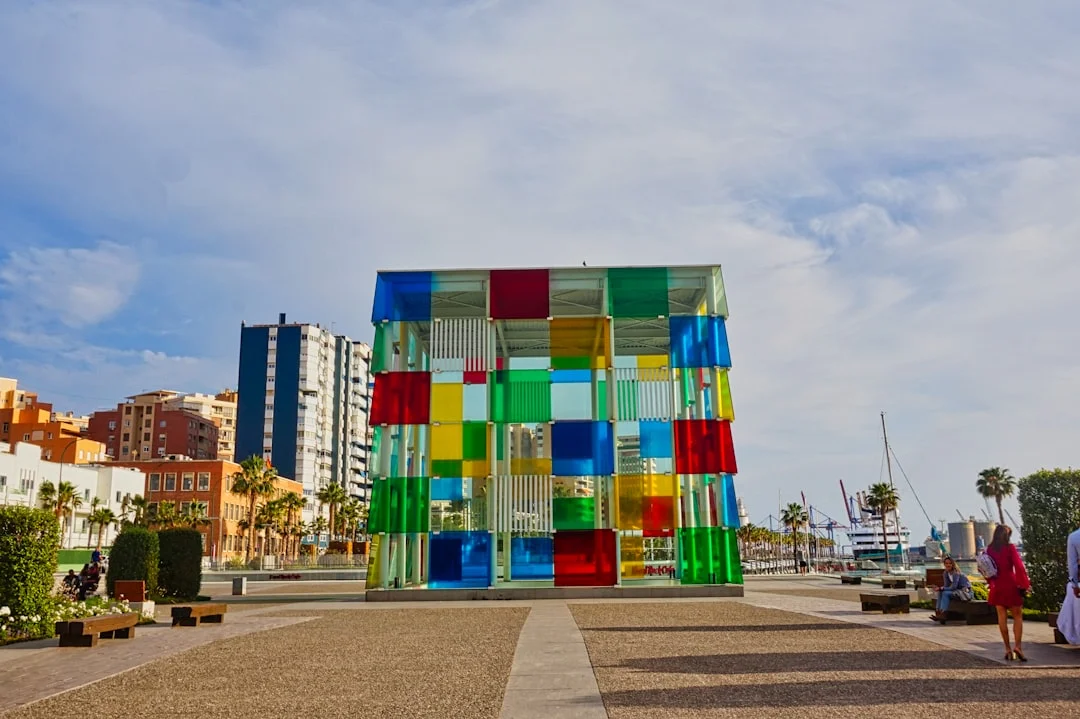
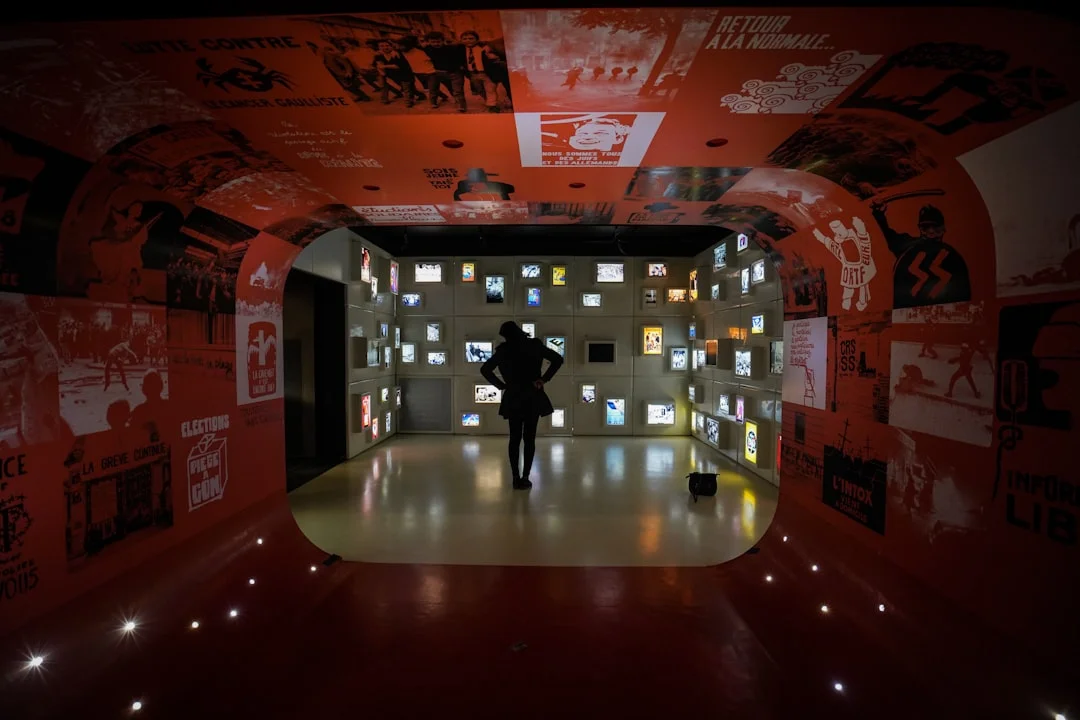
    Unter dem ikonischen Glaskubus im Muelle Uno gelegen, bietet die Málager Außenstelle des Pariser Kunstgiganten eine außergewöhnliche Reise durch die Kunst des 20. und 21. Jahrhunderts. Die aktuelle semi-permanente Ausstellung erforscht Themen wie Identität, Industrialisierung und moderne Architektur durch beeindruckende Multimedia-Installationen.

    3. Museo Carmen Thyssen: Spanische Meisterwerke des 19. Jahrhunderts

    Untergebracht im Palacio de Villalón aus dem 16. Jahrhundert, beherbergt dieses Museum eine außergewöhnliche Sammlung andalusischer und spanischer romantischer Malerei. Es ist der perfekte Ort, um das Licht, die Folklore und die Landschaften Südspaniens durch historische Pinselstriche zu verstehen.

    4. Colección del Museo Ruso: Unbeugsame Kunst

    Dieser im historischen Tabacalera-Gebäude untergebrachte Raum präsentiert weiterhin atemberaubende Wechselausstellungen. Mit seinem Fokus auf klassische und zeitgenössische slawische Kunst, Avantgarde-Bewegungen und historische Retrospektiven bleibt er einer der einzigartigsten Räume der Stadt.

    Zeitgenössische & alternative Zentren

    5. CAC Málaga: Wegweisende Gegenwartskunst

    Das Centro de Arte Contemporáneo (CAC) am Rande des Viertels Soho ist ein Muss für Liebhaber von Street-Art, Fotografie und Bildhauerei. Es zeigt regelmäßig Einzelausstellungen von international renommierten modernen Künstlern sowie lokalen spanischen Talenten.

    6. La Térmica: Avantgarde und Experimentelles

    Etwas außerhalb des Stadtzentrums gelegen, wurde dieses ehemalige Industriegebäude in ein florierendes Kulturzentrum verwandelt. La Térmica beherbergt alles von zeitgenössischen Fotografie-Ausstellungen über Grafikdesign-Präsentationen bis hin zu offenen Ateliers von Artists-in-Residence.

    7. CAC Málaga – La Coracha: Kunst am Berghang

    Direkt unterhalb des Castillo de Gibralfaro gelegen, widmet sich diese Außenstelle des CAC-Hauptmuseums in erster Linie der Förderung aufstrebender lokaler Künstler. Die historische Backsteinarchitektur bildet einen wunderschönen Kontrast zu der modernen, oft experimentellen Kunst im Inneren.

    8. MUPAM (Museo del Patrimonio Municipal)

    Am Fuße der Alcazaba gelegen, schlägt das städtische Denkmalmuseum (MUPAM) die Brücke zwischen Málagas Geschichte und seinen zeitgenössischen Schöpfern. In seinen Sälen für Wechselausstellungen werden häufig lokale Künstler gewürdigt, die die visuelle Identität der Stadt geprägt haben.

    Historische & institutionelle Galerien

    9. Museo de Málaga: Schöne Künste im Zollpalast

    Der Palacio de la Aduana beherbergt die archäologischen Schätze der Stadt neben einer beeindruckenden Kunstsammlung. In den oberen Stockwerken sind atemberaubender spanischer Realismus des 19. Jahrhunderts und Werke der frühen Moderne zu sehen, die oft übersehen werden, aber absolut lohnenswert sind.

    10. Museo Casa Natal de Picasso: Wo alles begann

    Das an der Plaza de la Merced gelegene Geburtshaus Picassos aus dem Jahr 1881 bietet mehr als nur Erinnerungsstücke. Es zeigt wechselnde Sonderausstellungen seiner grafischen Arbeiten, Keramiken und Werke seiner Zeitgenossen.

    11. Ateneo de Málaga: Bürgerkunst im Herzen der Stadt

    An der historischen Plaza de la Constitución ist das Ateneo ein wichtiger gesellschaftlicher Raum. Seine Ausstellungsräume zeigen häufig anregende Fotografie, politische Kunst und zeitgenössische Installationen regionaler Kunstschaffender.

    12. Sociedad Económica de Amigos del País

    Ebenfalls an der Plaza de la Constitución gelegen, veranstaltet diese historische Institution aus dem 18. Jahrhundert Ausstellungen klassischer und zeitgenössischer Malerei in einem wunderbar stimmungsvollen Saal mit hohen Decken.

    Soho & unabhängige Räume

    13. La Casa Amarilla: Das Herz der lokalen Szene

    Wenn Sie sehen möchten, wo sich Málagas aktive Künstler tatsächlich treffen, sollten Sie La Casa Amarilla im Viertel Soho besuchen. Teils Galerie, teils Werkstatt, ermöglicht dieser unabhängige Raum den Kauf von originaler, erschwinglicher Kunst direkt von den Schöpfern.

    14. Galería Isabel Hurley: Hochkarätige zeitgenössische Kunst

    Für einen tiefen Einblick in den kommerziellen zeitgenössischen Kunstmarkt präsentiert diese Galerie avantgardistische nationale und internationale Künstler. Die Ausstellungen hier sprengen oft Grenzen mit Konzeptkunst, Videoinstallationen und experimenteller Bildhauerei.

    15. Archivo Municipal: Geschichte und Fotografie

    Das Stadtarchiv an der Alameda Principal öffnet regelmäßig seinen Innenhof und seine Ausstellungshallen für die Öffentlichkeit. Es ist ein fantastischer Ort, um historische Fotografie-Ausstellungen zu sehen, die Málagas Wandel im Laufe der Jahrzehnte dokumentieren.

    Praktische Tipps für Ihre Kunst-Tour

    • Öffnungszeiten prüfen: Viele kleinere Galerien und städtische Räume sind montags geschlossen. Große Museen wie das Picasso und Pompidou sind täglich geöffnet.
    • Sonntagsrabatte: Mehrere große Museen bieten am Sonntagnachmittag freien Eintritt (meist in den letzten beiden Öffnungsstunden).
    • Street-Art in Soho: Beschränken Sie Ihre Kunstbetrachtung nicht nur auf Innenräume. Das Viertel Soho selbst ist eine Freiluftgalerie mit riesigen Wandgemälden weltberühmter Künstler wie Obey und D*Face.

    Wir hoffen, dass dieser Leitfaden Sie dazu inspiriert, abseits der ausgetretenen Pfade zu wandeln und sich in den Farben, Texturen und Ideen zu verlieren, die unsere Stadt heute prägen. Málagas Schönheit liegt nicht nur in der warmen Meeresbrise, sondern auch im lebendigen, kreativen Geist der Menschen, die hier zu Hause sind. Viel Spaß beim Entdecken!

  • 15 Art Exhibitions to Discover Today in Málaga

    15 Art Exhibitions to Discover Today in Málaga

    Málaga has officially shed its old reputation as just a sunny gateway to the Costa del Sol. Today, it stands proud as the cultural capital of Southern Spain. Whether you are a newly arrived resident finding your feet or a traveler seeking a refined afternoon indoors to escape the extreme heat of up to 46°C, the city’s artistic offering is staggering.

    On any given day, you can step into world-class galleries, independent workshops, and experimental spaces. According to the active cultural listings on Hoy Málaga, there are at least 15 incredible summer art exhibitions and spaces to discover right now.

    Here is your curated guide to navigating Málaga’s best art spaces today.

    The International Heavyweights

    1. Museo Picasso Málaga: The Local Legend

    You cannot talk about art in Málaga without starting with its most famous son. Located in the beautiful Palacio de Buenavista, the museum’s collection showcases Picasso’s evolving styles, from classicism to cubism. It is a deeply personal look at his relationship with his hometown.

    2. Centre Pompidou Málaga: Modernity Under the Cube

    Situated beneath the iconic glass cube at Muelle Uno, the Málaga branch of the Parisian giant offers an exceptional journey through 20th and 21st-century art. The current semi-permanent exhibition explores themes of identity, industrialization, and modern architecture through striking multimedia installations.

    3. Museo Carmen Thyssen: 19th-Century Spanish Masterpieces

    Housed in the 16th-century Palacio de Villalón, this museum holds an extraordinary collection of Andalusian and Spanish romantic paintings. It is the perfect place to understand the light, folklore, and landscapes of Southern Spain through historical brushstrokes.

    4. Colección del Museo Ruso: Resilient Art

    Located in the historic Tabacalera building, this space continues to present breathtaking temporary exhibitions. Focusing on classic and contemporary Slavic art, avant-garde movements, and historical retrospectives, it remains one of the city’s most unique spaces.

    Contemporary & Alternative Hubs

    5. CAC Málaga: Cutting-Edge Contemporary

    The Centro de Arte Contemporáneo (CAC), located on the edge of the Soho district, is a must-visit for lovers of street art, photography, and sculpture. It regularly hosts solo exhibitions by internationally acclaimed modern artists alongside local Spanish talent.

    6. La Térmica: Avant-Garde and Experimental

    Slightly outside the city center, this former industrial space has been converted into a thriving cultural powerhouse. La Térmica hosts everything from contemporary photography exhibitions to graphic design showcases and artist-in-residence open studios.

    7. CAC Málaga – La Coracha: Art on the Hillside

    Nestled just below the Gibralfaro Castle, this annex of the main CAC museum is dedicated primarily to promoting emerging local artists. The historic brick architecture contrasts beautifully with the modern, often experimental art inside.

    8. MUPAM (Museo del Patrimonio Municipal)

    Located at the foot of the Alcazaba, the Municipal Heritage Museum bridges the gap between Málaga’s history and its contemporary creators. Its temporary halls frequently highlight local artists who have shaped the city’s visual identity.

    Historic & Institutional Galleries

    9. Museo de Málaga: Fine Arts at the Customs Palace

    The Palacio de la Aduana houses the city’s archaeological treasures alongside an impressive fine arts collection. The top floors feature stunning 19th-century Spanish realism and early modern works that are often overlooked but deeply rewarding.

    10. Museo Casa Natal de Picasso: Where It All Began

    Located in Plaza de la Merced, the house where Picasso was born in 1881 offers more than just memorabilia. It hosts rotating temporary exhibitions of his graphic works, ceramics, and pieces by his contemporaries.

    11. Ateneo de Málaga: Civic Art in the Heart of Town

    In the historic Plaza de la Constitución, the Ateneo is a vital civic space. Its exhibition rooms frequently showcase thought-provoking photography, political art, and contemporary installations by regional creators.

    12. Sociedad Económica de Amigos del País

    Also situated in Plaza de la Constitución, this historic 18th-century institution hosts classical and contemporary painting exhibitions in a wonderfully atmospheric, high-ceilinged hall.

    Soho & Independent Spaces

    13. La Casa Amarilla: The Heart of the Local Scene

    If you want to see where Málaga’s working artists actually hang out, head to La Casa Amarilla in the Soho district. Part gallery, part workshop, this independent space allows you to buy original, affordable art directly from the creators.

    14. Galería Isabel Hurley: High-End Contemporary Art

    For a deep dive into the commercial contemporary art market, this gallery showcases avant-garde national and international artists. The exhibitions here often push boundaries with conceptual art, video installations, and experimental sculpture.

    15. Archivo Municipal: History and Photography

    The Municipal Archive, located on Alameda Principal, regularly opens its courtyard and exhibition halls to the public. It is a fantastic spot to catch historical photography exhibitions documenting Málaga’s transformation over the decades.

    Practical Tips for Your Art Crawl

    • Check the Hours: Many smaller galleries and municipal spaces close on Mondays. Major museums like the Picasso and Pompidou remain open daily.
    • Sunday Discounts: Several major museums offer free entry on Sunday afternoons (usually during the last two hours of operation).
    • Soho Street Art: Don’t limit your art viewing to the indoors. The Soho neighborhood itself is an open-air gallery, featuring massive murals by world-famous artists like Obey and D*Face.

    We hope this guide inspires you to step off the beaten path and lose yourself in the colors, textures, and ideas shaping our city today. Málaga’s beauty lies not just in its warm sea breeze, but in the vibrant creative spirit of the people who call it home. Happy exploring!
  • MIMMA Malaga Launches Daily Summer Music Workshops

    MIMMA Malaga Launches Daily Summer Music Workshops

    As the July and August temperatures soar in Málaga, finding engaging, air-conditioned indoor activities for the family becomes a top priority. While the beaches and chiringuitos are perfect for the morning and late evening, finding the best family-friendly activities in Málaga during the midday sun requires a cooler strategy.

    Fortunately, alongside the city’s vibrant summer art exhibitions, the Museo Interactivo de la Música Málaga (MIMMA) has launched a fantastic solution to keep children entertained, educated, and cool this summer.

    Hands-On Music for the Whole Family

    Unlike traditional museums where the golden rule is “do not touch,” MIMMA is famous for its interactive philosophy. The museum features several “Se ruego tocar” (Please play) rooms, where visitors of all ages are actively encouraged to try out different musical instruments, making it a fantastic experience to combine with the many vibrant art exhibitions to discover today in Málaga.

    For the summer 2026 season, the museum has stepped up its programming to offer specialized, educational guided visits designed specifically for families. According to a report by Andalucía Información, these interactive sessions are designed to stimulate children’s curiosity and creativity through direct contact with music.

    Summer 2026 Schedule & Details

    To accommodate both locals and the influx of summer tourists, MIMMA has structured its special summer programming to be highly accessible:

    • July 2026: The interactive family visits are held every weekend.
    • August 2026: The program expands to every single day, offering a reliable daily escape from the afternoon heat.
    • What to expect: Guided tours led by museum educators who adapt the experience to the ages of the participating children. Families will explore the history of music, learn how different instruments produce sound, and get to play them firsthand.

    Why MIMMA is a Summer Lifesaver for Parents

    Located in the heart of the historic center on Calle Beatas, MIMMA is housed in the beautiful 18th-century Palacio de las Conde de las Navas. It is easily reachable on foot from major central landmarks like Calle Larios or the Plaza de la Merced.

    Beyond the educational value, it offers a highly sensory experience. Children can experiment with string, wind, and percussion instruments, discovering how rhythm and melody work in a low-pressure, fun environment. It is an excellent way to break up a day of sightseeing without hearing the dreaded “I’m bored,” making it one of the top indoor family plans in Málaga.

    Practical Information for Your Visit

    • Location: Calle Beatas, 15, 29008 Málaga.
    • Best time to visit: Mid-afternoon, when the outdoor temperatures peak and you need a couple of hours of air-conditioned comfort.
    • Booking: While you can often buy tickets at the door, booking online in advance is highly recommended during the peak months of July and August to secure your spot for the daily workshops.

    Taking a break from the sun doesn’t mean the holiday fun has to stop. Sharing a moment of musical discovery with your kids might just be the unexpected highlight of your summer in Málaga. We hope this cool sanctuary brings some harmony and joy to your family’s warm summer days.

  • Geheimes Málaga: Fünf versteckte Pfade und lokale Routen

    Geheimes Málaga: Fünf versteckte Pfade und lokale Routen

    Während Málagas pulsierendes Stadtzentrum, die historische Alcazaba und die sonnigen Strände jedes Jahr Millionen von Besuchern anziehen, gibt es auch eine ruhigere, geheimnisvollere Seite der Provinz. Abseits der belebten Terrassen der Calle Larios erwarten Sie jahrhundertealte Meisterwerke der Ingenieurskunst, von der Gemeinschaft gestaltete Viertel voller Kunst und raue Bergpfade, etwa im Torcal de Antequera, wo vor Kurzem die Wiedereröffnung des örtlichen Campingplatzes genehmigt wurde.

    Ob Sie nun als Einwohner im Jahr 2026 Ihre eigene Heimat neu entdecken möchten oder als Reisender auf der Suche nach einem authentischen Erlebnis sind – die Erkundung einiger der besten versteckten Wanderrouten Málagas wird Ihnen eine völlig andere Seite der Provinz zeigen.

    1. Die Streetart-Route durch Lagunillas

    Die meisten Besucher zieht es in das Viertel Soho, um die großflächigen Wandgemälde internationaler Künstler zu bewundern. Wenn Sie jedoch das unverfälschte, von der Gemeinschaft geprägte Herz der urbanen Kunstszene Málagas erleben möchten, müssen Sie sich nach Norden in Richtung Lagunillas begeben.

    Nur wenige Gehminuten von der Plaza de la Merced entfernt liegt Lagunillas, ein Viertel, das sich der rasanten Gentrifizierung durch kreativen Selbstausdruck widersetzt hat.

    • Was Sie sehen werden: Wandgemälde, die lokalen Legenden gewidmet sind (wie dem beliebten Sänger Chiquito de la Calzada), farbenfrohe Porträts aus der Nachbarschaft und politische Kommentare, die direkt auf die Mauern historischer, verfallender Gebäude gemalt wurden.
    • Wie man es erkundet: Starten Sie in der Calle Lagunillas und schlendern Sie durch die engen Seitenstraßen wie die Calle Cruz Verde. Am besten erkunden Sie das Viertel tagsüber, wenn Leben in den Straßen herrscht und Sie mit Einheimischen ins Gespräch kommen können, die oft gerne die Geschichten hinter den Kunstwerken erzählen.

    2. Die Wanderung am Aquädukt von San Telmo

    Das Ende des 18. Jahrhunderts erbaute Acueducto de San Telmo galt einst als eines der bedeutendsten wasserbaulichen Projekte in Europa. Auf einer Länge von über 10 Kilometern leitete es frisches Wasser vom Fluss Guadalmedina direkt in das Herz von Málaga.

    Während Teile des Aquädukts durch das städtische Wachstum verschluckt wurden, sind am nördlichen Stadtrand noch mehrere beeindruckende Abschnitte erhalten. Dem Verlauf dieser Bauwerke zu folgen, ist eine fantastische Möglichkeit, Málagas versteckte Routen und Geheimtipps zu entdecken, die knapp außerhalb der modernen Stadtgrenzen liegen.

    • Die Route: Beginnen Sie Ihren Spaziergang in der Nähe des botanischen Gartens La Concepción oder im Viertel San Alberto. Von hier aus können Sie unbefestigten Pfaden folgen, die parallel zu den alten Wasserkanälen verlaufen.
    • Das Highlight: Die spektakuläre Brücke über den Bach Quintana, ein mehrstöckiges Backsteinbauwerk, das sich anfühlt, als sei es meilenweit von der geschäftigen Küste entfernt. Es ist ein idealer Ort für einen ruhigen Morgenspaziergang oder einen Lauf am Wochenende.

    3. Wanderung auf den Gipfel des Monte San Antón

    Für einen Panoramablick auf die Bucht von Málaga empfehlen die meisten Reiseführer das Castillo de Gibralfaro. Es ist zwar wunderschön, aber oft auch sehr überlaufen. Eine wildere und lohnendere Alternative bietet der im Osten gelegene Monte San Antón.

    Dieser markante Doppelgipfel erhebt sich direkt hinter dem Viertel El Palo. Er ist ein beliebtes Wochenendausflugsziel für Einheimische, wird von Touristen jedoch weitgehend übersehen, was ihn zu einem der lohnendsten versteckten Pfade Málagas für fantastische Panoramablicke macht.

    • Der Pfad: Die Wanderung beginnt am oberen Ende des Wohngebiets Pinares de San Antón. Der Weg ist stellenweise steil und felsig, sodass festes Schuhwerk erforderlich ist, aber der Aufstieg zum Gipfelkreuz dauert weniger als eine Stunde.
    • Geheimtipp: Packen Sie ein leichtes Picknick ein und planen Sie Ihre Wanderung so, dass Sie den Gipfel kurz vor Sonnenuntergang erreichen. An klaren Tagen reicht der Blick über das Mittelmeer bis hin zur nordafrikanischen Küste.

    4. Der geheime botanische Garten von La Cónsula

    Während der historisch-botanische Garten La Concepción weithin bekannt ist, ist die Finca de La Cónsula im Stadtteil Churriana ein verstecktes Juwel mit einer faszinierenden Geschichte.

    Dieses Landgut aus dem 19. Jahrhundert besticht durch üppige, tropische Gärten, jahrhundertealte Bäume und ein klassisches andalusisches Herrenhaus. Im Sommer 1959 diente das Anwesen dem amerikanischen Schriftsteller Ernest Hemingway as Zufluchtsort, der hier schrieb und Gäste empfing.

    • Warum sich ein Besuch lohnt: Heute beherbergt das Herrenhaus eine renommierte Hotelfachschule (Escuela de Hostelería de Málaga). Sie können durch die friedlichen Gärten schlendern, die neoklassizistische Architektur bewundern und – bei vorheriger Reservierung – ein erstklassiges Mittagessen genießen, das von den zukünftigen Spitzenköchen der Region zubereitet wird.
    • Anreise: Nehmen Sie den Linienbus oder fahren Sie ein kurzes Stück mit dem Auto nach Churriana, das westlich des Stadtzentrums in der Nähe des Flughafens liegt.

    5. Die Ammoniten-Route im El Torcal (Das geführte Geheimnis)

    Das etwa eine Stunde nördlich von Málaga bei Antequera gelegene Naturschutzgebiet El Torcal ist berühmt für seine surrealen Karstlandschaften aus Kalkstein. Die meisten Besucher halten sich an die markierten grünen und gelben Wanderwege. Es gibt jedoch einen gesperrten Bereich des Parks, den Sie nur mit einem lokalen Guide betreten dürfen: La Ruta de los Ammonites.

    • Das Erlebnis: Diese Route führt Sie hoch in die Kalksteinformationen, wo Sie perfekt erhaltene Meeresfossilien (Ammoniten) sehen können, die über 150 Millionen Jahre alt sind – aus einer Zeit, als diese gesamte Region noch unter dem jurassischen Tethys-Meer lag.
    • So geht’s: Sie müssen diese Tour im Voraus über das offizielle Besucherzentrum von El Torcal buchen. Es ist eine fantastische Möglichkeit, etwas über die geologische Geschichte Andalusiens zu erfahren, ganz ohne die Menschenmassen auf den öffentlichen Wanderwegen.

    Die Erkundung dieser weniger bekannten Pfade erinnert uns daran, dass es unter der Oberfläche eines vertrauten Reiseziels immer noch mehr zu entdecken gibt. Indem Sie die Hauptstraßen verlassen und diese ruhigen Ecken aufsuchen, tragen Sie dazu bei, das lokale Erbe zu bewahren und die Gemeinschaften zu unterstützen, die den wahren Geist Málagas lebendig halten. Wohin auch immer Ihre Schritte Sie führen, wir hoffen, dass Sie einen ruhigen Moment finden, um den authentischen Rhythmus unserer wunderschönen Provinz zu genießen.

  • Secret Málaga: Five Hidden Trails and Local Routes

    Secret Málaga: Five Hidden Trails and Local Routes

    While Málaga’s vibrant city center, historic alcazaba, and sunny beaches draw millions of visitors every year, there is a quieter, more mysterious side to the province. Away from the crowded terraces of Calle Larios lie ancient engineering marvels, community-driven art districts, and rugged mountain paths known only to locals—a natural landscape made even more accessible now that the reopening of the El Torcal de Antequera campsite has been approved.

    Whether you are a resident looking to rediscover your backyard in 2026 or a traveler seeking an authentic experience, exploring some of Málaga’s best hidden walking routes will show you a completely different side of the province.

    1. The Lagunillas Street Art Route

    Most visitors head to the Soho district to see large-scale murals by international artists. However, if you want to experience the raw, community-driven heart of Málaga’s urban art scene, you need to head north to Lagunillas.

    Located just a few minutes’ walk from Plaza de la Merced, Lagunillas is a neighborhood that has resisted rapid gentrification through creative expression.

    • What you’ll see: Murals dedicated to local legends (such as the beloved singer Chiquito de la Calzada), colorful neighborhood portraits, and political commentary painted directly onto the walls of historic, crumbling buildings.
    • How to explore: Enter via Calle Lagunillas and wander down the narrow side streets like Calle Cruz Verde. It is best explored during the day when the neighborhood is active, and you can chat with locals who are often happy to share the stories behind the artwork.

    2. The San Telmo Aqueduct Walk

    Built in the late 18th century, the Acueducto de San Telmo was once considered one of the most significant hydraulic engineering projects in Europe. Stretching over 10 kilometers, it brought fresh water from the Guadalmedina River straight into the heart of Málaga.

    While parts of the aqueduct have been swallowed by urban growth, several impressive sections remain standing in the northern outskirts of the city. Tracing these structures is a fantastic way to experience Málaga’s hidden routes and secret spots that lie just beyond the modern city limits.

    • The Route: Start your walk near the botanical gardens of La Concepción or in the San Alberto neighborhood. From here, you can follow dirt paths that run parallel to the old water channels.
    • The Highlight: The spectacular bridge over the Quintana stream, a multi-tiered brick structure that feels worlds away from the busy coast. It is an ideal spot for a quiet morning walk or a weekend run.

    3. Hiking to the Top of Monte San Antón

    For panoramic views of the bay of Málaga, most guidebooks recommend the Gibralfaro Castle. While beautiful, it is often crowded. For a more rugged and rewarding alternative, head east to Monte San Antón.

    This distinctive double-peaked mountain rises directly behind the El Palo neighborhood. It is a favorite weekend escape for locals but remains largely overlooked by tourists, making it one of the most rewarding Malaga hidden trails for panoramic views.

    • The Trail: The hike starts at the top of the Pinares de San Antón residential area. The path is steep and rocky in places, requiring sturdy footwear, but the climb to the summit cross takes less than an hour.
    • Local Tip: Pack a light picnic and time your hike to reach the summit just before sunset. On clear days, you can see all the way across the Mediterranean to the coastline of North Africa.

    4. The Secret Botanical Gardens of La Cónsula

    While the La Concepción Historical-Botanical Garden is famous, the Finca de La Cónsula in the district of Churriana is a hidden gem with a fascinating history.

    This 19th-century estate features lush, tropical gardens, centennial trees, and a classic Andalusian mansion. In the summer of 1959, the estate served as a sanctuary for the American writer Ernest Hemingway, who spent his time writing and entertaining guests here.

    • Why visit: Today, the mansion houses a renowned culinary school (Escuela de Hostelería de Málaga). You can stroll through the peaceful gardens, admire the neoclassical architecture, and, if you book ahead, enjoy a world-class lunch prepared by the region’s future top chefs.
    • Getting there: Take the local bus or a short drive to Churriana, located just west of the city center near the airport.

    5. El Torcal’s Ammonites Route (The Guided Secret)

    Located about an hour north of Málaga near Antequera, El Torcal is famous for its surreal karst limestone landscapes. Most visitors stick to the marked green and yellow walking trails. However, there is a restricted area of the park that you can only access with a local guide: La Ruta de los Ammonites.

    • The Experience: This route takes you high into the limestone formations to view perfectly preserved marine fossils (ammonites) dating back over 150 million years, from when this entire region was under the Jurassic Tethys Sea.
    • How to do it: You must book this tour in advance through the official El Torcal Visitor Center. It is an incredible way to learn about the geological history of Andalusia without the crowds found on the public trails.

    Exploring these lesser-known paths reminds us that there is always more to discover beneath the surface of a familiar destination. By stepping off the main avenues and seeking out these quiet corners, we help preserve the local heritage and support communities that keep Málaga’s true spirit alive. Wherever your steps take you, we hope you find a quiet moment to enjoy the authentic rhythm of our beautiful province.

  • Costa Water Park öffnet an den Stränden der Costa del Sol

    Costa Water Park öffnet an den Stränden der Costa del Sol

    Während die Temperaturen im Juli an der Costa del Sol steigen, hat die Suche nach unterhaltsamen Möglichkeiten zur Abkühlung für Familien und Strandbesucher oberste Priorität. Während viele sich dafür entscheiden, der Hitze zu trotzen und Málagas klimatisierte Kunstausstellungen zu erkunden, stürzen sich andere lieber direkt ins Abenteuer. Glücklicherweise sind die riesigen schwimmenden Spielplätze von Costa Water Park offiziell für die Sommersaison 2026 geöffnet und bieten eine actionreiche Abwechslung direkt auf dem Mittelmeer.

    Diese schwimmenden Hindernisparcours sind ein vertrauter sommerlicher Anblick in der Provinz Málaga und verwandeln die lokalen Strände in riesige Meeresabenteuerzonen. Ob Sie Ihr Gleichgewicht auf schwimmenden Stegen testen, sich von riesigen Rutschen stürzen oder auf Trampolinen im Wasser springen möchten – diese Parks bieten einen fantastischen Ausflugstag für Kinder und aktive Erwachsene gleichermaßen. Solche Freizeitangebote tragen zur ungebrochenen Attraktivität der Region bei, in der parallel dazu auch der Wohnungsmarkt in Málaga angesichts umfassender städtischer Modernisierungen historische Höchststände erreicht.

    Wo Sie die schwimmenden Parks im Jahr 2026 finden

    Laut einem aktuellen Bericht von La Opinión de Málaga sind die schwimmenden Parks strategisch direkt vor der Küste in einigen der beliebtesten Urlaubsziele der Region verankert.

    Sie finden sie an den folgenden Hauptstandorten in Betrieb:

    • Fuengirola: Historisch gesehen eines der Hauptzentren für diese Attraktionen, mit mehreren Parks, die entlang der weitläufigen Sandstrände (einschließlich Los Boliches und Carvajal) aufgebaut sind.
    • Benalmádena: Direkt vor den belebten Stränden in der Nähe der Hauptpromenade der Stadt gelegen.
    • Puerto Banús (Marbella): Perfekt für alle, die einen Strandtag mit actiongeladenem Spaß in der Nähe des berühmten Yachthafens verbinden möchten.

    Jeder Park ist nur eine kurze Schwimmstrecke vom Ufer entfernt sicher verankert und durch seine leuchtend gelben und grünen aufblasbaren Strukturen leicht zu erkennen.

    Was Sie erwartet: Rutschen, Trampoline und Hindernisse

    Dies sind keine einfachen Badeplattformen. Costa Water Park entwirft hochmoderne, modulare schwimmende Parcours, die Ihre Geschicklichkeit auf die Probe stellen – und Sie unweigerlich ins Meer plumpsen lassen.

    Zu den Highlights der Anlagen im Jahr 2026 gehören:
    * Riesige aufblasbare Rutschen: Hohe Rutschen, die Sie direkt in das erfrischende Meerwasser befördern.
    * Trampoline & Startrampen: Sprungzonen mit hoher Federung, in denen Sie Ihre Sprünge üben können.
    * Schwebebalken & Seilbrücken: Rutschige Stege, die höchste Konzentration erfordern (und für viele Lacher sorgen, wenn Sie den Halt verlieren).
    * Kletterwände: Aufblasbare Wände mit Haltegriffen, die Ihre Oberkörperkraft herausfordern, bevor Sie wieder hinunterrutschen.

    Praktische Informationen: Tickets und Sicherheit

    Die Planung eines Besuchs ist unkompliziert, da die Parks direkt vom Strand aus ohne Voranmeldung zugänglich sind.

    • Preise: Sie können Stundentickets (in der Regel ca. 12 bis 15 € pro Stunde) oder Tageskarten (meist ca. 25 bis 30 €) direkt an den Ticketbuden im Sand vor dem jeweiligen Park erwerben. Wenn Sie nach einer besonders günstigen Alternative im Landesinneren suchen, lohnt sich auch ein Besuch des neu eröffneten 4 € teuren aufblasbaren Wasserparks in Alhaurín el Grande, der nur 30 Minuten von der Stadt entfernt liegt.
    • Sicherheit geht vor: Die Sicherheit ist streng geregelt. Jeder Teilnehmer muss eine gut sichtbare Schwimmweste tragen, die vor Ort gestellt wird und im Ticketpreis enthalten ist. Zudem sind jederzeit professionelle, qualifizierte Rettungsschwimmer auf den schwimmenden Plattformen stationiert, um die Badegäste zu beaufsichtigen und bei Bedarf zu helfen.
    • Alters- und Größenanforderungen: Obwohl diese Parks sehr familienfreundlich sind, müssen Kinder stark genug sein, um zur Plattform hinauszuschwimmen. Jüngere Kinder müssen in der Regel von einem Erwachsenen begleitet werden.

    Tipps für Ihren Besuch

    Um das Beste aus Ihrem Tag auf dem Wasser zu machen, beachten Sie diese kurzen Tipps:
    * Tragen Sie wasserfeste Sonnencreme auf, bevor Sie ins Wasser gehen; die Reflexion der Sonne auf dem Wasser kann sehr intensiv sein.
    * Achten Sie auf Ihre Badekleidung. Die Rutschen und Sprünge sind sehr dynamisch, daher wird gut sitzende Badekleidung dringend empfohlen.
    * Lassen Sie Wertsachen an Land. Tragen Sie keine Brillen, Sonnenbrillen oder teuren wasserdichten Uhren auf dem Parcours, es sei denn, sie sind sicher an Ihnen befestigt, da der Meeresboden unter den Parks im Laufe der Jahre schon viele verlorene Gegenstände verschlungen hat.

    Es gibt kaum etwas Schöneres als die einfache Freude, im Meer herumzuplanschen, um sich wieder wie ein Kind zu fühlen. Wenn Sie Ihr Sommerprogramm mit weiteren Aktivitäten in der Region abrunden möchten, verpassen Sie nicht unseren Leitfaden für die besten Wochenendpläne in Málaga. Wir hoffen, dass dieser Sommer Ihnen viel Lachen, kühle Meeresbrisen und unvergessliche Momente mit Ihren Liebsten an den sonnigen Stränden von Málaga bringt.

  • Costa Water Park Opens Across Costa del Sol Beaches

    Costa Water Park Opens Across Costa del Sol Beaches

    As the July temperatures climb on the Costa del Sol, finding fun ways to keep cool is a top priority for families and beachgoers. While many choose to beat the heat and explore Malaga’s air-conditioned art exhibitions, others prefer to dive straight into the action. Fortunately, the massive floating playgrounds of Costa Water Park are officially open for the 2026 summer season, offering an action-packed escape directly on the Mediterranean Sea.

    These floating obstacle courses are a familiar summer sight in Málaga province, transforming local beaches into giant marine adventure zones. While the region is currently experiencing a massive wave of modernization—with Málaga’s property market and urban landscape reaching record highs—the coast remains dedicated to pure leisure. Whether you want to test your balance on floating walkways, launch yourself from giant slides, or bounce on water-bound trampolines, these parks provide a fantastic day out for both kids and energetic adults.

    Where to Find the Floating Parks in 2026

    According to a recent report by La Opinión de Málaga, the floating parks are strategically anchored just off the shoreline in several of the coast’s most popular holiday destinations.

    You can find them up and running at the following key locations:

    • Fuengirola: Historically one of the main hubs for these attractions, with multiple parks set up along its expansive sandy beaches (including Los Boliches and Carvajal).
    • Benalmádena: Located just off the bustling beaches near the town’s main promenade.
    • Puerto Banús (Marbella): Perfect for those looking to combine a beach day with some high-energy fun near the famous marina.

    Each park is securely anchored a short swim from the shore, easily visible by its bright yellow and green inflatable structures.

    What to Expect: Slides, Trampolines, and Obstacles

    These are not just simple swimming platforms. Costa Water Park designs state-of-the-art, modular floating courses designed to test your agility—and inevitably splash you into the sea.

    Some of the highlights of the 2026 setups include:
    * Giant Inflatable Slides: Towering slides that launch you directly into the refreshing sea water.
    * Trampolines & Launch Pads: High-bounce zones where you can practice your jumps.
    * Balance Beams & Rope Bridges: Slippery walkways that require serious concentration (and guarantee plenty of laughs when you lose your footing).
    * Climbing Walls: Inflatable walls with handholds to challenge your upper body strength before you slide back down.

    Practical Information: Tickets and Safety

    Planning a visit is straightforward, as the parks operate on a walk-up basis right from the beach.

    • Pricing: You can purchase hourly passes (typically around €12 to €15 per hour) or full-day passes (usually around €25 to €30) directly from the ticket huts located on the sand in front of each park. If you are looking for a highly affordable inland alternative, you might also want to visit the newly opened €4 inflatable water park in Alhaurín el Grande, located just 30 minutes from the city.
    • Safety First: Safety is highly regulated. Every participant is required to wear a high-visibility life jacket, which is provided on-site and included in the ticket price. Additionally, professional, qualified lifeguards are stationed on the floating platforms at all times to monitor the crowds and assist anyone in need.
    • Age and Height Requirements: While these parks are highly family-friendly, children must be strong enough to swim out to the platform. Younger children generally need to be accompanied by an adult.

    Tips for Your Visit

    To make the most of your day on the water, keep these quick tips in mind:
    * Apply waterproof sunscreen before heading out; the reflection of the sun off the water can be intense.
    * Secure your swimwear. The slides and jumps are high-energy, so secure swimsuits are highly recommended.
    * Leave valuables on shore. Do not wear glasses, sunglasses, or expensive waterproof watches onto the course unless they are securely strapped to you, as the sea floor beneath the parks has claimed many lost items over the years.

    There is nothing quite like the simple joy of splashing around in the sea to make you feel like a kid again. If you are looking to round out your summer itinerary with more local activities, don’t miss our guide to the best weekend plans in Malaga. We hope this summer brings you plenty of laughter, cool sea breezes, and memorable moments with your loved ones on the sunny shores of Málaga.

  • Malaga Weekend Guide: Yellow Sound and Free Cinema

    Malaga Weekend Guide: Yellow Sound and Free Cinema

    Mid-July Weekend Vibes in Malaga

    With the mid-summer heat in full swing—especially as the latest Málaga heatwave triggers an orange alert on the Costa del Sol—finding the perfect balance between fun, culture, and staying cool is the ultimate goal. For the weekend of July 18–19, 2026, Malaga has lined up an excellent mix of budget-friendly and family-oriented activities.

    Whether you are an international resident settling into the city or a visitor looking to experience Malaga like a local, this weekend offers a fantastic lineup. According to the latest listings on Diario Sur’s local agenda, you can look forward to live indie music, retro treasure hunting, and free outdoor entertainment.

    1. Yellow Sound Festival: Indie Vibes and Live Music

    If you love live music and a relaxed, creative atmosphere, the Yellow Sound Festival is the place to be this weekend. Designed as a celebration of local talent and indie culture, this gathering brings together musicians, artists, and food lovers.

    • What to expect: A curated lineup of local indie bands, acoustic sets, and singer-songwriters.
    • The Vibe: Casual, open-air, and highly social—perfect for meeting fellow expats and locals alike.
    • Food & Drink: Local food trucks will be on-site serving up craft beers and street food options, making it easy to spend the entire evening enjoying the tunes.

    2. Free Outdoor Cinema and Video Games for Families

    Summer nights in Malaga are made for being outdoors. To help families make the most of the cooler evening air, several districts across the city are hosting free outdoor cinema screenings and interactive video game zones.

    Open-Air Cinema

    Forget crowded indoor theaters. This weekend, grab a beach chair or a blanket and head to one of Malaga’s designated public squares or beachside spots. The city’s summer cinema program is screening family-friendly films (often dubbed in Spanish, which is a great way to practice your language skills!).

    Retro Gaming Zones

    Alongside the movie screenings, dedicated family zones are featuring classic video games. Kids can try their hand at retro consoles, while parents can indulge in a bit of nostalgia with games from the 80s and 90s. It’s a wonderful, cost-free way to keep the little ones entertained after the sun goes down.

    3. The Monthly Collectors’ Fair: Retro Treasures

    For those who love the thrill of the hunt, the latest edition of Malaga’s monthly Feria de Coleccionismo (Collectors’ Fair) is happening this weekend.

    This is a haven for lovers of nostalgia, vintage aesthetics, and unique memorabilia. Vendors from across the province gather to showcase:
    * Vintage toys and action figures from past decades.
    * Vinyl records, cassettes, and retro video games (including classic Nintendo, Sega, and PlayStation titles).
    * Comic books, trading cards, and cinema posters.

    Even if you aren’t looking to buy, wandering through the stalls is like taking a stroll down memory lane. It is also an excellent opportunity to chat with passionate local collectors and discover a different side of Malaga’s cultural community. If you enjoy this kind of local atmosphere, you might also want to explore our guide to Málaga’s weekend markets and art shows.

    Quick Tips for Enjoying the Weekend

    • Beat the Heat: Most outdoor activities, including the cinema and festival stages, start later in the evening (usually after 20:30 or 21:00) when the temperature drops. During the hotter daytime hours, a great alternative is to seek sanctuary in one of the city’s air-conditioned galleries—check out these 15 Malaga art exhibitions to see today.
    • Hydrate and Protect: If you are heading to daytime events like the collectors’ fair, keep a bottle of water handy and wear sun protection.
    • Public Transport: Malaga’s bus network and metro are highly efficient. Consider using them to avoid the hassle of summer parking in the city center.

    We hope this weekend brings you plenty of laughter, great music, and maybe a vintage treasure or two. Malaga has a wonderful way of making everyone feel at home, and we hope these local plans help you connect even deeper with our beautiful city. Have a wonderful weekend!