Category: Things to do

Activities and experiences in Málaga

  • Malaga Hidden Trails: Secret Walks and Local Routes

    Malaga Hidden Trails: Secret Walks and Local Routes

    While millions of visitors flock to the sun-drenched beaches of the Costa del Sol and the bustling shops of Calle Larios, a different side of Malaga lies just a few steps away. Beyond the standard tourist maps is a network of historic passages, quiet architectural marvels, and natural escapes that locals keep to themselves.

    Whether you are a long-time resident or a curious traveler, these lesser-known routes offer a deeper, more peaceful connection to the capital of the province, allowing you to discover some of Málaga’s best hidden walking routes and secrets.

    1. The Secret Passageways of the Historic Center

    Malaga’s old town is a labyrinth of Phoenician, Roman, and Moorish history. While most visitors walk the main arteries, several narrow alleys offer a quiet glimpse into the past.

    Pasaje Chinitas and Beyond

    Historically home to lively flamenco venues and bohemian cafes in the 19th and early 20th centuries, Pasaje Chinitas is well-known but often rushed through. To truly experience it, visit early in the morning when the metal shutters of the local shops are still down, revealing beautiful street art and traditional tile work.

    Calle Fresca to Calle San Agustín

    Just off the busy Plaza de las Flores, slip into Calle Fresca. This narrow, shaded street leads you toward the back of the Malaga Cathedral. Walking this route in the late evening reveals dramatic shadows cast by the cathedral’s massive stone walls, offering a stark contrast to the bright, noisy plazas nearby.

    2. The Architectural Splendor of Monte Sancha

    If you want to escape the crowds of the Malagueta beach, head east toward the neighborhood of El Limonar and climb into the hills of Monte Sancha.

    • The Route: Start at the Paseo de Sancha and walk upward along the winding residential streets.
    • What to See: This area was the playground of Malaga’s 19th-century industrial bourgeoisie. You will pass stunning, eclectic villas (known as palacetes) surrounded by lush, overgrown gardens of bougainvillea, rubber trees, and towering palms.
    • The Reward: As you climb higher, the traffic noise fades, replaced by birdsong and sweeping, framed views of the Mediterranean Sea between historic estate gates.

    3. The Backside of Gibralfaro: The Pine Forest Path

    Most visitors take the steep, paved brick path from the Plaza de la Merced up to the Gibralfaro Castle. It is exhausting, crowded, and offers little shade. Locals prefer the dirt trails that wind up the southern and eastern slopes of the hill.

    To access this route, head toward the Paseo Reding and look for the dirt paths ascending into the pine forest.

    • Shade and Cool Air: The dense pine trees keep this route significantly cooler, even during warm summer afternoons.
    • Secluded Viewpoints: Along the dirt tracks, you will find rustic stone benches and clearings that offer panoramic views of the bullring, the port, and the eastern suburbs without the crowds of the main lookout point.

    4. Guadalhorce Estuary: A Wilderness Next to the City

    For those who crave raw nature, the Guadalhorce Estuary Natural Reserve (Paraje Natural Desembocadura del Guadalhorce) is Malaga’s best-kept ecological secret. Located just west of the city center, where the Guadalhorce River meets the sea, this protected wetland is a haven for birdwatchers and hikers.

    • How to Get There: You can easily reach the entrance by bicycle via the coastal path or by taking local bus lines toward Guadalmar.
    • The Trail: A wooden pedestrian bridge—one of the largest of its kind in Europe—spans the river, leading to a network of flat, sandy trails.
    • Wildlife: Hidden wooden cabins (bird hides) overlook several lagoons. Depending on the season, you can spot pink flamingos, rare white-headed ducks, and ospreys resting on their migratory journeys.

    Practical Tips for Your Explorations

    To make the most of Malaga’s alternative routes, keep these simple tips in mind. If you want to pair these outdoor adventures with authentic cultural experiences, you can also explore genuine local culture, free concerts, and hidden museums across the city.

    1. Timing is Everything: To experience the historic center’s quiet alleys, aim for 8:00 AM to 9:30 AM, or late evening after 10:30 PM.
    2. Footwear: Malaga’s polished marble streets can be surprisingly slippery, and the dirt paths of Gibralfaro require shoes with decent grip.
    3. Respect the Neighborhoods: Many of these hidden routes pass through quiet residential areas like Monte Sancha. Keep noise levels down to preserve the peaceful atmosphere that makes these spots so special.

    Exploring these quieter corners reminds us that a city’s true character isn’t found in its busiest tourist spots, but in the quiet spaces left between them. We hope these paths lead you to your own favorite corner of Malaga, where you can slow down and enjoy the gentle Mediterranean breeze in peace.


  • Wasserpark in Alhaurín el Grande: Ein Familienausflug ins Hinterland

    Wasserpark in Alhaurín el Grande: Ein Familienausflug ins Hinterland

    Wenn die Sommertemperaturen in Málaga steigen, wird die Suche nach einem Ort zum Abkühlen, ohne um jeden Quadratmeter Sand am Strand kämpfen zu müssen, für viele Familien zur Priorität. Auf der Suche nach den besten Sommeraktivitäten für Expat-Familien offenbart eine kurze Fahrt ins Landesinnere eine ruhigere, entspanntere Seite der Provinz.

    Eingebettet in das malerische Guadalhorce-Tal – eine Region, in der aktuell neue Brunnen zur Bewältigung der Dürre in Málaga beitragen – bietet die charmante Stadt Alhaurín el Grande die perfekte Alternative: einen eigenen Wasserpark für Kinder und Jugendliche, der dafür sorgt, dass die jüngeren Familienmitglieder in einer sicheren, gemeinschaftsorientierten Umgebung bestens unterhalten werden.

    Eine sichere Oase für Familienspaß

    Diese seit 2023 erfolgreich betriebene Wasseranlage im Hinterland ist zu einem beliebten Treffpunkt für einheimische Familien und gut informierte Expats geworden. Im Gegensatz zu den riesigen, adrenalinreichen kommerziellen Wasserparks an der Costa del Sol ist dieser Park speziell auf Kinder und Jugendliche zugeschnitten.

    Laut einem aktuellen Bericht von El Español zeichnet sich der Park als ideales Ziel für einen erfrischenden Tagesausflug aus. Er bietet weitläufige Spielbereiche und Wasserspiele, die stundenlange Unterhaltung garantieren – ganz ohne den stressigen Trubel an der Küste.

    Was macht ihn so besonders?

    • Speziell für Kinder und Jugendliche: Die Wasserspielstrukturen, Rutschen und Splash-Zonen wurden mit Fokus auf Sicherheit und Unterhaltung für die Jugend konzipiert.
    • Eine entspannte Atmosphäre: Eltern können ihre Kinder von den umliegenden Bereichen aus leicht im Auge behalten, ohne sich durch riesige Warteschlangen kämpfen zu müssen.
    • Erschwinglich und leicht zugänglich: Er dient als budgetfreundliche Alternative zu den größeren Freizeitparks an der Küste.

    Alhaurín el Grande entdecken

    Der Besuch des Wasserparks ist auch eine hervorragende Gelegenheit, Alhaurín el Grande selbst zu erkunden. Mit etwas mehr als 27.000 Einwohnern bietet die Stadt eine ruhige, authentische andalusische Atmosphäre, die auf dem belebten Küstenstreifen oft schwer zu finden ist.

    Vor oder nach dem Baden können Sie durch die sauberen, weiß getünchten Gassen schlendern, lokale Plätze besuchen und ein traditionelles Mittagessen genießen. Die Stadt ist bekannt für ihre hervorragende Gastronomie, die von traditionellen Tapas-Bars bis hin zu gemütlichen Cafés reicht – oft zu weitaus günstigeren Preisen als in den touristischen Zentren.

    Praktische Tipps für Ihren Besuch

    Um das Beste aus Ihrem Familienausflug zu machen, beachten Sie diese kurzen Tipps:

    • Sonnenschutz: Die Sonne im Landesinneren kann sehr intensiv sein. Bringen Sie ausreichend Sonnencreme mit hohem Lichtschutzfaktor, Hüte und UV-Schutzkleidung für die Kinder mit.
    • Mit einem Mittagessen verbinden: Planen Sie ein Mittagessen im historischen Zentrum von Alhaurín el Grande ein, um die lokale Gastfreundschaft kennenzulernen.
    • Timing: Wenn Sie früh ankommen, sichern Sie sich einen guten Platz und können das Wasser vor der großen Mittagshitze genießen.

    Ein Schritt weg von der Küste ermöglicht es Ihnen, das wahre Herz der Provinz Málaga zu entdecken. Ob Sie dem Strandverkehr entfliehen, ein Kulturprogramm abseits der bekannten Pfade in der Provinz entdecken möchten oder einfach nur einen entspannten Wochenendplan mit den Kindern suchen – der familienfreundliche Wasserpark in Alhaurín el Grande bietet eine erfrischende, fröhliche Abwechslung für alle.

    Wir hoffen, dass dieser Sommer Ihnen viele gemeinsame Momente, erfrischende Abkühlungen und ruhige Nachmittage beim Entdecken der wunderschönen Orte bringt, die unsere Region so unglaublich besonders machen.

  • Alhaurín el Grande Water Park: Inland Family Escape

    Alhaurín el Grande Water Park: Inland Family Escape

    As the summer temperatures rise in Málaga, finding a spot to cool off without fighting for a square meter of sand on the beach becomes a priority for many families. While searching for the best summer activities for expat families, heading just a short drive inland reveals a quieter, more relaxed side of the province.

    Nestled in the scenic Guadalhorce Valley, an area currently navigating the Málaga drought with new wells saving reservoir water, the charming town of Alhaurín el Grande offers the perfect alternative: a dedicated children and youth water park designed to keep the younger family members entertained in a safe, community-focused environment.

    A Safe Haven for Family Fun

    Successfully operating since 2023, this inland aquatic facility has become a go-to spot for local families and expats in the know. Unlike the massive, high-adrenaline commercial water parks on the Costa del Sol, this park is tailored specifically for children and teenagers.

    According to a recent feature by El Español, the park stands out as an ideal destination for a refreshing day trip, offering ample play areas and water features that guarantee hours of entertainment without the overwhelming stress of coastal crowds.

    What Makes It Special?

    • Designed for Kids and Teens: The water play structures, slides, and splash zones are built with safety and youth entertainment in mind.
    • A Relaxed Atmosphere: Parents can easily keep an eye on their children from the surrounding areas without navigating massive queues.
    • Affordable and Accessible: It serves as a budget-friendly alternative to the larger theme parks along the coast.

    Discovering Alhaurín el Grande

    Visiting the water park is also an excellent excuse to explore Alhaurín el Grande itself. With a population of just over 27,000, the town offers a tranquil, authentic Andalusian atmosphere that can be hard to find in the busy coastal strip.

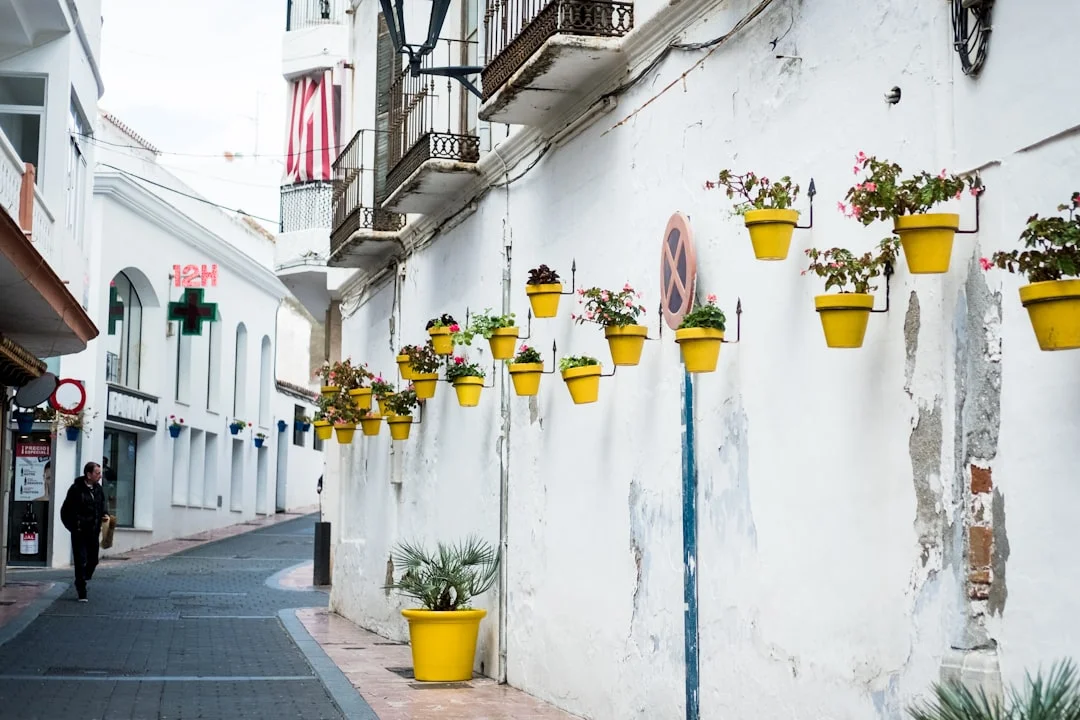
    Before or after your swim, you can wander through its clean, whitewashed streets, visit local plazas, and enjoy a traditional lunch. The town is known for its excellent gastronomy, ranging from traditional tapas bars to cozy cafes, often at much more reasonable prices than those found in tourist hotspots.

    Practical Tips for Your Visit

    To make the most of your family day trip, keep these quick tips in mind:

    • Sun Protection: The inland sun can be intense. Bring plenty of high-SPF sunscreen, hats, and rash guards for the kids.
    • Combine with Lunch: Plan to have lunch in the historic center of Alhaurín el Grande to experience the local hospitality.
    • Timing: Arriving early ensures you secure a good spot and get to enjoy the water before the peak midday heat.

    Taking a step back from the coast allows you to discover the true heart of Málaga province. Whether you are looking to escape the beach traffic, discover an off-radar cultural agenda across the province, or simply want a relaxed weekend plan with the kids, Alhaurín el Grande’s family-friendly water park offers a refreshing, joyful break for everyone.

    We hope this summer brings you plenty of shared moments, refreshing splashes, and quiet afternoons discovering the beautiful towns that make our region so incredibly special.

  • Málaga Russian Museum Hosts Free Saturday Family Workshops

    Málaga Russian Museum Hosts Free Saturday Family Workshops

    A Creative Saturday Plan for Families in Málaga

    Finding engaging, educational, and budget-friendly activities for children can sometimes be a challenge, especially for international families settling into life on the Costa del Sol. As highlighted in our Málaga weekend guide to family plans, this June 2026, the Colección del Museo Ruso (Russian Museum) in Málaga is offering an ideal solution with the return of its popular “Sábados en Familia” (Saturdays for Families) program.

    Throughout the entire month of June 2026, the museum invites families to dive into the world of art through a series of completely free, hands-on cultural workshops. For those planning a trip to the region, this cultural event coincides with key local developments in sustainable mobility, such as how BYD is establishing its presence in Málaga as EV charger demand surges.

    What is “Sábados en Familia”?

    The “Sábados en Familia” initiative is designed to bridge the gap between young minds and contemporary art. Rather than a traditional, quiet museum visit, these sessions are highly interactive.

    • Target Age: Children aged 5 to 12 years old.
    • Accompaniment: Children must be accompanied by at least one adult.
    • Format: Each session is divided into two parts: a dynamic, guided exploration of the museum’s current exhibitions, followed by a practical, hands-on artistic workshop where kids can create their own masterpieces.

    According to the event details published by La Diversiva, these workshops aim to make art accessible, fun, and thought-provoking for the little ones, allowing them to experiment with different materials, colors, and concepts.

    Why This is Great for Expat Families

    Málaga has grown into a vibrant hub for international families. While the beaches and playgrounds are fantastic, finding indoor cultural activities that stimulate creativity is a great way to balance weekend leisure. For those looking to combine culture with nature, you can also check out the summer kids’ theater tours at Málaga’s botanical garden this season.

    Because art is a universal language, these workshops offer a wonderful space for children of all backgrounds to interact. It is an excellent opportunity for expat kids to practice their Spanish in a relaxed, creative environment, make new local friends, and develop an early appreciation for museum spaces.

    Practical Information for June 2026

    If you are planning to join, here are the key details you need to know:

    • Where: Colección del Museo Ruso, located in the historic Tabacalera building (Avenida de Sor Teresa Prat, 15, Málaga).
    • When: Every Saturday morning in June 2026.
    • Price: Completely free of charge (both the museum entry for the activity and the materials are included).
    • Language: The activities are conducted in Spanish, but the visual and practical nature of the workshops makes them highly inclusive for children who are still learning the language.

    How to Participate

    While the workshops are free, capacity is limited to ensure a high-quality experience for every child. It is highly recommended to check the museum’s official booking guidelines or arrive early to secure your family’s spot.

    Exploring the Tabacalera District

    Choosing to spend your Saturday morning at the Russian Museum also opens up other great options for the day. The museum is located in the Tabacalera building, which also houses the Museo del Automóvil y la Moda (Automobile and Fashion Museum). This historic venue is highly popular, recently hosting the Masterchef Celebrity Legends production in the Tabacalera gardens.

    After the workshop, you can enjoy a family walk in the nearby Parque del Oeste, known for its beautiful lake, playgrounds, and resident ducks and emus—a perfect way to round off a memorable Saturday in Málaga.

    We hope these creative Saturdays bring plenty of laughter, color, and shared moments to your family’s weekend routine. Watching children discover the joy of self-expression through art is one of the simplest pleasures, and we are lucky to live in a city that opens its cultural doors so warmly to the next generation.

  • Málaga Weekend Guide: Family Plans and Local Markets

    Málaga Weekend Guide: Family Plans and Local Markets

    Enjoying Málaga’s Vibrant Weekend Scene

    As the warm June weather settles over the Costa del Sol, Málaga province comes alive with outdoor activities, cultural gatherings, and community events. Whether you are an international resident settling into local life or a family visiting for the holidays, this weekend offers a wonderful mix of leisure, shopping, and meaningful local initiatives. If you are looking to escape the usual crowds, you can also explore alternative weekend plans featuring local rock and free concerts across the province.

    From interactive family entertainment to bustling local markets, critical charity fundraisers, and discovering the best cheap eats along the A-7 highway, here is your practical guide to making the most of Málaga this weekend.

    Family-Friendly Plans: Music, Games, and Pets

    Finding activities that keep both children and adults engaged can be a challenge, but Málaga’s local agenda has plenty of options. For instance, families can enjoy the newly launched summer kids’ theater tours at Málaga’s botanical garden, which offer a wonderful blend of history, nature, and interactive fun. According to the latest event highlights from Diario Sur, this weekend focuses heavily on interactive family entertainment.

    • Video Game Zones: Several local cultural centers and youth spaces are hosting open-play gaming zones. These areas allow younger family members to experience retro arcade setups alongside modern cooperative console games.
    • Pet-Friendly Gatherings: Málaga continues to grow as a pet-friendly destination. This weekend, several outdoor parks are hosting informal meetups featuring basic agility courses and educational workshops on responsible pet ownership.
    • Live Music in the Open Air: Keep an eye out for neighborhood plazas hosting early-evening acoustic performances, or check out trendy indoor spots like the new Bon Bon Jazz Bar in La Malagueta for a sophisticated evening of live tunes as the daytime heat begins to fade.

    Shop Local: Street Markets and Seasonal Launches

    This weekend is also a fantastic opportunity to explore the local shopping scene. Street markets across the Málaga province are currently transitioning, offering a mix of outlet clearance sales and the very first launches of the summer fashion season.

    What to look out for:

    • Artisanal Crafts: Support local artists by browsing handmade jewelry, ceramics, and custom leather goods.
    • Fresh Provincial Produce: Don’t miss the chance to stock up on seasonal fruits, local honey, organic olive oils, and goat cheeses directly from regional farmers.
    • Summer Fashion: Many coastal towns are hosting pop-up markets featuring lightweight linens, beachwear, and locally designed accessories at excellent outlet prices.

    Exploring these markets is not just about shopping; it is one of the best ways to experience the slow, community-focused pace of Mediterranean life.

    Community Spotlight: ‘La Noche de Noa’ in Cancelada

    For those looking to combine their weekend leisure with a deeply meaningful cause, the community of Cancelada (Estepona) is hosting a special solidarity event called ‘La Noche de Noa’.

    This charity event is dedicated to raising vital funds and awareness for Noa, a local young girl bravely battling Spinal Muscular Atrophy (SMA). The evening brings together neighbors, local businesses, and visitors for a night of community spirit, featuring:

    • Live local entertainment and music.
    • Food and drink stalls run by volunteers, with all proceeds going directly to Noa’s medical care and specialized therapy.
    • Family-friendly activities and raffles supported by local Costa del Sol businesses.

    Attending solidarity events like ‘La Noche de Noa’ offers a unique window into the true heart of the Costa del Sol—a place where international expats and Andalusian locals unite to support their own in times of need.

    As we head into another beautiful weekend under the Andalusian sun, we are reminded of how fortunate we are to share in this region’s vibrant community spirit. Whether you find yourself browsing a bustling market stall, sharing a laugh with your children at a gaming zone, or standing in solidarity with a local family in Cancelada, we hope these days bring you closer to the people and places that make Málaga so incredibly special.

  • Málaga Botanical Garden Launches Summer Kids’ Theater Tours

    Málaga Botanical Garden Launches Summer Kids’ Theater Tours

    Málaga’s historic botanical garden is offering a refreshing cultural alternative for families looking to escape the midday heat. This summer, the Jardín Botánico Histórico La Concepción is launching a special cycle of dramatized children’s visits titled “La Concepción en el tiempo – Entre siglos y semillas” (La Concepción through time – Between centuries and seeds).

    These activities are specifically designed to introduce younger audiences to the rich history and botanical diversity of the estate in an interactive, theatrical format.

    A Cultural Alternative to the Beach

    While Málaga’s coastline is the main draw during the summer months, finding engaging afternoon and evening activities for children can be a challenge. The lush, shaded pathways of La Concepción offer the perfect natural canopy for an outdoor family plan, making it one of Málaga’s best hidden walking routes.

    Rather than a standard guided walk, these theatrical tours use actors, storytelling, and interactive games to bring the history of the garden to life. Children will learn about the 19th-century origins of the garden, founded by the Marquis of Casa Loring and Amalia Heredia, while exploring exotic plant species from all over the world.

    Event Details and Schedule

    According to the official event details shared by La Diversiva, the summer 2026 program kicks off in late June.

    • What: “La Concepción en el tiempo – Entre siglos y semillas” theatrical tours.
    • Target Audience: Families with children.
    • Focus: Botany, history, and interactive storytelling.
    • Location: Jardín Botánico Histórico La Concepción, Camino del Jardín Botánico, 3, Málaga.

    These tours are highly popular, so advance booking is strongly recommended to secure a spot for your family.

    Why Visit La Concepción in Summer?

    Aside from the educational value, the botanical garden is one of the coolest microclimates in Málaga during the summer. The combination of ancient trees, flowing water features, and historic greenhouses makes it a peaceful retreat. For those looking to explore more of the province’s natural wonders, there are plenty of other hiking trails to discover Málaga’s greenest side. Introducing children to nature through theater helps foster early environmental awareness while keeping them thoroughly entertained.

    We hope this summer brings you and your family plenty of shared discoveries under the cool canopy of Málaga’s most beautiful historic garden. Watching the sunset through the palms while learning about the past is a wonderful way to create lasting summer memories together.

  • Caminito del Rey eröffnet neue 110-Meter-Hängebrücke

    Caminito del Rey eröffnet neue 110-Meter-Hängebrücke

    Eine der berühmtesten Abenteuerattraktionen Südspaniens wird jetzt noch spektakulärer. Der legendäre Caminito del Rey, eingebettet in die dramatische Schlucht von El Chorro in der Provinz Málaga – deren gleichnamige Hauptstadt sich kürzlich eine beachtliche Platzierung im Cities in Motion Index 2026 sichern konnte –, eröffnet offiziell eine brandneue, 110 Meter lange Hängebrücke.

    Dieses Meisterwerk der Ingenieurskunst, das am 10. Juni 2026 offiziell für das Publikum geöffnet wird, soll den Adrenalinspiegel von Wanderern in die Höhe treiben, die Málagas grünste Seite entdecken möchten, während es gleichzeitig einen unvergleichlichen Blick auf die steilen Kalksteinklippen und das türkisfarbene Wasser tief unten bietet.

    Berichten von El Periódico de Aragón zufolge stellt diese neue Konstruktion einen Meilenstein für den Aktivtourismus in der Provinz Málaga dar und stärkt den Ruf des Wanderwegs als erstklassiges Ziel für Outdoor-Begeisterte.

    Ein neuer Nervenkitzel in der Schlucht von El Chorro

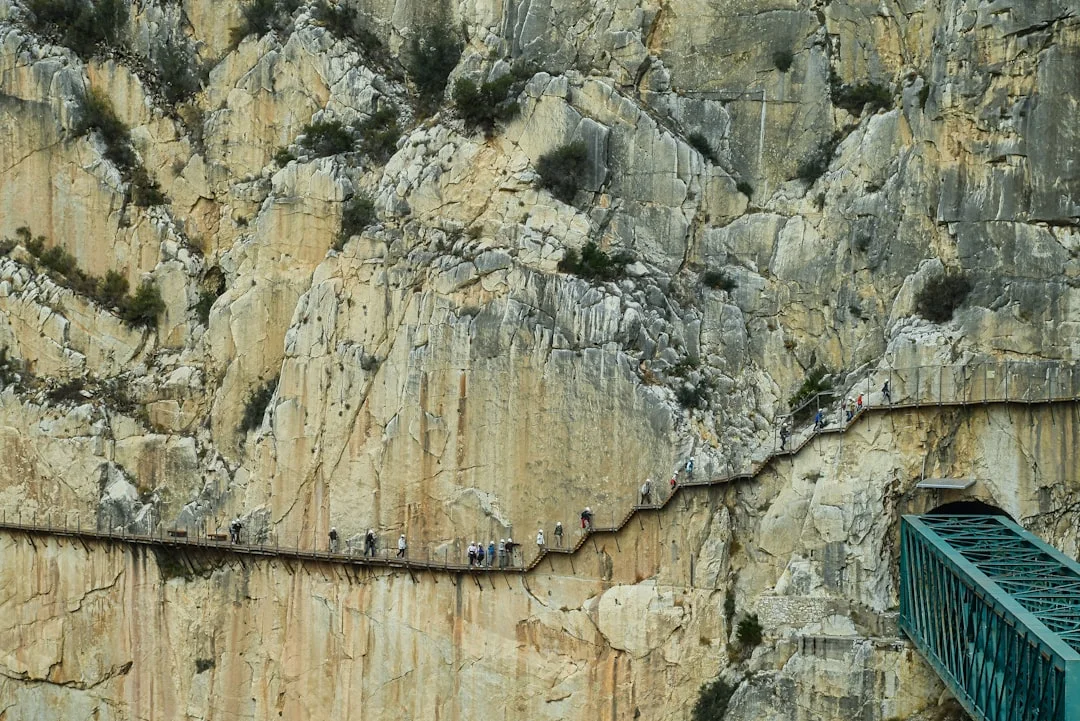
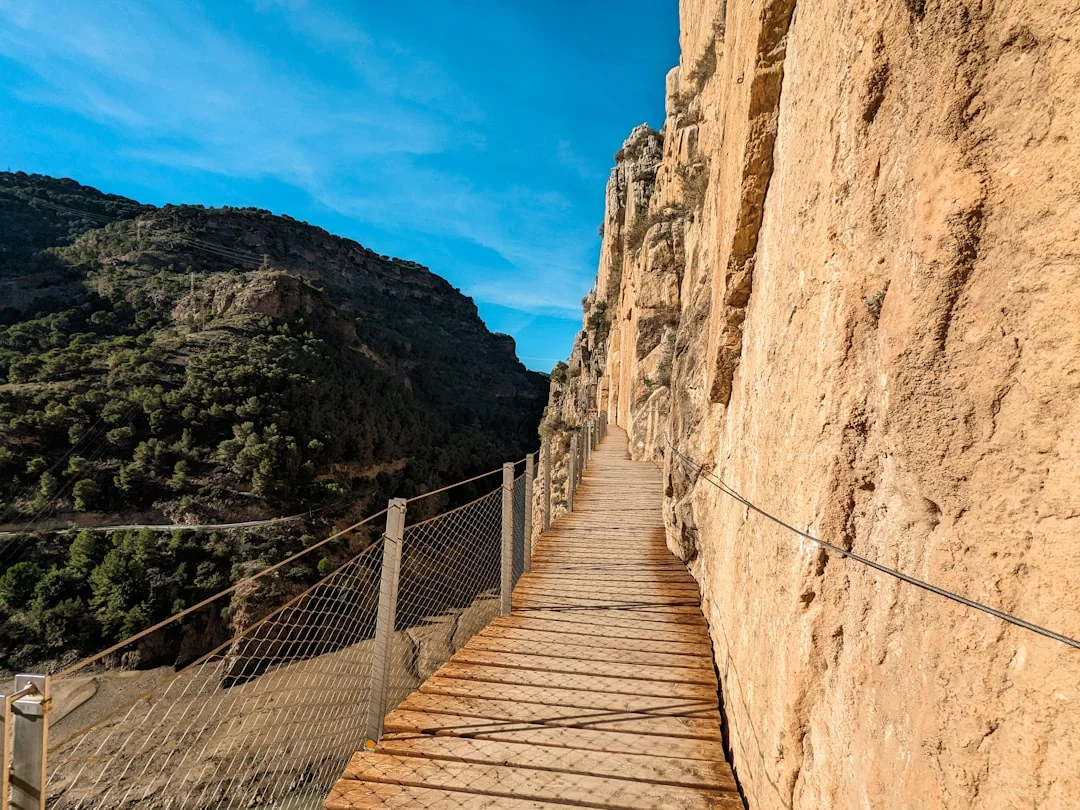
    Der Caminito del Rey galt einst als einer der gefährlichsten Pfade der Welt, bevor er nach einer vollständigen, extrem sicheren Rekonstruktion im Jahr 2015 wieder für die Öffentlichkeit freigegeben wurde. Seitdem haben Hunderttausende von Besuchern die hölzernen Stege beschritten, die hoch oben an den Felswänden der Schlucht befestigt sind.

    Diese neue Erweiterung – mit einer beeindruckenden Länge von 110 Metern – hebt das Erlebnis auf ein neues Niveau. Hoch über dem Schluchtgrund schwebend, vermittelt die Brücke das aufregende Gefühl, in der Luft zu schweben. Sie ersetzt ältere Übergänge durch ein modernes, hochsicheres und optisch beeindruckendes Design, das sich nahtlos in die zerklüftete Landschaft des Naturgebiets El Chorro einfügt.

    Wichtigste Merkmale der neuen Brücke:

    • Länge: 110 Meter aus Stahl und hochresistenten Materialien.
    • Lage: Sie überspannt die dramatischen Schluchtwände von El Chorro, Málaga.
    • Eröffnung für die Öffentlichkeit: 10. Juni 2026.
    • Sicherheit: Ausgestattet mit modernsten Wind- und Gewichts-Stabilisierungssystemen, um Wanderern jeden Alters ein absolut sicheres Erlebnis zu garantieren.

    Wie Sie die Brücke besuchen können und was Sie im Juni 2026 erwartet

    Wenn Sie planen, die neue Brücke selbst zu erleben, ist das richtige Timing entscheidend. Der Juni markiert den Beginn der wärmeren Sommersaison in Málaga, weshalb Wanderungen am frühen Morgen dringend empfohlen werden.

    Aufgrund des enormen internationalen Interesses an dieser neuen Attraktion wird mit einem deutlichen Anstieg der Ticketnachfrage gerechnet. Hier ist, was Sie für die Planung Ihres Besuchs wissen müssen:

    1. Buchen Sie weit im Voraus: Die Tickets für den Caminito del Rey sind streng limitiert, um die Natur zu schützen und die Sicherheit zu gewährleisten. Reisen Sie nicht ohne ein im Voraus gebuchtes Ticket an.
    2. Wählen Sie Ihr Erlebnis: Sie können sich für eine selbstgeführte Wanderung entscheiden oder sich einer geführten Tour anschließen. Geführte Tours sind sehr zu empfehlen, wenn Sie mehr über die faszinierende Geschichte der Schlucht, die Arbeiter der ersten Kanäle und die unglaubliche Ingenieursleistung hinter dem ursprünglichen Pfad und der neuen Brücke erfahren möchten.
    3. Anreise: El Chorro ist bequem mit dem Zug vom Bahnhof Málaga María Zambrano aus erreichbar, was es zu einem perfekten Tagesausflug macht. Alternativ können Sie mit dem Auto anreisen und auf den ausgewiesenen Parkplätzen in der Nähe von Ardales oder Álora parken und den örtlichen Shuttlebus nutzen, um zum Eingang des Wanderwegs zu gelangen.

    Sicherheits- und Vorbereitungstipps

    Obwohl die neue Hängebrücke nach den höchsten modernen Sicherheitsstandards gebaut wurde, erfordert die Begehung des Caminito del Rey dennoch ein wenig Vorbereitung:
    * Schuhwerk: Geschlossene Wanderschuhe oder feste Sportschuhe sind obligatorisch. Sandalen, Flip-Flops und Absätze sind strengstens verboten.
    * Helme: Am Eingang erhalten Sie einen Schutzhelm, der während der gesamten Wanderung getragen werden muss.
    * Flüssigkeitszufuhr: Bringen Sie ausreichend Wasser mit, besonders an den warmen Junitagen, da es nach dem Betreten des Wanderwegs keine Geschäfte oder Wasserstellen mehr gibt.
    * Kinder: Der Wanderweg ist für Kinder ab 8 Jahren freigegeben. Ein Altersnachweis (Personalausweis oder Reisepass) kann am Eingang verlangt werden.

    Die Hinzufügung dieser spektakulären 110-Meter-Brücke markiert ein aufregendes neues Kapitel für das Hinterland von Málaga. Sie erinnert uns daran, dass hinter unseren wunderschönen Stränden ein raues, wildes Herz darauf wartet, entdeckt zu werden. Wir hoffen, dass dieser neue Pfad Ihnen die atemberaubende Schönheit unserer Provinz näher bringt, und freuen uns darauf, Sie auf dem Wanderweg zu sehen, während Sie diese unvergesslichen Ausblicke genießen.

  • Caminito del Rey Opens New 110-Meter Suspension Bridge

    Caminito del Rey Opens New 110-Meter Suspension Bridge

    One of southern Spain’s most famous adventure attractions is about to get even more spectacular. The iconic Caminito del Rey, nestled in the dramatic gorge of El Chorro in Málaga province, a region whose capital recently ranked 88th in the Cities in Motion 2026 Index, is officially opening a brand-new, 110-meter-long suspension bridge.

    Scheduled to open to the public on June 10, 2026, this engineering marvel is designed to elevate the adrenaline levels of hikers looking to discover Malaga’s greenest side while offering unparalleled views of the sheer limestone cliffs and the turquoise waters far below.

    According to reports from El Periódico de Aragón, this new structure represents a major milestone for active tourism in the province of Málaga, reinforcing the trail’s reputation as a world-class destination for outdoor enthusiasts.

    A New Thrill in El Chorro Gorge

    The Caminito del Rey was once known as one of the world’s most dangerous pathways before a complete, ultra-safe reconstruction reopened it to the public in 2015. Since then, hundreds of thousands of visitors have walked its wooden boardwalks pinned high on the canyon walls.

    This new addition—stretching an impressive 110 meters in length—takes the experience to a new level. Suspended high above the gorge floor, the bridge offers a thrilling sensation of floating in mid-air. It replaces older crossing points with a modern, highly secure, and visually stunning design that blends seamlessly into the rugged landscape of the El Chorro Natural Area.

    Key Features of the New Bridge:

    • Length: 110 meters of steel and high-resistance materials.
    • Location: Spanning the dramatic gorge walls of El Chorro, Málaga.
    • Public Opening: June 10, 2026.
    • Safety: Designed with state-of-the-art wind and weight stabilization systems to ensure a completely safe experience for hikers of all ages.

    How to Visit and What to Expect in June 2026

    If you are planning to experience the new bridge firsthand, timing is everything. June marks the beginning of the warmer summer season in Málaga, making early morning hikes highly recommended.

    Because of the massive international interest in this new attraction, ticket demand is expected to spike significantly. Here is what you need to know to plan your visit:

    1. Book Well in Advance: Tickets for the Caminito del Rey are strictly limited to preserve the natural environment and ensure safety. Do not show up without a pre-booked ticket.
    2. Choose Your Experience: You can opt for a self-guided walk or join a guided tour. Guided tours are highly recommended if you want to learn about the fascinating history of the gorge, the early canal workers, and the incredible engineering behind both the original path and the new bridge.
    3. How to Get There: El Chorro is easily accessible by train from Málaga María Zambrano station, making it a perfect day trip. Alternatively, you can drive and park in the designated lots near Ardales or Álora, using the local shuttle bus to reach the trail entrance.

    Safety and Preparation Tips

    While the new suspension bridge is built to the highest modern safety standards, walking the Caminito del Rey still requires a bit of preparation:
    * Footwear: Closed-toe hiking shoes or sturdy sneakers are mandatory. Sandals, flip-flops, and high heels are strictly prohibited.
    * Helmets: You will be provided with a safety helmet at the entrance, which must be worn at all times during the walk.
    * Hydration: Bring plenty of water, especially during the warm June days, as there are no shops or water points once you enter the trail.
    * Children: The trail is open to children aged 8 and older. Proof of age (ID or passport) may be requested at the entrance.

    The addition of this spectacular 110-meter bridge marks an exciting new chapter for inland Málaga. It reminds us that beyond our beautiful beaches lies a rugged, wild heart waiting to be explored. We hope this new path brings you closer to the breathtaking beauty of our province, and we look forward to seeing you out on the trail, taking in those unforgettable views.

  • Málagas beste versteckte Spazierwege und Geheimnisse

    Málagas beste versteckte Spazierwege und Geheimnisse

    Die Seele von Málaga jenseits der Reiseführer entdecken

    Die meisten Besucher in Málaga folgen einem ausgetretenen Pfad: Calle Larios, das Römische Theater, die Alcazaba und ein kurzer Spaziergang am Strand. Obwohl diese Sehenswürdigkeiten zweifellos wunderschön sind, liegt das wahre Wesen der Stadt oft nur wenige Straßen weiter, versteckt in ruhigen Gassen und historischen Vierteln. Wer die Reise an die Costa del Sol mit exklusivem Luxus abrunden möchte, findet zudem in der Nähe eine neue Top-Adresse, da das Gran Marbella Resort seine erste komplette Sommersaison einläutet.

    Egal, ob Sie zum ersten Mal hier sind oder als langjähriger Einwohner den Menschenmassen in der Innenstadt entgehen und die lokale Kultur genießen möchten – diese versteckten Routen und lokalen Geheimnisse werden Ihnen eine andere Seite von Málaga zeigen.

    1. Lagunillas: Das ungeschliffene Herz von Málagas Straßenkunst

    Während das Viertel Soho für seine kuratierte, internationale Straßenkunst bekannt ist, bietet Lagunillas etwas völlig anderes. Dieses Viertel liegt direkt nördlich der Plaza de la Merced und ist eine lebendige Leinwand für von der Gemeinschaft gestaltete Straßenkunst.

    • Die Route: Starten Sie an der Plaza de la Merced und gehen Sie die Calle Cruz Verde hinauf, um dann in die Calle Lagunillas einzubiegen.
    • Worauf Sie achten sollten: Die Wandgemälde hier sind zutiefst persönlich. Sie zeigen lokale Viertelhelden, Flamenco-Legenden und politische Botschaften. Im Gegensatz zu den kommerziellen Projekten in Soho wird die Kunst in Lagunillas von und für die Bewohner geschaffen.
    • Lokales Geheimnis: Halten Sie Ausschau nach den Hommagen an Chiquito de la Calzada, einen beliebten lokalen Komiker, dessen einzigartiger Stil die spanische Popkultur nachhaltig geprägt hat.

    2. Das San-Telmo-Aquädukt und die ruhigen Hügel

    Für alle, die eine Mischung aus Geschichte und Natur lieben, ist das San-Telmo-Aquädukt (Acueducto de San Telmo) eines der beeindruckendsten Ingenieurswunder Málagas, das es jedoch selten auf die üblichen Touristenrouten schafft. Es wurde Ende des 18. Jahrhunderts erbaut und galt einst als das bedeutendste Wasserbauprojekt Spaniens.

    • Die Route: Machen Sie sich auf den Weg in das Viertel Ciudad Jardín. Sie können dem Pfad entlang des Flussbettes des Guadalmedina folgen oder in der Nähe des botanischen Gartens La Concepción hinaufwandern, um verschiedene Abschnitte des Aquädukts zu sehen.
    • Worauf Sie achten sollten: Die dramatischen, mehrbögigen Brücken, die sich über trockene Schluchten spannen. Es ist ein friedlicher Zufluchtsort vor dem Stadtlärm, umgeben von Olivenbäumen und Wildkräutern. Besonders nach einer Regenperiode verwandelt sich diese Landschaft und bietet eine großartige Alternative zu Málagas besten Wanderrouten nach dem Regen.
    • Lokales Geheimnis: Die Gegend ist am späten Nachmittag besonders schön, wenn das Licht der goldenen Stunde auf das alte Mauerwerk trifft.

    3. El Limonar und der Englische Friedhof

    Málagas östliche Vororte haben einen ganz eigenen, ruhigen Charme. El Limonar ist ein Wohnviertel voller wunderschöner Villen aus dem späten 19. Jahrhundert, die vom wohlhabenden industriellen Bürgertum der Stadt erbaut wurden.

    • Die Route: Beginnen Sie am Englischen Friedhof (dem ältesten nicht-katholischen christlichen Friedhof auf dem spanischen Festland) an der Avenida de Pries. Wandern Sie von dort aus bergauf in die grünen Straßen von El Limonar, wie den Paseo de Sancha.
    • Worauf Sie achten sollten: Der Friedhof selbst ist ein botanisches Wunderwerk, voller alter Bäume und Gräber historischer Persönlichkeiten, darunter der Dichter Jorge Guillén. Wenn Sie nach El Limonar hinaufgehen, bewundern Sie die eklektische Architektur, die von Neo-Mudéjar bis hin zu modernistischen Stilen reicht.
    • Lokales Geheimnis: Viele dieser prächtigen Villen wurden in ruhige öffentliche Räume, Büros oder Boutique-Hotels umgewandelt und bieten einen friedlichen Einblick in Málagas goldenes Zeitalter des Handels.

    4. Monte San Antón: Die lokale Alternative zum Gibralfaro

    Während der Aussichtspunkt Gibralfaro einen atemberaubenden Blick auf den Hafen bietet, kann es dort unglaublich voll werden. Für ein wirklich lokales Panorama sollten Sie weiter östlich zum Monte San Antón fahren.

    • Die Route: Dies ist eher eine leichte Wanderung als ein gemütlicher Spaziergang. Nehmen Sie einen Bus oder ein Taxi in den oberen Teil des Viertels El Palo und folgen Sie den unbefestigten Wegen, die zum Gipfel führen.
    • Worauf Sie achten sollten: Auf dem Gipfel befindet sich ein großes Metallkreuz, das einen 360-Grad-Blick auf die gesamte Bucht von Málaga, die umliegenden Berge und an klaren Tagen auf die Silhouette der afrikanischen Küste bietet. Wenn Ihnen dieser Weg gefällt, möchten Sie vielleicht auch andere malerische Wanderwege erkunden, um Málagas grünste Ecken zu entdecken.
    • Lokales Geheimnis: Packen Sie ein kleines Picknick ein und machen Sie sich kurz vor Sonnenuntergang auf den Weg nach oben. Sie werden den Gipfel wahrscheinlich nur mit einer Handvoll lokaler Wanderer und Trailrunner teilen.

    Praktische Tipps zur Erkundung von Málagas verborgenen Seiten

    • Respektieren Sie die Viertel: Orte wie Lagunillas sind lebendige Wohngebiete. Achten Sie beim Fotografieren auf die Privatsphäre der Bewohner.
    • Das richtige Timing ist entscheidend: Planen Sie Ihre Spaziergänge in den warmen Sommermonaten des Jahres 2026 für den frühen Morgen (vor 10:00 Uhr) oder den späten Nachmittag (nach 19:00 Uhr), um der Mittagshitze zu entgehen.
    • Tragen Sie geeignetes Schuhwerk: Málagas historische Straßen können überraschend rutschig sein, und die Wanderungen auf den San Antón oder zum Aquädukt erfordern feste Schuhe mit gutem Grip.

    Die Erkundung dieser ruhigeren Ecken erinnert uns daran, dass der wahre Charakter einer Stadt nicht nur auf grandiosen Monumenten beruht, sondern in den ruhigen Räumen dazwischen liegt. Wir hoffen, dass diese Routen Sie dazu inspirieren, einen Gang zurückzuschalten, etwas genauer hinzusehen und den sanften, authentischen Rhythmus von Málaga zu entdecken, der abseits der Blicke weiterhin gedeiht.

  • Málaga’s Best Hidden Walking Routes and Secrets

    Málaga’s Best Hidden Walking Routes and Secrets

    Discovering the Soul of Málaga Beyond the Guidebooks

    Most visitors to Málaga follow a well-trodden path: Calle Larios, the Roman Theatre, the Alcazaba, and a quick stroll along the beach. While these landmarks are undeniably beautiful, the true essence of the city is often found just a few streets away, tucked into quiet alleys, historic neighborhoods, and forgotten pathways.

    Whether you are a first-time visitor or a long-term resident looking to skip the downtown crowds and enjoy local culture, these hidden routes and local secrets will show you a different side of Málaga.

    1. Lagunillas: The Raw Heart of Málaga’s Urban Art

    While the Soho neighborhood is famous for its curated, international street art, Lagunillas offers something completely different. Located just north of the Plaza de la Merced, this neighborhood is a vibrant canvas of community-led urban art.

    • The Route: Start at Plaza de la Merced and walk up Calle Cruz Verde, turning into Calle Lagunillas.
    • What to Look For: The murals here are deeply personal. They depict local neighborhood heroes, flamenco legends, and political statements. Unlike Soho’s commercial projects, the art in Lagunillas is created by and for the residents.
    • Local Secret: Keep an eye out for the tributes to Chiquito de la Calzada, a beloved local comedian whose unique style left a lasting mark on Spanish pop culture.

    2. The San Telmo Aqueduct and the Quiet Hills

    For those who love a mix of history and nature, the San Telmo Aqueduct (Acueducto de San Telmo) is one of Málaga’s most impressive engineering marvels, yet it rarely makes it onto standard tourist itineraries. Built in the late 18th century, it was once considered the most significant hydraulic project in Spain.

    • The Route: Head towards the Ciudad Jardín district. You can follow the path along the Guadalmedina riverbed or hike up near the botanical gardens of La Concepción to see various sections of the aqueduct.
    • What to Look For: The dramatic multi-arched bridges spanning across dry ravines. It is a peaceful escape from the city noise, surrounded by olive trees and wild herbs. Especially after a wet spell, this landscape transforms, offering a great alternative to Málaga’s best hiking routes after the rain.
    • Local Secret: The area is particularly beautiful in the late afternoon when the golden hour light hits the old brickwork.

    3. El Limonar and the English Cemetery

    Málaga’s eastern suburbs hold a distinct, quiet charm. El Limonar is a residential neighborhood filled with beautiful late 19th-century villas, built by the city’s wealthy industrial bourgeoisie.

    • The Route: Start at the English Cemetery (the oldest non-Catholic Christian cemetery in mainland Spain) on Avenida de Pries. From there, wander uphill into the leafy streets of El Limonar, such as Paseo de Sancha.
    • What to Look For: The cemetery itself is a botanical marvel, filled with ancient trees and graves of historical figures, including the poet Jorge Guillén. As you walk up into El Limonar, admire the eclectic architecture ranging from Neo-Mudéjar to modernist styles.
    • Local Secret: Many of these grand villas have been converted into quiet public spaces, offices, or boutique hotels, offering a peaceful glimpse into Málaga’s golden age of trade.

    4. Monte San Antón: The Local Alternative to Gibralfaro

    While the Gibralfaro viewpoint offers a stunning view of the harbor, it can get incredibly crowded. For a truly local panorama, head further east to Monte San Antón.

    • The Route: This is a light hike rather than a casual stroll. Take a bus or taxi to the upper part of the El Palo neighborhood and follow the dirt paths leading up to the summit.
    • What to Look For: The summit features a large metal cross and offers a 360-degree view of the entire bay of Málaga, the surrounding mountains, and on clear days, the silhouette of the African coast. If you enjoy this trail, you might also want to explore other scenic hiking trails to discover Málaga’s greenest areas.
    • Local Secret: Pack a small picnic and head up just before sunset. You will likely share the peak with only a handful of local hikers and trail runners.

    Practical Tips for Exploring Málaga’s Hidden Sides

    • Respect the Neighborhoods: Places like Lagunillas are living, breathing residential areas. Be mindful of residents’ privacy when taking photos.
    • Timing is Key: During the warm summer months of 2026, plan your walking routes for early morning (before 10:00 AM) or late afternoon (after 7:00 PM) to avoid the midday heat.
    • Wear Proper Footwear: Málaga’s historic streets can be surprisingly slippery, and the hikes up San Antón or the Aqueduct require sturdy shoes with good grip.

    Exploring these quieter corners reminds us that a city’s true character isn’t built on grand monuments alone, but in the quiet spaces between them. We hope these routes inspire you to slow down, look a little closer, and discover the gentle, authentic rhythm of Málaga that continues to thrive just out of sight.