Category: Things to do

Activities and experiences in Málaga

  • Dem Sommer entfliehen: 15 Kunstausstellungen, die heute in Málaga geöffnet sind

    Dem Sommer entfliehen: 15 Kunstausstellungen, die heute in Málaga geöffnet sind

    Wenn der Terral-Wind über die Berge nach Málaga weht, können die Temperaturen schnell auf fast 39 °C steigen. Während der Strand am frühen Morgen und späten Nachmittag die offensichtliche Wahl ist, sind die Mittagsstunden unter der brennenden Mittelmeersonne nicht jedermanns Sache. Glücklicherweise hat sich Málaga in den letzten zwei Jahrzehnten zu einem führenden Kulturzentrum entwickelt, das über ein dichtes Netz erstklassiger, vollständig klimatisierter Museen verfügt.

    Ganz gleich, ob Sie als Anwohner nach einem kühlen Zufluchtsort im Innenbereich suchen oder als Besucher eine Pause vom Sightseeing einlegen möchten: Die aktuelle Kunstszene Málagas zu erkunden, ist eine praktische und lohnenswerte Möglichkeit, den Hitzewarnungen am heißen Nachmittag zu entgehen.

    Über 15 aktuelle Ausstellungen, die Sie jetzt entdecken können

    Laut den lokalen Kultur-Updates von Hoy Málaga stehen derzeit über 15 aktive Kunstausstellungen in verschiedenen Kunststätten auf der Kulturagenda der Stadt. Von Avantgarde-Installationen bis hin zu klassischen Meisterwerken bietet Málagas Kulturmeile eine beeindruckende Vielfalt für jeden Geschmack.

    Wenn Sie sich eine sommerliche Kulturroute durch die Stadt zusammenstellen möchten, finden Sie hier einige der wichtigsten Stationen, an denen Sie hervorragende Kunstwerke bei angenehmer Klimatisierung genießen können:

    Museo Picasso Málaga (MPM)

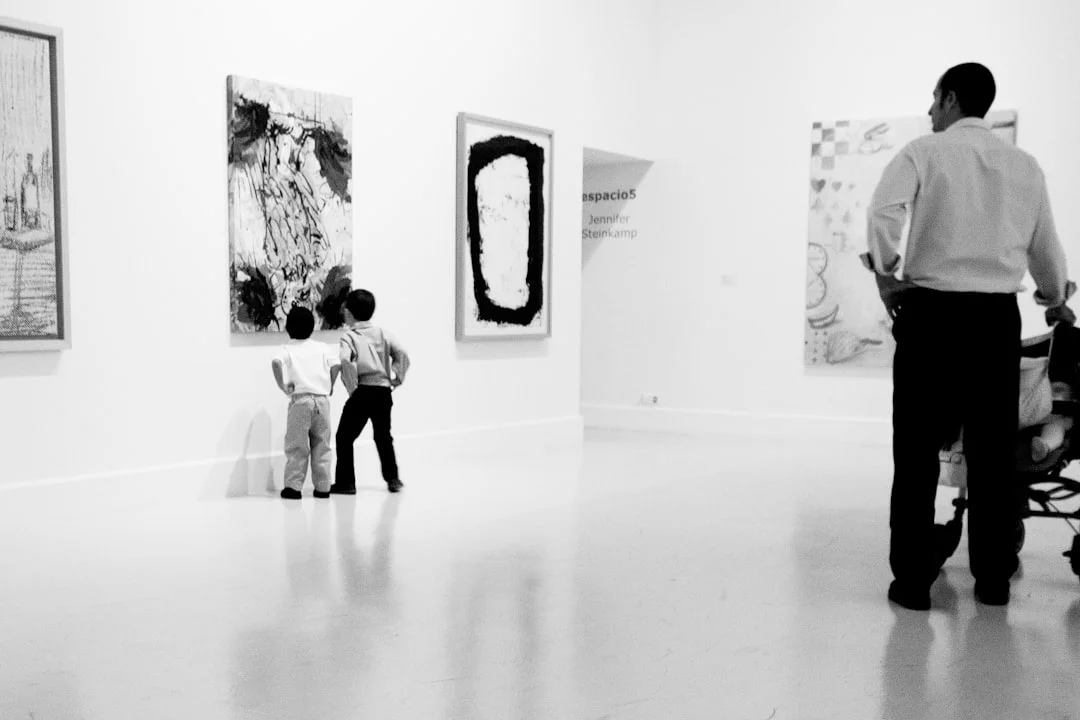
    Untergebracht im historischen Palacio de Buenavista, bleibt das Picasso-Museum das Kronjuwel des künstlerischen Erbes der Stadt. Neben der ständigen Sammlung, die die Entwicklung von Pablo Picasso anhand von Skizzen, Keramiken und Ölgemälden verdeutlicht, zeigt das Museum regelmäßig Wechselausstellungen, die sich mit modernen Meisterwerken und zeitgenössischer visueller Kunst befassen.

    Centre Pompidou Málaga

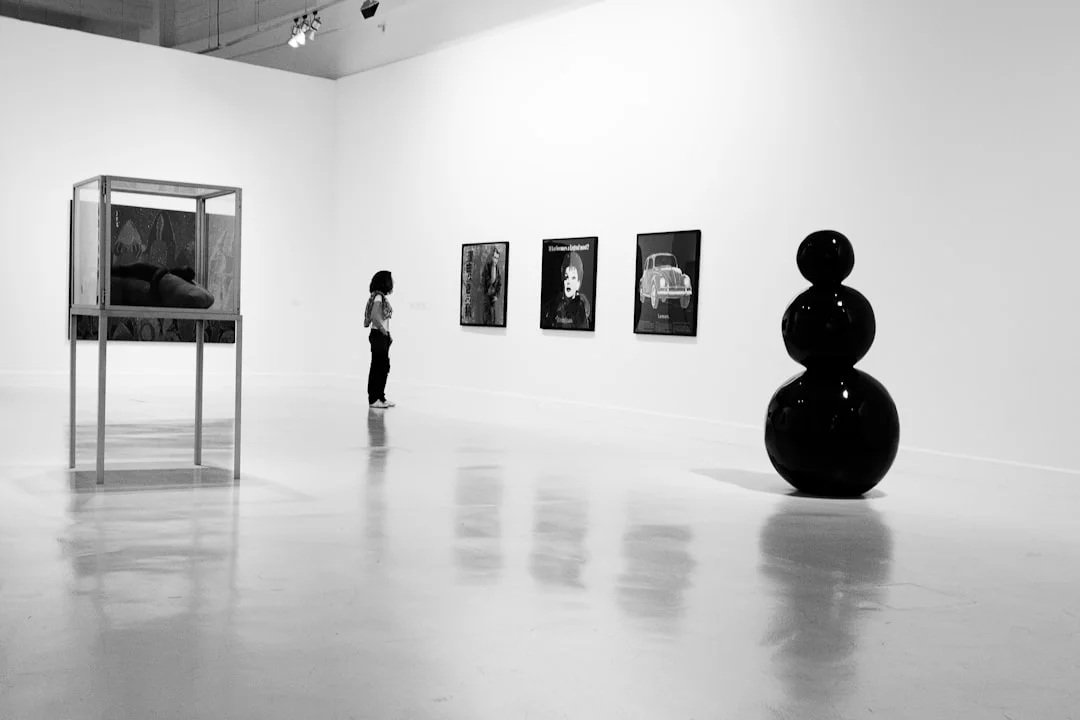
    Unter dem ikonischen Glaskubus (El Cubo) am Muelle Uno gelegen, ist das Centre Pompidou Málaga ideal für Liebhaber der Kunst des 20. und 21. Jahrhunderts. Der weitläufige unterirdische Galeriebereich bleibt angenehm kühl und ist somit ein beliebter Zufluchtsort am Nachmittag. Die wechselnden mehrjährigen und semi-permanenten Ausstellungen zeigen bedeutende zeitgenössische Persönlichkeiten aus Malerei, Skulptur, Fotografie und Videokunst.

    Museo Carmen Thyssen Málaga

    Untergebracht im restaurierten Palacio de Villalón aus dem 16. Jahrhundert, präsentiert dieses Museum eine eindrucksvolle Auswahl spanischer und andalusischer Malerei des 19. Jahrhunderts. Die Wechselausstellungen in den oberen Etagen zeigen regelmäßig kuratierte Sammlungen vom spanischen Costumbrismus bis zur internationalen Moderne.

    Museo de Málaga (Palacio de la Aduana)

    Wenn Sie Raum und Ruhe suchen, sollten Sie den Palacio de la Aduana besuchen. Als fünftgrößtes Museum Spaniens vereint es bildende Kunst und Archäologie unter einem Dach. Die weitläufigen Hallen mit ihren hohen Decken bieten eine friedliche Atmosphäre, um die lokale Geschichte und klassische Malerei zu entdecken, während Sie der intensiven Hitze draußen entkommen.

    CAC Málaga & Zeitgenössische Kunstorte

    Für moderne und avantgardistische visuelle Ausdrucksformen bieten das Zentrum für zeitgenössische Kunst (CAC) sowie lokale unabhängige Galerien in Soho und dem historischen Zentrum eine lebendige Mischung aus temporären Einzelausstellungen, Fotografie und ortsspezifischen Installationen.

    Praktische Tipps für Museumsbereiche bei Hitze

    • Nutzen Sie das Zeitfenster von 14:00 bis 18:00 Uhr: Die Höchsttemperaturen werden meist am Nachmittag erreicht. Wenn Sie Ihre Museumstouren in diese Stunden legen, befinden Sie sich bei angenehmen Raumtemperaturen in kühlen Räumen, wenn die Sonne am stärksten brennt.
    • Buchen Sie Tickets im Voraus online: Umgehen Sie die Warteschlangen im Freien, indem Sie Ihre Tickets online über die offiziellen Websites der Museen buchen. So verbringen Sie möglichst wenig Zeit in der direkten Sonne.
    • Nutzen Sie die Zeiten mit freiem Eintritt: Viele städtische Museen bieten am Sonntagnachmittag freien Eintritt. Es wird jedoch dringend empfohlen, frühzeitig vor Ort zu sein, um langen Warteschlangen zu entgehen.

    Die Kombination aus erstklassiger Kunst, reicher historischer Architektur und angenehm gekühlten Räumen macht einen Museumstag zur klügsten Art, Málaga an heißen Sommertagen zu genießen. Während draußen die Hitze steigt, bietet der Rückzug in diese ruhigen, kühlen Galerieräume eine wunderbare Gelegenheit, innezuhalten und faszinierende kreative Werke zu entdecken.

  • Beat the Heat: 15 Art Exhibitions Open in Málaga Today

    Beat the Heat: 15 Art Exhibitions Open in Málaga Today

    When the terral wind rolls over the mountains into Málaga, temperatures can quickly soar towards 39°C—an essential climate detail to keep in mind if you are looking to rent an apartment in Málaga as a foreigner. While the beach is the obvious choice for early mornings and late afternoons, spending the midday hours under a blazing Mediterranean sun isn’t for everyone. Fortunately, Málaga has transformed over the past two decades into a premier cultural hub, featuring a dense network of world-class, fully climate-controlled museums.

    Whether you are a local resident looking for a cool indoor escape or a visitor taking a break from sightseeing, exploring Málaga’s current art scene is a practical and rewarding way to navigate peak summer afternoon heat alerts.

    Over 15 Active Exhibitions to Explore Right Now

    According to the local cultural updates from Hoy Málaga, the city’s cultural agenda currently features over 15 active art exhibitions across various art spaces. From avant-garde installations to classic masterpieces, Málaga’s cultural mile offers an impressive variety for every taste.

    If you are looking to assemble a summer cultural route through the city, here are some of the key stops where you can enjoy brilliant artwork alongside powerful air conditioning:

    Museo Picasso Málaga (MPM)

    Nestled in the historic Palacio de Buenavista, the Picasso Museum remains the crown jewel of the city’s artistic heritage. In addition to its permanent collection detailing Pablo Picasso’s evolution through sketches, ceramics, and oil paintings, the museum regularly hosts temporary exhibitions that delve into modern masterworks and contemporary visual arts.

    Centre Pompidou Málaga

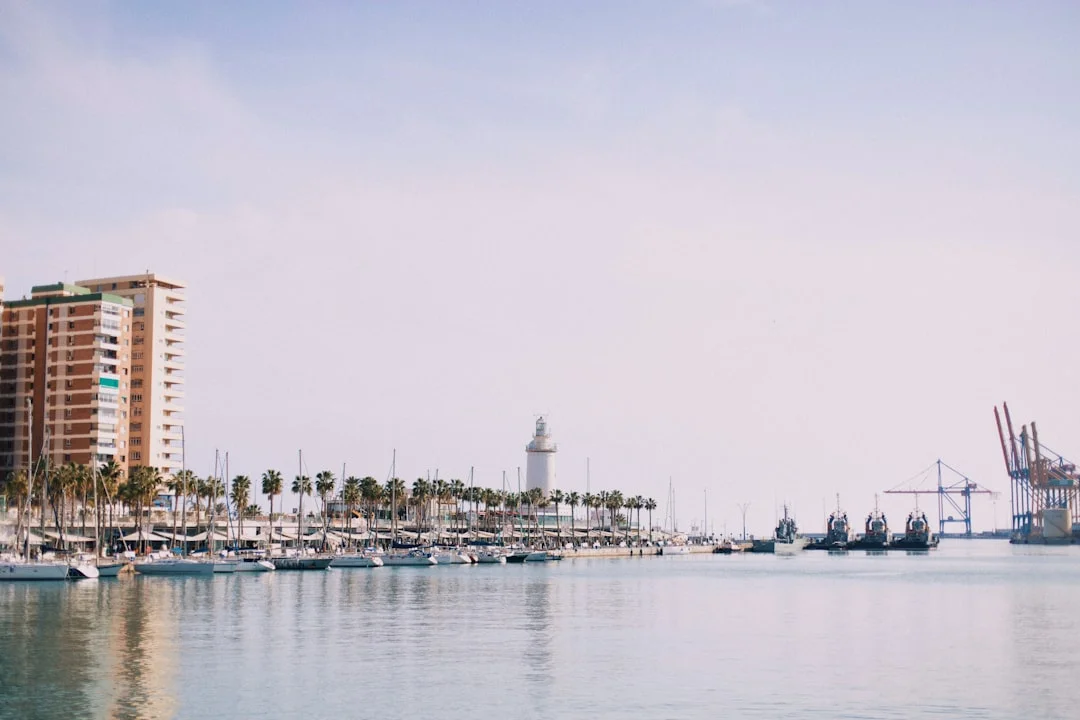
    Located beneath the iconic glass cube (El Cubo) at Muelle Uno, Centre Pompidou Málaga is ideal for fans of 20th and 21st-century art. The vast underground gallery space stays comfortably cool, making it a favorite afternoon refuge. Its rotating multi-year and semi-permanent exhibitions feature prominent contemporary figures across painting, sculpture, photography, and video art.

    Museo Carmen Thyssen Málaga

    Housed in the restored 16th-century Palacio de Villalón, this venue showcases an incredible selection of 19th-century Spanish and Andalusian painting. The temporary galleries on the upper floors frequently showcase curated collections ranging from Spanish costumbrismo to international modernism.

    Museo de Málaga (Palacio de la Aduana)

    If you want space and serenity, head to the Palacio de la Aduana. As the fifth-largest museum in Spain, it combines fine arts and archaeology under one roof. The sprawling, high-ceilinged halls offer a tranquil environment to discover local history and classic painting while escaping the intense outdoor heat.

    CAC Málaga & Contemporary Spaces

    For modern and cutting-edge visual expressions, the Contemporary Art Centre (CAC) along with local independent galleries across Soho and the historic center offer a vibrant mix of temporary solo shows, photography, and site-specific installations.

    Practical Tips for Museum Hopping in the Heat

    • Target the 2:00 PM to 6:00 PM Window: Peak daily temperatures usually hit during mid-afternoon. Planning museum visits during these hours keeps you in comfortable indoor temperatures when the sun is harshest.
    • Book Tickets Online in Advance: Skip the outdoor ticket queues by booking online via official museum websites, minimizing your time standing in direct sunlight.
    • Take Advantage of Free Entry Hours: Many municipal museums offer free admission on Sunday afternoons, though arriving early to beat the queue is highly recommended.

    Combining world-class art, rich historical architecture, and comfortable climate control makes a museum day the smartest way to enjoy Málaga during peak summer days. As the heat rises outside, stepping into these quiet, cool gallery spaces offers a peaceful moment to slow down and connect with incredible creative works.

  • Sommer in Torremolinos: Live-Musik, Puppentheater & Kulinarik-Routen

    Sommer in Torremolinos: Live-Musik, Puppentheater & Kulinarik-Routen

    Sommer in Torremolinos: Mehr als nur Strand

    Nur fünfzehn Zugminuten vom Stadtzentrum Málagas entfernt verwandelt Torremolinos seine öffentlichen Plätze und Küstenboulevards in den warmen Sommermonaten in lebendige Kulturzentren. Während die Küstengemeinde vor allem für ihre langen Sandstrände und belebten Beach Clubs bekannt ist, bietet ihr sommerliches Kulturprogramm eine reiche Vielfalt an Aktivitäten für Einheimische, internationale Bewohner und urlaubende Familien.

    Von Live-Akustik-Sessions unter dem Abendhimmel über traditionelle Puppentheater-Aufführungen und spannenden Sportmomenten – wie der geklärten Torwartdebatte beim Málaga CF – bis hin zu ausgewählten kulinarischen Spaziergängen bietet die Stadt erschwingliche und leicht zugängliche Optionen für warme Mittelmeernächte.

    Live-Musik und Open-Air-Aufführungen

    Sommerabende in Torremolinos sind geprägt von Musik auf zentralen öffentlichen Plätzen wie der Plaza Costa del Sol, dem Parque La Batería und verschiedenen Strandpromenaden. Das Programm bietet eine ansprechende Mischung aus Genres und Formaten:

    • Flamenco-Fusion und lokale Bands: Stimmungsvolle Auftritte mit klassischer spanischer Gitarre, Gesang und zeitgenössischen Flamenco-Fusion-Acts auf zentralen Plätzen.
    • Akustik- und Pop-Sessions: Entpannte Abendkonzerte, die sich ideal als Begleitung zu einem Abendessen oder einem Spaziergang durch die Fußgängerzone eignen.
    • Handwerks- & Mode-Präsentationen: Interdisziplinäre Veranstaltungen, die Live-Hintergrundmusik mit lokalem Kunsthandwerk, Indie-Design und Nachbarschaftsausstellungen verbinden.

    Genaue Zeitpläne und Veranstaltungsorte werden von Torremolinos Cultura veröffentlicht, was die Planung eines Abends nach bestimmten Genres oder Auftritten sehr einfach macht.

    Familienfreundlicher Spaß: Puppentheater und Straßenkunst

    Für Familien mit kleinen Kindern, die nach einem Tag in der Sonne nach abendlicher Unterhaltung suchen, ist das Puppentheater (títeres) eine geschätzte andalusische Sommertradition.

    In den kühleren Abendstunden werden diese Aufführungen in schattigen Parks und Fußgängerzonen veranstaltet. Sie setzen auf visuelles Erzählen und Humor, sodass sie auch ohne Spanischkenntnisse bestens verständlich sind.

    Neben Puppenspielen finden in der Nähe des Parque La Batería und an zentralen Knotenpunkten der Fußgängerzone häufig Zaubershows im Freien, Straßenkünstler und kreative Workshops statt, die ein sicheres und angenehmes Programm für kleine Kinder bieten.

    Kulinarik-Routen: Lokale Spezialitäten probieren

    Essen ist ein fester Bestandteil der Sommerkultur an der Costa del Sol. Gastronomische Routen und kulinarische Events in Torremolinos laden Besucher dazu ein, die verschiedenen Stadtteile zu Fuß zu erkunden:

    • Traditionelle Meeresfrüchte an der Küste: Unten in La Carihuela und El Bajondillo servieren traditionelle chiringuitos knusprigen pescaíto frito (frittierten Fisch) und die kultigen espetos de sardinas (über offenem Olivenholzfeuer gegrillte Sardinen).
    • Tapas im Stadtzentrum: In den belebten Straßen rund um die Plaza Nogalera und die Calle San Miguel finden Sie traditionelle Tapas-Bars neben modernen Lokalitäten, die regionale Málaga-Weine und Craft-Bier ausschenken.
    • Saisonale Routen: Organisierte Kulinarik-Touren bringen regelmäßig lokale Bars zusammen, die spezielle Signature-Tapas zusammen mit einem Getränk zu fairen Festpreisen anbieten.

    Praktische Tipps für Ihren Besuch

    • Anreise: Der einfachste Weg, Torremolinos von der Hauptstadt Málaga aus zu erreichen, ist die S-Bahn C1 Cercanías, die alle 20 Minuten von Centro Alameda und María Zambrano abfährt. Steigen Sie bei Torremolinos für das Stadtzentrum oder bei Montemar Alto / El Pinillo für La Carihuela aus.
    • Veranstaltungszeiten: Open-Air-Aufführungen beginnen in der Regel gegen 20:30 oder 21:00 Uhr, sobald die Temperaturen abkühlen.
    • Was Sie mitbringen sollten: Die abendliche Brise von der Küste kann eine erfrischende Kühle bringen, daher wird eine leichte Jacke oder ein Pullover für Kinder empfohlen.

    Wir hoffen, dass dieser Ratgeber Ihnen hilft, unvergessliche Sommerabende an der Küste zu verbringen. Ob Sie ein Akustik-Konzert auf dem Platz genießen, mit Ihren Kindern ein Puppentheater besuchen oder gegrillte Meeresfrüchte am Wasser probieren – Torremolinos bleibt eines der zugänglichsten und gastfreundlichsten Sommerreiseziele der Region.

  • Torremolinos Summer: Live Music, Puppets & Food Routes

    Torremolinos Summer: Live Music, Puppets & Food Routes

    Summer in Torremolinos: Beyond the Beach

    Just a fifteen-minute train ride from Málaga’s city center, Torremolinos transforms its public squares and coastal avenues into vibrant cultural hubs during the warm summer months. While the coastal municipality is best known for its long sandy stretches and lively beach clubs, its summer cultural schedule offers a rich variety of activities for locals, international residents, and visiting families.

    From live acoustic sessions under the evening sky to traditional puppet shows, local matchday excitement following the recent Málaga CF goalkeeper debate and new debuts, and curated food walks, the town provides accessible, budget-friendly options for warm Mediterranean nights.

    Live Music and Outdoor Performances

    Summer evenings in Torremolinos are filled with music across key public spaces such as Plaza Costa del Sol, Parque La Batería, and various beachfront promenades. The programming features a comfortable mix of genres and formats:

    • Flamenco Fusion and Local Bands: Intimate performances featuring classical Spanish guitar, vocalists, and contemporary flamenco fusion acts held in central plazas.
    • Acoustic and Pop Sessions: Relaxed evening concerts designed to accompany dinner or an evening stroll along the pedestrianized center.
    • Artisan & Fashion Showcases: Interdisciplinary events that combine live background music with local crafts, indie designs, and neighborhood exhibitions.

    Specific schedules and venue details are published by Torremolinos Cultura, making it easy to plan an evening around specific genres or performances.

    Family-Friendly Fun: Puppets and Street Theater

    For families with young children looking for evening entertainment after a day out of the sun, puppet theater (títeres) remains a cherished Andalusian summer tradition.

    Staged in shaded parks and pedestrian areas during cooler dusk hours, these performances focus on visual storytelling and humor, making them enjoyable even for non-Spanish speakers.

    Alongside puppet shows, open-air magic acts, street performers, and creative workshops frequently take place near Parque La Batería and central pedestrian hubs, offering safe and pleasant plans for young kids.

    Gastronomy Routes: Sampling Local Specialties

    Food is an integral part of summer culture on the Costa del Sol. Gastronomic routes and culinary events in Torremolinos encourage visitors to explore local neighborhoods on foot:

    • Coastal Seafood Traditions: Down in La Carihuela and El Bajondillo, traditional chiringuitos serve crispy pescaíto frito (fried fish) and iconic espetos de sardinas (sardines grilled over open olive-wood fires).
    • Town Center Tapas: The lively streets near Plaza Nogalera and Calle San Miguel host traditional tapas bars alongside modern eateries serving regional Málaga wines and craft beers.
    • Seasonal Routes: Coordinated culinary walks periodically bring together local bars offering signature tapas paired with a drink at fixed local prices.

    Practical Tips for Visiting

    • Getting There: The easiest way to reach Torremolinos from Málaga capital is via the C1 Cercanías train, which runs every 20 minutes from Centro Alameda and María Zambrano. Disembark at Torremolinos for the town center or Montemar Alto / El Pinillo for La Carihuela.
    • Event Timings: Open-air performances generally start around 20:30 or 21:00 once temperatures cool down.
    • What to Bring: Evening sea breezes along the coast can bring a refreshing chill, so bringing a light layer for kids is recommended.

    We hope this guide helps you enjoy a few memorable evenings along the coast this season. Whether you are catching an acoustic set in the square, watching a puppet show with your children, or enjoying grilled seafood by the water, Torremolinos remains one of the most accessible and friendly summer destinations in the region.

  • Málagas Hinterland im Sommer: Veladas en Blanco und Álora-Touren

    Málagas Hinterland im Sommer: Veladas en Blanco und Álora-Touren

    Wenn der August über die Costa del Sol hereinbricht, treibt die Mittagshitze Einheimische und Expats gleichermaßen dazu, drinnen Zuflucht zu suchen. Sobald die Sonne jedoch hinter dem Horizont versinkt, erwachen die Dörfer im Hinterland der Provinz Málaga mit einer ganz anderen Energie zum Leben. Fernab der überfüllten Strände an der Küste bieten Orte wie Álora kühlere Nachtbrisen, eine tief verwurzelte Geschichte und einzigartige kulturelle Veranstaltungen am Abend.

    Am vergangenen Wochenende, am 31. Juli und 1. August 2026, feierte Álora seine mit Spannung erwarteten Veladas en Blanco (Weiße Nächte) im Rahmen eines abwechslungsreichen Programms an Wochenendaktivitäten in Málaga. Dies erinnerte uns daran, warum das Guadalhorce-Tal einer der zauberhaftesten Orte ist, um eine andalusische Sommernacht zu erleben.

    Die Magie der „Veladas en Blanco“

    Traditionell verwandeln die Veladas en Blanco das Herz von Álora in ein Open-Air-Kulturfest. Bei der diesjährigen Ausgabe, die entlang des belebten Camino de Málaga fand, kleideten sich Einheimische und Besucher in Weiß, um die kühlen, luftigen Sommernächte der Region zu symbolisieren – einer Region, die parallel dazu durch die zweite große Expansion des Málaga TechParks auch technologisch und wirtschaftlich weiter an Bedeutung gewinnt.

    Laut dem vom Kulturführer für das Wochenende von El Español de Málaga veröffentlichten Programm ist die Veranstaltung ein fester Bestandteil des lokalen Sommerkalenders. Die Besucher genossen:

    • Late-Night-Shopping: Lokale Geschäfte und Kunsthandwerksstände blieben bis spät in die Nacht geöffnet und boten einzigartiges handgemachtes Kunsthandwerk, lokales Olivenöl und traditionelle Süßigkeiten an.
    • Live-Musik und Vorführungen: Kleine Bühnen und Straßenkünstler erfüllten die Luft mit akustischen Melodien, Flamenco-Rhythmen und modernen Beats.
    • Atemberaubende visuelle Inszenierungen: Sanftes weißes Licht und kreative Dekorationen verliehen den weiß getünchten Gassen der Stadt einen fast ätherischen Glanz.

    Wenn Sie die diesjährige Veranstaltung verpasst haben, machen Sie sich keine Sorgen – das nächtliche Sommerprogramm von Álora wird den ganzen August über mit Aktivitäten fortgesetzt, die darauf ausgelegt sind, das reiche Erbe der Stadt unter dem Sternenhimmel zu präsentieren. Wer auch tagsüber der Hitze entfliehen möchte, findet zudem bei den aktuellen Kunstausstellungen in Málaga eine perfekte kulturelle Abkühlung.

    Theatralische Nachtführungen durch die arabische Burg von Álora

    Für all diejenigen, die die historische Seite des Guadalhorce-Tals ohne die intensive Tagessonne erkunden möchten – oder vielleicht nach anderen versteckten Routen suchen, die Einheimische lieben – sind die theatralischen Nachtführungen in Álora ein absolutes Muss. Diese geführten Touren bieten eine dramatische und fesselnde Reise in die Vergangenheit.

    Was Sie auf der Tour erwartet

    • Der Startpunkt: Die Reise beginnt im Städtischen Museum Rafael Lería, das sich im alten Schulhaus befindet. Hier erhalten Sie eine kurze Einführung in die römische, arabische und christliche Geschichte der Stadt.
    • Der Aufstieg zur Burg: Begleitet von Schauspielern in historischen Kostümen schlängeln Sie sich durch die steilen, engen Gassen des alten arabischen Viertels (Barrio de la Almedina) nach oben.
    • Die arabische Burg (Castillo de Álora): Oben angekommen, sind die Festungsmauern wunderschön beleuchtet. Sie erkunden die alten Zinnen, erfahren mehr über die Belagerung von Álora und betreten die einzigartige gotische Kapelle, die auf dem Festungsgelände errichtet wurde.
    • Spektakuläre Aussichtspunkte: Die Tour bietet unvergleichliche nächtliche Ausblicke über das Guadalhorce-Tal, bei denen Sie die fernen Lichter der Nachbardörfer und die dunkle Silhouette der umliegenden Berge sehen können.

    Diese Touren sind äußerst interaktiv und eignen sich hervorragend für Familien, Paare und Geschichtsinteressierte, die das Erbe von Málaga aus einer neuen Perspektive erleben möchten.

    Praktische Tipps für einen Besuch in Álora im Sommer

    Wenn Sie ein abendliches Abenteuer im Hinterland planen, sollten Sie diese praktischen Tipps beachten:

    • Tragen Sie bequeme Schuhe: Álora ist berühmt für seine steilen Hügel (cuestas). Festes Schuhwerk ist unerlässlich, besonders für den Aufstieg zur Burg.
    • Touren im Voraus buchen: Da die Nachtführungen nur eine begrenzte Kapazität haben, um die intime Atmosphäre der historischen Stätten zu bewahren, wird dringend empfohlen, sich vorab beim Tourismusbüro von Álora zu erkundigen.
    • Genießen Sie die lokale Gastronomie: Machen Sie vor oder nach Ihrer Tour Halt auf einem der örtlichen Plätze, um perotas (ein traditionelles, suppenähnliches Gericht aus Brot, Tomaten, Paprika und Knoblauch) zu probieren oder die lokalen Süßweine zu verkosten.

    In den Sommermonaten liegt ein stiller Zauber über dem andalusischen Hinterland. Sich von der Küste zu entfernen und in die Hügel von Álora hinaufzusteigen, erinnert uns an das langsamere, sanftere Tempo des Dorflebens. Wir hoffen, Sie nehmen sich die Zeit, durch diese beleuchteten Gassen zu schlendern, dem Echo der Geschichte an den Burgmauern zu lauschen und die erfrischende Brise einer echten Sommernacht im Hinterland zu genießen.

  • Malaga Inland Summer: Veladas en Blanco and Alora Tours

    Malaga Inland Summer: Veladas en Blanco and Alora Tours

    As August settles over the Costa del Sol, the midday heat often drives locals and expats alike to seek shelter indoors. However, as the sun dips below the horizon, the inland villages of Málaga province come alive with a completely different energy. Far from the crowded coastal beaches, towns like Álora offer cooler night breezes, deep-rooted history, and unique evening cultural events.

    This past weekend, on July 31 and August 1, 2026, Álora celebrated its highly anticipated Veladas en Blanco (White Nights) as part of a busy lineup of weekend plans in Málaga, reminding us why the Guadalhorce Valley is one of the most enchanting places to experience an Andalusian summer night.

    The Magic of the ‘Veladas en Blanco’

    Historically, the Veladas en Blanco transform the heart of Álora into an open-air cultural celebration. This year’s edition, which took place along the bustling Camino de Málaga, saw locals and visitors dressing in white to symbolise the cool, breezy summer nights of a region that beautifully balances its rich cultural heritage with modern developments like the second major expansion of Málaga TechPark.

    According to the weekend cultural guide published by El Español de Málaga, the event is a staple of the local summer calendar. Visitors enjoyed:

    • Late-night shopping: Local businesses and artisan stalls stayed open late, offering unique handmade crafts, local olive oils, and traditional sweets.
    • Live music and performances: Small stages and street performers filled the air with acoustic melodies, flamenco rhythms, and modern beats.
    • Stunning visual displays: Soft white lighting and creative decorations gave the town’s whitewashed streets an almost ethereal glow.

    If you missed this year’s event, don’t worry—Álora’s summer nocturnal programming continues throughout August with activities designed to showcase the town’s rich heritage under the stars, offering a great night-time alternative to visiting art exhibitions in Málaga to beat the heat during the day.

    Theatrical Night Tours of Álora’s Arab Castle

    For those looking to explore the historical side of the Guadalhorce Valley without the intense daytime sun—or perhaps seeking other hidden routes that locals love—Álora’s theatrical night tours are an absolute must. These guided tours offer a dramatic and immersive journey back in time.

    What to Expect on the Tour

    • The Starting Point: The journey begins at the Rafael Lería Municipal Museum, located in the old schoolhouse. Here, you will get a brief introduction to the town’s Roman, Arab, and Christian history.
    • The Ascent to the Castle: Guided by actors in period costumes, you will wind your way up through the steep, narrow streets of the old Arab quarter (Barrio de la Almedina).
    • The Arab Castle (Castillo de Álora): Once at the top, the fortress walls are beautifully illuminated. You will explore the ancient battlements, learn about the siege of Álora, and step inside the unique Gothic Chapel built within the fortress grounds.
    • Spectacular Viewpoints: The tour offers unparalleled nocturnal views over the Guadalhorce Valley, where you can see the distant lights of neighboring villages and the dark silhouette of the surrounding mountains.

    These tours are highly interactive, making them an excellent plan for families, couples, and history buffs who want to experience Málaga’s heritage from a fresh perspective.

    Practical Tips for Visiting Álora in the Summer

    If you are planning to head inland for an evening adventure, keep these practical tips in mind:

    • Wear comfortable shoes: Álora is famous for its steep hills (cuestas). Sturdy walking shoes are essential, especially for the climb up to the castle.
    • Book tours in advance: Because night tours have limited capacity to preserve the intimate atmosphere of the historical sites, it is highly recommended to check with the Álora Tourism Office ahead of time.
    • Enjoy local gastronomy: Before or after your tour, stop by one of the local plazas to try perotas (a traditional soup-like dish made with bread, tomatoes, peppers, and garlic) or sample local sweet wines.

    There is a quiet magic to the Andalusian interior during the summer months. Stepping away from the coast and climbing into the hills of Álora reminds us of the slower, gentler pace of village life. We hope you take the time to wander these illuminated streets, listen to the echoes of history on the castle walls, and enjoy the refreshing breeze of a true inland summer night.

  • Beat the Heat: Best Indoor Art Exhibits in Málaga

    Beat the Heat: Best Indoor Art Exhibits in Málaga

    August in Málaga brings gorgeous coastal views, but it also brings the infamous terral—a hot, dry wind that can easily push local temperatures past 40°C, even causing the Málaga wine harvest to start early due to the heat. During the peak hours of the afternoon, wandering the sun-drenched streets of the historic center or lying on the beach is simply too intense.

    Fortunately, Málaga has quietly transformed into one of Spain’s premier cultural capitals. With world-class air conditioning and an incredible variety of artistic styles, the city’s museums offer the perfect refuge. According to the latest guide on Málaga art exhibitions, there are active museum and art exhibitions running simultaneously across the city, providing plenty of options to stay cool while expanding your cultural horizons.

    Whether you are a local resident looking to escape the afternoon heatwave or a traveler seeking a comfortable afternoon plan, here is your guide to the best indoor cultural spaces to explore in Málaga this weekend.

    Why Museum-Hopping is the Ultimate Summer Strategy

    When local weather agencies issue orange alerts for high temperatures, safety and comfort should be your top priorities. Spending the hours between 12:00 PM and 6:00 PM indoors is highly recommended.

    As highlighted in the curation of Málaga’s weekend plans, visiting air-conditioned galleries is one of the smartest ways to enjoy the city during extreme summer peaks. You get to avoid the harsh midday sun, enjoy whisper-quiet climate control, and experience world-renowned masterpieces without the crowds of the early morning or late evening.

    Top Indoor Cultural Sanctuaries in Málaga

    If you want to design your own Málaga art route to escape the afternoon heat, these outstanding venues should be at the top of your list.

    1. Museo Picasso Málaga (MPM)

    No cultural tour of Málaga is complete without paying homage to its most famous son, Pablo Picasso. Housed within the beautifully restored 16th-century Buenavista Palace, the museum offers a refreshing, cool environment to contemplate over late-nineteenth-century classicism, cubism, and the deeply personal works of Picasso’s later years.

    • Why it’s great for summer: The thick stone walls of the palace combined with modern climate control make it exceptionally cool, and the central courtyard is a peaceful spot to rest in the shade.

    2. Centre Pompidou Málaga

    Located right at the port (Muelle Uno), the iconic glass cube of the Centre Pompidou is hard to miss. Step beneath the colorful glass structure into the subterranean galleries, where you will find an outstanding selection of 20th and 21st-century art. The underground design of the main exhibition space naturally keeps the heat at bay, making it one of the coolest spots in the entire harbor area.

    • Why it’s great for summer: Its location makes it easy to transition from a shaded lunch at the port directly into the cool depths of the gallery.

    3. Museo Carmen Thyssen Málaga

    For a journey through 19th-century Spanish and Andalusian painting, head to the Palacio de Villalón. The Carmen Thyssen Museum features brilliant landscapes, traditional festivals, and romantic portraits that capture the essence of Spain’s artistic heritage. The temporary exhibitions here are consistently excellent and offer a quiet, contemplative atmosphere.

    4. Colección del Museo Ruso (Russian Museum Collection)

    Located slightly outside the immediate city center in the historic Tabacalera building (an old tobacco factory), this expansive space hosts remarkable collections ranging from classic icons to revolutionary avant-garde pieces. Because it is slightly off the main tourist track, it is often less crowded, allowing you to enjoy the spacious, air-conditioned galleries in complete tranquility.

    Practical Tips for Your Cool Cultural Weekend

    • Book in Advance: To avoid standing in the sun in ticket lines, purchase your museum passes online before you leave your accommodation.
    • Watch the Free Hours: Many of Málaga’s museums offer free entry during the last two hours of operation on Sunday afternoons. While this is budget-friendly, keep in mind that these hours can get busy.
    • Stay Hydrated: Always carry a bottle of water with you. While you cannot drink inside the exhibition rooms, most museums have designated lobby areas or cafes where you can rehydrate.

    We hope this summer weekend brings you moments of inspiration and quiet reflection in the cool shade of Málaga’s finest galleries. Take care of yourself in the heat, pace your walks, and let the city’s incredible art keep you inspired until the cooler evening breeze rolls in.

  • Málagas geheime Pfade: 4 versteckte Routen, die Einheimische lieben

    Málagas geheime Pfade: 4 versteckte Routen, die Einheimische lieben

    Während die lebendige Atmosphäre der Calle Larios, die historische Erhabenheit der Alcazaba, die Begeisterung für sportliche Highlights wie das Spiel des Málaga CF gegen Fulham bei der Trofeo Costa del Sol und die sonnigen Strände von La Malagueta für viele das Bild von Málaga prägen, hat die Stadt noch eine andere Seite. Abseits der typischen Touristenpfade erwarten Sie ruhige Kiefernwälder, vergessene Meisterwerke der Ingenieurskunst aus dem 18. Jahrhundert und friedliche Küstenfeuchtgebiete.

    Wenn Sie sich abseits der ausgetretenen Pfade bewegen möchten, bieten diese geheimen lokalen Routen einen tieferen, ruhigeren Einblick in die natürliche Schönheit und Geschichte von Málaga.

    1. Monte Victoria: Der Sonnenuntergangs-Gipfel der Einheimischen

    Die meisten Besucher erklimmen den steilen Pfad zum Aussichtspunkt Gibralfaro, um einen Panoramablick auf die Stierkampfarena und den Hafen zu genießen. Das ist zwar wunderschön, aber oft auch sehr überlaufen. Für eine friedlichere, naturnahere Alternative zieht es die Einheimischen auf den Monte Victoria (auch bekannt als Cerro de San Cristóbal).

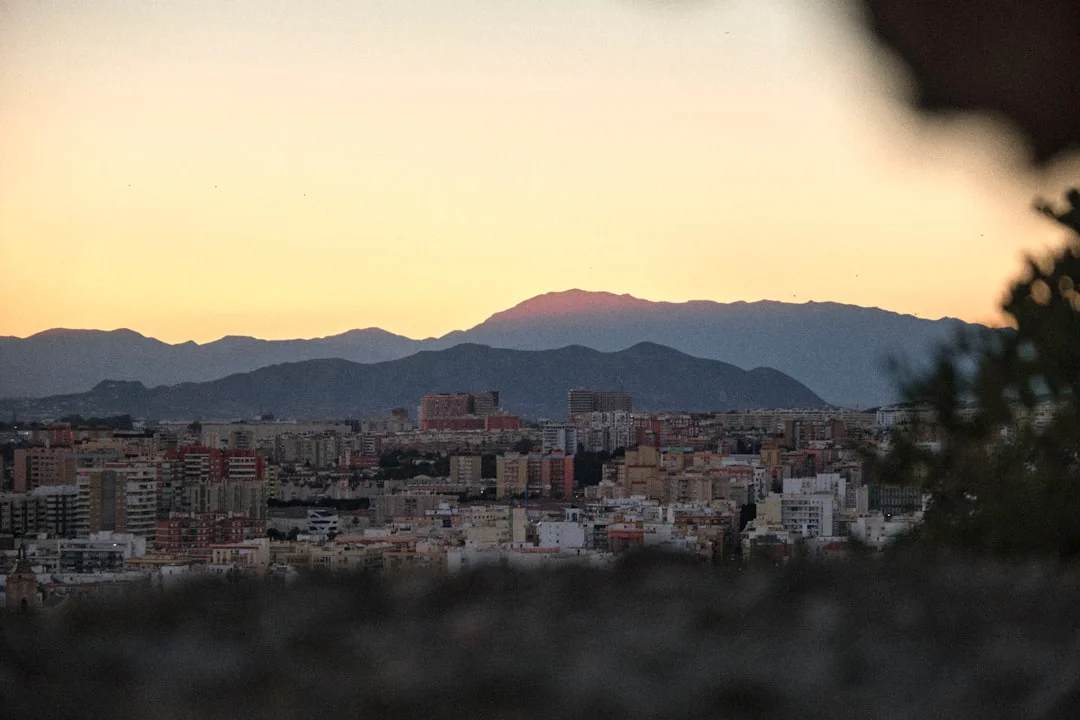
    Dieser mit Kiefern bewachsene Hügel liegt nordöstlich des historischen Zentrums und bietet einen atemberaubenden 360-Grad-Blick auf die Stadt, das Meer und die umliegenden Berge.

    • Die Route: Beginnen Sie Ihren Spaziergang hinter dem historischen Santuario de la Victoria. Folgen Sie den engen Gassen, die sich nach oben schlängeln, bis sie in unbefestigte Pfade übergehen. Der Aufstieg durch einen duftenden Kiefernwald ist kurz, aber mäßig steil und dauert etwa 20 bis 30 Minuten.
    • Das Besondere daran: Es ist einer der besten Orte der Stadt, um den Sonnenuntergang zu beobachten. Hier treffen Sie auf Einheimische, die ihre Hunde ausführen, auf den Felsen lesen oder einfach die kühle Abendbrise abseits der städtischen Hektik genießen.

    2. Das San Telmo Aquädukt: Ein vergessenes Meisterwerk

    Das Ende des 18. Jahrhunderts erbaut, um Frischwasser vom Fluss Guadalmedina in die Stadt zu leiten, gilt das Acueducto de San Telmo als eines der bedeutendsten historischen Ingenieurwerke Andalusiens. Während Teile davon in städtischen Wohnvierteln verborgen liegen, erstrecken sich die spektakulärsten Abschnitte über die Schluchten nördlich der Stadt.

    • Die Route: Um die beeindruckendsten erhaltenen Bögen zu sehen, begeben Sie sich in das nördliche Viertel Ciudad Jardín. Sie können eine Wanderung in der Nähe der Puente de los Once Ojos (Brücke der elf Augen) beginnen, die den Bach Humaina überspannt. Von dort aus folgen unbefestigte Wege dem Verlauf des alten Wasserkanals.
    • Das Besondere daran: Es bietet einen faszinierenden Einblick in die Industriegeschichte Málagas, umgeben von Olivenbäumen, wildem Rosmarin und einer ruhigen Landschaft – und das alles nur eine kurze Strecke vom Stadtzentrum entfernt.

    3. Paseo de Sancha bis El Limonar: Modernistische Eleganz

    Für einen ruhigen Architektur-Spaziergang lassen Sie die belebte Strandpromenade hinter sich und gehen einen Häuserblock landeinwärts. Die Allee Paseo de Sancha und das grüne Viertel El Limonar beherbergen einige der schönsten Villen des 19. und frühen 20. Jahrhunderts in Südspanien.

    Während des industriellen Booms in Málaga errichteten wohlhabende einheimische Familien und ausländische Kaufleute hier prächtige Sommerresidenzen, die Mudéjar-, viktorianische und neoklassizistische Stile miteinander verbinden.

    • Die Route: Beginnen Sie an der Plaza de Toros (Stierkampfarena) und gehen Sie auf dem Paseo de Sancha nach Osten. Biegen Sie links in die Wohnstraßen von El Limonar ab, wie beispielsweise den Paseo del Limonar. Achten Sie auf die kunstvollen Schmiedeeisenarbeiten, die üppigen privaten Gärten und die farbenfrohen Kachelfassaden.
    • Das Besondere daran: Es ist ein flacher, schattiger und unglaublich friedlicher Spaziergang. Es fühlt sich an wie eine Zeitreise in das goldene Zeitalter Málagas und bietet einen starken Kontrast zu den modernen Hochhäusern an der Strandpromenade.

    4. Guadalhorce-Mündung: Die Wildnis an der Küste

    Am westlichen Rand der Stadt, eingezwängt zwischen den Armen des Flusses Guadalhorce, liegt das Naturreservat Paraje Natural Desembocadura del Guadalhorce (Mündungsgebiet des Guadalhorce). Trotz der Nähe zur Stadt und zum Flughafen ist dieses geschützte Feuchtgebiet ein lebenswichtiger Zwischenstopp für Zugvögel und eine Oase der Ruhe in der Natur.

    • Die Route: Sie erreichen das Reservat über die beeindruckende Holzfußgängerbrücke (Pasarela del Guadalhorce) am Ende des Viertels Guadalmar. Im Inneren führt ein Netz aus flachen, einfachen Naturpfaden zu verschiedenen hölzernen Vogelbeobachtungshütten mit Blick auf die Lagunen.
    • Das Besondere daran: Es ist ein völlig anderes Ökosystem als der Rest von Málaga. Je nach Jahreszeit können Sie hier Flamingos, Fischadler und seltene Weißkopfruderenten beobachten. Das Rauschen des Windes im Schilf und die brechenden Wellen des nahen Meeres machen diesen Ort perfekt, um den Kopf frei zu bekommen.

    Tipps zur Erkundung von Málagas verborgenen Orten

    • Bringen Sie Wasser und Sonnenschutz mit: Viele dieser Routen, insbesondere der Monte Victoria und die Guadalhorce-Mündung, bieten nur sehr wenig Schatten.
    • Respektieren Sie die Umwelt: Die Guadalhorce-Mündung ist ein geschütztes Naturreservat. Bleiben Sie auf den ausgewiesenen Wegen, vermeiden Sie Lärm und nehmen Sie Ihren Müll immer wieder mit zurück.
    • Tragen Sie festes Schuhwerk: Selbst bei kurzen Spaziergängen wie auf den Monte Victoria kann loser Kies die Wege rutschig machen. Lassen Sie die Sandalen lieber am Strand.

    Die Erkundung dieser ruhigeren Ecken offenbart eine andere Seite von Málaga – geprägt von Geschichte, Natur und einer entschleunigten Lebensweise. Ob Sie nun von einem Kiefernwald aus beobachten, wie die Sonne hinter den Bergen versinkt, sich Zeit nehmen, um die unglaublichen Kunstausstellungen der Stadt zu entdecken, oder der Meeresbrise im Feuchtgebiet lauschen – wir hoffen, dass diese Routen Ihnen helfen, eine Verbindung zum authentischen Geist unserer Stadt herzustellen.

  • Málaga Secret Trails: 4 Hidden Routes Locals Love

    Málaga Secret Trails: 4 Hidden Routes Locals Love

    While the vibrant atmosphere of Calle Larios, the historic grandeur of the Alcazaba, the excitement of seeing Málaga CF face Fulham in the Trofeo Costa del Sol, and the sunny shores of La Malagueta define Málaga for many, there is another side to the city. Beyond the typical tourist maps lie quiet pine forests, forgotten 18th-century engineering marvels, and peaceful coastal wetlands.

    If you want to step off the beaten path, these secret local routes offer a deeper, quieter look at Málaga’s natural beauty and history.

    1. Monte Victoria: The Local’s Sunset Peak

    Most visitors climb the steep path to the Gibralfaro viewpoint for a panoramic view of the bullring and port. While beautiful, it is often crowded. For a more peaceful, natural alternative, locals head to Monte Victoria (also known as Cerro de San Cristóbal).

    Located just northeast of the historic center, this pine-covered hill offers sweeping 360-degree views of the city, the sea, and the surrounding mountains.

    • The Route: Start your walk behind the historic Santuario de la Victoria. Follow the narrow streets winding upward until they transition into dirt paths. The climb is short but moderately steep, taking about 20 to 30 minutes through a fragrant pine grove.
    • Why it’s special: It is one of the best spots in the city to watch the sunset. You will find locals walking their dogs, reading on the rocks, or simply enjoying the cool evening breeze away from the urban bustle.

    2. The San Telmo Aqueduct: A Forgotten Marvel

    Built in the late 18th century to bring fresh water from the Guadalmedina River to the city, the Acueducto de San Telmo is considered one of the most important historic engineering works in Andalusia. While parts of it are hidden within urban neighborhoods, the most dramatic sections stretch across the ravines north of the city.

    • The Route: To see the most impressive remaining arches, head to the northern district of Ciudad Jardín. You can start a walking route near the Puente de los Once Ojos (Bridge of Eleven Eyes) spanning the Humaina stream. From there, dirt tracks follow the path of the old water channel.
    • Why it’s special: It offers a fascinating glimpse into Málaga’s industrial history, surrounded by olive trees, wild rosemary, and quiet countryside, all just a short distance from the city center.

    3. Paseo de Sancha to El Limonar: Modernist Elegance

    For a peaceful architectural walk, escape the busy beach promenade and head one block inland. The avenue of Paseo de Sancha and the leafy neighborhood of El Limonar host some of the most beautiful 19th and early 20th-century villas in southern Spain.

    During Málaga’s industrial boom, wealthy local families and foreign merchants built grand summer residences here, blending Mudéjar, Victorian, and Neo-classical styles.

    • The Route: Begin at the Plaza de Toros (bullring) and walk east along Paseo de Sancha. Turn left up into the residential streets of El Limonar, such as Paseo del Limonar. Keep an eye out for the intricate ironwork, lush private gardens, and colorful tiled facades.
    • Why it’s special: It is a flat, shady, and incredibly peaceful walk. It feels like stepping back in time to Málaga’s golden age, offering a sharp contrast to the modern beachfront high-rises.

    4. Guadalhorce Estuary: The Coastal Wilderness

    On the western edge of the city, squeezed between the Guadalhorce River branches, lies the Paraje Natural Desembocadura del Guadalhorce (Guadalhorce Estuary Natural Reserve). Despite its proximity to the city and the airport, this protected wetland is a vital stopover for migratory birds and a haven of quiet nature.

    • The Route: Access the reserve via the impressive wooden footbridge (Pasarela del Guadalhorce) at the end of the Guadalmar neighborhood. Once inside, a network of flat, easy dirt trails leads to various wooden bird-watching hides overlooking the lagoons.
    • Why it’s special: It is a completely different ecosystem from the rest of Málaga. Depending on the season, you can spot flamingos, ospreys, and rare white-headed ducks. The sound of the wind through the reeds and the crashing waves of the nearby sea make it the perfect place to clear your mind.

    Tips for Exploring Málaga’s Hidden Spots

    • Bring water and sun protection: Many of these routes, especially Monte Victoria and the Guadalhorce Estuary, have very little shade.
    • Respect the environment: The Guadalhorce Estuary is a protected nature reserve. Stay on the designated paths, keep noise to a minimum, and always carry your trash back with you.
    • Wear sturdy shoes: Even for short walks like Monte Victoria, loose gravel can make paths slippery. Leave the sandals for the beach.

    Exploring these quieter corners reveals a different side of Málaga—one shaped by history, nature, and a slower pace of life. Whether you are watching the sun dip behind the mountains from a pine forest, taking some time to discover the city’s incredible art exhibitions, or listening to the sea breeze in the wetlands, we hope these routes help you connect with the authentic spirit of our city.

  • Brisa Festival, Marbella Fashion Lead Málaga Weekend

    Brisa Festival, Marbella Fashion Lead Málaga Weekend

    As we head into the first weekend of August 2026, the province of Málaga is bursting with cultural energy. Whether you are looking for live indie-rock by the sea, high fashion on the streets of the Golden Mile, or a deep dive into rural Andalusian traditions under the stars, there is something for everyone.

    Local portals like Diario Sur have highlighted this weekend’s diverse lineup, making it the perfect time to explore both the coastline and the inland white villages. If you want to see how these activities compare to other seasonal events, you can also look back at previous Málaga weekend plans featuring seaside markets and local festivals. Here are three outstanding plans to make the most of your weekend from July 31 to August 2, 2026.

    Brisa Festival 2026: Live Music at Málaga Port

    The highly anticipated Brisa Festival is back for its 2026 edition, and it brings a major change of scenery. This year, the main concerts are moving to the Dique de Levante (the eastern dike) at the Port of Málaga.

    Imagine listening to the best of Spanish pop-rock with the Mediterranean breeze in your hair and the illuminated city skyline as a backdrop. The festival continues its mission of supporting local bands alongside established national headliners, making it a cornerstone of Málaga’s summer music scene.

    • Where: Dique de Levante, Port of Málaga
    • When: July 31 to August 2, 2026
    • Why go: Unbeatable maritime views combined with a stellar lineup of indie and rock artists.

    Marbella Turns Streets Into an Open-Air Catwalk

    Further down the coast, Marbella is trading its usual beachside glamour for high-fashion drama. This weekend, the city’s historic center and key avenues are transforming into a massive outdoor runway.

    Local and international designers will showcase their latest collections right on the streets, bringing haute couture closer to the public. If you love design, style, and vibrant street atmospheres, this open-air fashion event is a must-visit. You can find more details on local schedules via Hoy Málaga.

    • Where: Streets of Marbella
    • When: August 1-2, 2026
    • Why go: A unique opportunity to see cutting-edge fashion in a beautiful Mediterranean urban setting.

    El Paso de Riogordo: A Special Summer Night Performance

    For those who prefer a journey inland, the beautiful white village of Riogordo in the Axarquía region is hosting a highly unusual event. Known across Spain for “El Paso”—a powerful, community-led reenactment of the Passion of Christ typically performed during Holy Week—the town is staging a special nocturnal edition.

    Seeing this dramatic performance under the summer night sky, with the rugged mountains of the Axarquía surrounding the natural stage, offers an entirely different, highly atmospheric experience. It is also the perfect excuse to visit Riogordo, taste its famous local olive oil, and enjoy the cooler evening temperatures of the countryside.

    • Where: Riogordo (Axarquía)
    • When: Saturday night, August 1, 2026
    • Why go: A deeply moving cultural tradition presented in a unique night-time format.

    We hope this weekend brings you moments of discovery, connection, and joy. Whether you find yourself dancing by the docks in Málaga, admiring the creative designs in Marbella, or sitting quietly under the stars in Riogordo, may you feel the warm, welcoming spirit that makes our province so incredibly special. Safe travels, and enjoy the start of August!