Im letzten Jahrzehnt hat sich Málaga erfolgreich als das „Silicon Valley Südeuropas“ gebrandet, hauptsächlich angetrieben durch die Ankunft von Software-Giganten und Cybersicherheits-Hubs. Die kürzliche Bestätigung jedoch, dass das Interuniversity Microelectronics Centre (IMEC) ein Chip-Innovationszentrum im Málaga TechPark (PTA) errichten wird, signalisiert einen weitaus bedeutenderen strukturellen Wandel. Hier geht es nicht mehr nur um das Schreiben von Code; es geht um die Entwicklung der Hardware, die die moderne Welt antreibt – eine Dynamik, die sich mittlerweile auch in Málagas innovativer Gastronomie und den neuen Dinner-Shows widerspiegelt.
Category: Tech & Work
Technology, startups and digital nomad life
-

Málaga Silicon Valley: Why the IMEC Chip Center Matters
For the past decade, Málaga has successfully branded itself as the “Silicon Valley of Southern Europe,” primarily driven by the arrival of software giants and cybersecurity hubs. However, while the city respects its past—recently marking the 125th anniversary of the Gneisenau shipwreck—the confirmation that the Interuniversity Microelectronics Centre (IMEC) will establish a chip innovation center at the Málaga TechPark (PTA) signals a far more significant structural shift. This is no longer just about writing code; it is about engineering the hardware that powers the modern world.
-
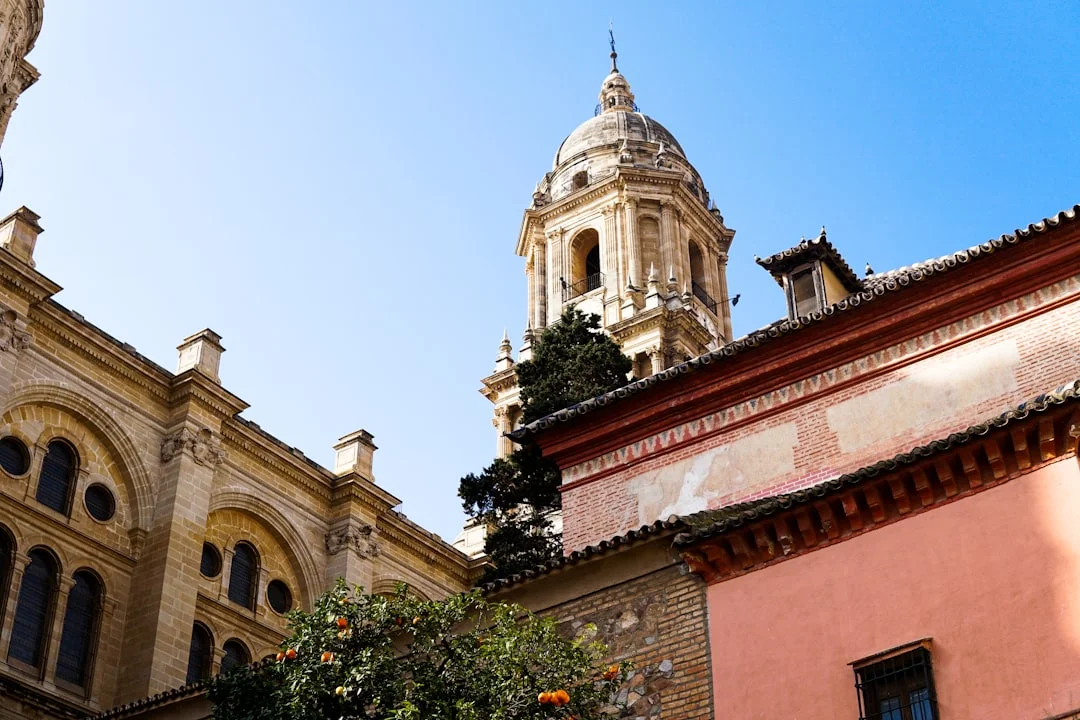
Mehr als Software: Málaga tritt mit IMEC in den globalen Halbleiter-Wettlauf ein
Im letzten Jahrzehnt hat sich Málaga erfolgreich als sonnige Alternative zum Silicon Valley für Softwareingenieure und digitale Nomaden etabliert. Die Region durchläuft jedoch nun einen Strukturwandel, der über das Programmieren hinausgeht und sich – flankiert von aufstrebenden Dinner-Shows und jungen Köchen – der physischen Infrastruktur des digitalen Zeitalters zuwendet: den Halbleitern.
-
Beyond Software: Málaga Enters the Global Semiconductor Race with IMEC
For the past decade, Málaga has successfully branded itself as the sunny alternative to Silicon Valley for software engineers and digital nomads. However, the region is now undergoing a structural shift that moves beyond code and into the physical infrastructure of the digital age: semiconductors, with the IMEC Chip Center cementing Málaga’s role as a major tech hub.
-

Silicon Málaga: Wie IMEC und die Kreislaufwirtschaft den PTA neu definieren
Seit Jahrzehnten ist der Parque Tecnológico de Andalucía (PTA), heute Málaga TechPark, der Motor für die wirtschaftliche Neuerfindung der Stadt. Historisch gesehen basierte dieser Erfolg auf Softwareentwicklung, IT-Outsourcing und Cybersicherheit. Doch im Verlauf des Jahres 2026 findet ein struktureller Wandel statt. Der Park wandelt sich von einem dienstleistungsorientierten Hub zu einem Zentrum für Deep-Hardware-Innovation und industrielle Nachhaltigkeit.
Zwei wesentliche Entwicklungen definieren diese neue Ära: die Einrichtung des IMEC-Innovationszentrums und der Start einer spezialisierten Akademie für Kreislaufwirtschaft.
Der Halbleiter-Sprung: IMEC in Málaga
Die Ankunft des IMEC (Interuniversity Microelectronics Centre) stellt den bedeutendsten qualitativen Sprung in der Geschichte des Parks dar. Im Gegensatz zu traditionellen IT-Unternehmen, die sich auf Code konzentrieren, fokussiert sich IMEC auf die physischen Komponenten, die die digitale Welt antreiben: Mikrochips.
Nach Angaben des Ayuntamiento de Málaga ist die Einrichtung dieses Zentrums nicht bloß eine Büroeröffnung; es handelt sich um eine strategische Integration in die globale Halbleiter-Wertschöpfungskette. Die Anlage ist darauf ausgelegt, sich auf fortgeschrittenes Prototyping und Innovationen in der 300-mm-Wafer-Technologie zu konzentrieren.
Dieser Schritt positioniert Málaga im strategischen Rahmen des European Chips Act, der darauf abzielt, die Abhängigkeit des Kontinents von asiatischer Fertigung zu verringern. Für das lokale Ökosystem bedeutet dies:
- Hochwertige Arbeitsplätze: Ein Wandel von generalistischen Entwicklern hin zu spezialisierten Prozessingenieuren, Physikern und Materialwissenschaftlern.
- F&E-Dichte: Eine Zunahme der Patentgenerierung und hardwareorientierten Forschung anstelle von reinen Softwareanwendungen.
- Anziehung von Satellitenindustrien: Die Halbleiterfertigung erfordert eine komplexe Lieferkette, was potenziell spezialisierte Logistik- und Wartungsanbieter in den PTA ziehen könnte.
Nachhaltigkeit als Industriestandard
Während IMEC die technologische Grenze repräsentiert, adressiert der Park gleichzeitig die Umweltkosten des industriellen Wachstums. Das traditionelle lineare Modell von „Nehmen-Herstellen-Wegwerfen“ wird obsolet, insbesondere in hardwarelastigen Industrien.
Um die Fachkräftelücke in der grünen Industrie zu schließen, hat der Park eine neue Bildungssäule initiiert. Wie von Residuos Profesional berichtet, zielt die Gründung einer Akademie für Kreislaufwirtschaft im Málaga TechPark darauf ab, Fachleute speziell in nachhaltigen industriellen Prozessen auszubilden.
Diese Initiative ist aus mehreren Gründen entscheidend:
- Einhaltung gesetzlicher Vorschriften: Da die EU-Vorschriften zu Elektroschrott und Industrieemissionen strenger werden, benötigen Unternehmen im PTA Mitarbeiter, die Lebenszyklen prüfen und optimieren können.
- Ressourceneffizienz: Für Hardware-Unternehmen ist die Rückgewinnung von Materialien aus der Fertigung ein kostensparender Mechanismus, nicht nur eine Geste für die Umwelt.
- Talentbindung: Es schafft einen Nischenarbeitsmarkt für Umweltingenieure und Nachhaltigkeitsberater innerhalb des Technologiesektors.
Die Konvergenz zum „Silicon Málaga“
Das Zusammentreffen dieser beiden Trends – Halbleiter und Kreislaufwirtschaft – schafft ein einzigartiges Wertversprechen für Málaga. Wir sind Zeugen der Reifung des Ökosystems. Es reicht nicht mehr aus, Sonnenschein und Glasfaser anzubieten; die Region konkurriert nun über Infrastruktur für Deep Tech und die Fähigkeit, nachhaltig zu wirtschaften.
Für Investoren und Talente ist die Botschaft klar: Málaga steigt in der Wertschöpfungskette auf. Der Fokus verlagert sich von der Wartung von Altsystemen hin zum Design der Hardware der Zukunft, während gleichzeitig sichergestellt wird, dass diese Zukunft nachhaltig ist.
Wenn wir auf die Kräne und neuen Labore blicken, die dieses Jahr im PTA entstehen, ist es ermutigend zu sehen, dass Wachstum mit Verantwortungsbewusstsein einhergeht. Die Transformation des Málaga TechPark deutet darauf hin, dass die Stadt nicht nur expandiert, sondern sich intelligent weiterentwickelt und ihren Platz nicht nur als Touristenziel, sondern als ernstzunehmender Knotenpunkt in der globalen technologischen Infrastruktur sichert.
-
Silicon Málaga: How IMEC and Circular Economy Are Redefining the PTA
For decades, the Parque Tecnológico de Andalucía (PTA), now Málaga TechPark, has been the engine of the city’s economic reinvention. Historically, this success was built on software development, IT outsourcing, and cybersecurity. However, as we move through 2026, a structural shift is occurring. The park is transitioning from a service-oriented hub to a center for deep hardware innovation and industrial sustainability.
Two major developments define this new era: the establishment of the IMEC innovation center and the launch of a specialized Circular Economy Academy.
The Semiconductor Leap: IMEC in Málaga
The arrival of IMEC (Interuniversity Microelectronics Centre) represents the most significant qualitative leap in the park’s history. Unlike traditional IT companies that focus on code, IMEC focuses on the physical components that power the digital world: microchips.
According to the Ayuntamiento de Málaga, the establishment of this center is not merely an office opening; it is a strategic integration into the global semiconductor value chain. The facility is designed to focus on advanced prototyping and innovation in 300mm wafer technology.
This move positions Málaga within the strategic framework of the European Chips Act, aiming to reduce the continent’s dependency on Asian manufacturing. for the local ecosystem, this means:
- High-Value Employment: A shift from generalist developers to specialized process engineers, physicists, and material scientists.
- R&D Density: An increase in patent generation and hardware-focused research rather than purely software applications.
- Attraction of Satellite Industries: Semiconductor fabrication requires a complex supply chain, potentially drawing specialized logistics and maintenance vendors to the PTA.
Sustainability as an Industrial Standard
While IMEC represents the technological frontier, the park is simultaneously addressing the environmental cost of industrial growth. The traditional linear model of “take-make-waste” is becoming obsolete, particularly in hardware-heavy industries.
To bridge the skills gap in green industry, the park has initiated a new educational pillar. As reported by Residuos Profesional, the creation of a Circular Economy Academy within Málaga TechPark aims to train professionals specifically in sustainable industrial processes.
This initiative is critical for several reasons:
- Regulatory Compliance: As EU regulations on electronic waste and industrial emissions tighten, companies in the PTA need staff capable of auditing and optimizing lifecycles.
- Resource Efficiency: For hardware companies, recovering materials from manufacturing is a cost-saving mechanism, not just an environmental gesture.
- Talent Retention: It creates a niche job market for environmental engineers and sustainability consultants within the tech sector.
The “Silicon Málaga” Convergence
The convergence of these two trends—semiconductors and circular economy—creates a unique value proposition for Málaga. We are witnessing the maturation of the ecosystem. It is no longer enough to offer sunshine and fiber optics; the region is now competing on infrastructure for deep tech and the ability to operate sustainably.
For investors and talent, the message is clear: Málaga is moving up the value chain. The focus is shifting from maintaining legacy systems to designing the hardware of the future, while ensuring that future is sustainable.
As we look at the cranes and new laboratories rising in the PTA this year, it is encouraging to see that growth is being matched with responsibility. The transformation of Málaga TechPark suggests that the city is not just expanding, but evolving intelligently, securing its place not just as a tourist destination, but as a serious node in the global technological infrastructure.
-

Silicon Coast: Wie IMEC Málaga in ein strategisches Mikrochip-Zentrum verwandelt
Jahrzehntelang war Málagas globale Identität untrennbar mit der Küste, dem Klima und der Fähigkeit verbunden, Millionen von Touristen zu beherbergen. Im Jahr 2026 festigt jedoch ein tiefgreifender Strukturwandel den Status der Stadt als ernstzunehmendes technologisches Schwergewicht. Die Ankunft des IMEC (Interuniversity Microelectronics Centre) im Málaga TechPark (PTA) ist nicht bloß eine weitere Unternehmensansiedlung; sie ist der Grundstein einer neuen Industriestrategie, die Andalusien in das Zentrum der europäischen Halbleiter-Lieferkette rückt.
Der IMEC-Effekt: Deep Tech statt digitalem Nomadentum
Während Málaga in den letzten Jahren erfolgreich Software-Giganten und digitale Nomaden angezogen hat, markiert die Einrichtung eines IMEC-Innovationszentrums den Übergang zu „Deep Tech“. IMEC ist ein weltweit führendes Forschungs- und Innovationszentrum für Nanoelektronik und digitale Technologien. Ihre Präsenz signalisiert, dass sich Málaga über die Softwareentwicklung hinaus auf das physische Engineering der Zukunft bewegt: Mikrochips.
Berichten des Ayuntamiento de Málaga zufolge ist die Einrichtung im Parque Tecnológico de Andalucía auf fortschrittliches Prototyping und Halbleiterforschung ausgelegt. Dies ist ein entscheidender Unterschied; im Gegensatz zu einer Standard-Fertigungsanlage (Foundry) zieht ein Innovationszentrum hochspezialisierte Talente auf PhD-Niveau an und fördert ein Forschungsökosystem, das wesentlich schwerer zu verlagern ist als ein normales Unternehmensbüro.
Die strategischen Auswirkungen umfassen:
* Anziehungskraft für Talente: Hochqualifizierte Ingenieure, die Spanien früher für Stellen in Belgien oder den USA verlassen mussten, haben nun ein Zentrum in Südeuropa.
* Resilienz der Lieferkette: Durch die Beherbergung eines Knotens des europäischen Chip-Ökosystems isoliert sich Málaga etwas von der Volatilität des Tourismussektors.
* Synergie mit der Universität: Die Nähe zur Universität Málaga schafft eine direkte Pipeline für Zusammenarbeit in Forschung und Entwicklung (F&E).Ein dualer Motor: Chips und Kreislaufwirtschaft
Ein reifes Technologie-Ökosystem erfordert mehr als nur reine Rechenleistung; es benötigt Nachhaltigkeit, um für zukünftige Investitionen rentabel zu bleiben. Parallel zu den Entwicklungen im Halbleiterbereich hat der Málaga TechPark seine Fähigkeiten im Bereich Nachhaltigkeit weiter ausgebaut.
Der Start einer dedizierten Circular Economy Academy innerhalb des Parks unterstreicht diesen dualen Ansatz. Wie von Residuos Profesional hervorgehoben, zielt diese Initiative darauf ab, Fachleute in nachhaltigen Industriepraktiken auszubilden. Dies ist besonders relevant für den Hardware- und Elektroniksektor, der unter zunehmendem Druck steht, Elektroschrott zu bewältigen und Ressourceneffizienz zu gewährleisten.
Durch die Verknüpfung der High-Tech-Produktionskapazitäten der Halbleiterindustrie mit den Nachhaltigkeitsrahmenbedingungen der Circular Economy Academy positioniert sich Málaga als „Smart Green“-Hub. Diese Kombination ist äußerst attraktiv für ausländische Direktinvestitionen (FDI), die nach Regionen suchen, die den strengen Vorschriften des EU Green Deal entsprechen.
Wirtschaftliche Reife und lokale Auswirkungen
Die Transformation des PTA in ein Zentrum für Mikroelektronik und Kreislaufwirtschaft verändert den Arbeitsmarkt der Region. Wir erleben eine Abkehr von saisonaler, dienstleistungsorientierter Beschäftigung hin zu struktureller, technischer Beschäftigung mit hohem Einkommen.
Für die lokale Wirtschaft ist der Multiplikatoreffekt einer Einrichtung wie IMEC signifikant. Sie erfordert typischerweise spezialisierte Zulieferer, Logistik und juristische Dienstleistungen, wodurch eine zweite Ebene wirtschaftlicher Aktivität entsteht, die das ganze Jahr über in der Region verwurzelt ist. Dies bestätigt das Konzept des „Málaga Valley“ nicht als Marketing-Slogan, sondern als operative Realität.
Wenn wir auf den Werdegang der Stadt im Jahr 2026 blicken, ist der Kontrast stark. Die Kräne am Horizont bauen nicht mehr nur Hotels, sie bauen Labore. Für die Menschen in Málaga bietet dieser Wandel das Versprechen auf Stabilität und eine Zukunft, in der die Stadt ebenso für ihr Silizium wie für ihre Sonne bekannt ist.
-
Silicon Coast: How IMEC is Transforming Málaga into a Strategic Microchip Hub
For decades, Málaga’s global identity was inextricably linked to its coastline, its climate, and its capacity to host millions of tourists. However, as we navigate 2026, a profound structural shift is cementing the city’s status as a serious technological heavyweight. The arrival of IMEC (Interuniversity Microelectronics Centre) at the Málaga TechPark (PTA) is not merely another corporate relocation; it is the cornerstone of a new industrial strategy that places Andalusia at the heart of the European semiconductor supply chain.
The IMEC Effect: Deep Tech over Digital Nomadism
While Málaga has successfully attracted software giants and digital nomads in recent years, the establishment of an IMEC innovation center marks a transition into “Deep Tech.” IMEC is a world-leading research and innovation hub in nanoelectronics and digital technologies. Their presence signals that Málaga is moving beyond software development into the physical engineering of the future: microchips.
According to reports from the Ayuntamiento de Málaga, the facility at the Parque Tecnológico de Andalucía is designed to focus on advanced prototyping and semiconductor research. This is a critical distinction; unlike a standard manufacturing plant (foundry), an innovation center attracts highly specialized PhD-level talent and fosters a research ecosystem that is much harder to displace than a standard corporate office.
The strategic implications include:
* Talent Gravity: High-level engineers who previously had to leave Spain for roles in Belgium or the US now have a hub in Southern Europe.
* Supply Chain Resilience: By hosting a node of the European chips ecosystem, Málaga insulates itself slightly from the volatility of the tourism sector.
* University Synergy: The proximity to the University of Málaga creates a direct pipeline for R&D collaboration.A Dual Engine: Chips and Circular Economy
A mature technology ecosystem requires more than just raw computing power; it requires sustainability to remain viable for future investment. Parallel to the semiconductor developments, the Málaga TechPark has been advancing its capabilities in sustainability.
The launch of a dedicated Circular Economy Academy within the park reinforces this dual approach. As highlighted by Residuos Profesional, this initiative aims to train professionals in sustainable industrial practices. This is particularly relevant for the hardware and electronics sector, which faces increasing pressure to manage e-waste and resource efficiency.
By coupling the high-tech production capabilities of the semiconductor industry with the sustainability frameworks of the Circular Economy Academy, Málaga is positioning itself as a “Smart Green” hub. This combination is highly attractive to Foreign Direct Investment (FDI) looking for regions that comply with strict EU Green Deal regulations.
Economic Maturity and Local Impact
The transformation of the PTA into a hub for microelectronics and circular economics alters the region’s labor market. We are witnessing a divergence from seasonal, service-based employment toward structural, high-income technical employment.
For the local economy, the multiplier effect of a facility like IMEC is significant. It typically demands specialized suppliers, logistics, and legal services, creating a secondary layer of economic activity that is rooted in the region year-round. It validates the “Málaga Valley” concept not as a marketing slogan, but as an operational reality.
As we look at the trajectory of the city in 2026, the contrast is stark. The cranes on the skyline are no longer just building hotels; they are building laboratories. For the people of Málaga, this shift offers a promise of stability and a future where the city is known as much for its silicon as for its sun.
-

Málaga Tech: Vom Hub für digitale Nomaden zum industriellen Kraftzentrum
Im letzten Jahrzehnt hat sich Málaga erfolgreich als das Kalifornien Europas vermarktet – ein sonnenverwöhnter Zufluchtsort für digitale Nomaden und Remote-Softwareentwickler. Doch während wir uns auf das Jahr 2026 zubewegen, deutet das Narrativ innerhalb des Málaga TechPark (PTA) auf einen bedeutenden strukturellen Wandel hin. Das Ökosystem reift von einem Dienstleistungszentrum für „Soft Tech“ zu einem Zentrum für industrielle Innovation und „Hard Tech“ heran, bestätigt durch internationale Allianzen und nationale Rankings.
Die Kyoto-Verbindung: Eine Brücke zu Deep Tech
Einer der aussagekräftigsten Indikatoren für diesen Wandel ist die strategische Zusammenarbeit zwischen dem Málaga TechPark und dem Kyoto Research Park (KRP) in Japan. Dies ist nicht bloß eine symbolische Städtepartnerschaft; es stellt eine bewusste Ausrichtung auf eines der weltweit fortschrittlichsten industriellen Forschungszentren dar.
Laut Málaga Hoy erleichtert dieses Abkommen den Austausch von Deep-Tech-Fähigkeiten und geht über einfache Softwareentwicklung hinaus hin zu komplexen industriellen Anwendungen. Die Partnerschaft zielt darauf ab, Korridore für lokale Unternehmen zu öffnen, um Zugang zu asiatischen Märkten zu erhalten, während gleichzeitig japanische industrielle Präzision nach Südspanien geholt wird. Dieser Schritt signalisiert, dass Málaga um hochwertiges industrielles geistiges Eigentum konkurriert, nicht nur um Remote-Arbeitsplätze.
Nationale Bestätigung: Qualität vor Quantität
Die Reife eines Tech-Ökosystems wird oft an der Überlebensrate und Skalierbarkeit seiner Startups gemessen. Jüngste Daten bestätigen, dass der Output Málagas einen nationalen Exzellenzstandard erreicht.
Daten, die von El Debate veröffentlicht wurden, heben hervor, dass im PTA inkubierte Startups Positionen im prestigeträchtigen Ranking der Top 100 Startups in Spanien gesichert haben. Die Aufnahme von Unternehmen wie OWO, Kame und Gamepolis in diese Rankings demonstriert eine Diversifizierung der lokalen Wirtschaft – von haptischer Technologie bis hin zu Gaming-Infrastruktur. Diese Präsenz in der Spitzenklasse bestätigt die Fähigkeit des Parks, Unternehmen hervorzubringen, die nicht nur lebensfähig, sondern auf nationaler Ebene wettbewerbsfähig sind.
Institutionalisierung des Erfolgs: Das Málaga Startup Network
Um sicherzustellen, dass diese Erfolgsgeschichten keine Ausreißer bleiben, hat die Verwaltung ihre Unterstützungsstrukturen formalisiert. Die Schaffung des Málaga Startup Network stellt die Industrialisierung des Inkubationsprozesses selbst dar.
Wie vom Málaga TechPark detailliert beschrieben, fungiert diese Initiative als vereinheitlichende Ebene für das Ökosystem. Indem das Netzwerk über 27 lokale Unternehmen mit spezifischen Qualitätssiegeln auszeichnet, bietet es Investoren und Partnern eine geprüfte Liste von Unternehmungen mit hohem Potenzial. Dies reduziert Reibungsverluste für ausländisches Kapital, das in den Markt von Málaga eintreten möchte, und stellt sicher, dass Ressourcen in skalierbare Projekte auf industriellem Niveau gelenkt werden, anstatt in vergängliche digitale Unternehmungen.
Wichtige Säulen des aktuellen Ökosystems
- Internationalisierung: Direkte Brücken zu Innovationszentren wie Kyoto.
- Validierung: Konsistente Präsenz in nationalen Top-100-Rankings.
- Struktur: Formelle Netzwerke ersetzen informelle Treffen.
Málaga beweist, dass es mehr als nur eine hohe Lebensqualität bieten kann. Durch die Sicherung industrieller Partnerschaften und die Hervorbringung national gerankter Hard-Tech-Unternehmen etabliert sich die Stadt als ernstzunehmender Knotenpunkt im globalen Innovationsnetz. Es ist ein Übergang vom Anziehen von Talenten hin zur Produktion von Industrie.
-
Málaga Tech: From Nomad Hub to Industrial Powerhouse
For the past decade, Málaga has successfully marketed itself as the California of Europe—a sun-drenched haven for digital nomads and remote software developers. However, as we move through 2026, the narrative within the Málaga TechPark (PTA) suggests a significant structural pivot. The ecosystem is maturing from a “soft tech” service hub into a center for industrial innovation and “hard tech,” validated by international alliances and national rankings.
The Kyoto Connection: A Bridge to Deep Tech
One of the most telling indicators of this shift is the strategic collaboration between Málaga TechPark and the Kyoto Research Park (KRP) in Japan. This is not merely a symbolic sister-city arrangement; it represents a deliberate alignment with one of the world’s most advanced industrial research centers.
According to Málaga Hoy, this agreement facilitates the exchange of deep-tech capabilities, moving beyond simple software development into complex industrial applications. The partnership aims to open corridors for local companies to access Asian markets while attracting Japanese industrial precision to Southern Spain. This move signals that Málaga is competing for high-value industrial intellectual property, not just remote workstations.
National Validation: Quality Over Quantity
The maturity of a tech ecosystem is often measured by the survival rate and scalability of its startups. Recent data confirms that Málaga’s output is reaching a national standard of excellence.
Data reported by El Debate highlights that startups incubated within the PTA have secured positions in the prestigious ranking of the Top 100 Startups in Spain. The inclusion of companies like OWO, Kame, and Gamepolis in these rankings demonstrates a diversification of the local economy—ranging from haptic technology to gaming infrastructure. This presence in the top tier validates the park’s ability to generate companies that are not only viable but competitive at a national level.
Institutionalizing Success: The Málaga Startup Network
To ensure these success stories are not outliers, the administration has formalized its support structures. The creation of the Málaga Startup Network represents the industrialization of the incubation process itself.
As detailed by the Málaga TechPark, this initiative acts as a unifying layer for the ecosystem. By distinguishing over 27 local companies with specific quality seals, the network provides investors and partners with a vetted list of high-potential ventures. This reduces friction for foreign capital looking to enter the Málaga market and ensures that resources are directed toward scalable, industrial-grade projects rather than transient digital ventures.
Key Pillars of the Current Ecosystem
- Internationalization: Direct bridges to innovation hubs like Kyoto.
- Validation: Consistent presence in national Top 100 rankings.
- Structure: Formal networks replacing informal meetups.
Málaga is proving that it can offer more than just a high quality of life. By securing industrial partnerships and producing nationally ranked hard-tech companies, the city is establishing itself as a serious node in the global innovation grid. It is a transition from attracting talent to producing industry.