Category: Stay

Hotels, hostels and accommodation

  • Spain’s Largest Wooden Hotel Opens in Torremolinos

    Spain’s Largest Wooden Hotel Opens in Torremolinos

    The Costa del Sol has long been a sanctuary for sun-seekers, but its skyline and purpose are gracefully evolving. As remote work becomes a permanent fixture in global culture, the accommodation scene in southern Spain is shifting towards ‘flex living’—a concept that marries the comfort of a private home with the premium amenities of a boutique hotel. Leading this transformation is a groundbreaking architectural endeavor: Kora Olea.

    Having officially opened its doors on March 9, 2026, Kora Olea stands as a testament to sustainable innovation and modern hospitality. Located in the vibrant coastal town of Torremolinos, it is not merely a place to rest, but a purposefully designed ecosystem for the modern professional.

    An Architectural Milestone in Sustainable Wood

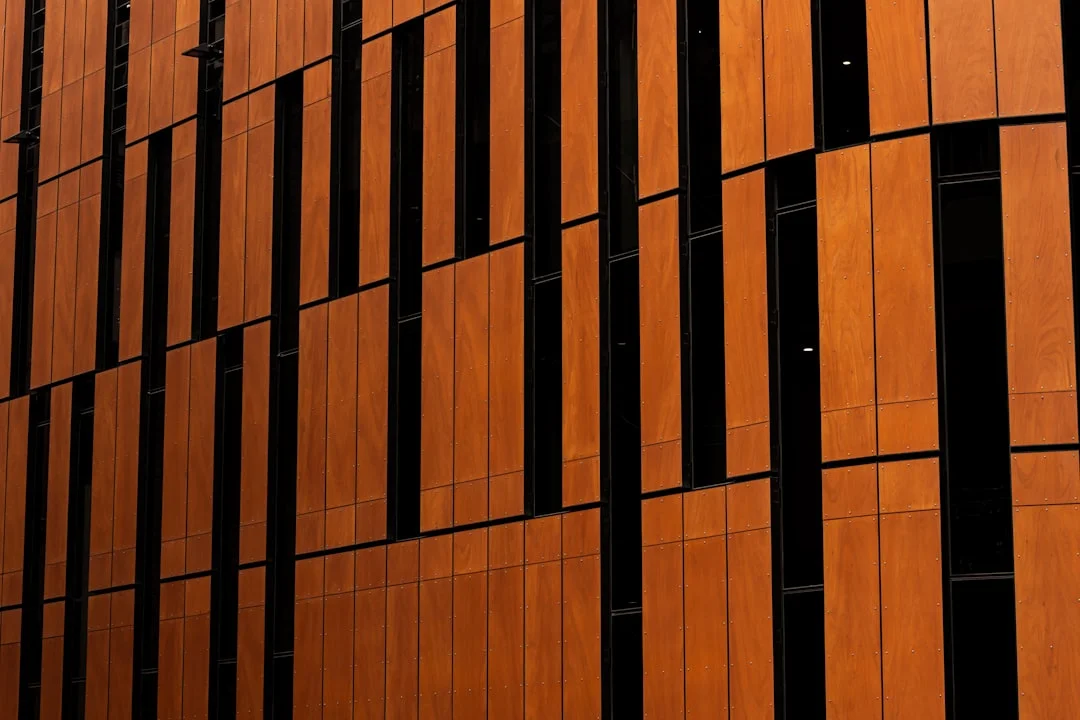
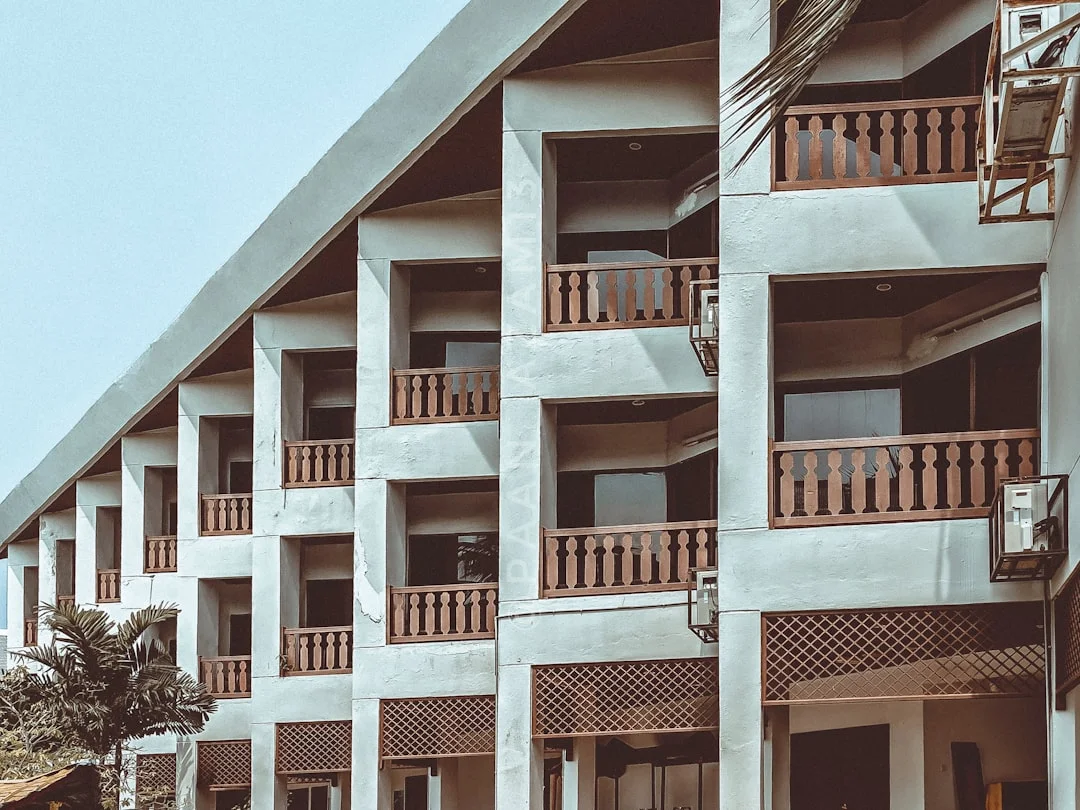
    At first glance, Kora Olea distinguishes itself from the traditional white-washed facades and concrete high-rises of the coastline. According to Stick Noticias, this remarkable structure is officially the largest hotel building made entirely of wood in Spain.

    The use of timber is a deliberate nod to sustainable architecture, dramatically reducing the building’s carbon footprint while creating an atmosphere of organic warmth. The wooden interiors and exteriors provide a calming, biophilic environment that enhances focus and well-being—essential elements for those spending their days working behind a screen.

    Redefining Digital Nomad Accommodation on the Costa del Sol

    Finding the perfect balance between a productive workspace and a relaxing retreat is the holy grail for remote workers. Kora Olea addresses this by offering 180 meticulously designed flex-living apartments.

    What does flex living offer?
    * Adaptable Spaces: Each apartment is crafted to transition seamlessly from a professional home office to a tranquil living area.
    * Community Amenities: Coworking lounges, communal kitchens, and wellness areas foster a sense of belonging among international residents.
    * Hassle-Free Living: High-speed internet, utilities, and maintenance are bundled, removing the typical friction associated with long term rentals in Malaga.

    This model of flex living Malaga is particularly appealing to digital nomads who require flexibility without sacrificing quality. Whether staying for a month or a season, residents find a turnkey solution that caters to both their professional ambitions and their desire for a Mediterranean lifestyle.

    The Perfect Base: Torremolinos and Los Álamos

    Location is paramount, and Kora Olea Torremolinos is strategically positioned to offer the best of the province. Situated near the pristine sands of Los Álamos beach, residents can easily swap their morning commute for a sunrise walk along the shore. The area is renowned for its elegant beach clubs, tranquil promenades, and vibrant culinary scene.

    Beyond the immediate coastal charm, the connectivity is unparalleled. The complex boasts direct transport links to the heart of Málaga and the Costa del Sol Airport. This means a digital nomad can close their laptop in Torremolinos and be sipping coffee in Málaga’s historic center—or boarding a flight to another European capital—in mere minutes. It is the ultimate convenience for those who consider the world their office.

    As more professionals seek out meaningful places to live and work, spaces like this remind us that a home is not just where we keep our belongings, but where we find our community, our focus, and our peace by the sea. It is deeply encouraging to see the region embrace sustainable, forward-thinking projects that welcome global citizens while respecting the natural beauty of the Andalusian coast.
  • Spaniens größtes Holzhotel Kora Olea öffnet in Torremolinos

    Spaniens größtes Holzhotel Kora Olea öffnet in Torremolinos

    Die Costa del Sol ist seit langem ein Zufluchtsort für alle, die Sonne, Meer und ein entspanntes Leben suchen. Doch so wie sich die Welt weiterentwickelt, verändern sich auch die Bedürfnisse ihrer Besucher und Bewohner. Hier kommt das Kora Olea ins Spiel, eine wegweisende Bereicherung der Hotellandschaft der Region, die am 9. März 2026 offiziell ihre Türen öffnete. Gelegen in der lebhaften Küstenstadt Torremolinos, die für Reisende trotz aktueller Herausforderungen und neuer Lösungsansätze im regionalen Bahnverkehr hervorragend angebunden bleibt, ist dieses architektonische Meisterwerk nicht nur ein weiterer Ort zum Übernachten; es ist ein mutiges Statement für nachhaltiges Wohnen und das größte vollständig aus Holz errichtete Hotelgebäude in Spanien.

    Ein Triumph nachhaltiger Architektur

    Jahrzehntelang wurde die Skyline der südspanischen Küste von Beton und Stahl dominiert. Das Kora Olea bricht mit dieser Tradition durch einen erfrischenden, umweltbewussten Ansatz. Durch die Verwendung von Holz als primäres Strukturelement reduziert das Gebäude seinen CO2-Fußabdruck erheblich und bietet einen Bauplan für die Zukunft des grünen Bauens im Hotelleriesektor. Dieses nachhaltige Erlebnis wird für Gäste bald noch leichter zugänglich sein, wenn Ende April die Hochgeschwindigkeitszugverbindung nach Madrid zurückkehrt und so eine bequeme, klimafreundliche Anreise ermöglicht.

    Holz als Baumaterial haucht den Räumen, die es formt, Leben ein. Es bietet eine natürliche Isolierung, reguliert die Luftfeuchtigkeit und schafft eine warme, organische Ästhetik, in der sich Gäste sofort wohlfühlen. Laut aktueller Berichterstattung von Stick Noticias ist dieses ehrgeizige Projekt ein Meilenstein für die nachhaltige Entwicklung in der Region und setzt neue Maßstäbe für umweltfreundlichen Tourismus und Wohnlösungen in Spanien.

    Der Aufstieg des ‘Flex Living’

    Das Konzept des Reisens hat sich grundlegend gewandelt. Die Grenzen zwischen Arbeiten, Wohnen und Urlaub verschwimmen zunehmend, was eine neue Bevölkerungsgruppe von Weltbürgern hervorbringt. Um diesem Wandel gerecht zu werden, präsentiert das Kora Olea 180 sorgfältig gestaltete ‘Flex Living’-Apartments.

    Aber was genau ist Flex Living? Es handelt sich um ein innovatives Unterkunftsmodell, das auf diejenigen zugeschnitten ist, die mehr als ein Standard-Hotelzimmer benötigen, aber weniger Beständigkeit als einen traditionellen Mietvertrag suchen. Es ist der perfekte Hybrid für digitale Nomaden, Remote-Arbeiter und Expats, die sich nach Flexibilität sehnen, ohne auf Gemeinschaft oder Komfort verzichten zu müssen.

    Hauptmerkmale des Flex Living im Kora Olea:

    • Anpassungsfähige Räume: Die Apartments sind komplett möbliert und durchdacht gestaltet, um tagsüber nahtlos als produktiver Arbeitsplatz und nachts als ruhiger Rückzugsort zu fungieren.
    • Fokus auf Gemeinschaft: Gemeinsam genutzte Einrichtungen wie Co-Working-Spaces, Gemeinschaftslounges und Wellnessbereiche fördern das Zusammengehörigkeitsgefühl unter Gleichgesinnten.
    • Schlüsselfertiger Komfort: Highspeed-Internet, Nebenkosten und Premium-Services sind nahtlos integriert, sodass sich die Bewohner voll und ganz auf ihre Arbeit und ihr Wohlbefinden konzentrieren können.

    Erstklassige Lage: Wo der Strand auf die Stadt trifft

    Einer der überzeugendsten Aspekte des Kora Olea ist seine strategische Lage. Eingebettet in die Nähe der weitläufigen Küste des Strandes Los Álamos in Torremolinos, sind die Bewohner nur wenige Schritte vom beruhigenden Rauschen des Mittelmeers entfernt. Die Gegend ist bekannt für ihre lebhaften chiringuitos, Wassersportmöglichkeiten und malerischen Promenaden und bietet eine idyllische Kulisse für einen ausgewogenen Lebensstil.

    Darüber hinaus ist die Anbindung beispiellos. Für den modernen digitalen Nomaden ist Isolation selten das Ziel. Das Kora Olea verfügt über direkte und effiziente Verkehrsverbindungen in das pulsierende Herz der Stadt Málaga und zum Flughafen Málaga-Costa del Sol. Egal, ob Sie einen internationalen Flug erreichen, an einem Geschäftstreffen im Technologieviertel von Málaga teilnehmen oder einfach die kulturellen Reichtümer der Hauptstadt erkunden möchten, die Anreise ist mühelos.

    “Das Kora Olea repräsentiert mehr als nur eine Unterkunft; es spiegelt wider, wie unsere Beziehung zu Arbeit, Reisen und Umwelt heranreift.”

    Eine neue Ära für die Costa del Sol

    Die Ankunft des Kora Olea in Torremolinos ist ein Beweis für die dynamische Entwicklung der Region. Es beweist, dass Luxus, Komfort und Umweltschutz wunderbar harmonieren können. Für Remote-Arbeiter, die eine Unterkunft für digitale Nomaden in Málaga suchen, oder Expats, die einen sanften Start in Südspanien wünschen, bietet dieses Refugium aus Holz eine unwiderstehliche Einladung, die Küste auf eine völlig neue Art und Weise zu erleben.

    Wenn wir in die Zukunft des Reisens und der Remote-Arbeit blicken, erinnern uns Orte wie das Kora Olea daran, dass unsere bebaute Umwelt sowohl den Planeten als auch die Menschen, die sie bewohnen, pflegen kann. Es ist eine stille, hölzerne Revolution an der sonnenverwöhnten Küste, die einen hoffnungsvollen Blick in eine Welt bietet, in der wir flexibel leben, leidenschaftlich arbeiten und die Erde schonend behandeln können.

  • Spain’s Largest Wooden Hotel Kora Olea Opens in Torremolinos

    Spain’s Largest Wooden Hotel Kora Olea Opens in Torremolinos

    The Costa del Sol has long been a sanctuary for those seeking sun, sea, and a relaxed pace of life. Yet, as the world evolves, so too do the needs of its visitors and residents. Enter Kora Olea, a groundbreaking addition to the region’s hospitality landscape that officially opened its doors on March 9, 2026. Situated in the vibrant coastal town of Torremolinos, this architectural marvel is not just another place to rest your head; it is a bold statement in sustainable living and the largest hotel building constructed entirely of wood in Spain.

    A Triumph of Sustainable Architecture

    For decades, the skyline of the southern Spanish coast has been dominated by concrete and steel. Kora Olea disrupts this tradition with a refreshing, eco-conscious approach. By utilizing timber as its primary structural component, the building significantly reduces its carbon footprint, offering a blueprint for the future of green construction in the hospitality sector.

    Wood, as a building material, breathes life into the spaces it shapes. It provides natural insulation, regulates humidity, and creates a warm, organic aesthetic that instantly puts guests at ease. According to recent coverage by Stick Noticias, this ambitious project is a milestone for sustainable development in the region, setting a new benchmark for eco-friendly tourism and residential solutions in Spain.

    The Rise of ‘Flex Living’

    The concept of travel has fundamentally shifted. The line between working, living, and vacationing has blurred, giving rise to a new demographic of global citizens. Recognizing this shift, Kora Olea introduces 180 meticulously designed ‘flex living’ apartments.

    But what exactly is flex living? It is an innovative accommodation model tailored for those who require more than a standard hotel room but less permanence than a traditional residential lease. It is the perfect hybrid for digital nomads, remote workers, and expats who crave flexibility without sacrificing community or comfort.

    Key Features of Kora Olea’s Flex Living:

    • Adaptable Spaces: Apartments are fully furnished and thoughtfully designed to transition seamlessly from a productive workspace by day to a tranquil retreat by night.
    • Community Focus: Shared amenities, including co-working spaces, communal lounges, and wellness areas, foster a sense of belonging among like-minded professionals.
    • Turnkey Convenience: High-speed internet, utilities, and premium services are seamlessly integrated, allowing residents to focus on their work and well-being.

    Prime Location: Where the Beach Meets the City

    One of the most compelling aspects of Kora Olea is its strategic location. Nestled near the expansive shores of Los Álamos beach in Torremolinos, residents are merely steps away from the soothing sounds of the Mediterranean. The area is renowned for its vibrant chiringuitos, water sports, and scenic promenades, offering an idyllic backdrop for a balanced lifestyle.

    Furthermore, connectivity is unparalleled. For the modern digital nomad, isolation is rarely the goal. Kora Olea boasts direct and efficient transport links to the bustling heart of Malaga city and the Malaga-Costa del Sol Airport. Whether you need to catch an international flight, attend a business meeting in Malaga’s tech district, or simply wish to explore the cultural riches of the capital, the journey is effortless.

    “Kora Olea represents more than just a place to stay; it is a reflection of how our relationship with work, travel, and the environment is maturing.”

    A New Era for the Costa del Sol

    The arrival of Kora Olea in Torremolinos is a testament to the region’s dynamic evolution. It proves that luxury, convenience, and environmental stewardship can coexist beautifully. For remote workers seeking digital nomad accommodation in Malaga, or expats looking for a soft landing in southern Spain, this wooden sanctuary offers a compelling invitation to experience the coast in a completely new way.

    As we look toward the future of travel and remote work, spaces like Kora Olea remind us that our built environment can nurture both the planet and the people who inhabit it. It is a quiet, wooden revolution on the sun-drenched coast, offering a hopeful glimpse into a world where we can live flexibly, work passionately, and tread lightly upon the earth.

  • Hafen von Málaga: 200-Millionen-Euro-Luxushotel

    Hafen von Málaga: 200-Millionen-Euro-Luxushotel

    Seit Jahrhunderten dient der Hafen von Málaga als schlagendes Herz des Seehandels der Stadt und heißt Schiffe aus dem gesamten Mittelmeerraum und darüber hinaus willkommen. Heute erlebt diese historische Hafenpromenade eine architektonische und wirtschaftliche Renaissance, die das moderne Gesicht der Metropole ebenso prägt wie Málagas rasant wachsendes Tech-Ökosystem und seine neuen Startup-Netzwerke. Weit über seine Ursprünge als einfacher Verkehrsknotenpunkt hinaus entwickelt sich das Hafengebiet stetig zu einer der elegantesten Enklaven Südeuropas. Im Zentrum dieser laufenden Umgestaltung steht ein atemberaubendes 200-Millionen-Euro-Megaprojekt, das verspricht, den Status der Stadt auf der Landkarte des globalen Luxustourismus aufzuwerten.

  • Málaga’s Port: €200M Luxury Hotel Megaproject

    Málaga’s Port: €200M Luxury Hotel Megaproject

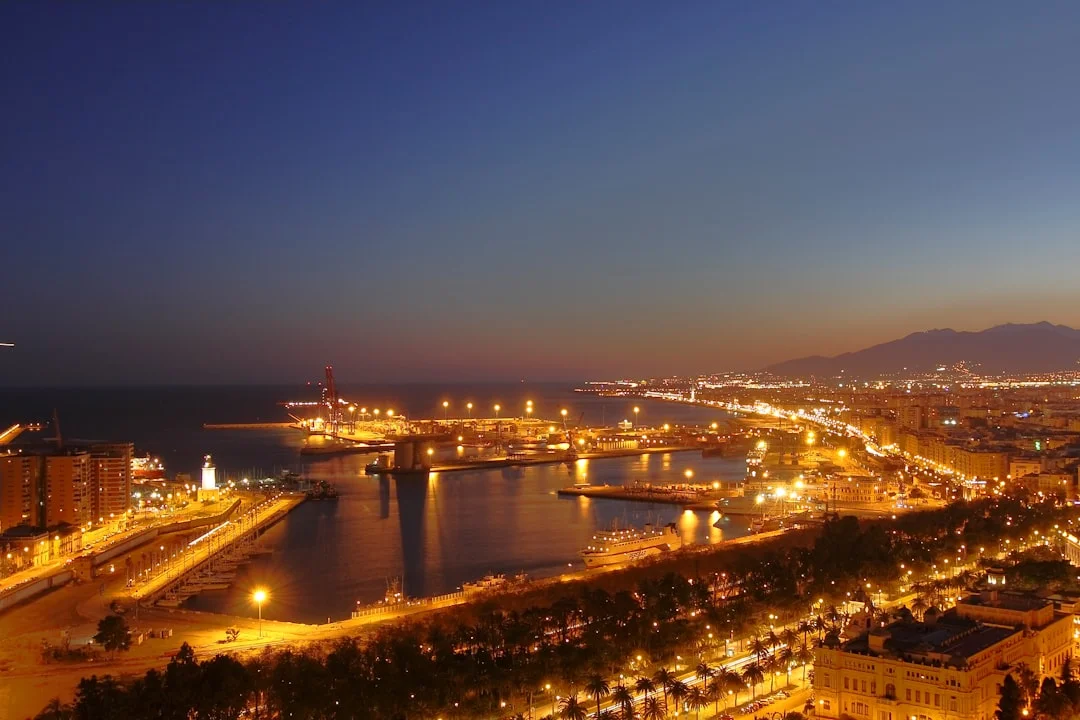
    For centuries, the Port of Málaga has served as the beating heart of the city’s maritime trade, welcoming vessels from across the Mediterranean and beyond. Today, this historic waterfront is experiencing an architectural and economic renaissance, mirroring the rapid growth of Málaga’s tech and startup ecosystem. Moving far beyond its origins as a simple transit hub, the port area is steadily evolving into one of Southern Europe’s most sophisticated enclaves. At the center of this ongoing transformation is a staggering €200 million megaproject that promises to elevate the city’s status on the global luxury tourism map.

  • Málagas 200-Millionen-Euro-Luxushotel am Hafen

    Málagas 200-Millionen-Euro-Luxushotel am Hafen

    Die sonnenverwöhnte Küste von Málaga fasziniert Reisende schon lange, doch ihre jüngste Entwicklung erzählt die Geschichte eines tiefgreifenden Aufstiegs. Einst vor allem als Tor zur Costa del Sol gefeiert, ist die Stadt auf anmutige Weise zu einer Weltklasse-Destination herangereift. Während wir die dynamischen Entwicklungen des Jahres 2026 verfolgen, bereitet sich die Skyline der Stadt darauf vor, ein prägendes architektonisches Juwel willkommen zu heißen. Eine monumentale Investition von 200 Millionen Euro, angeführt von der strategischen Allianz zwischen Hesperia und Al Alfia, bringt ein spektakuläres neues Luxushotel in das Hafengebiet von Málaga und läutet damit eine Ära von beispielloser Eleganz ein.

    Eine Vision von Eleganz am Wasser

    Der Hafen von Málaga mit seinen weitläufigen Promenaden und der sanften Mittelmeerbrise dient als perfekte Kulisse für dieses ehrgeizige Projekt. Das neue Luxushotel ist nicht nur ein Ort der Erholung; es wurde entworfen, um ein Wahrzeichen zeitgenössischer Eleganz zu sein, das sich nahtlos in die maritime Landschaft einfügt.

    Besucher wie auch Einheimische können ein Bauwerk erwarten, das der leuchtenden Atmosphäre der Stadt Tribut zollt. Die Designphilosophie konzentriert sich darauf, die azurblauen Ausblicke auf das Alborán-Meer zu maximieren und gleichzeitig unvergleichlichen Komfort zu bieten.

    Zu den Hauptmerkmalen dieser mit Spannung erwarteten Entwicklung für 2026 gehören:

    • Panoramische Rückzugsorte: Weitläufige Suiten mit raumhohen Fenstern, die einen ungestörten Blick auf das Mittelmeer und die historische Alcazaba bieten.
    • Haute Cuisine: Eine erlesene Auswahl an gehobenen Restaurants, die darauf ausgerichtet sind, Michelin-Sterne-Talente anzuziehen und Málagas ohnehin schon florierende kulinarische Szene weiter aufzuwerten.
    • Wellness und Gelassenheit: Hochmoderne Spa-Einrichtungen, die moderne Wellness-Therapien mit traditioneller andalusischer Ruhe verbinden.
    • Exklusive Liegeplätze: Verbesserte Anbindung an den Yachthafen des Hafens, die sich direkt an die wohlhabende Yacht-Community richtet.

    Die strategische Partnerschaft, die den Aufstieg vorantreibt

    Die Verwirklichung dieses großartigen Projekts wird durch die kooperative Stärke der spanischen Hotelgruppe Hesperia und des katarischen Investmentfonds Al Alfia vorangetrieben. Ihre gemeinsame Vision unterstreicht ein festes Vertrauen in Málagas Weg als Magnet für Luxustourismus und internationale Investitionen.

    Wie Economía Digital berichtet, haben sich die wirtschaftlichen Strömungen in der Region zunehmend günstig für High-End-Entwicklungen entwickelt. Diese Finanzspritze von 200 Millionen Euro ist ein Beweis für die robuste wirtschaftliche Gesundheit der Stadt und ihre magnetische Anziehungskraft auf globales Kapital. Die Partnerschaft verbindet Hesperias tief verwurzelte Expertise in der europäischen Hotellerie mit der enormen finanziellen Unterstützung von Al Alfia und schafft so eine Synergie, die neue Maßstäbe für Luxusunterkünfte in Südeuropa zu setzen verspricht.

    Wirtschaftliche Impulse und Möglichkeiten

    Jenseits der glänzenden Fassaden und der luxuriösen Innenräume ist die wirtschaftliche Bedeutung dieses Hafenhotels beträchtlich. Das Projekt ist ein Katalysator für die Schaffung von Arbeitsplätzen, nicht nur während der komplexen Bauphase, sondern auch bei der langfristigen Personalbesetzung im Betrieb, die hochqualifizierte Fachkräfte aus dem Gastgewerbe erfordern wird.

    Darüber hinaus wird der Zustrom wohlhabender Gäste, die voraussichtlich im Hotel verkehren werden, natürlich die lokale Wirtschaft ankurbeln. Von maßgeschneiderten Reiseveranstaltern und luxuriösen Einzelhandelsboutiquen entlang der Calle Larios bis hin zu den feinsten lokalen Weingütern bietet der Welleneffekt dieses demografischen Wandels lukrative Möglichkeiten für Málagas Unternehmer.

    Die Balance zwischen Wachstum und authentischem Charme

    Wie bei jeder Veränderung dieser Größenordnung lädt der Aufstieg des Luxustourismus in Málaga zu einem nachdenklichen Diskurs ein. Der Zufluss von beträchtlichem Kapital und die sich verändernde Demografie der Besucher haben wichtige lokale Diskussionen über Gentrifizierung und die Bewahrung des seelenvollen Erbes der Stadt entfacht.

    Es ist ein heikler Balanceakt zwischen der Annahme der Moderne und der Würdigung der Vergangenheit. Der wahre Erfolg des Projekts von Hesperia und Al Alfia wird in seiner Fähigkeit liegen, harmonisch in das Gefüge von Málaga integriert zu sein. Durch die Zusammenarbeit mit lokalen Kunsthandwerkern, die Beschaffung regionaler Materialien und den Respekt vor den kulturellen Nuancen des Hafens kann die Entwicklung eher als Brücke denn als Barriere dienen. Das Ziel ist eine symbiotische Beziehung, in der der Luxustourismus die lokale Wirtschaft stützt, ohne den warmen, authentischen Geist zu verwässern, der Málaga so zutiefst einzigartig macht.

    Wenn wir die Kräne vor dem strahlend blauen Himmel schwenken sehen, ist es unmöglich, nicht ein Gefühl der Ehrfurcht darüber zu empfinden, wie weit unsere geliebte Stadt gekommen ist. Veränderung ist die einzige Konstante, und während die Ankunft eines solchen Reichtums unsere Uferpromenade umgestaltet, bleibt das Herz von Málaga – seine unverwüstlichen Menschen, seine reiche Geschichte und seine einladende Umarmung – auf wunderbare Weise unverändert. Wenn wir auf den Horizont blicken, halten wir an der Hoffnung fest, dass diese neuen Höhen des Wohlstands letztendlich ein warmes, inklusives Licht auf jeden Winkel unserer lebendigen Gemeinschaft werfen werden.

  • Málaga’s Horizon Elevated: The €200M Luxury Port Hotel

    Málaga’s Horizon Elevated: The €200M Luxury Port Hotel

    The sun-drenched coastline of Málaga has long captivated travelers, but its recent evolution tells a story of profound elevation. Once celebrated primarily as the gateway to the Costa del Sol, the city has gracefully matured into a world-class destination in its own right. As we navigate the vibrant developments of 2026, the city’s skyline is preparing to welcome a defining architectural jewel. A monumental €200 million investment, spearheaded by the strategic alliance of Hesperia and Al Alfia, is bringing a spectacular new luxury hotel to the Málaga Port area, signaling an era of unprecedented sophistication.

    A Vision of Waterfront Elegance

    The Port of Málaga, with its sweeping promenades and gentle Mediterranean breezes, serves as the perfect canvas for this ambitious project. The new luxury hotel is not merely a place to rest; it is designed to be a landmark of contemporary elegance that seamlessly integrates with the maritime landscape.

    Visitors and locals alike can anticipate a structure that pays homage to the city’s luminous atmosphere. The design philosophy centers on maximizing the azure vistas of the Alboran Sea while offering unparalleled comfort.

    Key features of this highly anticipated 2026 development include:

    • Panoramic Sanctuaries: Expansive suites featuring floor-to-ceiling windows, offering uninterrupted views of the Mediterranean and the historic Alcazaba.
    • Haute Cuisine: A curated selection of high-end dining venues, poised to attract Michelin-starred talent and elevate Málaga’s already thriving culinary scene.
    • Wellness and Serenity: State-of-the-art spa facilities blending modern wellness therapies with traditional Andalusian tranquility.
    • Exclusive Moorings: Enhanced connectivity with the port’s marina, catering directly to the high-net-worth yachting community.

    The Strategic Partnership Fueling the Ascent

    The realization of this magnificent project is driven by the collaborative prowess of the Spanish hotel group Hesperia and the Qatari investment fund Al Alfia. Their combined vision underscores a resolute confidence in Málaga’s trajectory as a magnet for luxury tourism and international investment.

    As reported by Economía Digital, the economic currents in the region have been increasingly favorable for high-end developments. This €200 million injection is a testament to the city’s robust economic health and its magnetic appeal to global capital. The partnership merges Hesperia’s deep-rooted expertise in European hospitality with Al Alfia’s formidable financial backing, creating a synergy that promises to set new standards for luxury accommodations in southern Europe.

    Economic Ripples and Opportunities

    Beyond the gleaming facades and plush interiors, the economic impact of this port hotel is substantial. The project is a catalyst for job creation, not only during its intricate construction phase but also in the long-term operational staffing, which will demand highly skilled hospitality professionals.

    Furthermore, the influx of high-net-worth individuals expected to frequent the hotel will naturally stimulate the local economy. From bespoke tour operators and luxury retail boutiques along Calle Larios to the finest local vineyards, the ripple effect of this demographic shift presents lucrative opportunities for Málaga’s entrepreneurs.

    Balancing Growth with Authentic Charm

    As with any transformation of this magnitude, the rise of luxury tourism in Málaga invites thoughtful discourse. The influx of significant capital and the shifting demographic of visitors have sparked vital local conversations regarding gentrification and the preservation of the city’s soulful heritage.

    It is a delicate dance between embracing modernity and honoring the past. The true success of the Hesperia and Al Alfia project will lie in its ability to exist harmoniously within the fabric of Málaga. By engaging with local artisans, sourcing regional materials, and respecting the cultural nuances of the port, the development can serve as a bridge rather than a barrier. The goal is a symbiotic relationship where luxury tourism sustains the local economy without diluting the warm, authentic spirit that makes Málaga so profoundly unique.

    Watching the cranes pivot against the brilliant blue sky, it is impossible not to feel a sense of awe at how far our beloved city has come. Change is the only constant, and while the arrival of such opulence reshapes our waterfront, the heart of Málaga—its resilient people, its rich history, and its welcoming embrace—remains beautifully unchanged. As we look toward the horizon, we hold onto the hope that these new heights of prosperity will ultimately cast a warm, inclusive light on every corner of our vibrant community.

  • Touristifizierung von Pozos Dulces

    Touristifizierung von Pozos Dulces

    Málagas historisches Zentrum ist seit langem ein Schauplatz kultureller Entwicklung, doch in den letzten Jahren hat sich die Metamorphose von einer ruhigen andalusischen Enklave zu einem belebten internationalen Hotspot beschleunigt. Im Epizentrum dieser Transformation liegt das Viertel Pozos Dulces, eine einst unscheinbare Ecke der Stadt, die sich derzeit einer tiefgreifenden und rasanten Neugestaltung unterzieht. Während diese urbane Aufwertung auch die lokale Gastronomie beflügelt, zieht es Feinschmecker für das wohl beste kulinarische Erlebnis Málagas interessanterweise ins nahegelegene Casabermeja.

  • Urban Shift: Touristification of Pozos Dulces

    Urban Shift: Touristification of Pozos Dulces

    Málaga’s historic center has long been a canvas of cultural evolution, but recent years have accelerated its metamorphosis from a quiet Andalusian enclave into a bustling international hotspot. At the epicenter of this transformation lies the Pozos Dulces area, a once-unassuming corner of the city that is currently undergoing a profound and rapid facelift.

    For those who have walked the winding alleys of Málaga Centro over the past decade, the shifting landscape is palpable. The cobblestones still echo with history, yet the facades look increasingly polished, catering to a new wave of global wanderers. This urban shift, often colloquially termed ‘touristification,’ brings both renewed vitality and complex challenges to the historic core.

    Pozos Dulces: A Microcosm of Urban Shift

    Nestled in the heart of the city, Calle Pozos Dulces and its surrounding alleyways traditionally offered a quiet respite from the lively arteries of Calle Larios and Plaza de la Constitución. Historically characterized by residential blocks and small, family-run enterprises, the street is now the focal point of intense real estate interest.

    The narrative of gentrification in the Malaga center is vividly playing out here. A stroll down Pozos Dulces today reveals a street in transition—scaffolding masking historic facades as interiors are gutted and reimagined for the modern traveler. This hyper-localized boom is not an isolated event but a reflection of broader trends reshaping the city, a phenomenon frequently documented by regional publications such as Diario Sur.

    The New Arrivals: Hostels and Boutique Hospitality

    The cornerstone of the Pozos Dulces transformation is the introduction of new accommodation concepts tailored to the modern visitor. The street is currently welcoming two new hostels and a highly anticipated boutique hotel, fundamentally altering the demographic flow of the neighborhood.

    These new boutique hotels in Malaga are designed to blend historic charm with contemporary luxury. Investors are keen to preserve the traditional Andalusian courtyards and ornate balconies while outfitting the interiors with high-end amenities, rooftop terraces, and artisanal cafes. The two new hostels aim at a slightly different demographic—the digital nomads and upscale backpackers who seek experiential travel without sacrificing comfort and design.

    While the architectural preservation is commendable, the influx of Pozos Dulces Malaga hotels signifies a clear pivot from residential use to transient hospitality. For every beautifully restored doorway, there is a lingering question about the displacement of long-term residents and the erosion of neighborhood cohesion.

    The Double-Edged Sword of ‘Touristification’

    The gentrification of the Malaga center is a deeply nuanced topic, particularly among the city’s growing expat community and its native malagueños. On one hand, the injection of capital into areas like Pozos Dulces revitalizes decaying infrastructure. Derelict buildings are saved from ruin, local businesses enjoy increased foot traffic, and the city’s global profile continues to rise.

    On the other hand, the ‘touristification’ of traditional streets brings undeniable growing pains. The conversion of residential apartments into short-term rentals and boutique accommodations drives up property values, often pricing out the very locals who give the city its authentic soul. The daily rhythm of the neighborhood shifts from the quiet hum of community life to the constant turnover of rolling suitcases and guided tours.

    This delicate balance is the defining challenge for Málaga in 2026. How does a city embrace its popularity while protecting the essence that made it popular in the first place?

    Looking Ahead

    As the dust settles on the construction in Pozos Dulces, the street will undoubtedly emerge more beautiful and vibrant than before. Yet, it serves as a poignant reminder of the fragility of urban ecosystems. The evolution of our beloved city is inevitable, but it requires mindful stewardship to ensure that progress does not erase heritage.

    Walking through the historic center, one cannot help but feel a deep appreciation for the layers of history beneath our feet. As Málaga continues to grow and adapt, it is our shared hope that the city will find a harmonious path forward—one where the warmth of the traditional Andalusian spirit remains the beating heart of every newly polished street, welcoming visitors while fiercely protecting its home.

  • Málagas Hafen: Luxus-Kreuzfahrten und neues Wahrzeichen

    Málagas Hafen: Luxus-Kreuzfahrten und neues Wahrzeichen

    Málaga war lange das Tor zur Costa del Sol, aber in den letzten Jahren hat sich die Stadt aggressiv gewandelt, um selbst zum Reiseziel zu werden. Während wir uns auf den Frühling 2026 zubewegen, bestätigen zwei große Entwicklungen, dass die Strategie der Hauptstadt fest auf den High-End-Markt ausgerichtet ist: eine rekordverdächtige Saison für Luxuskreuzfahrten und eine massive Kapitalspritze in die Gastgewerbe-Infrastruktur des Hafens. Diese Aufwertung spiegelt sich auch kulinarisch wider, angetrieben durch eine neue Generation junger Köche und innovative Konzepte wie das ‘Relleno’.