Category: News

Latest news and updates from Málaga

  • Málaga CF Ownership Hinders Nueva Rosaleda Stadium Plans

    Málaga CF Ownership Hinders Nueva Rosaleda Stadium Plans

    Málaga is a city of dreams, passion, and, above all, football. As we look forward to the prestigious 2030 FIFA World Cup, the city has been buzzing with the spectacular design proposals for La Nueva Rosaleda—a futuristic, world-class stadium set to transform the Martiricos neighborhood, even as other major urban developments face hurdles like the bureaucratic delays blocking the Malaga Airport Logistics Park.

    However, behind the glittering renders and ambitious architectural plans lies a complex financial and legal knot. Even as the area deals with recent regional shocks like the magnitude 5 Granada earthquake felt strongly in Málaga, the grand obstacle to securing the millions of euros needed for the stadium’s reconstruction isn’t the engineering; it is the unresolved ownership of Málaga CF.

    The Dream of La Nueva Rosaleda

    The vision for La Nueva Rosaleda is breathtaking. The project aims to convert the traditional stadium into a state-of-the-art sports and leisure hub, complete with a modern canopy, increased capacity, hotel spaces, and commercial zones. It is designed to be the crown jewel of Málaga’s bid to host World Cup matches.

    Yet, a project of this magnitude requires a massive injection of capital, much of which is expected to come from public coffers. This is where local authorities are pump-braking, raising critical questions about who actually benefits from taxpayer money.

    The Public Funding Dilemma

    Local administrations, including the Ayuntamiento de Málaga, the Junta de Andalucía, and the Diputación de Málaga, are under intense pressure to justify spending public funds.

    Francisco Salado, the president of the Diputación de Málaga, has been vocal about this dilemma. He warned that public administrations are not in the business of unconditionally financing a stadium that will ultimately be exploited by a private Sociedad Anónima Deportiva (SAD)—a sports limited company.

    The core of the issue is simple:
    * Taxpayer Risk: Spending hundreds of millions of euros of public money on an infrastructure primarily used by a private corporation raises serious political and ethical questions.
    * Lack of Guarantees: Without a clear, stable, and long-term private owner to co-finance and manage the stadium, public entities face the risk of carrying the entire financial burden.

    A Club in Legal Limbo

    The root of the problem lies in the ongoing judicial administration of Málaga CF. For years, the club’s ownership has been tangled in a complex web of court cases involving the Al-Thani family and the hotel group BlueBay.

    While the team aims to solidify its sporting ambitions on the pitch—particularly as Málaga CF looks abroad for the La Liga transfer market to strengthen its squad—the off-pitch reality remains paralyzed. As detailed in an insightful report by Málaga Hoy, the unresolved ownership of Málaga CF remains the ultimate pending case. Because the club is currently run by a court-appointed judicial administrator, it cannot make long-term strategic commitments, attract major private buyers, or guarantee the financial partnerships required for a project as massive as La Nueva Rosaleda.

    For potential investors and public officials alike, investing in a club whose future ownership is completely undefined is a leap into the dark.

    Balancing Football Passion and Civic Responsibility

    The debate has sparked a lively discussion across the Costa del Sol. On one hand, local fans are eager to see Málaga shine on the global stage in 2030, boasting a stadium that matches the city’s modern, cosmopolitan vibe. On the other hand, residents demand fiscal responsibility, arguing that public funds should prioritize healthcare, education, and public transport over professional football infrastructure.

    To unlock the funding, local authorities are demanding a clear roadmap for the club’s future. They want to ensure that once the judicial process ends, the resulting ownership structure is stable, transparent, and ready to assume its share of the financial responsibility.

    As we watch this off-pitch drama unfold, we remain hopeful that Málaga’s political leaders and sports administrators will find a common path forward. Málaga CF is more than just a private company; it is a vital part of our cultural identity. We look forward to the day when the legal clouds clear, allowing our beloved club and our city to step proudly into a bright, modern sporting future together.

  • Verkehr in Málaga: Große Straßensperrungen betreffen das Stadtzentrum

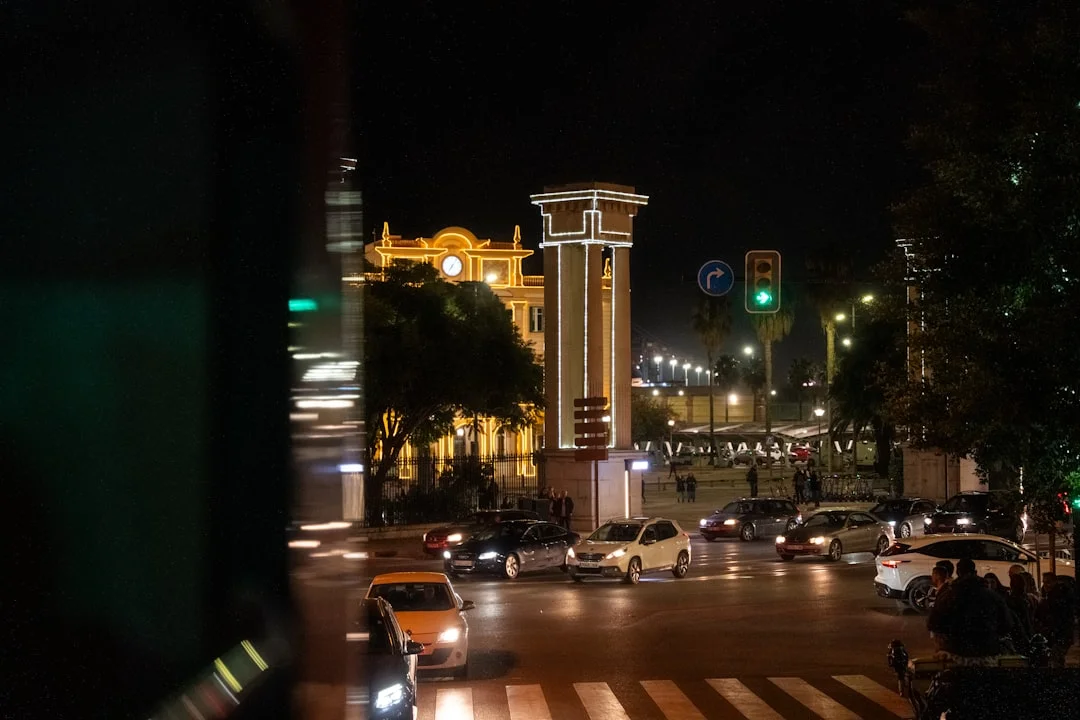
    Verkehr in Málaga: Große Straßensperrungen betreffen das Stadtzentrum

    Sich im Hochsommer durch die Straßen von Málaga zu bewegen, ist immer ein Abenteuer, aber das Wochenende vom 3. bis 5. Juli 2026 erwies sich sowohl für einheimische Autofahrer als auch für Besucher als besondere Herausforderung. Wer sich auf den Weg machte, um die Stadt zu erkunden oder einige der überraschenden Fakten über Málagas kulinarische Szene zu entdecken, benötigte viel Geduld. Die Stadtverwaltung von Málaga führte an wichtigen Punkten der Stadt eine Reihe von großen Verkehrsumleitungen und Straßensperrungen durch, was das ständige Gleichgewicht zwischen sommerlichen Kulturveranstaltungen und städtischen Instandhaltungsarbeiten verdeutlicht.

    Wenn Sie im Stau standen oder Ihre Fahrtrouten durch die Stadt für den Rest des Sommers planen, finden Sie hier eine Übersicht über die Ereignisse und Tipps, wie Sie sich auf den belebten Sommerstraßen von Málaga erfolgreich zurechtfinden. Es wird außerdem dringend empfohlen, sich über weitere kritische Verkehrstermine und Warnungen für Málaga zu informieren, um zusätzliche saisonale Verzögerungen zu vermeiden.

    Warum wurden die Straßen gesperrt?

    Laut offiziellen Mobilitätsberichten, die von La Opinión de Málaga veröffentlicht wurden, waren die Beeinträchtigungen am ersten Juliwochenende 2026 auf zwei Hauptfaktoren zurückzuführen: traditionelle religiöse Sommerprozessionen und notwendige städtische Instandhaltungsarbeiten, die den Einsatz von Schwerlastkranen erforderten.

    1. Religiöse Prozessionen im Zentrum

    Sommer in Andalusien ist gleichbedeutend mit Gemeinschaftsfesten. Am Wochenende zogen mehrere traditionelle Prozessionen durch die engen Gassen der Altstadt und der umliegenden Viertel. Obwohl diese Veranstaltungen für Touristen ein wunderschönes kulturelles Erlebnis sind, erfordern sie temporäre, wandernde Straßensperrungen, die Autofahrer leicht unvorbereitet treffen können.

    2. Schwere Baumaschinen und Kraneinsätze

    Um die Auswirkungen auf die Geschäftszeiten unter der Woche zu minimieren, legte die Stadt wichtige Instandhaltungsarbeiten, die den Einsatz riesiger Krane erforderten, auf das Wochenende. Diese Schwerlastfahrzeuge blockierten ganze Fahrspuren auf Hauptverkehrsachsen, was aus Sicherheitsgründen vollständige Straßensperrungen erforderlich machte.

    Betroffene Hauptbereiche (3.–5. Juli 2026)

    • Das historische Zentrum: In mehreren stark von Fußgängern frequentierten Zonen und angrenzenden Straßen kam es zu temporären Sperrungen, um Platz für die Prozessionen zu schaffen.
    • Wichtige Zufahrtsstraßen: Kraneinsätze mit hoher Tonnage führten zu lokalen Engpässen, sodass Autofahrer alternative Routen wählen mussten, um den Hafen und die zentralen Parkhäuser zu erreichen.
    • Verbindungen zwischen den Stadtvierteln: In den Wohngebieten rund um das Zentrum wurden kleinere Umleitungen eingerichtet, um den Verkehr um die Arbeitsbereiche herumzuführen.

    Leitfaden für das Autofahren in Málaga in diesem Sommer

    Da der Sommertourismus in vollem Gange ist, erinnern die Ereignisse von Anfang Juli daran, dass eine Fahrt ins Herz von Málaga am Wochenende Vorbereitung erfordert. Hier sind einige praktische Tipps, damit Ihre Fahrten stressfrei bleiben:

    • Nutzen Sie bevorzugt öffentliche Verkehrsmittel: Das Metrosystem von Málaga und die Cercanías-S-Bahn sind äußerst effizient. Wenn Sie von der Costa del Sol (Torremolinos, Benalmádena, Fuengirola) anreisen, bringt Sie der Zug direkt ins Stadtzentrum (Málaga Centro Alameda), ohne dass Sie sich um die Parkplatzsuche kümmern müssen.
    • Nutzen Sie Park-and-Ride-Angebote: Erwägen Sie, Ihr Fahrzeug etwas außerhalb des unmittelbaren Zentrums zu parken. Parkplätze in der Nähe von Metrostationen (wie Teatinos oder Palacio de los Deportes) ermöglichen Ihnen einen reibungslosen Übergang zu den öffentlichen Verkehrsmitteln.
    • Prüfen Sie Echtzeit-Updates: Informieren Sie sich vor der Fahrt über lokale Mobilitäts-Apps oder GPS-Dienste wie Google Maps oder Waze, die in der Regel schnell aktualisiert werden, wenn Hauptverkehrsstraßen von der örtlichen Polizei gesperrt werden.
    • Stellen Sie sich auf Wartezeiten beim Parken ein: Wenn Sie mit dem Auto fahren müssen, stellen Sie sich auf Warteschlangen an beliebten zentralen Parkhäusern wie Muelle Uno, Plaza de la Marina oder Arriola ein.

    As die Sommerhitze weiter steigt, ist ein kühler Kopf im Straßenverkehr genauso wichtig wie die Suche nach einem guten Parkplatz. Málaga ist eine Stadt, die man am besten zu Fuß genießt, wo jeder Umweg einfach eine Einladung ist, eine neue Tapas-Bar oder eine schattige Plaza zu entdecken. Packen wir in dieser Saison also etwas mehr Geduld in unsere Strandtaschen, nehmen wir im Straßenverkehr Rücksicht aufeinander und genießen wir die lebendige Energie, die unsere Stadt so besonders macht.

  • Málaga Traffic: Major Road Closures Hit City Center

    Málaga Traffic: Major Road Closures Hit City Center

    Navigating the streets of Málaga during the peak of summer is always an adventure, but the weekend of July 3 to July 5, 2026, proved particularly challenging for local drivers and visitors alike, including those venturing out to discover surprising facts about Málaga’s food. The Málaga City Council implemented a series of major traffic diversions and road closures across key points of the city, highlighting the ongoing balance between summer cultural events and urban maintenance.

    If you found yourself caught in gridlock or are planning your driving routes through the city for the rest of the summer, here is a breakdown of what took place and how to successfully navigate Málaga’s busy summer roads. It is also highly recommended to stay informed about other critical Malaga traffic dates and warnings to avoid further seasonal delays.

    Why Were the Streets Closed?

    According to official mobility reports published by La Opinión de Málaga, the disruptions over the first weekend of July 2026 were driven by two main factors: traditional summer religious processions and essential urban maintenance requiring high-tonnage cranes.

    1. Religious Processions in the Center

    Summer in Andalusia is synonymous with community celebrations. Over the weekend, several traditional processions wound through the narrow streets of the historic center and surrounding neighborhoods. While these events are a beautiful cultural experience for tourists—who might also be interested in exploring free summer activities for kids in Málaga—they require temporary, rolling street closures that can easily catch drivers off guard.

    2. Heavy Machinery and Crane Operations

    To minimize the impact on weekday business hours, the city scheduled critical maintenance work requiring massive cranes for the weekend. These high-tonnage vehicles occupied entire lanes in key corridors, making complete road closures necessary for safety reasons.

    Key Areas Affected (July 3–5, 2026)

    • The Historic Center: Several pedestrian-heavy zones and adjacent roads saw temporary blocks to accommodate the processions.
    • Major Access Roads: High-tonnage crane lifts caused localized bottlenecks, forcing drivers to seek alternative routes to reach the port and central parking garages.
    • Neighborhood Connections: Minor detours were set up in residential areas surrounding the center to redirect traffic away from the work zones.

    Survival Guide for Driving in Málaga This Summer

    With summer tourism in full swing, the events of early July serve as a reminder that driving into the heart of Málaga during the weekend requires preparation. Here are a few practical tips to keep your journeys stress-free:

    • Prioritize Public Transport: Málaga’s metro system and the Cercanías commuter train are highly efficient. If you are traveling from the Costa del Sol (Torremolinos, Benalmádena, Fuengirola), the train brings you directly into the city center (Málaga Centro Alameda) without the hassle of parking.
    • Use Park-and-Ride Options: Consider parking your vehicle slightly outside the immediate center. Parking lots near metro stations (such as Teatinos or Palacio de los Deportes) allow you to transition smoothly to public transit.
    • Check Real-Time Updates: Before setting off, check local mobility apps or GPS services like Google Maps or Waze, which generally update quickly when major arterial roads are closed by local police.
    • Expect Parking Delays: If you must drive, prepare for queues at popular central parking garages like Muelle Uno, Plaza de la Marina, or Arriola.

    As the summer heat continues to rise, keeping a cool head on the road is just as important as finding a good parking spot. Málaga is a city best enjoyed on foot, where every detour is simply an invitation to discover a new tapas bar or a shaded plaza. Let us pack a little extra patience in our beach bags this season, look out for one another on the road, and enjoy the vibrant energy that makes our city so special.

  • Sulejmanovic verlässt Unicaja, während der Sommermarkt heißläuft

    Sulejmanovic verlässt Unicaja, während der Sommermarkt heißläuft

    Ein Sommer des Wandels im Carpena

    Für Basketballfans in Málaga bringen die heißen Sommermonate mehr als nur Strandtage und klassische Espetos, die man am besten auf den verborgenen kulinarischen Routen Málagas entdeckt. Dies ist die Jahreszeit, in der die Zukunft von Unicaja Málaga geschmiedet wird. Während die Temperaturen steigen, tritt der europäische Basketball-Transfermarkt in seine chaotischste und aufregendste Phase ein – oft als „Wahnsinn des Juli“ bezeichnet.

    Diese Woche machte der Club den ersten großen Schritt in der Kaderplanung für die Saison 2026/27. Neben dem bevorstehenden Wechsel von Dylan Osetkowski zu Valencia Basket hat Unicaja dem bosnischen Nationalspieler und Power Forward Emir Sulejmanovic offiziell mitgeteilt, dass er in den Plänen des Trainerstabs für die kommende Spielzeit keine Rolle mehr spielt.

    Sulejmanovic nimmt Abschied

    Sulejmanovic, der für seinen Kampfgeist, seine Rebounds und seine ansteckende Energie auf dem Spielfeld bekannt ist, war eine respektierte Persönlichkeit in der Kabine. Doch wie Cadena SER Málaga berichtet, ist seine Ära bei der grün-violetten Mannschaft zu Ende gegangen.

    Sein Abschied macht unter dem Korb einen entscheidenden Platz für Cheftrainer Ibon Navarro frei, der dem Kader frische Energie und neue taktische Profile verleihen möchte. Auch wenn der Abschied von hart arbeitenden Spielern für die Fans nie leicht ist, ist es ein notwendiger Schritt, um Unicaja sowohl auf nationaler Ebene in der Liga Endesa als auch in den europäischen Wettbewerben wettbewerbsfähig zu halten.

    Sich im „Wahnsinn des Juli“ zurechtfinden

    Der europäische Basketballmarkt bewegt sich derzeit in einem rasanten Tempo. Wie in einer kürzlich erschienenen Kolumne von La Opinión de Málaga hervorgehoben wurde, ist diese Phase ein Schachspiel mit hohem Einsatz, bei dem die Sportdirektoren schnell handeln müssen, bevor die besten Talente von den EuroLeague-Riesen oder konkurrierenden EuroCup- und BCL-Anwärtern weggeschnappt werden.

    Nach dem Abgang von Sulejmanovic sondiert die Vereinsführung von Unicaja aktiv den Markt nach einem Ersatz, der den bestehenden Kern ergänzen kann. Derzeit verfügt der Kader mit Spielern wie Melwin Pantzar und Elijah Hunt über ein verlässliches Fundament, aber mehr Tiefe und physische Präsenz unter dem Korb zu schaffen, hat nun oberste Priorität.

    Was steht Unicaja bevor?

    Das Ziel für die Saison 2026/27 bleibt äußerst ehrgeizig. Unicaja möchte seinen Status als eines der unterhaltsamsten und wettbewerbsfähigsten Teams in Spanien behaupten. Um das zu erreichen, muss das Management einen Power Forward finden, der das Spielfeld schnell überbrücken, die Verteidigung auseinanderziehen und in das von Navarro bevorzugte, hochintensive Verteidigungssystem passen kann.

    In den kommenden Wochen können wir eine Flut von Gerüchten, Probetrainings und offiziellen Ankündigungen erwarten. Die grün-violette Fangemeinde wird das Geschehen aufmerksam verfolgen und auf einen Neuzugang hoffen, der die Martin Carpena-Arena wieder zum Kochen bringen kann.

    Während wir uns auf die kühle Herbstbrise und die Rückkehr der lautstarken Fans im Carpena freuen, weisen wir Emir Sulejmanovic alles Gute für sein nächstes professionelles Kapitel. Er hat die Farben von Unicaja mit Stolz getragen, und Málaga wird seinen Einsatz immer in Erinnerung behalten. Auf einen aufregenden Sommer des Neuaufbaus, der Neuanfänge und des wunderbaren Basketballsports!

  • Sulejmanovic Departs Unicaja as Summer Market Heats Up

    Sulejmanovic Departs Unicaja as Summer Market Heats Up

    A Summer of Change at Carpena

    For basketball fans in Málaga, the hot summer months bring more than just beach days and espetos. While many visitors spend their time uncovering Málaga’s hidden food routes and local culinary secrets, sports enthusiasts know this is the time of year when the future of Unicaja Málaga is forged. As the heat rises, the European basketball transfer market enters its most chaotic and exciting phase—often dubbed the “madness of July.”

    This week, the club made its first major move of the 2026-27 pre-season planning. Amidst key roster updates, including Dylan Osetkowski’s transfer to Valencia Basket, Unicaja has officially communicated to Bosnian international power forward Emir Sulejmanovic that he is not in the coaching staff’s plans for the upcoming campaign.

    Sulejmanovic Bids Farewell

    Sulejmanovic, known for his grit, rebounding, and infectious energy on the court, has been a respected figure in the locker room. However, as reported by Cadena SER Málaga, his cycle with the green-and-purple squad has come to an end.

    His departure opens up a crucial spot in the paint for head coach Ibon Navarro, who is looking to inject fresh energy and different tactical profiles into the roster. While parting ways with hard-working players is never easy for the fans, it is a necessary step in keeping Unicaja competitive at both the national level in the Liga Endesa and in European competitions.

    Navigating the “Madness of July”

    The European basketball market is currently moving at a breakneck pace. As highlighted in a recent column by La Opinión de Málaga, this period is a high-stakes chess game where sporting directors must act quickly before the best talents are snapped up by EuroLeague giants or rival EuroCup and BCL contenders.

    With Sulejmanovic departing, Unicaja’s front office is actively scanning the market for a replacement who can complement the existing core. Currently, the squad boasts reliable foundations with players like Melwin Pantzar and Elijah Hunt, but adding depth and physical presence in the paint is now the absolute priority.

    What Lies Ahead for Unicaja?

    The goal for the 2026-27 season remains highly ambitious. Unicaja wants to maintain its status as one of the most entertaining and competitive teams in Spain. To do that, the front office needs to find a power forward who can run the floor, stretch the defense, and match the high-intensity defensive system that Navarro loves to deploy.

    In the coming weeks, we can expect a flurry of rumors, trial workouts, and official announcements. The green-and-purple faithful will be watching closely, hoping for a signing that can ignite the Martin Carpena arena once again.

    As we look forward to the cool autumn breeze and the return of roaring crowds at the Carpena, we wish Emir Sulejmanovic the very best in his next professional chapter. He wore the Unicaja colors with pride, and Málaga will always remember his dedication. Here’s to an exciting summer of rebuilds, new beginnings, and the beautiful game of basketball.

  • Málaga CF blickt für den La-Liga-Transfermarkt ins Ausland

    Málaga CF blickt für den La-Liga-Transfermarkt ins Ausland

    In den Straßen von Málaga herrscht eine unverkennbare Begeisterung. Nach acht langen Jahren abseits des Rampenlichts der ersten spanischen Liga ist Málaga CF offiziell zurück in der La Liga. Für die einheimische „Malaguista“-Fangemeinde – und die Tausenden von internationalen Einwohnern, die die Costa del Sol ihre Heimat nennen – markiert diese Rückkehr den Beginn eines aufregenden neuen Kapitels, das die lebendige Sportszene der Stadt neben den Erfolgen von Unicaja Málaga weiter bereichert.

    Um in einer der anspruchsvollsten Ligen der Welt mitzuhalten, sind jedoch Verstärkungen erforderlich. Pünktlich zur Eröffnung des Transferfensters im Sommer 2026 – zeitgleich mit einer sengenden Sahara-Hitzewelle in Málaga – steht die sportliche Leitung des Vereins vor einer besonderen Herausforderung: Wie lässt sich ein wettbewerbsfähiger Erstliga-Kader zusammenstellen, wenn man unter den strengen Budgetvorgaben einer gerichtlich angeordneten Verwaltung operieren muss? Die Antwort liegt im Blick weit über die spanischen Grenzen hinaus.

    Eine kluge, weltweite Talentsuche

    Aufgrund der laufenden Zwangsverwaltung kann Málaga CF seine Konkurrenten in der La Liga nicht einfach finanziell überbieten. Stattdessen muss der Verein auf kreatives Scouting und vielversprechende Gelegenheiten setzen. Laut einem aktuellen Bericht von La Opinión de Málaga weiten Sportdirektor Loren Juarros und sein Team ihren Fokus aktiv auf den internationalen Markt aus.

    Anstatt die Suche auf herausragende Spieler der Segunda División oder einheimische Reservespieler zu beschränken, spannt der Verein ein weiteres Netz. Es werden unterbewertete Talente in europäischen Profiligen mittlerer Spielstärke, in Südamerika und anderen aufstrebenden Fußballmärkten gescoutet. Das Ziel ist einfach: hungrige, spielstarke Akteure zu finden, die bereit sind, sich auf der großen Bühne der La Liga zu beweisen. Für Fans, die die neuen Stars live im Stadion erleben möchten, bietet sich zudem die perfekte Gelegenheit, die Stadt auch kulinarisch zu entdecken – etwa mit den Empfehlungen aus dem neuen Málaga Food Guide für 2026.

    Was dies für internationale Fans in Málaga bedeutet

    Für die wachsende Expat- und internationale Gemeinschaft in der Provinz verleiht diese globale Rekrutierungsstrategie der Situation eine zusätzliche Dynamik.

    • Ein vielfältiger, multikultureller Kader: Fans könnten schon bald Spieler aus ihren eigenen Heimatländern im blau-weißen Trikot im Stadion La Rosaleda auflaufen sehen.
    • Spannende Spieltage: Die Atmosphäre im Stadion ist ohnehin legendär, doch die Verpflichtung internationaler Talente wird die weltweite Attraktivität des Vereins nur noch weiter steigern.
    • Ein zugänglicher Weg, die La Liga zu erleben: Wenn Sie neu in der Stadt sind (und vielleicht noch dabei sind, sich einzuleben und sich für neue Wohnungen in Málaga zu bewerben), gibt es keinen besseren Weg, sich in die lokale Kultur zu integrieren, als sich den 30.000 Zuschauern im Stadion La Rosaleda anzuschließen.

    Umgang mit der finanziellen Realität

    Während die Fans von spektakulären Blockbuster-Transfers träumen, bleibt die Realität des Vereins bodenständig. Jeder Euro, der in diesem Sommer ausgegeben wird, muss akribisch verbucht werden. Indem Málaga CF gezielt internationale Spieler ins Auge fasst, die bei größeren Vereinen unter dem Radar laufen, hofft der Club, sein Budget optimal zu nutzen.

    Dieser pragmatische, aber dennoch ehrgeizige Ansatz hat in der Vergangenheit bereits bei anderen mittelgroßen Vereinen der La Liga funktioniert, und es herrscht großer Optimismus, dass die aktuelle sportliche Leitung vor dem Schließen des Transferfensters im Spätsommer einige hervorragende Transfer-Meisterstücke vollbringen kann.

    Mit Blick auf die Saison 2026/2027 verspricht der vor uns liegende Weg jede Menge Dramatik, Leidenschaft und hoffentlich fantastischen Fußball. Ganz gleich, ob Sie seit Jahrzehnten eine Dauerkarte besitzen oder einfach nur Ihr erstes Spiel im Stadion La Rosaleda erleben möchten: Dies ist ein historischer Moment, um hinter unserer lokalen Mannschaft zu stehen. Mal sehen, wohin uns diese weltweite Suche führt – ¡Vamos Málaga!

  • Málaga CF Looks Abroad for La Liga Transfer Market

    Málaga CF Looks Abroad for La Liga Transfer Market

    There is an unmistakable buzz in the streets of Málaga. After eight long years away from the bright lights of Spain’s top flight, Málaga CF is officially back in La Liga. For the local “Malaguista” fanbase—and the thousands of international residents who call the Costa del Sol home—this return marks the beginning of a thrilling new chapter, adding to the city’s vibrant sports scene alongside the achievements of Unicaja Málaga.

    However, competing in one of the world’s most demanding leagues requires reinforcements. As the summer 2026 transfer window opens—coinciding with a scorching Sahara heatwave in Málaga—the club’s sporting management is facing a unique challenge: how to build a competitive first-tier squad while operating under strict judicial administration budgets. The answer lies in looking far beyond Spanish borders.

    A Smart, Global Search for Talent

    Because of the club’s ongoing judicial administration, Málaga CF cannot simply outbid its La Liga rivals. Instead, the club must rely on creative scouting and high-value opportunities. According to a recent report by La Opinión de Málaga, the sporting director, Loren Juarros, and his team are actively expanding their focus to the international market.

    Rather than limiting their search to Segunda División standouts or domestic bench players, the club is casting a wider net. They are scouting undervalued talent in mid-tier European leagues, South America, and other emerging football markets. The goal is simple: find hungry, high-quality players who are ready to prove themselves on the grand stage of La Liga. Once settled in the region, these new signings will also get to experience the local lifestyle, including the rich culinary scene detailed in the latest Málaga food guide.

    What This Means for International Fans in Málaga

    For the thriving expat and international community in the province, this global recruitment strategy adds an extra layer of excitement.

    • A Diverse, Multicultural Squad: Fans might soon see players from their own home countries wearing the blue-and-white stripes at La Rosaleda.
    • Thrilling Matchdays: The atmosphere at the stadium is already legendary, but welcoming international talent will only enhance the global appeal of the club.
    • An Accessible Way to Experience La Liga: If you are new to the city (and perhaps still looking to settle down and apply for new flats in Málaga), there is no better way to integrate into local culture than joining the 30,000-strong crowd at La Rosaleda.

    Navigating the Financial Reality

    While fans dream of blockbuster signings, the club’s reality remains grounded. Every euro spent this summer must be meticulously accounted for. By targeting international players who may be flying under the radar of larger clubs, Málaga CF hopes to maximize its budget.

    This pragmatic yet ambitious approach has worked for other mid-sized La Liga clubs in the past, and there is a strong sense of optimism that the current management team can pull off some brilliant transfer masterclasses before the window closes later this summer.

    As we look forward to the 2026/2027 season, the journey ahead promises plenty of drama, passion, and, hopefully, some incredible football. Whether you have been a season-ticket holder for decades or are just looking to experience your first match at La Rosaleda, this is a historic moment to stand behind our local team. Let’s see where this global search takes us—¡Vamos Málaga!

  • La Malagueta Cultural Center Draws Over 2,400 Visitors

    La Malagueta Cultural Center Draws Over 2,400 Visitors

    While Málaga is widely celebrated for its world-class museums like the Picasso and the Pompidou—and sports enthusiasts are currently buzzing about how Málaga CF is scouting international talent for La Liga—the city’s cultural heartbeat also thrives in its smaller, community-focused spaces. Tucked into the historic brickwork of the city’s 19th-century bullring, the Centro Cultural La Malagueta has quietly become one of the most dynamic cultural hubs for locals and international residents alike.

    Recently released figures highlight this growing appeal. According to a report by La Opinión de Málaga, the cultural center closed the first half of 2026 with more than 2,400 attendees participating in its wide array of conferences, debates, and exhibitions.

    Here is a look at what makes this cultural space so unique and why it deserves a spot on your Málaga itinerary.

    A Hub for Thought, Debate, and Art

    La Malagueta is much more than just a gallery space; it is designed as a forum for intellectual exchange. Throughout the first half of 2026, the center has hosted thought-provoking debates, cycles on philosophy, history, and literature, and interactive conferences that bring together some of Spain’s finest minds.

    For expats and long-term travelers, it offers a fantastic window into the contemporary intellectual life of Andalusia. It is a place where you can sit among locals, listen to engaging speakers, and dive deeper into topics that go beyond the typical tourist experience.

    Key Highlights from the First Half of 2026

    • Over 2,400 attendees joined the center’s organized activities during the first semester.
    • Two major exhibitions took center stage during the second quarter, significantly expanding the center’s usual artistic offering and drawing diverse crowds.
    • Diverse programming ranging from historical retrospectives to modern societal debates kept the calendar packed and engaging.

    The Unique Setting: Plaza de Toros de La Malagueta

    Part of the charm of the Centro Cultural La Malagueta is its physical location. It is housed directly inside the Plaza de Toros de La Malagueta, the Neo-Mudéjar style bullring built in 1876.

    Walking into the center feels like stepping through a portal where history meets modern thought. The restoration of this space has preserved the beautiful brick arches and circular layouts, creating an intimate, atmospheric setting for photography exhibitions and evening lectures.

    It is incredibly easy to access, located just a short walk from the beach, the port (Muelle Uno), and the historic center.

    Why You Should Visit

    If you are looking for things to do in Málaga that offer a bit more depth, La Malagueta is a perfect choice. Here is why we recommend keeping an eye on their schedule:

    1. High-Quality Exhibitions for Free: Most of the exhibitions hosted here are free to enter, making high culture accessible to everyone.
    2. A Glimpse into Local Life: While the major museums can sometimes feel tourist-heavy, La Malagueta is a favorite local hangout for Málaga’s resident creatives and academics.
    3. Stunning Architecture: Even if you just drop in for twenty minutes, the architectural integration of the cultural center within the old bullring walls is worth seeing.

    Practical Information for Visitors

    • Address: Calle Cervantes, 6, 29016 Málaga (located inside the bullring).
    • How to get there: A scenic 10-minute walk from the Paseo del Parque or Plaza de la Merced. Several local bus lines stop right outside.
    • Admission: Generally free for both exhibitions and conferences (though seating for talks is often on a first-come, first-served basis).

    As Málaga continues to grow as a global cultural capital, spaces like La Malagueta remind us of the power of community-focused art. It is incredibly heartening to see these historic walls filled with fresh ideas, lively debates, and people eager to learn. Whether you are a newcomer to the city or have called it home for years, we hope you take a moment to wander inside, sit in on a talk, and enjoy the quiet, creative energy that makes this corner of the city so special.

  • Málaga VPO: Bewerbung für 200 neue Wohnungen im Distrito Universidad möglich

    Málaga VPO: Bewerbung für 200 neue Wohnungen im Distrito Universidad möglich

    Bezahlbaren Wohnraum zu finden, ist für die Einwohner von Málaga zu einer der dringlichsten Herausforderungen geworden. Während die Stadt ihre rasche wirtschaftliche Expansion fortsetzt – eine Dynamik, die sich auch im Sport widerspiegelt, wo Málaga CF auf dem internationalen Transfermarkt nach Verstärkung sucht –, sind die Mietpreise auf dem privaten Markt stark gestiegen. Um dieses Problem anzugehen, wurde ein bedeutendes neues Wohnungsbauprojekt im Distrito Universidad ins Leben gerufen, das eine praktische Lösung für Bezieher mittlerer Einkommen und junge Berufstätige bietet.

    Die Bewerbungsphase für 200 neu gebaute, geförderte Mietwohnungen (VPO – Viviendas de Protección Oficial) ist offiziell eröffnet. Dieses Projekt stellt einen wichtigen Schritt zur Erweiterung des bezahlbaren Wohnraums der Stadt dar. Es zeichnet sich durch äußerst wettbewerbsfähige Mietpreise und moderne, energieeffiziente Bauweisen aus – besonders wichtige Merkmale, da sich Málaga auf immer intensivere sommerliche Hitzewellen einstellt.

    Wettbewerbsfähige Mieten in bester Lage

    Einer der attraktivsten Aspekte dieses neuen Projekts ist die Preisstruktur. Die monatlichen Mieten für diese brandneuen Wohnungen liegen zwischen 446 € und 512 € und sind damit erheblich günstiger als vergleichbare Mietobjekte auf dem privaten Sektor im umliegenden Teatinos und dem Universitätsviertel.

    Nach den von La Razón veröffentlichten Details ist dieses Projekt das Ergebnis einer koordinierten Zusammenarbeit von drei Regierungsebenen:
    * der spanischen Regierung
    * der Regionalregierung von Andalusien (Junta de Andalucía)
    * der Stadtverwaltung von Málaga (Ayuntamiento de Málaga)

    Diese behördenübergreifende Zusammenarbeit hat es ermöglicht, qualitativ hochwertigen Wohnraum zu Preisen anzubieten, die auf diejenigen zugeschnitten sind, die sich den freien Markt derzeit nicht leisten können, aber keinen Anspruch auf traditionellen sozialen Wohnungsbau haben.

    Wer kann sich bewerben? Wichtige Voraussetzungen

    Um sicherzustellen, dass diese Wohnungen denjenigen zugutekommen, die sie am dringendsten benötigen, müssen die Bewerber bestimmte Kriterien der örtlichen Wohnungsbaubehörde erfüllen.

    1. Eintragung im städtischen Register

    Um anspruchsberechtigt zu sein, müssen Sie aktiv im Registro Municipal de Demandantes de Vivienda Protegida de Málaga (Städtisches Register für Bewerber um geförderten Wohnraum) eingetragen sein. Wenn Sie nicht registriert sind oder Ihre Daten veraltet sind, ist dies der erste Schritt, den Sie unternehmen müssen.

    2. Einkommensgrenzen

    Geförderter Wohnraum richtet sich an Einzelpersonen und Haushalte innerhalb bestimmter Einkommensgrenzen. In der Regel wird die Förderfähigkeit auf der Grundlage des IPREM (Indicador Público de Renta de Efectos Múltiples) berechnet:
    * Bewerber müssen über eine verlässliche Einkommensquelle verfügen.
    * Es gelten maximale und minimale Einkommensgrenzen, um sicherzustellen, dass die Wohnungen an Einwohner der Mittelschicht und der unteren Mittelschicht vergeben werden, die keinen Zugang zu normalen Mietwohnungen auf dem Markt haben.

    3. Kein Wohneigentum

    Bewerber dürfen kein anderes Wohneigentum in Spanien besitzen, um sicherzustellen, dass diese geförderten Wohnungen ausschließlich als Haupt- und Dauerwohnsitz genutzt werden.

    Warum Distrito Universidad?

    Der im Westen von Málaga gelegene Distrito Universidad ist eines der dynamischsten und zukunftsorientiertesten Viertel der Stadt. Er ist aufgrund seiner Nähe zu folgenden Punkten sehr gefragt:

    • dem Campus der Universität Málaga (UMA): Ideal für junge akademische Mitarbeiter, Forscher und Universitätsangestellte.
    • hervorragenden öffentlichen Verkehrsmitteln: Die Gegend ist durch die Metro Málaga (Linie 1) und mehrere städtische Buslinien bestens angebunden, was den Weg in die Altstadt oder zum Technologiepark (PTA) schnell und bequem macht.
    • moderner Infrastruktur: Das Viertel besticht durch breite Alleen, Grünflächen, Sportanlagen und eine wachsende Auswahl an Restaurants, Cafés und Geschäften.

    So starten Sie das Bewerbungsverfahren

    Wenn Sie die Voraussetzungen erfüllen, sollten Sie schnell handeln, um sicherzustellen, dass Ihr Profil in der städtischen Datenbank auf dem neuesten Stand ist.

    1. Überprüfen Sie Ihren Registerstatus: Besuchen Sie das offizielle Portal des Instituto Municipal de la Vivienda (IMV) in Málaga, um Ihren Status im Registro de Demandantes zu überprüfen.
    2. Reichen Sie die erforderlichen Unterlagen ein: Stellen Sie sicher, dass Ihre Steuererklärungen, Arbeitsverträge und Meldebescheinigungen (padrón) vollständig aktualisiert sind.
    3. Wählen Sie das Projekt aus: Bekunden Sie Ihr Interesse an diesem spezifischen Bauprojekt im Distrito Universidad über das Online-Portal für städtischen Wohnungsbau.

    Da Málaga als südeuropäisches Zentrum für Technologie, Kultur und Tourismus stetig weiterwächst, sind Projekte wie dieses von entscheidender Bedeutung, um das soziale Gefüge der Stadt zu erhalten. Von der Förderung des lokalen Stolzes und des Gemeinschaftsgeistes, wie etwa bei der Feier des jüngsten Aufstiegs von Málaga CF, bis hin zur Bereitstellung bezahlbarer Wohnmöglichkeiten für die Menschen, die die Stadt am Laufen halten – der Zusammenhalt der Gemeinschaft ist essenziell. Wir hoffen, dass dieses Projekt nur einer von vielen Schritten hin zu einem ausgewogeneren, zugänglicheren und einladenderen Málaga für alle ist, die diese wunderschöne Stadt ihr Zuhause nennen möchten.

  • Málaga VPO: Apply for 200 New University District Flats

    Málaga VPO: Apply for 200 New University District Flats

    Finding affordable housing has become one of the most pressing challenges for residents in Málaga. As the city continues its rapid economic expansion, rental prices in the private market have risen sharply. To address this issue, a significant new housing development has been launched in the Distrito Universidad (University District), offering a practical solution for middle-income earners and young professionals.

    Applications are officially open for 200 newly constructed subsidized rental homes (VPO – Viviendas de Protección Oficial). This project represents a major step forward in expanding the city’s affordable housing stock, featuring highly competitive rental rates and modern, energy-efficient designs—highly important features as Málaga braces for increasingly intense summer heatwaves.

    Competitive Rents in a Prime Location

    One of the most attractive aspects of this new development is the pricing structure. Monthly rents for these brand-new properties are set to range between €446 and €512, making them substantially cheaper than comparable private-sector rentals in the surrounding Teatinos and university areas.

    According to details published by La Razón, this development is the result of a coordinated effort between three levels of government:
    * The Government of Spain
    * The Regional Government of Andalusia (Junta de Andalucía)
    * The Málaga City Council (Ayuntamiento de Málaga)

    This inter-administrative collaboration has made it possible to offer high-quality housing at prices tailored to those who are currently priced out of the open market but do not qualify for traditional social welfare housing.

    Who Can Apply? Key Requirements

    To ensure these homes go to those who need them most, applicants must meet specific criteria set by the local housing authority.

    1. Registration in the Municipal Registry

    To be eligible, you must be actively registered in the Registro Municipal de Demandantes de Vivienda Protegida de Málaga (Municipal Registry of Subsidized Housing Applicants). If you are not registered, or if your details are outdated, this is the first step you must take.

    2. Income Thresholds

    Subsidized housing is aimed at individuals and family units within specific income brackets. Typically, eligibility is calculated based on the IPREM (Indicador Público de Renta de Efectos Múltiples):
    * Applicants must have a reliable source of income.
    * Maximum and minimum income limits apply to ensure the homes are allocated to middle- and lower-middle-class residents who cannot access standard market rentals.

    3. No Existing Property Ownership

    Applicants must not own any other residential property in Spain, ensuring that these subsidized units are used exclusively as primary, permanent residences.

    Why Distrito Universidad?

    Located in the western part of Málaga, Distrito Universidad is one of the city’s most dynamic and forward-looking neighborhoods. It is highly sought after due to its proximity to:

    • The University of Málaga (UMA) Campus: Ideal for young academic staff, researchers, and university workers.
    • Excellent Public Transport: The area is well-connected by the Málaga Metro (Line 1) and multiple municipal bus routes, making commutes to the historic center or the main technology park (PTA) quick and convenient.
    • Modern Infrastructure: The neighborhood boasts wide avenues, green spaces, sports facilities, and a growing selection of restaurants, cafes, and shops.

    How to Start the Application Process

    If you meet the requirements, you should act quickly to ensure your profile is up to date in the municipal database.

    1. Verify Your Registry Status: Visit the official portal of the Instituto Municipal de la Vivienda (IMV) in Málaga to check your standing in the Registro de Demandantes.
    2. Submit Necessary Documentation: Ensure your tax returns, employment contracts, and registration (padrón) certificates are fully updated.
    3. Select the Promotion: Indicate your interest in this specific development in Distrito Universidad through the online municipal housing portal.

    As Málaga continues to grow as a southern European hub for technology, culture, and tourism, projects like this are vital to maintaining the city’s social fabric. From fostering local pride and community spirit, such as celebrating the recent Málaga CF promotion, to providing affordable options for the people who keep the city running, keeping the community united is essential. We hope this development is just one of many steps toward a more balanced, accessible, and welcoming Málaga for everyone who wishes to call this beautiful city home.