Category: News

Latest news and updates from Málaga

  • Neue Stiftung will den Bau der Kathedrale von Málaga vollenden

    Neue Stiftung will den Bau der Kathedrale von Málaga vollenden

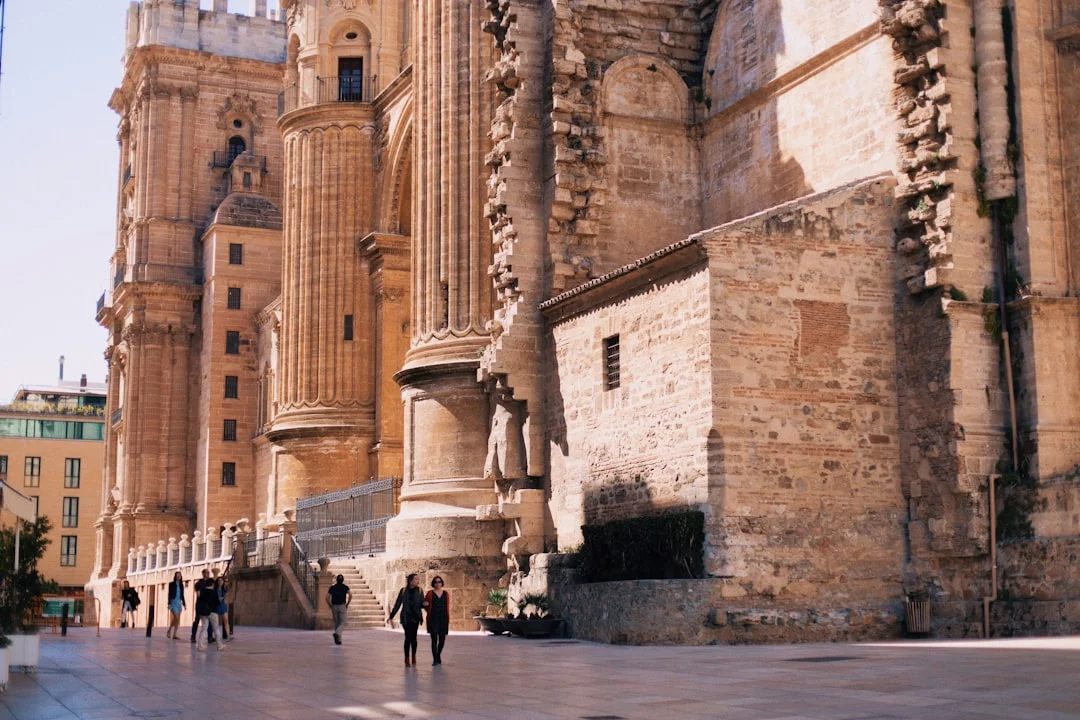
    Seit fast sechs Jahrhunderten wird die Skyline von Málaga von einer wunderschönen, wenn auch ungleichen Silhouette geprägt. Die Santa Iglesia Catedral Basílica de la Encarnación ist im Volksmund als ‘La Manquita’ (die Einarmige) bekannt, da ihr Südturm nie fertiggestellt wurde.

    Dieser historische Status quo könnte jedoch vor einer historischen Wende stehen. Wie Diario Sur im Juli 2026 berichtete, organisiert sich eine Gruppe lokaler Kollektive und führender Persönlichkeiten des öffentlichen Lebens, um eine brandneue Stiftung zu gründen. Ihre Hauptmission? Die Zivilgesellschaft zu mobilisieren, die notwendigen privaten Mittel zu beschaffen und schließlich den Bau von Málagas berühmtestem Wahrzeichen zu vollenden.

    Hier ist ein Blick darauf, warum die Kathedrale unvollendet blieb, was diese neue Bewegung vorschlägt und welche leidenschaftliche Debatte sie sowohl unter Einheimischen als auch unter Expats ausgelöst hat.

    Warum blieb die Kathedrale von Málaga unvollendet?

    Der Bau der Kathedrale begann 1528 auf dem Gelände einer ehemaligen Moschee. In den folgenden zweieinhalb Jahrhunderten entwickelte sich das Gebäude zu einer prächtigen Mischung aus Gotik, Renaissance und Barock.

    Gegen Ende des 18. Jahrhunderts schritten die Arbeiten am zweiten (südlichen) Turm voran. Doch im Jahr 1782 kamen die Bauarbeiten abrupt zum Stillstand.

    Es gibt zwei Haupterklärungen dafür, warum das Geld ausging:
    * Die populäre Legende: Die lokale Überlieferung besagt, dass das für die Fertigstellung des Turms vorgesehene Budget in die USA geschickt wurde, um den amerikanischen Unabhängigkeitskrieg gegen die Briten zu finanzieren.
    * Die historische Realität: Die meisten Historiker verweisen auf eine lokalere Ursache. Die Mittel wurden umgeleitet, um dringende öffentliche Arbeiten in der Region zu finanzieren, insbesondere den Bau des Camino de Antequera, einer lebenswichtigen Verkehrsverbindung zwischen Málaga und dem Landesinneren Andalusiens.

    Was auch immer der genaue Grund war, die Arbeiten wurden eingestellt, sodass der Südturm als Stumpf zurückblieb und die Hauptfassade unvollständig war. Im Laufe der Jahrhunderte wurde aus einer einst vorübergehenden Verzögerung das prägende Merkmal der Kathedrale.

    Die Initiative von 2026: Ein Vorstoß aus der Bürgerschaft

    Seit Generationen ist die Fertigstellung der Kathedrale ein wiederkehrendes Thema in den politischen und kulturellen Kreisen von Málaga. Was den aktuellen Vorstoß unterscheidet, ist sein Ansatz, der direkt aus der Bürgerschaft kommt.

    Jüngsten Berichten zufolge will die künftige Stiftung den politischen Stillstand überwinden, indem sie die Öffentlichkeit und die Wirtschaft direkt einbezieht. Durch die Gründung einer strukturierten Stiftung hoffen die Organisatoren:
    1. Privates Kapital beschaffen: Spenden von lokalen Unternehmen, internationalen Gönnern und Bürgern gewinnen, die die ursprüngliche architektonische Vision verwirklicht sehen möchten.
    2. Den öffentlichen Dialog fördern: Debatten, Ausstellungen und Bildungsforen veranstalten, um die architektonischen Pläne und die Vorteile einer Fertigstellung des Bauwerks zu erläutern.
    3. Mit den Behörden zusammenarbeiten: Mit dem Bistum von Málaga, der Regionalregierung (Junta de Andalucía) und dem Stadtrat zusammenarbeiten, um sicherzustellen, dass künftige Bauarbeiten die historische Integrität des Denkmals respektieren.

    Die große Debatte: Bauen oder nicht bauen?

    Der Vorschlag hat auf Anhieb eine leidenschaftliche Debatte in der ganzen Stadt entfacht. Für viele ist „La Manquita“ nicht nur ein Gebäude, sondern Identität.

    Die Argumente für eine Fertigstellung

    Befürworter des Projekts argumentieren, dass die Fertigstellung der Kathedrale eine Frage der historischen Gerechtigkeit und des architektonischen Stolzes ist. Sie weisen auf Folgendes hin:
    * Die ursprüngliche Vision: Die Kathedrale war mit zwei Türmen geplant. Ihre Fertigstellung würde den von den Renaissance-Architekten entworfenen Gesamtplan verwirklichen.
    * Struktureller Schutz: Eine einheitliche Fertigstellung des Dachs und der Türme könnte einen besseren langfristigen Schutz vor Feuchtigkeit und Wasserschäden bieten, unter denen die Kathedrale seit Jahrzehnten leidet.
    * Ein globales Zeichen: Die Fertigstellung einer bedeutenden historischen Kathedrale im 21. Jahrhundert würde Málaga ins weltweite architektonische Rampenlicht rücken, ähnlich wie die laufenden Arbeiten an der Sagrada Família in Barcelona.

    Die Argumente für den Erhalt des Ist-Zustands

    Auf der anderen Seite der Debatte glauben viele Einwohner und Denkmalschützer, dass die Kathedrale genau so bleiben sollte, wie sie ist:
    * Die Identität von „La Manquita“: Der unvollendete Turm macht die Kathedrale einzigartig. Ohne ihren fehlenden Arm wäre sie einfach nur eine weitere große Kathedrale und würde den besonderen Charme verlieren, den Einheimische und Touristen lieben.
    * Ein Denkmal der Geschichte: Der unvollendete Zustand ist ein physisches Zeugnis der wirtschaftlichen Realitäten und historischen Veränderungen Málagas im 18. Jahrhundert.
    * Prioritäten: Gegner argumentieren, dass Spendenbemühungen und öffentliche Aufmerksamkeit besser in den Erhalt der bereits verfallenden historischen Stätten Málagas fließen sollten, anstatt neue Strukturen zu errichten.

    Die Kathedrale von Málaga heute besuchen

    Wenn Sie in Málaga leben oder die Stadt besuchen, ist die Kathedrale ein absolutes Muss. Selbst in ihrem „einarmigen“ Zustand ist sie ein atemberaubendes Denkmal.

    • Das Innere: Im Inneren erwarten Sie emporragende Decken, ein beeindruckendes Chorgestühl aus dem 17. Jahrhundert, das von Pedro de Mena geschnitzt wurde, und wunderschöne Buntglasfenster.
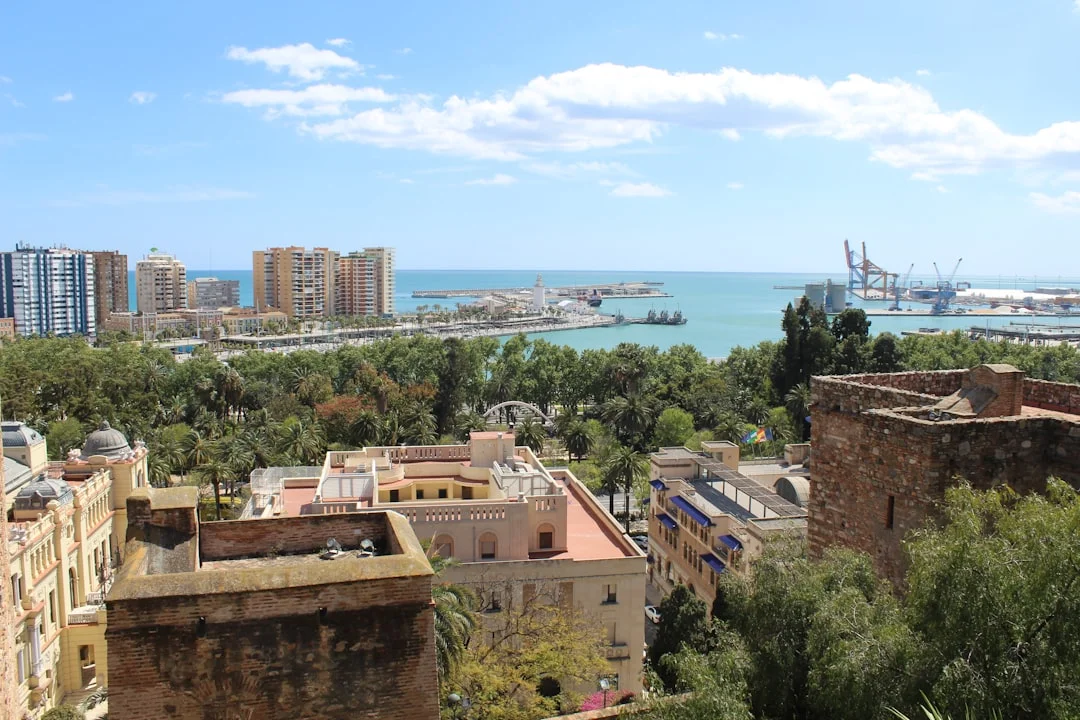
    • Die Dachführung (Las Cubiertas): Für eine wirklich einzigartige Perspektive können Sie eine geführte Tour über die gemauerten Gewölbedächer der Kathedrale buchen. Der Aufstieg über die 200 Stufen des Nordturms belohnt Sie mit einigen der schönsten 360-Grad-Aussichten auf den Hafen, die Alcazaba und das historische Zentrum.

    Ob die neue Stiftung ihr ehrgeiziges Ziel erreicht oder „La Manquita“ ihre berühmte Silhouette für immer behält – die Debatte selbst zeigt, wie sehr den Menschen in Málaga der Schutz des historischen Erbes der Stadt am Herzen liegt. Städte sind lebendige Organismen, die ständig das Gewicht ihrer Vergangenheit mit den Ambitionen ihrer Zukunft in Einklang bringen müssen. Während wir dieses neue Kapitel miterleben, werden wir daran erinnert, dass die Geschichte in Málaga niemals wirklich abgeschlossen ist.

  • New Foundation Aims to Complete Malaga Cathedral

    New Foundation Aims to Complete Malaga Cathedral

    For nearly six centuries, the skyline of Málaga has been defined by a beautiful, albeit lopsided, silhouette. The Santa Iglesia Catedral Basílica de la Encarnación is famously known as ‘La Manquita’ (The One-Armed Lady) because its south tower was never built.

    However, this historic status quo might be on the verge of a historic shift. As reported by Diario Sur in July 2026, a group of local collectives and civic leaders is organizing to establish a brand-new foundation. Their primary mission? To mobilize civil society, raise the necessary private funds, and finally complete the construction of Málaga’s most famous landmark.

    Here is a look at why the cathedral remains unfinished, what this new movement proposes, and the passionate debate it has sparked among locals and expats alike.

    Why Was Malaga Cathedral Left Unfinished?

    Construction on the cathedral began in 1528 on the site of a former mosque. Over the next two and a half centuries, the building evolved into a magnificent blend of Gothic, Renaissance, and Baroque architectural styles.

    By the late 18th century, work was progressing on the second (south) tower. However, in 1782, construction ground to a halt.

    There are two main explanations for why the money ran out:
    * The Popular Legend: Local lore insists that the budget allocated for the completion of the tower was sent to the United States to help fund the American Revolutionary War against the British.
    * The Historical Reality: Most historians point to a more local cause. The funds were diverted to pay for urgent public works closer to home, specifically the construction of the Camino de Antequera, a vital transport route connecting Málaga to the interior of Andalusia.

    Whatever the exact reason, the work stopped, leaving the south tower as a stump and the main facade incomplete. Over the centuries, what was once a temporary delay became the cathedral’s defining characteristic.

    The 2026 Initiative: A Citizen-Led Push

    For generations, completing the cathedral has been a recurring talking point in Málaga’s political and cultural circles. What makes the current push different is its grassroots, citizen-led approach.

    According to recent reports, the upcoming foundation aims to bypass political gridlock by directly involving the public and the business community. By creating a structured foundation, the organizers hope to:
    1. Raise Private Capital: Attract donations from local businesses, international patrons, and citizens who want to see the original architectural vision realized.
    2. Promote Public Dialogue: Host debates, exhibitions, and educational forums to explain the architectural plans and the benefits of completing the structure.
    3. Collaborate with Authorities: Work alongside the Bishopric of Málaga, the regional government (Junta de Andalucía), and the City Council to ensure any future construction respects the historical integrity of the monument.

    The Great Debate: To Build or Not to Build?

    The proposal has instantly reignited a passionate debate across the city. For many, “La Manquita” is not just a building; it is an identity.

    The Case for Completing It

    Proponents of the project argue that finishing the cathedral is a matter of historical justice and architectural pride. They point out that:
    * The Original Vision: The cathedral was designed to have two towers. Completing it would fulfill the master plan laid out by the Renaissance architects.
    * Structural Protection: Finishing the roof and towers in a cohesive manner could provide better long-term protection against humidity and water damage, which have plagued the cathedral for decades.
    * A Global Statement: Completing a major historic cathedral in the 21st century would put Málaga in the global architectural spotlight, much like the ongoing works at Barcelona’s Sagrada Família.

    The Case for Leaving It Alone

    On the other side of the debate, many residents and heritage purists believe the cathedral should remain exactly as it is:
    * The Identity of “La Manquita”: The unfinished tower is what makes the cathedral unique. Without its missing arm, it would simply be another grand cathedral, losing the quirky charm that locals and tourists love.
    * A Monument to History: The unfinished state is a physical record of Málaga’s 18th-century economic realities and historical shifts.
    * Priorities: Opponents argue that fundraising efforts and public attention would be better spent on preserving Málaga’s existing, deteriorating heritage sites rather than building new structures.

    Visiting Malaga Cathedral Today

    If you are living in or visiting Málaga, the cathedral remains an absolute must-visit. Even in its “one-armed” state, it is a breathtaking monument.

    • The Interior: Inside, you will find soaring ceilings, stunning 17th-century choir stalls carved by Pedro de Mena, and beautiful stained-glass windows.
    • The Roof Tour (Las Cubiertas): For a truly unique perspective, you can book a guided tour of the cathedral’s vaulted brick roofs. Climbing the 200 steps of the northern tower rewards you with some of the finest 360-degree views of the port, the Alcazaba, and the historic center.

    Whether the new foundation succeeds in its ambitious goal or “La Manquita” keeps her famous silhouette forever, the conversation itself shows how deeply the people of Málaga care about protecting the city’s historic heritage. Cities are living things, constantly balancing the weight of their past with the ambitions of their future. As we watch this new chapter unfold, it reminds us that history in Málaga is never truly finished.

  • Wetter in Málaga: Polare Luftmasse verschont die Costa del Sol

    Wetter in Málaga: Polare Luftmasse verschont die Costa del Sol

    Eine sommerliche Atempause an der Costa del Sol

    Als sich der Juli 2026 dem Ende neigt, überrascht ein äußerst ungewöhnliches meteorologisches Ereignis das spanische Festland. Eine ausgedehnte polare Luftmasse zieht über die Iberische Halbinsel und bringt den nördlichen und zentralen Regionen einen plötzlichen, jahreszeitlich untypischen Temperatursturz, lebhafte Winde und Regen. Für Reisende und Expats, die für den klassischen spanischen Sommer in den Süden geströmt sind – wo zeitgleich der Hotelsektor in Málaga durch luxuriöse Neueröffnungen boomt –, mag diese Nachricht zunächst Anlass zur Sorge geben.

    Málaga und die gesamte Costa del Sol bleiben jedoch glücklicherweise verschont. Unmittelbar nach einer Phase, in der extreme Hitzewellen und Terral-Winde nachgelassen haben, genießt die Küste von Málaga weiterhin ihre charakteristische goldene Wärme, während sich der Rest des Landes auf eine vorübergehende herbstliche Kühle einstellt.

    Málagas Mikroklima: Der natürliche Schutzschild

    Das Geheimnis hinter Málagas Widerstandsfähigkeit gegen diese plötzlichen Kälteeinbrüche liegt in seiner außergewöhnlichen Geografie. Eingebettet zwischen einer dramatischen Bergbarriere – der Serranía de Ronda und der Sierra de Mijas – und den sanften Weiten des Mittelmeers, profitiert die Stadt von einem einzigartigen Mikroklima.

    Diese Berge wirken wie ein physischer Schutzschild und verhindern, dass die kalten Nordwinde an die Küste herabströmen. Gleichzeitig fungiert das Mittelmeer als gigantischer Wärmeregulator, der tagsüber Wärme speichert und diese sanft wieder abgibt, wodurch die Küstentemperaturen bemerkenswert stabil bleiben.

    Laut meteorologischen Berichten, die von Diario Sur analysiert wurden, wird das spanische Binnenland zwar die eisige Schärfe dieser Polarfront zu spüren bekommen, für Málaga jedoch werden angenehme Temperaturen zwischen 24 ºC und 25 ºC prognostiziert, wobei die Tageshöchstwerte unter klarem Himmel sogar noch wärmere Spitzenwerte erreichen können.

    Wo sonst ist der Sommer gerettet?

    Málaga steht mit seinem sonnigen Trotz nicht allein da. Der schützende Einfluss der Mittelmeerküste erstreckt sich auf mehrere andere südliche und östliche Küstenstädte. Wenn Sie entlang der Küste reisen, können Sie damit rechnen, dass in folgenden Regionen stabile, warme Sommerbedingungen anhalten:

    • Almería: Profitiert von seinem wüstennahen Klima und dem Küstenschutz.
    • Alicante: Bewahrt seine klassische Wärme der Costa Blanca.
    • Murcia: Durch die umgebende Topografie geschützt, was die Kälte abhält.

    Für alle, die derzeit in diesen Gebieten Urlaub machen oder leben, ist die Botschaft klar: Es gibt absolut keinen Grund, die Badekleidung wegzupacken oder Pläne im Freien abzusagen.

    Alles wie gewohnt an der Küste

    Für lokale Unternehmen, Beach Clubs und Chiringuitos ist der Erhalt des warmen Wetters in Málaga eine welcome Nachricht. Ende Juli ist Hauptferienzeit, und das Versprechen von ununterbrochenem Sonnenschein bedeutet, dass das lebendige Outdoor-Leben in der Provinz ohne Unterbrechung weitergeht. Besucher können nach wie vor frische espetos (Sardinenspieße) am Ufer genießen, im angenehm temperierten Meer schwimmen und unter dem Sternenhimmel speisen, ohne dicke Winterkleidung zu benötigen.

    Während die nördlichen Provinzen diesen unerwarteten meteorologischen Umschwung bewältigen müssen, erweist sich die Costa del Sol als sicherer Hafen des Lichts und der Wärme. Es ist eine sanfte Erinnerung daran, warum diese Ecke Andalusiens Jahr für Jahr eines der beliebtesten Küstenreiseziele Europas bleibt.

    Wir hoffe, dass dies allen, die gerade unsere wunderschöne Küste genießen oder eine Reise dorthin planen, ein beruhigendes Gefühl gibt. Die Natur hat eine wundervolle Art, diesen kleinen Flecken Erde zu schützen, und wir hoffen, dass Sie die kommenden Tage damit verbringen können, die Sonne zu genießen, die Meeresbrise zu spüren und die zeitlose Wärme von Málaga in sich aufzunehmen.

  • Malaga Weather: Polar Air Mass Spares Costa del Sol

    Malaga Weather: Polar Air Mass Spares Costa del Sol

    A Summer Reprieve on the Costa del Sol

    As July 2026 draws to a close, a highly unusual meteorological event has taken mainland Spain by surprise. A sweeping polar air mass is moving across the Iberian Peninsula, bringing a sudden, unseasonal drop in temperatures, brisk winds, and rain to northern and central regions. For travelers and expats who have flocked to the south for the classic Spanish summer—especially those already aware of how heatwaves and inflation are dampening Costa del Sol tourism—this news might initially spark concern.

    However, Malaga and the wider Costa del Sol remain blissfully insulated. Coming closely on the heels of a period where extreme heatwaves and terral winds subsided, the Malaga coastline continues to bask in its signature golden warmth while the rest of the country prepares for a temporary autumn-like chill.

    Malaga’s Microclimate: The Natural Shield

    The secret behind Malaga’s resistance to these sudden cold snaps lies in its extraordinary geography. Nestled between a dramatic mountain barrier—the Serranía de Ronda and the Sierra de Mijas—and the gentle expanse of the Mediterranean Sea, the city benefits from a unique microclimate.

    These mountains act as a physical shield, blocking the cold northern winds from descending onto the coast. At the same time, the Mediterranean Sea acts as a massive thermal regulator, absorbing heat during the day and radiating it gently, keeping coastal temperatures remarkably stable.

    According to meteorological reports analyzed by Diario Sur, while inland Spain feels the sharp bite of this polar front, Malaga’s local temperatures are projected to comfortably remain between 24ºC and 25ºC, with daytime highs reaching even warmer peaks under clear skies.

    Where Else is the Summer Saved?

    Malaga is not alone in its sunny defiance. The protective influence of the Mediterranean coast extends to several other southern and eastern maritime cities. If you are traveling along the coast, you can expect stable, warm summer conditions to persist in:

    • Almería: Benefiting from its desert-adjacent climate and coastal protection.
    • Alicante: Maintaining its classic Costa Blanca warmth.
    • Murcia: Shielded by surrounding topography, keeping the cold at bay.

    For anyone currently holidaying or living in these areas, the message is clear: there is absolutely no need to pack away your swimwear or cancel your outdoor plans.

    Business as Usual on the Coast

    For local businesses, beach clubs, and chiringuitos, the preservation of Malaga’s warm weather is welcome news. Late July is prime holiday season, and the promise of uninterrupted sunshine means that the vibrant outdoor lifestyle of the province continues without a pause. Visitors can still enjoy fresh espetos (sardine skewers) by the shore, swim in the temperate sea, and dine under the stars without needing heavy winter layers.

    While the northern provinces navigate this unexpected meteorological twist, the Costa del Sol stands firm as a sanctuary of light and warmth. It is a gentle reminder of why this corner of Andalusia remains one of Europe’s most beloved coastal escapes, year after year.

    We hope this brings peace of mind to everyone currently enjoying or planning a trip to our beautiful coast. Nature has a beautiful way of protecting this little pocket of the world, and we hope you get to spend these coming days soaking up the sun, feeling the sea breeze, and enjoying the timeless warmth of Malaga.

  • Málaga and UMA Partner to Protect City Heritage

    Málaga and UMA Partner to Protect City Heritage

    As Málaga continues its rapid evolution into a global tech and tourism hub, favored by an enviable climate where even extreme polar air masses spare the Costa del Sol, a pressing question hangs over its cobblestone streets: how do we preserve the city’s authentic soul?

    While high-tech offices, modern holiday rentals, and ambitious new developments like the recently approved 29-story Zaha Hadid El Bulto tower reshape the urban landscape, a vital rescue mission is quietly underway. This month, local institutions and historic family-run businesses are stepping up to ensure that Málaga’s unique heritage isn’t lost to gentrification.

    A New Alliance for Málaga’s Historic Heritage

    In a significant step toward safeguarding the city’s identity, the Málaga City Council (via its Gerencia de Urbanismo) and the University of Málaga (UMA) signed a formal collaboration agreement on July 23, 2026. As reported by Europa Press, this partnership establishes a dedicated framework for research, documentation, and the strategic protection of the city’s historical assets.

    Rather than viewing heritage as static museum pieces, the alliance aims to integrate historical preservation into modern urban planning, especially as new developments like the Zaha Hadid luxury tower reshape the city’s skyline. Academic experts and city officials will work hand-in-hand to identify vulnerable structures, document local history, and create policies that keep Málaga’s architectural and cultural legacy intact for future generations.

    The Living Heritage: Traditional Eateries Under Pressure

    While protecting buildings is crucial, the true heartbeat of Málaga lies in its living heritage—the traditional, family-run establishments that have fed neighborhoods for decades. In the city center, these authentic spaces are facing unprecedented pressure from rising rents and changing consumer habits, leading to a shifting culinary landscape where iconic spots are constantly reinvented, as seen with the new restaurant taking over the former La Alvaroteca venue.

    Classic spots serve as vital social anchors. A prime example of this resistance is the story of traditional venues like those profiled by Málaga Hoy. Consider the legacy of the historic restaurant in the city center founded back in 1971 by former Málaga CF player José Portalés. For over half a century, places like this have served as community living rooms, offering affordable, home-cooked Andalusian classics to locals, workers, and curious travelers alike.

    These eateries are more than just business ventures; they are repositories of local memory. When a historic tavern closes to make way for a generic franchise, the city loses a piece of its oral history, its culinary traditions, and its neighborhood cohesion.

    How to Experience and Support Authentic Málaga

    For visitors and residents who want to help keep Málaga’s soul alive, the solution is simple: vote with your wallet. Supporting authentic local spots is the most effective way to ensure they survive.

    • Step off the Main Drags: Skip the global fast-food chains and seek out the narrow side streets of the historic center. Look for places with hand-written menu boards and bustling local crowds.
    • Order the Classics: Try traditional Malagueño dishes like ensaladilla rusa, boquerones fritos, porra antequerana, or a simple, perfectly poured caña of Victoria beer.
    • Value the Experience: Accept that traditional service might be loud, fast-paced, and entirely in Spanish. Embrace the lively atmosphere—it is a core part of the local dining culture.

    Looking Forward

    As Málaga navigates its golden era of growth, finding a balance between progress and preservation is the defining challenge of our time. The new partnership between the city and the university is a hopeful sign that institutional protection is catching up to the community’s needs. Ultimately, however, the survival of Málaga’s unique character relies on the choices we make every day at the dinner table.

    We hope that as the city grows, we can continue to share a table in the very places that made us fall in love with Málaga in the first place. Let us cherish and protect these corners of warmth and history.

  • Hitzewelle in Málaga endet: Terral-Wind und Warnungen lassen nach

    Hitzewelle in Málaga endet: Terral-Wind und Warnungen lassen nach

    Eine willkommene Abkühlung von der Sommerhitze

    Für jeden, der die letzten Tage in Málaga verbracht hat, war die Atmosphäre schlichtweg drückend. Eine Kombination aus dem sengenden „Terral“-Wind, einer dichten Decke aus Saharastaub (Calima) und unerbittlich hohen Temperaturen ließ Einheimische wie Touristen gleichermaßen Zuflucht in klimatisierten Räumen suchen.

    Glücklicherweise ist nun Erleichterung in Sicht. Das staatliche Wetteramt (Aemet) hat die gelben Wetterwarnungen für die Provinz offiziell aufgehoben, was das Ende dieser besonders intensiven Hitzewelle im Juli 2026 signalisiert.

    Was machte diese Hitzewelle so intensiv?

    Die Sommer in Málaga sind bekanntermaßen heiß, aber zwei bestimmte meteorologische Phänomene machten die vergangene Woche außergewöhnlich schwer zu ertragen:

    1. Der Terral-Wind: Dies ist ein lokaler Landwind, der aus dem Landesinneren der Halbinsel in Richtung Küste weht. Wenn die Luft von den umliegenden Bergen herabsinkt, komprimiert sie sich und erwärmt sich rapide, was wie ein riesiger Föhn wirkt, der über die Stadt bläst.
    2. Die Calima: Dieses Phänomen tritt auf, wenn starke Winde über der Sahara-Wüste feine Staubpartikel aufwirbeln und diese über das Mittelmeer tragen. Es erzeugt einen trüben, orange gefärbten Himmel, schränkt die Sicht ein und hinterlässt auf allem eine dünne Staubschicht.

    Auf dem Höhepunkt dieser meteorologischen Episode erreichte die Hitze ein unerträgliches Niveau. Nach offiziellen meteorologischen Daten stiegen die Temperaturen auf sengende 38,1 °C in Vélez-Málaga, während auch die Stadt Málaga und das umliegende Guadalhorce-Tal rekordverdächtige Höchstwerte verzeichneten.

    Rückkehr zu normalen Sommertemperaturen

    Wie La Opinión de Málaga am 25. Juli 2026 berichtete, neigt sich die intensive Hitzewelle offiziell dem Ende zu. Wetterexperten bestätigen, dass sich der Luftdruck verschiebt, sodass kühlere Meeresbrisen die heißen Terral-Strömungen ersetzen können.

    In den kommenden Tagen sollen sich die Temperaturen an der Costa del Sol um den traditionellen Sommerdurchschnitt von 30 °C bis 32 °C einpendeln. Obwohl es immer noch warm ist, wird dieser Rückgang um einige Grad – in Kombination mit dem Abziehen der staubigen Calima – Outdoor-Aktivitäten, Strandbesuche und abendliche Spaziergänge unendlich viel angenehmer machen.

    Was Sie in den kommenden Tagen erwartet:

    • Klarerer Himmel: Der in der Luft schwebende Staub verzieht sich und bringt das für Málaga typische, tiefe Himmelsblau zurück.
    • Kühlere Nächte: Die nächtlichen Tiefstwerte sinken wieder in einen angenehmeren Bereich, was das Schlafen erleichtert, ohne dass die Klimaanlage ständig laufen muss.
    • Sanftere Meeresbrisen: Die Rückkehr der Virazón (Meeresbrise) wird dazu beitragen, die Küstengebiete auf natürliche Weise abzukühlen.

    Das Beste aus dem kühleren Wetter machen

    Da die gelben Warnungen aufgehoben wurden, ist es der perfekte Zeitpunkt, wieder nach draußen zu gehen und all das zu genießen, was Málaga zu bieten hat. Egal, ob Sie hier leben oder Ihren Urlaub an der Costa del Sol verbringen, hier sind einige Möglichkeiten, die Rückkehr des normalen Sommerwetters zu feiern:

    • Besuchen Sie die Strände: Die Wassertemperatur kann sich jetzt, da die heißen Winde nachgelassen haben, tatsächlich etwas kühler und erfrischender anfühlen.
    • Essen im Freien: Genießen Sie ein Abendessen auf einer Terrasse oder probieren Sie frische Espetos (Sardinenspieße) in einem lokalen Chiringuito ohne die erstickende Hitze.
    • Erkunden Sie das historische Zentrum: Machen Sie am späten Nachmittag einen Spaziergang hinauf zum Castillo de Gibralfaro oder schlendern Sie durch die Alcazaba – ein Vorhaben, das auf dem Höhepunkt des Terral fast unmöglich war.

    Ein tiefes Durchatmen

    Das Leben an der Costa del Sol bedeutet, den Sonnenschein zu genießen, aber auch, die Kraft des lokalen Mikroklimas zu respektieren. Während sich der Staub legt und die kühle Meeresbrise in unsere Straßen zurückkehrt, macht sich in der ganzen Stadt ein Gefühl der Dankbarkeit breit. Wir können endlich wieder unsere Fenster öffnen, die frische Mittelmeerluft einatmen und uns darauf freuen, den Rest dieses wunderschönen Sommers in einem weitaus angenehmeren Tempo zu genießen.

  • Malaga Heatwave Ends: Terral Wind and Alerts Subside

    Malaga Heatwave Ends: Terral Wind and Alerts Subside

    A Welcome Break from the Summer Heat

    For anyone who has spent the last few days in Malaga, the atmosphere has been nothing short of oppressive. A combination of the scorching ‘terral’ wind, a dense blanket of Saharan dust (calima), and relentless high temperatures had residents and tourists alike seeking refuge in air-conditioned spaces.

    Fortunately, relief has arrived. The State Meteorological Agency (Aemet) has officially deactivated the yellow weather alerts for the province, signaling an end to this particularly intense July 2026 heatwave.

    What Made This Heatwave So Intense?

    Malaga summers are notoriously warm, but two distinct meteorological phenomena made the past week exceptionally difficult to handle:

    1. The Terral Wind: This is a local land wind that blows from the interior of the peninsula towards the coast. As the air descends from the surrounding mountains, it compresses and heats up rapidly, acting like a giant hair dryer blowing across the city.
    2. The Calima: This phenomenon occurs when strong winds over the Sahara Desert kick up fine dust particles, carrying them across the Mediterranean. It creates a hazy, orange-tinted sky, reduces visibility, and leaves a thin layer of dust on everything.

    During the peak of this meteorological episode, the heat reached stifling levels. According to official meteorological data, temperatures soared to a blistering 38.1°C in Vélez-Málaga, while Malaga city and the wider Guadalhorce Valley also experienced near-record highs.

    Returning to Normal Summer Temperatures

    As reported by La Opinión de Málaga on July 25, 2026, the intense heatwave is officially drawing to a close. Weather experts confirm that the atmospheric pressure is shifting, allowing cooler maritime breezes to replace the hot terral currents.

    Over the coming days, temperatures across the Costa del Sol are expected to stabilize around the traditional summer average of 30°C to 32°C. While still warm, this drop of several degrees—combined with the clearing of the dusty calima—will make outdoor activities, beach trips, and evening strolls infinitely more comfortable.

    What to Expect in the Coming Days:

    • Clearer Skies: The suspended dust is dispersing, bringing back Malaga’s signature deep blue skies.
    • Cooler Nights: Minimum nighttime temperatures will drop back into a more comfortable range, making it easier to sleep without running the air conditioning constantly.
    • Gentler Sea Breezes: The return of the virazón (sea breeze) will help cool down the coastal areas naturally.

    Making the Most of the Cooler Weather

    With the yellow alerts lifted, it is the perfect time to step back outside and enjoy everything Malaga has to offer. Whether you are a local resident or visiting the Costa del Sol on vacation, here are a few ways to celebrate the return of normal summer weather:

    • Visit the Beaches: The sea temperature may actually feel slightly cooler and more refreshing now that the hot winds have subsided.
    • Al Fresco Dining: Enjoy an evening meal on a terrace or try some fresh espetos (sardine skewers) at a local chiringuito without the stifling heat.
    • Explore the Historic Center: Take a stroll up to the Gibralfaro Castle or wander through the Alcazaba in the late afternoon, a task that was nearly impossible during the peak of the terral.

    A Breath of Fresh Air

    Living on the Costa del Sol means embracing the sunshine, but it also means respecting the power of the local microclimates. As the dust settles and the cool sea breeze returns to our streets, there is a shared sense of gratitude across the city. We can finally open our windows, breathe in the fresh Mediterranean air, and look forward to enjoying the rest of this beautiful summer at a much more comfortable pace.

  • Málaga genehmigt 29-stöckigen Zaha-Hadid-Turm in El Bulto

    Málaga genehmigt 29-stöckigen Zaha-Hadid-Turm in El Bulto

    Während sich das Wetter an der Costa del Sol beruhigt, nachdem die jüngste Hitzewelle in Málaga und die heißen Terral-Winde abgeklungen sind, steht Málagas Skyline vor einer dramatischen, futuristischen Entwicklung. Die Stadt hat offiziell grünes Licht für ein massives Stadterneuerungsprojekt im Küstenviertel El Bulto gegeben, das einen wegweisenden 29-stöckigen Wohn- und Hotelturm beherbergen wird, der von dem weltberühmten Büro Zaha Hadid Architects entworfen wurde.

    Am Freitag, dem 24. Juli 2026, stimmte der Planungsrat von Málaga der Vergabe des Sektors Ferrocarril del Puerto (El Bulto) an den renommierten Bauträger Sierra Blanca Estates zu, wie El Español berichtete. Diese Entscheidung markiert einen entscheidenden Schritt nach vorn in der Strategie der Stadt, ihre Küstenfront zu modernisieren und gehobenes internationales Interesse zu wecken.

    Eine kühne Vision für El Bulto

    Das Viertel El Bulto, das historisch durch Industrie- und Eisenbahninfrastruktur geprägt war, soll zu einer der exklusivsten und architektonisch bedeutendsten Zonen an der südspanischen Küste werden, angeführt von spektakulären Projekten wie dem Zaha Hadid Tower, dem neuen 23-stöckigen Luxus-Wahrzeichen Malagas.

    Der siegreiche Entwurf von Sierra Blanca Estates konzentriert sich auf einen markanten, fließend strukturierten 29-stöckigen Turm, der die unverkennbaren geschwungenen Linien von Zaha Hadid Architects trägt. Das gemischt genutzte Projekt wird Folgendes umfassen:

    • Luxuriöse Wohnräume: Exklusive Apartments mit Panoramablick auf das Mittelmeer und die Stadt.
    • Erstklassige Hotelunterkünfte: Erstklassige Hoteldienstleistungen, die auf den wachsenden Zustrom von Luxusreisenden in Málaga ausgerichtet sind.
    • Öffentliche Räume und Grünflächen: Ein Fokus auf fußgängerfreundliche Integration, um das neue Projekt nahtlos mit der umliegenden Nachbarschaft und der Strandpromenade zu verbinden.

    Der Wettbewerb: Die Entscheidung des Rates fiel nach einem strengen Bewertungsverfahren. Angebote der konkurrierenden Bauträger Urbania und Guamar werden in derselben Sitzung am Freitag formell abgelehnt, was den Weg für die ehrgeizige Vision von Sierra Blanca freimachte.

    Strategische städtische Transformation

    Bei dieser Genehmigung geht es nicht nur um ein einzelnes Gebäude; sie stellt einen wichtigen Meilenstein in Málagas umfassenderer Stadtplanungsstrategie dar. Durch die Umwandlung der bahnnahen Flächen von El Bulto schließt die Stadt effektiv die Lücke zwischen dem historischen Hafenbereich (Puerto de Málaga) und den westlichen Stränden von Huelin und Misericordia.

    In den letzten zehn Jahren hat sich Málaga erfolgreich von einem traditionellen Tor für Touristen zu einem florierenden Kultur- und Technologiezentrum entwickelt und grünes Licht für bedeutende städtische Wiederbelebungen wie die Konzession für das Kulturzentrum Astoria gegeben. Die Einbindung von Weltklasse-Architektur eines Büros vom Format Zaha Hadids hebt Málaga auf dieselbe Design-Ebene wie große globale Metropolen wie London, Miami und Dubai.

    Wirtschaftliche und soziale Auswirkungen

    Der Bau des Turms in El Bulto wird voraussichtlich erhebliche wirtschaftliche Impulse für die Stadt generieren:

    1. Schaffung von Arbeitsplätzen: Hunderte von direkten und indirekten Arbeitsplätzen werden sowohl während der Bauphase als auch im anschließenden Betrieb des Hotels und der Gewerbeflächen geschaffen.
    2. Stärkung lokaler Unternehmen: Der Zustrom von vermögenden Einwohnern und Touristen wird den lokalen Einzelhandel, die Gastronomie und den Dienstleistungssektor in den umliegenden Vierteln ankurbeln.
    3. Globale Anziehungskraft: Eine unverkennbare Handschrift in der Architektur dient als starkes Marketinginstrument, das Design-Enthusiasten, Investoren und internationale Unternehmen anzieht, die im Süden Europas Fuß fassen möchten.

    Blick in die Zukunft

    Nachdem das grüne Licht der Gemeinde nun vorliegt, verlagert sich der Fokus auf die Fertigstellung der technischen Ausführungsprojekte und die Sicherung der erforderlichen Baugenehmigungen. Obwohl ein genauer Termin für den Spatenstich noch nicht feststeht, stellt die Genehmigung der Vergabe die bisher wichtigste administrative Hürde dar, die genommen wurde.

    Da Málaga weiterhin sein reiches andalusisches Erbe – ergänzt durch Projekte wie das geplante Zentrum für mittelalterliche Keramik über historischen Ruinen – mit einer zukunftsweisenden Modernisierung in Einklang bringt, zeigen Projekte wie der Turm von El Bulto eine Stadt, die keine Angst hat, in die Zukunft zu blicken. Es ist ein Beweis für Málagas wachsenden Status als mediterrane Metropole, in der Geschichte und wegweisendes Design Seite an Seite existieren.

    Es ist unglaublich aufregend zu beobachten, wie unsere Stadt so dynamisch wächst und sich verändert. Große architektonische Projekte bringen zwar unvermeidliche Veränderungen für unser Stadtbild mit sich, aber sie bringen auch neue Energie und Chancen, die Málaga lebendig und zukunftsorientiert halten. Wir hoffen, dass dieses neue Wahrzeichen zu einem Ort wird, den sowohl Einheimische als auch Besucher über Generationen hinweg schätzen und genießen können.

  • Malaga Approves 29-Story Zaha Hadid El Bulto Tower

    Malaga Approves 29-Story Zaha Hadid El Bulto Tower

    As the city breathes a sigh of relief with the end of Malaga’s intense heatwave and Terral winds, Malaga’s skyline is also on the verge of a dramatic, futuristic evolution. The city has officially greenlit a massive urban renewal project in the El Bulto waterfront sector, featuring a landmark 29-story residential and hotel tower designed by the world-renowned firm Zaha Hadid Architects.

    On Friday, July 24, 2026, Malaga’s Urbanism Council approved the adjudication of the Ferrocarril del Puerto (El Bulto) sector to the prominent developer Sierra Blanca Estates, as reported by El Español. This decision marks a definitive step forward in the city’s strategy to modernize its coastal facade and attract high-end international interest.

    A Bold Vision for El Bulto

    The El Bulto district, historically characterized by industrial and railway infrastructure, is set to become one of the most exclusive and architecturally significant zones on the southern Spanish coast, situated just a short distance from the best spots to eat traditional food in Malaga center.

    Sierra Blanca Estates’ winning proposal centers on a striking, fluidly structured 29-story tower that bears the unmistakable signature curves of Zaha Hadid Architects. The multi-use development will integrate:

    • Luxury Residential Spaces: High-end apartments boasting panoramic views of the Mediterranean and the city.
    • Premium Hotel Accommodations: World-class hospitality services designed to cater to Malaga’s growing influx of luxury travelers.
    • Public Spaces and Green Areas: A focus on pedestrian-friendly integration to connect the new development seamlessly with the surrounding neighborhood and waterfront promenade.

    The Competition: The council’s decision came after a rigorous evaluation process. Offers from rival developers Urbania and Guamar were formally rejected during the same Friday session, clearing the path for Sierra Blanca’s ambitious vision.

    Strategic Urban Transformation

    This approval is not just about a single building; it represents a major milestone in Malaga’s broader urban planning strategy. By transforming the railway-adjacent lands of El Bulto, the city is effectively bridging the gap between the historic port area (Puerto de Málaga) and the western beaches of Huelin and Misericordia.

    Over the last decade, Malaga has successfully transitioned from a traditional tourist gateway into a thriving cultural and technological hub, greenlighting major urban revivals such as the Astoria cultural hub concession. Incorporating world-class architecture from a studio of Zaha Hadid’s caliber elevates Malaga to the same design playing field as major global capitals like London, Miami, and Dubai.

    Economic and Social Impact

    The construction of the El Bulto tower is expected to generate significant economic momentum for the city:

    1. Job Creation: Hundreds of direct and indirect jobs will be created during both the construction phase and the subsequent operation of the hotel and commercial spaces.
    2. Boosting Local Businesses: The influx of high-net-worth residents and tourists will stimulate the local retail, dining, and service sectors in the surrounding districts.
    3. Global Appeal: Signature architecture acts as a powerful marketing tool, drawing design enthusiasts, investors, and international businesses looking to establish a footprint in southern Europe.

    Looking Ahead

    With the municipal green light now secured, the focus shifts to finalizing the technical execution projects and securing the necessary building permits. While a precise groundbreaking date has yet to be finalized, the approval of the adjudication represents the most critical administrative hurdle cleared to date.

    As Malaga continues to balance its rich Andalusian heritage—complemented by projects like the upcoming medieval ceramics center over historic ruins—with forward-thinking modernization, projects like the El Bulto tower showcase a city that is not afraid to look toward the future. It is a testament to Malaga’s rising status as a Mediterranean metropolis where history and cutting-edge design live side by side.

    Watching our city grow and change so dynamically is incredibly exciting. While big architectural projects bring inevitable changes to our landscape, they also bring fresh energy and opportunities that keep Malaga vibrant and forward-looking. We hope this new landmark becomes a space that both locals and visitors can appreciate and enjoy for generations to come.

  • Malaga and UMA Partner to Protect Ancient Heritage Sites

    Malaga and UMA Partner to Protect Ancient Heritage Sites

    Málaga is a city defined by its layers of history. From its Phoenician foundation as Malaka to its Roman and Moorish eras, the urban landscape sits atop thousands of years of human civilization. In a major step toward preserving this legacy—much like recent plans to build a medieval ceramics center over ancient ruins in the city center—the Málaga Town Hall—via the Gerencia de Urbanismo—and the University of Málaga (UMA) have signed a formal collaboration agreement to protect and study the city’s most critical archaeological sites.

    As reported by Europa Press in July 2026, this partnership establishes a structured framework for scientific research, archaeological excavations, and the structural preservation of key historical landmarks.

    The Key Sites in Focus

    While the city is increasingly recognized for modern technological milestones, such as the AI robotics research being developed at the University of Málaga, this agreement specifically targets three of Málaga’s most valuable historical assets, each representing a distinct era of the city’s evolution.

    Cerro del Villar: The Phoenician Cradle

    Located near the mouth of the Guadalhorce River, Cerro del Villar is one of the most important Phoenician archaeological sites in the western Mediterranean. Settled in the 8th century BC, this ancient urban center provides invaluable insights into early Mediterranean trade, domestic life, and urban planning. The new collaboration aims to boost ongoing excavations and ensure the preservation of its highly vulnerable clay and mudbrick structures.

    Cerro de la Tortuga: An Ancient Sanctuary

    Overlooking the city, Cerro de la Tortuga holds deep spiritual and historical significance. It served as an Iberian-Roman sanctuary and settlement. Research here helps historians understand the transition period when indigenous Iberian cultures integrated with Roman customs and religious practices.

    The Alcazaba: Structural Preservation

    As Málaga’s most iconic landmark, the Alcazaba fortress requires constant care. Built during the Moorish period over earlier Roman fortifications, this palace-fortress faces ongoing conservation challenges. The partnership will bring UMA’s academic expertise to assist municipal teams with structural monitoring and advanced archaeological analysis, as detailed by La Opinión de Málaga.

    What the Partnership Entails

    Rather than relying on sporadic projects, this agreement establishes a continuous pipeline of academic and municipal cooperation. Key aspects of the alliance include:

    • Joint Research and Excavations: UMA students and faculty will work alongside municipal archaeologists, turning these heritage sites into active learning laboratories.
    • Advanced Conservation Technology: The university will apply modern geological, chemical, and digital imaging techniques to analyze and protect fragile ruins.
    • Public Dissemination: Both institutions are committed to sharing their findings with the public through exhibitions, publications, and educational programs, ensuring that Málaga’s history remains accessible to everyone.

    Why This Matters for Málaga

    For residents and expats, this collaboration is a reminder that Málaga is far more than just a modern coastal destination. By actively investing in the preservation of sites like Cerro del Villar, the city is securing its cultural identity. These efforts not only enrich our understanding of the past but also pave the way for sustainable, heritage-focused tourism that respects and honors the ancient communities that first built this vibrant port city.

    As we look to the future, seeing our local institutions come together to safeguard these fragile links to our past brings a sense of pride and hope. It reminds us that while Málaga continues to grow and modernize, its foundation remains deeply rooted in a rich, shared human history that deserves to be protected for generations to come.