Category: Guides

Practical guides for living in Málaga

  • Putting the Brakes on Chaos: Andalusia’s New Regenerative Tourism Model

    Putting the Brakes on Chaos: Andalusia’s New Regenerative Tourism Model

    For years, the narrative surrounding tourism in Málaga and the wider Andalusia region has been one of exponential growth. The proliferation of vacation rentals (Viviendas de Uso Turístico or VUTs) transformed neighborhoods, revitalized economies, and, inevitably, sparked friction regarding gentrification and housing access. However, 2025 marks a turning point. The era of unchecked expansion is giving way to a more calculated, strategic approach known as “regenerative tourism.”

    The End of the “Wild West”

    The “party” of unregulated tourist apartments is facing strict new house rules. The administration has recognized that while tourism is the engine of the economy, it cannot be allowed to consume the machinery—the cities and towns themselves.

    To address this, the Junta de Andalucía has formalized a new wave of cooperation with local municipalities. As reported by Granada Hoy, the regional government has signed six new collaboration agreements in 2025 specifically designed to control vacation rentals. This isn’t just bureaucratic shuffling; it represents a transfer of enforcement power and data sharing that was previously lacking.

    Empowering Local Councils

    The core of this new strategy is the empowerment of city councils (Ayuntamientos). Previously, the centralization of license approvals often left local mayors with little room to maneuver against the saturation of specific districts. Under the new framework, the role of the town halls is significantly reinforced.

    These agreements facilitate the exchange of technical information and streamline the inspection process. If a property does not meet municipal zoning requirements or if a building’s statutes prohibit commercial activity, the Junta now has a faster mechanism to revoke the tourism license.

    According to Córdoba BN, the objective is clear: to foster a tourism model that is sustainable, high-quality, and respectful of the local population. This collaboration allows inspectors to act more effectively against clandestine listings that evade taxes and safety regulations.

    What is “Regenerative Tourism”?

    The buzzword for this legislative shift is “regenerative.” But what does that actually mean for a property owner in Málaga or a traveler looking for an Airbnb?

    Unlike simple sustainability, which aims to do no harm, regenerative tourism seeks to leave a place better than it was found. In the context of these regulations, it implies:

    • De-saturation: Limiting licenses in areas deemed “stressed” to allow residential life to recover.
    • Quality over Quantity: Moving away from the volume-based model to one that values higher spending and lower social impact.
    • Neighborhood Harmony: Ensuring that the economic benefits of tourism do not come at the cost of the social fabric that makes the destination attractive in the first place.

    The Impact on the Market

    For investors, the message is one of caution and professionalization. The days of buying any flat and flipping it onto a booking platform are fading. The market is moving towards professional operators who can guarantee compliance with strict quality and coexistence standards.

    For residents, these measures offer a glimmer of hope for a more balanced coexistence. The goal is not to kill the “golden goose” of tourism, but to stop it from suffocating the farm. By tightening controls, the administration hopes to alleviate the pressure on long-term rental prices, although the real-world impact of these specific measures on the housing market remains to be seen.

    As we look toward the future of our city, it is not about closing the doors to visitors, but about ensuring that the house remains a home for those who live here. Change is rarely comfortable, but finding a balance where local culture thrives alongside tourism is the only way to keep the true spirit of Málaga alive.
  • Málaga’s 2025 Vision: Tighter Rental Rules and Green Transport

    Málaga’s 2025 Vision: Tighter Rental Rules and Green Transport

    If you have walked through the historic center of Málaga recently, you have likely felt the buzz. It is undeniable—the city is thriving. But with popularity comes the inevitable question of livability. How does a city welcome the world without losing its soul (or its affordable housing)?

    We are currently witnessing a major pivot in Málaga’s urban strategy. The local and regional governments are moving away from the “anything goes” growth of the past decade toward a regulated, regenerative model. The focus is shifting to two critical pillars: controlling the explosion of tourist apartments and heavily investing in sustainable mobility.

    Here is what is happening on the ground and what it means for residents and visitors alike.

    The Crackdown on Tourist Apartments (VUTs)

    For years, the conversation around housing in Málaga has been dominated by the rise of Viviendas de Uso Turístico (VUTs)—essentially, short-term holiday rentals. While they have brought economic activity, they have also put immense pressure on the residential rental market.

    Now, the administration is tightening the screws. The Junta de Andalucía is rolling out a rigorous inspection plan for 2025 and 2026. The goal isn’t just to count listings but to actively detect and sanction illegal operations.

    According to reports from Diario de Almería, the regional government has signed agreements to reinforce the inspection of tourism activities. This involves checking that properties meet quality standards and, crucially, that they are legally registered. The message is clear: the era of unregulated growth is ending. By enforcing existing laws and introducing stricter oversight, the city hopes to return some housing stock to the long-term residential market.

    A €2.9 Million Boost for Public Transport

    While housing is one side of the coin, how we move around the city is the other. A livable city must be a mobile city, and Málaga is getting a significant financial injection to make that happen.

    The Ministry of Transport has allocated approximately 2.9 million euros to Málaga to subsidize public transport. This funding is part of a broader national initiative to keep public transit affordable and efficient.

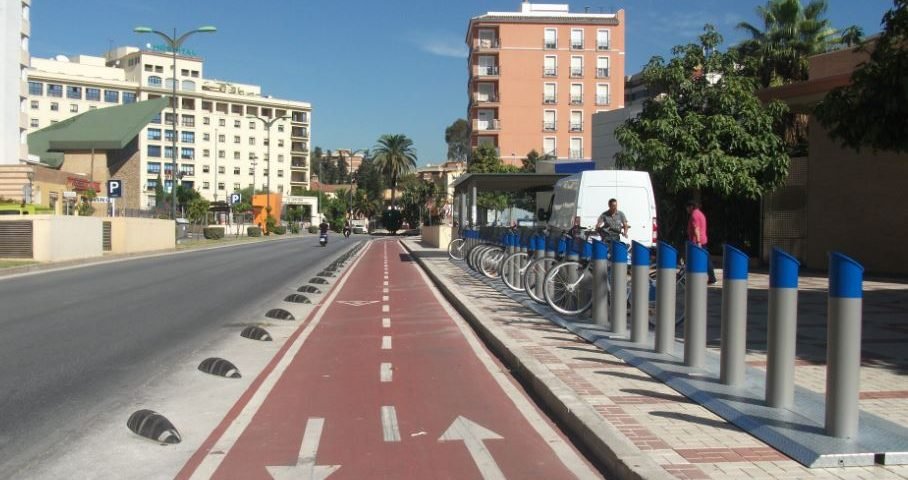
    As detailed by La Cerca, these funds are designed to support the reduction of fares for regular users and to modernize the fleet. But it is not just about buses. There is a specific emphasis on public bicycle lending systems (like our beloved Málaga Bici).

    The vision is a city where you don’t need a car to get to work or the beach. By subsidizing collective transport and incentivizing cycling, Málaga is trying to unclog its arteries and reduce the carbon footprint of its residents.

    Quality Over Quantity: The New Tourism Strategy

    This regulatory tightening pairs with a shift in marketing strategy. Málaga is no longer desperate for more tourists; it wants better tourism. The city is positioning itself as a premium gateway for high-value visitors, particularly strengthening ties with the Southern Cone (South America).

    This is a strategic move to attract visitors who stay longer, spend more, and engage more deeply with the local culture, rather than just passing through for a weekend bachelor party. As noted by El Cronista, the connection between Spain and the Southern Cone is projecting significant expansion by 2026, positioning Málaga as a key cultural and economic entry point.

    What This Means for You

    If you live here:
    Expect to see more rigorous checks on your neighbor’s Airbnb and potentially fewer lockboxes appearing on front doors. On the commute front, the continued subsidies for public transport mean that taking the bus or grabbing a public bike remains a cost-effective alternative to driving.

    If you are visiting:
    The accommodation landscape is professionalizing. You might find fewer “wild” listings, but the quality and legality of what remains should improve. The city is easier to navigate without a rental car, so consider using the bus or metro system to explore neighborhoods beyond the center.

    Change in a city as ancient and complex as Málaga never happens overnight. It is a slow, sometimes messy process of recalibration. But seeing the administration put money and legislation behind the ideas of sustainability and housing control gives us reason to be optimistic. We all want a Málaga that is welcoming to visitors but remains, first and foremost, a wonderful place to call home.