Category: Guides

Practical guides for living in Málaga

  • Málaga Secret Routes: Guide to Hidden Local Trails

    Málaga Secret Routes: Guide to Hidden Local Trails

    While Málaga’s vibrant historic center and sunny beaches get most of the attention, there is a quieter, more mysterious side to the city. Beyond the busy museums and crowded tapas bars lie historic pathways, forgotten ruins, and scenic trails that locals have quietly kept to themselves for generations.

    Whether you are looking to escape the midday heat or simply want to experience the Andalusian landscape from a fresh perspective, these lesser-known routes offer a perfect look into the authentic soul of Málaga.

    1. The Historical Path of the San Telmo Aqueduct

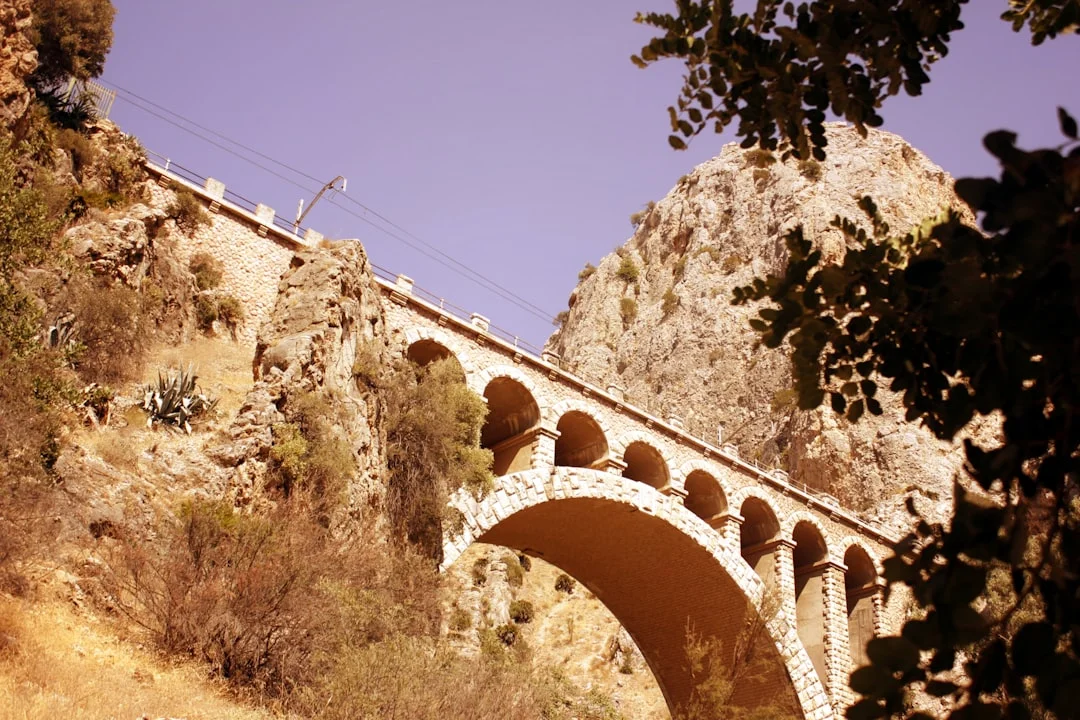
    Built in the late 18th century, the Acueducto de San Telmo was once considered one of the most significant hydraulic engineering works in Europe. It stretched over 10 kilometers to bring fresh water from the Guadalmedina River straight to the heart of Málaga, a destination that continues to thrive as a major international hub, recently even securing a top 10 spot in EasyJet’s global network.

    Today, parts of this impressive brick structure still stand, hidden among the hills of the Ciudad Jardín neighborhood and the northern outskirts.

    • The Route: Start your walk near the Jardín Botánico Histórico La Concepción. From there, you can follow dirt tracks that parallel the ancient waterway.
    • What to look for: Keep an eye out for the spectacular Puente de los Once Ojos (Bridge of Eleven Eyes), a beautiful multi-arched section of the aqueduct spanning a dry ravine.
    • Local Tip: This trail is best enjoyed in the late afternoon when the golden light hits the weathered red bricks, making it a dream for photography enthusiasts.

    2. The Quiet Ascent to Mount Victoria

    While most visitors climb up to the Gibralfaro Castle for panoramic views of the harbor, locals prefer the quieter, slightly more rugged trail up to Monte Victoria (also known as Cerro de San Cristóbal).

    Located just behind the historic neighborhood of El Ejido, this pine-covered hill offers a quick escape into nature without leaving the city limits.

    • The Route: Access the trail from Calle San Juan Bosco or through the paths winding up from the Victoria neighborhood. The climb is short but steep, taking about 20 to 30 minutes to reach the summit.
    • The Reward: At the top, you will find a simple wooden cross and a 360-degree view of the city, the sea, and the surrounding mountains that rivals any official viewpoint—minus the tourist crowds.
    • Local Tip: Pack a light picnic and head up just before sunset. It is one of the most peaceful spots in the city to watch the evening lights turn on across the bay.

    3. Pinares de San Antón: The Secret Pine Forest

    For those willing to venture slightly east of the city center, the residential area of El Palo hides the gateway to the Pinares de San Antón. This fragrant pine forest feels a world away from the coastal hustle.

    • The Route: Multiple trails crisscross this protected natural area. You can choose an easy, flat stroll under the shade of the Aleppo pines or challenge yourself with a rocky scramble up to the Cruz de San Antón peak.
    • The Atmosphere: The air here is thick with the scent of wild rosemary, thyme, and pine resin. On clear days, the views stretch all the way across the Mediterranean to the coast of North Africa.
    • Local Tip: Because of the elevation and the dense tree canopy, this area is often a few degrees cooler than the beach, making it a favorite escape for local trail runners and dog walkers.

    Practical Tips for Your Explorations

    To make the most of these hidden routes, a little preparation goes a long way:

    • Footwear: Many of these paths consist of loose gravel and dirt. Leave the sandals at the beach and wear sturdy sneakers or light hiking shoes with good grip.
    • Hydration: Unlike the city center, you won’t find convenience stores or water fountains along these trails. Always carry more water than you think you will need.
    • Respect the Environment: These areas are precious green lungs for the local community. Please carry all your trash back to the city with you and respect the local flora and fauna.

    We hope these quiet paths inspire you to step off the beaten track and discover a different side of our beautiful home. There is a unique peace to be found in the rustle of the pine trees and the whisper of ancient stone walls, and we hope you enjoy discovering these secrets as much as we do.
  • Stylish Málaga Summer Plans: Gastronomy & Culture

    Stylish Málaga Summer Plans: Gastronomy & Culture

    As the second half of June 2026 arrives, Málaga transitions into its most vibrant season. The start of summer brings a shift in how locals and savvy travelers experience the city. Instead of rushing through crowded tourist hotspots, the trend this June focuses on slow living, curated gastronomy, and open-air cultural experiences that offer true disconnection.

    Whether you are a newly arrived expat or a frequent visitor looking for vibrant weekend events and seaside markets, here is how to welcome the summer of 2026 in Málaga with style.

    Al Fresco Dining: The Terrace Season Commences

    June marks the official launch of the summer menus and terrace openings across the Málaga province. This year, the focus is on elevated traditional flavors paired with modern presentation.

    • Rooftop Havens: Málaga’s hotel rooftops have transformed into botanical sanctuaries. Places like the terrace at Only YOU Hotel or San Telmo offer panoramic views of the port and cathedral, perfect for catching the late sunset (which lingers past 9:30 PM this time of year) while enjoying craft cocktails infused with local citrus.
    • Creative Chiringuitos: Moving away from the chaotic city center beach bars, look toward the eastern neighborhoods of Pedregalejo and El Palo. Here, traditional wooden boats still grill espetos (sardine skewers) over olive wood, but a new wave of beachfront bistros is introducing fusion seafood dishes and organic Andalusian wines.

    Outdoor Culture and Literary Escapes

    Summer in southern Spain is best enjoyed after the midday heat subsides. Cultural venues across the Costa del Sol are moving their programming outdoors to take advantage of the cool Mediterranean breeze.

    According to the curated lifestyle recommendations for late June 2026 by Elle España, the ideal summer plan combines literary relaxation with artistic discovery.

    • Museum Courtyards: The Picasso Museum Málaga and the Carmen Thyssen Museum frequently host evening acoustic concerts and intimate lectures in their central Renaissance courtyards. It is an unmatched way to experience world-class art without the daytime crowds, highlighting why the city has earned its reputation as Spain’s ultimate museum benchmark.
    • Sunset Reading: For those looking to disconnect, picking up a book from one of the independent English-language bookshops in the old town and heading to the shade of the Paseo del Parque or the quieter coves of Malaga East provides the ultimate mental reset.

    Coastal Disconnection Beyond the City

    To truly experience the local lifestyle, take a short trip outside the capital to find pockets of tranquility. Whether you prefer coastal views or active nature exploration, venturing onto Malaga’s secret trails to escape the summer crowds is a perfect way to reconnect.

    The Eastern Cliffs of Maro

    Just past Nerja, the Maro-Cerro Gordo cliffs offer secluded pebble beaches and crystal-clear waters. It is an ideal spot for paddleboarding at dusk or simply enjoying a quiet picnic away from the bustling resort towns.

    The White Villages of Axarquía

    If the coast gets too warm, head uphill. The mountain villages of the Axarquía region, such as Frigiliana or Cómpeta, offer cooler evening temperatures, stunning views of the sea from afar, and authentic, slow-paced dining experiences in cobblestone plazas.

    As the warm Mediterranean breeze settles over the province, we hope this season brings you moments of genuine rest, delicious discoveries, and a deeper connection to the slow, beautiful rhythm of life on the southern coast.

  • Málagas geheime Pfade: Entfliehen Sie diesen Sommer den Menschenmassen

    Málagas geheime Pfade: Entfliehen Sie diesen Sommer den Menschenmassen

    Jenseits der Strände: Der Aufstieg des Slow Travel in Málaga

    Da sich die weltweiten Reisetrends hin zu Nachhaltigkeit und achtsamem Erkunden verschieben, suchen Reisende immer häufiger nach Erlebnissen abseits der typischen Touristen-Hotspots. In einer geschäftigen Mittelmeermetropole wie Málaga, die in den letzten Jahren eine beispiellose Beliebtheit erfahren hat, ist das Finden von ruhigen, authentischen Orten wertvoller denn je – besonders wenn man an heißen Tagen nach einer Möglichkeit sucht, sich im hervorragend bewerteten Wasser der Region abzukühlen.

    Während die lebendige Kulturszene des historischen Zentrums und die belebten Strände von La Malagueta ihren Ruhm absolut verdienen – und viele Reisende die angesagtesten Beachclubs an der Küste aufsuchen –, verbirgt die Provinz auch eine Vielzahl an ruhigen Pfaden, geheimen Aussichtspunkten und ökologischen Oasen. Diese weniger bekannten Routen bieten eine Flucht vor den sommerlichen Menschenmassen und ermöglichen es Besuchern, tief in die vielfältige Geografie der Region einzutauchen.

    Hier sind vier außergewöhnliche, versteckte Routen und Geheimtipps von Einheimischen, die Sie in dieser Saison in Málaga erkunden können – inklusive der spektakulären neuen Hängebrücke am Caminito del Rey.

    1. Desembocadura del Guadalhorce: Das Geheimnis der Küstenfeuchtgebiete

    Nur einen Steinwurf von Málagas internationalem Flughafen und dem geschäftigen Stadtzentrum entfernt liegt einer der am meisten unterschätzten ökologischen Schätze der Region: das Naturschutzgebiet Paraje Natural Desembocadura del Guadalhorce.

    Während viele Reisende auf dem Weg zur westlichen Costa del Sol an diesem Gebiet vorbeifahren, schätzen die Einheimischen es als hervorragenden Ort für ruhige Spaziergänge und Vogelbeobachtungen. Der Fluss Guadalhorce teilt sich vor der Mündung in das Meer in zwei Arme und bildet ein Netzwerk aus Lagunen, Sanddünen und Salzwiesen.

    • Die Route: Ein gemütlicher, 5 Kilometer langer Rundweg, der über eine markante hölzerne Fußgängerbrücke führt – eine der längsten ihrer Art in Europa.
    • Darauf sollten Sie achten: Mehr als 260 Vogelarten ziehen durch diese Feuchtgebiete oder nisten hier. An einem ruhigen Morgen können Sie von den versteckten Holzbeobachtungshütten entlang des Weges rosa Flamingos, seltene Weißkopfruderenten und Fischadler beobachten.
    • Geheimtipp: Besuchen Sie das Gebiet während der goldenen Stunde kurz vor Sonnenuntergang. Die Spiegelung des Himmels auf den ruhigen Lagunen bietet einige der friedlichsten Fotomotive der Gemeinde.

    2. Die hinteren Pfade des Monte San Antón: Die Panorama-Flucht

    Die meisten Besucher, die eine Aussicht auf Málaga suchen, zieht es direkt zum Castillo de Gibralfaro. Obwohl die Aussicht von der Burg ikonisch ist, kann es dort in den Stoßzeiten sehr voll werden. Für einen Panoramablick, der sich völlig unberührt anfühlt, zieht es die Einheimischen nach Osten zum Monte San Antón.

    Dieser zweigipflige Berg erhebt sich hinter den traditionellen Fischervierteln El Palo und Pedregalejo und bietet einen spektakulären 360-Grad-Blick auf die Bucht von Málaga und das zerklüftete Axarquía-Gebirge.

    • Die Route: Obwohl es einen Hauptschotterweg für gemütliche Spaziergänger gibt, schlängeln sich die weniger bekannten östlichen Pfade durch duftende Kiefernwälder, wilden Rosmarin und Thymian. Der Aufstieg zum östlichen Kreuz (Cruz de San Antón) ist steil, aber kurz und dauert vom Ausgangspunkt des Weges etwa 45 Minuten.
    • Darauf sollten Sie achten: Halten Sie im niedrigen Gestrüpp Ausschau nach einheimischen Chamäleons und genießen Sie die dramatischen Kalksteinformationen in der Nähe des Gipfels.
    • Geheimtipp: Da die Temperaturen tagsüber im Sommer sehr intensiv sein können, bietet sich diese Wanderung am besten als Nachtwanderung oder in den frühen Morgenstunden an. Bringen Sie eine Stirnlampe mit, um zu beobachten, wie unten die Lichter der Stadt zum Leben erwachen.

    3. Presa del Limonero: Die urbane Oase

    Direkt nördlich der Stadtgrenze, versteckt hinter dem botanischen Garten von La Concepción, liegt die Presa del Limonero (Limonero-Talsperre). Trotz der Nähe zur Stadt wird dieses Gebiet von internationalen Touristen kaum besucht und dient den Einheimischen als ruhiger Wochenendrückzugsort zum Wandern und Gassigehen.

    • Die Route: Ein Netz aus unbefestigten Wegen umrundet den Stausee und bietet Ausblicke auf das türkisfarbene Wasser, das von trockenen, ockerfarbenen Hügeln eingerahmt wird. Ein mittelschwerer, 6 Kilometer langer Rundweg führt Sie an den Kämmen entlang und bietet einzigartige Ausblicke auf die Infrastruktur der Talsperre und die Skyline der Stadt in der Ferne.
    • Darauf sollten Sie achten: Der Kontrast zwischen der Ingenieurskunst der Talsperre und der wilden mediterranen Macchia-Landschaft.
    • Geheimtipp: Verbinden Sie diesen Spaziergang mit einem Besuch des nahe gelegenen historischen Gartens von La Concepción, aber betrachten Sie beide als separate Erlebnisse, um die wilde, unberührte Schönheit der Stauseepfade voll und ganz zu genießen.

    4. El Saltillo: Die lokale Alternative zum Caminito del Rey

    Der berühmte Caminito del Rey ist spektakulär, aber ein Ticket Monate im Voraus zu buchen, kann eine Herausforderung sein. Für alle, die einen ähnlichen Adrenalinkick ohne Menschenmassen und feste Zeitpläne suchen, ist El Saltillo in Canillas de Aceituno der ultimative Geheimtipp der Einheimischen.

    Als Teil der Gran Senda de Málaga (Großer Wanderweg von Málaga) bietet diese Route eine der längsten Hängebrücken Spaniens, die 50 Meter über dem Flussbett des Almanchares schwebt.

    • Die Route: Ein mittelschwerer, 8 Kilometer langer Weg, der sich an die steilen Schluchtwände schmiegt und den historischen Wasserkanälen (Acequias) folgt, die das örtliche weiße Dorf seit Jahrhunderten versorgen.
    • Darauf sollten Sie achten: Die atemberaubende Hängebrücke selbst und die dramatischen, steilen Klippen der Sierra de Tejeda.
    • Geheimtipp: Starten Sie früh im Dorf Canillas de Aceituno. Belohnen Sie sich nach der Wanderung mit der kulinarischen Spezialität des Dorfes: langsam geschmortes Zicklein (chivo lechal), zubereitet in traditionellen Holzöfen.

    Verantwortungsvolles Erkunden in den warmen Monaten

    Da wir diese empfindlichen Naturräume teilen, ist ein verantwortungsvoller Tourismus unerlässlich. Málagas einzigartige Ökosysteme sind stark waldbrandgefährdet, insbesondere in den trockenen Sommermonaten.

    • Flüssigkeitszufuhr & Sonnenschutz: Nehmen Sie immer mehr Wasser mit, als Sie zu brauchen glauben, tragen Sie einen Hut und tragen Sie biologisch abbaubare Sonnencreme auf.
    • Hinterlassen Sie keine Spuren: Nehmen Sie Ihren gesamten Müll wieder mit, auch organische Abfälle wie Obstschalen, die die Ernährung der heimischen Tierwelt stören können.
    • Brandschutz: Machen Sie niemals Feuer und werfen Sie keine Zigarettenkippen weg. Das trockene mediterrane Gestrüpp kann sich schon beim kleinsten Funken entzünden.

    Indem Sie die befestigten Wege verlassen und diese ruhigeren Ecken erkunden, entlasten Sie nicht nur das historische Zentrum von Málaga, sondern entdecken auch den wahren, widerstandsfähigen Geist der andalusischen Landschaft. Es liegt eine stille Magie darin, nichts als den Wind in den Kiefern und das ferne Rauschen des Meeres zu hören – eine Erinnerung an die zeitlose Schönheit, die direkt hinter den Lichtern der Stadt liegt.

  • Malaga Secret Trails: Escape the Crowds This Summer

    Malaga Secret Trails: Escape the Crowds This Summer

    Beyond the Beaches: The Rise of Slow Travel in Málaga

    As global travel trends shift toward sustainability and mindful exploration, travelers are increasingly seeking experiences that go beyond the typical tourist hotspots. In a bustling Mediterranean hub like Málaga, which has seen unprecedented popularity in recent years, finding quiet, authentic spaces—and knowing where to cool down in excellent local waters during a heatwave—is more valuable than ever.

    While the vibrant cultural scene of the historic center and the lively beaches of La Malagueta deserve their fame—with many travelers seeking out the trendiest beach clubs along the coast—the province also hides an array of quiet trails, secret viewpoints, and ecological havens. These lesser-known routes offer an escape from the summer crowds, allowing visitors to connect deeply with the region’s diverse geography.

    From the highly anticipated opening of the new hanging bridge at Caminito del Rey to lesser-known trails, here are four exceptional hidden routes and local secrets to explore in Málaga this season.

    1. Desembocadura del Guadalhorce: The Coastal Wetland Secret

    Located just a stone’s throw from Málaga’s international airport and the bustling city center lies one of the region’s most underrated ecological treasures: the Guadalhorce Estuary Natural Area. While this spot offers a serene escape into nature, those seeking premium leisure and active recreation nearby can also discover the newly opened luxury sports hub at Marbella’s El Lago Club.

    While many travelers pass by this area on their way to the western Costa del Sol, locals know it as a prime spot for quiet walks and bird watching. The Guadalhorce River splits into two branches before reaching the sea, creating a network of lagoons, sand dunes, and salt marshes.

    • The Route: A gentle, circular 5-kilometer trail that crosses a striking wooden pedestrian bridge—one of the longest of its kind in Europe.
    • What to Look For: Over 260 species of birds migrate through or nest in these wetlands. On a quiet morning, you can spot pink flamingos, rare white-headed ducks, and ospreys from the hidden wooden observatories scattered along the path.
    • Local Tip: Visit during the golden hour just before sunset. The reflection of the sky on the quiet lagoons offers some of the most peaceful photography spots in the municipality.

    2. The Back Trails of Monte San Antón: The Panoramic Escape

    Most visitors looking for a view of Málaga head straight to the Gibralfaro Castle. While the view from the castle is iconic, it can become crowded during peak hours. For a panoramic vista that feels entirely wild, locals head east to Monte San Antón.

    Rising behind the traditional fishing neighborhoods of El Palo and Pedregalejo, this double-peaked mountain offers dramatic, 360-degree views of the Málaga bay and the rugged Axarquía mountain range.

    • The Route: While there is a main dirt track used by casual walkers, the lesser-known eastern trails wind through fragrant pine forests, wild rosemary, and thyme. The climb to the eastern cross (Cruz de San Antón) is steep but short, taking about 45 minutes from the trailhead.
    • What to Look For: Keep an eye out for native chameleons in the lower brush, and enjoy the dramatic limestone formations near the summit.
    • Local Tip: Because summer daytime temperatures can be intense, this hike is best undertaken as a night walk or during the early morning hours. Bring a headlamp to watch the city lights flicker to life below.

    3. Presa del Limonero: The Urban Oasis

    Just north of the city limits, hidden behind the botanical gardens of La Concepción, lies the Presa del Limonero (Limonero Dam). Despite its proximity to the city, this area remains largely unvisited by international tourists, serving as a quiet weekend retreat for local hikers and dog walkers.

    • The Route: A network of dirt paths circles the reservoir, offering views of the turquoise water framed by dry, ochre hills. A moderate 6-kilometer loop takes you along the ridges, providing unique vantage points of the dam infrastructure and the city skyline in the distance.
    • What to Look For: The contrast between the engineering of the dam and the rugged Mediterranean scrubland.
    • Local Tip: Combine this walk with a visit to the nearby historical gardens of La Concepción, but keep them as separate experiences to fully appreciate the wild, unmanicured beauty of the reservoir paths.

    4. El Saltillo: The Local Alternative to Caminito del Rey

    The famous Caminito del Rey is spectacular, but booking a ticket months in advance can be challenging. For those seeking a similar adrenaline rush without the crowds and strict timetables, El Saltillo in Canillas de Aceituno is the ultimate local secret.

    Part of the Gran Senda de Málaga (Great Málaga Path), this route features one of the longest suspension bridges in Spain, hanging 50 meters above the Almanchares River bed.

    • The Route: A moderately difficult 8-kilometer trail that hugs the steep canyon walls, following the historic water channels (acequias) that have supplied the local white village for centuries.
    • What to Look For: The breathtaking suspension bridge itself, and the dramatic sheer cliffs of the Sierra de Tejeda.
    • Local Tip: Start early from the village of Canillas de Aceituno. After completing the hike, reward yourself with the village’s culinary specialty: slow-roasted kid goat (chivo lechal), cooked in traditional wood-fired ovens.

    Responsible Exploration in the Warm Months

    As we share these fragile natural spaces, practicing responsible tourism is vital. Málaga’s unique ecosystems are highly vulnerable to wildfires, especially during the dry summer months.

    • Hydration & Sun Protection: Always carry more water than you think you need, wear a hat, and apply biodegradable sunscreen.
    • Leave No Trace: Pack out all trash, including organic waste like fruit peels, which can disrupt local wildlife diets.
    • Fire Safety: Never light fires or discard cigarette butts. The dry Mediterranean brush can ignite with the slightest spark.

    By stepping off the paved paths and exploring these quieter corners, we not only relieve the pressure on Málaga’s historic center but also discover the true, resilient spirit of the Andalusian landscape. There is a quiet magic in hearing nothing but the wind through the pines and the distant murmur of the sea—a reminder of the timeless beauty that lies just beyond the city lights.

  • Málagas angesagteste Beach-Club-Neueröffnungen für den Sommer 2026

    Málagas angesagteste Beach-Club-Neueröffnungen für den Sommer 2026

    Der Sommer 2026 ist offiziell da, und mit ihm verwandelt eine Welle frischer Energie die Küste von Málaga. Während sich Besucher auf das warme Wetter und die bevorstehenden Strandtage vorbereiten, entwickelt sich das traditionelle chiringuito weiter und verbindet seine rustikalen, meeresfrüchteliebenden Wurzeln mit gehobenem mediterranem Luxus. Von den lebhaften Stränden in Torremolinos bis hin zur entspannten Atmosphäre in Rincón de la Victoria herrscht an der Küste reges Treiben durch zahlreiche Neueröffnungen.

    Laut einem aktuellen Bericht von El Mundo erobern Beach Clubs fest ihren Platz als unangefochtene Zentren des sommerlichen gesellschaftlichen Lebens in Málaga zurück. Egal, ob Sie Málaga als Premium-Wochenendziel erleben möchten oder einfach nur den perfekten Cocktail bei Sonnenuntergang suchen – hier ist Ihr Leitfaden zu den angesagtesten Beach-Club-Neueröffnungen für die Saison 2026.

    Die Hotspots im Westen: Torremolinos geht voran

    Torremolinos ist seit langem der Pionier des Strandlebens an der Costa del Sol, und dieser Sommer bildet da keine Ausnahme. Die westlichen Strände der Stadt wurden drastisch aufgewertet und haben sich von einfachen Plastikliegen hin zu designstarken, umweltfreundlichen Holzdecks und luxuriösen balinesischen Betten entwickelt.

    Boho-Chic-Vibes am Playamar

    Zu den herausragenden Eröffnungen dieser Saison gehören mehrere Boutique-Locations, die auf eine Ästhetik setzen, die Wellness und Party miteinander verbindet. Freuen Sie sich auf Bio-Menüs mit lokalen Produkten aus der Region, kaltgepresste Säfte am Tag und internationale DJs, die bei Sonnenuntergang Deep House auflegen.

    • Das Besondere: Ein Fokus auf erstklassige Mixologie und minimalistisches mediterranes Dekor, das mit den besten Locations auf Ibiza konkurrieren kann.
    • Ideal für: Ausgedehnte Mittagessen, die in Tanzpartys bei Sonnenuntergang übergehen.

    Östlich der Stadt: Ruhiger Luxus in Rincón de la Victoria

    Während die westliche Costa del Sol für ihre energiegeladenen Day Clubs bekannt ist, entwickelt die östliche Seite von Málaga eine ganz eigene Identität. Rincón de la Victoria, traditionell ein ruhigerer Küstenort, der von Einheimischen bevorzugt wird, präsentiert diesen Sommer mehrere anspruchsvolle Strand-Locations.

    Diese Neueröffnungen bieten eine entspanntere, familienfreundlichere Version von Luxus. Statt dröhnender Bässe stehen hier akustische Live-Musik, erstklassige Meeresfrüchte-Gastronomie und eine komfortable, großzügige Gestaltung im Vordergrund, bei der sich die Gäste wirklich entspannen können.

    Tradition trifft Moderne

    Die neuen Locations in Rincón de la Victoria schlagen erfolgreich die Brücke zwischen dem klassischen chiringuito und dem modernen Beach Club. Sie können nach wie vor einen Teller perfekt gegrillter espetos (Sardinenspieße) bestellen, diese aber nun zusammen mit einem Glas gekühltem lokalen Axarquía-Weißwein auf einem schattigen, bequemen Daybed genießen.

    Was Sie erwartet: Die Trends des Sommers 2026

    Wenn Sie in dieser Saison einen der erstklassigen Beach Clubs in Málaga besuchen möchten, sollten Sie diese Trends im Hinterkopf behalten:

    • Reservierungen sind Pflicht: Die beliebtesten Plätze sind oft Wochen im Voraus ausgebucht, besonders die Liegen an den Wochenendnachmittagen.
    • Die Gastronomie ist der Star: Die Zeiten von fettigem Strandessen sind vorbei. Die heutigen Beach Clubs bieten von Spitzenköchen kreierte Menüs, die traditionelle andalusische Rezepte mit asiatischer Fusion-Küche verbinden.
    • Fokus auf Nachhaltigkeit: Viele der neuen Locations im Jahr 2026 wurden aus nachhaltigem, lokal bezogenem Holz gebaut und verzichten komplett auf Einwegplastik.

    Wenn die Sonne am Horizont versinkt und die warme Brise den Duft von Meersalz und gegrilltem Holz heranträgt, versteht man leicht, warum diese Orte an der Küste einen so besonderen Platz in unserem Leben einnehmen. Es liegt ein ganz eigener Zauber darin, mit Freunden einen Tisch zu teilen, die Füße im Sand zu haben und zuzusehen, wie das Mittelmeer unter dem Sommerhimmel funkelt. Wir hoffen, dass diese Saison Ihnen endlose sonnige Nachmittage, unvergessliche Sonnenuntergänge und eine tiefe Wertschätzung für das langsame, schöne Lebensgefühl an der Costa del Sol bringt.

  • Málaga’s Hottest Beach Club Openings for Summer 2026

    Málaga’s Hottest Beach Club Openings for Summer 2026

    Summer 2026 has officially arrived, and with it, a wave of fresh energy is transforming the coast of Málaga. As visitors prepare for the warm weather and upcoming beach days, the traditional chiringuito is evolving, blending its rustic, seafood-loving roots with high-end Mediterranean luxury. From the energetic shores of Torremolinos to the more laid-back vibes of Rincón de la Victoria, the coastline is buzzing with new openings.

    According to a recent report by El Mundo, beach clubs are firmly reclaiming their spot as the undisputed centers of summer social life in Málaga. Whether you are looking to experience Málaga as a premium weekend destination or simply seeking the perfect sunset cocktail, here is your guide to the hottest beach club openings for the 2026 season.

    The Western Hotspots: Torremolinos Leads the Charge

    Torremolinos has long been the pioneer of beachside entertainment on the Costa del Sol, and this summer is no exception. The town’s western beaches have seen a dramatic upgrade, moving away from simple plastic sunloungers toward high-design, eco-friendly wooden decks and plush Balinese beds.

    Boho-Chic Vibes at Playamar

    Among the standout openings this season are several boutique venues focusing on a wellness-meets-party aesthetic. Expect organic menus featuring local, zero-mile produce, cold-pressed juices by day, and international DJs spinning deep house as the sun goes down.

    • What makes it special: A focus on high-end mixology and minimalist Mediterranean decor that rivals the best spots in Ibiza.
    • Best for: Long lunches that turn into sunset dance sessions.

    East of the City: Rincón de la Victoria’s Quiet Luxury

    While the western Costa del Sol is famous for its high-energy day clubs, the eastern side of Málaga is carving out its own distinct identity. Rincón de la Victoria, traditionally a quieter coastal town favored by locals, is debuting several sophisticated beach venues this summer.

    These new openings offer a more relaxed, family-friendly version of luxury. Instead of booming basslines, the focus here is on acoustic live music, premium seafood gastronomy, and comfortable, spacious layouts where guests can truly unwind.

    Traditional Meets Modern

    The new spots in Rincón de la Victoria successfully bridge the gap between the classic chiringuito and the modern beach club. You can still order a plate of perfectly grilled espetos (sardine skewers), but now you can enjoy them alongside a glass of chilled local Axarquía white wine on a shaded, cushioned daybed.

    What to Expect: Trends of Summer 2026

    If you are planning to visit any of Málaga’s premier beach clubs this season, keep these trends in mind:

    • Reservations are mandatory: The most popular spots book out weeks in advance, especially for weekend afternoon beds.
    • Gastronomy is king: The days of greasy beach food are gone. Today’s beach clubs feature menus curated by top-tier chefs, blending traditional Andalusian recipes with Asian fusion.
    • Sustainability focus: Many of the new 2026 venues have been constructed using sustainable, locally sourced wood and operate with zero-single-use plastics.

    As the sun dips below the horizon and the warm breeze carries the scent of sea salt and grilled wood, it is easy to see why these coastal spaces hold such a special place in our lives. There is a unique magic in sharing a table with friends, feet in the sand, watching the Mediterranean spark under the summer sky. We hope this season brings you endless sunny afternoons, unforgettable sunsets, and a deep appreciation for the slow, beautiful pace of life on the Costa del Sol.

  • Málaga-News: 5 Dinge, die Sie noch nicht wussten

    Málaga-News: 5 Dinge, die Sie noch nicht wussten

    Die sich entwickelnde Geschichte einer Provinz im Wandel

    Jahrzehntelang folgten die Nachrichten aus Málaga einem vorhersehbaren Rhythmus: Tourismuszahlen, lokale Feste und Immobilienentwicklungen. Doch da sich die Stadt zu einem südeuropäischen Technologie-Hub entwickelt hat und zu einem bevorzugten Ziel für internationale Expats geworden ist, hat die lokale Medienlandschaft eine stille Revolution erlebt.

    Heute sind die lokalen Nachrichten in Málaga dynamischer, mehrsprachiger und globaler vernetzt als je zuvor. Ob Sie neu zugezogen sind, die Entwicklungen rund um Málagas Wohnungsmarkt und die neuen Höchstpreise von 4.500 €/m² verfolgen oder die Costa del Sol schon lange beobachten: Hier sind fünf Dinge, die Sie wahrscheinlich noch nicht darüber wussten, wie Nachrichten in Málaga gemacht, geteilt und konsumiert werden.

    1. Málaga als Pionier der mehrsprachigen Presse Spaniens

    Viele Menschen nehmen an, dass englischsprachige Medien in Spanien ein junges Nebenprodukt des Digital-Nomaden-Booms sind. In Wirklichkeit ist Málaga seit Jahrzehnten ein Pionier des fremdsprachigen Journalismus.

    Sur in English, die englischsprachige wöchentliche Printausgabe der wichtigsten Tageszeitung der Provinz (Diario SUR), wurde bereits 1984 gegründet. Sie wurde ins Leben gerufen, um der wachsenden Gemeinschaft britischer und nordeuropäischer Rentner gerecht zu werden, die sich an der Costa del Sol niederließen. Heute verfügt Málaga neben neueren digitalen Portalen und Community-Newslettern über eines der reifsten und vielfältigsten fremdsprachigen Medien-Ökosysteme in Südeuropa und veröffentlicht Nachrichten auf Englisch, Deutsch, Russisch und Französisch.

    2. Lokale Medien sind heute globale Tech-Quellen

    Historisch gesehen konzentrierten sich die lokalen Journalisten in Málaga auf Kommunalpolitik und die regionale Landwirtschaft. Der Aufstieg des „Málaga Valley“ – des florierenden Tech-Ökosystems der Stadt – hat jedoch zu einem massiven Wandel geführt.

    Als multinationale Giganten wie Google große Cybersicherheitszentren in der Stadt eröffneten, mussten sich die lokalen Redaktionen anpassen. Heute sind lokale Journalisten in Málaga oft die Ersten, die über globale Cybersicherheitstrends, internationale Risikokapitalinvestitionen und die Herstellung von Mikrochips berichten. Was in den Tech-Büros von El Palo oder im Parque Tecnológico de Andalucía (PTA) geschieht, wird heute regelmäßig von globalen Medien wie TechCrunch und Wired aufgegriffen.

    3. Die entscheidende Rolle der Wasser- und Klimaberichterstattung

    In Málaga sind Umweltnachrichten kein Nebenthema auf den hinteren Seiten der Zeitung – sie stehen oft auf der Titelseite. Aufgrund der Anfälligkeit der Provinz für den Klimawandel und ihrer wirtschaftlichen Abhängigkeit sowohl vom Tourismus als auch von der intensiven subtropischen Landwirtschaft (wie Avocados und Mangos in der Region Axarquía) sind lokale Journalisten zu Experten im Wassermanagement geworden.

    Die Berichterstattung über die Kapazität lokaler Stauseen wie dem Stausee La Viñuela, Entsalzungstechnologien und regionale Wasserbeschränkungen ist hier hochentwickelt. Lokale Journalisten übersetzen komplexe hydrologische Daten in tägliche Updates, die sich direkt darauf auswirken, wie die Einwohner leben und wie Landwirte ihre Saison planen.

    4. Eine tief verwurzelte journalistische Geschichte

    Málagas Beziehung zur Presse hat eine lange Geschichte. Die älteste noch aktive Tageszeitung der Stadt, Diario SUR, erscheint seit 1937 ununterbrochen im Druck. Über fast neun Jahrzehnte hinweg hat sie den Wandel der Stadt von einer ruhigen Hafenstadt, die sich vom spanischen Bürgerkrieg erholte, zur lebendigen Kulturhauptstadt dokumentiert, die sie heute ist.

    Bei einem Spaziergang durch das Stadtzentrum kann man das architektonische Erbe dieser Mediengeschichte noch immer erkennen. Viele der historischen Kioske, die die Alameda Principal und die Calle Larios säumen, stehen dort seit Generationen und dienten lange vor dem Internet als das zentrale Nervensystem des lokalen Informationsaustauschs.

    5. Der Aufstieg unabhängiger, stadtteilbezogener Medien

    Während große Medienkonzerne die größten Radiosender und Zeitungen in Andalusien kontrollieren, hat das digitale Zeitalter in Málaga eine große Welle des unabhängigen, hyperlokalen Journalismus ausgöst.

    Von stadtteilbezogenen Blogs in Pedregalejo und Teatinos bis hin zu unabhängigen Podcasts über lokale Kultur wenden sich die Einwohner zunehmend an Basis-Medien. Diese unabhängigen Medien konzentrieren sich auf die Themen, die für das tägliche Leben am wichtigsten sind: steigende Mietpreise, öffentliche Verkehrsmittel und der Erhalt des lokalen Erbes. Sie bieten ein wichtiges Gegengewicht zu den Mainstream-Narrativen und sorgen dafür, dass die Stimmen der einfachen malagueños inmitten der schnellen Internationalisierung der Stadt Gehör finden.

    Da Málaga weiter wächst und Menschen aus allen Teilen der Welt willkommen heißt, verändert sich auch die Art und Weise, wie wir unsere Geschichten erzählen. Mit den lokalen Nachrichten Schritt zu halten, bedeutet nicht mehr nur, informiert zu bleiben – es geht darum, sich mit einer Gemeinschaft verbunden zu fühlen, die ihre Zukunft aktiv gestaltet. Wir hoffen, dass dieser Blick hinter die Kulissen der Medien in Málaga Ihnen hilft, sich dem Herzschlag unserer Stadt ein wenig näher zu fühlen.

  • Málaga News: 5 Things You Didn’t Know

    Málaga News: 5 Things You Didn’t Know

    The Evolving Story of a Changing Province

    For decades, the news coming out of Málaga followed a predictable rhythm: tourism numbers, local festivals, and real estate developments. But as the city has transformed into a southern European technology hub and a preferred destination for international expats, the local media landscape has undergone a quiet revolution.

    Today, local news in Málaga is more dynamic, multilingual, and globally connected than ever before. Whether you are a newly arrived resident tracking how Malaga housing has hit €4,500/m² amid a rental crackdown, or a long-time observer of the Costa del Sol, here are five things you probably didn’t know about how news is made, shared, and consumed in Málaga.

    1. Málaga Pioneer of Spain’s Multilingual Press

    Many people assume that English-language media in Spain is a recent byproduct of the digital nomad boom. In reality, Málaga has been a pioneer in foreign-language journalism for decades.

    Sur in English, the English-language weekly printed edition of the province’s major daily newspaper (Diario SUR), was founded back in 1984. It was created to serve the growing community of British and northern European retirees settling on the Costa del Sol. Today, alongside newer digital portals and community newsletters, Málaga boasts one of the most mature and diverse foreign-language media ecosystems in Southern Europe, publishing news in English, German, Russian, and French.

    2. Local Outlets Are Now Global Tech Sources

    Historically, local Málaga journalists focused on municipal politics and regional agriculture. However, the rise of “Málaga Valley”—the city’s thriving tech ecosystem—has forced a massive shift.

    When multinational giants like Google opened major cybersecurity hubs in the city, local newsrooms had to adapt. Today, local journalists in Málaga are often the first to break news about global cybersecurity trends, international venture capital investments, and microchip manufacturing. What happens in the tech offices of El Palo or the Parque Tecnológico de Andalucía (PTA) is now regularly picked up by global outlets like TechCrunch and Wired.

    3. The Critical Role of Water and Climate Reporting

    In Málaga, environmental news isn’t a secondary section in the back of the paper—it is often the front-page headline. Because of the province’s vulnerability to climate change and its economic reliance on both tourism and intensive subtropical agriculture (like avocados and mangos in the Axarquía region), local journalists have become experts in water management.

    Reporting on the capacity of local reservoirs, such as the La Viñuela reservoir, desalination technology, and regional water restrictions is highly sophisticated here. Local journalists translate complex hydrological data into daily updates that directly impact how residents live and how farmers plan their seasons.

    4. A Deep-Rooted Journalistic History

    Málaga’s relationship with the press is deeply historic. The city’s oldest active daily newspaper, Diario SUR, has been in continuous print since 1937. Over nearly nine decades, it has documented the city’s transition from a quiet port town recovering from the Spanish Civil War to the bustling cultural capital it is today.

    Walking through the city center, you can still see the architectural legacy of this media history. Many of the historic kiosks that line the Alameda Principal and Calle Larios have stood for generations, serving as the central nervous system of local information exchange long before the internet took over.

    5. The Rise of Independent, Neighborhood-First Media

    While major media conglomerates control the largest radio stations and newspapers in Andalusia, the digital era has sparked a major wave of independent, hyper-local journalism in Málaga.

    From neighborhood-specific blogs in Pedregalejo and Teatinos to independent podcasts covering local culture, residents are increasingly turning to grassroots media. These independent outlets focus on the issues that matter most to daily life: rising rental prices, public transit routes, and preservation of local heritage. They offer a crucial counterweight to mainstream narratives, ensuring that the voices of everyday malagueños are heard amidst the city’s rapid internationalization.

    As Málaga continues to grow and welcome people from all corners of the globe, the way we tell our stories is changing. Keeping up with the local news is no longer just about staying informed—it is about feeling connected to a community that is actively shaping its future. We hope this look behind the scenes of Málaga’s media helps you feel a little closer to the heartbeat of our city.

  • Málagas Aufstieg zu einem Premium-Wochenendziel

    Málagas Aufstieg zu einem Premium-Wochenendziel

    Eine neue Ära für die Hauptstadt der Costa del Sol

    Jahrzehntelang galt Málaga vor allem als Transitpunkt – der Flughafen, an dem Reisende landeten, bevor sie sich in die Ferienorte der Costa del Sol verteilten. Heute hat sich dieses Bild komplett gewandelt. Málaga hat sich in ein erstklassiges Lifestyle-Zentrum verwandelt, das anspruchsvolle internationale Reisende, kaufkräftige Wochenendurlauber und wohlhabende Expats anzieht.

    Wie kürzlich von El Mundo hervorgehoben wurde, hat sich die Stadt erfolgreich als trendiges, erstklassiges Ziel für Städtereisen positioniert, an dem kulturelles Prestige, gehobene Gastronomie und mediterraner Charme aufeinandertreffen – inklusive einer Aussicht, die bis zur afrikanischen Küste reicht.

    Das Erbe Picassos: Kultur als Premium-Anker

    Im Zentrum der kulturellen Renaissance von Málaga steht ihr berühmtester Sohn, Pablo Picasso. Die Stadt hat dieses künstlerische Erbe genutzt, um eine erstklassige Museumslandschaft aufzubauen.

    Das Museo Picasso Málaga, untergebracht im wunderschön restaurierten Palacio de Buenavista, bleibt ein zentraler Wallfahrtsort für Kunstliebhaber und zeigt regelmäßig bedeutende zeitgenössische Ausstellungen wie die Joana-Vasconcelos-Ausstellung. Die kulturelle Anziehungskraft der Stadt reicht jedoch weit über Picasso hinaus. Mit dem ikonischen Glaskubus des Centre Pompidou am Hafen, dem Carmen Thyssen Museum und der Sammlung des Russischen Museums bietet Málaga eine Dichte an künstlerischen Erlebnissen, die selbst mit viel größeren europäischen Hauptstädten konkurrieren kann. Diese kulturelle Vielfalt ist ein Hauptanziehungspunkt für anspruchsvolle Wochenendtouristen, die neben Erholung auch geistige Bereicherung suchen.

    Ein boomender Luxuskreuzfahrthafen

    Málagas geografischer Vorteil wurde durch strategische Investitionen in die Hafeninfrastruktur weiter ausgebaut. Der Palmeral de las Sorpresas and die modernen Kreuzfahrtterminals haben die Stadt zu einem bevorzugten Zwischenstopp – und zunehmend auch zu einem Heimathafen – für exklusive Ultra-Luxus-Kreuzfahrtlinien gemacht.

    Anstatt die Stadt links liegen zu lassen, treten Kreuzfahrtpassagiere heute direkt in ein lebendiges, fußgängerfreundliches historisches Zentrum ein. Die Präsenz dieser kaufkräftigen Besucher hat die lokale Wirtschaft belebt und die Nachfrage nach Premium-Dienstleistungen, privaten Führungen und gehobenen Einkaufserlebnissen entlang der ikonischen Calle Larios angekurbelt.

    Kulinarische Exzellenz: Gehobene Gastronomie im Rampenlicht

    Die Gastronomie spielt eine entscheidende Rolle bei der Aufwertung Málagas zum Premium-Reiseziel. Die kulinarische Szene der Stadt hat sich von traditionellen chiringuitos am Strand, die espetos (Sardinenspieße) servieren, zu einer anspruchsvollen Landschaft aus Michelin-Sterne-Restaurants und innovativer Fusionsküche entwickelt.

    Lokale Köche verbinden traditionelle andalusische Zutaten mit modernen Techniken und ziehen damit kulinarische Touristen an, die ihr gesamtes Wochenende um die Reservierungszeiten der besten Restaurants herum planen. Von Dachterrassen mit Panoramablick auf die Alcazaba bis hin zu versteckten Speisesälen im historischen Zentrum liegt der Fokus ganz klar auf Qualität, lokalen Produkten und außergewöhnlichem Service.

    So gestalten Sie das perfekte Premium-Wochenende

    Wenn Sie einen exklusiven Wochenendausflug nach Málaga planen, erfahren Sie hier, wie Sie die Stadt von ihrer besten Seite erleben können:

    • Morgen: Beginnen Sie mit einer privaten Führung mit frühem Einlass im Museo Picasso, um die Sammlung ohne die großen Menschenmassen zu genießen. Lassen Sie einen Spaziergang durch das historische Zentrum folgen und bewundern Sie die architektonische Mischung aus römischen, maurischen und christlichen Einflüssen.
    • Mittagessen: Begeben Sie sich in den lebendigen Hafenbereich für ein Mittagessen mit moderner mediterraner Küche, begleitet von lokalen Weinen aus der Herkunftsbezeichnung Sierras de Málaga DO.
    • Nachmittag: Mieten Sie ein privates Segelboot im Jachthafen für eine Fahrt zum Sonnenuntergang in der Bucht und genießen Sie den Blick auf die Skyline der Stadt und das Castillo de Gibralfaro vom Wasser aus.
    • Abendessen: Sichern Sie sich einen Tisch in einem der renommierten Fine-Dining-Restaurants der Stadt, in denen traditionelle südspanische Aromen modern neu interpretiert werden.

    Während sich Málaga stetig weiterentwickelt, gelingt es der Stadt, diese rasche Modernisierung so zu gestalten, dass ihre Seele erhalten bleibt. Die warme Meeresbrise, die gelassene Lebensweise und der offene Charakter ihrer Bewohner sind nach wie vor das wahre Fundament ihrer Anziehungskraft. Wir hoffen, dass die Stadt bei ihrem Wachstum als Premium-Reiseziel auch weiterhin die einzigartige lokale Identität schätzt und bewahrt, in die sich die Welt einst verliebt hat.

  • Málaga’s Rise as a Premium Weekend Destination

    Málaga’s Rise as a Premium Weekend Destination

    The New Era of the Costa del Sol Capital

    For decades, Málaga was widely regarded as a transit point—the airport where travelers landed before dispersing to the resort towns of the Costa del Sol. Today, that narrative has completely shifted. Málaga has transformed into a premier lifestyle hub, attracting discerning international travelers, high-spending weekenders, and affluent expats.

    As highlighted recently by El Mundo, the city has successfully positioned itself as a trendy, top-tier city break destination where cultural prestige, high-end gastronomy, and Mediterranean charm converge, complete with views that stretch all the way toward the African coastline.

    The Picasso Legacy: Culture as a Premium Anchor

    At the heart of Málaga’s cultural renaissance is its most famous son, Pablo Picasso. The city has leveraged this artistic heritage to build a world-class museum ecosystem.

    The Museo Picasso Málaga, housed in the beautifully restored Palacio de Buenavista, remains a central pilgrimage site for art lovers, frequently hosting major contemporary showcases like the Joana Vasconcelos exhibition. However, the city’s cultural appeal extends far beyond Picasso. With the Pompidou Centre’s iconic glass cube at the port, the Carmen Thyssen Museum, and the Russian Museum collection, Málaga offers a density of artistic experiences that rivals much larger European capitals. This cultural density is a major draw for premium weekend tourists seeking intellectual enrichment alongside leisure.

    A Booming Luxury Cruise Port

    Málaga’s geographical advantage has been amplified by strategic investments in its port infrastructure. The Palmeral de las Sorpresas and the modern cruise terminals have turned the city into a preferred stop—and increasingly, a homeport—for boutique, ultra-luxury cruise lines.

    Instead of bypassing the city, cruise passengers now step directly into a vibrant, walkable historic center. The presence of these high-net-worth visitors has stimulated the local economy, driving demand for premium services, private guided tours, and upscale retail experiences along the iconic Calle Larios.

    Culinary Excellence: High-End Gastronomy in the Spotlight

    Gastronomy is playing a pivotal role in Málaga’s premium upgrade. The city’s culinary scene has evolved from traditional beachside chiringuitos serving espetos (sardine skewers) to a sophisticated landscape of Michelin-starred dining and innovative fusion restaurants.

    Local chefs are marrying traditional Andalusian ingredients with modern techniques, attracting culinary tourists who plan their entire weekend around reservation book openings. From rooftop terraces offering panoramic views of the Alcazaba to hidden dining rooms in the historic center, the focus is firmly on quality, local sourcing, and exceptional service.

    Crafting the Perfect Premium Weekend

    If you are planning a high-end weekend getaway to Málaga, here is how to experience the city at its best:

    • Morning: Begin with a private, early-access tour of the Museo Picasso to appreciate the collection without the crowds. Follow this with a stroll through the historic center, stopping to admire the architectural blend of Roman, Moorish, and Christian influences.
    • Lunch: Head to the vibrant port area for a lunch featuring contemporary Mediterranean cuisine, paired with local wines from the Sierras de Málaga DO.
    • Afternoon: Charter a private sailboat from the marina for a sunset cruise along the bay, enjoying views of the city skyline and the Gibralfaro castle from the water.
    • Dinner: Secure a table at one of the city’s acclaimed fine-dining establishments, where traditional southern Spanish flavors are reimagined through a contemporary lens.

    As Málaga continues to evolve, it manages to balance this rapid modernization with its soul intact. The warm sea breeze, the easygoing pace of life, and the open character of its people remain the true foundation of its appeal. We hope that as the city grows as a premium destination, it continues to cherish and preserve the unique local identity that made the world fall in love with it in the first place.