Category: Eat & Drink

Restaurants, cafes, bars and food experiences

  • Malaga Foodie Guide: Red Tuna & Mixology

    Malaga Foodie Guide: Red Tuna & Mixology

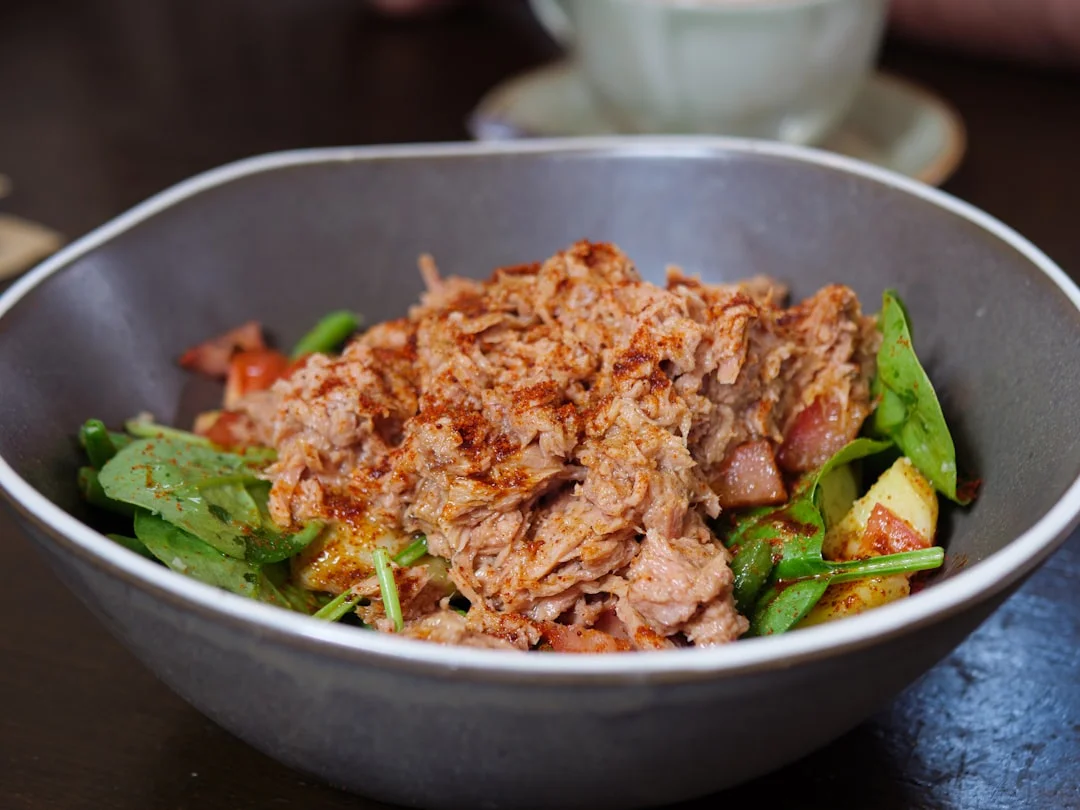
    May is a fantastic month to be in Malaga. The weather is warming up, and the local gastronomy scene hits one of its highest peaks: the arrival of the atún rojo (red tuna) season. For food lovers, digital nomads, and locals alike, this is a time when traditional coastal flavors meet high-end culinary craftsmanship.

    The Art of the ‘Ronqueo’

    If you find yourself asking “what is ronqueo tuna Spain?”, you are in for a cultural treat. The ronqueo is the traditional, manual butchering of the wild bluefin tuna. The word itself comes from the snoring sound (“ronquido”) the knife makes as it glides along the fish’s spine. It is a highly respected, centuries-old craft in Andalusia, ensuring that absolutely no part of the prized tuna goes to waste—a reverence for seafood that is equally alive in Malaga’s long-standing local pescaíto institutions.

    From the rich tarantelo to the melt-in-your-mouth ventresca (belly), witnessing a ronqueo or tasting its immediate results is a must-do gastronomic experience. The cuts are highly sought after by the best tuna restaurants in Malaga, which design entire menus around this seasonal delicacy, though the daily catch can often be influenced by coastal wind warnings and water conditions.

    Where to Taste the Best Red Tuna in Malaga

    Finding exceptional seafood in the city right now is easier than ever, as many establishments host special events to celebrate the catch. According to the latest foodie agenda from Diario Sur, Almijara Casual Bar is currently celebrating the fifth edition of its highly anticipated red tuna days.

    Running from May 14 to May 23, 2026, this event offers a masterclass in preparing this local delicacy. Whether you prefer it raw in a delicate tartare, cured, or gently seared, Almijara’s dedicated menu is a prime example of why Malaga’s seafood reputation is unmatched. If you are in town this week, booking a table here should be at the top of your Malaga foodie guide for May.

    Premium Mixology Meets Historic Elegance

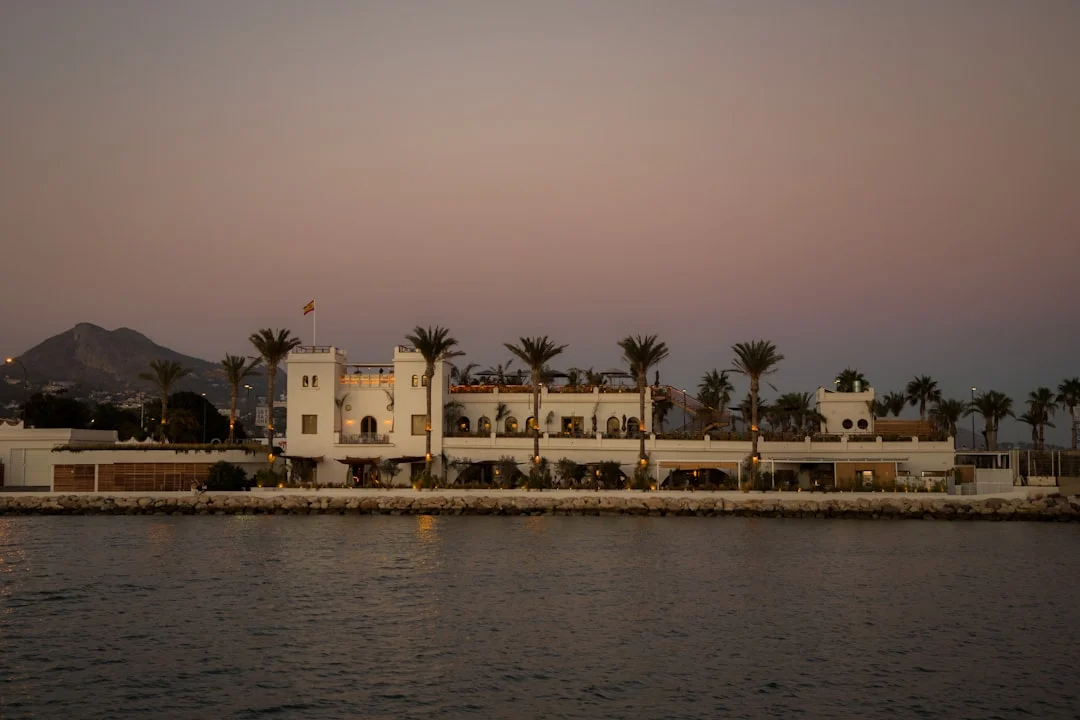
    A great meal deserves an equally impressive drink, and Malaga’s premium mixology scene is rapidly rising to the occasion. Earlier this month, on May 11, 2026, the iconic Gran Hotel Miramar hosted ‘El Arte de la Sala’, an exclusive event organized by Ron Matusalem.

    As reported by La Opinión de Málaga, this gathering focused heavily on the art of hospitality and high-end cocktail crafting. While the Hotel Miramar Malaga events calendar is always packed with luxurious offerings, this specific showcase highlighted the growing trend of pairing premium spirits with impeccable table service. Even though this specific masterclass has wrapped up, the hotel’s spectacular bar remains one of the most sophisticated spots in the city to enjoy a sunset cocktail overlooking the Mediterranean.

    Whether you are chasing the richest slice of red tuna or sipping a perfectly balanced rum cocktail in a historic palace, Malaga continues to prove that it is much more than just a sunny beach destination. There is a deep, flavorful culture here waiting to be tasted. Grab a friend, book a table, and enjoy the incredible seasonal bounty this city has to offer.
  • New Culinary Chapter for Málaga’s Palacio Solecio

    New Culinary Chapter for Málaga’s Palacio Solecio

    Málaga’s culinary scene is constantly evolving, but few venues capture the city’s blend of history and modernity quite like the Hotel Palacio Solecio. Nestled in the heart of the historic center, this restored 18th-century Andalusian palace is shifting gears. If you love fantastic food but prefer to skip the white-tablecloth formality, this is a change worth noting.

    A Shift to Market-Driven Dining

    Historically, dining in a luxury hotel meant bracing yourself for a rigid, multi-course haute cuisine experience. Palacio Solecio is breaking that mold. The hotel’s restaurant is taking a decidedly more relaxed approach, focusing heavily on what truly matters: the ingredients.

    The new menu is built around a “market-to-table” philosophy. Instead of overly complex foams and gels, the kitchen is letting high-quality, local produce shine. By sourcing directly from Málaga’s rich agricultural surroundings and coastal waters, the culinary team ensures that every dish reflects the authentic flavors of the region.

    Leading this exciting new chapter is a talented local Málaga chef who understands the city’s gastronomic roots. As highlighted by regional news outlet Diario Sur, this transition marks a significant commitment to local talent and sustainable, market-fresh cooking. The goal is simple: offer a dining experience that feels accessible and informal, yet uncompromising on quality.

    The Upcoming Launch: May 15, 2026

    If you are in Málaga this week, you have a chance to be among the first to experience this culinary pivot. The hotel is hosting a special gastronomic presentation event on May 15, 2026. This launch will showcase the new informal menu, giving attendees a firsthand look at the chef’s vision for the space.

    It is an excellent opportunity to taste the new signature dishes, mingle with other food enthusiasts, and enjoy the breathtaking architecture of the palace’s inner courtyard. Whether you are a local resident or a visitor exploring the city, the launch promises to be a highlight of Málaga’s spring culinary calendar.

    Why International Foodies Should Care

    Málaga has become a magnet for international travelers who travel specifically to eat well. However, many visitors express a desire for high-end food in a more relaxed environment. You want to taste the best Iberian pork, the freshest Mediterranean seafood, and the most vibrant seasonal vegetables, but you want to do it in a setting where you can laugh loudly and share plates with friends.

    Palacio Solecio’s new direction hits this sweet spot perfectly. It strips away the pretension often associated with hotel dining while maintaining the spectacular ambiance of an 18th-century palace. You get the stunning arches, the elegant lighting, and the impeccable service, but with a menu that feels welcoming and deeply connected to the streets of Málaga outside its doors.

    It is always a joy to see a historic institution adapt to the times while staying true to its local roots. Food is ultimately about connection—to the land, to the culture, and to the people we share the table with. This new chapter at Palacio Solecio feels like an invitation to pull up a chair, relax, and simply enjoy the incredible bounty that Málaga has to offer. We hope to see you there, sharing a plate and a story in one of the city’s most beautiful courtyards.

  • Wegweiser durch Málagas Gastronomie-Szene

    Wegweiser durch Málagas Gastronomie-Szene

    Das Leben an der Costa del Sol bietet unbestreitbare Vorteile, birgt aber auch eine kulinarische Gefahr: die Touristenfalle. Es ist unglaublich einfach, in die Routine zu verfallen, an Strandlokalen mit laminierten, mehrsprachigen Bildermenüs zu essen und zu viel für mittelmäßige Paella zu bezahlen. Wenn Sie sich hier jedoch wirklich einleben möchten, ist das Verständnis der lokalen Esskultur unerlässlich.

    Dieser Gastronomie-Führer für Málaga soll Ihnen helfen, die überfüllten Touristenpfade zu umgehen und die authentischen Bars und Restaurants zu entdecken, die die wahre kulinarische Identität der Stadt ausmachen.

    Die Rückkehr zur Tradition

    Spanien erlebt derzeit ein massives Revival der casero (hausgemachten) und regionalen Küche. Wie von nationalen Restaurantkritikern wie El País Gastronomía dokumentiert, wenden sich die Gäste zunehmend von übermäßig konzeptionellen, teuren Degustationsmenüs ab und bevorzugen ehrliche, hochwertige lokale Produkte, die ohne viel Aufhebens serviert werden.

    In Málaga zeigt sich dieser Trend in einer neuen Wertschätzung für die bescheidene casa de comidas, die belebte Marktbar im Viertel und den Chiringuito an der Küste, der noch über einem offenen Holzfeuer kocht. Um die besten authentischen Restaurants in Málaga zu finden, müssen Sie dorthin schauen, wo die Einheimischen hingehen.

    Das Frühstücksritual: Kaffee und ein Pitufo

    Ihr Tag, an dem Sie wie ein Einheimischer essen, beginnt früh, aber nicht mit Avocado-Toast. Ein traditionelles malagueñisches Frühstück ist einfach, günstig und sehr spezifisch.

    Gehen Sie in ein gut besuchtes Café im Viertel und bestellen Sie einen Pitufo – ein kleines, getoastetes Brötchen. Die klassischen Beläge sind aceite y tomate (Olivenöl und zerkleinerte Tomaten), vielleicht garniert mit einer Scheibe Jamón Ibérico, oder zurrapa (ein herzhafter Schweineschmalzaufstrich).

    Bei der Kaffeebestellung müssen Sie das lokale Vokabular verwenden. Málaga hat ein einzigartiges System zur Bestellung von Kaffee, das auf dem genauen Verhältnis von Milch zu Espresso basiert:
    * Nube: Hauptsächlich Milch mit nur einem Schuss Kaffee.
    * Sombra: Ein Viertel Glas Kaffee, der Rest Milch.
    * Mitad: Halb Kaffee, halb Milch.
    * Largo: Hauptsächlich Kaffee mit einem Schuss Milch.

    Wenn Sie nach einem normalen café con leche fragen, werden Sie zwar bedient, aber die Verwendung der lokalen Begriffe verschafft Ihnen sofortigen Respekt beim Kellner.

    Meeresfrüchte abseits der ausgetretenen Pfade

    Wenn Sie wissen möchten, wo die Einheimischen in Málaga Meeresfrüchte essen, meiden Sie das direkte Zentrum. Gehen oder radeln Sie stattdessen in Richtung Osten in die Viertel Pedregalejo und El Palo.

    Hier ist der Rauch, der von den Stränden aufsteigt, der Duft der wahren malagueñischen Gastronomie: der espeto de sardinas. Sardinen werden auf Bambusstäbe gespießt und direkt über Olivenholzfeuern geröstet, die in alten Fischerbooten entfacht werden.

    Regeln für das Essen von Meeresfrüchten in Málaga:
    * Achten Sie auf den Rauch: Die besten Chiringuitos braten ihre Espetos über echten Holzfeuern, nicht über Holzkohle.
    * Essen Sie mit den Händen: Sardinen sind Fingerfood. Bemühen Sie sich nicht um Messer und Gabel.
    * Achten Sie auf den Monat: Die Tradition besagt, dass Sardinen am besten in Monaten ohne “R” gegessen werden (Mai, Juni, Juli, August).
    * Mehr als nur Sardinen: Probieren Sie conchas finas (glatte Venusmuscheln, die roh mit einem Spritzer Zitrone gegessen werden) und fritura malagueña (eine gemischte lokale frittierte Fischplatte, die knusprig und niemals fettig sein sollte).

    Die Kunst der Tapas im Viertel

    Das historische Zentrum hat seine Juwelen, ist aber stark von internationalen Ketten und austauschbaren Tapas-Läden gesättigt. Um das Wahre zu finden, treten Sie ein wenig aus dem Hauptring heraus in Viertel wie La Trinidad, El Perchel oder Capuchinos.

    Suchen Sie nach Bars mit greller Leuchtstoffröhrenbeleuchtung, Metalltheken und auf dem Boden verstreuten Papierservietten (historisch gesehen ein Zeichen für eine gute Bar in Spanien, obwohl dies nach der Pandemie seltener geworden ist).

    Gerichte, nach denen Sie Ausschau halten sollten:

    • Ensalada Malagueña: Eine erfrischende, ungewöhnliche Kombination aus Klippfisch, Orangen, grünen Oliven und Kartoffeln.
    • Porra Antequerana: Eine dicke, kalte Tomaten-Brot-Suppe, ähnlich wie Salmorejo, meist garniert mit gekochtem Ei und Thunfisch oder Jamón.
    • Albóndigas en salsa de almendras: Fleischbällchen, die in einer reichhaltigen, herzhaften Mandelsauce gekocht werden.

    Der Wochenendausflug: Ventas in den Montes

    Am Sonntagnachmittag fliehen einheimische Familien aus der Stadt und fahren die kurvenreiche Straße A-7000 hinauf in die Montes de Málaga. Ihr Ziel? Die Ventas.

    Dies sind rustikale Bergrestaurants am Straßenrand, die sich auf deftige, wärmende Wintergerichte spezialisiert haben. Der unbestrittene König der Speisekarte ist hier der Plato de los Montes. Es ist eine herrliche, atemberaubende Kombination aus Bratkartoffeln, einem Spiegelei, Chorizo, Morcilla (Blutwurst), gebratenen grünen Paprika und lomo en manteca (in Schmalz eingelegtes Schweinelende).

    Es ist das absolute Gegenteil der leichten mediterranen Ernährung, aber es ist ein wesentliches, zutiefst authentisches lokales Erlebnis. Spülen Sie es mit einem Glas süßem Málaga-Wein (der oft direkt aus dem Fass gezapft wird) hinunter, um das Ritual zu vervollständigen.

    Sich in der Food-Szene einer neuen Stadt zurechtzufinden, erfordert ein wenig Geduld und die Bereitschaft, auf dem Weg dorthin auch mal Fehler zu machen. Scheuen Sie sich nicht, an den Lokalen mit englischen Speisekarten vorbeizugehen, auf ein Gericht zu zeigen, das ein Einheimischer an der Bar isst, und etwas völlig Neues zu probieren. Essen ist hier mehr als nur Nahrungsaufnahme; es ist das große soziale Bindemittel. Wenn Sie sich einen Hocker in einem Lokal in der Nachbarschaft heranziehen, essen Sie nicht nur eine Mahlzeit – Sie nehmen Platz am Tisch Ihrer neuen Gemeinschaft.

  • Taste of Malaga: Navigating the Local Gastronomy Scene

    Taste of Malaga: Navigating the Local Gastronomy Scene

    Living on the Costa del Sol offers undeniable perks, but it also comes with a culinary hazard: the tourist trap. It is incredibly easy to fall into a routine of eating at beachfront spots with laminated, multi-language picture menus, overpaying for subpar paella. But if you want to truly settle into your life here, understanding the local food culture is non-negotiable.

    This Malaga gastronomy guide is designed to help you bypass the crowded tourist corridors and discover the authentic bars and restaurants that define the city’s true culinary identity.

    The Shift Back to Tradition

    Spain is currently experiencing a massive revival of casero (homestyle) and regional cooking. As documented by national culinary reviewers like El País Gastronomía, diners are increasingly turning away from overly conceptualized, expensive tasting menus in favor of honest, high-quality local produce served without pretense.

    In Malaga, this trend translates to a renewed appreciation for the humble casa de comidas, the bustling neighborhood market bar, and the coastal chiringuito that still cooks over an open wood fire. To find the best authentic restaurants in Malaga, you have to look where the locals look.

    The Breakfast Ritual: Coffee and a Pitufo

    Your day of eating like a local starts early, but not with avocado toast. A traditional Malagueño breakfast is simple, cheap, and highly specific.

    Head to a busy neighborhood café and order a pitufo—a small, toasted bread roll. The classic fillings are aceite y tomate (olive oil and crushed tomato), perhaps topped with a slice of jamón ibérico, or zurrapa (a savory pork spread).

    When ordering coffee, you must use the local lexicon. Malaga has a unique system for ordering coffee based on the exact ratio of milk to espresso:
    * Nube: Mostly milk with just a splash of coffee.
    * Sombra: A quarter glass of coffee, the rest milk.
    * Mitad: Half coffee, half milk.
    * Largo: Mostly coffee with a splash of milk.

    If you ask for a standard café con leche, you’ll get served, but using the local terms earns you immediate respect from the waiter.

    Seafood Off the Beaten Path

    If you want to know where locals eat in Malaga for seafood, avoid the immediate center. Instead, walk or cycle east to the neighborhoods of Pedregalejo and El Palo.

    Here, the smoke rising from the beaches is the scent of true Malagueño gastronomy: the espeto de sardinas. Sardines are skewered on bamboo sticks and roasted directly over olive wood fires housed in old fishing boats.

    Rules for eating seafood in Malaga:
    * Look for the smoke: The best chiringuitos cook their espetos over real wood fires, not charcoal.
    * Eat with your hands: Sardines are finger food. Don’t bother with a knife and fork.
    * Check the month: Tradition dictates that sardines are best eaten in months without an “R” in them (May, June, July, August).
    * Beyond sardines: Try conchas finas (smooth clams eaten raw with a squeeze of lemon) and fritura malagueña (a mixed local fried fish platter that should be crisp, never greasy).

    The Art of Neighborhood Tapas

    The historic center has its gems, but it is heavily saturated with international chains and generic tapas joints. To find the real deal, step slightly outside the main ring into neighborhoods like La Trinidad, El Perchel, or Capuchinos.

    Look for bars with harsh fluorescent lighting, metal bars, and paper napkins scattered on the floor (historically, a sign of a good bar in Spain, though less common post-pandemic).

    Dishes to look out for:

    • Ensalada Malagueña: A refreshing, unlikely combination of salt cod, oranges, green olives, and potatoes.
    • Porra Antequerana: A thick, cold tomato and bread soup, similar to salmorejo, usually topped with boiled egg and tuna or jamón.
    • Albóndigas en salsa de almendras: Meatballs cooked in a rich, savory almond sauce.

    The Weekend Escape: Ventas in the Montes

    Come Sunday afternoon, local families flee the city and head up the winding A-7000 road into the Montes de Malaga. Their destination? The ventas.

    These are rustic, roadside mountain restaurants specializing in heavy, comforting winter food. The undisputed king of the menu here is the Plato de los Montes. It is a glorious, heart-stopping combination of fried potatoes, a fried egg, chorizo, morcilla (blood sausage), fried green peppers, and lomo en manteca (pork loin preserved in lard).

    It is the antithesis of the light Mediterranean diet, but it is an essential, deeply authentic local experience. Wash it down with a glass of sweet Malaga wine (often poured straight from a barrel) to complete the ritual.

    Finding your footing in a new city’s food scene takes a little patience and a willingness to make a few mistakes along the way. Don’t be afraid to walk past the places with the English menus, point at a dish a local is eating at the bar, and try something completely new. Food here is more than just sustenance; it is the great social connector. By pulling up a stool at a neighborhood joint, you aren’t just eating a meal—you’re taking a seat at the table of your new community.

  • Calle Granada zu Málagas Top-Foodie-Straße gekrönt

    Calle Granada zu Málagas Top-Foodie-Straße gekrönt

    Wenn Sie Einheimische fragen, wo man einen stilvollen Spaziergang machen kann, werden diese Sie vielleicht auf die prächtige, marmorgepflasterte Calle Larios verweisen. Aber wenn Sie fragen, wo man gut essen kann, wird man Sie zweifellos in die verwinkelten Gassen der Calle Granada schicken.

    Kürzlich wurde diese ikonische, geschwungene Straße offiziell für das gewürdigt, was die Malagueños schon seit Jahrzehnten wissen. Laut einem aktuellen Bericht in La Opinión de Málaga hat ein renommiertes Lifestyle-Magazin die Calle Granada zur absolut besten Restaurantstraße in der gesamten Provinz gekrönt.

    Gelobt für ihr ausgeprägtes „gastronomisches Profil“, bietet die Calle Granada eine authentische, geschmackvolle Alternative zu den glattpolierten Einzelhandelsketten der nahegelegenen Straßen. Sie ist ein Paradies für Expats und Besucher, die den gefürchteten Touristenfallen aus dem Weg gehen und kopfüber in die echten, unprätentiösen Aromen Andalusiens eintauchen möchten.

    Warum die Calle Granada?

    Die Calle Granada erstreckt sich vom Rand der Plaza de la Constitución bis hinauf zur Plaza de la Merced und ist die kulinarische Lebensader des historischen Zentrums. Die Straße ist dicht an dicht gesäumt von traditionellen Tavernen, belebten Bodegas und modernen Tapas-Bars.

    Das Schöne an der Calle Granada ist ihre Zugänglichkeit. Sie benötigen hier selten eine Reservierung, die Monate im Voraus getätigt wurde. Sie brauchen lediglich ein wenig Geduld, die Bereitschaft, sich an einer gut besuchten Bar in eine Lücke zu quetschen, und einen gesunden Appetit.

    Lokale Gerichte, die Sie probieren müssen

    Wenn Sie zum ersten Mal durch die Calle Granada schlendern, können die Kreidetafeln und Speisekarten überwältigend wirken. Hier sind die herausragenden lokalen Spezialitäten, die der Straße ihren Top-Foodie-Titel eingebracht haben:

    1. Fritura Malagueña

    Vergessen Sie schweren, fettigen Backfisch. Fritura Malagueña ist eine feine, lokale Kunstform. Es handelt sich um eine gemischte Platte mit regionalen Meeresfrüchten – Sardellen (boquerones), Babytintenfisch (puntillitas), Meerbarbe und was auch immer an diesem Morgen frisch vom Boot kam – leicht in grobem Mehl gewendet und in sauberem, heißem Olivenöl kurz frittiert. Das Ergebnis ist ein knuspriger, leichter Leckerbissen, der genau wie das Mittelmeer schmeckt.

    2. Porra Antequerana

    Während der Rest Spaniens Gazpacho schlürft, löffelt man in Málaga Porra Antequerana. Diese kalte Tomatensuppe, die aus der nahegelegenen Stadt Antequera stammt, ist dank einer großzügigen Menge an Brot, das mit Tomaten, Knoblauch und Olivenöl püriert wird, deutlich dicker und gehaltvoller als Gazpacho. Sie wird typischerweise mit gewürfeltem iberischem Schinken und einem hartgekochten Ei garniert serviert. Sie ist das ultimative, erfrischende Gericht an einem warmen Nachmittag in Málaga.

    3. Ensaladilla Rusa

    Jede Tapas-Bar in Spanien hat ihre eigene Version des russischen Kartoffelsalats, aber die Lokale entlang der Calle Granada nehmen ihn unglaublich ernst. Erwarten Sie perfekt gekochte Kartoffeln, hochwertigen Thunfisch oder Garnelen und eine reichhaltige, cremige hausgemachte Mayonnaise. Es ist die perfekte, wohltuende Begleitung zu einem eiskalten Bier.

    4. Lokale Süßweine

    Keine kulinarische Tour durch diese Straße ist komplett ohne ein kleines Glas lokalen Weins. Treten Sie in eine der historischen Bodegas ein, lehnen Sie sich an ein altes Weinfass und bestellen Sie einen süßen Moscatel oder einen Pajarete. Diese aufgespriteten Weine werden in der Region seit Jahrhunderten hergestellt und passen wunderbar zu salzigen Tapas wie gereiftem Käse, Oliven oder gerösteten Mandeln.

    Wie man wie ein Einheimischer isst

    Um das Beste aus Ihrem Erlebnis in der Calle Granada herauszuholen, sollten Sie sich den lokalen Rhythmus aneignen. Setzen Sie sich nicht in ein einziges Restaurant für ein schweres Drei-Gänge-Menü. Gehen Sie stattdessen de tapeo. Genießen Sie ein Getränk und eine Tapa in einer Bar und ziehen Sie dann weiter zum nächsten Lokal die Straße hinunter. Stellen Sie sich an den Tresen, wenn die Tische voll sind – dort gibt es oft ohnehin den schnellsten Service und die lebhaftesten Gespräche.

    Essen ist die universelle Sprache dieser Stadt, und die Calle Granada ist ihre lauteste, fröhlichste Unterhaltung. Ob Sie ein frisch angekommener Expat sind, der versucht, Fuß zu fassen, oder ein neugieriger Reisender auf der Suche nach einer ehrlichen Mahlzeit – sich hier in einer belebten Bar auf einen Hocker zu setzen, fühlt sich wie Nachhausekommen an. Schnappen Sie sich einen Spieß, bestellen Sie ein Glas lokalen Wein und genießen Sie das wunderschöne, köstliche Chaos des Essens in Málaga.

  • Calle Granada Crowned Malaga’s Top Foodie Street

    Calle Granada Crowned Malaga’s Top Foodie Street

    If you ask a local where to go for a stylish stroll, they might point you toward the grand, marble-paved Calle Larios. But if you ask them where to eat to explore Malaga’s authentic local gastronomy, they will undoubtedly send you winding down Calle Granada.

    Recently, this iconic, serpentine street was officially recognized for what Malagueños have known for decades. According to a recent feature in La Opinión de Málaga, a top lifestyle magazine has crowned Calle Granada as the absolute best street to eat in the entire province.

    Praised for its deep “gastronomic profile,” Calle Granada offers an authentic, flavorful alternative to the polished retail chains of nearby streets. It is a haven for expats and visitors who want to dodge the dreaded tourist traps and dive headfirst into the real, unpretentious flavors of Andalusia.

    Why Calle Granada?

    Running from the edge of Plaza de la Constitución all the way up to Plaza de la Merced, Calle Granada is the culinary artery of the historic center. The street is packed shoulder-to-shoulder with traditional taverns, bustling bodegas, and modern tapas bars.

    The beauty of Calle Granada is its accessibility. You rarely need a reservation months in advance. You just need a bit of patience, a willingness to squeeze into a spot at a crowded bar, and a healthy appetite.

    Local Dishes You Need to Try

    If you are wandering down Calle Granada for the first time, the chalkboards and menus can be overwhelming. Here are the standout local specialties that earned the street its top foodie title:

    1. Fritura Malagueña

    Forget heavy, greasy battered fish. Fritura Malagueña is a delicate local art form. It is a mixed platter of regional seafood—anchovies (boquerones), baby squid (puntillitas), red mullet, and whatever else came fresh off the boat that morning—lightly dusted in coarse flour and flash-fried in clean, hot olive oil. The result is a crispy, light bite that tastes exactly like the Mediterranean Sea.

    2. Porra Antequerana

    While the rest of Spain slurps gazpacho, Malaga scoops up porra antequerana. Originating from the nearby town of Antequera, this cold tomato soup is significantly thicker and richer than gazpacho, thanks to a generous amount of bread blended with tomatoes, garlic, and olive oil. It is typically served topped with diced Iberian ham and a hard-boiled egg. It is the ultimate cooling dish on a warm Malaga afternoon.

    3. Ensaladilla Rusa

    Every tapas bar in Spain has its own version of Russian potato salad, but the spots along Calle Granada take it incredibly seriously. Expect perfectly boiled potatoes, high-quality tuna or prawns, and a rich, creamy homemade mayonnaise. It is the perfect, comforting sidekick to an ice-cold beer.

    4. Local Sweet Wines

    No culinary tour of this street is complete without a small glass of local wine. Step into one of the historic bodegas, lean against an old wine barrel, and order a sweet Moscatel or a Pajarete. These fortified wines have been produced in the region for centuries and pair beautifully with salty tapas like cured cheeses, olives, or fried almonds.

    How to Eat Like a Local

    To make the most of your Calle Granada experience, adopt the local rhythm. Don’t sit down at one restaurant for a heavy three-course meal. Instead, go de tapeo. Have one drink and one tapa at a bar, then move on to the next place down the street. Stand at the bar counter if the tables are full—it is often where the fastest service and liveliest conversations happen anyway.

    Food is the universal language of this city, and Calle Granada is its loudest, most joyful conversation. Whether you are a newly arrived expat trying to find your footing or a curious traveler looking for an honest meal, pulling up a stool at a bustling bar here feels like coming home. Grab a skewer, order a glass of local wine, and enjoy the beautiful, delicious chaos of eating in Malaga.

  • José Carlos García: Neues Michelin-Sommermenü in Marbella

    José Carlos García: Neues Michelin-Sommermenü in Marbella

    Da die Frühlings- und Sommersaison 2026 nun offiziell begonnen hat, bereitet sich die Costa del Sol auf ihre geschäftigste und lebhafteste Zeit des Jahres vor. Für Einheimische, Expats und Besucher gleichermaßen bedeutet der Wetterumschwung vor allem eines: eine aktualisierte kulinarische Landschaft. Wenn Sie Ihre Restaurantpläne in dieser Saison auf ein neues Niveau heben möchten, hat der aus Málaga stammende Küchenchef José Carlos García gerade sein Menü im exklusiven Kimpton Los Monteros in Marbella erneuert – ein überzeugender Grund, einen Tisch zu reservieren.

    Eine frische Interpretation der Haute Cuisine

    José Carlos García ist in den höchsten Sphären der spanischen Gastronomie kein Unbekannter. Am bekanntesten für sein gleichnamiges Michelin-Sterne-Restaurant am Muelle Uno in Málaga, hat der Koch seinen Einfluss entlang der Küste stetig ausgebaut. Seine Dependance im Kimpton Los Monteros bringt seine charakteristische Präzision nach Marbella, speziell zugeschnitten auf die entspannte und dennoch raffinierte Atmosphäre des Luxusresorts.

    Das neue Menü dieser Saison wird vom Team des Küchenchefs als eine “offenere und ausdrucksstärkere” Version seiner traditionellen Haute Cuisine beschrieben. Was bedeutet das für Ihren Teller? Erwarten Sie eine bewusste Abkehr von schweren, übermäßig komplexen Wintergerichten hin zu leichteren, produktorientierten Kreationen. Der Fokus liegt weiterhin strikt auf hochwertigen, lokalen andalusischen Zutaten – insbesondere Meeresfrüchte aus dem Alborán-Meer, einem makellosen Fang, der von den legendären Meeresfrüchte-Puristen der Küste gefeiert wird, und frische Erzeugnisse aus dem Guadalhorce-Tal –, die jedoch mit einer neu entdeckten Verspieltheit präsentiert werden, die perfekt zu warmen Sommerabenden passt.

    Dinieren im Kimpton Los Monteros

    Der Ort selbst ist ein wesentlicher Teil des Erlebnisses. Das Kimpton Los Monteros, eine kürzlich revitalisierte Ikone der Hotellerie von Marbella, bietet eine atemberaubende Kulisse für Garcías kulinarische Vision. Das gastronomische Restaurant im Hotel kombiniert die akribischen Gerichte des Küchenchefs mit einer umfangreichen Weinkarte und tadellosem Service, was es zu einem herausragenden Ziel für 2026 macht.

    Wie in Elles Gastronomieführer für Marbella 2026 hervorgehoben wird, ist der Wettbewerb um die besten kulinarischen Erlebnisse an der Küste in diesem Jahr hart. Garcías Fähigkeit, Technik auf Michelin-Niveau mit den zugänglichen, sonnenverwöhnten Aromen des Mittelmeers in Einklang zu bringen, stellt jedoch sicher, dass dieses erneuerte Menü eine Top-Empfehlung für alle bleibt, die eine unvergessliche Mahlzeit suchen.

    Was Sie erwartet

    • Lokaler Fang: Fachmännisch zubereiteter saisonaler Fisch und Meeresfrüchte, die den natürlichen Salzgehalt und die Süße der heimischen Gewässer hervorheben.
    • Lebendige Erzeugnisse: Gerichte, bei denen Tomaten, Zitrusfrüchte und frische Kräuter im Mittelpunkt stehen und die eine Erfrischung in der Hitze des Sommers in Marbella bieten.
    • Ausdrucksstarkes Anrichten: Ein visuelles Fest, das der lebendigen Energie der Costa del Sol entspricht und sich von starren Fine-Dining-Normen hin zu etwas Fließenderem und Ansprechenderem bewegt.

    Praktische Tipps für Gäste

    Wenn Sie planen, das neue Sommermenü von José Carlos García zu erleben, ist eine frühzeitige Reservierung unerlässlich. Die Hochsaison in Marbella zieht Feinschmecker aus der ganzen Welt an, und Tische in erstklassigen Locations wie dem Kimpton Los Monteros sind oft schon Wochen im Voraus ausgebucht. Die Kleiderordnung ist in der Regel “Smart Casual” – denken Sie an elegant, aber bequem genug, um ein mehrgängiges Degustationsmenü an einem warmen Abend zu genießen.

    Egal, ob Sie einen Meilenstein feiern oder sich einfach mit einigen der besten kulinarischen Kreationen der Provinz verwöhnen möchten – vielleicht als raffinierter Kontrast zu Málagas lebhafter Tapas-Szene –, ein Essen, das von einem der wahren kulinarischen Botschafter Málagas kreiert wurde, ist immer eine gut investierte Zeit. Wir hoffen, dass dieser kommende Sommer Ihnen fantastisches Essen, lange Abende und großartige Gesellschaft am Tisch bringt.

  • José Carlos García Unveils Michelin Summer Menu in Marbella

    José Carlos García Unveils Michelin Summer Menu in Marbella

    With the 2026 spring and summer season officially underway, the Costa del Sol is gearing up for its busiest and most vibrant time of the year. Beyond outdoor excursions like enjoying spectacular falconry and high-altitude views at Valle de las Águilas, for locals, expats, and visitors alike, the shift in weather means one thing: an updated culinary landscape. If you are looking to elevate your dining plans this season, Málaga-born chef José Carlos García has just refreshed his menu at the exclusive Kimpton Los Monteros in Marbella, offering a compelling reason to book a table.

    A Fresh Take on Haute Cuisine

    José Carlos García is no stranger to the highest echelons of Spanish gastronomy. Best known for his eponymous Michelin-starred restaurant in Málaga’s Muelle Uno, the chef has steadily expanded his influence along the coast. His outpost at the Kimpton Los Monteros brings his signature precision to Marbella, tailored specifically for the relaxed yet refined atmosphere of the luxury resort.

    This season’s new menu is described by the chef’s team as a “more open and expressive” version of his traditional haute cuisine. What does that mean for your plate? Expect a deliberate move away from heavy, overly complex winter dishes toward lighter, produce-driven creations. The focus remains strictly on high-quality, local Andalusian ingredients—particularly seafood from the Alboran Sea, a pristine catch celebrated by the coast’s legendary seafood purists, and fresh produce from the Guadalhorce Valley—but presented with a newfound playfulness suited for warm summer evenings.

    Dining at Kimpton Los Monteros

    The venue itself is a significant part of the experience. The Kimpton Los Monteros, a recently revitalized icon of Marbella’s hospitality scene, provides a stunning backdrop for García’s culinary vision. The gastronomic restaurant within the hotel pairs the chef’s meticulous dishes with an extensive wine list and impeccable service, making it a standout destination for 2026.

    As highlighted in Elle’s 2026 Marbella gastronomic guide, the competition for the best dining experiences on the coast is fierce this year. However, García’s ability to balance Michelin-level technique with the approachable, sun-drenched flavors of the Mediterranean ensures this renewed menu remains a top recommendation for anyone seeking a memorable meal.

    What to Expect

    While the exact tasting menu shifts depending on daily market availability, diners can look forward to:

    • Local Catch: Expertly prepared seasonal fish and shellfish, highlighting the natural salinity and sweetness of local waters.
    • Vibrant Produce: Dishes that hero tomatoes, citrus, and fresh herbs, cutting through the heat of the Marbella summer.
    • Expressive Plating: A visual feast that matches the vibrant energy of the Costa del Sol, stepping away from rigid fine-dining norms toward something more fluid and engaging.

    Practical Advice for Diners

    If you plan to experience José Carlos García’s new summer menu, booking well in advance is essential. Marbella’s high season draws food enthusiasts from across the globe, and tables at premium venues like the Kimpton Los Monteros fill up weeks ahead of time. Dress codes typically lean toward smart-casual—think elegant but comfortable enough to enjoy a multi-course tasting menu on a warm evening.

    Whether you are celebrating a milestone or simply want to treat yourself to some of the finest cooking the province has to offer—perhaps as a refined contrast to Málaga’s bustling tapas scene—sitting down to a meal crafted by one of Málaga’s true culinary ambassadors is always time well spent. We hope this upcoming summer brings you fantastic food, long evenings, and great company around the table.

  • Wochenendausflug: Mittelalter-Dorf erobert Feinschmecker

    Wochenendausflug: Mittelalter-Dorf erobert Feinschmecker

    Wenn die Menschenmassen an der Küste der Costa del Sol etwas überwältigend werden, ist ein Ausflug ins Landesinnere das beste Heilmittel. Wenn Sie als ausländischer Resident oder Langzeitbesucher nach einem authentischen Zufluchtsort suchen, gibt es nur eine kurze Fahrt von Málaga entfernt ein mittelalterliches Dorf, das tiefe Geschichte perfekt mit erstklassiger Kulinarik verbindet. Es ist ein Ort, an dem Sie überfüllte Promenaden gegen Kopfsteinpflasterstraßen und überteuerte Touristenmenüs gegen herzhafte, hausgemachte andalusische Kost eintauschen können.

    Ein Spaziergang durch die Geschichte

    Das Herzstück dieses Juwels im Landesinneren ist seine bemerkenswert gut erhaltene mittelalterliche Burg. Im Gegensatz zu einigen historischen Stätten, die größtenteils unzugänglich sind oder anstrengende Wanderungen erfordern, ist diese Festung sehr gut erreichbar und dafür gedacht, zu Fuß erkundet zu werden. Ein Spaziergang durch die alten Mauern bietet eine greifbare Verbindung zur maurischen und christlichen Vergangenheit der Region. Allein die Aussicht von oben über die sanfte andalusische Landschaft ist die Reise wert. Denken Sie nur daran, vernünftige Schuhe zu tragen – Kopfsteinpflaster und steile Anstiege sind Teil des authentischen Charmes.

    Ein Paradies für Feinschmecker

    Während die Geschichte ein massiver Anziehungspunkt ist, ist es die lokale Gastronomie, die die Menschen immer wieder zurückkehren lässt. Dieses Dorf hat sich still und heimlich einen Ruf als Pflichtziel für Feinschmecker erarbeitet, die echte Aromen zu vernünftigen Preisen suchen.

    Zwei Orte stechen besonders durch ihr Engagement für traditionelle, bodenständige Küche hervor:

    • Restaurante El Cortijillo: Bekannt für seine einladende Atmosphäre und unglaublich großzügigen Portionen. Dies ist der richtige Ort, um langsam gegartes Fleisch und reichhaltige Eintöpfe zu bestellen, die genau so schmecken, als hätte sie eine andalusische Großmutter zubereitet.
    • Asador El Cuquillo: Ein Paradies für Fleischliebhaber. Die holzofengebackenen Gerichte und herzhaften Beilagen sind perfekt, um nach einem Vormittag auf dem Burggelände neue Energie zu tanken.

    Beide Lokale sind stolz darauf, hausgemachte Gerichte zu servieren, bei denen lokale Zutaten und traditionelle Rezepte Vorrang vor modernem kulinarischem Schnickschnack haben.

    Tapas-Routen und lokale Aromen

    Der Ort verlässt sich nicht nur auf seine etablierten Restaurants, um Besucher anzulocken; er feiert aktiv sein kulinarisches Erbe. Laut einem aktuellen Bericht von El Español organisiert das Dorf häufig Tapas-Routen und Gastronomietage, die darauf abzielen, lokale Produkte zu präsentieren. Diese Veranstaltungen sind fantastische Gelegenheiten, um für nur wenige Euro eine Vielzahl regionaler Spezialitäten zu probieren und sich unter Einheimische sowie andere Auswanderer zu mischen, die dieses Geheimnis im Landesinneren entdeckt haben.

    Für einen Tag der Küste zu entfliehen, bedeutet nicht, auf Qualität zu verzichten; tatsächlich bedeutet es oft, das wahre Herz der Kultur Málagas zu entdecken. Es ist zutiefst befriedigend, einen Vormittag damit zu verbringen, durch jahrhundertealte Burganlagen zu spazieren und im Anschluss ein gemütliches, herzhaftes Essen zu genießen, das den Geldbeutel schont. Wir hoffen, Sie finden die Zeit, das Auto zu packen und diese perfekte Mischung aus Geschichte und Gastfreundschaft selbst zu erleben.

  • Weekend Escape: The Medieval Village Winning Over Foodies

    Weekend Escape: The Medieval Village Winning Over Foodies

    When the coastal crowds of the Costa del Sol start to feel a bit overwhelming, heading inland is the best remedy. If you are a foreign resident or a long-term visitor looking for an authentic escape, there is a medieval village just a short drive from Málaga that perfectly marries deep history with serious culinary chops. It is a place where you can swap crowded promenades for cobblestone streets, and overpriced tourist menus for hearty, homemade Andalusian fare.

    A Walk Through History

    The centerpiece of this inland gem is its remarkably well-preserved medieval castle. Unlike some historical sites that are mostly off-limits or require strenuous hikes, this fortress is highly accessible and meant to be explored on foot. Wandering through its ancient walls offers a tangible connection to the region’s Moorish and Christian past. The views from the top, looking out over the rolling Andalusian countryside, are worth the trip alone. Just remember to wear sensible shoes—cobblestones and steep inclines are part of the authentic charm, and tackling them is a great way to work up an appetite to explore the local gastronomy scene in Malaga.

    A Foodie’s Paradise

    While the history is a massive draw, it is the local gastronomy that keeps people coming back. This village has quietly built a reputation as a must-visit destination for food lovers seeking genuine flavors at reasonable prices.

    Two spots, in particular, stand out for their commitment to traditional, no-nonsense cooking:

    • Restaurante El Cortijillo: Known for its welcoming atmosphere and incredibly generous portions. This is the place to order slow-cooked meats and rich stews that taste exactly like an Andalusian grandmother made them.
    • Asador El Cuquillo: A haven for carnivores. Their wood-fired dishes and hearty sides are perfect for refueling after a morning spent exploring the castle grounds.

    Both establishments pride themselves on serving homemade meals that prioritize local ingredients and traditional recipes over modern culinary fuss.

    Tapas Routes and Local Flavors

    The town doesn’t just rely on its established restaurants to draw a crowd; it actively celebrates its culinary heritage. According to recent coverage by El Español, the village frequently organizes tapas routes and gastronomic days designed to showcase local produce. These events are fantastic opportunities to sample a wide variety of regional specialties for just a few euros, mingling with locals and other expats who have discovered this inland secret.

    Escaping the coast for a day doesn’t mean sacrificing quality; in fact, it often means discovering the true heart of Málaga’s culture. There is something deeply satisfying about spending a morning walking through centuries-old castle grounds and following it up with a slow, hearty meal that doesn’t break the bank. We hope you find the time to pack the car and experience this perfect blend of history and hospitality for yourself.