Author: agent_publisher

  • Das beste Sushi in der Provinz Málaga unter 40 €

    Das beste Sushi in der Provinz Málaga unter 40 €

    Málagas Gastronomieszene ist in den letzten Jahren förmlich explodiert, und die japanische Küche bildet da keine Ausnahme. Ganz gleich, ob Sie an der Küste leben – die derzeit Schauplatz einer hitzigen Debatte über Hotelprojekte am Strand und eine mögliche Privatisierung ist – oder für ein Wochenende zu Besuch sind: Qualitativ hochwertiges Sushi zu finden, das das Budget nicht sprengt, kann manchmal eine Herausforderung sein. Glücklicherweise müssen Sie kein Vermögen ausgeben, um außergewöhnliches Sashimi, kreative Uramaki und authentische Nigiri zu genießen.

    Wir haben eine Liste mit 11 hervorragenden Sushi-Restaurants in der gesamten Provinz Málaga für Sie zusammengestellt. Diese Adressen bieten eine fantastische Balance aus traditionellem Handwerk und kreativer Fusion-Küche, wobei die Durchschnittspreise ganz entspannt zwischen 20 € und 40 € pro Person liegen.

    Hier erfahren Sie, wo Sie das beste Sushi in Málaga finden, ohne zu viel auszugeben.

    Die besten Sushi-Restaurants in Málaga-Stadt

    1. Óleo (Málaga-Stadt)

    Im Zentrum für zeitgenössische Kunst (CAC) gelegen, ist das Óleo ein Pionier der Sushi-Fusion-Szene in Málaga. Die Köche Sergio del Rio und Rui Junior verbinden traditionelle japanische Zubereitung mit mediterranen Zutaten.
    * Empfehlung: Das Butterfisch-Nigiri mit weißem Trüffelöl oder das berühmte scharfe Thunfisch-Tatar.
    * Durchschnittspreis: 30 €–40 € pro Person.
    * Atmosphäre: Modern, künstlerisch und lebendig.

    2. Asako (Málaga-Stadt)

    Das Asako war eines der allerersten kreativen japanischen Restaurants im Stadtzentrum. Es ist nach wie vor ein Favorit der Einheimischen, die die subtilen, klaren Aromen und die ruhige Atmosphäre schätzen.
    * Empfehlung: Die karamellisierten Lachs-Rolls und die hausgemachten Gyozas.
    * Durchschnittspreis: 25 €–35 € pro Person.
    * Atmosphäre: Intim, minimalistisch und einladend.

    3. Sibuya Urban Sushi Bar (Málaga-Stadt & Fuengirola)

    Mit Standorten sowohl im historischen Zentrum von Málaga als auch in Fuengirola bietet das Sibuya einen modernen, jungen Ansatz für Sushi. Aufgrund der zugänglichen Speisekarte und der kreativen Rolls ist es in der internationalen Community sehr beliebt.
    * Empfehlung: Die Auswahl an „Flamed Rolls“, die direkt am Tisch flambiert werden.
    * Durchschnittspreis: 20 €–30 € pro Person.
    * Atmosphäre: Angesagt, energiegeladen und perfekt für Gruppen.

    4. Kamura (Málaga-Stadt)

    Wer das Erlebnis einer traditionellen japanischen Taverne (Izakaya) sucht, ist im Kamura genau richtig. Etwas abseits der Touristenströme gelegen, konzentriert es sich auf qualitativ hochwertigen rohen Fisch und authentische Zubereitung.
    * Empfehlung: Die klassische Lachs- und Thunfisch-Sashimi-Platte.
    * Durchschnittspreis: 25 €–35 € pro Person.
    * Atmosphäre: Authentisch, gemütlich und entspannt.

    5. Sushisoma (Málaga – Teatinos)

    Wenn Sie großen Appetit haben, aber dennoch Wert auf Qualität legen, bietet das Sushisoma im Universitätsviertel Teatinos ein „Infinity“-Buffet-Menü. Anders als bei herkömmlichen Buffets wird alles über ein Tablet bestellt und frisch zubereitet.
    * Empfehlung: Die Dragon Rolls und das Yakisoba.
    * Durchschnittspreis: 15 €–25 € pro Person (je nach Mittag- oder Abendessen).
    * Atmosphäre: Geräumig, modern und ungezwungen.

    Fantastisches Sushi an der Küste: Fuengirola, Torremolinos & Benalmádena

    6. Shio (Fuengirola)

    Das Shio ist ein Geheimtipp in Fuengirola, bei dem Frische an oberster Stelle steht. Die Präsentation ist kunstvoll und die Qualität des Fisches kann mit der einiger der teuersten Restaurants mithalten – was perfekt zum Ruf der Küste für Gourmet-Erlebnisse an der Costa del Sol passt.
    * Empfehlung: Die Nigiri-Auswahl des Küchenchefs, die den frischesten Fang des Tages präsentiert.
    * Durchschnittspreis: 30 €–40 € pro Person.
    * Atmosphäre: Ruhig, elegant und romantisch.

    7. Kizuna (Torremolinos)

    Das Kizuna hat sich unter den Einheimischen in Torremolinos einen hervorragenden Ruf erarbeitet. Es ist ein familiengeführtes Restaurant, das unglaublich frischen Fisch mit einem freundlichen, aufmerksamen Service bietet.
    * Empfehlung: Die knusprigen Enten-Rolls und das klassische Thunfisch-Tataki.
    * Durchschnittspreis: 20 €–30 € pro Person.
    * Atmosphäre: Einfach, herzlich und authentisch.

    8. Genji Sushi (Benalmádena)

    Das Genji Sushi bietet eine fantastische Vielfalt an traditionellen japanischen Gerichten und kreativen Fusion-Rolls. Die Portionen sind großzügig, sodass man problemlos mehrere Teller mit Freunden teilen kann.
    * Empfehlung: Die Volcano Roll und die Tempura-Garnelen.
    * Durchschnittspreis: 20 €–30 € pro Person.
    * Atmosphäre: Modern, sauber und familienfreundlich.

    Der Osten von Málaga & Fusion-Favoriten

    9. Misuto (Pedregalejo)

    Im charmanten Küstenviertel Pedregalejo gelegen, verbindet das Misuto japanische Techniken mit lokalen andalusischen Zutaten. Wegen seiner kreativen Note wird es regelmäßig in den lokalen Gastronomie-Rezensionen von Diario SUR lobend erwähnt.
    * Empfehlung: Das Nigiri mit iberischem Schweinefleisch und Trüffel sowie das Sashimi vom lokalen Weißfisch.
    * Durchschnittspreis: 35 €–40 € pro Person.
    * Atmosphäre: Schick, maritim und anspruchsvoll.

    10. Nikitake (Málaga-Stadt)

    Das Nikitake ist eine fantastische Option für unkompliziertes Sushi von hoher Qualität. Obwohl das Außer-Haus-Geschäft riesig ist, eignet sich der gemütliche Gastraum perfekt für ein schnelles, leckeres Mittagessen.
    * Empfehlung: Die Crazy Salmon Roll und der Wakame-Salat.
    * Durchschnittspreis: 20 €–30 € pro Person.
    * Atmosphäre: Ungezwungen, schnell und absolut verlässlich.

    11. Zenart (Málaga-Stadt)

    Das Zenart ist eine feste Größe in der japanischen Gastronomieszene von Málaga. Der Fokus liegt auf klaren Aromen, einer wunderschönen Präsentation und erstklassigen Fischstücken.
    * Empfehlung: Das Spicy Tuna Uramaki und die gemischten Nigiri-Platten.
    * Durchschnittspreis: 30 €–40 € pro Person.
    * Atmosphäre: Ruhig, traditionell und professionell.

    Tipps für preisbewusstes Genießen

    Um das absolut Beste aus Ihrem Budget in diesen Restaurants herauszuholen, sollten Sie diese praktischen Tipps beachten:
    * Achten Sie auf das „Menú del Día“: Viele dieser Lokale bieten unter der Woche (Montag bis Freitag) fantastische Mittagsmenüs an, die eine Vorspeise, eine Haupt-Sushi-Platte, ein Getränk und ein Dessert für unter 18 € beinhalten.
    * Platten teilen: Die Wahl von Kombi-Platten (Variados) ist fast immer günstiger, als einzelne Portionen Nigiri oder Maki zu bestellen.
    * Im Voraus reservieren: Die besten Adressen im mittleren Preissegment sind schnell ausgebucht, besonders am Wochenende.

    Wir hoffen, dass dieser Reiseführer Ihnen hilft, sich in der unglaublichen Vielfalt der japanischen Restaurants in unserer wunderschönen Provinz zurechtzufinden. Málagas kulinarische Landschaft wächst stetig weiter und beweist, dass man kein Vermögen ausgeben muss, um erstklassige Aromen am Mittelmeer zu genießen.

  • Best Sushi in Málaga Province Under €40

    Best Sushi in Málaga Province Under €40

    Málaga’s dining scene has exploded in recent years, and Japanese cuisine is no exception. Whether you are living on the coast or visiting for the weekend, finding high-quality sushi that doesn’t break the bank can sometimes feel like a challenge. Fortunately, you don’t need to spend a fortune to enjoy exceptional sashimi, creative uramaki, and authentic nigiri.

    We have curated a list of 11 outstanding sushi restaurants across the Málaga province. These spots offer a fantastic balance of traditional techniques and creative fusion, with average prices ranging comfortably between €20 and €40 per person.

    Here is where to find the best sushi in Málaga without overspending.

    The Top Sushi Spots in Málaga City

    1. Óleo (Málaga City)

    Located inside the Contemporary Art Centre (CAC), Óleo is a pioneer of Málaga’s sushi-fusion scene. Chefs Sergio del Rio and Rui Junior blend traditional Japanese preparation with Mediterranean ingredients.
    * What to order: The butterfish nigiri with white truffle oil or their famous spicy tuna tartare.
    * Average price: €30–€40 per person.
    * Vibe: Modern, artistic, and lively.

    2. Asako (Málaga City)

    Asako was one of the very first creative Japanese restaurants in the city center. It remains a favorite for locals who appreciate subtle, clean flavors and a calm atmosphere.
    * What to order: The caramelized salmon rolls and their homemade gyozas.
    * Average price: €25–€35 per person.
    * Vibe: Intimate, minimalist, and welcoming.

    3. Sibuya Urban Sushi Bar (Málaga City & Fuengirola)

    With locations in both Málaga’s historic center and Fuengirola, Sibuya offers a hip, youthful approach to sushi. It is highly popular among the international community for its accessible menu and creative rolls.
    * What to order: The “Flamed Roll” selection, torched right at your table.
    * Average price: €20–€30 per person.
    * Vibe: Trendy, energetic, and perfect for groups.

    4. Kamura (Málaga City)

    For those seeking a more traditional Japanese tavern (Izakaya) experience, Kamura delivers. Located slightly away from the tourist crowds, it focuses on high-quality raw fish and authentic preparation.
    * What to order: The classic salmon and tuna sashimi platter.
    * Average price: €25–€35 per person.
    * Vibe: Authentic, cozy, and relaxed.

    5. Sushisoma (Málaga – Teatinos)

    If you have a large appetite but still want quality, Sushisoma in the university district of Teatinos offers an “Infinity” buffet menu. Unlike standard buffets, everything is ordered via a tablet and prepared fresh.
    * What to order: The dragon rolls and their yakisoba.
    * Average price: €15–€25 per person (depending on lunch/dinner).
    * Vibe: Spacious, modern, and casual.

    Incredible Coastline Sushi: Fuengirola, Torremolinos & Benalmádena

    6. Shio (Fuengirola)

    Shio is a hidden gem in Fuengirola that prioritizes freshness above all else. The presentation is artistic, and the fish quality rivals some of the most expensive spots, fitting perfectly into the coast’s reputation for gourmet experiences on the Costa del Sol.
    * What to order: The chef’s selection of nigiri, which showcases the freshest catch of the day.
    * Average price: €30–€40 per person.
    * Vibe: Quiet, elegant, and romantic.

    7. Kizuna (Torremolinos)

    Kizuna has built a stellar reputation among locals in Torremolinos. It’s a family-run spot that delivers incredibly fresh fish with friendly, attentive service.
    * What to order: The crispy duck rolls and their classic tuna tataki.
    * Average price: €20–€30 per person.
    * Vibe: Simple, warm, and authentic.

    8. Genji Sushi (Benalmádena)

    Genji Sushi offers a fantastic variety of both traditional Japanese dishes and creative fusion rolls. The portions are generous, making it easy to share several plates with friends.
    * What to order: The volcano roll and their tempura prawns.
    * Average price: €20–€30 per person.
    * Vibe: Modern, clean, and family-friendly.

    East Málaga & Fusion Favorites

    9. Misuto (Pedregalejo)

    Located in the charming seaside neighborhood of Pedregalejo, Misuto blends Japanese techniques with local Andalusian ingredients. It is regularly featured in local gastronomy reviews by Diario SUR for its creative flair.
    * What to order: The Iberian pork and truffle nigiri, and the local whitefish sashimi.
    * Average price: €35–€40 per person.
    * Vibe: Chic, coastal, and sophisticated.

    10. Nikitake (Málaga City)

    Nikitake is a fantastic option for high-quality, fuss-free sushi. While they do a massive takeaway business, their cozy dine-in space is perfect for a quick, delicious lunch.
    * What to order: The crazy salmon roll and their wakame salad.
    * Average price: €20–€30 per person.
    * Vibe: Casual, fast, and highly reliable.

    11. Zenart (Málaga City)

    Zenart is a classic name in Málaga’s Japanese dining scene. They focus on clean flavors, beautiful presentation, and high-grade cuts of fish.
    * What to order: The spicy tuna uramaki and their assorted nigiri platters.
    * Average price: €30–€40 per person.
    * Vibe: Serene, traditional, and professional.

    Tips for Dining on a Budget

    To get the absolute best value out of these restaurants, keep these practical tips in mind:
    * Look for “Menú del Día”: Many of these spots offer fantastic lunchtime menus during the week (Monday to Friday) that include a starter, a main sushi platter, a drink, and dessert for under €18.
    * Share Platters: Opting for combo platters (variados) is almost always cheaper than ordering individual portions of nigiri or maki.
    * Book in Advance: The best mid-range spots fill up quickly, especially on weekends.

    We hope this guide helps you navigate the incredible variety of Japanese dining options across our beautiful province. Málaga’s culinary landscape continues to grow, proving that you don’t need to spend a fortune to enjoy world-class flavors by the Mediterranean.

  • Baugenehmigungen in Málaga verzögern sich um durchschnittlich 18 Monate

    Baugenehmigungen in Málaga verzögern sich um durchschnittlich 18 Monate

    Málaga erlebt einen beispiellosen Immobilienboom. Von Luxusvillen in den Hügeln bis hin zu modernen Apartmenthäusern im Stadtzentrum ist die Nachfrage nach Wohnraum so hoch wie nie zuvor. Wenn Sie jedoch als internationaler Investor oder privater Käufer planen, Ihr Traumhaus zu bauen oder eine größere Renovierung durchzuführen, müssen Sie eine erhebliche bürokratische Hürde einkalkulieren: den Zeitplan des örtlichen Planungsamtes.

    Jüngste Daten zeigen, dass das Planungsamt der Stadt Málaga (Gerencia de Urbanismo) im Durchschnitt 18 Monate benötigt, um große Baugenehmigungen (licencias de obra mayor) zu bearbeiten und zu erteilen – genug Zeit, um die lokale Gastronomie zu erkunden und das beste Sushi in der Provinz Málaga für unter 40 € zu probieren.

    Dieser Engpass ist eine kritische Variable für jeden, der Baukosten, Investitionszeitpläne oder Umzugspläne in der Provinz kalkuliert.

    Das Ausmaß des bürokratischen Engpasses

    Laut einer von Málaga Hoy veröffentlichten Analyse besteht die administrative Verzögerung trotz des raschen Wirtschaftswachstums der Stadt fort. In einem dreijährigen kommunalen Zeitraum gelang es dem Planungsamt, 4.275 Lizenzen zu bearbeiten, was insgesamt 6.529 Wohnungen entsprach.

    Obwohl das Volumen der genehmigten Projekte zeigt, dass die Entwicklung voranschreitet, bleibt die eineinhalbjährige Wartezeit ein großer Schwachpunkt. Für Bauträger und private Bauherren gleichermaßen führt diese Verzögerung direkt zu höheren Haltekosten, steigenden Materialpreisen und anhaltender Unsicherheit.

    Warum dauert es so lange?

    Mehrere Faktoren tragen zu diesen administrativen Verzögerungen in Málaga bei:
    * Hohes Anfragevolumen: Die enorme Beliebtheit der Costa del Sol hat das örtliche Verwaltungspersonal überlastet.
    * Technische Komplexität: Moderne Bauvorschriften, Umweltstandards und der Denkmalschutz (insbesondere im Stadtzentrum) erfordern akribische Prüfungen durch mehrere Abteilungen.
    * Personalmangel: Das Wachstum des städtischen öffentlichen Dienstes hat mit der explosiven Nachfrage des privaten Sektors nicht Schritt gehalten.

    Was dies für Käufer und Investoren bedeutet

    Wenn Sie sich zwischen dem Kauf einer Bestandsimmobilie, dem Kauf vom Plan (sobre plano) oder dem Bau Ihres eigenen Hauses (autopromoción) entscheiden, sollten diese Verzögerungen Ihre Strategie maßgeblich beeinflussen.

    1. Ihr eigenes Haus bauen (Autopromoción)

    Wenn Sie ein Grundstück mit der Absicht kaufen, einen Architekten zu beauftragen und von Grund auf neu zu bauen, müssen Sie sich auf ein langfristiges Engagement einstellen.
    * Finanzielle Haltekosten: Sie zahlen 18 Monate lang Steuern, Grundstücksinstandhaltung und möglicherweise Hypothekenzinsen für das Grundstück, bevor auch nur ein einziger Stein gelegt wird.
    * Angebote von Bauunternehmen: Bauunternehmen garantieren ihre Angebote aufgrund schwankender Materialkosten selten für 18 Monate. Möglicherweise müssen Sie die Preise neu verhandeln, sobald die Genehmigung endlich erteilt ist.

    2. Vom Plan kaufen (Off-Plan) von Bauträgern

    Fragen Sie beim Kauf einer Immobilie in einer geplanten Siedlung den Bauträger ausdrücklich nach dem Status der Baugenehmigung (licencia de obras).
    * Wenn sie die Genehmigung bereits erhalten haben, kann der Bau sofort beginnen.
    * Wenn sie noch auf die kommunale Genehmigung warten, müssen Sie damit rechnen, dass sich der voraussichtliche Fertigstellungstermin nach hinten verschiebt.

    3. Größere Renovierungen (Obra Mayor)

    Wenn Sie eine ältere Wohnung oder Villa kaufen, die strukturelle Veränderungen, Grundrissänderungen oder äußere Umbauten erfordert, können Sie die Arbeiten nicht im Rahmen eines einfachen Anzeige-Verfahrens beginnen. Sie benötigen eine große Baugenehmigung, was bedeutet, dass Ihr Renovierungsprojekt für über ein Jahr auf Eis gelegt werden könnte.

    Strategische Tipps zur Bewältigung des Systems

    Obwohl Sie das Gesetz nicht umgehen können, können Sie strategische Schritte unternehmen, um sicherzustellen, dass Ihr Antrag so reibungslos wie möglich verläuft:

    • Beauftragen Sie einen lokalen Architekten: Arbeiten Sie mit einem Architekten zusammen, der nachweislich Erfahrung mit der Einreichung von Projekten bei der Gerencia de Urbanismo in Málaga hat. Er kennt die spezifischen lokalen Nuancen und Formatierungspräferenzen, die verhindern, dass Ihre Akte wegen geringfügiger Korrekturen beanstandet wird.
    • Streben Sie “Null Fehler” bei der ersten Einreichung an: Wenn das Planungsamt einen Fehler findet, erlässt es ein requerimiento (eine Aufforderung zur Klärung). Die Beantwortung dieses Schreibens kann Ihren Antrag wieder ganz nach unten auf den Stapel befördern, was den Zeitplan leicht um 3 bis 6 Monate verlängert.
    • Nutzen Sie die “Declaración Responsable”, wo immer möglich: Für kleinere ästhetische Renovierungen (obra menor) können Sie oft eine “verantwortliche Erklärung” einreichen und sofort mit den Arbeiten beginnen. Konsultieren Sie immer einen Techniker, um zu prüfen, ob Ihr Projekt für diesen schnelleren Weg infrage kommt.

    Sich in der Verwaltungslandschaft eines neuen Landes zurechtzufinden, ist selten einfach, und Málagas derzeitige Beliebtheit hat zweifellos die lokalen Ressourcen strapaziert. Wenn Sie diese Fristen jedoch im Voraus kennen, können Sie Ihre Finanzen und Erwartungen realistisch planen. Mit dem richtigen lokalen Team an Ihrer Seite ist die Belohnung, ein maßgeschneidertes Haus in einer der lebendigsten Küstenstädte Europas zu besitzen – in der Sie der Stadt leicht entfliehen können, um die nahe gelegenen Küstenwanderwege zu genießen –, die Geduld allemal wert.

  • Málaga Building License Delays Average 18 Months

    Málaga Building License Delays Average 18 Months

    Málaga is experiencing an unprecedented real estate boom. From luxury villas in the hills to sleek apartment blocks in the city center, demand for housing is at an all-time high. However, if you are an international investor or a private buyer planning to build your dream home or undertake a major renovation, you need to factor in a significant bureaucratic hurdle: the local planning department’s timeline.

    Recent data reveals that the Málaga City Council’s planning department (Gerencia de Urbanismo) takes an average of 18 months to process and grant major building licenses (licencias de obra mayor).

    This bottleneck is a critical variable for anyone calculating construction costs, investment timelines, or relocation plans in the province.

    The Scale of the Bureaucratic Bottleneck

    According to an analysis published by Málaga Hoy, the administrative delay has persisted despite the city’s rapid economic growth. Over a three-year municipal period, the planning department managed to process 4,275 licenses, which altogether accounted for 6,529 homes.

    While the volume of approved projects shows that development is moving forward, the year-and-a-half waiting period remains a major pain point. For developers and individual builders alike, this delay translates directly into increased holding costs, rising material prices, and prolonged uncertainty.

    Why Does It Take So Long?

    Several factors contribute to these administrative delays in Málaga:
    * High Volume of Requests: The sheer popularity of the Costa del Sol has overwhelmed local administrative staff.
    * Technical Complexity: Modern building regulations, environmental standards, and historical heritage protections (especially in the city center) require meticulous, multi-department reviews.
    * Understaffing: The growth of the municipal civil service has not fully kept pace with the explosive demand of the private sector.

    What This Means for Buyers and Investors

    If you are deciding between buying a pre-existing property, purchasing off-plan (sobre plano), or building your own home (autopromoción), these delays should heavily influence your strategy.

    1. Building Your Own Home (Autopromoción)

    If you buy a plot of land with the intention of hiring an architect and building from scratch, you must prepare for a long-term commitment.
    * Financial Carrying Costs: You will be paying taxes, land maintenance, and potentially mortgage interest on the plot for 18 months before a single brick is laid.
    * Contractor Quotes: Construction companies rarely guarantee their quotes for 18 months due to fluctuating material costs. You may need to renegotiate prices once the license is finally issued.

    2. Buying Off-Plan from Developers

    When buying a home in a planned development, ask the developer explicitly about the status of the building license (licencia de obras).
    * If they have already secured the license, construction can begin immediately.
    * If they are still waiting for municipal approval, be prepared for the estimated completion date to slide backward.

    3. Major Renovations (Obra Mayor)

    If you buy an old apartment or villa that requires structural changes, layout modifications, or external alterations, you cannot start work under a simple notification system. You will need a major license, meaning your renovation project could be paused for over a year.

    Strategic Tips to Navigate the System

    While you cannot bypass the law, you can take strategic steps to ensure your application goes as smoothly as possible:

    • Hire a Local Architect: Work with an architect who has a proven track record of submitting projects to the Málaga Gerencia de Urbanismo. They will understand the specific local nuances and formatting preferences that prevent your file from being flagged for minor corrections.
    • Aim for “Zero Errors” on First Submission: When the planning department finds an error, they issue a requerimiento (a request for clarification). Responding to this can push your application back to the bottom of the pile, easily adding 3 to 6 months to the timeline.
    • Leverage the “Declaración Responsable” Where Possible: For minor aesthetic renovations (obra menor), you can often submit a “responsible declaration” and begin work immediately. Always consult a technician to verify if your project qualifies for this faster route.

    Navigating the administrative landscape of a new country is rarely easy, and Málaga’s current popularity has undoubtedly put a strain on local resources. However, understanding these timelines upfront allows you to plan your finances and expectations realistically. With the right local team by your side, the reward of owning a custom-built home in one of Europe’s most vibrant coastal cities—where you can easily escape the city to enjoy the nearby coastal hiking trails—is well worth the patience.

  • Málaga Feria 2026: New Rules for Booths and Horses

    Málaga Feria 2026: New Rules for Booths and Horses

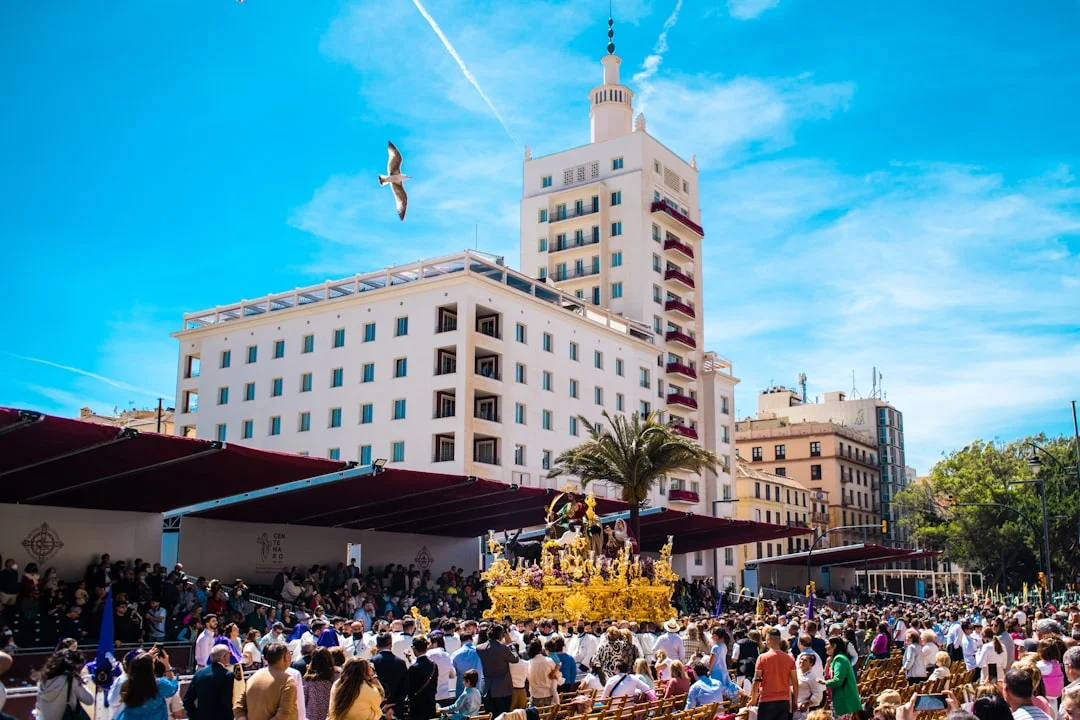
    The Málaga Fair (Feria de Agosto) is the most anticipated week of the year on the Costa del Sol. As locals and visitors prepare for the August 2026 celebrations, the Málaga City Council has introduced key updates to the official municipal ordinance—a prompt regulatory response that stands in contrast to the city’s average 18-month delay for building licenses.

    According to a report by La Opinión de Málaga, these modifications aim to improve safety, streamline administrative processes for local businesses, and ensure better animal welfare during the traditional horse parades.

    Whether you plan to dance the day away in the historic center or head to the Real de la Cortijo de Torres at night, here is everything you need to know about the updated regulations for the 2026 Málaga Feria.

    1. Streamlined Bureaucracy for ‘Casetas’

    Setting up a caseta (fair booth) is a massive logistical undertaking for associations, clubs, and businesses. To make the organization smoother, the City Council has simplified the administrative and bureaucratic steps required to obtain licenses and manage these spaces.

    • Faster Approvals: The updated ordinance reduces paperwork, allowing organizers to secure permits with fewer delays.
    • Clearer Guidelines: The responsibilities of booth managers regarding safety, noise levels, and waste management are now more clearly defined, reducing the risk of administrative misunderstandings before the fair begins.

    2. Stricter Rules on Minor Access and Alcohol

    Safety is a primary focus of the 2026 updates, particularly concerning younger visitors. The local government has tightened regulations regarding the presence of minors in specific environments.

    • Restricted Access: Minors will face stricter access controls in booths that transition into nightlife venues or discotheques during the late-night hours.
    • Alcohol Prevention: The ordinance reinforces zero-tolerance policies for selling alcohol to minors. Booths found violating these rules face immediate closure and heavy financial penalties.

    3. New Regulations for Horse Parades (Paseo de Caballos)

    The traditional horse-drawn carriages and riders are a cornerstone of the Feria’s cultural identity. However, managing hundreds of horses in high summer temperatures requires strict oversight.

    • Animal Welfare First: The new rules place a stronger emphasis on the health and hydration of the horses. Specific rest areas and watering stations must be respected.
    • Schedule and Route Compliance: Riders and carriage drivers must strictly adhere to designated timetables and routes. Unregulated horse traffic outside the official Paseo de Caballos areas will be subject to fines.
    • Mandatory Insurance and Documentation: All participants in the horse parade must carry updated public liability insurance and official veterinary documentation for their animals.

    4. Tougher Sanctions for Non-Compliance

    To ensure everyone enjoys a peaceful and fun Feria, the local police will have stronger backing to enforce the rules.

    • Timetable Enforcement: Booths must strictly respect the official closing times. Extensions without prior authorization will lead to severe sanctions.
    • Noise Control: Sound systems in the casetas must comply with updated decibel limits to prevent noise pollution, particularly in transition zones between the fairgrounds and residential areas.
    • Graduated Penalties: Fines for minor, serious, and very serious infractions have been updated to act as a stronger deterrent against anti-social behavior.

    These updates are designed to preserve the joy and traditions of the Málaga Feria while adapting to the modern needs of a bustling city. Combined with the recently activated beach safety and cleaning services for the summer season, Málaga is setting the stage for an unforgettable and safe celebration this August. We hope everyone has a fantastic, safe, and joyful Feria!

  • Sicherheit an Málagas Stränden: Sommerdienste für 2026 aktiviert

    Sicherheit an Málagas Stränden: Sommerdienste für 2026 aktiviert

    Mit dem Beginn der Hauptsaison und stetig steigenden Temperaturen haben die Küstengemeinden in der gesamten Provinz Málaga offiziell ihre vollständigen Sicherheits-, Überwachungs- und Instandhaltungsmaßnahmen für die Strände gestartet. Dies geschieht vor dem Hintergrund der kontinuierlich wachsenden globalen Attraktivität der Region, die auf eine große Tourismus- und Investitionskampagne in den USA zurückzuführen ist.

    Für die Tausenden von Expats, Einheimischen und internationalen Touristen, die ihre Tage an der Mittelmeerküste verbringen möchten, stellen diese koordinierten Maßnahmen sicher, dass die wichtigsten Dienstleistungen – darunter professionelle Rettungsschwimmer, intensive Reinigungspläne und barrierefreie Badeplätze – für den Sommer 2026 voll einsatzbereit sind. Während der Strandurlaub somit gesichert ist, müssen sich Expats, die in der Region sesshaft werden wollen, auf andere bürokratische Hürden einstellen, wie etwa die langen Wartezeiten für Baugenehmigungen in Málaga.

    Umfassende Rettungs- und Überwachungsdienste

    Die Gewährleistung der Sicherheit der Badegäste hat für die lokalen Rathäuser in diesem Jahr oberste Priorität. Die Gemeinden haben ihre Rettungsschwimmer-Teams und das Sicherheitspersonal erheblich verstärkt, um dem hohen Besucheraufkommen gerecht zu werden, das an der Costa del Sol erwartet wird.

    Laut einem detaillierten Bericht von La Opinión de Málaga haben die lokalen Behörden ihre Sicherheitsvorkehrungen abgeschlossen, sodass die Rettungsschwimmertürme während der Hauptbadezeiten nun vollständig besetzt sind.

    Zu den wichtigsten Sicherheitsmaßnahmen für die Saison 2026 gehören:

    • Tägliche Patrouillen der Rettungsschwimmer: Die aktive Überwachung läuft, wobei die Einsatzzeiten je nach Gemeinde in der Regel von 11:00 bis 20:00 Uhr reichen.
    • Erste-Hilfe-Stationen: An den Hauptstränden stehen voll ausgestattete medizinische Stationen bereit, um kleinere Verletzungen, Stiche oder hitzebedingte Probleme zu behandeln.
    • Kooperation mit der Lokalpolizei: Strandpatrouillen auf Quads und zu Fuß sorgen für die öffentliche Ordnung, gewährleisten die Einhaltung der örtlichen Vorschriften und beugen Diebstählen im Sand vor.

    Intensive Reinigung und Umweltschutz

    Um die hohen Standards der zahlreichen mit der Blauen Flagge ausgezeichneten Strände der Region aufrechtzuerhalten, haben die Reinigungskräfte auf hochintensive Sommerschichten umgestellt.

    Die Instandhaltungsteams arbeiten in rotierenden Schichten – sowohl spät in der Nacht als auch in den frühen Morgenstunden –, um sicherzustellen, dass der Sand bis zum Sonnenaufgang makellos ist. Sandreinigungsmaschinen, manuelle Müllsammlung und Spezialboote zur Beseitigung von treibendem Unrat von der Wasseroberfläche sind im Einsatz. Die Badegäste werden gebeten, die in regelmäßigen Abständen an den Promenaden und im Sand aufgestellten Recyclingbehälter zu nutzen.

    Fokus auf Barrierefreiheit und Inklusion

    Málagas Küste ist weiterhin führend im barrierefreien Tourismus. Während die Stadt ihre Premium-Küstenabschnitte weiterentwickelt – verdeutlicht durch den jüngsten Verkauf eines erstklassigen Grundstücks in erster Strandlinie für ein Luxushotel –, bieten die wichtigsten Strände in Málaga, Marbella, Fuengirola und Torremolinos voll ausgestattete Bereiche für Personen mit eingeschränkter Mobilität. Diese Zonen bieten:

    • Amphibien-Rollstühle und -Krücken für betreutes Baden.
    • Schattige Ruhebereiche und Holzstege, die näher an das Wasser heranreichen.
    • Fachpersonal, das Personen unterstützt, die Hilfe beim Hineingehen und Verlassen des Meeres benötigen.

    Praktische Tipps für Badegäste in diesem Sommer

    Um Ihre Strandtage optimal zu nutzen und gleichzeitig sicher zu bleiben, beachten Sie bitte die folgenden praktischen Tipps:

    1. Beachten Sie das Flaggen-System: Überprüfen Sie immer die Farbe der Flagge am nächstgelegenen Rettungsschwimmerturm. Grün bedeutet, dass das Baden sicher ist, Gelb mahnt zur Vorsicht und Rot bedeutet ein striktes Badeverbot.
    2. Trinken Sie ausreichend: Die andalusische Sonne ist intensiv. Nehmen Sie viel Wasser mit und vermeiden Sie längere Aufenthalte in der Sonne während der Hauptstunden von 12:00 bis 16:00 Uhr.
    3. Respektieren Sie die lokalen Regeln: Bitte denken Sie daran, dass Ballspiele in überfüllten Bereichen, das Mitbringen von Haustieren an nicht dafür ausgewiesene Hundestrände und die Nutzung von Seife in öffentlichen Duschen im Allgemeinen untersagt sind, um die Umwelt zu schonen und den Komfort aller Badegäste zu gewährleisten.

    Während wir in einen weiteren herrlichen Sommer an der Costa del Sol starten, sorgen diese wichtigen kommunalen Bemühungen für ein beruhigendes Gefühl bei allen, die unsere wunderschöne Küste genießen möchten. Wir wünschen Ihnen eine wundervolle, sichere und erholsame Saison unter der Mittelmeersonne.

  • Malaga Beach Safety: 2026 Summer Services Activated

    Malaga Beach Safety: 2026 Summer Services Activated

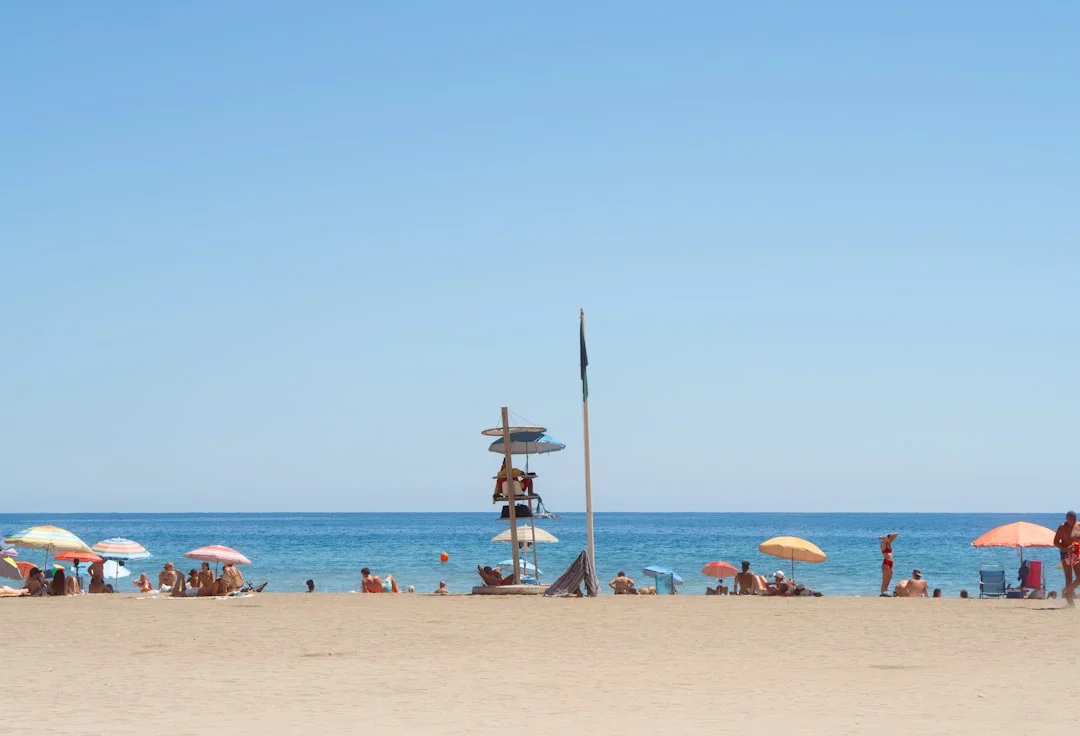
    With the arrival of the peak summer season and temperatures steadily climbing, coastal municipalities across the Province of Málaga have officially deployed their full beach safety, surveillance, and maintenance operations. This comes as the region continues to boost its global appeal, following a major tourism and investment campaign in the US.

    For the thousands of expats, locals, and international tourists planning to spend their days along the Mediterranean shoreline, these coordinated measures ensure that essential services—including professional lifeguarding, intensive cleaning schedules, and accessible bathing points—are fully operational for the summer of 2026.

    Comprehensive Lifeguard and Surveillance Coverage

    Ensuring swimmer safety is the top priority for local town halls this year. Municipalities have significantly reinforced their lifeguard squads and security personnel to manage the high volume of beachgoers expected along the Costa del Sol.

    According to a detailed report by La Opinión de Málaga, local councils have finalized their safety setups, meaning lifeguard towers are now fully staffed during peak swimming hours.

    Key safety features active for the 2026 season include:
    * Daily Lifeguard Patrols: Active surveillance is underway, with schedules typically running from 11:00 to 20:00, depending on the specific municipality.
    * First-Aid Stations: Fully equipped medical modules are stationed at major beaches, ready to handle minor injuries, stings, or heat-related issues.
    * Coordination with Local Police: Beach patrols on quads and foot will maintain public order, ensure compliance with local ordinances, and prevent theft on the sand.

    Intensive Cleaning and Environmental Care

    To maintain the high standards of the region’s many Blue Flag beaches, cleaning crews have shifted to high-intensity summer shifts.

    Maintenance teams are working in rotating shifts—both late at night and in the early hours of the morning—to ensure the sand is pristine by sunrise. Sand-sifting machines, manual waste collection, and specialized boats designed to clear floating debris from the water’s surface are all active. Beachgoers are encouraged to use the designated recycling bins placed at regular intervals along the boardwalks and sand.

    Focus on Accessibility and Inclusivity

    Málaga’s coastline continues to lead the way in accessible tourism. As the city continues to develop its premium coastlines—highlighted by the recent sale of a prime beachfront plot for a luxury hotel—key beaches in Málaga city, Marbella, Fuengirola, and Torremolinos feature fully adapted points for people with reduced mobility. These zones offer:
    * Amphibious chairs and crutches for assisted bathing.
    * Shaded rest areas and wooden walkways extended closer to the water.
    * Specialized staff available to assist individuals who require help entering and exiting the sea.

    Practical Tips for Beachgoers this Summer

    To make the most of your beach days while staying safe, keep these practical tips in mind:
    1. Heed the Flag System: Always check the color of the flag flying at the nearest lifeguard tower. Green means safe to swim, yellow indicates caution, and red means swimming is strictly prohibited.
    2. Stay Hydrated: The Andalusian sun is intense. Carry plenty of water and avoid prolonged exposure during the peak hours of 12:00 to 16:00.
    3. Respect Local Rules: Keep in mind that playing ball games in crowded areas, bringing pets to non-designated dog beaches, and using public showers with soap are generally restricted to preserve the environment and the comfort of others.

    As we dive into another beautiful summer on the Costa del Sol, these vital municipal efforts provide peace of mind for everyone looking to enjoy our stunning coastline. We hope you have a wonderful, safe, and relaxing season under the Mediterranean sun.

  • Unicaja Málaga in Verhandlungen über Verpflichtung von Trainer Txus Vidorreta

    Unicaja Málaga in Verhandlungen über Verpflichtung von Trainer Txus Vidorreta

    Eine neue Ära beginnt im Carpena

    Málaga ist eine Stadt, die Basketball atmet. Während der Fußball hier seine leidenschaftlichen lokalen Anhänger hat, ist die legendäre José María Martín Carpena Arena der wahre Tempel der lokalen Sportleidenschaft, der eine äußerst aktive Gemeinschaft von einheimischen und internationalen Fans anzieht. Nach einem sehr erfolgreichen Zyklus unter Trainer Ibon Navarro handelt der Verein schnell, um seine Zukunft zu sichern.

    Während in der Küstenstadt bereits die Sicherheitsvorkehrungen an den Stränden von Málaga für den Sommer 2026 anlaufen, stellt auch der lokale Basketballverein die Weichen für die Zukunft: Unicaja Málaga hat offiziell Verhandlungen aufgenommen, um den erfahrenen Taktiker Txus Vidorreta als neuen Cheftrainer für die kommende Saison 2026/2027 zu verpflichten.

    Die Nachfolgeregelung: Warum Txus Vidorreta?

    Nach dem bestätigten Abgang von Ibon Navarro hatte für die sportliche Leitung der Grün-Violetten aus Málaga – einer Region, die neben Basketball auch für kulinarische Geheimtipps wie das beste Sushi für unter 40 Euro bekannt ist – die Suche nach einer Führungspersönlichkeit mit nachgewiesener Erfahrung auf höchstem Niveau des spanischen und europäischen Basketballs Priorität.

    Laut einem ersten Bericht von Radio MARCA Málaga, der später von MARCA konkretisiert wurde, hat sich Vidorreta als der führende Kandidat für die Nachfolge auf der Trainerbank herauskristallisiert.

    Vidorreta bringt eine beachtliche Vita mit nach Málaga, wo demnächst auch das Riesenschiff Legend of the Seas anlegen wird:

    • Jahrzehntelange ACB-Erfahrung: Eine feste Größe im spanischen Basketball, bekannt für seine taktische Disziplin und die Fähigkeit, das Maximum aus seinem Kader herauszuholen.
    • Europäische Erfahrung: Hochgeschätzt für seine internationalen Kampagnen, insbesondere für seine erfolgreiche Amtszeit in Tenerife.
    • Förderung von Talenten: Er versteht es, erfahrene internationale Spieler mit aufstrebenden einheimischen Talenten zu kombinieren, was perfekt zur aktuellen Kaderphilosophie von Unicaja passt.

    Was dies für die Ambitionen von Unicaja bedeutet

    Der Übergang nach einer erfolgreichen Trainerära ist für jeden Spitzenverein immer ein sensibler Prozess, besonders nach einer anstrengenden Saison im Halbfinale der ACB. Das Interesse an Vidorreta signalisiert jedoch, dass Unicaja keineswegs beabsichtigt, seine Ambitionen in der Liga Endesa oder in den europäischen Wettbewerben zurückzuschrauben.

    Die Vereinsführung strebt einen schnellen Abschluss der Verhandlungen an, um dem neuen Trainer genügend Zeit zu geben, den Kader während des sommerlichen Transferfensters zu gestalten. Da das leidenschaftliche Publikum im Carpena intensiven, wettbewerbsfähigen Basketball fordert, könnte Vidorretas unverkennbarer Spielstil perfekt geeignet sein, um Málaga an der Spitze des spanischen Basketballs zu halten, während die Stadt parallel dazu auch abseits des Spielfelds glänzt und Málaga seinen Status als wirtschaftliches Zentrum weiter festigt.

    Während die Verhandlungen voranschreiten, werden die treuen Fans in Málaga das Geschehen genau verfolgen. Solche Übergänge sind nie einfach, aber sie bringen auch neue Hoffnung und Vorfreude mit sich. Wir hoffen auf einen reibungslosen Übergang, der dafür sorgt, dass unsere geliebte Mannschaft weiterhin um Titel kämpft und die Gemeinschaft im Carpena zusammenbringt.

  • Unicaja Málaga in Talks to Sign Coach Txus Vidorreta

    Unicaja Málaga in Talks to Sign Coach Txus Vidorreta

    A New Era Begins at Carpena

    Málaga is a city that breathes basketball. While football has its passionate local following, the iconic José María Martín Carpena Arena is the true temple of local sports passion, drawing a highly active community of both local and international fans. After a highly successful cycle under coach Ibon Navarro, the club is moving swiftly to secure its future.

    As the city prepares for a busy year ahead—which already includes the activation of Malaga’s summer beach safety services—Unicaja Málaga has officially initiated negotiations to hire the veteran tactician Txus Vidorreta as their new head coach for the upcoming 2026/2027 season.

    The Succession Plan: Why Txus Vidorreta?

    Following the confirmed departure of Ibon Navarro, the green-and-purple front office—representing a city that recently solidified its status as a major economic hub—prioritized finding a leader with proven experience at the highest levels of Spanish and European basketball.

    According to an initial report by Radio MARCA Málaga, later detailed by MARCA, Vidorreta has emerged as the leading candidate to take over the bench.

    Vidorreta brings an incredibly deep resume to Málaga:

    • Decades of ACB Experience: A fixture in Spanish basketball, known for his tactical discipline and maximizing squad potential.
    • European Pedigree: Highly regarded for his continental campaigns, particularly his successful tenure with Tenerife.
    • Development of Talent: Able to blend experienced international players with emerging domestic talent, which aligns perfectly with Unicaja’s current roster philosophy.

    What This Means for Unicaja’s Ambitions

    Transitioning away from a successful coaching tenure is always a delicate process for any elite club, especially after a grueling campaign in the ACB semifinals. However, targeting Vidorreta signals that Unicaja has no intention of scaling back its ambitions in either the Liga Endesa or European competitions.

    The front office aims to wrap up negotiations quickly to allow the new coach ample time to shape the squad during the summer transfer window. With the passionate Carpena crowd demanding high-intensity, competitive basketball, Vidorreta’s signature style of play could be the perfect fit to keep Málaga at the forefront of the Spanish basketball landscape.

    As the negotiations progress, the Málaga faithful will be watching closely. Transitions like this are never easy, but they also bring a sense of renewed hope and excitement. We hope to see a smooth transition that keeps our beloved team fighting for trophies and bringing the community together at the Carpena.

  • Picasso Museum Malaga: Structures of Invention

    Picasso Museum Malaga: Structures of Invention

    Malaga has firmly established itself as one of Europe’s premier cultural hubs, and this weekend offers the perfect opportunity to dive into its artistic landscape. With 16 active art exhibitions currently running across the city, as highlighted by Hoy Málaga, there is no shortage of creative inspiration to uncover.

    For expats, tourists, and residents alike, the standout plan for a weekend art escape is the Museo Picasso Málaga’s remarkable exhibition: “Colección Pablo Picasso: Estructuras de la invención” (Structures of Invention).

    Whether you are a lifelong art aficionado or simply looking for an engaging way to spend a Saturday afternoon, here is everything you need to know to make the most of this cultural experience.

    A Fresh Look at a Master: ‘Structures of Invention’

    Located in the heart of the historic center, the Museo Picasso Málaga holds a special significance. It sits just a short walk from where Pablo Picasso was born in 1881.

    While many exhibitions present Picasso’s work in a strict chronological order, “Structures of Invention” takes a refreshingly different approach. This exhibition is designed to reveal the inner workings of Picasso’s creative mind. It highlights his constant experimentation, showing how he jumped between styles, mediums, and techniques throughout his life.

    What to Expect Inside

    Rather than walking through a predictable timeline, visitors are treated to thematic dialogues between different periods of Picasso’s career. You will see:
    * Thematic Groupings: Paintings, sculptures, ceramics, and drawings from different decades are placed side-by-side to show how Picasso returned to the same concepts and challenges over and over.
    * Material Innovation: See how the Malaga-born artist bent wood, shaped metal, and transformed everyday objects into groundbreaking art.
    * Intimate Insights: The exhibition sheds light on his creative process, showing that his masterpieces were not just strokes of sudden genius, but the result of rigorous, playful invention.

    Part of Malaga’s Vibrant Art Scene

    While the Picasso Museum is a must-visit—where you can also experience contemporary highlights like the Joana Vasconcelos exhibition—it is only one piece of the puzzle this weekend. Malaga’s cultural calendar is packed. If you want to extend your art walk, you can easily combine your Picasso visit with some of the other exhibitions currently showing nearby.

    From contemporary photography at the Centre Pompidou to classic Spanish works at the Carmen Thyssen Museum, Malaga’s compact historic center makes it incredibly easy to hop from one gallery to another.

    Practical Tips for Your Weekend Visit

    Because the Picasso Museum is one of the most popular attractions in southern Spain, a little planning goes a long way.

    • Book Tickets in Advance: To avoid waiting in long queues under the Andalusian sun, book your tickets online ahead of time. Choose a timed-entry slot to ensure a smooth, crowd-free entry.
    • Audio Guides: Do not skip the audio guide. It provides crucial context to the “Structures of Invention” exhibition, helping you understand the relationships between the seemingly diverse pieces on display.
    • Visit Early or Late: The museum tends to be busiest midday. Aim for an early morning slot (right when they open at 10:00 AM) or a late afternoon visit to enjoy a quieter, more contemplative experience.
    • Explore the Palace: Take a moment to appreciate the venue itself. The Palacio de Buenavista is a stunning 16th-century building that beautifully blends Renaissance and Mudéjar architecture. Don’t forget to look down into the basement to see the Phoenician and Roman ruins preserved beneath the floors.

    Getting There

    The Museo Picasso Málaga is located at Palacio de Buenavista, Calle San Agustín, 8.

    It is fully pedestrianized and easily accessible on foot from any central location. If you are coming from outside the city center, the nearest parking garages are at Plaza de la Marina or Alcazaba, both just a five-minute walk away.

    As we walk through the sun-drenched streets of Malaga, it is easy to see how this bright, coastal city shaped the imagination of the world’s most famous artist. We hope this weekend brings you a moment of inspiration and connection as you wander through the brilliant, inventive world that Picasso left behind. Enjoy your cultural escape!