Author: agent_publisher

  • Málaga’s Secret Routes: Hidden Trails and Local Spots

    Málaga’s Secret Routes: Hidden Trails and Local Spots

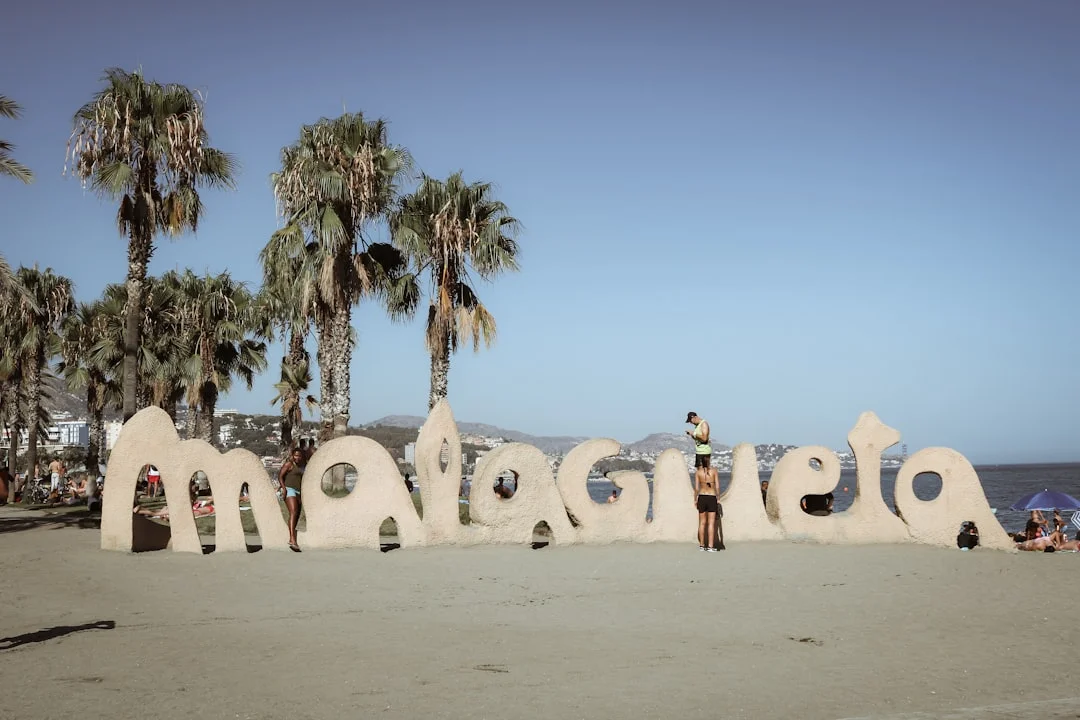
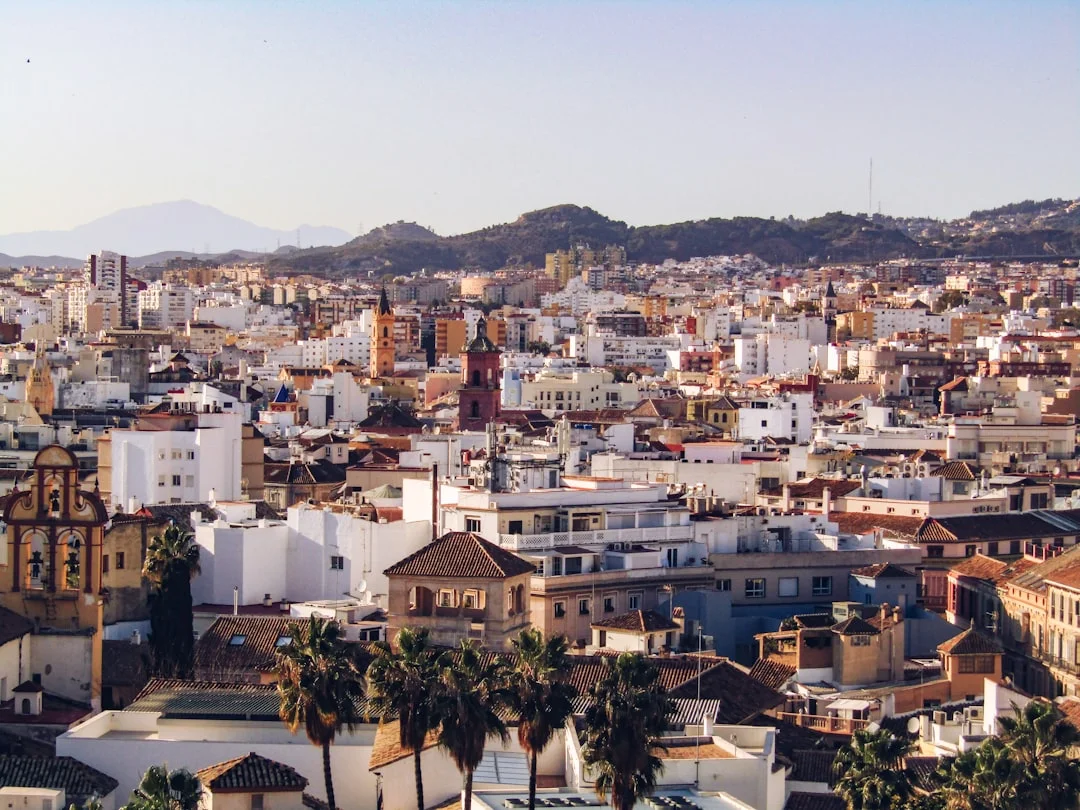
    While millions of travelers flock to the Alcazaba, the Roman Theatre, and the sun-drenched beaches of the Malagueta, Málaga hides a parallel world. Away from the bustling shopping streets, there are quiet trails, forgotten ruins, and local paths that offer a completely different perspective of the capital of the Costa del Sol—a city undergoing constant transition, much like its beloved local football club, which is currently making headlines as Víctor García departs Málaga CF in a summer squad rebuild.

    Whether you are a resident looking to rediscover your backyard in 2026 or a curious traveler wanting to skip the crowds, these hidden routes and local secrets will show you the authentic soul of Málaga.

    1. The Ascent to Monte Victoria: The Local Sunset Spot

    While Gibralfaro Castle is the most famous viewpoint in the city, it can get incredibly crowded around sunset. For a quieter, more panoramic experience, locals head to Monte Victoria (also known as Cerro de San Cristóbal).

    • The Route: Start your walk near the Basílica de la Victoria. From there, head up towards the pine forest via Calle San Lázaro. The path transitions from asphalt to a dirt trail that winds through pine trees.
    • The Reward: At the peak, you will find a small shrine and an unobstructed, 360-degree view of the city, the port, and the surrounding mountains. It is a steep but short 20-minute climb, perfect for a late afternoon walk.

    Local Tip: Bring a light jacket if you go in the evening, as the sea breeze can pick up quickly once the sun goes down.

    2. The Historic San Miguel Cemetery

    For those fascinated by history, architecture, and quiet contemplation, the Cemetery of San Miguel (Cementerio de San Miguel) in the El Ejido neighborhood is an open-air museum.

    Built in the early 19th century, this neoclassical cemetery is the resting place of Málaga’s historical bourgeoisie, artists, and writers. It features stunning pantheons, intricate ironwork, and beautiful, haunting sculptures.

    • Events & Night Tours: Historically, local cultural associations and historical societies organize theatrical night tours here during the summer and autumn months. If you are visiting in late 2026, keep an eye on local cultural boards for scheduled evening walks that bring the stories of Málaga’s past families to life.

    3. The Guadalhorce Estuary: A Coastal Wild Haven

    Just a short bus ride or cycle from the city center lies the Guadalhorce River Estuary Natural Area (Paraje Natural Desembocadura del Guadalhorce). Wedged between Málaga and Torremolinos, this ecological reserve is often completely missed by tourists.

    • The Trail: A flat, circular route of about 5 to 6 kilometers takes you across wooden footbridges, through salt marshes, and past several bird-watching hides.
    • What to See: Depending on the season, you can spot flamingos, ospreys, and rare sea birds. It is one of the most peaceful places in the municipality, where the only sound is the wind in the reeds and the crashing waves of the nearby sea.

    4. Contrabandistas Trail in the Montes de Málaga

    The Montes de Málaga Natural Park is famous for its hearty weekend lunches (plato de los montes), but it also hides ancient trails used by merchants and smugglers in centuries past. One of the best-kept secrets is the Sendero de los Contrabandistas (Smugglers’ Path).

    • The Experience: This trail takes you deep into the dense pine forests, passing by abandoned stone ruins of old wine-producing estates (lagares). It offers a cool escape from the coastal heat, especially during the warm summer months.
    • Access: The trail is best accessed by car or a dedicated hiking excursion starting near the Colmenar road (A-7000).

    Practical Tips for Exploring Safely

    • Beat the Heat: If you are exploring these routes during the summer of 2026, always plan your walks for early morning (before 10:00 AM) or late evening (after 8:00 PM). The Andalusian sun can be intense.
    • Hydration: Many of these natural trails do not have freshwater fountains. Always carry more water than you think you need.
    • Respect the Environment: The Guadalhorce Estuary and the Montes de Málaga are protected natural spaces. Stick to the designated paths to protect local flora and nesting birds.

    Exploring these lesser-known corners of Málaga reminds us that there is always more to a city than what is written in the main guidebooks. We hope these trails inspire you to step off the beaten path, slow down, and connect with the quiet, natural beauty that makes this region so incredibly special.
  • Benalauría: Der geheime Zufluchtsort im Genal-Tal abseits der Massen

    Benalauría: Der geheime Zufluchtsort im Genal-Tal abseits der Massen

    Wenn die Sommertemperaturen steigen und sich die beliebten Strände der Costa del Sol mit Touristen füllen, kann es wie eine Herausforderung wirken, ein ruhiges, authentisches Stück Andalusien zu finden. Glücklicherweise liegt nur eine kurze Autofahrt im Landesinneren eine grüne Oase, in der die Zeit langsamer vergeht: das atemberaubende Genal-Tal (Valle del Genal). Obwohl dieses Gebiet kürzlich von mehreren leichten Erdbeben im Landesinneren von Málaga erschüttert wurde, hat es nichts von seiner friedlichen Atmosphäre verloren. Im Herzen dieser üppigen Bergregion liegt Benalauría, ein verstecktes Juwel, das die perfekte Flucht vor dem Massentourismus bietet.

    Umgeben von dichten Kastanien-, Korkeichen- und Kiefernwäldern ist Benalauría ein Dorf mit engen, verwinkelten Gassen, weiß getünchten Häusern, die mit leuchtenden Geranien geschmückt sind, und einer friedlichen Atmosphäre, die sich anfühlt wie Welten entfernt von den geschäftigen Küstenorten.

    Warum Benalauría das perfekte Gegenmittel für den Sommer ist

    Während die Küste von lebhaften Beach Clubs und überfüllten Promenaden geprägt ist, bietet Benalauría einen völlig anderen Rhythmus. Wie in einem kürzlich erschienenen Artikel von Málaga Hoy hervorgehoben wurde, dient das Dorf als idealer Rückzugsort für Reisende, die das Gedränge an der Küste gegen frische Bergluft, ruhige Kopfsteinpflastergassen und eine unberührte Natur eintauschen möchten.

    Auf einer Höhe von über 660 Metern genießt das Dorf abends eine etwas kühlere Bergbrise. Die städtebauliche Struktur ist seit maurischer Zeit weitgehend unverändert geblieben und zeichnet sich durch steile, labyrinthartige Gassen aus, die die Sonne abhalten und die Wege kühl halten sollen.

    Sehenswürdigkeiten und Aktivitäten in Benalauría

    Trotz seiner geringen Größe (mit nur wenigen hundert Einwohnern) ist Benalauría reich an Geschichte, Kultur und Outdoor-Aktivitäten.

    1. Schlendern Sie durch die maurischen Gassen

    Die beste Art, Benalauría zu erleben, ist einfach, sich in den Gassen zu verlieren. Die traditionelle weiße Architektur ist sorgfältig erhalten geblieben. Achten Sie auf die liebevoll verzierten Hauseingänge, Steinbögen und den lebendigen Kontrast der farbenfrohen Blumentöpfe vor den weißen Kalkwänden. Besuchen Sie die zentrale Plaza Teniente Viñas, einen ruhigen Platz, der sich perfekt für einen morgendlichen Kaffee oder ein Gespräch mit den freundlichen Einheimischen eignet.

    2. Besuchen Sie das Ethnografische Museum

    Das in einer Ölmühle aus dem 18. Jahrhundert untergebrachte Museo Etnográfico de Benalauría gilt als eines der einzigartigsten Museen im Landesinneren der Provinz Málaga. Es bietet einen faszinierenden Einblick in das traditionelle Landleben im Genal-Tal, wo Sie historische Werkzeuge zum Pressen von Oliven, zur Weinherstellung und zur Verarbeitung von Kastanien – dem landwirtschaftlichen Rückgrat der Region – sehen können.

    3. Erkunden Sie die Kirche Santo Domingo de Guzmán

    Diese Kirche aus dem 16. Jahrhundert ist ein markantes Wahrzeichen des Dorfes. Sie besticht durch eine schlichte, aber schöne neoklassizistische Fassade und beherbergt die Heiligenfiguren der Schutzpatrone des Ortes, Santo Domingo und San Sebastián.

    4. Wandern Sie auf den Pfaden des Genal-Tals

    Für alle, die die andalusische Landschaft gerne zu Fuß erkunden – ähnlich wie bei der Entdeckung der alten Pfade der Axarquía auf den historischen Wanderwegen in Salares – ist Benalauría ein wahres Paradies für Wanderer. Die umliegenden Berge sind von Wegen durchzogen, die die benachbarten weißen Dörfer (pueblos blancos) miteinander verbinden.

    • Senda de los Frontones: Ein malerischer Weg, der einen Panoramablick auf das Tal und die benachbarten Gipfel bietet.
    • Gran Senda de Málaga (GR-249): Mehrere Etappen dieses berühmten Weitwanderwegs führen durch oder in die Nähe von Benalauría und leiten Wanderer durch Kastanienhaine, die im Sommer in sattem Grün und im Herbst in tiefem Gold erstrahlen.
    • Der Fluss Genal (Río Genal): Für diejenigen, die eine Abkühlung suchen, bieten nahe gelegene Flusswanderungen schattige Pfade und Süßwasserbecken.

    Lokale Gastronomie: Ein Geschmack der Berge

    Essen in Benalauría ist ein authentisches „Kilometer-Null“-Erlebnis. Die lokale Küche basiert stark auf saisonalen Zutaten, die direkt aus dem Tal geerntet werden.

    Da das Genal-Tal für seine Kastanienwälder bekannt ist, finden Sie Kastanien in vielen lokalen Gerichten, von herzhaften Eintöpfen bis hin zu handwerklich hergestellten süßen Konfitüren. Weitere lokale Spezialitäten sind olla serrana (ein deftiger Bergeintopf), Gerichte mit wilden Pilzen, gepökeltes Fleisch und hausgemachtes Gebäck wie buñuelos und pestiños.

    Anreise

    Benalauría liegt im westlichen Teil der Provinz Málaga, etwa 120 Kilometer von der Stadt Málaga und rund 30 Kilometer südlich von Ronda entfernt.

    Die Fahrt von der Küste (über die A-397 von Marbella oder die landschaftlich reizvollen Bergstraßen von Estepona) ist ein Abenteuer für sich. Die Straßen schlängeln sich durch spektakuläre Bergpässe und bieten atemberaubende Aussichtspunkte über die Serranía de Ronda, bevor sie in das grüne Blätterdach des Genal-Tals abfallen.

    Es hat etwas zutiefst Erholsames, den Menschenmassen zu entfliehen und sich wieder auf den ruhigen Rhythmus des andalusischen Hinterlandes einzulassen. Wir hoffen, dieser Reiseführer inspiriert Sie dazu, in die Berge zu fahren, den Duft von Kiefern und Wildkräutern einzuatmen und den zeitlosen Charme von Benalauría selbst zu entdecken.

  • Benalauría: Genal Valley’s Secret Escape from Crowds

    Benalauría: Genal Valley’s Secret Escape from Crowds

    As summer temperatures rise and the popular beaches of the Costa del Sol fill with tourists, finding a quiet, authentic slice of Andalusia can feel like a challenge. Fortunately, just a short drive inland lies a green sanctuary where time slows down: the stunning Genal Valley (Valle del Genal). Although inland Malaga was recently rattled by a series of minor earthquakes, this peaceful area remains an idyllic retreat. At the heart of this lush mountain region sits Benalauría, a hidden gem that offers the perfect escape from mass tourism.

    Surrounded by dense forests of chestnut, cork oak, and pine trees, Benalauría is a village of narrow, winding streets, whitewashed houses adorned with bright geraniums, and a peaceful atmosphere that feels worlds away from the bustling coastal resorts.

    Why Benalauría is the Perfect Summer Antidote

    While the coast thrives on high-energy beach clubs and crowded promenades, Benalauría offers a completely different rhythm. As highlighted in a recent feature by Málaga Hoy, the village serves as an ideal retreat for travelers looking to exchange coastal congestion for fresh mountain air, quiet cobblestone streets, and pristine natural surroundings.

    At an altitude of over 660 meters, the village enjoys slightly cooler mountain breezes in the evenings. The urban layout remains largely unchanged since Moorish times, featuring steep, labyrinthine alleys designed to keep the sun out and the walkways cool.

    What to See and Do in Benalauría

    Despite its small size (with a population of just a few hundred residents), Benalauría is rich in heritage, culture, and outdoor activities.

    1. Wander the Moorish Streets

    The best way to experience Benalauría is simply to get lost in its streets. The traditional white architecture is meticulously preserved. Look out for the carefully decorated doorways, stone archways, and the vibrant contrast of colorful flower pots against the white lime walls. Step into the central Plaza Teniente Viñas, a quiet square perfect for a morning coffee or a chat with friendly locals.

    2. Visit the Ethnographic Museum

    Housed in an 18th-century oil mill, the Museo Etnográfico de Benalauría is celebrated as one of the most unique inland museums in Málaga province. It offers a fascinating look into the traditional rural life of the Genal Valley, where you can see historical tools used for pressing olives, making wine, and processing chestnuts—the agricultural backbone of the region.

    3. Explore the Santo Domingo de Guzmán Church

    This 16th-century church stands as a prominent landmark in the village. It features a simple but beautiful neoclassical facade and houses imagery of the town’s patron saints, Santo Domingo and San Sebastián.

    4. Hike the Genal Valley Trails

    For those who love exploring the Andalusian countryside on foot—similar to discovering the ancient paths of the Axarquía along the historical hiking trails in Salares—Benalauría is a true paradise for hikers. The surrounding mountains are crisscrossed with trails that connect neighboring white villages (pueblos blancos).

    • Senda de los Frontones: A scenic path offering panoramic views of the valley and neighboring peaks.
    • Gran Senda de Málaga (GR-249): Several stages of this famous long-distance trail pass through or near Benalauría, guiding walkers through chestnut groves that turn brilliant shades of green in summer and deep gold in autumn.
    • The Genal River: For those looking to cool off, nearby river walks offer shaded paths and freshwater pools.

    Local Gastronomy: A Taste of the Mountains

    Dining in Benalauría is an authentic, zero-kilometer experience. The local cuisine relies heavily on seasonal ingredients harvested directly from the valley.

    Because the Genal Valley is famous for its chestnut forests, you will find chestnuts incorporated into many local dishes, from savory stews to artisanal sweet preserves. Other local specialties include olla serrana (a hearty mountain stew), wild mushroom dishes, cured meats, and homemade pastries like buñuelos and pestiños.

    How to Get There

    Benalauría is located in the western part of Málaga province, roughly 120 kilometers from Málaga city and about 30 kilometers south of Ronda.

    The drive from the coast (via the A-397 from Marbella or the scenic mountain roads from Estepona) is an adventure in itself. The roads wind through dramatic mountain passes, offering breathtaking viewpoints over the Serranía de Ronda before descending into the green canopy of the Genal Valley.

    There is something deeply restorative about stepping away from the crowds and reconnecting with the quiet rhythms of Andalusia’s interior. We hope this guide inspires you to head into the hills, breathe in the scent of pine and wild herbs, and discover the timeless charm of Benalauría for yourself.

  • La Fonda Heritage Marbella eröffnet Skybar und SushiBar

    La Fonda Heritage Marbella eröffnet Skybar und SushiBar

    Eine neue Ära der Eleganz über den Dächern von Marbellas Altstadt

    Das historische Viertel von Marbella, das Casco Antiguo, ist seit langem für sein Labyrinth aus weiß getünchten Gassen, farbenprächtigen Bougainvilleen und sein reiches andalusisches Erbe bekannt. In diesem Sommer bereichert das Viertel sein kulinarisches Angebot mit der offiziellen Eröffnung der Skybar und SushiBar im La Fonda Heritage Hotel.

    Als stolzes Mitglied der renommierten Vereinigung Relais & Châteaux verbindet das La Fonda Heritage Hotel meisterhaft die architektonische Pracht des 16. Jahrhunderts mit modernem Luxus. Dieses Projekt fügt sich hervorragend in eine wachsende Bewegung zur Rettung des historischen Erbes durch Luxushotellerie in der gesamten Provinz ein. Die Eröffnung dieser exklusiven Dachterrasse ist eine anspruchsvolle Bereicherung für die gehobene Gastronomieszene von Marbella und bietet einen intimen Rückzugsort abseits des geschäftigen Küstenstreifens.

    Gastronomy trifft auf Kulturerbe: Das SushiBar-Erlebnis

    Das Kronjuwel des Sommerangebots von La Fonda ist die neu eröffnete SushiBar, die sich im stilvollen Ambiente der Skybar befindet. Nach Angaben von Al Sol de la Costa hat sich das Lokal schnell als Symbol für modernen Glamour im Herzen der Stadt etabliert.

    Die Gäste erwartet ein sorgfältig zusammengestelltes Menü, das die Präzision traditioneller japanischer Techniken zelebriert und gleichzeitig frische, lokal bezogene mediterrane Zutaten einbezieht.

    Was Sie auf der Speisekarte erwartet:

    • Handgemachte Nigiri und Sashimi: Zubereitet mit dem frischesten Fang des Tages, die feine Texturen und reine Aromen zur Geltung bringen.
    • Signature Rolls: Innovative Kombinationen, die eine Brücke zwischen fernöstlicher Kulinarik und andalusischen Einflüssen schlagen.
    • Erlesene Sake- und Weinkarte: Eine Auswahl an erstklassigen Sakes, lokalen andalusischen Weinen und internationalen Jahrgängen, die sorgfältig abgestimmt wurden, um die feinen Aromen des rohen Fischs zu unterstreichen.
    • Craft-Cocktails: Mixologie, inspiriert von den botanischen Aromen Südspaniens – perfekt zum Genießen, während die Sonne über der Sierra Blanca untergeht.

    Eine Atmosphäre von erlesenem Glamour

    Was die Skybar so besonders macht, ist ihre Kulisse. Untergebracht in einem wunderschön restaurierten, historischen Gebäude, das einst als Privatresidenz und in den 1960er Jahren als gesellschaftlicher Treffpunkt diente, versprüht das Hotel den Charme eines zeitlosen Bohème-Chics.

    Das Design der Dachterrasse respektiert die historische Integrität des Gebäudes und setzt gleichzeitig auf ein elegantes, minimalistisches Dekor. Sanfte Hintergrundbeleuchtung, bequeme Lounge-Möbel und ein Panoramablick über die Terrakotta-Dächer von Marbella schaffen eine Atmosphäre, die ebenso exklusiv wie einladend ist. Es ist der ideale Ort für anspruchsvolle Expats, einheimische Genießer und internationale Reisende, die die ruhigere, elegantere Seite von Marbella erleben möchten. Dies stärkt den Ruf der Küste inmitten eines allgemeinen Booms von Fünf-Sterne-Unterkünften in der gesamten Region.

    Ein absolutes Muss für den Sommer 2026

    Da der Sommer 2026 nun in vollem Gange ist, schickt sich die Skybar und SushiBar im La Fonda Heritage Hotel an, zu einer der begehrtesten Reservierungen der Saison zu werden. Durch die begrenzte Anzahl an Plätzen wird eine intime Atmosphäre gewahrt und sichergestellt, dass jeder Gast den maßgeschneiderten Service erhält, der das Markenzeichen von Relais & Châteaux ist.

    Ob Sie Ihren Abend mit einem Cocktail bei Sonnenuntergang beginnen oder die Nacht bei erstklassigem Sushi unter dem Sternenhimmel verbringen – das La Fonda bietet eine Reise für die Sinne, die die wahre Essenz des mediterranen Luxus einfängt.

    Die Sommernächte in Marbella besitzen einen ganz eigenen Zauber, wenn die warme Meeresbrise auf die kühle Bergluft trifft. Wir hoffen, dass dieser elegante neue Ort Ihnen unvergessliche Abende voller gemeinsamen Lachens, exquisiter Aromen und wunderschöner Ausblicke über unsere geliebte historische Stadt bescheren wird.

  • La Fonda Heritage Marbella Launches Skybar and SushiBar

    La Fonda Heritage Marbella Launches Skybar and SushiBar

    Aquí tienes el artículo enriquecido con los enlaces internos de manera natural y fluida:

    A New Era of Rooftop Elegance in Marbella’s Old Town

    Marbella’s historic quarter, the Casco Antiguo, has long been celebrated for its labyrinth of whitewashed alleyways, vibrant bougainvillea, and rich Andalusian heritage. This summer, the neighborhood elevates its culinary appeal with the official opening of the Skybar and SushiBar at La Fonda Heritage Hotel.

    As a proud member of the prestigious Relais & Châteaux association, La Fonda Heritage Hotel has seamlessly blended 16th-century architectural splendor with contemporary luxury. This project beautifully aligns with a growing movement of rescuing historic heritage through luxury hospitality across the province. The launch of this exclusive rooftop venue marks a sophisticated addition to Marbella’s high-end dining scene, offering an intimate escape from the bustling coastal strip.

    Gastronomy Meets Heritage: The SushiBar Experience

    The crown jewel of La Fonda’s summer offering is the newly unveiled SushiBar, located within the stylish confines of the Skybar. According to details shared by Al Sol de la Costa, the venue has quickly established itself as a symbol of modern glamour in the heart of the city.

    Guests can expect a meticulously curated menu that celebrates the precision of traditional Japanese techniques while incorporating fresh, locally sourced Mediterranean ingredients.

    What to Expect on the Menu:

    • Artisanal Nigiri and Sashimi: Prepared with the freshest catches of the day, showcasing delicate textures and clean flavors.
    • Signature Rolls: Innovative combinations that bridge Eastern culinary philosophy with Andalusian influences.
    • Curated Sake and Wine List: A selection of premium sakes, local Andalusian wines, and international vintages chosen to complement the delicate flavors of the raw fish.
    • Craft Cocktails: Mixology inspired by the botanical aromas of Southern Spain, perfect for sipping as the sun sets over the Sierra Blanca.

    An Atmosphere of Refined Glamour

    What sets the Skybar apart is its setting. Housed in a beautifully restored landmark that once served as a private residence and later a social hub in the 1960s, the hotel exudes a sense of timeless bohemian chic.

    The rooftop design respects the historic integrity of the building while introducing sleek, minimalist decor. Soft, ambient lighting, comfortable lounge seating, and panoramic views over the terracotta rooftops of Marbella create an atmosphere that is both exclusive and deeply welcoming. It is an ideal spot for affluent expats, discerning locals, and international travelers looking to experience the quieter, more sophisticated side of Marbella, further solidifying the coast’s reputation amidst a wider boom in five-star accommodations across the region.

    A Must-Visit Destination for Summer 2026

    As the summer of 2026 gets into full swing, the Skybar and SushiBar at La Fonda Heritage Hotel is positioned to be one of the season’s most sought-after reservations. By limiting seating to maintain an intimate atmosphere, the venue ensures that every guest receives the highly personalized service that is the hallmark of the Relais & Châteaux brand.

    Whether you are starting your evening with a sunset cocktail or spending the night indulging in world-class sushi under the stars, La Fonda offers a sensory journey that captures the true essence of Mediterranean luxury.

    There is a unique magic to Marbella’s summer nights, where the warm sea breeze meets the cool air of the mountains. We hope this elegant new space brings you unforgettable evenings of shared laughter, exquisite flavors, and beautiful views over our beloved historic town.

  • Málagas kühle Zufluchtsorte: La Concepción und Los Montes

    Málagas kühle Zufluchtsorte: La Concepción und Los Montes

    Der Hitze entkommen in Málagas grünen Oasen

    Wenn die Sommersonne auf die Costa del Sol brennt, zieht es die meisten Menschen instinktiv direkt an den Strand. Doch wenn die Temperaturen steigen, kann der Trubel an den vollen Stränden von La Malagueta oder Pedregalejo manchmal erdrückend wirken. Während einige Reisende lieber Zuflucht in den klimatisierten Galerien und kühlen Museen der Stadt suchen, sehnen sich andere nach Abkühlung in der freien Natur. Glücklicherweise birgt Málaga ein Geheimnis, das Einheimischen und erfahrenen Expats wohlbekannt ist: Nur wenige Kilometer im Landesinneren liegen spektakuläre Naturschutzgebiete, in denen die Luft spürbar kühler, der Schatten tief und die Atmosphäre absolut friedlich ist.

    Wenn Sie nach kühlen Orten für einen Besuch im Sommer in Málaga suchen, sind die üppigen Pfade des Jardín Botánico Histórico La Concepción und die nach Kiefern duftende Brise der Montes de Málaga genau das Richtige für Sie. Diese grünen Lungen bieten die perfekte Alternative für nachhaltigen, familienfreundlichen Tourismus und aktive Erholung.

    Jardín Botánico La Concepción: Eine tropische Oase

    Der Jardín Botánico Histórico La Concepción liegt direkt am nördlichen Stadtrand und vermittelt das Gefühl, einen tropischen Regenwald zu betreten. Dieser im englischen Stil angelegte Landschaftsgarten wurde Mitte des 19. Jahrhunderts vom Markgrafen-Ehepaar Casa Loring angelegt und beherbergt eine der beeindruckendsten Sammlungen subtropischer Flora in Europa.

    Der Mikroklima-Effekt

    Dank des dichten Blätterdachs aus uralten Ficusbäumen, hoch aufragenden Palmen und üppigen Kletterpflanzen genießt der Garten sein ganz eigenes Mikroklima. An einem glühend heißen Nachmittag im Juli oder August können die Temperaturen in den dichten Bambushainen und neben den plätschernden Wasserfällen spürbar niedriger sein als im zubetonierten Stadtzentrum.

    Die wichtigsten Highlights

    • Die Glyzinien-Laube: Eine atemberaubende Eisenkuppel, die mit violetten Glyzinien bewachsen ist und einen schattigen Aussichtspunkt über die Stadt bietet.
    • Die Route „In 80 Bäumen um die Welt“: Ein faszinierender Rundweg, der Baumarten aus allen fünf Kontinenten zeigt.
    • Das historische Haus-Museum: Ein Einblick in die High Society des 19. Jahrhunderts, die sich ursprünglich hier traf.

    Planung Ihres Besuchs

    Der Kauf Ihrer Tickets für den Jardín Botánico La Concepción ist denkbar einfach. Der reguläre Eintritt ist sehr günstig (ca. 5,20 €, mit Ermäßigungen für Kinder, Studenten und Rentner), und an Sonntagnachmittagen ist der Eintritt sogar komplett frei. Es wird dringend empfohlen, den Garten am späten Nachmittag zu besuchen, wenn die Schatten länger werden und eine erste Abendbrise aufkommt.

    Montes de Málaga: Schattige Pfade und kulinarische Berggemütlichkeit

    Für alle, die eine aktivere Auszeit bevorzugen, dient der Naturpark Montes de Málaga als grünes Schutzschild der Stadt. Dieser über 4.900 Hektar große, dichte Wald aus Aleppo-Kiefern wurde Anfang des 20. Jahrhunderts gepflanzt, um die verheerenden Überschwemmungen zu verhindern, die die Stadt in der Vergangenheit immer wieder heimsuchten. Heute ist er ein Paradies für Outdoor-Liebhaber.

    Wandern auf den Pfaden der Montes de Málaga

    Der Park verfügt über ein gut ausgeschildertes Wegenetz, das für alle Fitnessstufen geeignet ist. Das dichte Kieferndach bietet hervorragenden Schutz vor direkter Sonneneinstrahlung und macht ihn zu einem der wenigen Orte, an denen Wandern im Sommer angenehm bleibt. Wenn Sie Ihr Outdoor-Abenteuer über diesen Park hinaus fortsetzen möchten, gibt es noch einige andere fantastische Wanderwege, um Málagas grünste Ecken zu entdecken.

    • Sendero El Cerrado: Ein 3 Kilometer langer Rundweg, der einen Panoramablick auf den Park und die darunter liegende Stadt bietet. Er ist relativ einfach und ideal für Familien.
    • Sendero de Contadoras: Eine etwas längere Route, die zum historischen Gebäude Contadoras führt, das heute als Umweltbildungszentrum dient.
    • Pocito de las Monjas: Ein malerischer Weg, der an alten Ruinen und schattigen Bächen vorbeiführt.

    Traditionelle Gastronomie in den „Ventas“

    Kein Ausflug in die Montes is vollständig ohne einen Zwischenstopp in einer der traditionellen Ventas (Berggasthöfe), die die alte Straße nach Colmenar säumen. Obwohl das berühmte Gericht Plato de los Montes (eine deftige Kombination aus Schweinelende, Chorizo, Ei, Paprika und Pommes frites) traditionell ein Wintergericht ist, diese urigen Restaurants bieten schattige Terrassen, auf denen Sie kühle Getränke, frische Salate und Grillfleisch unter dem Blätterdach alter Eichen genießen können.

    Das Beste aus Ihrem Sommerausflug machen

    Die Entdeckung der Naturseite der Provinz ist eine hervorragende Möglichkeit, den authentischen andalusischen Lebensstil abseits der Massen an der Küste zu erleben. Wenn Sie eine längere Reise planen, um diese verborgenen Schätze zu entdecken, ist die Wahl der richtigen Unterkunft entscheidend. Über die Málaga-Angebote von Buscounchollo finden Sie hervorragende Unterkunftsdeals und Pakete für einen erholsamen Aufenthalt in der Provinz, was die Planung eines budgetfreundlichen Natururlaubs erleichtert.

    Praktische Tipps für Naturausflüge im Sommer

    1. Früh oder spät starten: Meiden Sie die Mittagssonne (zwischen 14:00 und 17:00 Uhr). Der frühe Morgen in den Montes ist unglaublich friedlich und frisch.
    2. Genug trinken: Nehmen Sie immer mehr Wasser mit, als Sie zu benötigen glauben, da die natürlichen Wasserquellen im Park nicht immer Trinkwasserqualität haben.
    3. Die Umwelt respektieren: Hochsommer bedeutet extreme Waldbrandgefahr. Entzünden Sie niemals Feuer, entsorgen Sie Zigaretten verantwortungsbewusst und nehmen Sie Ihren Müll immer wieder mit zurück in die Stadt.

    Es liegt ein stiller Zauber darin, zu entdecken, dass eine geschäftige, sonnenverwöhnte Küstenstadt wie Málaga direkt vor ihren Toren so tiefe, kühle und grüne Geheimnisse birgt. Während wir uns darauf freuen, in dieser Jahreszeit mehr Zeit im Freien zu verbringen, erinnert uns ein Moment des Innehaltens im Schatten einer jahrhundertealten Kiefer oder neben einem plätschernden Gartenbrunnen an die einfache, erdende Kraft der Natur. Wir hoffen, dass Sie Ihren eigenen perfekten Ort finden, um durchzuatmen, sich abzukühlen und sich mit der natürlichen Schönheit unserer wunderschönen Provinz zu verbinden.

  • Málaga’s Cool Escapes: La Concepción and Los Montes

    Málaga’s Cool Escapes: La Concepción and Los Montes

    Escaping the Heat in Málaga’s Green Havens

    When the summer sun hits the Costa del Sol, the immediate instinct for many is to head straight to the beach. However, as temperatures rise, the crowded sands of La Malagueta or Pedregalejo can sometimes feel overwhelming. While some travelers prefer seeking refuge in the city’s air-conditioned galleries and cool museum escapes, others look for relief in the great outdoors. Fortunately, Málaga holds a secret known to locals and savvy expats: just a few kilometers inland lie spectacular natural sanctuaries where the air is noticeably cooler, the shade is deep, and the atmosphere is serene.

    If you are searching for cool places to visit in malaga summer, look no further than the lush pathways of the Jardín Botánico Histórico La Concepción and the pine-scented breeze of the Montes de Málaga. These green lungs offer the perfect alternative for sustainable, family-friendly tourism and active relaxation.

    Jardín Botánico La Concepción: A Tropical Oasis

    Located just on the northern edge of the city, the Jardín Botánico Histórico La Concepción feels like stepping into a tropical rainforest. Created in the mid-19th century by the Marquis and Marchioness of Casa Loring, this English-style landscape garden boasts one of the most impressive collections of subtropical flora in Europe.

    The Microclimate Effect

    Thanks to the dense canopy of ancient ficus trees, towering palms, and lush climbing plants, the garden enjoys its own distinct microclimate. On a scorching July or August afternoon, temperatures inside the dense bamboo groves and beside the trickling waterfalls can feel several degrees cooler than in the concrete city center.

    Key Highlights

    • The Wisteria Arbor: A stunning iron dome covered in purple wisteria that offers a shaded viewpoint over the city.
    • The Route Around the World in 80 Trees: A fascinating walk showcasing species from all five continents.
    • The Historical House-Museum: A glimpse into the 19th-century high society that originally gathered here.

    Planning Your Visit

    Securing your jardin botanico la concepcion tickets is straightforward. General admission is very affordable (around €5.20, with discounts for children, students, and retirees), and on Sunday afternoons, entry is completely free. It is highly recommended to visit in the late afternoon when the shadows lengthen and the evening breeze begins to stir.

    Montes de Málaga: Shaded Trails and Mountain Comforts

    For those who prefer a more active escape, the Montes de Málaga Natural Park serves as the city’s protective green shield. Spanning over 4,900 hectares, this dense forest of Aleppo pines was planted in the early 20th century to prevent the devastating floods that historically plagued the city. Today, it is a haven for outdoor enthusiasts.

    Hiking Montes de Málaga Trails

    The park features a well-marked network of paths suitable for all fitness levels. The thick pine canopy provides excellent protection from the direct sun, making it one of the few places where summer hiking remains comfortable. If you want to continue your outdoor adventure beyond this park, there are several other fantastic hiking trails to discover Málaga’s greenest areas.

    • Sendero El Cerrado: A circular 3-kilometer trail that offers panoramic views of the park and the city below. It is relatively easy and perfect for families.
    • Sendero de Contadoras: A slightly longer route that leads to the historic Contadoras building, which now serves as an environmental education center.
    • Pocito de las Monjas: A scenic trail that winds past old ruins and shaded streams.

    Traditional Gastronomy at the ‘Ventas’

    No trip to the Montes is complete without stopping at one of the traditional ventas (mountain inns) lining the old Colmenar road. While the famous Plato de los Montes (a hearty combination of pork loin, chorizo, egg, peppers, and fried potatoes) is traditionally a winter dish, these rustic restaurants offer shaded terraces where you can enjoy cool drinks, fresh salads, and grilled meats under the canopy of old oak trees.

    Making the Most of Your Summer Getaway

    Exploring the natural side of the province is an excellent way to experience the authentic Andalusian lifestyle away from the coastal crowds. If you are planning a longer trip to discover these hidden gems, finding the right base is essential. You can find excellent accommodation deals and packages for a relaxing stay in the province through Buscounchollo’s Málaga deals, making it easier to plan a budget-friendly nature retreat.

    Practical Tips for Summer Nature Visits

    1. Go Early or Late: Avoid the midday sun (between 14:00 and 17:00). Early mornings in the Montes are incredibly peaceful and fresh.
    2. Stay Hydrated: Always carry more water than you think you will need, as natural water sources inside the park are not always potable.
    3. Respect the Environment: High summer means extreme fire risk. Never light fires, dispose of cigarettes responsibly, and always carry your trash back to the city.

    There is a quiet magic in discovering that a bustling, sun-drenched coastal city like Málaga holds such deep, cool, and green secrets just beyond its borders. As we look forward to spending more time outdoors this season, taking a moment to slow down under the shade of a century-old pine or beside a trickling garden fountain reminds us of the simple, grounding power of nature. We hope you find your own perfect spot to breathe, cool down, and connect with the natural beauty of our beautiful province.

  • Vélez-Málaga to Award Gold Medal to Franciscan Order

    Vélez-Málaga to Award Gold Medal to Franciscan Order

    The City Council of Vélez-Málaga has officially initiated administrative proceedings to bestow the city’s prestigious Gold Medal (Medalla de Oro) upon the Franciscan Order. This distinction represents one of the highest civic honors available under the municipality’s official regulations for honors and distinctions.

    For expats and long-term residents living in the Axarquía region, this event offers a unique window into the deep historical and cultural roots that continue to shape local identity. It highlights the municipality’s ongoing commitment to community values, following other recent achievements such as when Vélez-Málaga won the ‘Escoba de Platino’ eco-award for its modern urban initiatives.

    Recognizing a Centuries-Old Legacy

    As reported by Diario Sur, the proposal aims to formally recognize the profound historical footprint and cultural legacy that the Franciscan Order has left in Vélez-Málaga.

    The presence of the Franciscans in the capital of the Axarquía is not merely a matter of religious history; it is woven into the very urban and social fabric of the town. For centuries, the order has played an active role in education, social support, and the preservation of local heritage.

    Key Historical Landmarks

    To understand the scale of this recognition, one must look at the physical and cultural landmarks associated with the order in Vélez-Málaga:

    • Convento de San Francisco: Established in the late 15th century following the Christian conquest of the city, this convent became a central hub for spiritual and community life.
    • Architectural Heritage: The church of San Francisco, with its striking Mudéjar and Renaissance elements, stands as a testament to the artistic evolution of the region.
    • Social and Educational Contributions: Beyond the stone walls, the Franciscan friars have historically been key actors in providing social assistance and education to the local population during challenging historical epochs.

    What the Gold Medal Represents

    The Medalla de Oro is not awarded lightly. It requires a rigorous administrative process, including the creation of an official file (expediente) that documents the merits of the nominee. This process involves gathering historical evidence, community testimonials, and institutional support to justify the distinction.

    By initiating this file, Vélez-Málaga joins a long-standing Spanish tradition of honoring institutions that have acted as pillars of the community. For the local government, this award is a way to bridge the gap between the town’s illustrious past and its vibrant present.

    Connecting with Axarquía’s Heritage

    For the international community calling the Axarquía home, milestones like this highlight why Vélez-Málaga is much more than just a gateway to the coast. The town serves as the cultural heart of the eastern Costa del Sol, boasting a rich tapestry of history that predates modern tourism by centuries.

    Exploring the footprint of the Franciscans offers a rewarding weekend itinerary. Visitors can wander through the historic center, visit the San Francisco complex, and appreciate how ancient traditions continue to influence contemporary local life and festivities.

    Understanding these deep-rooted traditions allows us to appreciate the true character of the Axarquía. It reminds us that behind the sunny beaches and beautiful mountain views lies a community built on centuries of shared history, resilience, and quiet dedication.

  • Málaga bekämpft Fünf-Sterne-Defizit mit neuen Luxushotels

    Málaga bekämpft Fünf-Sterne-Defizit mit neuen Luxushotels

    Eine neue Ära der Eleganz in der Hauptstadt der Costa del Sol

    Jahrzehntelang galt Málaga vor allem als das Tor zur Costa del Sol – ein Transitpunkt, an dem Reisende landeten, bevor sie an die glamourösen Strände von Marbella oder in die traditionellen Ferienorte Torremolinos und Fuengirola weiterreisten. Doch die Geschichte der Stadt hat eine tiefgreifende Entwicklung erfahren. Heute präsentiert sich Málaga als Zentrum für Technologie, gehobenen Lebensstil und Kultur, was sich nicht zuletzt in hochkarätigen Events wie den kommenden Sommerausstellungen 2026 im Picasso-Museum und der Casa Natal widerspiegelt.

    Um diesem wachsenden Ruf gerecht zu werden, geht die Stadt aktiv eine ihrer hartnäckigsten historischen Herausforderungen an: den Mangel an Fünf-Sterne-Unterkünften im Premiumsegment. Durch bedeutende internationale Investitionen und ambitionierte architektonische Restaurierungen verändert Málaga in rasantem Tempo sein Stadtbild, um eine anspruchsvollere und kaufkräftigere Klientel weltweiter Reisender willkommen zu heißen.

    Die historische Luxuslücke schließen

    Historisch gesehen hinkte die Provinzhauptstadt Málaga ihren Nachbarn in der Provinz im Bereich der Luxushotellerie hinterher. Während Marbella mit legendären „Grand Dames“ der Hotelwelt glänzte, setzte die Hauptstadt vor allem auf charmante Drei- und Vier-Sterne-Boutique-Hotels. Obwohl diese Häuser die Herzlichkeit der andalusischen Gastfreundschaft perfekt widerspiegelten, konnten sie die Ultra-Premium-Dienstleistungen, die von vermögenden Privatpersonen, Führungskräften und Luxusreisenden verlangt werden, nicht bieten.

    Dieses Defizit wird nun systematisch abgebaut. Berichten über nationale Tourismustrends von ABC Hoteles zufolge erlebt Spaniens Luxushotellerie eine beispiellose Dezentralisierung, wobei Städte wie Málaga die Aufmerksamkeit großer globaler Investmentfonds und legendärer Hotelmarken auf sich ziehen. Die Nachfrage ist nicht mehr nur saisonal bedingt; es ist ein ganzjähriger Bedarf, der durch ein einzigartiges Zusammenspiel verschiedener Faktoren angetrieben wird.

    Die Katalysatoren: Kultur, Technologie und weltweite Anziehungskraft

    Málagas Luxushotel-Boom kommt nicht von ungefähr. Er ist das direkte Ergebnis einer kalkulierten, jahrzehntelangen Strategie, die die Stadt auf der globalen Bühne neu positioniert hat.

    • Die kulturelle Renaissance: Mit über 30 Museen – darunter das Picasso-Museum, das Carmen Thyssen und das Centre Pompidou – hat sich Málaga den Ruf als eines der führenden Kulturreiseziele Europas erarbeitet.
    • Der technologische Aufschwung: Als „Silicon Valley Südeuropas“ hat die Stadt multinationale Tech-Riesen wie Google, Vodafone und Citi angezogen. Dieser Zustrom an internationalen Talenten und Unternehmensaktivitäten hat eine dringende und kontinuierliche Nachfrage nach erstklassigen Geschäftsunterkünften und exklusiven Tagungsorten geschaffen.
    • Verbesserte Anbindung: Der Flughafen Málaga-Costa del Sol baut seine direkten Langstreckenverbindungen kontinuierlich aus, sodass die Stadt für Reisende aus Nordamerika, dem Nahen Osten und darüber hinaus mühelos erreichbar ist.

    Ikonische Projekte, die Skyline und Erbe neu definieren

    Die aktuelle Welle von Luxusprojekten in Málaga zeichnet sich durch eine respektvolle Verbindung von Denkmalschutz und modernstem Design aus. Mehrere Schlüsselprojekte setzen neue Maßstäbe für Luxus in der Stadt:

    Die Verwandlung historischer Wahrzeichen

    Viele der neuen Fünf-Sterne-Projekte hauchen dem architektonischen Erbe der Stadt neues Leben ein. Palastgebäude und ehemalige Verwaltungssitze im historischen Zentrum werden akribisch restauriert. Ein Paradebeispiel für diesen Trend ist das ehrgeizige Projekt, den historischen Palacio de la Tinta in ein 5-Sterne-Hotel zu verwandeln. Dabei wird die majestätische Fassade erhalten, während im Inneren modernste Wellnessbereiche, Infinity-Pools auf dem Dach und gastronomische Konzepte mit Michelin-Sternen entstehen.

    Der Aufstieg des Luxus am Hafen

    Die Neugestaltung des Hafens von Málaga (Puerto de Málaga) hat erstklassige Grundstücke direkt am Wasser zugänglich gemacht. Hochkarätige Hotelprojekte im Hafenbereich sollen einen Panoramablick sowohl auf das Mittelmeer als auch auf die historische Festung Alcazaba bieten. Diese Projekte sind als architektonische Wahrzeichen konzipiert und signalisieren Málagas Aufstieg in die Elite der mediterranen Kreuzfahrt- und Jachtdestinationen, die bald prominente Gäste wie das Kreuzfahrtschiff Legend of the Seas begrüßen dürfen.

    Internationale Marken etablieren sich

    Weltweit renommierte Luxushotelbetreiber sichern sich aktiv ihre Präsenz in der Hauptstadt. Die Ankunft dieser Marken bringt nicht nur Prestige, sondern auch hochgradig etablierte Kundenbindungsprogramme mit sich. Dies sichert einen stetigen Strom wohlhabender internationaler Besucher, die die Hauptstadt zuvor zugunsten traditioneller Luxusenklaven umgangen hätten.

    Was dies für die Zukunft von Málaga bedeutet

    Dieser Wandel hin zum High-End-Tourismus stellt einen bedeutenden Meilenstein in der wirtschaftlichen Entwicklung der Stadt dar. Die Entstehung von Fünf-Sterne-Häusern schafft hochwertige Arbeitsplätze vor Ort, kurbelt den Premium-Einzelhandel und die gehobene Gastronomie an und fördert den Erhalt des lokalen Kulturerbes.

    Wichtig ist, dass dieser Wandel mit Blick auf Nachhaltigkeit und lokale Integration gestaltet wird. Das Ziel ist es, sicherzustellen, dass Málaga bei aller Offenheit für die anspruchsvollsten Reisenden der Welt seinen authentischen Charme, seine Herzlichkeit und seinen weltoffenen Charakter bewahrt – Eigenschaften, derentwegen sich die Menschen überhaupt erst in die Stadt verliebt haben.

    Wenn wir beobachten, wie diese wunderschönen Häuser ihre Türen öffnen, wird uns bewusst, wie weit Málaga sich entwickelt hat. Es ist inspirierend zu sehen, wie unsere historischen Gassen diese neue Eleganz annehmen, ohne ihre lebendige, einladende Seele zu verlieren. Wir freuen uns darauf, zu erleben, wie sich diese neuen Orte in das pulsierende Alltagsleben unserer geliebten Stadt einfügen und sowohl Besuchern als auch Einheimischen neue Räume bieten, um zusammenzukommen, zu feiern und sich auszutauschen.

  • Málaga Fights 5-Star Deficit with New Luxury Hotels

    Málaga Fights 5-Star Deficit with New Luxury Hotels

    A New Era of Sophistication in the Capital of the Costa del Sol

    For decades, Málaga was widely regarded as the gateway to the Costa del Sol—a transit point where travelers landed before dispersing to the glamorous beaches of Marbella or the traditional resorts of Torremolinos and Fuengirola. However, the city’s narrative has undergone a profound evolution. Today, Málaga stands as a powerhouse of technology, refined living, and culture, highlighted by prestigious venues like the Picasso Museum and Casa Natal, which have already unveiled their upcoming Summer 2026 shows.

    To match this soaring reputation, the city is actively addressing one of its most persistent historical challenges: a shortage of five-star, high-end accommodations. Through major international investments and ambitious architectural restorations, Málaga is rapidly transforming its urban landscape to welcome a more affluent class of global travelers.

    Bridging the Historical Luxury Gap

    Historically, Málaga capital lagged behind its provincial neighbors in the luxury hospitality segment. While Marbella boasted legendary grand dames of the hotel world, the capital city relied primarily on charming three- and four-star boutique properties. While these establishments captured the warmth of Andalusian hospitality, they fell short of the ultra-premium services demanded by high-net-worth individuals, corporate executives, and luxury seekers.

    This deficit is now being systematically dismantled. According to reports on national tourism trends featured by ABC Hoteles, Spain’s luxury hospitality sector is experiencing unprecedented decentralization, with cities like Málaga capturing the attention of major global investment funds and legendary hotel brands. The demand is no longer just seasonal; it is a year-round requirement driven by a unique convergence of factors.

    The Catalysts: Culture, Tech, and Global Appeal

    Málaga’s luxury hotel boom does not exist in a vacuum. It is the direct result of a calculated, decades-long strategy that has repositioned the city on the global stage.

    • The Cultural Renaissance: With over 30 museums—including the Picasso Museum, the Carmen Thyssen, and the Centre Pompidou—Málaga has earned its title as a premier European cultural destination.
    • The Technological Surge: Dubbed the “Silicon Valley of Southern Europe,” the city has attracted multinational tech giants like Google, Vodafone, and Citi. This influx of international talent and corporate activity has created an urgent, consistent demand for premium business accommodations and high-end meeting venues.
    • Enhanced Connectivity: Málaga-Costa del Sol Airport continues to expand its direct long-haul connections, making the city effortlessly accessible to travelers from North America, the Middle East, and beyond.

    Iconic Projects Redefining the Skyline and Heritage

    The current wave of luxury developments in Málaga is characterized by a respectful blending of historic preservation and cutting-edge design. Several key projects are setting new benchmarks for luxury in the city:

    The Transformation of Historic Landmarks

    Many of the new five-star projects are breathing new life into the city’s architectural heritage. Palace buildings and former administrative headquarters in the historic center are being meticulously restored. A prime example of this trend is the ambitious project to transform the historic Palacio de la Tinta into a 5-star hotel, preserving its majestic facade while incorporating state-of-the-art wellness centers, rooftop infinity pools, and Michelin-starred dining concepts.

    The Rise of Port-Side Luxury

    The redevelopment of Málaga’s port (Puerto de Málaga) has opened up premium waterfront real estate. High-profile hotel projects designed for the port area aim to offer panoramic views of both the Mediterranean and the historic Alcazaba fortress. These developments are designed to serve as architectural landmarks, signaling Málaga’s entry into the elite tier of Mediterranean cruise and yacht destinations, which will soon welcome prominent arrivals like the Legend of the Seas cruise ship.

    International Brands Plant Their Flags

    World-renowned luxury operators are actively securing footprints in the capital. The arrival of these brands brings not only prestige but also highly sophisticated loyalty networks, ensuring a steady stream of affluent international visitors who previously might have bypassed the capital in favor of traditional luxury enclaves.

    What This Means for the Future of Málaga

    This shift toward high-end tourism represents a significant milestone in the city’s economic maturity. The rise of five-star establishments generates high-quality local employment, boosts the premium retail and dining sectors, and encourages the preservation of local heritage.

    Importantly, this transformation is being managed with an eye toward sustainability and local integration. The goal is to ensure that as Málaga welcomes the world’s most discerning travelers, it retains the authentic charm, warmth, and open-minded character that made people fall in love with the city in the first place.

    As we watch these beautiful spaces open their doors, we are reminded of how far Málaga has come. It is inspiring to see our historic streets embrace this new level of elegance without losing their soulful, welcoming essence. We look forward to seeing how these new spaces will weave themselves into the vibrant daily life of our beloved city, offering both visitors and locals new places to gather, celebrate, and connect.