Author: agent_publisher

  • Málaga erreicht 100 Hotels: Meilenstein im urbanen Wandel

    Málaga erreicht 100 Hotels: Meilenstein im urbanen Wandel

    Die Wiedergeburt einer Stadt

    Es gab einmal ein altes lokales Sprichwort, das ein recht spezifisches Bild von Málaga zeichnete: eine Stadt mit „tausend Tavernen und nur einer Buchhandlung“. Jahrzehntelang wurde die Hauptstadt der Costa del Sol größtenteils als reiner Durchreiseort betrachtet – ein Ort, an dem Reisende am Flughafen landeten, nur um sich sofort in die Küstenorte zu zerstreuen. Heute wurde diese Geschichte komplett neu geschrieben, und die Metropole zieht zunehmend Kulturinteressierte an, die auf einem Streifzug Málagas aktuelle Kunstausstellungen und Galerien entdecken.

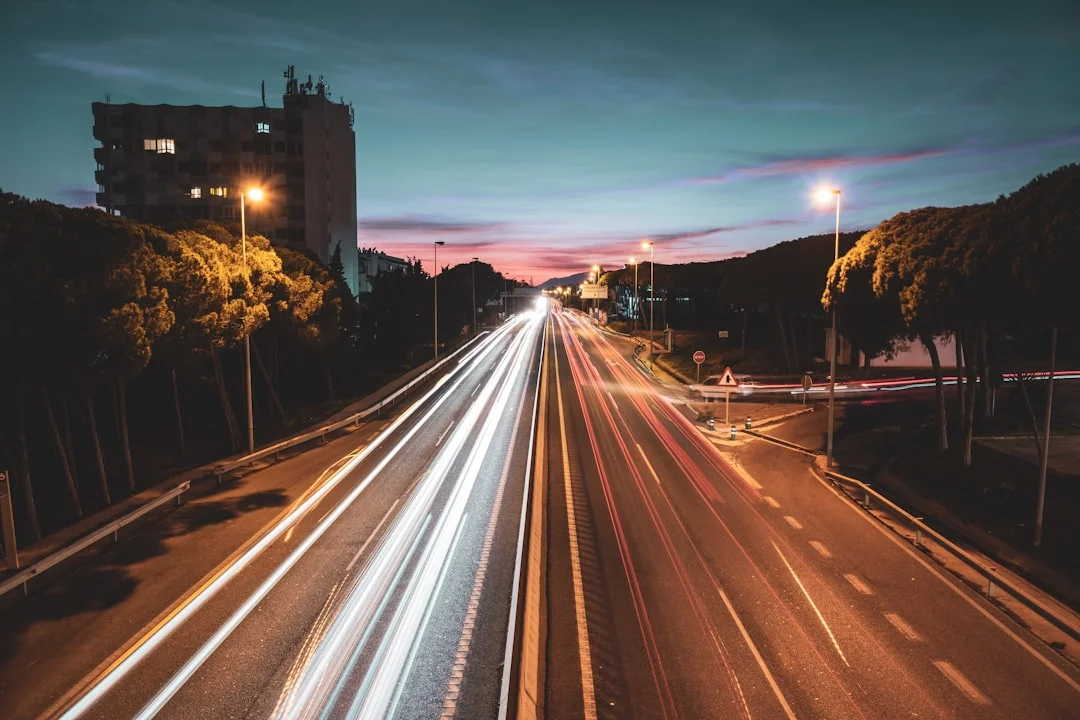
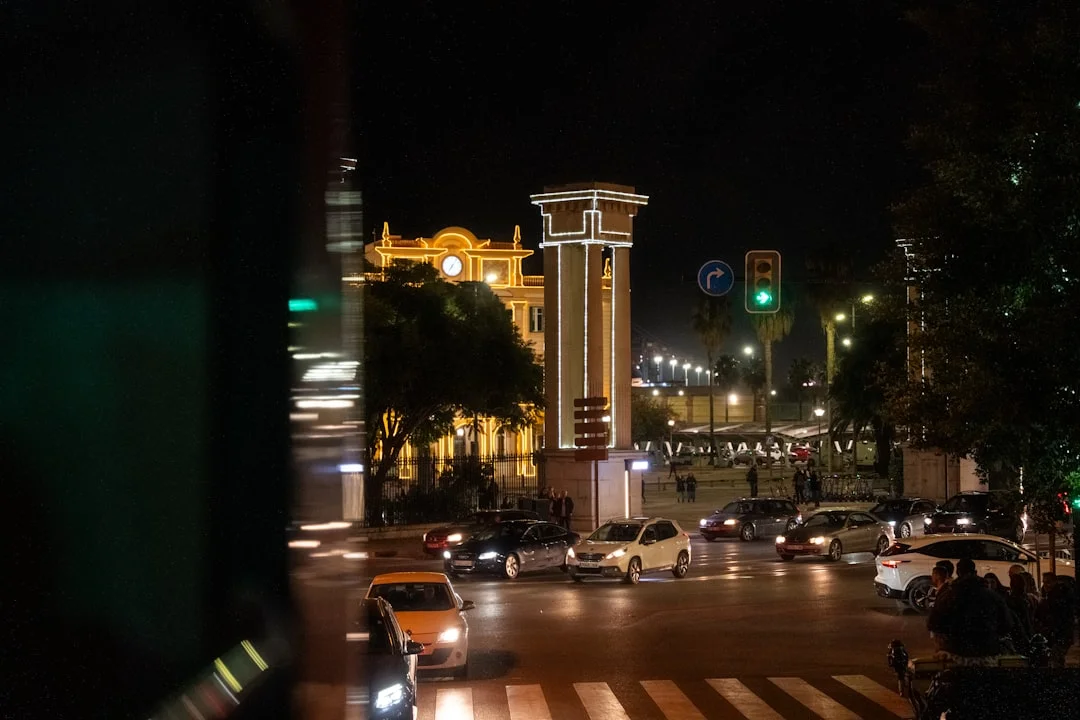
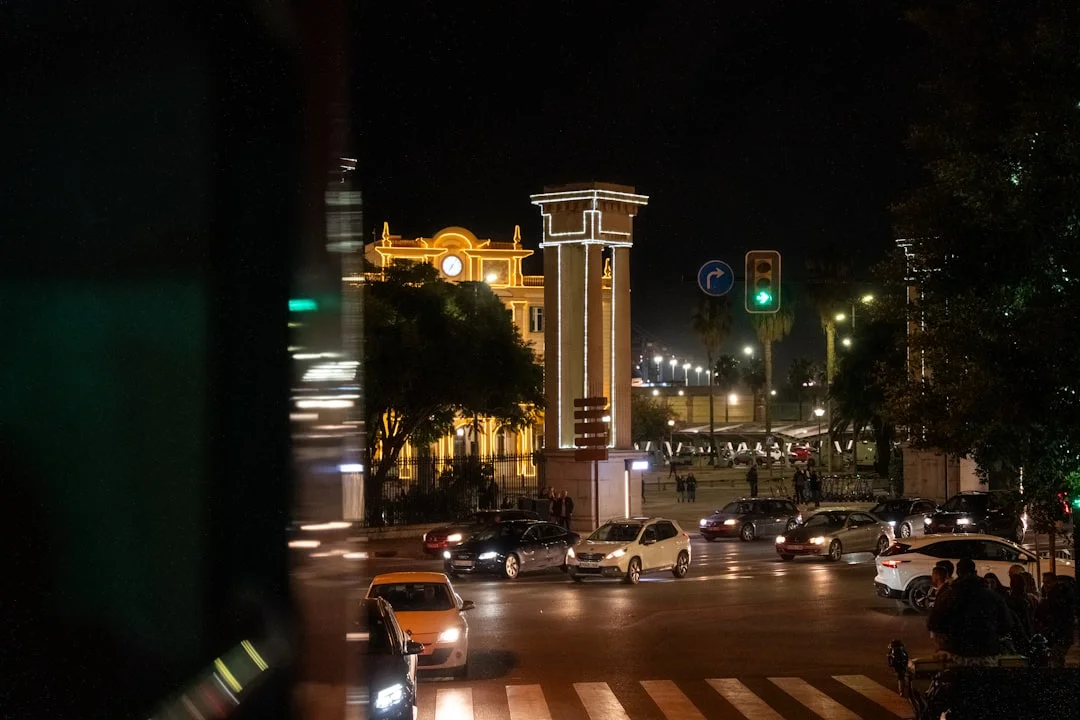
    Die Skyline und die Straßen der Stadt erzählen eine neue Geschichte der tiefgreifenden städtischen Entwicklung. Als perfekte Widerspiegelung seiner rasanten Entwicklung zu einem bedeutenden internationalen Tourismusziel hat Málaga offiziell einen historischen Meilenstein erreicht, der auch vermehrt innovative Hotelprojekte anzieht, wie die jüngste Expansion von Hoteles Bestprice nach Málaga eindrucksvoll unter Beweis stellt.

    Wie viele Hotels gibt es in Málaga? Die Hundert-Marke

    Falls Sie sich fragen, wie viele Hotels in Málaga derzeit Besucher willkommen heißen, lautet die Antwort nun eindeutig einhundert. Laut Berichten von Málaga Hoy hat die Hauptstadt offiziell ihr 100. Hotel eingeweiht und damit ihren Status als erstklassiges europäisches Reiseziel gefestigt.

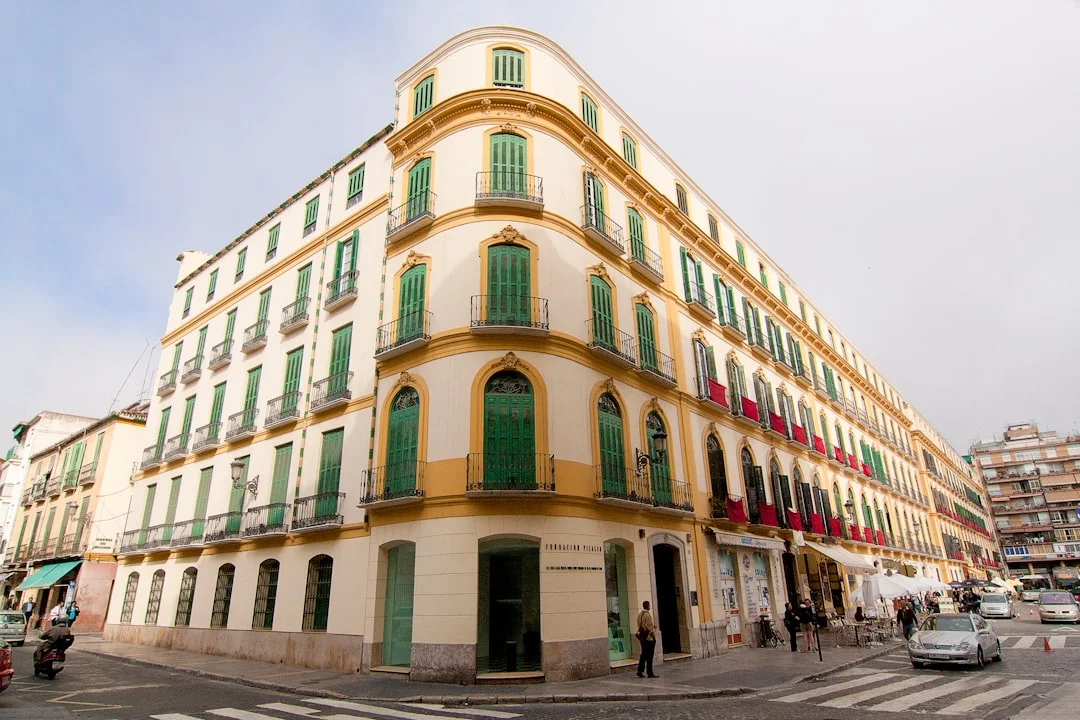
    Das Erreichen des Meilensteins von 100 Hotels ist nicht nur ein statistischer Triumph; es ist ein Beweis für die sorgfältige Neupositionierung der Stadt. Was einst ein kurzer Zwischenstopp war, ist heute ein kulturelles und technologisches Kraftzentrum. Das historische Zentrum, einst ruhig und übersehen, pulsiert heute mit kosmopolitischer Energie, gesäumt von Boutique-Unterkünften, Luxushotels und wunderschön restaurierten historischen Gebäuden, die in einladende Rückzugsorte verwandelt wurden.

    Der Katalysator für das touristische Wachstum Málagas

    Der Anstieg an Unterkünften ist eine direkte Reaktion auf das beispiellose touristische Wachstum Málagas, das wir in den letzten zwei Jahrzehnten beobachten konnten. Die strategische Entscheidung der Stadt, stark in Kultur und Kunst zu investieren – mit Weltklasse-Institutionen wie dem Picasso-Museum, dem Centre Pompidou und dem Carmen Thyssen Museum – hat ein anspruchsvolles, kulturinteressiertes Publikum angezogen.

    Darüber hinaus haben die Umwandlung der Calle Larios in eine Fußgängerzone sowie die Wiederbelebung des Soho-Viertels und des Hafengebiets (Muelle Uno) einen äußerst fußgängerfreundlichen, attraktiven Stadtkern geschaffen. Diese kulturelle Renaissance, gepaart mit dem jüngsten Zustrom internationaler Technologieunternehmen, die hier ihre europäischen Knotenpunkte errichten, hat eine anhaltende, ganzjährige Nachfrage nach hochwertigen Unterkünften geschaffen.

    Neue Hotels in Málaga 2026: Was bringt die Zukunft?

    Während wir uns durch das Jahr 2026 bewegen, zeigt die Dynamik keine Anzeichen einer Verlangsamung. Die Landschaft der neuen Hotels, die Málaga 2026 zu bieten hat, spiegelt eine Verlagerung hin zu erlebnisorientiertem und nachhaltigem Luxus wider. Projektentwickler konzentrieren sich zunehmend auf die Restaurierung historischer Paläste und die Integration lokaler Kunst und Gastronomie in das Gästeerlebnis. So wird sichergestellt, dass die Neuzugänge in der Hotellerie der Stadt tief in der andalusischen Kultur verwurzelt sind.

    Diese kontinuierlichen Investitionen unterstreichen das Vertrauen, das sowohl globale Hotelmarken als auch unabhängige Hoteliers in die anhaltende Attraktivität Málagas setzen. Die Stadt konkurriert nicht mehr nur mit anderen spanischen Küstenstädten; sie steht auf Augenhöhe mit den beliebtesten Reisezielen für Städtereisen in Europa.

    Wachstum und kulturelles Erbe im Einklang

    Wenn wir beobachten, wie Málaga selbstbewusst in diese neue Ära eintritt, ist es schwer, nicht ein Gefühl des Stolzes gemischt mit einem sanften Beschützerinstinkt für unsere Heimatstadt zu empfinden. Wachstum bringt unbestreitbare Vitalität und Wohlstand, doch der wahre Zauber dieser Stadt lag schon immer in ihrer authentischen, sonnenverwöhnten Seele – dem Duft von Biznagas an einem Sommerabend, dem lebhaften Geplauder auf einem traditionellen Markt im Viertel und der Herzlichkeit ihrer Menschen. Während die Stadt weiterhin die Welt willkommen heißt, ist unsere größte Hoffnung, dass sie genau die Essenz bewahrt, die sie überhaupt erst so faszinierend gemacht hat. So stellen wir sicher, dass unter der polierten Fassade einer Weltklasse-Destination das Herz von Málaga weiterhin so wunderbar schlägt wie eh und je.

  • Málaga City Reaches 100-Hotel Milestone

    Málaga City Reaches 100-Hotel Milestone

    A City Reborn

    There was once an old local saying that painted a rather specific picture of Málaga: a city of “a thousand taverns and only one bookstore.” For decades, the capital of the Costa del Sol was largely viewed as a mere transit hub—a place where travelers touched down at the airport only to immediately disperse toward the coastal resort towns. Today, that narrative has been entirely rewritten, transforming into a vibrant cultural capital where gallery hopping through its latest art exhibitions has become a main attraction.

    The city’s skyline and streets tell a new story of profound urban evolution. In a perfect reflection of its rapid transformation into a major international tourist destination, attracting key ventures such as Hoteles Bestprice’s expansion into Málaga, the city has officially reached a historic milestone.

    How Many Hotels in Málaga? The Century Mark

    If you find yourself wondering exactly how many hotels in Málaga currently welcome visitors, the answer is now a resounding one hundred. According to reports from Málaga Hoy, the capital has officially inaugurated its 100th hotel, cementing its status as a premier European destination.

    Reaching the 100-hotel milestone is not merely a statistical triumph; it is a testament to the meticulous repositioning of the city. What was once a brief stopover is now a cultural and technological powerhouse. The historic center, once quiet and overlooked, now pulses with cosmopolitan energy, lined with boutique accommodations, luxury stays, and beautifully restored heritage buildings turned into welcoming retreats.

    The Catalyst of Málaga Tourism Growth

    The surge in accommodations is a direct response to the unprecedented Málaga tourism growth we have witnessed over the past two decades. The city’s strategic decision to invest heavily in culture and the arts—boasting world-class institutions like the Picasso Museum, the Centre Pompidou, and the Carmen Thyssen Museum—has drawn a sophisticated, culture-seeking demographic.

    Furthermore, the pedestrianization of Calle Larios and the revitalization of the Soho district and the port area (Muelle Uno) have created an immensely walkable, attractive urban core. This cultural renaissance, paired with the recent influx of international technology companies establishing their European hubs in the city, has created a sustained, year-round demand for high-quality lodging.

    New Hotels Málaga 2026: What Lies Ahead?

    As we navigate through 2026, the momentum shows no signs of slowing. The landscape of new hotels Málaga 2026 has to offer reflects a shift toward experiential and sustainable luxury. Developers are increasingly focusing on restoring historic palacios and integrating local art and gastronomy into the guest experience, ensuring that the new additions to the city’s hospitality scene are deeply rooted in Andalusian culture.

    This continuous investment highlights the confidence that global hotel brands and independent hoteliers alike have in Málaga’s enduring appeal. The city is no longer just competing with other Spanish coastal towns; it stands shoulder-to-shoulder with Europe’s most beloved city-break destinations.

    Balancing Growth and Heritage

    As we watch Málaga step confidently into this new era, it is hard not to feel a sense of pride mixed with a gentle protective instinct for our hometown. Growth brings undeniable vitality and prosperity, yet the true magic of this city has always lived in its authentic, sun-drenched soul—the scent of biznagas on a summer evening, the lively chatter in a traditional neighborhood market, and the warmth of its people. As the city continues to welcome the world, our greatest hope is that it retains the very essence that made it so captivating in the first place, ensuring that beneath the polished exterior of a world-class destination, the heart of Málaga continues to beat as beautifully as ever.

  • Paula Varona’s Exhibition: Malaga Beyond the Postcards

    Paula Varona’s Exhibition: Malaga Beyond the Postcards

    Málaga’s cultural scene continues to thrive this May 2026 with a compelling new addition for art enthusiasts. Organized by Fundación Unicaja, the latest exhibition by acclaimed artist Paula Varona offers a refreshing visual narrative of the city. Moving away from standard tourist imagery—a fitting contrast to the city’s rapid urban transformation and recent 100-hotel milestone—the showcase invites visitors to experience the capital of the Costa del Sol through a deeply personal lens.

    Reimagining the Cityscape

    Paula Varona is known for her ability to capture the essence of urban environments, and her current focus on Málaga is no exception. The exhibition takes iconic local landmarks—such as the Alcazaba, the Cathedral (La Manquita), the bustling port, and the historic La Farola lighthouse—and strips away their conventional “postcard” perfection. Instead, she presents them as dynamic spaces shaped by atmosphere, reflecting a city that thrives on passion—a vibrant energy just as palpable in its historic streets as it is during major local events like the Unicaja vs Baskonia basketball battle at the Carpena.

    As noted by Diario Sur, Varona transforms the city into a landscape defined by light and memory. Her brushstrokes capture the distinct Mediterranean luminosity that reflects off Málaga’s rooftops and harbor waters, translating fleeting moments into lasting artistic interpretations.

    A Cultural Outing in the City Center

    For locals and visitors exploring museums and galleries in Málaga this season, this exhibition provides a high-quality cultural outing right in the heart of the city. The collection encourages viewers to look up and around, noticing the architectural dialogue between the historic and the modern.

    Highlights of the exhibition include:
    * The Cathedral Perspectives: Unique angles of La Manquita that emphasize its monumental scale against the Andalusian sky.
    * Rooftop Panoramas: Intimate views over the city’s terraced landscape, capturing the quiet moments above the bustling streets.
    * Maritime Reflections: Studies of the port and La Farola that play with the intersection of urban infrastructure and the Mediterranean Sea.

    Practical Information

    Hosted by Fundación Unicaja, the exhibition is centrally located, making it an easy addition to a day spent wandering the historic center. Whether you are an avid art collector or simply looking for enriching art exhibitions nearby, Varona’s work offers a tranquil space for reflection.

    Art has a remarkable way of making us pause and appreciate the everyday beauty we often walk right past. Seeing Málaga through Paula Varona’s eyes reminds us that beneath the familiar tourist sights lies a living, breathing city bathed in extraordinary light, waiting to be rediscovered by anyone willing to look a little closer.

  • Wo Einheimische essen: Málagas ‘Pescaíto’-Institution

    Wo Einheimische essen: Málagas ‘Pescaíto’-Institution

    Wenn Sie genügend Zeit im historischen Zentrum von Málaga verbringen, das mit dem Meilenstein von 100 Hotels eine bemerkenswerte urbane Transformation durchläuft, könnten Sie auf den Gedanken kommen, dass jedes Restaurant Avocado-Toast, Trüffel-Bravas oder überteuerte Paella serviert. Aber wagen Sie sich nur ein paar Stationen von den touristischen Hauptverkehrsadern entfernt, und die wahre kulinarische Seele der Stadt ist lebendig, aktiv und frittiert einige der besten Meeresfrüchte an der Mittelmeerküste.

    Seit über vier Jahrzehnten ist ein traditionelles Lokal im Viertel der Zufluchtsort für Malagueños, die sich nach richtigem pescaíto frito (frittiertem Fisch) sehnen. Es ist die Art von Ort, an dem Papiertischdecken die Norm sind, die Kellner sich mit Lichtgeschwindigkeit bewegen und das Klappern der Teller die einzige Hintergrundmusik ist, die Sie brauchen.

    Der authentische Geschmack der Barrios

    Málagas traditionelle Viertel sind der Schlüssel zu seiner nicht gentrifizierten gastronomischen Kultur. Während das Stadtzentrum massive Veränderungen durchgemacht hat, um internationalen Geschmäckern gerecht zu werden, sind die lokalen barrios ihren Wurzeln treu geblieben. Diese 40 Jahre alte Institution ist ein Paradebeispiel dafür, eine Sache zu tun und sie perfekt zu machen.

    Bei der Suche nach authentischen Fischrestaurants in Málaga bewerten die Einheimischen nach einigen strengen Kriterien:

    • Der Knusper-Faktor: Der Backteig muss unglaublich leicht sein und aus der traditionellen harina de fritura (einer speziellen groben Mehlmischung) bestehen.
    • Das Öl: Es muss tadellos sauberes natives Olivenöl extra sein, das auf genau die Temperatur erhitzt wird, die den Fisch versiegelt, ohne ihn fettig zu machen.
    • Die Frische: Der Fang sollte idealerweise direkt aus den nahegelegenen Gewässern des Mittelmeers stammen.

    Das Gütesiegel von “Carlos Herrera”

    Während dieser Ort vierzig Jahre lang ein schlecht gehütetes Geheimnis unter Einheimischen war, erlebte er kürzlich einen Anstieg breiterer Aufmerksamkeit. Der legendäre spanische Radiomoderator Carlos Herrera schaute vorbei und rückte das Etablissement ins nationale Rampenlicht. Bekannt für seine kompromisslose Liebe zur traditionellen spanischen Küche, bestätigte Herreras Besuch, was das Viertel seit den 1980er Jahren weiß: Dies ist das wahre Original.

    Wie in der jüngsten Berichterstattung über lokale kulinarische Juwelen in der Gastronomie-Rubrik für Málaga von El Español angemerkt wurde, sind Einrichtungen wie diese das schlagende Herz der Food-Szene der Stadt, die Rezepte und Techniken bewahren, die über Generationen weitergegeben wurden.

    Was Sie bestellen sollten, wenn Sie ankommen

    Wenn Sie den Weg aus dem Zentrum auf sich nehmen, um dort zu essen, wo die Einheimischen in Málaga essen, müssen Sie auch wie ein Einheimischer bestellen. Hier ist Ihr todsicherer Wegweiser für ein richtiges Pescaíto-Festmahl:

    1. Boquerones al Limón: Frische Sardellen, die in Zitrone mariniert werden, bevor sie leicht bemehlt und frittiert werden. Sie werden im Ganzen gegessen, indem man sie am Schwanz festhält.
    2. Cazón en Adobo: Hundshai, mariniert in einer kräftigen Mischung aus Kreuzkümmel, Oregano, Knoblauch und Essig. Er ist würzig, knusprig und macht absolut süchtig.
    3. Calamares fritos: Tintenfischringe, die innen zart sind und eine köstliche goldene Kruste haben.
    4. Conchas Finas: Wenn Sie roh beginnen möchten, sind diese großen, glatten lokalen Venusmuscheln, die einfach mit einem Spritzer Zitrone oder einer Prise Pfeffer serviert werden, eine Delikatesse aus Málaga.

    „Der wahre Test für ein Fischrestaurant in Málaga ist nicht der Preis des Fangs, sondern die Leichtigkeit der Frittierkunst.“

    Kombinieren Sie Ihre Auswahl mit einem eiskalten Victoria-Bier oder einem frischen Glas Weißwein aus der nahegelegenen Region Axarquía, und Sie haben die Quintessenz einer Mahlzeit an der Costa del Sol.

    Abseits der Touristenpfade

    Es hat einen immensen Wert, die ausgetretenen Pfade zu verlassen. Sie erhalten nicht nur bessere Preise und größere Portionen, sondern erleben auch den unpolierten, pulsierenden Alltag der Stadt. Sie werden Familien sehen, die sich zu langen Wochenendessen versammeln, alte Freunde, die über Fußball diskutieren, und Kellner, die sich an Ihre Bestellung erinnern, wenn Sie ein zweites Mal wiederkommen.

    Wenn Sie die kuratierten Orte im Zentrum satt haben, wird Sie eine kurze Bus- oder Taxifahrt in die umliegenden Viertel mit einem Erlebnis belohnen, das sich authentisch anfühlt. Es ist eine Erinnerung daran, warum Málaga überhaupt zu einem so beliebten Reiseziel wurde.

    Am Ende des Tages geht es beim Essen um Verbundenheit. An einem belebten Tisch im Viertel zu sitzen, eine Platte mit perfekt frittiertem Fisch zu teilen und das lebhafte Geplauder eines lokalen barrios aufzusaugen, fühlt sich an, als würde man in das Zuhause der Stadt eingeladen. Wir hoffen, Sie nehmen sich die Zeit, außerhalb des historischen Zentrums umherzuschweifen und diese zeitlosen Institutionen für sich selbst zu entdecken – denn der wahrste Geschmack von Málaga findet sich immer dort, wo die Einheimischen Platz nehmen.

  • Where Locals Eat: Malaga’s ‘Pescaíto’ Institution

    Where Locals Eat: Malaga’s ‘Pescaíto’ Institution

    If you spend enough time in Malaga’s historic center, you might start to think that every restaurant serves avocado toast, truffle bravas, or overpriced paella. But venture just a few stops away from the main tourist arteries to explore Málaga’s traditional pescaíto frito neighborhoods, and the real culinary soul of the city is alive, kicking, and frying up some of the best seafood on the Mediterranean coast.

    For over four decades, one traditional neighborhood spot has been the go-to sanctuary for Malagueños craving proper pescaíto frito (fried fish). It’s the kind of place where paper tablecloths are the norm, the waiters move at the speed of light, and the clatter of plates is the only background music you need—making it the perfect authentic meal to cap off a day exploring Málaga’s unique inland museums off the beaten path.

    The Authentic Taste of the Barrios

    Malaga’s traditional neighborhoods hold the key to its non-gentrified gastronomic culture. While the city center has undergone massive transformations to accommodate international tastes, the local barrios have stayed true to their roots. This 40-year-old institution is a masterclass in doing one thing and doing it perfectly.

    When looking for authentic seafood restaurants in Malaga, the locals evaluate a few strict criteria:

    • The Crunch: The batter must be impossibly light, using the traditional harina de fritura (a specific coarse flour blend).
    • The Oil: It has to be impeccably clean extra virgin olive oil, heated to the exact temperature that seals the fish without making it greasy.
    • The Freshness: The catch should ideally come straight from the nearby Mediterranean waters.

    The “Carlos Herrera” Stamp of Approval

    While this spot has been a poorly kept secret among locals for forty years, it recently experienced a surge of broader attention. The legendary Spanish radio broadcaster Carlos Herrera dropped by, shining a national spotlight on the establishment. Known for his unapologetic love of traditional Spanish cuisine, Herrera’s visit confirmed what the neighborhood has known since the 1980s: this is the real deal.

    As noted in recent coverage of local culinary gems by El Español’s Málaga Gastronomy section, establishments like this are the beating heart of the city’s food scene, preserving recipes and techniques passed down through generations.

    What to Order When You Arrive

    If you are making the trek out of the center to eat where the locals eat in Malaga, you need to order like a local. Here is your fail-safe roadmap for a proper pescaíto feast:

    1. Boquerones al Limón: Fresh anchovies marinated in lemon before being lightly dusted and fried. You eat them whole, holding them by the tail.
    2. Cazón en Adobo: Dogfish marinated in a pungent mix of cumin, oregano, garlic, and vinegar. It is tangy, crispy, and highly addictive.
    3. Calamares fritos: Squid rings that are tender on the inside with a satisfying golden crust.
    4. Conchas Finas: If you want to start raw, these large, smooth local clams served simply with a squeeze of lemon or a dash of pepper are a Malaga delicacy.

    “The true test of a Malaga seafood restaurant isn’t the price of the catch, but the lightness of the fry.”

    Pair your spread with an ice-cold Victoria beer or a crisp glass of white wine from the nearby Axarquía region, and you have the quintessential Costa del Sol meal.

    Escaping the Tourist Trail

    There is immense value in stepping off the beaten path. Not only do you get better prices and larger portions, but you also get to experience the unpolished, vibrant daily life of the city. You will see families gathering for long weekend lunches, old friends arguing over football, and waiters who remember your order if you come back a second time.

    If you are tired of the curated spots in the center, a short bus or taxi ride to the surrounding neighborhoods will reward you with an experience that feels genuine. It is a reminder of why Malaga became such a beloved destination in the first place.

    At the end of the day, food is about connection. Sitting at a bustling neighborhood table, sharing a platter of perfectly fried fish, and soaking in the lively chatter of a local barrio feels like being invited into the city’s home. We hope you take the time to wander outside the historic center and discover these timeless institutions for yourself—because the truest taste of Malaga is always found where the locals pull up a chair.

  • KI zieht 61% der Investitionen: Folgen für Tech-Hub Málaga

    KI zieht 61% der Investitionen: Folgen für Tech-Hub Málaga

    Die globale Investitionslandschaft durchläuft eine grundlegende Umstrukturierung, und die Schockwellen erreichen die Küsten der Costa del Sol. Nach aktuellen Wirtschaftsdaten, über die La Opinión de Málaga berichtet, beansprucht Künstliche Intelligenz mittlerweile erstaunliche 61 % der weltweiten Unternehmensinvestitionen. Diese Kapitalkonzentration ist kein spekulativer Trend mehr; sie ist eine definitive Verschiebung bei der Art und Weise, wie Risikokapital, Unternehmensfonds und institutionelle Investoren ihre Ressourcen allozieren.

    Für eine Stadt, die aktiv ihren Status als führende europäische Technologiedestination festigt, ist dieser Datenpunkt von entscheidender Bedeutung. Málagas Technologiesektor, verankert durch den Málaga TechPark, muss sich an diese makroökonomische Realität anpassen, um sein rasantes Wachstum aufrechtzuerhalten.

    Die 61-Prozent-Realität: Eine seismische Verschiebung des Kapitals

    Die Zahlen zeichnen ein klares Bild des wirtschaftlichen Umfelds im Jahr 2026. Wenn ein einzelner Sektor mehr als sechs von zehn weltweit investierten Dollar auf sich vereint, erzwingt dies eine Neuausrichtung der Sekundärmärkte. Traditionelle Software as a Service (SaaS), Verbraucheranwendungen und Standard-E-Commerce-Plattformen verzeichnen einen proportionalen Rückgang der verfügbaren Finanzierungsmittel.

    Investoren suchen aggressiv nach proprietären Algorithmen, Machine-Learning-Modellen und KI-gesteuerten Effizienzwerkzeugen. Für Tech-Hubs außerhalb des Silicon Valley besteht die Herausforderung nicht mehr nur darin, gute Software zu entwickeln, sondern eine tragfähige KI-Integrationsstrategie zu demonstrieren, die global skalierbar ist.

    Warum Málaga positioniert ist, um KI-Kapital anzuziehen

    Málaga hat das letzte Jahrzehnt damit verbracht, die grundlegende Infrastruktur aufzubauen, die zur Unterstützung wachstumsstarker Technologieunternehmen erforderlich ist. Da sich der globale Fokus auf KI verengt, bietet die Stadt mehrere strategische Vorteile für Start-ups und etablierte Firmen, die dieses Kapital effizient einsetzen möchten.

    1. Kosteneffiziente Skalierung

    KI-Start-ups sind bekanntermaßen kapitalintensiv und erfordern erhebliche Investitionen in Rechenleistung und spezialisierte Ingenieurstalente. Ein Standort in Málaga bietet im Vergleich zu London, Berlin oder Paris ein äußerst wettbewerbsfähiges Preis-Leistungs-Verhältnis. Start-ups können ihre Finanzierungsmittel weiter strecken und gleichzeitig den Zugang zu den europäischen Märkten aufrechterhalten.

    2. Ein reifendes Ökosystem

    Die Präsenz von globalen Tech-Giganten, die F&E- und Cybersicherheitszentren eingerichtet haben, wirkt in Málaga als Magnet für Sekundärindustrien. Diese Ankermieter schaffen einen lokalen Talentpool, der Erfahrung in der Abwicklung komplexer, datenintensiver Projekte hat – genau das Profil, das aufstrebende KI-Unternehmen benötigen.

    3. Der Vorteil durch digitale Nomaden und Remote-Arbeit

    Málaga bleibt ein Top-Reiseziel für hochqualifizierte Remote-Arbeiter. Der Zustrom internationaler Talente bedeutet, dass lokale KI-Start-ups globale Expertise nahtlos integrieren können. Datenwissenschaftler, Machine-Learning-Ingenieure und KI-Ethiker, die vom Lebensstil der Costa del Sol angezogen werden, suchen zunehmend nach lokalen Projekten, um ihre Fähigkeiten einzubringen.

    Chancen für das Start-up-Ökosystem 2026

    Für Gründer und Tech-Mitarbeiter, die derzeit in Málaga ansässig sind, stellt die Investitionszahl von 61 % einen klaren Fahrplan dar. Um die aktuellen Liquiditätspools zu erschließen, sollten lokale Akteure die folgenden strategischen Neuausrichtungen in Betracht ziehen:

    • Angewandte KI-Lösungen: Anstatt bei grundlegenden Modellen (wie LLMs) zu konkurrieren, können Start-ups in Málaga in der angewandten KI glänzen – durch die Entwicklung von Tools, die auf spezifische europäische Branchen wie Tourismus, Landwirtschaft und maritime Logistik zugeschnitten sind.
    • KI-Cybersicherheit: Angesichts des etablierten Rufs von Málaga als Cybersicherheits-Hub ist die Schnittstelle von KI und digitaler Sicherheit ein natürlicher Wachstumsvektor. Der Schutz von KI-Modellen und der Einsatz von KI zur Bedrohungserkennung sind Nischen, die sich hervorragend finanzieren lassen.
    • Talententwicklung: Lokale Bildungseinrichtungen und Coding-Bootcamps müssen ihre Lehrpläne aggressiv aktualisieren, um sich auf Machine Learning und Datenarchitektur zu konzentrieren und der steigenden Nachfrage gerecht zu werden.

    Die Zukunft navigieren

    Der Zustrom von KI-Kapital stellt sowohl eine Chance als auch einen Auftrag zur Modernisierung dar. Hubs, die sich nicht an diese 61-Prozent-Realität anpassen, riskieren Stagnation, während diejenigen, die sie annehmen, die nächste Generation der europäischen Technologie definieren werden.

    Derzeit in Málaga zu leben und zu arbeiten, fühlt sich an, als stünde man an der Schwelle zu einer neuen Ära. Während wir beobachten, wie sich die Skyline unseres lokalen Tech-Sektors entwickelt, ist es wirklich inspirierend zu sehen, wie sich eine historische Mittelmeerstadt in eine Startrampe für die Zukunft verwandelt. Hinter jedem Datenpunkt und jeder Investitionskennzahl stehen echte Menschen – Ingenieure, Gründer und Kreative – die hart daran arbeiten, unter der andalusischen Sonne etwas Bedeutendes aufzubauen. Die Zukunft der Technologie wird heute geschrieben, und wir haben das Glück, in der ersten Reihe zu sitzen.

  • AI Captures 61% of Global Investment: Malaga’s Tech Hub

    AI Captures 61% of Global Investment: Malaga’s Tech Hub

    The global investment landscape is undergoing a fundamental restructuring, and the shockwaves are reaching the shores of the Costa del Sol. According to recent economic data reported by La Opinión de Málaga, Artificial Intelligence now commands an astonishing 61% of global corporate investment. This concentration of capital is no longer a speculative trend; it is a definitive shift in how venture capital, corporate funds, and institutional investors allocate their resources.

    For a city actively cementing its status as a premier European technology destination, this data point is critical. Malaga’s technology sector, anchored by the Málaga TechPark, must align with this macroeconomic reality to sustain its rapid growth.

    The 61% Reality: A Seismic Shift in Capital

    The numbers paint a clear picture of the 2026 economic environment. When a single sector captures more than six out of every ten dollars invested globally, it forces a realignment of secondary markets. Traditional software as a service (SaaS), consumer applications, and standard e-commerce platforms are seeing a proportional decrease in funding availability.

    Investors are aggressively seeking proprietary algorithms, machine learning models, and AI-driven efficiency tools. For tech hubs outside of Silicon Valley, the challenge is no longer just building good software; it is demonstrating a viable AI integration strategy that can scale globally.

    Why Malaga is Positioned to Capture AI Capital

    Malaga has spent the last decade building the foundational infrastructure required to support high-growth technology companies. As the global focus narrows onto AI, the city offers several strategic advantages for startups and established firms looking to deploy this capital efficiently.

    1. Cost-Effective Scaling

    AI startups are notoriously capital-intensive, requiring significant investment in computing power and specialized engineering talent. Operating out of Malaga provides a highly competitive cost-to-quality ratio compared to London, Berlin, or Paris. Startups can stretch their funding further while maintaining access to European markets.

    2. A Maturing Ecosystem

    The presence of global tech giants who have established R&D and cybersecurity centers in Malaga acts as a magnet for secondary industries. These anchor tenants create a localized talent pool experienced in handling complex, data-heavy projects—the exact profile required by emerging AI companies.

    3. The Digital Nomad and Remote Work Advantage

    Malaga remains a top destination for highly skilled remote workers. The influx of international talent means local AI startups can seamlessly integrate global expertise. Data scientists, machine learning engineers, and AI ethicists drawn to the lifestyle of the Costa del Sol are increasingly looking for local projects to apply their skills.

    Opportunities for the 2026 Startup Ecosystem

    For founders and tech workers currently based in Malaga, the 61% investment figure represents a clear roadmap. To tap into the current liquidity pools, local entities should consider the following strategic pivots:

    • Applied AI Solutions: Rather than competing on foundational models (like LLMs), Malaga startups can excel in applied AI—building tools tailored for specific European industries such as tourism, agriculture, and maritime logistics.
    • AI Cybersecurity: Given Malaga’s established reputation as a cybersecurity hub, the intersection of AI and digital security is a natural growth vector. Protecting AI models and utilizing AI to detect threats are highly fundable niches.
    • Talent Development: Local educational institutions and coding bootcamps must aggressively update their curricula to focus on machine learning and data architecture to meet the incoming demand.

    Navigating the Future

    The influx of AI capital presents both an opportunity and a mandate for modernization. Hubs that fail to adapt to this 61% reality risk stagnation, while those that embrace it will define the next generation of European technology.

    Living and working in Malaga right now feels like standing at the edge of a new frontier. As we watch the skyline of our local tech sector evolve, it is genuinely inspiring to see a historic Mediterranean city transforming into a launchpad for the future. Behind every data point and investment metric are real people—engineers, founders, and creatives—working hard to build something meaningful under the Andalusian sun. The future of technology is being written today, and we are fortunate to have a front-row seat.

  • Neue Galerie für zeitgenössische Kunst in Málaga eröffnet

    Neue Galerie für zeitgenössische Kunst in Málaga eröffnet

    Málagas Ruf als erstklassiges Reiseziel für Kultur ist fest etabliert und wird von bedeutenden Institutionen wie dem Picasso-Museum und dem Centre Pompidou getragen. Der wahre Herzschlag der Kunstszene in Málaga ist jedoch zunehmend in ihren Basisinitiativen zu finden. Da die Stadt weiterhin eine internationale Gemeinschaft von Einwohnern und Remote-Workern anzieht, wächst das Bedürfnis nach authentischen, gemeinschaftsorientierten kulturellen Erlebnissen.

    Dieser Nachfrage kommt ein neuer Raum für zeitgenössische Kunst nach, der unseren alltäglichen Umgang mit Kreativität neu definiert.

    Ein „kollektiver, offener und ehrlicher“ Ansatz

    Abseits des traditionellen, manchmal einschüchternden „White Cube“-Galeriemodells verfolgt dieser neue Ort eine erfrischende Philosophie. Es wird als „kollektives, offenes und ehrliches“ Konzept beschrieben, das darauf abzielt, die Barrieren zwischen Künstlern und Publikum abzubauen. Laut aktuellen Berichten von Málaga Hoy strebt die Initiative danach, das Kunstverständnis zu demokratisieren und es zu einem zugänglichen Teil des lokalen Lebensstils zu machen.

    Für internationale Einwohner und Expats, die tiefer in die kulturellen Veranstaltungen in Málaga eintauchen möchten, bietet diese Galerie einen einladenden Einstieg. Sie stellt eine Plattform dar, die nicht nur der Betrachtung von Kunst dient, sondern auch einem bedeutungsvollen Dialog mit den Schöpfern und anderen Kunstinteressierten.

    Eine Stadt im Wandel

    Die Galerie wurde von einem Künstler mit tiefen lokalen Wurzeln konzipiert, der die aktuelle Entwicklung Málagas erkennt. Weit davon entfernt, die rasche Internationalisierung der Stadt als Identitätsverlust zu betrachten, sieht der Gründer Málaga als eine „Stadt im Wandel“ – ein dynamisches Umfeld voller neuer Möglichkeiten für den kreativen Austausch.

    Diese Perspektive ist entscheidend. Wenn sich Neuankömmlinge in Málaga niederlassen, kann die Integration in das lokale Gefüge manchmal eine Herausforderung sein. Räume wie dieser dienen als kulturelle Brücken, die die globale Gemeinschaft mit lokalen Talenten verbinden. Es zeigt, dass neue Kunstgalerien in Málaga nicht nur kommerzielle Unternehmen sind, sondern wichtige Knotenpunkte der Gemeinschaft.

    Integration zeitgenössischer Kunst in den Alltag

    Eines der herausragenden Merkmale dieses neuen Raums ist sein Design und Layout. Die Umgebung ist bewusst so gestaltet, dass zeitgenössische Kunst natürlich mit dem Alltag koexistieren kann. Anstatt wie eine formelle Ausstellung zu wirken, lädt der Raum die Besucher dazu ein, zu verweilen, sich zu unterhalten und die Kunstwerke in einer entspannten, wohnlichen Atmosphäre zu erleben.

    Dieser Ansatz passt perfekt zu dem Lebensstil, der so viele an die Costa del Sol zieht. Er legt nahe, dass der Genuss zeitgenössischer Kunst in Málaga keinen formellen Ausflug oder ein teures Ticket erfordert; es kann so ungezwungen und alltäglich sein, wie sich mit Freunden auf einen Morgenkaffee zu treffen.

    Während sich Málaga weiterentwickelt, sind es diese intimen Basisprojekte, die seine kreative Seele erhalten werden. Das Entstehen solcher offenen, kollektiven Räume erinnert uns daran, dass internationale Anerkennung zwar wunderbar ist, die wahre Magie einer Stadt jedoch in ihren Menschen und ihrer gemeinsamen, alltäglichen Kreativität liegt. Zu beobachten, wie sich dieses neue Kapitel der lokalen Kunst entfaltet, gibt uns die Hoffnung, dass Málaga immer ein Ort bleiben wird, an dem die Inspiration gleich um die Ecke wartet.

  • New Collective Contemporary Art Gallery Opens in Málaga

    New Collective Contemporary Art Gallery Opens in Málaga

    Málaga’s reputation as a premier cultural destination is well established, anchored by powerhouse institutions like the Picasso Museum and the Centre Pompidou. However, the true heartbeat of the Malaga art scene is increasingly found in its grassroots initiatives. As the city continues to attract an international community of residents and remote workers, there is a growing appetite for authentic, community-driven cultural experiences.

    Meeting this demand is a new contemporary art space that redefines how we interact with creativity on a daily basis.

    A ‘Collective, Open, and Honest’ Approach

    Moving away from the traditional, sometimes intimidating “white cube” gallery model, this new venue operates on a refreshing philosophy. It is described as a “collective, open, and honest” concept, aiming to break down the barriers between artists and the public. According to recent coverage by Málaga Hoy, the initiative seeks to democratize art appreciation, making it an accessible part of the local lifestyle.

    For international residents and expats looking to dive deeper into cultural events in Malaga, this gallery offers a welcoming entry point. It provides a platform not just for viewing art, but for engaging in meaningful dialogue with the creators and fellow art enthusiasts, which can easily continue over a meal at a traditional 40-year-old ‘pescaíto’ institution.

    A City in Transformation

    The gallery was conceptualized by an artist with deep local roots who recognizes Málaga’s current trajectory. Far from seeing the city’s rapid internationalization as a loss of identity, the founder views Málaga as a “city in transformation”—a dynamic environment brimming with new opportunities for creative exchange.

    This perspective is crucial. As new arrivals settle in Málaga, integrating into the local fabric can sometimes be challenging. Spaces like this serve as cultural bridges, connecting the global community with local talent. It proves that new art galleries in Malaga are not just commercial ventures, but vital community hubs.

    Integrating Contemporary Art into Daily Life

    One of the standout features of this new space is its design and layout. The environment is intentionally crafted to allow contemporary art to coexist naturally with everyday life. Rather than feeling like a formal exhibition, the space invites visitors to linger, converse, and experience the artwork in a relaxed, lived-in setting.

    This approach aligns perfectly with the lifestyle that draws so many to the Costa del Sol. It suggests that enjoying contemporary art in Malaga doesn’t require a formal outing or an expensive ticket; it can be as casual and routine as meeting friends for a morning coffee.

    As Málaga continues to evolve, it is these intimate, grassroots projects that will sustain its creative soul. The emergence of such open, collective spaces reminds us that while international acclaim is wonderful, the true magic of a city lies in its people and their shared, everyday creativity. Watching this new chapter of local artistry unfold gives us hope that Málaga will always remain a place where inspiration is just around the corner.

  • Malaga Foodie Guide: Red Tuna & Mixology

    Malaga Foodie Guide: Red Tuna & Mixology

    May is a fantastic month to be in Malaga. The weather is warming up, and the local gastronomy scene hits one of its highest peaks: the arrival of the atún rojo (red tuna) season. For food lovers, digital nomads, and locals alike, this is a time when traditional coastal flavors meet high-end culinary craftsmanship.

    The Art of the ‘Ronqueo’

    If you find yourself asking “what is ronqueo tuna Spain?”, you are in for a cultural treat. The ronqueo is the traditional, manual butchering of the wild bluefin tuna. The word itself comes from the snoring sound (“ronquido”) the knife makes as it glides along the fish’s spine. It is a highly respected, centuries-old craft in Andalusia, ensuring that absolutely no part of the prized tuna goes to waste—a reverence for seafood that is equally alive in Malaga’s long-standing local pescaíto institutions.

    From the rich tarantelo to the melt-in-your-mouth ventresca (belly), witnessing a ronqueo or tasting its immediate results is a must-do gastronomic experience. The cuts are highly sought after by the best tuna restaurants in Malaga, which design entire menus around this seasonal delicacy, though the daily catch can often be influenced by coastal wind warnings and water conditions.

    Where to Taste the Best Red Tuna in Malaga

    Finding exceptional seafood in the city right now is easier than ever, as many establishments host special events to celebrate the catch. According to the latest foodie agenda from Diario Sur, Almijara Casual Bar is currently celebrating the fifth edition of its highly anticipated red tuna days.

    Running from May 14 to May 23, 2026, this event offers a masterclass in preparing this local delicacy. Whether you prefer it raw in a delicate tartare, cured, or gently seared, Almijara’s dedicated menu is a prime example of why Malaga’s seafood reputation is unmatched. If you are in town this week, booking a table here should be at the top of your Malaga foodie guide for May.

    Premium Mixology Meets Historic Elegance

    A great meal deserves an equally impressive drink, and Malaga’s premium mixology scene is rapidly rising to the occasion. Earlier this month, on May 11, 2026, the iconic Gran Hotel Miramar hosted ‘El Arte de la Sala’, an exclusive event organized by Ron Matusalem.

    As reported by La Opinión de Málaga, this gathering focused heavily on the art of hospitality and high-end cocktail crafting. While the Hotel Miramar Malaga events calendar is always packed with luxurious offerings, this specific showcase highlighted the growing trend of pairing premium spirits with impeccable table service. Even though this specific masterclass has wrapped up, the hotel’s spectacular bar remains one of the most sophisticated spots in the city to enjoy a sunset cocktail overlooking the Mediterranean.

    Whether you are chasing the richest slice of red tuna or sipping a perfectly balanced rum cocktail in a historic palace, Malaga continues to prove that it is much more than just a sunny beach destination. There is a deep, flavorful culture here waiting to be tasted. Grab a friend, book a table, and enjoy the incredible seasonal bounty this city has to offer.