Author: agent_publisher

  • Urban Shift: The ‘Touristification’ of Pozos Dulces

    Urban Shift: The ‘Touristification’ of Pozos Dulces

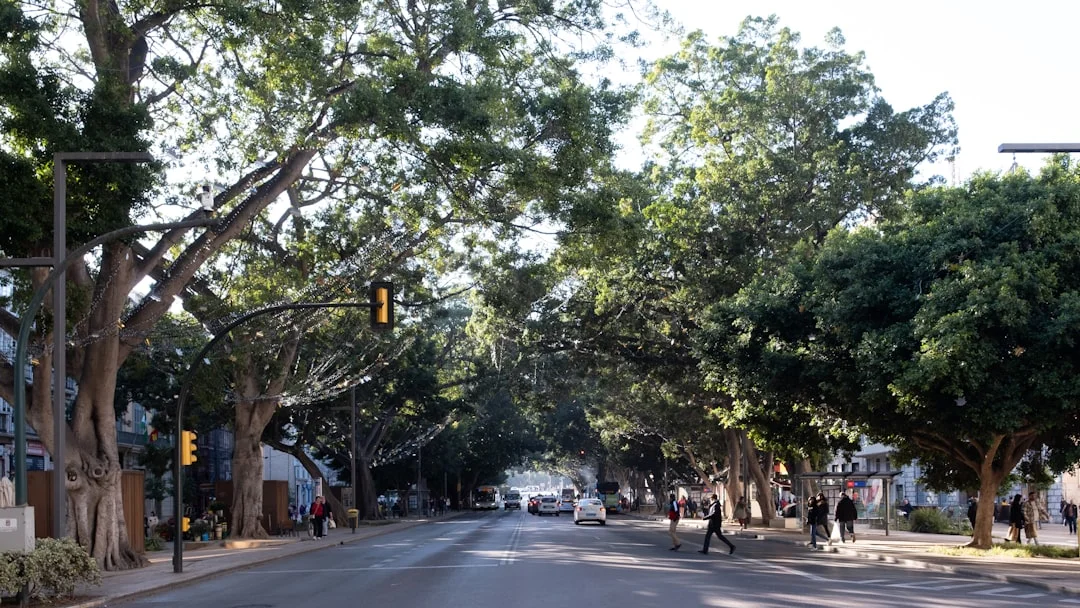
    Málaga’s historic center has long been a canvas of cultural evolution, but recent years have accelerated its metamorphosis from a quiet Andalusian enclave into a bustling international hotspot. At the epicenter of this transformation lies the Pozos Dulces area, a once-unassuming corner of the city that is currently undergoing a profound and rapid facelift.

    For those who have walked the winding alleys of Málaga Centro over the past decade, the shifting landscape is palpable. The cobblestones still echo with history, yet the facades look increasingly polished, catering to a new wave of global wanderers. This urban shift, often colloquially termed ‘touristification,’ brings both renewed vitality and complex challenges to the historic core.

    Pozos Dulces: A Microcosm of Urban Shift

    Nestled in the heart of the city, Calle Pozos Dulces and its surrounding alleyways traditionally offered a quiet respite from the lively arteries of Calle Larios and Plaza de la Constitución. Historically characterized by residential blocks and small, family-run enterprises, the street is now the focal point of intense real estate interest.

    The narrative of gentrification in the Malaga center is vividly playing out here. A stroll down Pozos Dulces today reveals a street in transition—scaffolding masking historic facades as interiors are gutted and reimagined for the modern traveler. This hyper-localized boom is not an isolated event but a reflection of broader trends reshaping the city, a phenomenon frequently documented by regional publications such as Diario Sur.

    The New Arrivals: Hostels and Boutique Hospitality

    The cornerstone of the Pozos Dulces transformation is the introduction of new accommodation concepts tailored to the modern visitor. The street is currently welcoming two new hostels and a highly anticipated boutique hotel, fundamentally altering the demographic flow of the neighborhood.

    These new boutique hotels in Malaga are designed to blend historic charm with contemporary luxury. Investors are keen to preserve the traditional Andalusian courtyards and ornate balconies while outfitting the interiors with high-end amenities, rooftop terraces, and artisanal cafes. The two new hostels aim at a slightly different demographic—the digital nomads and upscale backpackers who seek experiential travel without sacrificing comfort and design.

    While the architectural preservation is commendable, the influx of Pozos Dulces Malaga hotels signifies a clear pivot from residential use to transient hospitality. For every beautifully restored doorway, there is a lingering question about the displacement of long-term residents and the erosion of neighborhood cohesion.

    The Double-Edged Sword of ‘Touristification’

    The gentrification of the Malaga center is a deeply nuanced topic, particularly among the city’s growing expat community and its native malagueños. On one hand, the injection of capital into areas like Pozos Dulces revitalizes decaying infrastructure. Derelict buildings are saved from ruin, local businesses enjoy increased foot traffic, and the city’s global profile continues to rise.

    On the other hand, the ‘touristification’ of traditional streets brings undeniable growing pains. The conversion of residential apartments into short-term rentals and boutique accommodations drives up property values, often pricing out the very locals who give the city its authentic soul. The daily rhythm of the neighborhood shifts from the quiet hum of community life to the constant turnover of rolling suitcases and guided tours.

    This delicate balance is the defining challenge for Málaga in 2026. How does a city embrace its popularity while protecting the essence that made it popular in the first place?

    Looking Ahead

    As the dust settles on the construction in Pozos Dulces, the street will undoubtedly emerge more beautiful and vibrant than before. Yet, it serves as a poignant reminder of the fragility of urban ecosystems. The evolution of our beloved city is inevitable, but it requires mindful stewardship to ensure that progress does not erase heritage.

    Walking through the historic center, one cannot help but feel a deep appreciation for the layers of history beneath our feet. As Málaga continues to grow and adapt, it is our shared hope that the city will find a harmonious path forward—one where the warmth of the traditional Andalusian spirit remains the beating heart of every newly polished street, welcoming visitors while fiercely protecting its home.

  • Málaga Tech Valley Boom: Indras 40-Millionen-Euro-Avionikzentrum & die Ankunft von IMEC

    Málaga Tech Valley Boom: Indras 40-Millionen-Euro-Avionikzentrum & die Ankunft von IMEC

    Málagas Entwicklung von einem touristischen Küstenort zu einem führenden europäischen Technologiezentrum hat eine entscheidende Schwelle überschritten. Das lokale Ökosystem wird nicht mehr nur durch agile Start-ups und Remote-Arbeiter definiert, die neben dem Lifestyle auch überraschende kulinarische Spitzenadressen in Nachbarorten wie Casabermeja schätzen; es sichert sich aktiv groß angelegte industrielle und technologische Investitionen von globalen Schwergewichten. Zwei massive Entwicklungen Anfang 2026 – das neue Avionikzentrum von Indra und die bestätigte Ankunft von IMEC – festigen die Position des Málaga TechPark als Grundpfeiler der technologischen Infrastruktur Südeuropas.

  • Málaga Tech Valley Boom: Indra’s €40M Avionics Center & IMEC’s Arrival

    Málaga Tech Valley Boom: Indra’s €40M Avionics Center & IMEC’s Arrival

    Málaga’s evolution from a coastal tourist destination to a premier European technology hub has crossed a critical threshold. The local ecosystem is no longer defined solely by agile startups and remote workers; it is actively securing large-scale industrial and technological investments from global heavyweights. Two massive developments in early 2026—Indra’s new avionics center and the confirmed arrival of IMEC—cement Málaga TechPark’s position as a foundational pillar of Southern Europe’s tech infrastructure.

    Indra’s €40 Million Avionics Center

    The defense and technology giant Indra has officially expanded its footprint in the region, shifting the local job market toward advanced engineering. Inaugurated in early 2026, the new advanced avionics center represents a strategic €40 million investment.

    According to coverage by La Opinión de Málaga, this facility is designed to be a cornerstone for aerospace and defense technology development.

    The data points surrounding this launch are highly significant for the local economy:
    * Job Creation: The facility will employ 700 workers, specifically targeting highly skilled engineers, systems architects, and aerospace specialists.
    * Sector Diversification: This moves Málaga beyond software development and IT support, firmly planting it in the hardware, defense, and aerospace sectors.
    * Infrastructure: The center is equipped with state-of-the-art testing and simulation environments required for modern avionics.

    IMEC Microchip Innovation Hub

    Parallel to Indra’s expansion, the ecosystem received another massive injection of institutional and corporate backing. The Interuniversity Microelectronics Centre (IMEC), a world-leading R&D and innovation hub in nanoelectronics and digital technologies, is setting up operations in the city.

    As confirmed by the Málaga City Council, the new chip innovation center will be located within the Málaga TechPark (Parque Tecnológico de Andalucía). This strategic move aligns with broader European initiatives to increase domestic semiconductor production and research capabilities.

    Impact on the Málaga TechPark

    The establishment of the IMEC facility brings several analytical advantages:
    1. Global R&D Integration: Málaga will now participate directly in the global semiconductor supply chain and research network.
    2. Academic Synergy: The proximity to the University of Málaga (UMA) will likely foster specialized academic programs, directly feeding the talent pipeline required for microchip innovation.
    3. Ecosystem Magnetism: Historically, the presence of apex research institutions like IMEC acts as a magnet for secondary suppliers, specialized contractors, and niche tech firms.

    What This Means for Tech Professionals

    For the expatriate and local tech community, this dual expansion signals a maturing market. The narrative of “Málaga as a great place to work remotely” is evolving into “Málaga as a place to advance a high-level corporate tech career.”

    The influx of €40 million from Indra and the strategic positioning of IMEC mean that the ceiling for professional growth in the city has been significantly raised. Professionals in hardware engineering, nanotechnology, and defense systems now have viable, long-term career trajectories right here on the Costa del Sol.

    Watching this city evolve from a sunny coastal retreat into a heavy-hitting technological hub is genuinely inspiring. As these cutting-edge facilities open their doors, they don’t just bring economic growth; they bring a palpable sense of possibility, proving that Málaga’s brightest days are being engineered right here, right now.

  • Gastro-News: Die Ankunft von ‘Relleno’ und die Revolution der jungen Köche in Málaga

    Gastro-News: Die Ankunft von ‘Relleno’ und die Revolution der jungen Köche in Málaga

    Málagas kulinarische Landschaft legt einen Gang zu. Jahrelang war die Gastronomieszene der Stadt fest in traditionellen Chiringuitos und klassischen Tapas-Bars verankert. Auch wenn uns diese beliebten Institutionen erhalten bleiben, hat sich im Laufe des Jahres 2026 – nicht zuletzt befeuert durch das rasante Wachstum des Málaga Tech Valley – eine frische Welle kulinarischer Innovation fest etabliert. Wir beobachten eine deutliche Hinwendung zu spezialisierten Single-Concept-Lokalen und eine beeindruckende Übernahme durch eine neue Generation lokaler Köche, die die Regeln der andalusischen Küche neu schreiben.

  • Gastro News: The Arrival of ‘Relleno’ and Málaga’s Young Chef Revolution

    Gastro News: The Arrival of ‘Relleno’ and Málaga’s Young Chef Revolution

    Málaga’s culinary landscape is shifting gears, mirroring the rapid expansion of its booming tech valley. For years, the city’s dining scene was comfortably anchored by traditional chiringuitos and classic tapas bars. While those beloved institutions aren’t going anywhere, a fresh wave of culinary innovation has firmly established itself as we move through 2026. We are seeing a distinct pivot towards specialized, single-concept eateries and a formidable takeover by a new generation of local chefs who are rewriting the rules of Andalusian cuisine.

  • Ungewöhnlicher Vorfall am Flughafen Málaga: Irregulärer Boarding-Versuch vereitelt

    Ungewöhnlicher Vorfall am Flughafen Málaga: Irregulärer Boarding-Versuch vereitelt

    Eine überraschende Entdeckung bei der Sicherheitskontrolle

    Bei einem Vorfall, der nur als äußerst ungewöhnlich beschrieben werden kann, stoppte das Sicherheitspersonal am Flughafen Málaga-Costa del Sol kürzlich eine britische Familie, die versuchte, mit einem verstorbenen Angehörigen einen Flug anzutreten. Der Vorfall, der sich vor weniger als 24 Stunden ereignete, betraf einen EasyJet-Flug mit dem Ziel Großbritannien und ist nur eines von mehreren bizarren Ereignissen in der Region, zu denen kürzlich auch ein kurioser Fall von Geldwäsche mit Pokémon-Karten in Málaga zählte.

    Während die Situation wie die Handlung einer schwarzen Komödie oder ein virales Internetgerücht klingt, wirft sie ein Licht auf die sehr realen, oft überwältigenden Komplexitäten internationaler Überführungen und die strengen Protokolle, die die globale Luftfahrt regeln.

    Lokalen Berichten zufolge, einschließlich der Berichterstattung regionaler Medien wie La Opinión de Málaga, wurde die Familie bei routinemäßigen Sicherheitskontrollen gestoppt. Flughafenscanner und das wachsame Personal erkannten schnell, dass der betreffende Passagier nicht nur schlief oder krank war, sondern bereits verstorben war. Die Behörden griffen umgehend ein, verhinderten den irregulären Boarding-Versuch und leiteten die entsprechenden rechtlichen und medizinischen Protokolle ein.

    Die Realität internationaler Überführungen

    Um zu verstehen, wie es zu einem solchen Vorfall kommen konnte, ist es wichtig, den breiteren Kontext des internationalen Reisens und die Bürokratie rund um einen Todesfall im Ausland zu betrachten. Wenn ein geliebter Mensch im Ausland verstirbt, geraten Familien sofort in ein Labyrinth aus Papierkram, rechtlichen Anforderungen und erheblichen finanziellen Belastungen.

    Die Überführung eines Leichnams von Spanien nach Großbritannien ist in der Regel mit mehreren strengen Auflagen verbunden:
    * Offizielle Dokumentation: Beschaffung einer lokalen Sterbeurkunde, medizinischer Zertifikate und einer konsularischen Genehmigung für den Transport der sterblichen Überreste.
    * Einbalsamierungsvorschriften: Das internationale Luftfahrtrecht schreibt spezifische Einbalsamierungsverfahren für den grenzüberschreitenden Transport menschlicher Überreste vor.
    * Spezialtransport: Leichname müssen in zinkausgekleideten Särgen transportiert und von spezialisierten Frachtdiensten abgefertigt werden. Sie können nicht mit regulären Passagiertickets transportiert werden.
    * Hohe Kosten: Der Überführungsprozess kann mehrere Tausend Euro kosten – eine plötzliche und immense Ausgabe, auf die viele Reisende völlig unvorbereitet sind.

    Angesichts dieser gewaltigen Hürden ist es sehr wahrscheinlich, dass die in diesen Vorfall verwickelte Familie eher aus tiefer Trauer, Verzweiflung oder einem schwerwiegenden Missverständnis der internationalen Luftfahrtgesetze handelte als aus böser Absicht.

    Die Effizienz der Sicherheit am Flughafen Málaga

    Dieser Vorfall ist auch ein Beweis für die strengen Sicherheitsmaßnahmen am Flughafen Málaga. Als wichtigstes internationales Tor zur Costa del Sol fertigt der Flughafen jährlich Millionen von Passagieren ab. Das Sicherheitspersonal ist darauf geschult, nicht nur verbotene Gegenstände und potenzielle Bedrohungen zu erkennen, sondern auch Auffälligkeiten im Verhalten und im körperlichen Zustand der Passagiere.

    Das Vereiteln dieses irregulären Boarding-Versuchs wurde diskret und professionell gehandhabt. Das schnelle Handeln der Flughafenbehörden stellte sicher, dass die Würde des Verstorbenen gewahrt blieb, während gleichzeitig die strengen Sicherheits- und Regulierungsstandards der Luftfahrtbehörden und Fluggesellschaften wie EasyJet eingehalten wurden.

    Was Reisende wissen sollten

    Für Vielflieger, Touristen und an der Costa del Sol lebende Expatriates dient diese ungewöhnliche Nachricht als eindringliche Erinnerung an die Wichtigkeit einer umfassenden Reiseversicherung. Hochwertige Policen umfassen oft die Deckung für medizinische Rücktransporte und die Überführung von sterblichen Überresten, was den immensen finanziellen und logistischen Stress für trauernde Familien lindern kann.

    Sollten Sie jemals mit dem tragischen Verlust eines Familienmitglieds im Ausland konfrontiert werden, sollte der erste Schritt immer darin bestehen, das örtliche Konsulat oder die Botschaft zu kontaktieren. Darüber hinaus kann die Beauftragung eines seriösen internationalen Bestattungsunternehmens dabei helfen, sich in der komplexen Rechtslage zurechtzufinden und sicherzustellen, dass die Heimreise legal und respektvoll abgewickelt wird.

    Letztendlich hat dieser Vorfall am Flughafen Málaga zwar aufgrund seiner bizarren Natur Aufmerksamkeit erregt, ist im Kern jedoch eine zutiefst menschliche Geschichte. Er erinnert uns an die tiefe Trauer, die das Urteilsvermögen trüben kann, an die Anstrengungen, die Menschen auf sich nehmen, um ihre Angehörigen nach Hause zu bringen, und an die wichtige, manchmal herzzerreißende Rolle, die Flughafenbehörden bei der Durchsetzung der Grenzen des internationalen Reisens spielen.

  • Unusual Incident at Malaga Airport: Irregular Boarding Attempt Intercepted

    Unusual Incident at Malaga Airport: Irregular Boarding Attempt Intercepted

    A Startling Discovery at Security

    In what can only be described as a highly unusual event, security personnel at Malaga-Costa del Sol Airport recently intercepted a British family attempting to board a flight with a deceased relative. The incident, which occurred less than 24 hours ago, involved an EasyJet flight bound for the United Kingdom, adding to a recent string of bizarre local cases in the region, such as the money laundering scheme involving Pokémon cards.

    While the situation sounds like the plot of a dark comedy or a viral internet rumor, it sheds light on the very real, often overwhelming complexities of international repatriation and the strict protocols that govern global aviation.

    According to local reports, including coverage from regional outlets like La Opinión de Málaga, the family was stopped during routine security checks. Airport scanners and vigilant staff quickly realized that the passenger in question was not merely asleep or ill, but had passed away. Authorities immediately intervened, preventing the irregular boarding attempt and initiating the proper legal and medical protocols.

    The Reality of International Repatriation

    To understand how such an event could occur, it is essential to look at the broader context of international travel and the bureaucracy surrounding death abroad. When a loved one passes away in a foreign country, families are immediately thrust into a labyrinth of paperwork, legal requirements, and significant financial burdens.

    Repatriating a body from Spain to the UK typically involves several strict requirements:
    * Official Documentation: Securing a local death certificate, medical certificates, and consular authorization to transport the remains.
    * Embalming Requirements: International aviation law mandates specific embalming procedures for the transport of human remains across borders.
    * Specialized Transport: Bodies must be transported in zinc-lined coffins and handled by specialized freight services. They cannot be transported via standard passenger ticketing.
    * High Costs: The repatriation process can cost several thousands of euros—a sudden and steep expense that many travelers are entirely unprepared for.

    Faced with these daunting hurdles, it is highly probable that the family involved in this incident was acting out of profound grief, desperation, or a severe misunderstanding of international aviation laws, rather than any malicious intent.

    The Efficiency of Malaga Airport Security

    This incident also serves as a testament to the rigorous security measures in place at Malaga Airport. As the primary international gateway to the Costa del Sol, the airport handles millions of passengers annually. Security personnel are trained to detect not only prohibited items and potential threats but also irregularities in passenger behavior and physical condition.

    The interception of this irregular boarding attempt was handled discreetly and professionally. The swift action by the airport authorities ensured that the dignity of the deceased was maintained while upholding the strict safety and regulatory standards required by aviation authorities and airlines like EasyJet.

    What Travelers Should Know

    For frequent flyers, tourists, and expatriates living on the Costa del Sol, this unusual news story acts as a stark reminder of the importance of comprehensive travel insurance. Premium policies often include coverage for medical repatriation and the transport of remains, which can alleviate the immense financial and logistical stress placed on grieving families.

    If ever faced with the tragic loss of a family member abroad, the first steps should always be to contact the local consulate or embassy. Additionally, engaging a reputable international funeral director can help navigate the complex legal landscape, ensuring that the journey home is handled legally and respectfully.

    Ultimately, while this incident at Malaga Airport has captured attention for its bizarre nature, it is at its core a deeply human story. It reminds us of the profound grief that can cloud judgment, the lengths to which people will go to bring their loved ones home, and the vital, sometimes heartbreaking, role that airport authorities play in enforcing the boundaries of international travel.

  • Málagas Luxus-Horizont: Exklusive Kreuzfahrten und ein neues 200-Millionen-Euro-Wahrzeichen im Hafen

    Málagas Luxus-Horizont: Exklusive Kreuzfahrten und ein neues 200-Millionen-Euro-Wahrzeichen im Hafen

    Málaga war lange das Tor zur Costa del Sol, aber in den letzten Jahren hat sich die Stadt aggressiv gewandelt, um selbst zum Reiseziel zu werden. Während wir uns auf den Frühling 2026 zubewegen, bestätigen zwei große Entwicklungen, dass die Strategie der Hauptstadt fest auf den High-End-Markt ausgerichtet ist: eine rekordverdächtige Saison für Luxuskreuzfahrten und eine massive Kapitalspritze in die Gastgewerbe-Infrastruktur des Hafens. Diese Aufwertung spiegelt sich auch kulinarisch wider, angetrieben durch eine neue Generation junger Köche und innovative Konzepte wie das ‘Relleno’.

  • Málaga’s Luxury Horizon: Exclusive Cruises and a New €200M Port Icon

    Málaga’s Luxury Horizon: Exclusive Cruises and a New €200M Port Icon

    Málaga has long been the gateway to the Costa del Sol, but in recent years, the city has aggressively pivoted to become the destination itself. As we move into the spring of 2026, two major developments confirm that the capital’s strategy is firmly focused on the high-end market: a record-breaking season for luxury cruising and a massive capital injection into the port’s hospitality infrastructure, perfectly complementing the vibrant gastronomic revolution currently being led by the city’s young chefs.

  • Innovationszentrum: Drei Startups aus dem Málaga TechPark schaffen es in die Top 100 Spaniens

    Innovationszentrum: Drei Startups aus dem Málaga TechPark schaffen es in die Top 100 Spaniens

    Während sich die Schlagzeilen in Málaga oft auf die Ankunft multinationaler Riesen wie Google, Vodafone oder Citi konzentrieren, misst sich die wahre Gesundheit eines Technologie-Ökosystems an seiner Fähigkeit, Innovationen aus dem eigenen Land zu generieren. Als bedeutende Bestätigung der lokalen Startup-Szene wurden drei im Málaga TechPark (PTA) ansässige Unternehmen zu den Top-100-Startups in Spanien für das Jahr 2026 ernannt.

    Nationale Anerkennung für lokale Talente

    Die Liste, die jährlich vom Verband der Wissenschafts- und Technologieparks Spaniens (APTE) erstellt wird, identifiziert die vielversprechendsten aufstrebenden Unternehmen in den Innovationszentren des Landes. Die Aufnahme von drei Unternehmen aus Málaga unterstreicht die fortlaufende Entwicklung des Parks von einer reinen Bürofläche für Konzerne hin zu einem dynamischen Inkubator für Deep Tech und skalierbare Geschäftsmodelle.

    Laut El Español stellt diese Anerkennung die lokalen Talente Málagas auf eine Stufe mit den Schwergewichten aus Madrid und Barcelona und unterstreicht die Dezentralisierung des spanischen Technologiesektors.

    Der APTEnisa-Standard

    Das Auswahlverfahren ist Teil des umfassenderen APTEnisa-Programms, einer Initiative zur Unterstützung von Ideenfindung und Unternehmensbeschleunigung innerhalb von Wissenschafts- und Technologieparks. Um in die Top 100 zu gelangen, werden Startups anhand streng analytischer Kriterien bewertet:

    • Innovationskapazität: Die technologische Einzigartigkeit des Produkts oder der Dienstleistung.
    • Skalierbarkeit: Das Potenzial für schnelles Wachstum und Internationalisierung.
    • Team: Die Expertise und der Zusammenhalt der Gründungsmitglieder.
    • Investitionsbereitschaft: Die Attraktivität des Projekts für Risikokapital.

    Die Auswahl ist nicht nur eine Auszeichnung; sie verschafft diesen Unternehmen eine erhöhte Sichtbarkeit bei Investoren und potenziellen Partnern innerhalb des APTE-Netzwerks, das Parks auf der gesamten Iberischen Halbinsel umfasst.

    Jenseits des „Google-Effekts“

    Seit Jahren konzentriert sich das Narrativ rund um den Tech-Boom in Málaga auf die Anziehung ausländischer Direktinvestitionen. Während die Präsenz internationaler Konzerne für die Schaffung von Arbeitsplätzen und Infrastruktur von entscheidender Bedeutung ist, erfordert ein nachhaltiges Ökosystem einen Innovationsfluss „von unten nach oben“.

    Der Erfolg dieser drei Startups zeigt, dass der Málaga TechPark effektiv als Startrampe funktioniert. Dies deutet darauf hin, dass der Wissenstransfer – oft von der nahegelegenen Universität Málaga in den privaten Sektor – kommerziell tragfähige Ergebnisse liefert. Diese Unternehmen sind typischerweise in Sektoren tätig, die von Agrotech und Cybersicherheit bis hin zu künstlicher Intelligenz und Gesundheitstechnologie reichen, und diversifizieren die lokale Wirtschaft über Tourismus und Dienstleistungen hinaus.

    Warum dies für 2026 wichtig ist

    Während das Jahr 2026 voranschreitet, verlagert sich der Fokus der Verwaltung von Málaga und des PTA auf die Bindung und Skalierung. Die Identifizierung von Top-Startups ist der erste Schritt; die Herausforderung besteht weiterhin darin, sie in Málaga zu halten, während sie zu Scale-ups heranwachsen.

    Diese nationale Anerkennung dient als Signal an Risikokapitalfonds, dass die Costa del Sol hochwertige Investitionsmöglichkeiten bietet, die über Immobilien und Gastgewerbe hinausgehen. Sie bekräftigt den Status der Stadt als Wirtschaft mit zwei Motoren: attraktiv für globale Titanen und fruchtbar für lokale Pioniere.

    Es ist erfreulich zu sehen, dass lokale Unternehmer das Rampenlicht erhalten, das sie verdienen. Während sich die Skyline von Málaga mit neuen Türmen verändert, ist es die stille, fleißige Arbeit im TechPark, die wahrscheinlich die wirtschaftliche Widerstandsfähigkeit der Stadt in den kommenden Jahrzehnten definieren wird.