Author: agent_publisher

  • Málaga’s Semiconductor Future Caught in Political Crossfire

    Málaga’s Semiconductor Future Caught in Political Crossfire

    Málaga’s ascent as a Southern European technological hub has been fueled by a combination of private talent, lifestyle appeal, and strategic public infrastructure, highlighted by major upcoming hospital expansions. However, the ecosystem is currently facing a significant stress test, not from market forces, but from political friction between the central government and the regional Junta de Andalucía.

    Recent warnings from government officials suggest that key strategic projects—specifically the burgeoning Semiconductor R&D initiatives at Málaga TechPark (PTA)—could be collateral damage in an ongoing battle over regional financing.

    The Financing Standoff

    The core of the issue lies in the negotiations regarding regional funding and debt relief. The central government has proposed a financing model that includes debt forgiveness (condonación de deuda) for autonomous communities. However, the political alignment of the Junta de Andalucía has led to resistance against this specific deal, creating a stalemate.

    Javier Salas, the Subdelegate of the Government in Málaga, has issued a stark warning regarding the consequences of this deadlock. According to recent reports by Andalucía Información, Salas anticipates that if the regional administration refuses to engage with the proposed financing path, Málaga stands to lose critical fiscal capacity.

    High Stakes for Málaga TechPark

    For the tech community, the most alarming aspect of this dispute is the potential impact on the Semiconductor Center. Málaga has been positioning itself to play a vital role in the European Chips Act, aiming to reduce the continent’s reliance on Asian manufacturing and design.

    The development of a Semiconductor Research and Development Center within the Málaga TechPark is a capital-intensive project requiring seamless cooperation between state and regional coffers. The warning indicates that without the liquidity provided by the proposed financing agreement, the Junta may lack the funds necessary to execute its portion of the investment, effectively stalling the project.

    For international companies and digital nomads observing Málaga, this serves as a reminder that while the city’s private sector is robust, large-scale infrastructure often hangs by a political thread.

    Beyond Chips: Culture and Public Services

    The fallout extends beyond the tech sector. The dispute also jeopardizes a €20 million investment earmarked for the State Public Library in Málaga. This cultural infrastructure has been a long-pending demand for the city, intended to serve as a hub for knowledge and community engagement.

    Furthermore, the Subdelegate warned of broader implications for public services, suggesting that the refusal of the financing deal could lead to a reduction in the hiring capacity for teachers and healthcare professionals—critical pillars for the quality of life that attracts remote workers to the Costa del Sol in the first place.

    Analytical Outlook

    The situation presents a classic case of federal-regional friction affecting local development. For stakeholders in Málaga’s tech ecosystem, the key takeaways are:

    • Timeline Uncertainty: Projects reliant on public tender or mixed funding (like the Semiconductor Center) may face delays in Q2 and Q3 of 2026.
    • Political Dependency: The “Golden Mile” of tech in Andalusia is not immune to partisan gridlock.
    • Infrastructure Lag: While private offices open daily, public infrastructure (libraries, transport, specialized R&D centers) moves at the speed of political consensus.

    As we move further into 2026, the resolution of this financing dispute will be a bellwether for Málaga’s ability to graduate from a “promising hub” to a mature technological capital.

    It is easy to get lost in the numbers and the political rhetoric, but ultimately, these disputes impact real people—the researchers waiting for a lab, the students waiting for a library, and the citizens needing a doctor. We remain hopeful that the decision-makers will find a way to bridge the gap, ensuring that Málaga’s potential isn’t capped by administrative gridlock.

  • Ravioli-Spezialist Relleno kommt nach Málaga

    Ravioli-Spezialist Relleno kommt nach Málaga

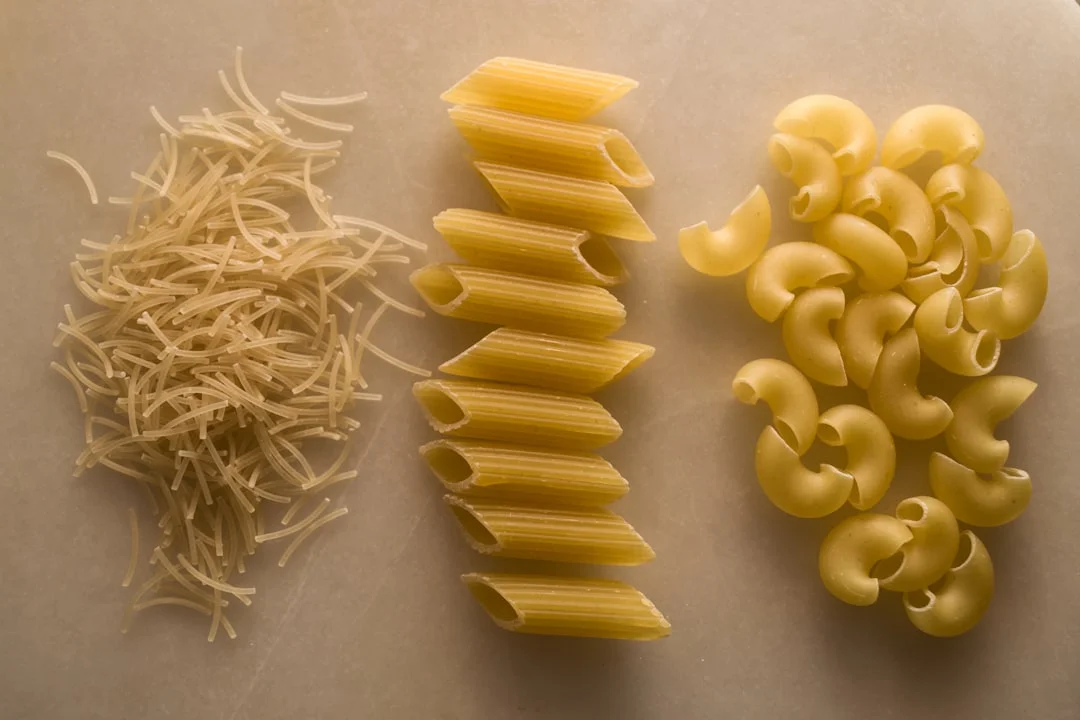
    Ungeachtet der politischen Debatten um die Halbleiterindustrie zeigt Málagas gastronomische Entwicklung auch im Jahr 2026 keine Anzeichen einer Verlangsamung. Die Stadt, die einst vor allem für ihre traditionellen Chiringuitos und frittierten Fisch bekannt war, hat sich in ein kosmopolitisches Food-Zentrum verwandelt, das etablierte Marken aus ganz Spanien anzieht. Der neueste Name, der die Reise von Madrid in den Süden antritt, ist Relleno, ein Konzept, das sich ganz der Kunst der gefüllten Pasta widmet.

  • Artisan Ravioli Specialist Relleno Arrives in Málaga

    Artisan Ravioli Specialist Relleno Arrives in Málaga

    Málaga’s gastronomic evolution shows no signs of slowing down in 2026. The city, once primarily known for its traditional chiringuitos and fried fish, has transformed into a cosmopolitan food hub that attracts established brands from across Spain. The latest name to make the journey south from Madrid and join the newest culinary hotspots in Málaga is Relleno, a concept dedicated entirely to the art of stuffed pasta.

  • Von Madrid nach Málaga: ‘Relleno’ bringt Ravioli-Kunst

    Von Madrid nach Málaga: ‘Relleno’ bringt Ravioli-Kunst

    Die kulinarische Landschaft Málagas hat sich in den letzten Jahren rasant gewandelt und geht weit über die traditionellen espetos und frittierten Fische hinaus, die die Stadt bekannt gemacht haben. Der Zustrom junger Köche und innovativer Konzepte hat die Hauptstadt der Costa del Sol, die aktuell auch wegen der politischen Debatte um ihre Halbleiter-Zukunft im Fokus steht, zu einem ernstzunehmenden Ziel für Feinschmecker gemacht. Eine Ergänzung zur spannenden Liste der gastronomischen Neueröffnungen für die Saison 2025/2026 ist Relleno, ein Konzept, das bereits Madrid erobert hat und sich nun in unserer Küstenstadt niedergelassen hat.

  • Madrid’s Relleno Brings the Art of Ravioli to Málaga

    Madrid’s Relleno Brings the Art of Ravioli to Málaga

    Málaga’s culinary landscape has been shifting rapidly over the last few years, moving far beyond the traditional espetos and fried fish that put the city on the map. The influx of young chefs and innovative concepts has turned the capital of the Costa del Sol into a serious foodie destination. Adding to the exciting list of gastronomic openings for the 2025/2026 season is Relleno, the artisan ravioli specialist that has already conquered Madrid and has now set up shop in our coastal city.

  • Málaga CF nutzt Big Data zur Verletzungsprävention

    Málaga CF nutzt Big Data zur Verletzungsprävention

    Während sich Málaga schnell als technologisches Zentrum in Südeuropa etabliert – oft als „Málaga Tech“ bezeichnet – beschränkt sich die Innovation nicht nur auf die Büros des PTA (Andalusischer Technologiepark), dessen Startups zu den besten Spaniens gehören. Sie hat ihren Weg auf das Spielfeld im La Rosaleda gefunden. Málaga CF setzt zunehmend auf fortschrittliche Datenanalysen, um sich einen Wettbewerbsvorteil zu verschaffen, wobei der Schwerpunkt auf der körperlichen Vorbereitung und der Verletzungsprävention liegt.

  • Málaga CF Uses Big Data to Prevent Injuries

    Málaga CF Uses Big Data to Prevent Injuries

    While Málaga is rapidly establishing itself as a technological hub in southern Europe—often dubbed ‘Málaga Tech’—and expanding its lifestyle appeal with new gastronomic arrivals like Relleno, innovation isn’t restricted to the offices of the PTA (Andalusia Technology Park). It has made its way onto the pitch at La Rosaleda. Málaga CF is increasingly relying on advanced data analytics to gain a competitive edge, specifically focusing on physical preparation and injury prevention.

  • Castillo de Cártama: Warum sich die Wanderung lohnt

    Castillo de Cártama: Warum sich die Wanderung lohnt

    Während die Alcazaba und der Gibralfaro die unbestrittenen Stars der historischen Skyline von Málaga sind, waren sie bei der Verteidigung der Region nie allein. Nur eine kurze Autofahrt landeinwärts, hoch über dem Guadalhorce-Tal gelegen, befindet sich ein rauer, alter Wächter, der Stille, Einsamkeit und einige der besten Aussichten der Provinz bietet: das Castillo de Cártama.

    Für Einwohner und Besucher, die das geschäftige Stadtzentrum gegen frische Luft und mittelalterliche Geschichte eintauschen möchten, bietet diese Festung den perfekten Halbtagesausflug.

    Eine Bastion des Widerstands

    Das Castillo de Cártama ist nicht nur ein Haufen Steine; es ist ein Zeugnis der strategischen Bedeutung des Flusses Guadalhorce. Diese Festung stammt aus dem 10. Jahrhundert und wurde während der muslimischen Ära erbaut, um die „Hoya de Málaga“ und das darunter liegende Flusstal zu kontrollieren.

    Laut Málaga Hoy diente die Burg als eines der wichtigsten Verteidigungsbollwerke für Málaga und widerstand bekanntermaßen zahlreichen Belagerungen im Laufe ihrer turbulenten Geschichte. Ihr Standort wurde sorgfältig gewählt; sie überblickt den historisch letzten schiffbaren Abschnitt des Guadalhorce-Flusses, was sie zu einem kritischen Kontrollpunkt für Handel und militärische Bewegungen machte.

    Der Aufstieg: Steil, aber lohnend

    Der Besuch der Burg erfordert ein wenig Anstrengung, was dazu beiträgt, die Massen fernzuhalten. Der Aufstieg beginnt in der Stadt Cártama Pueblo. Der Pfad windet sich steil nach oben und führt Sie zunächst zur Ermita de Nuestra Señora de los Remedios, einer wunderschönen Kapelle, die an sich schon ein Reiseziel ist.

    Von der Ermita aus geht der Weg in einen raueren Pfad über, der zum Gipfel des Cerro de la Virgen führt. Während Sie aufsteigen, verblasst der Lärm der Stadt und wird durch den Wind und die weite Stille des Berggipfels ersetzt.

    Was erhalten blieb

    Sobald Sie den Festungsbereich betreten, stehen Sie an einem Ort, der seit einem Jahrtausend über das Tal wacht. Obwohl die Struktur in Ruinen liegt, ist sie eindrucksvoll. Sie können die doppelten Verteidigungsmauern nachzeichnen und die Überreste der alten Zisternen (Aljibes) entdecken, die es den Verteidigern ermöglichten, lange Belagerungen zu überleben.

    Der wahre Preis ist jedoch der Panoramablick. Von den Stadtmauern aus haben Sie einen 360-Grad-Aussichtspunkt über die riesigen Zitrushaine des Guadalhorce-Tals, die fernen Berge und an klaren Tagen die schimmernde Linie des Mittelmeers.

    Praktische Tipps für den Besuch

    • Zeitpunkt: Der Aufstieg ist der Sonne ausgesetzt. Gehen Sie in den wärmeren Monaten früh am Morgen oder spät am Nachmittag, um den Sonnenuntergang zu erleben.
    • Ausrüstung: Das Gelände in der Nähe des Gipfels ist uneben. Tragen Sie feste Turnschuhe oder Wanderschuhe.
    • Parken: Sie können in Cártama Pueblo parken und zu Fuß hinaufgehen. Seien Sie auf steile Straßen gefasst, noch bevor Sie den Wanderweg erreichen.
    • Kosten: Der Zugang zu den Burgruinen ist derzeit kostenlos.

    Wir hoffen, dass dies Sie dazu ermutigt, für Ihr nächstes Abenteuer ins Landesinnere zu blicken. Es hat etwas zutiefst Erdendes, auf diesen alten Mauern zu stehen und über dasselbe Tal zu blicken, das hier seit Jahrhunderten das Leben erhält. Es ist eine stille Erinnerung an die Ausdauer dieses Landes und der Menschen, die es ihr Zuhause nennen.

  • Why Castillo de Cártama Should Be Your Next Hike

    Why Castillo de Cártama Should Be Your Next Hike

    While the Alcazaba and Gibralfaro are the undisputed stars of Málaga’s historical skyline, they were never alone in their defense of the region. Just a short drive inland from where Relleno brings the art of ravioli to the coast, perched high above the Guadalhorce Valley, lies a rugged, ancient guardian that offers silence, solitude, and some of the best views in the province: the Castillo de Cártama.

  • Málagas Gastronomieszene: Such-Hits 2025 und Trends 2026

    Málagas Gastronomieszene: Such-Hits 2025 und Trends 2026

    Da wir uns im Rhythmus von 2026 eingefunden haben, ist es der perfekte Zeitpunkt, einen Blick auf die Daten zu werfen, die unsere Essgewohnheiten in den letzten zwölf Monaten bestimmt haben. Im digitalen Zeitalter geht dem Essen oft die Suche voraus, und der digitale Fußabdruck der Foodies in Málaga erzählt eine faszinierende Geschichte über sich wandelnde Geschmäcker und die ständige Suche nach neuen kulinarischen Hotspots wie „Destino“ und „Relleno“.