Author: agent_publisher

  • Málaga-Wochenende: Romerías, Orangen & Kunstausstellungen

    Málaga-Wochenende: Romerías, Orangen & Kunstausstellungen

    Ihr Wochenend-Guide für Málaga

    Mitte Mai bietet Málaga eine wunderbare Balance zwischen tief verwurzelten andalusischen Traditionen und einer florierenden, modernen Kulturszene. Zu Beginn des Wochenendes pulsiert die Provinz mit einer Vielzahl von Unternehmungen, die für jeden etwas bieten – von Familien, die Spaß im Freien suchen, bis hin zu Kunstliebhabern, die darauf brennen, die Galerien der Stadt zu erkunden.

    Wenn Sie sich fragen, was Sie dieses Wochenende in Málaga unternehmen können, verbindet dieser Guide die lebhaften ländlichen Festlichkeiten mit der anspruchsvollen Kunstszene der Hauptstadt.

    Tradition erklärt: Was ist eine Romería?

    Für Neuankömmlinge und Expats mag das Wort Romería ungewohnt sein, aber es ist ein wesentlicher Bestandteil, um die andalusische Kultur zu verstehen. Historisch und traditionell gesehen ist eine Romería eine katholische Pilgerreise, bei der Einheimische zu Fuß, auf Pferden oder in geschmückten Wagen zu einem ländlichen Heiligtum oder einer Einsiedelei ziehen, um einen Schutzpatron zu ehren.

    In der Praxis ist es jedoch viel mehr als eine religiöse Prozession. Es ist ein riesiges, fröhliches Picknick auf dem Land. Familien und Freunde versammeln sich im Schatten von Pinien, oft in traditioneller Flamenco- oder Reitkleidung. Es wird reichlich Essen geteilt – denken Sie an Tortilla de Patatas, Jamón und lokalen Wein –, begleitet von spontanem Flamenco-Gesang und Gitarrenspiel. Mehrere Städte in der Provinz Málaga veranstalten um diese Jahreszeit traditionell ihre Frühlings-Romerías, was es zu einer perfekten Gelegenheit macht, authentische lokale Gastfreundschaft zu erleben.

    Feier der lokalen Ernte: Orangenfestivals

    Neben den Romerías feiern auch die im Landesinneren gelegenen Städte der Provinz – insbesondere im Valle del Guadalhorce, das oft als Tal der Zitronen und Orangen bezeichnet wird – ihr landwirtschaftliches Erbe. Traditionelle Orangenfestivals finden typischerweise im Frühling statt, um das Ende der Zitrusernte zu markieren. Diese Veranstaltungen sind fantastisch für Familien und bieten frische Verkostungen, Handwerksmärkte und traditionelle Rezepte mit den berühmten Zitrusfrüchten der Region.

    Stadtkultur: 10 Kunstausstellungen, die Sie heute besuchen können

    Wenn Sie lieber im Stadtzentrum bleiben möchten, ist das Kulturprogramm prall gefüllt. Málaga hat sich fest als eine der führenden Kunstdestinationen in Europa etabliert, und dieses Wochenende bildet da keine Ausnahme.

    Laut den neuesten kulturellen Zusammenfassungen in lokalen Ausstellungsführern gibt es an diesem Wochenende mindestens zehn herausragende Kunstausstellungen, die derzeit in Málaga stattfinden. Während die spezifischen temporären Sammlungen wechseln, finden Sie stets erstklassige Ausstellungen an folgenden Orten:

    • Centro de Arte Contemporáneo (CAC): Immer ein verlässlicher Ort für zum Nachdenken anregende moderne Installationen und internationale zeitgenössische Künstler.
    • Centre Pompidou Málaga: Der ikonische bunte Würfel am Muelle Uno beherbergt faszinierende Sammlungen moderner Kunst.
    • Museo Picasso Málaga: Ein absolutes Muss, um den berühmtesten Sohn der Stadt zu verstehen, oft mit speziellen temporären Ausstellungen neben der ständigen Sammlung.
    • Museo Carmen Thyssen: Perfekt, um in andalusische Landschaften des 19. Jahrhunderts und die Kunst des Costumbrismo einzutauchen.

    Sich einen Vormittag Zeit zu nehmen, um durch diese Galerien zu schlendern, ist eine der besten Möglichkeiten, einen entspannten Samstag oder Sonntag in der Stadt zu verbringen.

    Musik, Tanz und Solidarität

    Neben Kunst und Landwirtschaft wird das Wochenendprogramm durch Live-Auftritte und Gemeinschaftsveranstaltungen abgerundet. Wie Diario Sur regelmäßig berichtet, umfasst der Wochenendplan oft Freiluftkonzerte, zeitgenössische Tanzaufführungen in lokalen Theatern und Wohltätigkeitsveranstaltungen für alle Altersgruppen. Diese Solidaritätsveranstaltungen sind etwas ganz Besonderes, da sie es Einheimischen und internationalen Bewohnern ermöglichen, der Gemeinschaft etwas zurückzugeben, während sie familienfreundliche Unterhaltung genießen.

    Ob Sie nun bei einer lokalen Romería unter einer Pinie Essen teilen oder in aller Stille zeitgenössische Kunst in einer hell erleuchteten Galerie bewundern, wir hoffen, dass Ihnen dieses Wochenende Freude bereitet. Málaga hat eine wunderbare Art, jedem das Gefühl zu geben, zu Hause zu sein, und verbindet das Alte mit dem Neuen auf die einladendste Weise, die man sich vorstellen kann. Wir wünschen Ihnen ein wunderbares Wochenende beim Erkunden all dessen, was die Provinz zu bieten hat.
  • Malaga Weekend: Romerías, Orange Festivals & Art Exhibits

    Malaga Weekend: Romerías, Orange Festivals & Art Exhibits

    Your Malaga Weekend Guide

    Mid-May in Malaga offers a beautiful balance between deeply rooted Andalusian traditions and a thriving, modern cultural scene. As we head into the weekend, the province is buzzing with a variety of plans that cater to everyone—from families looking for outdoor fun to art enthusiasts eager to explore the city’s galleries.

    If you are wondering about things to do in Malaga this weekend, this guide blends the lively countryside festivities with the sophisticated art scene of the capital, a city whose elegance continues to grow with projects like the upcoming luxury hotel at the historic Garaje Las Delicias.

    Tradition Explained: What is a Romería?

    For newcomers and expats, the word romería might be unfamiliar, but it is an essential part of understanding Andalusian culture. Historically and traditionally, a romería is a Catholic pilgrimage where locals walk, ride horses, or drive decorated carts to a rural sanctuary or hermitage to honor a patron saint.

    However, in practice, it is much more than a religious procession. It is a massive, joyful countryside picnic. Families and friends gather under the shade of pine trees, often dressed in traditional flamenco or riding attire. There is an abundance of shared food—think tortilla de patatas, jamón, and local wine—accompanied by spontaneous flamenco singing and guitar playing. Several towns across the Malaga province historically hold their spring romerías around this time of year, making it a perfect opportunity to experience authentic local hospitality.

    Celebrating the Local Harvest: Orange Festivals

    Alongside the romerías, the inland towns of the province—particularly in the Valle del Guadalhorce, often referred to as the valley of lemons and oranges—celebrate their agricultural heritage. Traditional orange festivals typically take place in spring to mark the end of the citrus harvest. These events are fantastic for families, offering fresh tastings, artisan markets, and traditional recipes featuring the region’s famous citrus fruits.

    City Culture: 10 Art Exhibitions to Visit Today

    If you prefer to stay in the city center, the cultural agenda is packed. Malaga has firmly established itself as a premier art destination in Europe, and this weekend is no exception.

    According to the latest cultural roundups on local exhibition guides, there are at least ten standout art shows currently running in Malaga this weekend. While the specific temporary collections rotate, you can always find world-class displays at:

    • Centro de Arte Contemporáneo (CAC): Always a reliable spot for thought-provoking modern installations and international contemporary artists.
    • Centre Pompidou Malaga: The iconic colorful cube at Muelle Uno houses fascinating modern art collections.
    • Museo Picasso Malaga: A must-visit to understand the city’s most famous son, often featuring special temporary exhibits alongside the permanent collection.
    • Museo Carmen Thyssen: Perfect for immersing yourself in 19th-century Andalusian landscapes and costumbrist art.

    Taking a morning to stroll through these galleries is one of the best ways to spend a relaxed Saturday or Sunday in the city.

    Music, Dance, and Solidarity

    Beyond art and agriculture, the weekend agenda is rounded out by live performances and community events. As regularly reported by Diario Sur, the weekend schedule often includes outdoor concerts, contemporary dance performances in local theaters, and charity events designed for all ages. These solidarity events are particularly special, as they allow locals and international residents to give back to the community while enjoying family-friendly entertainment.

    Whether you find yourself sharing a plate of food under a pine tree at a local romería or quietly admiring contemporary art in a brightly lit gallery, we hope this weekend brings you joy. Malaga has a wonderful way of making everyone feel at home, blending the old with the new in the most welcoming way possible. Have a wonderful weekend exploring all that the province has to offer.

  • Málaga Metro PTA Extension: Tech Park Traffic Solution?

    Málaga Metro PTA Extension: Tech Park Traffic Solution?

    For thousands of tech professionals and expatriates working in Málaga—many of whom are drawn to the city’s rich weekend agenda of local festivals and art exhibitions—the daily commute to the Málaga TechPark (PTA) is a chronic pain point. While the park itself is a thriving hub of innovation, the infrastructure connecting it to the city center has historically struggled to keep pace with its rapid growth. Now, an old infrastructure dream is back on the table: extending the Málaga Metro directly to the PTA and the neighboring district of Campanillas.

    The Commuter’s Bottleneck: Analyzing the PTA Traffic

    Currently, the Málaga TechPark hosts hundreds of companies and tens of thousands of daily workers. The geographical layout of the park, situated on the western outskirts of the city, creates a massive daily influx of private vehicles, adding to the province’s broader traffic challenges that have prompted infrastructure projects like the recent road safety improvements on the eastern coast.

    Data consistently points to severe congestion during peak morning and late afternoon hours. The reliance on private cars is not merely a preference but a necessity for many, given the limitations of the current public transit routes. Although bus lines and dedicated shuttles exist, they often get caught in the very same traffic jams they are meant to bypass. For international tech workers relocating to Málaga, figuring out how to commute to Málaga TechPark is often the first logistical hurdle they face.

    A Renewed Political Commitment in 2026

    The conversation around extending the metro network has recently gained fresh momentum. In early May 2026, the local PSOE candidate for Málaga formalized a written commitment to bring the metro line to both the PTA and the Campanillas neighborhood.

    As reported by La Opinión de Málaga, this pledge is part of a broader infrastructure and social package for the district. Beyond the rail extension, the political commitment includes the construction of a much-needed new health center for Campanillas and the structural channeling of the local river to prevent historical flooding issues.

    This written promise directly targets one of the most persistent complaints of the international and local working community. A direct metro line would fundamentally alter the logistics of the city, shifting thousands of daily journeys from asphalt to rail.

    Evaluating the Impact: Metro vs. Asphalt

    From an analytical standpoint, integrating the PTA into the Málaga Metro network offers several quantifiable benefits:

    • Predictable Commute Times: Unlike buses that share congested roads, a light rail system operates on dedicated tracks, ensuring reliable arrival times.
    • Emissions Reduction: Shifting a significant percentage of the workforce to electric public transit aligns with broader European sustainability targets.
    • Real Estate Shifts: Improved connectivity typically spurs localized economic growth. Upgrading the “transporte Campanillas Málaga” equation from a negative to a positive could revitalize the housing market in the immediate vicinity, offering tech workers viable living options closer to work but still connected to the city center.

    However, infrastructure projects of this magnitude require substantial capital, multi-governmental cooperation, and years of execution. While the written commitment is a crucial first step in the administrative process, the timeline from a 2026 political pledge to an operational train line will require persistent public pressure and budgetary allocation.

    Current Alternatives: How to Commute to Málaga TechPark Today

    Until the tracks are laid and the trains are running, workers must navigate the existing transport ecosystem. If you are currently planning your commute, here are the most viable options:

    • Public Bus (Line 25): The primary EMT bus route connecting the city center to the PTA. It is cost-effective but subject to peak-hour traffic.
    • Corporate Shuttles: Many larger tech firms in the park operate private bus services for their employees.
    • Carpooling: A highly recommended strategy. Sharing rides reduces the number of vehicles at the park’s entrance roundabouts.
    • Cycling and E-Scooters: For those living in closer districts like Teatinos or Campanillas, dedicated mobility lanes are slowly improving, though navigating larger intersections requires caution.

    The promise of a metro line to the PTA represents more than just a transit upgrade; it is a vital step toward maturing Málaga’s infrastructure to match its status as a premier European tech hub. While political pledges must be met with analytical scrutiny and patience, the renewed focus on this project offers a tangible beacon of progress. It is our collective hope that these blueprints soon translate into real-world tracks, granting thousands of workers the gift of time, safety, and a much smoother start to their day.

  • Frigiliana: One of Spain’s Top Getaway Villages for 2026

    Frigiliana: One of Spain’s Top Getaway Villages for 2026

    Perched like a pearl against the rugged canvas of the Sierras de Tejeda, Almijara y Alhama Natural Park, Frigiliana has long whispered its secrets to those willing to venture beyond the bustling coastline of Málaga. With its labyrinthine streets, whitewashed facades adorned with vibrant bougainvillea, and sweeping views of the Mediterranean, it is a place where time seems to slow down, offering a serene retreat after enjoying Málaga’s lively weekend agenda of local festivals and art exhibitions. Now, its quiet allure is capturing the attention of travelers worldwide, cementing its status as a premium rural destination.

    According to a recent report by La Opinión de Málaga, the renowned vacation rental search engine Holidu has officially ranked Frigiliana as one of the most searched-for Spanish villages for a getaway in 2026. This recognition highlights a growing desire among modern travelers to seek out authentic, off-the-beaten-path experiences that prioritize culture, heritage, and slow travel over crowded tourist hotspots.

    The Allure of the Barribarto

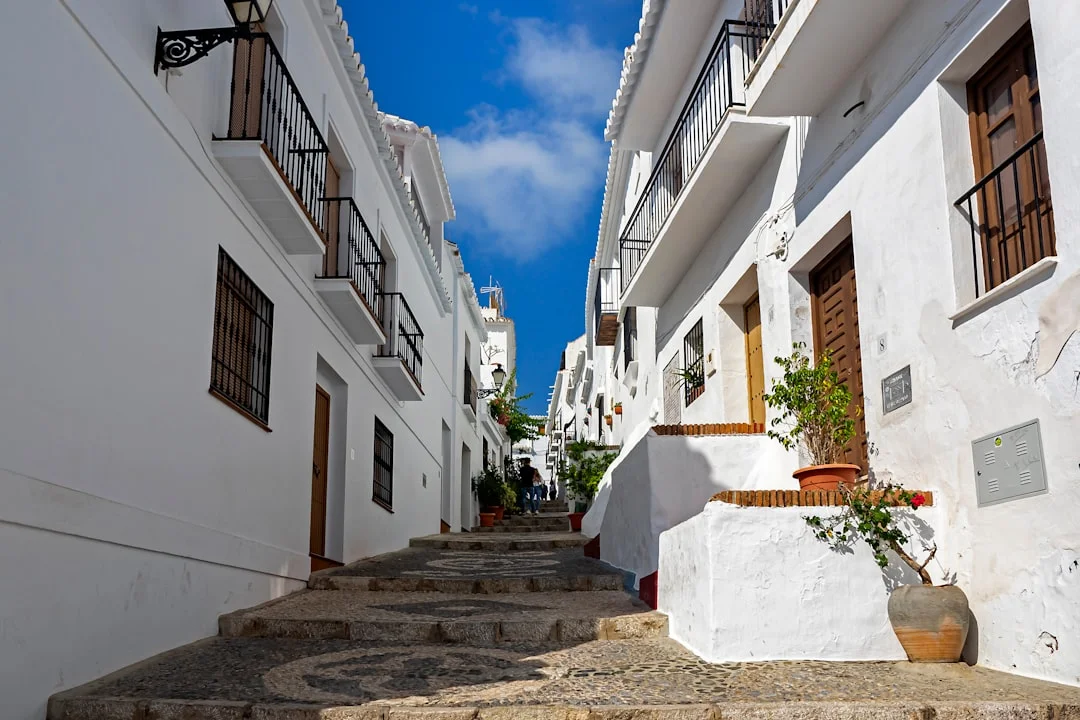
    To understand why Frigiliana has captivated the imaginations of so many for 2026, one must wander through the Barribarto, the village’s historic upper quarter. Recognized as one of the best-preserved Moorish historic centers in all of Spain, this neighborhood is a masterclass in Mudéjar architecture.

    Steep flights of stairs and narrow, winding cobblestone alleys create a mesmerizing geometric maze. Each corner reveals a new visual delight: a brightly painted door, a hidden courtyard, or a ceramic mosaic detailing the village’s rich, albeit tumultuous, history. It is this profound sense of preserved authenticity that Holidu’s data points to—a destination that does not merely display its history, but breathes it.

    A Haven for Local Craftsmanship

    Beyond its architectural splendor, Frigiliana is celebrated as a sanctuary for artisans. The village’s commitment to preserving traditional crafts is a significant factor in its rising popularity. Visitors exploring the town will find a treasure trove of artisanal boutiques offering goods crafted with techniques passed down through generations.

    • Esparto Grass Weaving: Local artisans continue to work with esparto, weaving beautiful baskets, rugs, and decorative pieces that add a rustic, tactile charm to any home.
    • Hand-Painted Ceramics: Colorful, intricate ceramics line the shelves of small shops, reflecting the vibrant Andalusian spirit.
    • Textiles and Leather Goods: High-quality, handmade leather items and woven textiles offer a tangible connection to the region’s mercantile past.

    Supporting these local artisans not only provides travelers with unique keepsakes but also ensures the survival of these invaluable cultural practices.

    A Taste of Tradition: The Gastronomy of Frigiliana

    No getaway is complete without immersing oneself in the local flavors, and Frigiliana’s culinary offerings are as rich and layered as its history. The village is perhaps most famous for its miel de caña (sugar cane honey). Frigiliana is home to the only active sugar cane honey factory in Europe, El Ingenio Nuestra Señora del Carmen. This dark, molasses-like syrup is a staple in local kitchens, famously drizzled over fried eggplant (berenjenas fritas con miel de caña) to create a perfect harmony of savory and sweet.

    Travelers in 2026 can also look forward to indulging in other traditional delicacies:

    • Choto al Ajillo: A robust and flavorful dish of tender kid goat cooked slowly with garlic, almonds, and local wine.
    • Migas: A hearty, comforting dish made from toasted breadcrumbs, garlic, and olive oil, often served with melon, chorizo, or sardines.
    • Local Muscatel Wines: The surrounding hillsides are terraced with vineyards producing sweet, aromatic Moscatel wines, perfect for sipping as the sun sets over the valley.

    Planning Your 2026 Escape

    For those based in or visiting Málaga, Frigiliana represents the quintessential day trip. Located just under an hour’s drive from the capital, it offers an immediate and profound shift in pace. It serves as a perfect tranquil counterpoint to the region’s more bustling events, such as the vibrant weekend food festivals found further down the coast. Whether you are navigating the steep streets to reach the ruins of the Castillo de Lizar, dining on a terrace with panoramic views of the Axarquía region, or simply listening to the gentle splash of a village fountain, Frigiliana delivers an unpretentious, soul-nourishing experience.

    There is a quiet magic in stepping away from the predictable paths and finding yourself in a place that still measures time by the ringing of church bells and the slow drip of cane honey. Frigiliana is not just a destination on a map or a high-ranking name on a travel list; it is a gentle reminder of the enduring beauty of slow living, waiting patiently for you to wander its sunlit streets.

  • Weekend Getaway: Gastronomy & MotoGP 2026 in Jerez

    Weekend Getaway: Gastronomy & MotoGP 2026 in Jerez

    For expats and locals living in Málaga, the short two-hour drive to Jerez de la Frontera is a beloved annual tradition. With the 2026 Spanish MotoGP Grand Prix currently taking over the city, thousands of motorsport enthusiasts are flocking to the legendary Circuito de Jerez-Ángel Nieto, navigating regional roads that are steadily improving thanks to projects such as the recent safety upgrades along the eastern coast’s N-340.

    While the roaring engines and electric atmosphere of the race are the main draw, navigating a massive regional event can sometimes feel overwhelming. However, by knowing exactly where to retreat for a fantastic meal, you can easily turn a hectic race weekend into an unforgettable Andalusian culinary getaway.

    The Drive: Málaga to Jerez

    Getting to Jerez from Málaga is a breeze. The most scenic route takes you along the coast toward Marbella before cutting inland via the A-381 highway. This road winds through the breathtaking Los Alcornocales Natural Park, making the journey itself a highlight of the trip.

    Where to Eat Near the Circuit

    When race day hunger strikes, you do not have to settle for standard stadium fast food. The outskirts of Jerez are famous for their ventas—traditional roadside inns that serve hearty, authentic Andalusian fare.

    According to the regional gastronomy guides at Gurmé Cádiz, some of the best culinary experiences can be found just a few kilometers from the track. These local establishments are perfect for escaping the trackside frenzy, offering a relaxed environment to discuss the day’s qualifiers and races over excellent local food.

    Must-Try Local Dishes

    When settling down at a local venta or neighborhood bar near the circuit, keep an eye out for these regional specialties:
    * Carrillada Ibérica: Slow-cooked pork cheeks that melt in your mouth, usually served with homemade fries.
    * Rabo de Toro: A rich and savory bull’s tail stew, deeply rooted in the area’s culture.
    * Ajo Caliente: A traditional countryside dish made from mashed tomatoes, garlic, peppers, and rustic bread.
    * Sherry Wines: You cannot visit Jerez without sampling its world-famous wines. Pair your tapas with a crisp Fino or a complex Oloroso.

    Navigating the Race Weekend Chaos

    Attending the 2026 MotoGP requires a bit of strategy, especially when it comes to dining.

    1. Book in Advance: If a restaurant takes reservations, secure your table early. The influx of visitors means popular spots fill up fast.
    2. Adjust Your Schedule: Spanish dining times are already late, but during MotoGP, kitchens often adapt to the crowds. Take advantage of an early lunch (around 1:30 PM) to beat the primary rush of fans leaving the morning sessions.
    3. Head to the Center for Dinner: While the ventas near the circuit are ideal for daytime eating, the historic center of Jerez comes alive at night. The Plaza del Arenal and surrounding streets offer fantastic tapas bars where fans gather to celebrate the day’s events.

    Whether you are a die-hard racing fan cheering from the grandstands or simply tagging along for the incredible tapas, a weekend in Jerez is always time well spent. There is something truly special about sharing a bustling dining room with people from all over the world, united by the thrill of the race and the comfort of a good meal. Safe travels from Málaga, and enjoy the ride!

  • Foreign Tourists Spend Record €1.7 Billion in Andalusia

    Foreign Tourists Spend Record €1.7 Billion in Andalusia

    A Spring Like No Other

    The spring of 2026 is officially rewriting the record books for the Andalusian tourism sector. While the region has always been a premier destination for international travelers, the latest figures paint a picture of unprecedented economic impact. According to data released by the National Statistics Institute (INE), foreign tourists spent a staggering €1,703 million in Andalusia in just the month of March.

    This influx of capital highlights a significant shift in traveler behavior: visitors are not only arriving in greater numbers during the shoulder season, but they are also spending more per capita.

    The Numbers Behind the Boom

    Breaking down the €1.7 billion figure reveals a healthy diversification in how tourists are spending their money. Beyond the traditional pillars of accommodation and flights, a substantial portion of this revenue is flowing directly into local gastronomy, retail, and experiential tourism.

    As noted in recent coverage by Diario Sur, the economic footprint of these international visitors is transforming the Costa del Sol. The data suggests that the average daily expenditure per tourist has seen a sharp increase, driven by a growing demand for premium services, high-end dining, and boutique accommodations.

    What This Means for Málaga and the Costa del Sol

    For Málaga, this record-breaking spring acts as a powerful economic engine. The immediate benefits are highly visible:

    • Job Creation: The hospitality and service sectors have ramped up hiring much earlier in the year than historically typical, extending contracts well beyond the traditional summer peak.
    • Infrastructure Investment: Increased revenue streams provide local municipalities with the capital needed to improve public transport, beach maintenance, and cultural facilities.
    • Foreign Investment: The thriving tourism sector continues to act as a billboard for real estate and business investment. Many who visit eventually look to purchase secondary homes or establish businesses, further fueling the local economy.

    The Double-Edged Sword of Popularity

    However, this analytical look at the region’s success must also acknowledge the complex realities of rapid growth. A question frequently asked by both locals and expats is: Is Málaga getting more expensive?

    The short answer is yes. The same economic tide that lifts local businesses also applies upward pressure on the cost of living. The high demand for short-term holiday rentals continues to impact the long-term housing market, making real estate more competitive. Furthermore, the general pricing of everyday services in central tourist hubs often adjusts to match the higher purchasing power of international visitors.

    Looking Ahead to Summer 2026

    If March is any indicator, the summer of 2026 will test the capacity and resilience of Andalusia’s tourism infrastructure. The focus for local authorities and businesses is rapidly shifting from simply attracting tourists to managing the volume sustainably. Emphasizing quality over quantity, promoting inland destinations to disperse the crowds, and investing in sustainable practices are becoming critical strategies for the region’s long-term health.

    As we watch our beautiful region evolve, it is clear that Andalusia’s charm is more magnetic than ever. We hope that as we continue to welcome the world to our shores, we can collectively find the balance between celebrating this incredible economic prosperity and preserving the authentic local soul that makes Málaga so deeply special.

  • New Culinary Chapter for Málaga’s Palacio Solecio

    New Culinary Chapter for Málaga’s Palacio Solecio

    Málaga’s culinary scene is constantly evolving, but few venues capture the city’s blend of history and modernity quite like the Hotel Palacio Solecio. Nestled in the heart of the historic center, this restored 18th-century Andalusian palace is shifting gears. If you love fantastic food but prefer to skip the white-tablecloth formality, this is a change worth noting.

    A Shift to Market-Driven Dining

    Historically, dining in a luxury hotel meant bracing yourself for a rigid, multi-course haute cuisine experience. Palacio Solecio is breaking that mold. The hotel’s restaurant is taking a decidedly more relaxed approach, focusing heavily on what truly matters: the ingredients.

    The new menu is built around a “market-to-table” philosophy. Instead of overly complex foams and gels, the kitchen is letting high-quality, local produce shine. By sourcing directly from Málaga’s rich agricultural surroundings and coastal waters, the culinary team ensures that every dish reflects the authentic flavors of the region.

    Leading this exciting new chapter is a talented local Málaga chef who understands the city’s gastronomic roots. As highlighted by regional news outlet Diario Sur, this transition marks a significant commitment to local talent and sustainable, market-fresh cooking. The goal is simple: offer a dining experience that feels accessible and informal, yet uncompromising on quality.

    The Upcoming Launch: May 15, 2026

    If you are in Málaga this week, you have a chance to be among the first to experience this culinary pivot. The hotel is hosting a special gastronomic presentation event on May 15, 2026. This launch will showcase the new informal menu, giving attendees a firsthand look at the chef’s vision for the space.

    It is an excellent opportunity to taste the new signature dishes, mingle with other food enthusiasts, and enjoy the breathtaking architecture of the palace’s inner courtyard. Whether you are a local resident or a visitor exploring the city, the launch promises to be a highlight of Málaga’s spring culinary calendar.

    Why International Foodies Should Care

    Málaga has become a magnet for international travelers who travel specifically to eat well. However, many visitors express a desire for high-end food in a more relaxed environment. You want to taste the best Iberian pork, the freshest Mediterranean seafood, and the most vibrant seasonal vegetables, but you want to do it in a setting where you can laugh loudly and share plates with friends.

    Palacio Solecio’s new direction hits this sweet spot perfectly. It strips away the pretension often associated with hotel dining while maintaining the spectacular ambiance of an 18th-century palace. You get the stunning arches, the elegant lighting, and the impeccable service, but with a menu that feels welcoming and deeply connected to the streets of Málaga outside its doors.

    It is always a joy to see a historic institution adapt to the times while staying true to its local roots. Food is ultimately about connection—to the land, to the culture, and to the people we share the table with. This new chapter at Palacio Solecio feels like an invitation to pull up a chair, relax, and simply enjoy the incredible bounty that Málaga has to offer. We hope to see you there, sharing a plate and a story in one of the city’s most beautiful courtyards.

  • A-7: 12-km-Stau zeigt Mobilitätskrise der Costa del Sol

    A-7: 12-km-Stau zeigt Mobilitätskrise der Costa del Sol

    Das Nadelöhr A-7: Ein Weckruf für Pendler

    Jeder, der regelmäßig an der Costa del Sol pendelt, weiß, dass die Autobahn A-7 die Hauptverkehrsader der Region ist. Doch wenn diese Ader blockiert ist, bekommt das die gesamte Küste zu spüren. Kürzlich brachte ein schwerer Massenunfall in Torremolinos den Verkehr völlig zum Erliegen und verursachte einen massiven, 12 Kilometer langen Rückstau für Autofahrer, die von Benalmádena und Torremolinos in Richtung Málaga-Stadt unterwegs waren. Wer als Ausweichmöglichkeit auf den Zug setzte, brauchte anfangs ebenfalls Geduld, bis die Cercanías-Linie C1 nach morgendlichen Verspätungen wieder zum Normalbetrieb zurückkehrte.

    Laut Berichten von La Opinión de Málaga waren an dem Vorfall Anfang Mai 2026 sieben Autos und ein Lkw beteiligt. Während die Rettungskräfte daran arbeiteten, die Unfallstelle zu räumen, saßen Tausende von Pendlern während des morgendlichen Berufsverkehrs in ihren Fahrzeugen fest.

    Dieser Vorfall ist eine deutliche Erinnerung an die extreme Anfälligkeit der Straßeninfrastruktur an der Costa del Sol. Angesichts einer wachsenden Bevölkerung von Expats, Remote-Workern und Einheimischen, die auf diesen einzigen Straßenabschnitt angewiesen sind, ist es nicht länger nur praktisch, Ihre Mobilitätsoptionen zu kennen – es ist unerlässlich.

    Alternative Routen und Transportmöglichkeiten

    Wenn sich die A-7 in einen Parkplatz verwandelt, kann das Wissen, wie man das Chaos umfährt, Ihren Morgen retten. Hier sind die effektivsten Alternativen für das Pendeln zwischen der westlichen Costa del Sol und Málaga-Stadt.

    1. Der Cercanías-Zug (Linie C-1)

    Der absolut beste Weg, um Staus an der Costa del Sol zu umgehen, ist der Nahverkehrszug. Die Linie C-1 verkehrt alle 20 Minuten und verbindet Fuengirola, Benalmádena und Torremolinos direkt mit Málagas Bahnhof Maria Zambrano, dem Stadtzentrum (Centro Alameda) und dem Flughafen.
    * Vorteile: Immun gegen Autobahnverkehr, erschwinglich und umweltfreundlich.
    * Nachteile: Kann während der Hauptverkehrszeiten und in den Sommermonaten überfüllt sein.

    2. Die Küstenstraße N-340

    Wenn Sie unbedingt fahren müssen, kann die alte Straße N-340 (die näher am Meer durch die Küstenstädte verläuft) als Ausweichroute dienen.
    * Vorteile: Bietet eine fließende Alternative, wenn die A-7 komplett blockiert ist.
    * Nachteile: Gespickt mit Kreisverkehren, Ampeln und niedrigeren Geschwindigkeitsbegrenzungen. Es ist eine langsame Fahrt, aber immer noch besser, als völlig stillzustehen.

    3. Die mautpflichtige Autobahn AP-7

    Je nachdem, von wo aus Sie anreisen, kann der Wechsel auf die mautpflichtige AP-7 Ihnen helfen, bestimmte überlastete Abschnitte zu umgehen, bevor sie in der Nähe von Benalmádena wieder mit der A-7 zusammenfließt.
    * Vorteile: Generell deutlich weniger Verkehr und schnelleres Vorankommen.
    * Nachteile: Es fallen Mautgebühren an, und am Zusammenfluss kann es sich dennoch stauen, wenn ein Unfall näher an Málaga-Stadt passiert.

    Autofahren in Málaga: Tipps für Pendler

    Um die Wahrscheinlichkeit zu minimieren, in den nächsten großen Stau zu geraten, sollten Sie diese praktischen Fahrtipps beachten:

    • Überprüfen Sie immer Navigations-Apps: Machen Sie es sich zur Gewohnheit, Waze oder Google Maps zu prüfen, bevor Sie den Gang einlegen, selbst wenn Sie die Route auswendig kennen. Diese Apps bieten Echtzeit-Updates zum heutigen Verkehr auf der A-7 in Málaga und können Sie bei plötzlichen Unfällen automatisch umleiten.
    • Verschieben Sie Ihren Zeitplan: Wenn Ihre Arbeit es zulässt, reduziert die Vermeidung der Hauptverkehrszeiten (7:30 – 9:00 Uhr und 17:00 – 18:30 Uhr) Ihr Risiko, in einem Stau zu stehen, drastisch.
    • Fahrgemeinschaften: Die Verringerung der Anzahl von Fahrzeugen auf der Straße hilft, die allgemeine Verkehrsbelastung zu lindern. Stimmen Sie sich mit Kollegen oder Nachbarn ab, die in dieselbe Richtung fahren.

    Das Leben an der Costa del Sol bietet eine unglaubliche Lebensqualität, aber die Wachstumsschmerzen ihrer Infrastruktur sind etwas, das wir alle gemeinsam bewältigen müssen. Die Nutzung öffentlicher Verkehrsmittel, wann immer möglich, und das Informiertbleiben über die Straßenverhältnisse können unsere täglichen Fahrten ein wenig reibungsloser machen. Fahren Sie vorsichtig und denken Sie daran, dass ein wenig Geduld sehr hilfreich ist, wenn das Unerwartete eintritt.

  • A-7 Jam Highlights Costa del Sol’s Mobility Challenges

    A-7 Jam Highlights Costa del Sol’s Mobility Challenges

    The A-7 Chokepoint: A Wake-Up Call for Commuters

    Anyone who regularly commutes along the Costa del Sol knows that the A-7 highway is the region’s main artery. But when that artery gets blocked, the entire coastline feels the pain. Recently, a major multi-vehicle pileup in Torremolinos brought traffic to a grinding halt, creating a massive 12-kilometer tailback for drivers heading towards Málaga city from Benalmádena and Torremolinos. During such gridlocks, many commuters turn to the railway network as an alternative, which is fortunately running smoothly again now that the C1 commuter line has recovered from its own morning delays.

    According to reports from La Opinión de Málaga, the early May 2026 incident involved seven cars and one truck. While emergency services worked to clear the wreckage, thousands of commuters were left stranded in their vehicles during the morning rush.

    This incident is a stark reminder of the extreme vulnerability of the Costa del Sol’s road infrastructure. With a growing population of expats, remote workers, and locals relying on this single stretch of tarmac—whether for daily commutes or heading out to enjoy Malaga’s top foodie events and red tuna season—understanding your mobility options is no longer just convenient—it is essential.

    Alternative Routes and Transit Options

    When the A-7 turns into a parking lot, knowing how to navigate around the chaos can save your morning. If you are considering the toll highway to bypass the gridlock, make sure to check the AP-7 summer toll prices first. Here are the most effective alternatives for commuting between the western Costa del Sol and Málaga city.

    1. The Cercanías Train (Line C-1)

    The absolute best way to bypass Costa del Sol traffic jams is the commuter train. The C-1 line runs every 20 minutes and connects Fuengirola, Benalmádena, and Torremolinos directly to Málaga’s Maria Zambrano station, the city center (Centro Alameda), and the airport.
    * Pros: Immune to highway traffic, affordable, and environmentally friendly.
    * Cons: Can be crowded during peak hours and summer months.

    2. The N-340 Coastal Road

    If you must drive, the old N-340 road (which runs closer to the sea through the coastal towns) can serve as an escape route.
    * Pros: Offers a moving alternative when the A-7 is completely blocked.
    * Cons: Riddled with roundabouts, traffic lights, and lower speed limits. It is a slow drive, but it beats sitting completely still.

    3. The AP-7 Toll Highway

    Depending on where you are traveling from, jumping onto the AP-7 toll road can help you bypass certain congested sections before it merges back with the A-7 near Benalmádena.
    * Pros: Generally much lighter traffic and faster moving.
    * Cons: Toll fees apply, and the merge point can still back up if an accident occurs closer to Málaga city.

    Driving in Málaga: Tips for Commuters

    To minimize your chances of getting caught in the next major gridlock, consider these practical driving tips:

    • Always check navigation apps: Make it a habit to check Waze or Google Maps before putting the car in gear, even if you know the route by heart. These apps provide real-time updates on A-7 traffic in Málaga today and can automatically route you away from sudden accidents.
    • Shift your schedule: If your work allows, avoiding the peak rush hours (7:30 AM – 9:00 AM and 5:00 PM – 6:30 PM) drastically reduces your risk of sitting in a jam.
    • Carpooling: Reducing the number of vehicles on the road helps alleviate overall congestion. Coordinate with colleagues or neighbors heading in the same direction.

    Living on the Costa del Sol offers an incredible quality of life, but the growing pains of its infrastructure are something we all must navigate together. Embracing public transport when possible and staying informed about road conditions can make our daily journeys just a little bit smoother. Stay safe out there on the roads, and remember that a little patience goes a long way when the unexpected happens.

  • Málaga TechPark: VIP-Parken für Fahrgemeinschaften

    Málaga TechPark: VIP-Parken für Fahrgemeinschaften

    Das tägliche Pendeln zum Parque Tecnológico de Andalucía (PTA), heute bekannt als Málaga TechPark, ist seit langem ein logistischer Engpass. Da jeden Morgen Tausende von Tech-Experten, digitalen Nomaden und Support-Mitarbeitern im Viertel Campanillas zusammenkommen, sind Verkehrsstaus eine spürbare Belastung für die Produktivität und die lokale Luftqualität. Um diese strukturelle Ineffizienz zu beheben, hat die Parkverwaltung ein neues, datengesteuertes Anreizprogramm eingeführt, das darauf abzielt, die Fahrzeugauslastung zu optimieren.

    Gamification des Arbeitsweges: Der VIP-Parkplatz-Anreiz

    Einen Parkplatz im PTA während der Stoßzeiten zu finden, ist ein hart umkämpftes Unterfangen. Der Málaga TechPark nutzt diese Knappheit und hat eine hochwertige operative Belohnung für nachhaltiges Verhalten eingeführt.

    Laut aktuellen Berichten von La Opinión de Málaga wird die Parkverwaltung nun die acht aktivsten Fahrer ihrer offiziellen Mobilitäts-App mit einem kostenlosen, reservierten Parkplatz für einen ganzen Monat belohnen. Diese Initiative verwandelt ein äußerst begehrtes Gut – garantiertes, reibungsloses Parken – in einen direkten Anreiz zur Bildung von Fahrgemeinschaften. Durch die Analyse der Nutzerdaten über die App kann die Verwaltung genau verfolgen, welche Fahrer ihre Routen konsequent teilen und die Fahrgastkapazität pro Fahrzeug maximieren.

    Unternehmerische Verantwortung durch Daten

    Die Strategie geht über individuelle Nutzeranreize hinaus, indem sie Gamification auf Unternehmensebene integriert. Wie von Málaga Valley detailliert beschrieben, wird die TechPark-Verwaltung ein monatliches Ranking der Unternehmen veröffentlichen, das auf der Teilnahme ihrer Mitarbeiter am Fahrgemeinschaftsprogramm basiert.

    Diese öffentliche Kennzahl erfüllt mehrere analytische Zwecke:
    * Benchmarking: Sie liefert klare Daten darüber, welche Unternehmen aktiv zur Verkehrsreduzierung beitragen.
    * CSR-Ausrichtung: Unternehmen können diese Kennzahlen nutzen, um ihre Berichterstattung zur Corporate Social Responsibility (CSR) sowie zu Umwelt, Soziales und Unternehmensführung (ESG) zu stärken.
    * Gruppenzwang (Peer Pressure): Eine transparente Rangliste fördert von Natur aus die wettbewerbsorientierte Teilnahme unter den ansässigen Tech-Unternehmen des Parks und ermutigt interne Personalabteilungen, die App zu bewerben.

    Ökologische und betriebliche Effizienz

    Die zugrunde liegende Mathematik der Initiative ist unkompliziert. Wenn die acht besten Fahrer konstant drei bis vier Passagiere befördern, die andernfalls in Einzelfahrzeugen gefahren wären, besteht die unmittelbare Mikro-Auswirkung in einer Reduzierung von bis zu 32 Autos aus dem täglichen Stau. Hochgerechnet auf die Hunderte von Fahrern, die das Programm aktivieren soll, könnte der kumulative Effekt auf den Verkehrsfluss an den Kreisverkehren von Campanillas statistisch signifikant sein.

    Weniger Motoren im Leerlauf führen direkt zu geringeren lokalen CO2-Emissionen, was den Tech-Park mit den umfassenderen städtischen Nachhaltigkeitszielen in Einklang bringt. Darüber hinaus verringert die Reduzierung von Einzelfahrzeugen die Belastung der internen Infrastruktur des Parks, minimiert die Zeit, die Mitarbeiter mit der Parkplatzsuche verbringen, und maximiert die produktive Arbeitszeit.

    Ausblick

    Wir alle kennen die Frustration, auf die Uhr zu schauen, während wir im morgendlichen Verkehrschaos feststecken, und im Kopf die E-Mails mitzuzählen, die sich stapeln, bevor wir überhaupt den Schreibtisch erreicht haben. Diese neue Initiative fühlt sich wie ein praktischer, gemeinschaftsorientierter Schritt an, um unsere Morgenstunden zurückzugewinnen. Indem wir einfach eine Fahrt teilen, können wir helfen, die Straßen zu entlasten, die Luft zu reinigen und vielleicht sogar unterwegs ein paar neue Kontakte zu knüpfen. Hoffen wir, dass dieser clevere Ansatz unseren täglichen Arbeitsweg von einer einsamen Pflicht in eine gemeinsame, nachhaltige Lösung verwandelt.