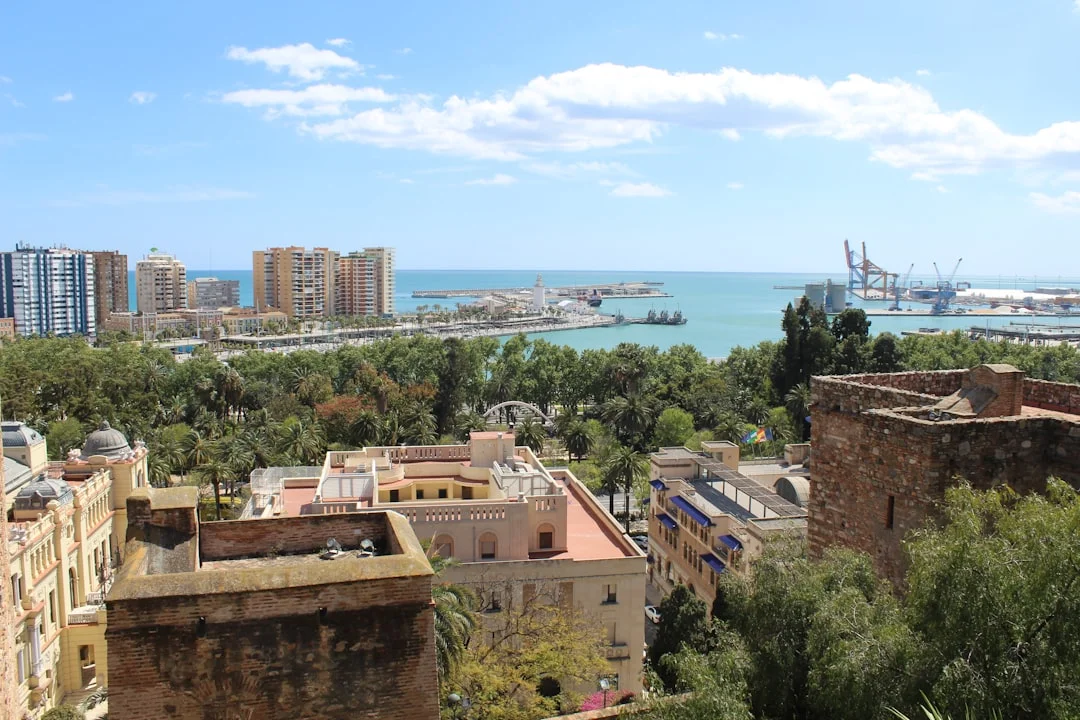
Malaga has undoubtedly become one of Southern Europe’s most talked-about destinations. With a thriving tech ecosystem, an influx of international talent, and a tourism sector that consistently breaks records, the province’s economic narrative has been overwhelmingly positive. However, the latest economic data provides a sobering reminder that the local job market still faces seasonal and systemic challenges.
The Q1 2026 Numbers Explained
The first quarter of any year is traditionally tough for the Spanish labor market, and 2026 has been no exception for the Costa del Sol. According to the latest Active Population Survey (EPA) released in late April, the province experienced a noticeable contraction, even though Malaga’s tech industry continues to expand amid global AI job cuts.
The data reveals that Malaga added 8,200 unemployed people in the first three months of the year. Concurrently, the local economy shed 7,200 jobs during this period. This brings the total number of unemployed individuals in the province to 116,200.
Key Takeaways from the EPA Data
- Job Losses: 7,200 jobs were destroyed between January and March 2026.
- Unemployment Growth: 8,200 individuals joined the unemployment lines.
- Total Unemployment: The province’s total unemployed population now stands at 116,200.
Seasonal Dip or Systemic Shift?
For expats running local businesses or professionals looking to relocate, these figures are essential for understanding the broader economic climate. While Malaga’s reputation as a “Silicon Valley of Southern Europe” remains intact, the province’s overall economy is still heavily reliant on the service and hospitality sectors.
The first quarter typically absorbs the end of the holiday season contracts. Retail and hospitality operations often scale back their workforces in January and February before ramping up again for the spring and summer tourist influx. The loss of 7,200 jobs is highly indicative of this established seasonal pattern rather than a sudden collapse of the local tech or corporate sectors.
However, it does highlight a structural vulnerability: the dual-speed economy. While high-skilled tech jobs and international remote work continue to flourish, a significant portion of the local workforce remains tied to seasonal fluctuations.
What This Means for Local Businesses and Job Seekers
If you are an entrepreneur or a job seeker in Malaga, the Q1 data should serve as a practical guide rather than a deterrent.
- For Job Seekers: If you are looking for work in hospitality, retail, or tourism, the Q2 and Q3 periods historically offer a massive surge in hiring. If you are in the tech or B2B sectors, the market remains competitive but stable, as these industries are far less affected by seasonal swings.
- For Business Owners: Understanding the local employment cycle can help you time your hiring processes better. The current pool of available talent is larger, which might make it easier to find qualified candidates before the summer rush tightens the labor market.
Looking Ahead
As we move deeper into the spring of 2026, the economic landscape is expected to shift. The upcoming summer season traditionally acts as a powerful engine for job creation in Andalusia. We will likely see a reversal of these Q1 losses as hotels, restaurants, and tourism-adjacent services staff up to meet international demand.
Living and working in Malaga is an incredibly rewarding experience, but it requires an understanding of the region’s unique rhythms. Behind every economic statistic is a neighbor, a friend, or a local family navigating the ups and downs of the market. As the weather warms and the city gears up for its busiest months, there is a shared, quiet hope that the coming season will bring renewed stability, steady paychecks, and fresh opportunities for everyone who calls this beautiful province home.
Leave a Reply